The surprise of Tateyama-Kurobe is how far a day trip from Nagano can take you: by a chain of mountain transports, you reach Murodo at about 2,450 meters, beneath one of Japan’s three sacred mountains. From there, a guided walk brings you among snow-melt ponds and alpine meadows, with the Kurobe Dam adding a grand feat of engineering to the day.
I like two things in particular: the mix of transport and walking makes this high mountain region accessible without a strenuous climb, and the seasonal changes give you a reason to choose your dates carefully. Summer brings alpine flowers, while September and October are known for autumn color.
The main trade-off is time. This is a long day with a fixed return schedule, and mountain weather can change quickly. If you want to walk at your own pace, linger at every stop, or need a specialized meal, the group format may feel limiting.
- The day at a glance
- Riding up toward Murodo
- Walking among ponds and alpine flowers
- What the guide adds
- Weather, food, and what to bring
- The schedule and the value
- Who should book this day trip
- FAQ
- How high does the tour go?
- Where can I join the tour in Nagano?
- How much walking is included?
- What time does the tour return to Nagano?
- What is included in the price?
- When is the tour offered, and what seasonal scenery can I expect?
- More Tours in Nakaniikawa
- More Tour Reviews in Nakaniikawa
- Not for you? Here's more nearby things to do in Nakaniikawa we have reviewed
The day at a glance
 1 / 6
 2 / 6
 3 / 6
 4 / 6
 5 / 6
 6 / 6
- Murodo sits at about 2,450 meters, close to the highest point you can reach by transport in Japan.
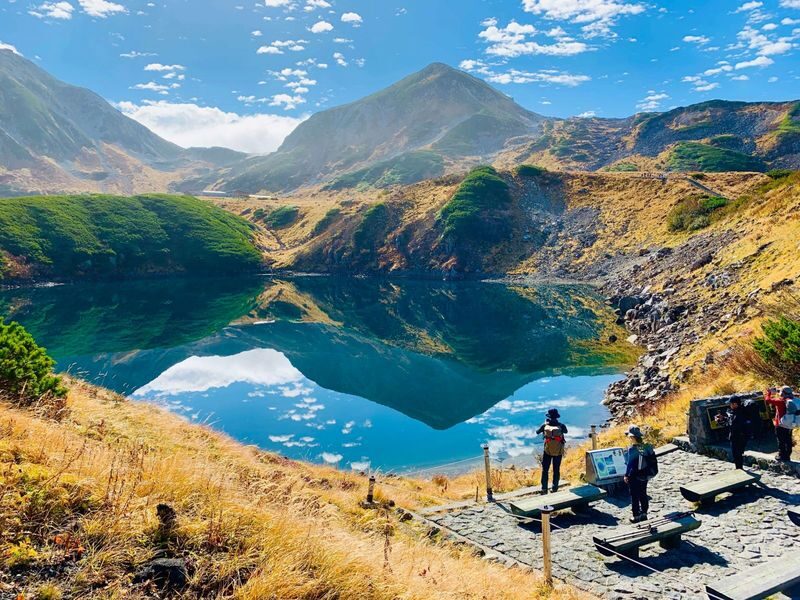
- The walk is guided and described as leisurely, with alpine meadows and snow-melt ponds below Mount Tate.
- Season matters: alpine flowers are expected in July and August; autumn color is the draw from September to October.
- The route uses several kinds of mountain transport, including a trolley bus from Ogisawa, rather than relying on a single road journey.
- Nagano pickup and round-trip transport are included, along with an English-speaking guide and attraction admission.
- Budget around a full day, from a 7:50 a.m. departure to a return to Nagano from about 6 p.m., with weather and traffic able to shift the schedule.
Riding up toward Murodo
The day starts at 7:50 a.m. at the entrance of Hotel Kokusai 21. The vehicle then stops at Nagano Station to collect other participants, so choose the pickup that suits you and arrive five minutes early. The published schedule places the group at Ogisawa at 9:45 a.m., where you board a trolley bus at 10.
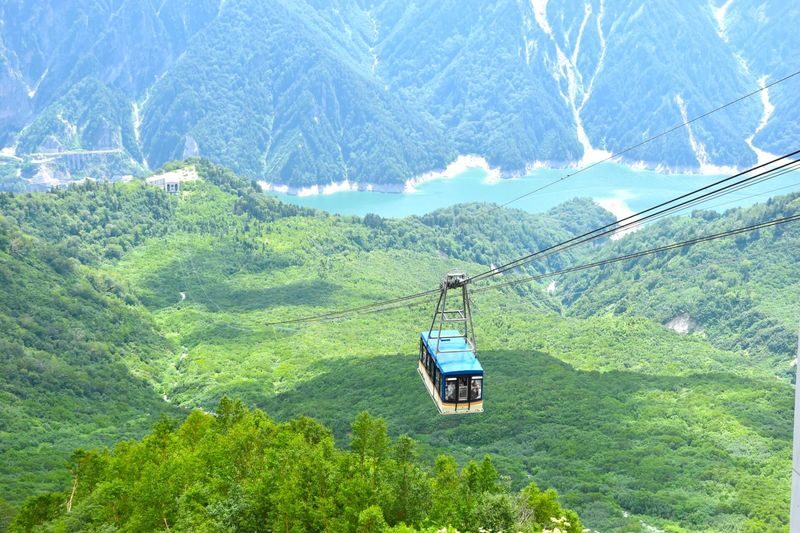
That first ride marks a change of pace. You are leaving ordinary road travel behind and entering the Tateyama-Kurobe Alpine Route, a mountain crossing that uses several forms of transport to climb through the Northern Japanese Alps. The variety is part of the appeal: getting to the high country feels like an outing in its own right, not just a shuttle to a hiking trail.
At roughly 2,450 meters, Murodo is the day’s main high-altitude stop. It is often called the Roof of Japan because it is just under 2,500 meters and among the highest places in the country accessible by transport. You do not have to summit Mount Tate to experience the scale of the mountains. The guided walk takes you beneath it, through terrain shaped by snow and the short alpine growing season.
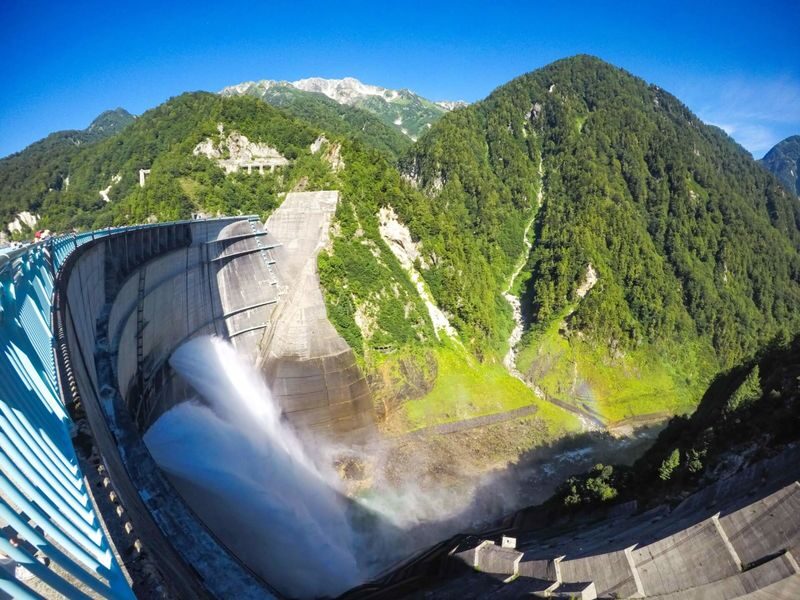
The route also includes the Kurobe Dam, a huge structure and a point of national pride. The dam gives the day a different kind of interest from the mountain walk: here, the draw is human engineering on a large scale. The schedule does not assign a separate time for the dam, so think of it as part of the overall route rather than a stop where you can plan a long independent visit.
You can also read our reviews of more tours and experiences in Nakaniikawa.

Walking among ponds and alpine flowers
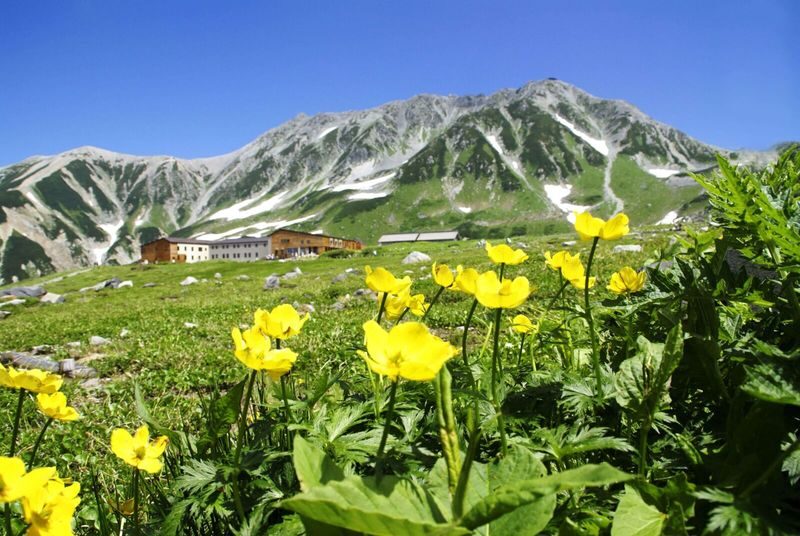
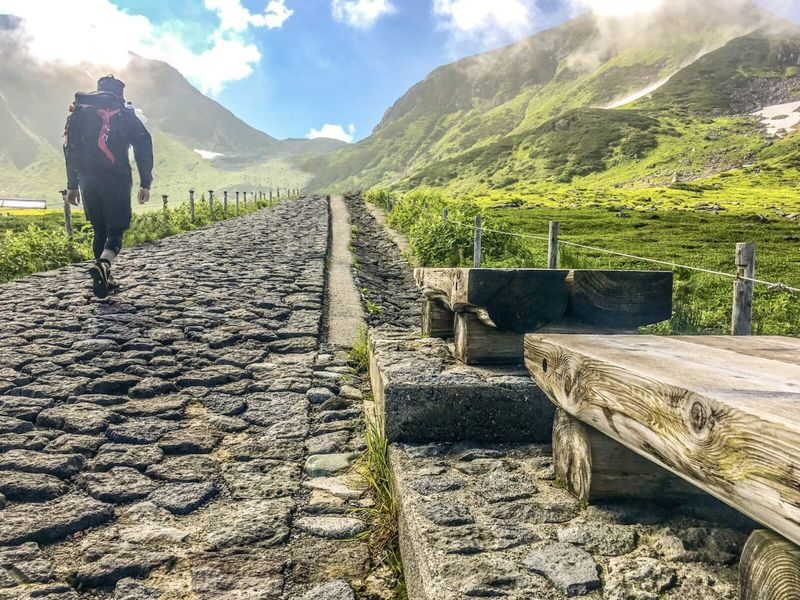
The guided walk at Murodo is the heart of this trip. It is described as leisurely, with trails beneath Mount Tate passing snow-melt ponds and alpine meadows. That makes the outing appealing if you want time outdoors without signing up for a strenuous summit hike.
Still, do not confuse leisurely with effortless. You will be walking at high elevation, where conditions can feel different from Nagano, and the day has a set timetable. One participant who found the schedule rushed also felt that being out of shape made it harder to see everything. If you are unsure about your stamina, consider how comfortable you are walking for a few hours and keep your own pace in mind.
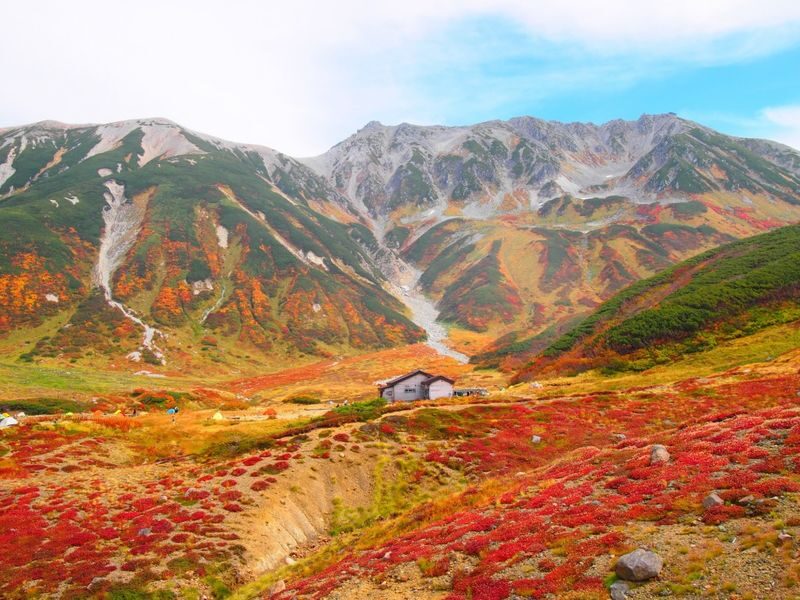
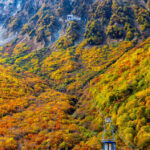
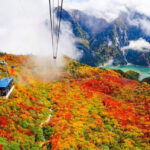
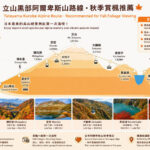
The season shapes what you see. July and August are the time to look for alpine flowers, while September and October bring some of Japan’s striking high-mountain autumn color. The timing is a real part of the decision: choose summer for flowers and greener meadows, or fall for seasonal color. The exact display depends on conditions, so no date can promise a particular bloom or peak color.
At Murodo, the schedule gives you time from around 12:30 p.m. until a 3 p.m. meeting with the guide to start back down. That window includes the guided portion, so it is not necessarily all free time for independent wandering. Follow the guide’s instructions and keep an eye on the meeting time. Missing the return group could leave you to sort out your own way down.
What the guide adds
A good guide matters on a day built around a complicated mountain route. You are changing transport, keeping to a schedule, and walking in an environment where weather can turn. An English-speaking guide is included, and the role goes beyond pointing out the next stop: the guide can explain the sights, help the group stay organized, and offer practical advice as you go.
Past guides have included Dai and Joyce, both singled out for being helpful and clear. That does not mean you will have either of them, but it gives you a sense of the kind of personal attention this trip can provide. Other strong points associated with the experience include useful explanations, careful group support, and flexible handling of the day when conditions allow.
The level of flexibility has limits. The itinerary has set departure and return points, and timing can change because of weather or traffic. One account described a late guide and a rushed feeling, a reminder that even a well-planned group day can go wrong. If promptness is crucial for a connection later that evening, leave a buffer rather than treating the 6 p.m. return as a guarantee.
Weather, food, and what to bring
At nearly 2,450 meters, mountain weather deserves respect. A November visit encountered a heavy snowstorm, with snow-covered trails and strong winds. That is outside the tour’s stated summer and fall focus, but it is a useful warning about how sharply conditions can differ at altitude. Check the forecast close to your date and listen to the guide if conditions call for extra care.
Food and drinks are available along the way, but the range may not suit every diet or preference. If you have dietary restrictions or are particular about what you eat, bring your own food and snacks. This is an easy bit of preparation that can make the long day more comfortable.
Dress for walking and changing conditions rather than relying on the weather in Nagano. The provided information does not specify a required clothing list, so use the forecast and any current guidance from the operator. Good footing matters, especially if rain, snow, or wind affects the trails.
The schedule and the value
At US$208.09, this is not a bargain-priced bus outing. Its value comes from bundling a full-day round-trip transfer from Nagano, admission to attractions, an English-speaking guide, and the effort of coordinating a route that uses multiple mountain transports. You are paying for convenience and help navigating the day, not simply for a guided walk.
That package makes sense if you would rather have transport and ticket arrangements handled for you. The pickup at Hotel Kokusai 21 and the Nagano Station option give you two starting points, and the return is scheduled for Nagano Station at about 6 p.m. and Hotel Kokusai 21 at 6:15 p.m. The listed schedule can change with traffic and weather.
If you are comfortable arranging transport and tickets independently, compare that option with the tour before booking. A participant felt the individual tickets could have been bought at the terminals and wished for more time at the stops. On the other hand, private group transport and a guide can reduce the worry of figuring out each connection, and the route’s many stages can make that support worthwhile.
Cancellation terms are also worth checking before you commit: the stated policy allows a full refund if you cancel at least 24 hours before the activity date in local time. The mobile voucher is valid only for the date and time booked. Infants and children must be included in the passenger headcount.
Who should book this day trip
I would choose this trip if you are staying in Nagano, want to see the high Alps without planning every transport link yourself, and enjoy a mix of scenic rides and moderate walking. It is especially appealing if you can time your visit for summer flowers or September and October color, and if having an English-speaking guide will make the route easier to follow.
It is less suitable if you want a long, unhurried hike, need full control over meal choices, or have little room for delays in your evening plans. The day is long, the walking takes place at altitude, and weather can affect both comfort and the schedule. If those trade-offs work for you, the combination of sacred mountain scenery, mountain transport, and the Kurobe Dam makes this a distinctive way to spend a day from Nagano.
(Summer/Fall only) Tateyama-Kurobe: Walking on the “Roof of Japan”
“Feedback: The tour guides provided information about the locations and took good care of the group members 👍🏼 The itinerary was flexible, recommend…”
FAQ
How high does the tour go?
The route reaches Murodo at about 2,450 meters above sea level, just under 2,500 meters.
Where can I join the tour in Nagano?
You can join at the entrance of Hotel Kokusai 21 at 7:50 a.m. or at Nagano Station. The vehicle stops at Nagano Station after departing from the hotel.
How much walking is included?
The tour includes a guided, leisurely walk beneath Mount Tate, past snow-melt ponds and alpine meadows. The schedule gives time at Murodo from about 12:30 p.m. until 3 p.m., when the group meets the guide to start back down.
What time does the tour return to Nagano?
The schedule gives a return to Nagano from about 6 p.m. Nagano Station is listed at 6 p.m. and Hotel Kokusai 21 at 6:15 p.m. Traffic and weather can change the schedule.
What is included in the price?
The price includes admission to attractions, an English-speaking guide, and round-trip transfers to and from the meeting location. Personal expenses are not included.
When is the tour offered, and what seasonal scenery can I expect?
The tour is described as a summer and fall experience. July and August are noted for alpine flowers, while September and October are noted for autumn color.