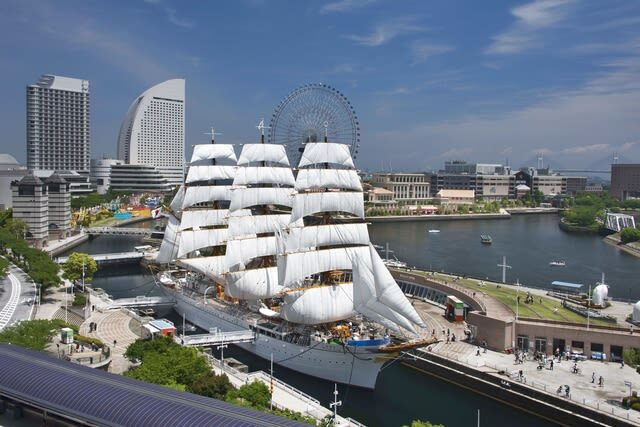
The Nippon Maru is the main event: a full-size sailing ship moored in central Yokohama, with tall masts, busy rigging and interior spaces that show how sailors trained for life at sea. I like the contrast between its working decks and the city all around it, and I like that the nearby port museum adds context through Yokohama’s maps, models and maritime story.
One thing to plan for: the museum and ship are adjacent but can require separate admission, depending on the ticket you choose. The ship is outdoors, so a hot, sunny day can make its decks less comfortable, and the museum has restrictions on photography.
- What to know before you go
- The Nippon Maru, a sailing ship in the middle of Minatomirai
- On deck: rigging, views and a little sun
- Inside the Yokohama Port Museum
- Choose one admission or both
- Getting there and timing your visit
- Tickets, entry and practical details
- Who will enjoy the visit most?
- Should you book?
- FAQ
- Does the ticket include both the Nippon Maru and the Yokohama Port Museum?
- What are the opening hours?
- How do I get to the Nippon Maru?
- Can I take photographs inside the museum?
- Do children aged 0 to 6 need a ticket?
- Can I cancel or get a refund?
- How long is the voucher valid?
- The Best Of Yokohama!
- More Boat Tours & Cruises in Yokohama
- More Tours in Yokohama
- More Tour Reviews in Yokohama
- Not for you? Here's more nearby things to do in Yokohama we have reviewed
What to know before you go
 1 / 4
 2 / 4
 3 / 4
 4 / 4
- The Nippon Maru is a ship you can board: Explore the deck, masts and ropes, then go inside to see displays about training at sea and the vessel’s past.
- The museum explains how Yokohama grew as a port: Exhibits include aerial photographs, ship dioramas and displays about the city’s development and land reclamation.
- Check what your ticket covers: Ship and museum admission are sold as package options. One does not automatically include the other.
- Expect a quiet, self-paced visit: The experience is a museum and historic ship visit, not a guided harbor cruise.
- Bring your voucher online: Staff must operate the electronic voucher at entry, and it needs an internet-connected device.
- Check opening days and maintenance closures: Normal hours are 10 a.m. to 5 p.m., with last admission at 4:30 p.m., but schedules can change.

👉 See our pick of the 15 Best Guided Tours In Yokohama
The Nippon Maru, a sailing ship in the middle of Minatomirai
The Nippon Maru is known as the Swan of the Pacific, but its appeal is not just its graceful profile. It is a traditional sailing training ship and a nationally designated important cultural property, preserved so you can see both its exterior and interior. Its masts and lines rise above a city setting, a striking meeting of old maritime craft and modern Yokohama.
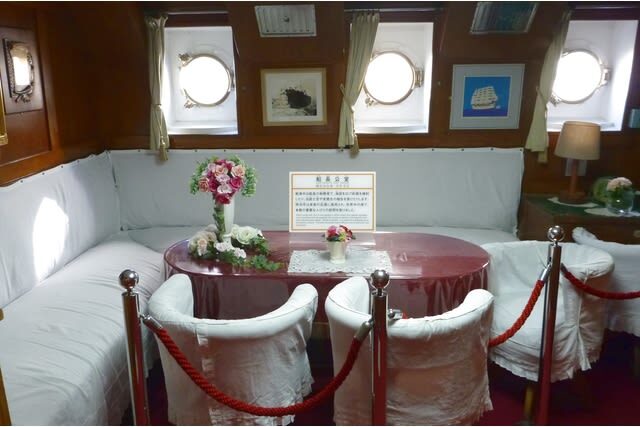
On deck, the ropes and rigging make the work of sailing easier to picture. This is not a cruise ship with a polished lounge and a view from the rail. It is a vessel built around the practical business of learning to sail, and displays use photographs, ship equipment and audio commentary to explain how training worked during voyages on the open sea.
Inside, you get a closer look at the ship’s working spaces and the story of the people who trained aboard. The displays make the vessel more than a handsome backdrop for photos. They give you a sense of the discipline and skill involved in handling a sailing ship, even if you arrive with only a casual interest in boats.
The ship is located in the heart of Minatomirai, rather than at a distant harbor. That makes it easy to fit into a day in Yokohama, but it also means you should not expect a remote or windswept maritime setting. The surrounding city is part of the scene. For some, that contrast is a bonus; for others, it may make the ship feel less like a voyage into the past.
You can also read our reviews of more boat tours in Yokohama


On deck: rigging, views and a little sun
The outdoor deck is one of the most memorable parts of the visit. From close up, the web of ropes and the height of the masts show the scale of the work that goes into a sailing ship. It is a good place to pause and take in the vessel’s shape, and there are plenty of details to look at if you enjoy ships or photography.
The weather matters here. The ship is outside, and the deck can feel hot in direct sun. If you are visiting in warm weather, it is sensible to plan your time on deck for the cooler part of the day if the schedule allows, and to take breaks inside. The available information does not give a recommended visit length, so set your own pace rather than treating the ship as a quick photo stop.
The ship’s setting also offers a view of the port city, though this is not a harbor cruise or a sailing experience. You remain on board a moored vessel. If you are hoping to get out on the water, this visit does not include that; its value lies in seeing the ship close up and understanding its role as a training vessel.
A visit here can work well for a family or couple outing because the ship offers a tangible change of scene from an indoor museum. Children can see the ropes, deck and ship spaces at full scale, while adults can take more time with the historical displays. Keep in mind that the ship has stairs and changing levels, so move carefully and check directly with the facility if you need specific access information.
Inside the Yokohama Port Museum
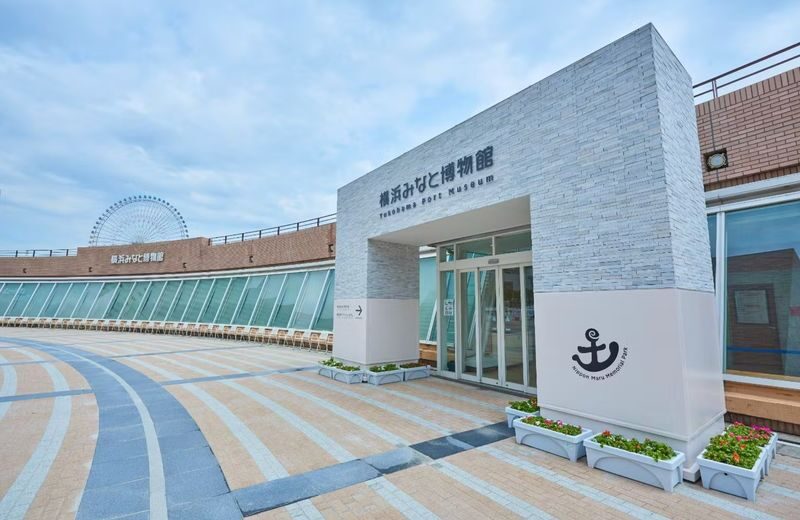
The Yokohama Port Museum gives the ship a broader setting. Its subject is the port and the way it shaped the city, with displays that include aerial views, port history and ship dioramas. For anyone curious about how Yokohama changed over time, the museum helps connect the vessel’s maritime story to the city around it.
A particularly useful thread is the development of Yokohama’s land and waterfront. Exhibits trace the history of the port and the reclamation of land, showing that the city’s shoreline has not always looked as it does today. Aerial photographs can help you see that change at a glance, while models make the port’s scale and layout easier to grasp.
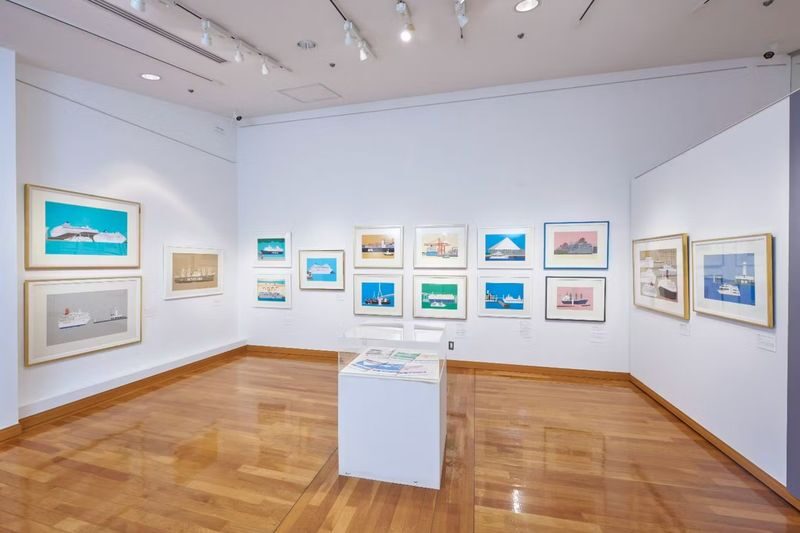
The museum also includes a permanent exhibition room devoted to painter Ryohei Yanagihara. Known for ship paintings, picture books, oil paintings, lithographs and advertising designs for Uncle Tris, his work adds an artistic angle to a visit that might otherwise focus only on ships and engineering. If you have time, take a look even if you came mainly for the Nippon Maru.
English text is available in parts of the museum, which can make the exhibits easier to follow for international visitors. Do not assume every display has English text, though. Photography is prohibited in much of the museum, with designated areas near the entrance as an exception. If you like recording museum visits with your camera, this rule may be a disappointment.
The museum is indoors, a helpful counterpoint to the ship’s exposed decks. There are not many chairs for short rests, so visitors who need frequent breaks may want to pace themselves. A reference room, described as library-like, offers a quieter place to pause and read.
Choose one admission or both
The ticket choices matter because the ship and museum sit next to each other but are not necessarily covered by the same admission. The available options include Nippon Maru admission and Yokohama Port Museum admission. Check the exact package name before you pay, especially if you want to see both.
The advertised starting price is from $2.25, a low entry point for a central Yokohama attraction. Treat that as a starting price, not a guarantee that every package or date costs the same. The value depends on what you select: the ship ticket gives you access to the vessel, while the museum ticket adds the exhibits on Yokohama’s port and Yanagihara’s art. A visit to both gives you a more complete picture of the place, but may require buying the two admissions separately.
For a short stop, the ship alone can be enough if your main interest is seeing a preserved sailing vessel from deck to interior. The museum alone makes sense if you want city and port history, or if you prefer an indoor visit. If you have time for both, the combination helps the exhibits make more sense: the ship shows you the physical craft, and the museum places it in the larger story of Yokohama.
Special exhibitions may carry an additional fee. Outside food and drinks are not allowed inside the venue, so plan meals and snacks before or after your visit.
Getting there and timing your visit
The address is 2-1-1 Minatomirai, Nishi Ward, Yokohama. The site is about a five-minute walk from Sakuragicho Station on the JR Negishi Line or Yokohama Municipal Subway Blue Line. It is also about a five-minute walk from Minatomirai Station or Bashamichi Station on the Minatomirai Line.
There is no dedicated parking lot. Parking is available for sightseeing buses and wheelchairs, but you should contact the facility in advance. If you are arriving by car, the site is about 0.5 kilometres from the Minatomirai exit on the Metropolitan Expressway Yokohane Line.
The listed regular hours are Tuesday through Sunday, 10 a.m. to 5 p.m., with last admission at 4:30 p.m. If Monday is a national holiday, the facility opens that Monday and closes on the following weekday. Business hours and regular holidays can change, and maintenance closures are possible, so check before setting out.
The published maintenance dates include a Nippon Maru closure from January 28 to March 2, 2026, and again March 7 and 8, 2026. The Yokohama Port Museum is listed as closed for maintenance from January 28 to February 4, 2026. Confirm current schedules before booking or travelling, since an unexpected closure can spoil an otherwise easy visit.
You can also read our reviews of more museum experiences in Yokohama




Tickets, entry and practical details
The mobile voucher needs to be shown on a device that can connect to the internet. You can open it through the Klook app or website in your booking record. Download or open it before arriving if you are unsure about having a reliable connection at the entrance.
At entry, facility staff must operate the electronic voucher. Do not try to redeem it yourself, since an incorrect operation can invalidate the ticket. Redemption has generally been straightforward when staff recognize the booking, but the process may take longer if the counter is unfamiliar with the voucher. Allow a little extra time, and calmly show the voucher screen and the package you purchased.
The voucher is valid for 90 days from booking confirmation and expires at 11:59 p.m. on the final day. It cannot be cancelled or refunded, so check your date and the facility schedule before booking. Children aged 0 to 6 enter free. Groups of 20 or more cannot use this admission arrangement.
On Saturdays, elementary, junior high and high school students pay a flat rate of 100 yen for either single admission or the common ticket, purchased at the ticket window on the day. People with a disability certificate enter free, as does up to one companion. These rules may make it worthwhile to buy at the venue rather than book online for those specific visitors.
Who will enjoy the visit most?
The Nippon Maru is an easy choice for anyone with an interest in ships, maritime history or unusual city sights. You do not need to be a sailing enthusiast to appreciate the scale of the deck and rigging, but boat fans will have more to linger over. The ship’s preserved spaces and training displays give the visit substance beyond its photogenic exterior.
The museum is a good fit if you want to understand Yokohama as a port city, rather than simply look at the waterfront. Its models, aerial images and history of land reclamation offer a useful change of pace from shopping and city views. The Yanagihara gallery adds another reason to go, especially if you like paintings of ships or illustration.
Families and couples can make a relaxed outing of the two adjacent attractions, but the experience is self-paced rather than a guided tour. You will not be joining a named guide or heading out on a boat. Instead, you choose how long to spend with the displays, the ship and the views.
I would not make this the only reason for a long trip across Yokohama if you have little interest in ships or port history. But its central location, modest starting price and choice of indoor and outdoor visits make it an appealing addition to a Minatomirai day. If you want the full story, budget time and admission for both sites.
Should you book?
Book the Nippon Maru if you want to step aboard a historic sailing training ship and see its rigging and interior at close range. Add the museum if you want the city’s port story, ship models and Yanagihara’s artwork to round out the visit. Before paying, confirm which admission you are selecting, check for maintenance closures, and remember that the voucher must be redeemed by staff on an internet-connected device.
Sail Training Ship NIPPON MARU & Yokohama Port Museum Admission in Yokohama
“Booking convenience with Klook: Booking convenience with Klook: Facilities: Price: Service: Booking convenience with Klook:”
FAQ
Does the ticket include both the Nippon Maru and the Yokohama Port Museum?
Not always. Admission options include the sailing ship and the museum, and the two attractions may require separate tickets. Check the package name and details before booking.
What are the opening hours?
The listed hours are Tuesday through Sunday, 10 a.m. to 5 p.m., with last admission at 4:30 p.m. If Monday is a national holiday, the facility opens that Monday and closes on the following weekday. Hours may vary, and maintenance closures can apply.
How do I get to the Nippon Maru?
It is about a five-minute walk from Sakuragicho Station, Minatomirai Station or Bashamichi Station. The address is 2-1-1 Minatomirai, Nishi Ward, Yokohama.
Can I take photographs inside the museum?
Photography is prohibited in much of the museum. Designated areas near the entrance are exceptions.
Do children aged 0 to 6 need a ticket?
No. Admission is free for children aged 0 to 6.
Can I cancel or get a refund?
No. The booking cannot be cancelled or refunded, so check the date and opening schedule before booking.
How long is the voucher valid?
It is valid for 90 days from the booking confirmation date and expires at 11:59 p.m. on the final day.