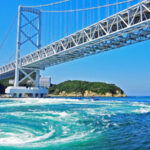
The Otsuka Museum of Art gathers around 1,000 full-size reproductions of Western paintings and frescoes under one roof in Naruto. The scale is the point: you can move from ancient wall paintings to familiar modern masterpieces without crossing a continent, though the works are ceramic reproductions, not originals.
I like two things in particular: the collection puts well-known paintings alongside less familiar sites and frescoes, and the vast galleries let you see major works at full size. Free guided tours, offered several times a day, can add context without requiring you to book a separate tour.
The trade-off is physical as well as artistic. This is a very large museum, spread across five floors, and walking it all takes stamina. The entry price is substantial for a museum of reproductions, so the visit makes most sense if you have time to explore rather than rush through.
- At a glance
- A museum that brings distant art close
- Five floors, with more to see than you expect
- The reproductions: what you gain, and what you do not
- Guided tours, rest stops, and a long day indoors
- Is the ticket worth the price?
- Getting to the museum in Naruto
- Practical details before you go
- Should you book the Otsuka Museum of Art?
- FAQ
- How long should I plan for the Otsuka Museum of Art?
- What are the admission prices at the museum counter?
- What does the ticket include?
- How do I use the e-ticket?
- When is the museum open?
- Which days is the museum closed?
- How do I get to the museum from Naruto Station?
- Can I re-enter the museum on the same day?
- The Best Of Naruto!
- More Tickets in Naruto
- More Tours in Naruto
- More Tour Reviews in Naruto
- Not for you? Here's more nearby things to do in Naruto we have reviewed
At a glance
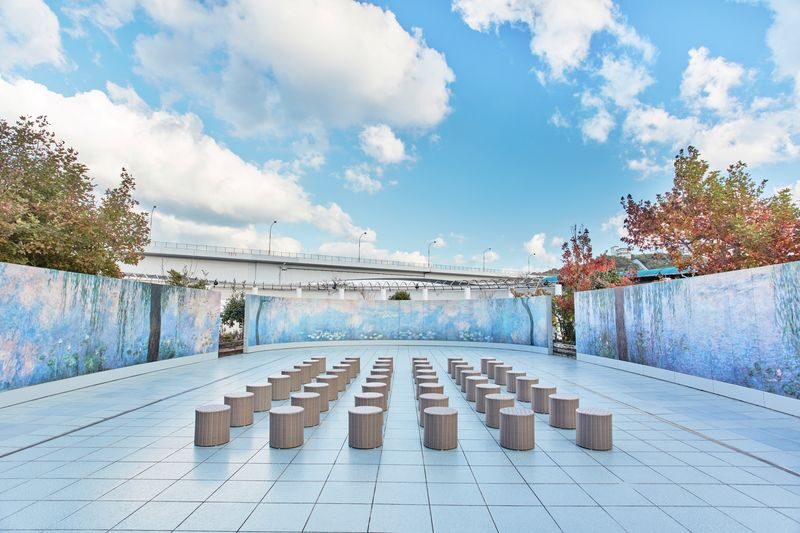
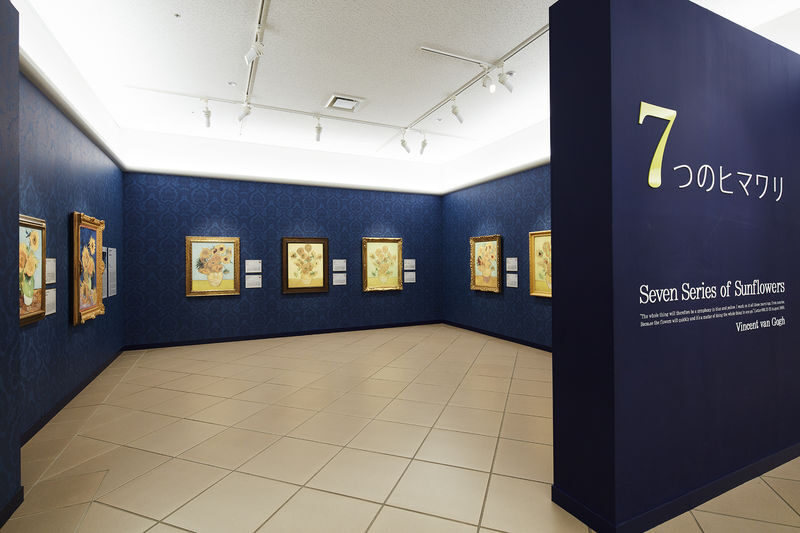
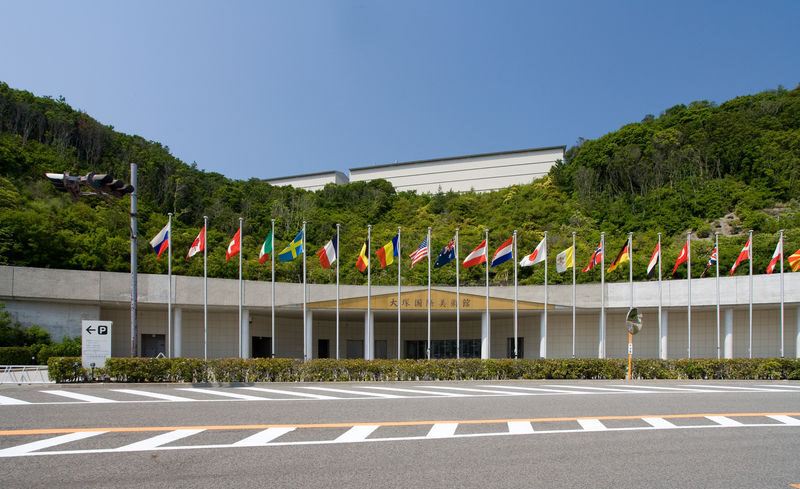
- Around 1,000 full-size works: Ceramic reproductions represent Western art from 190 museums in 26 countries.
- Five floors to explore: The museum has three underground levels and two above-ground floors, with ample ground to cover.
- Plan for three to five hours: A quick look takes less time, but a careful visit can fill much of the day.
- Free guided tours: Tours run several times daily. Check the schedule at the museum if you want to join one.
- Easy e-ticket entry: Show the voucher screen or a printed voucher with the correct ticket type and QR code.
- A high admission price, with possible online savings: The counter rate is JPY3,300 for adults, JPY2,200 for university students, and JPY550 for school-age children.

👉 See our pick of the 2 Best Tours In Naruto
A museum that brings distant art close
The unusual idea here is simple: the museum uses ceramic panels to reproduce paintings and frescoes at their original scale. That makes it possible to view famous works from institutions around the world in one place, including pieces that would otherwise take a long international itinerary to see.
The reproductions are not substitutes for standing in front of an original. They do not carry the same material history or the artist’s own hand. But they make comparisons easy. You can see multiple works associated with a familiar artist or style in a single visit, and examine entire scenes that are difficult to access at their original locations.
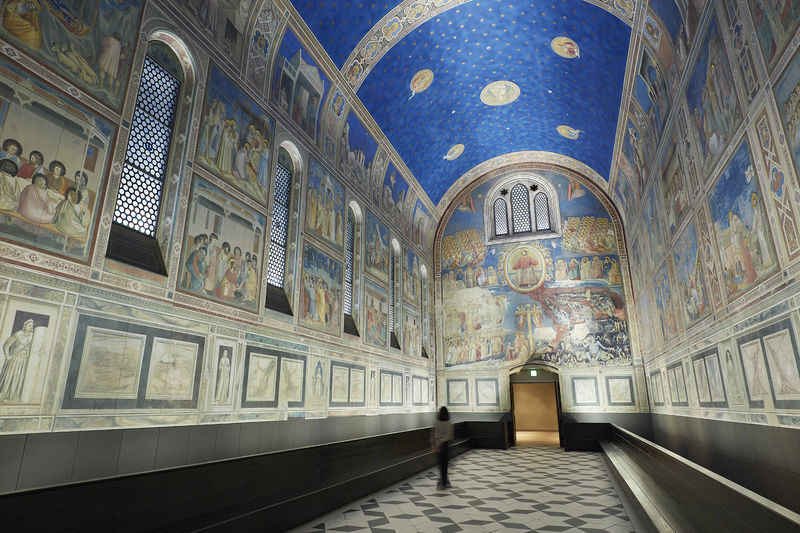
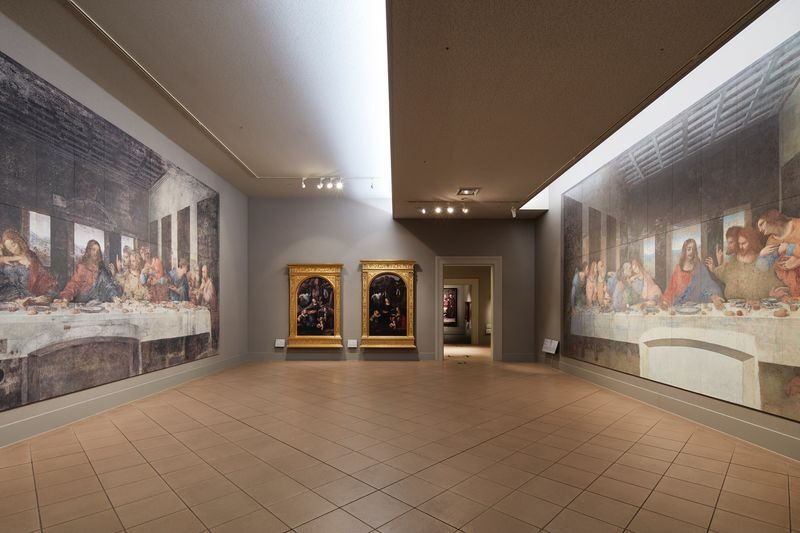
That range is unusually broad. The displays include ancient frescoes from Pompeii and Cappadocia, famous Western paintings, and several versions of Van Gogh’s Sunflowers. The museum also displays pre-restoration and post-restoration versions of The Last Supper, a useful way to see how restoration can change the appearance of a work.
The scale matters. A reproduction at full size lets you take in the composition and details without peering at a small image in a guidebook. If you are an art lover, that can be a strong reason to come. If you are mainly interested in original paintings, keep the distinction in mind before paying for admission.
You can also read our reviews of more tours and experiences in Naruto.


Five floors, with more to see than you expect
The museum has three underground floors and two above-ground floors. That layout is part of what makes the visit feel like a journey across periods and places, but it also means you should expect a lot of walking between exhibits.
You can make a casual circuit in two or three hours, but that pace will mean choosing what interests you most. For a slower visit, allow three to five hours. Some visitors spend close to a full day, especially if they stop for meals, join a tour, or take time with the displays.
Rather than trying to absorb every work, consider picking a few areas to spend time in. Start with pieces you already know, then make room for the ancient wall paintings and reconstructed environments. The less familiar displays can be just as rewarding as the headline works, particularly if you are curious about how paintings and frescoes originally appeared in their settings.
One visitor tip is to begin on the upper floors and work downward, since famous Impressionist paintings are located there. That is a useful strategy if those works are your priority, but it is not a required route. The museum is large enough that a plan can save you backtracking, while a looser approach leaves room to follow your interests.
The reproductions: what you gain, and what you do not
The ceramic panels allow the museum to show an enormous range of works, including frescoes and paintings that are spread across museums and historic sites in 26 countries. The result is a rare chance to compare major pieces in a single visit, without the cost and planning of traveling to each original location.
The display also helps you notice context. A painting is not always shown as an isolated rectangle; some areas recreate the feel of a church, archaeological site, or other setting. The Pompeii and Cappadocia frescoes, in particular, bring ancient environments into the museum. You get a sense of how art relates to a place, even though you are not standing at the original site.
The compromise remains clear: a reproduction cannot provide the texture, age, or provenance of the original. If those qualities are what you value most, this museum may feel less satisfying than a collection of original works. If you want a broad visual introduction to Western art, or a chance to see famous compositions at full scale, the reproductions have real value.
I would treat the museum as a companion to seeing originals, not a replacement for them. It can help you recognize works and styles before or after a trip abroad, and it makes a broad collection accessible in one stop in Tokushima.
Guided tours, rest stops, and a long day indoors
Free guided tours run several times a day and last about an hour. They are a practical way to get more from the collection, especially if you would rather hear an explanation than read every label. Tour times and languages are not specified here, so check the day’s schedule and details at the museum.
You can also explore independently. Explanatory notes accompany the paintings, and visitors have found those useful enough that an audio guide may not be essential for everyone. If you like a structured explanation, ask about the audio guide; if you prefer to move at your own pace, the labels and a guided tour may be enough.
The long galleries can tire your feet. Benches and places to sit are scattered through the museum, which makes it easier to pause and look carefully rather than treat the visit as a march from one famous painting to the next. Wear comfortable shoes, and build in breaks.
There are cafés and restaurants inside, including Café de Giverny on B2, noted for its view. The museum also has garden and outdoor areas, so you can take a breather from the galleries. Food and drink should be kept to designated areas.
Is the ticket worth the price?
At the museum counter, adult admission is JPY3,300, university student admission is JPY2,200, and admission for elementary, junior high, and high school students is JPY550. Online tickets may cost less, but the exact discount can vary, so compare the final price with the counter rate before booking.
The value depends on how long you stay and how interested you are in art. For a brief stop to see a few famous paintings, the adult price may feel steep. If you spend three or more hours, join a free guided tour, and take in the range of paintings and frescoes, the cost is easier to justify.
The ticket covers admission only. Food, drinks, and any other purchases are extra. Online booking can make entry straightforward: present the voucher screen or a printed copy with the ticket category and QR code. A voucher or reservation number by itself is not accepted.
The voucher details include a validity date of March 31, 2027 at 16:00, while the admission ticket is described as having no expiration date and being usable from the day of purchase. Because these statements refer to different parts of the booking, check the validity shown on your own voucher before you go.
Getting to the museum in Naruto
The museum is at Fukuike-65-1 Narutocho Tosadomariura, Naruto, Tokushima 772-0053. From Naruto Station, the local bus takes about 15 minutes. By car, leave the Kobe-Awaji-Naruto Expressway at Naruto Kita IC, then turn left toward Naruto Kaikyo; the drive from the interchange is about three minutes.
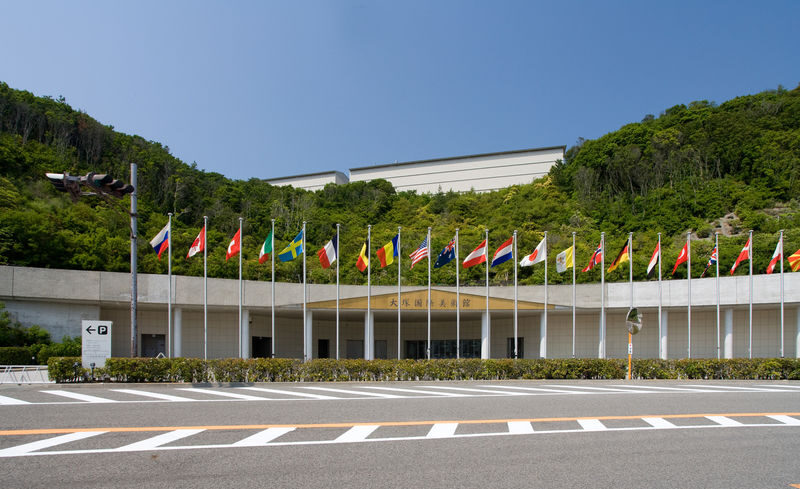
If you drive, note that the parking area is separate from the museum entrance. A free shuttle bus runs between the parking lot and the museum, and staff direct drivers to the parking area. Allow a little extra time for that transfer, particularly if you are planning to arrive close to opening or leave near closing.
The museum is open from 9:30 a.m. to 5 p.m., with ticket sales ending at 4 p.m. It is closed on Mondays, or the following day when Monday is a national holiday. It also closes on consecutive days in January and on some other special holidays, while remaining open in August. Check the schedule before setting out.
You may re-enter on the same day, but ask at the entrance about the procedure. That flexibility can help if you want to take a break or coordinate your visit with nearby Naruto sights. The Uzunomichi Walkway and Naruto Whirlpools are close enough to combine with a museum visit, though you will need to plan your timing around the museum’s closing time.
Practical details before you go
Show the voucher on your phone or bring a printed copy. Make sure it displays the ticket type and QR code; the voucher number or reservation number alone will not work. The ticket is for one admission and does not include other services.
Lockers are available at the main entrance and on B3. If you need to borrow a wheelchair or stroller, contact the B3 Information Desk. Photography rules prohibit flash, strobe lights, tripods, and other camera fixtures, and commercial photography is not allowed.
Pets are not permitted inside. Smoking, including electronic and heated cigarettes, is prohibited throughout the museum grounds, including the parking lot. These rules are easy to plan around, but worth knowing before arrival.
Should you book the Otsuka Museum of Art?
Book it if you are curious about Western art, enjoy seeing famous works at full scale, or want a substantial indoor activity near Naruto. The collection’s breadth, its ancient frescoes, and the option of a free guided tour make it more than a quick gallery stop. Give yourself at least three hours and wear comfortable shoes.
Think twice if you only want to see original paintings, have little time, or are not keen on a long visit. The reproductions are the defining feature, not a small footnote, and the adult ticket price is significant. For art-minded visitors with half a day to spare, though, this is a memorable way to encounter a remarkable number of works in one place.
Otsuka Museum of Art Ticket
“The free guided tours, offered multiple times a day, were also excellent. I highly recommend them; the clear and engaging commentary makes an hour…”
FAQ
How long should I plan for the Otsuka Museum of Art?
Allow three to five hours for a thorough visit. You can walk through more quickly, but the museum’s five floors and large number of exhibits reward a slower pace.
What are the admission prices at the museum counter?
Admission is JPY3,300 for adults, JPY2,200 for university students, and JPY550 for elementary, junior high, and high school students. Online tickets may be cheaper, but the exact price depends on the offer available when you book.
What does the ticket include?
The ticket includes admission for one person to the Otsuka Museum of Art. It does not include other items or services.
How do I use the e-ticket?
Present the voucher screen or a printed voucher showing the ticket type and QR code. A voucher number or reservation number alone is not accepted.
When is the museum open?
The museum is open from 9:30 a.m. to 5 p.m. Admission tickets are sold until 4 p.m.
Which days is the museum closed?
It is closed on Mondays, or the following day if Monday is a national holiday. It also closes on consecutive days in January and on some special holidays. It is open in August.
How do I get to the museum from Naruto Station?
Take a local bus from Naruto Station. The journey takes about 15 minutes.
Can I re-enter the museum on the same day?
Same-day re-entry is allowed, but ask at the entrance about the procedure.