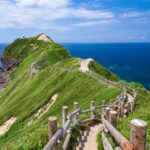
The best part of this Sapporo day trip is the change of scene: old canal-side warehouses give way to the open coast, where Cape Kamui’s cliffs meet the clear waters known as Shakotan Blue. You cover a stretch of Hokkaido that is hard to reach efficiently without a car, and return to the city the same day.
I like the contrast between Otaru’s port-town streets and the rugged Shakotan coastline, and I like that the day includes both a whisky-making landmark and several sea-view stops. Guides such as Rick and Xiao Ma have been praised for clear explanations in English, Chinese and Japanese, and for helping with photos and practical questions.
The trade-off is time: this is a full, tightly scheduled day, not a slow coastal ramble. Cape Kamui involves a substantial walk, Otaru can feel short if you want to shop and see several museums, and the distillery stop may not leave enough time for a detailed visit or tasting.
- At a glance: five stops, one long day
- Otaru Canal begins the day on an easy pace
- Yoichi Distillery offers history, with limited time to linger
- Cape Kamui is the day’s main walk
- Shimamui Coast makes a quick impression
- Ogon Cape adds one more coastal angle
- The bus makes a difficult route practical
- What the price buys, and what it does not
- Who will enjoy this day most
- Should you book this Sapporo day trip?
- FAQ
- How long is the tour?
- Where does the tour depart from?
- How early should I arrive?
- Which languages can the guide speak?
- Is admission to Yoichi Distillery included?
- How much time is spent at each stop?
- Is the lighthouse trail at Cape Kamui open?
- What should I wear?
- Are meals and drinks included?
- Can infants join the tour?
- More Tours in Shakotan
- More Tour Reviews in Shakotan
- Not for you? Here's more nearby things to do in Shakotan we have reviewed
At a glance: five stops, one long day

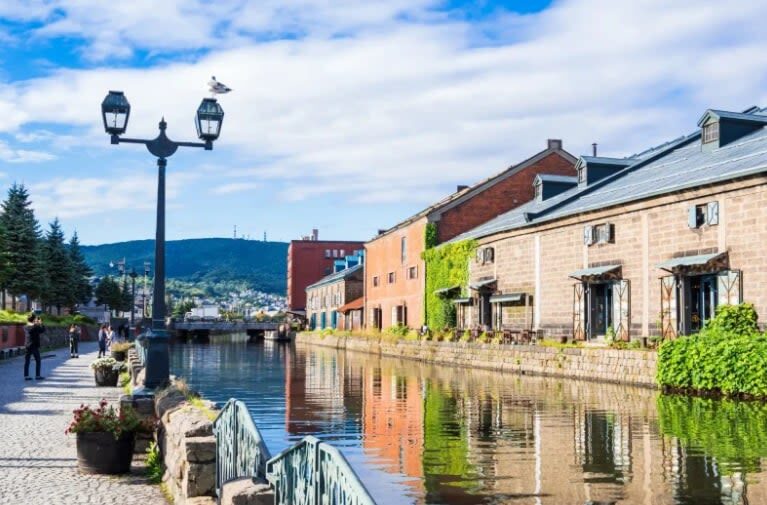
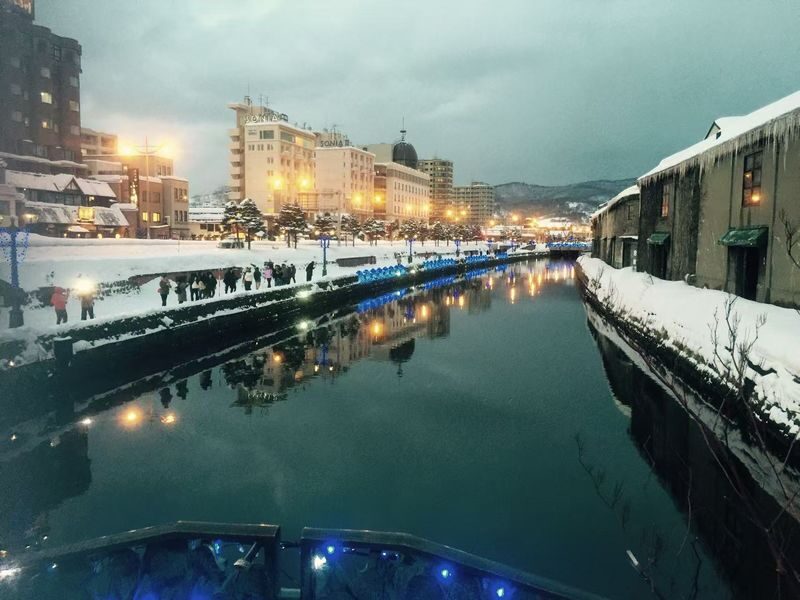
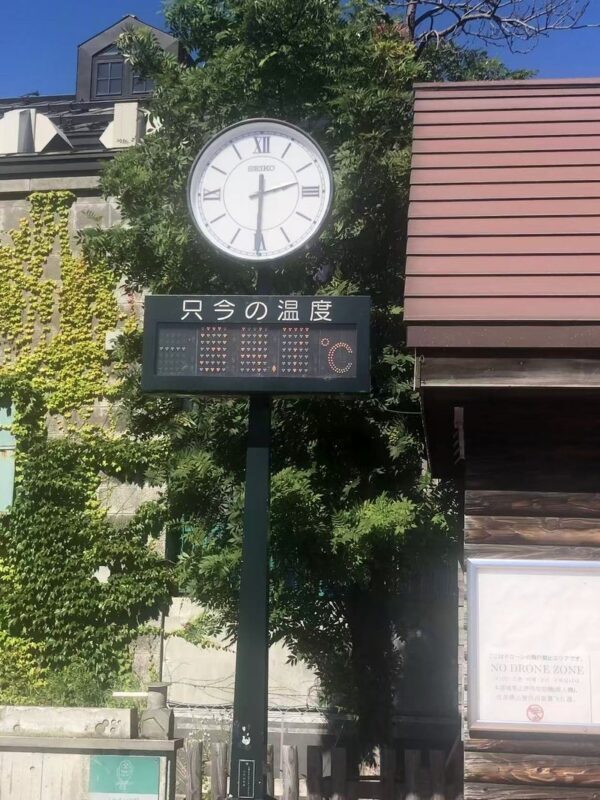
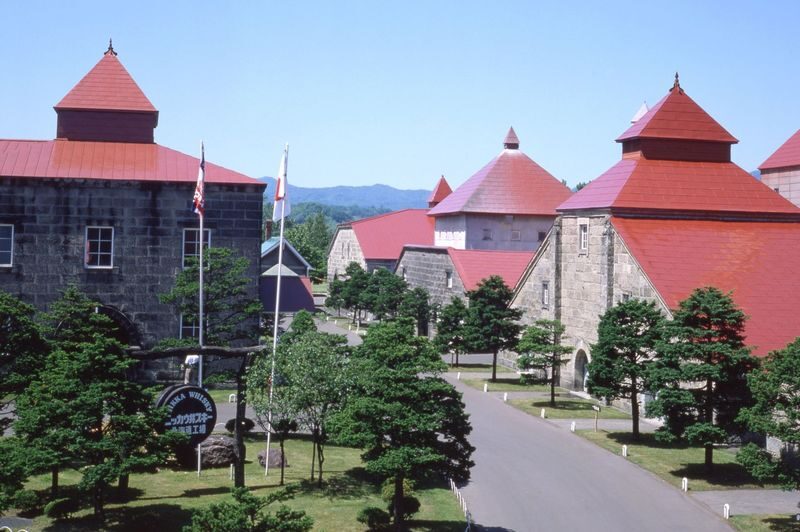
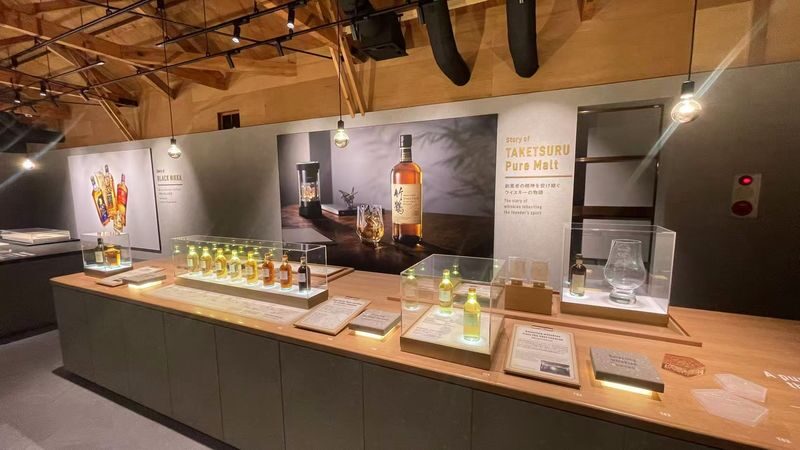
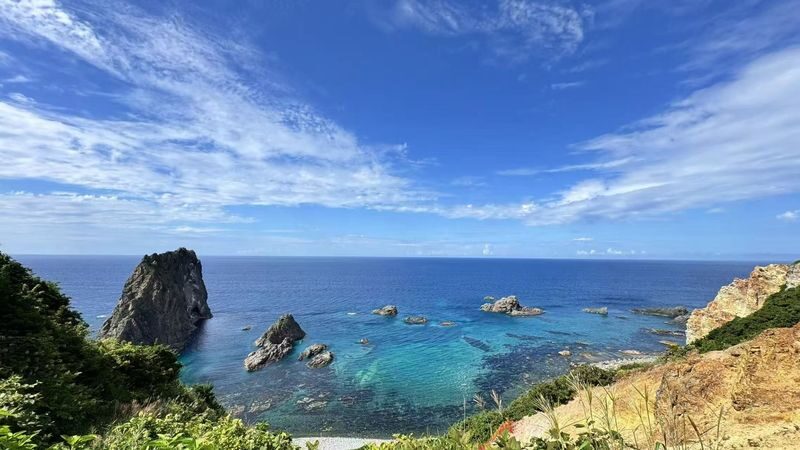
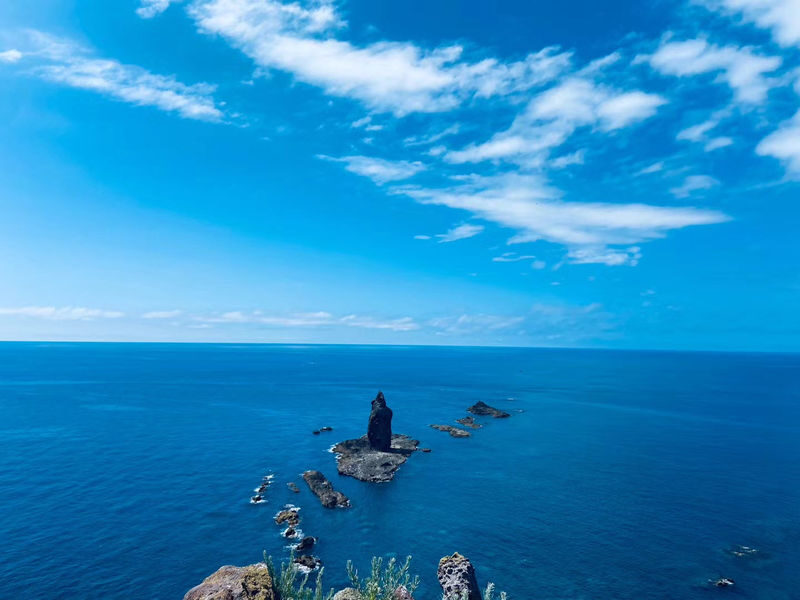
- Otaru Canal: Two hours to see the historic canal area and browse nearby Sakaimachi Street.
- Yoichi Distillery: A 45-minute stop at a landmark of Japanese whisky-making. Some paid areas require reservations and are not included.
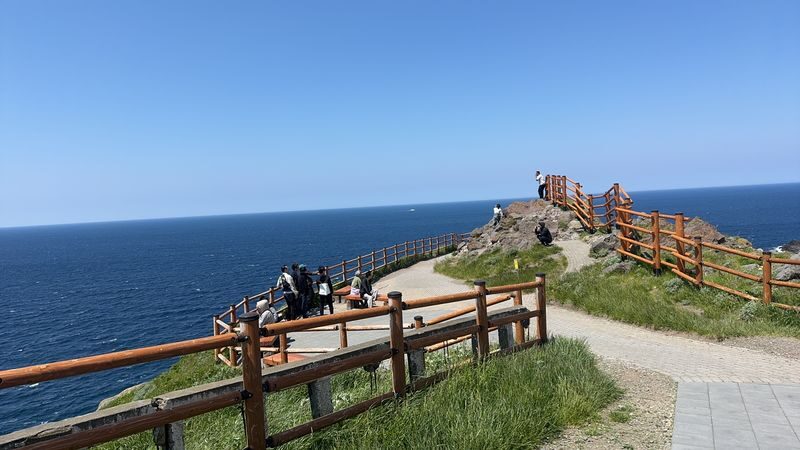
- Cape Kamui: About an hour for a walk and views of the cliffs and sea. The route to the lighthouse has a renovation-related closure; a shorter trail remains open.
- Shimamui Coast: A short visit to a viewpoint reached through a tunnel, with just 20 minutes on site.
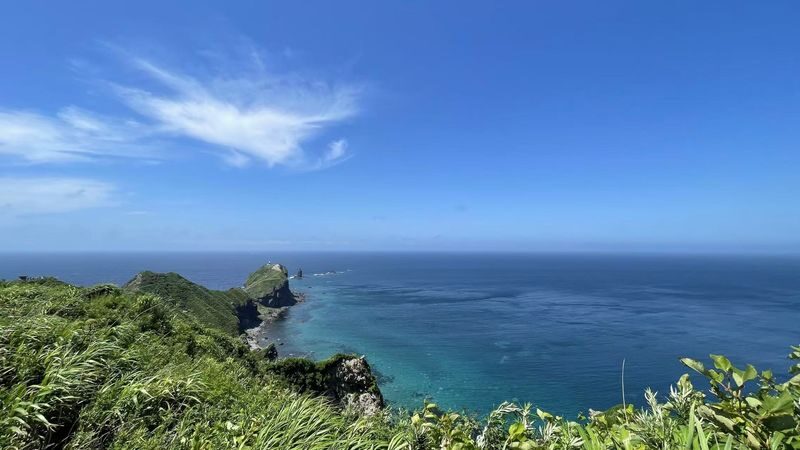
- Ogon Cape: Forty minutes for another look at the layered coastal blues and cliffs.
- Sapporo round trip: Bus transport, tolls, parking and fuel are included. Meals, drinks and distillery admission are extra.
Otaru Canal begins the day on an easy pace
The bus leaves Sapporo in the morning, with the first drive taking about 50 minutes. Otaru gets roughly two hours, making it the longest town stop and your best chance to enjoy a leisurely walk before the day turns to coast and cliffs.
The canal is the natural starting point. Its stone warehouses and water reflections give Otaru a distinct old port-town feel, while nearby Sakaimachi Street is lined with shops and crafts. You can stroll, browse, and pick up a snack or lunch, but two hours goes quickly if you want to fit in the canal, shopping, a cafe and a museum.
I would decide on one or two priorities before stepping off the bus. If shopping is your main interest, focus on Sakaimachi Street. If you would rather take in the town’s atmosphere, walk the canal and leave time to sit down for something to eat. Some people find Otaru’s restaurants expensive, so a cafe or street food may suit a short stop better.
This is a useful first stop because it breaks up the morning drive and gives the day a human scale before the big coastal views. But if you have a long wish list for Otaru, plan to return another day rather than trying to squeeze it all in.
You can also read our reviews of more tours and experiences in Shakotan.


Yoichi Distillery offers history, with limited time to linger
From Otaru, the bus takes about 40 minutes to reach the Nikka Whisky Yoichi Distillery. Founded by Masataka Taketsuru, the distillery is known for continuing traditional coal-fired direct distillation. Even a short walk around the site gives you a glimpse of the history and methods behind Japanese whisky.
The scheduled visit is 45 minutes. That is enough for a brief look, but it can feel tight if you want to read the exhibits carefully, visit paid areas, or spend time tasting whisky. Admission to the distillery is not included, and some areas require reservations. Check the current arrangements before you go if those parts are important to you.
For me, the stop works best as a cultural pause rather than a full distillery tour. You get a change from shops and sea views, and a reason to learn how a major Japanese whisky tradition began. If you are a dedicated whisky fan, keep your expectations measured: the time allowance may not match the pace you would choose on an independent visit.
Cape Kamui is the day’s main walk
After about an hour on the bus, you reach Cape Kamui, one of the signature stops on the Shakotan Peninsula. The path runs out toward the cape through an exposed setting of steep cliffs and open sea. On a clear day, the water shifts in color with the light, giving you the famous Shakotan Blue views.
You have about an hour here. That sounds generous until you account for the walk, uneven or uphill sections, pauses for photos and the return to the bus. Wear walking or hiking shoes, and keep an eye on the time. People with mobility concerns should consider the terrain carefully; the walk is not just a quick step from the car park to a viewpoint.
There is an important route change to know about. Starting October 5, the path from the Nyoninkaizumon, also called the Gate of Exclusion for Women, toward the lighthouse is closed for renovations. The right-hand walking trail remains open, so you can still visit the area and see Kamui Rock and the cape, but access to the lighthouse route is restricted. Gate and entrance arrangements can also change with rain or strong winds.
This is the stop I would protect time and energy for. It gives you the strongest sense of the peninsula’s scale, and the combination of trail, cliffs and sea is different from a roadside lookout. Still, the hour is fixed, and you may need to keep moving rather than stop at every photo spot.
Shimamui Coast makes a quick impression
A roughly 30-minute drive brings you to Shimamui Coast. The approach passes through a short tunnel, then opens onto a view of clear water and a rocky shore. The sudden change from enclosed passage to open sea is part of the appeal.
The stop is only about 20 minutes, so think of it as a viewpoint visit, not a long walk along the coast. That brief pause is enough to take in the colors and get a few photos, but you will want to be ready to move when the group heads back to the bus.
The short time here makes sense in a day that covers several separated coastal sites. It also means you should not expect to explore at your own pace. If a particular view catches your eye, take your photo first and linger second.
Ogon Cape adds one more coastal angle
Ogon Cape, reached after another short drive, gives you about 40 minutes at a final coastal stop. Like Cape Kamui and Shimamui, it is known for cliff scenery and the shifting blue tones of the sea. The extra viewpoint helps round out the day: you see more than one stretch of the peninsula, rather than treating Cape Kamui as the whole story.
There is a reasonable question of priorities here. Some people would prefer to spend longer at Cape Kamui or Otaru, while others value seeing another section of coastline. If you enjoy changing viewpoints and taking photos, Ogon Cape earns its place. If you prefer fewer stops and more time at each one, the pace may feel too busy.
From Ogon Cape, the bus heads back toward Sapporo. The planned return is around 18:40, though traffic and weather can alter the schedule. Keep your evening plans flexible, especially if you have a timed reservation after the tour.
The bus makes a difficult route practical
The route covers several towns and coastal viewpoints, with bus legs ranging from about 20 minutes to an hour. That is a lot of ground for one day, and the bus is the key to making it manageable without renting a car. Public transport is less convenient for linking these particular stops, so a guided transfer saves you the work of coordinating connections and parking.
Tolls, parking and fuel are included in the tour price. The package also includes round-trip transport from the meeting point and an English-, Chinese- or Japanese-speaking guide. Meals, drinks, distillery admission and personal expenses are not included.
Guides named in accounts of recent trips include Rick, Xiao Ma, Grace, Zoey and others, but you cannot choose a specific guide from the details provided. Guides have been described as giving explanations before stops, helping with photos, answering questions and offering local food suggestions. If a guide uses several languages, explanations may take longer, so be ready for brief instructions at each stop and longer commentary on the bus.
The exact meeting details deserve a close look. The departure information gives an 08:50 start and also lists a 09:10 meeting point near the west exit of Le Trois; the return point is Sapporo Station North Exit, and another instruction names Bus Stop No. 5. Check the latest confirmation email for your assigned time and location, arrive 10 minutes early, and keep your phone available. The email is expected after 15:00 on the day before the trip.
What the price buys, and what it does not
At a starting price of $44.20, the value comes from covering a wide area in one day. You get a full-day bus, guide, fuel, tolls and parking, plus stops in Otaru, Yoichi and three coastal areas. For someone without a rental car, that combination can be both simpler and less costly than arranging separate transport.
The price is not all-inclusive. You pay separately for meals and drinks, personal purchases, tips and any applicable distillery admission. Treat the Otaru stop as your practical lunch window, and set aside money for anything you want to buy along the way.
The tour’s value also depends on your preferred pace. If you like a full schedule with varied stops, the number of places covered is a strong point. If you want a long museum visit, a slow lunch or extended time on the cape trail, a self-drive plan or a shorter tour may suit you better.
Who will enjoy this day most
I would recommend this trip to you if you are staying in Sapporo, do not want to rent a car, and want to pair Otaru with the Shakotan coast in one outing. It suits people who enjoy scenery, photography and a structured day, as well as couples and families able to manage a fair amount of walking.
The tour has no age limit, but it involves walking and stairs, and child seats are not available. Children aged 0 to 2 can ride free if they do not need their own seat, but the operator must be told in advance. If you are prone to motion sickness, prepare before departure; the day includes several bus rides.
Weather matters here. Strong wind or rain can change access to the cape gates, and special weather may lead to cancellation. In winter, road conditions can also shorten or remove some stops. The day is best when you are comfortable with a flexible plan and understand that the coast, not a guaranteed lighthouse walk, is the main attraction.
Should you book this Sapporo day trip?
Book it if you want a practical way to see Otaru, Yoichi and several Shakotan viewpoints without driving, and you are happy to keep moving. The strongest reasons are the wide-ranging coastal scenery, the guide-led transport and the mix of port-town history and whisky culture.
Think twice if you need a slow pace, have difficulty walking on hills or stairs, or want a detailed distillery visit. For most people who want a full day out of Sapporo, the price makes sense, provided you arrive on time, wear sturdy shoes and treat the stop lengths as firm limits rather than invitations to linger.
Hokkaido: Otaru, Shakotan Kamui Cape, Shimamui Coast, Yoichi Distillery – Comfortable Bus Selected Day Tour
“What an amazing experience, seeing so many lovely views and landscapes. The guide Rick was amazing at explaining things in English, Chinese and Jap…”
FAQ
How long is the tour?
The tour runs for about 10 hours, with a planned departure in the morning and return to Sapporo at around 18:40. Traffic and weather can affect the schedule.
Where does the tour depart from?
The meeting information refers to Sapporo Station North Exit, Bus Stop No. 5, and also lists a meeting point near the west exit of Le Trois. Check the latest confirmation email for your exact location and time.
How early should I arrive?
Arrive at the assigned meeting point at least 10 minutes before departure. Late arrivals and no-shows are not eligible for a refund.
Which languages can the guide speak?
The guide service is listed in English, Chinese and Japanese. A particular guide or language combination is not guaranteed.
Is admission to Yoichi Distillery included?
No. Distillery admission is not included. Some paid areas require reservations and are not part of the included visit.
How much time is spent at each stop?
The scheduled visits are about two hours in Otaru, 45 minutes at Yoichi Distillery, one hour at Cape Kamui, 20 minutes at Shimamui Coast and 40 minutes at Ogon Cape.
Is the lighthouse trail at Cape Kamui open?
The route from the Nyoninkaizumon entrance toward the lighthouse is closed for renovations starting October 5. The right-hand trail remains open, and entrance arrangements can change with weather.
What should I wear?
Wear walking shoes or hiking shoes. The tour includes considerable walking and stairs, including uphill sections at Cape Kamui.
Are meals and drinks included?
No. Meals and beverages are not included. Otaru is the main scheduled stop with time to find food.
Can infants join the tour?
Children aged 0 to 2 can join free if they do not occupy a separate seat. You must inform the operator in advance, and child seats are not available.