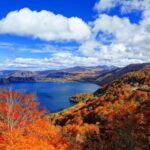
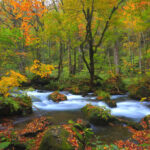
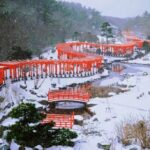
Oirase Stream is the star of this day out: a forested river corridor, waterfalls, and clear water that you can see without committing to a long hike. I like that the small vehicle makes far-flung Aomori sights manageable in one day, and I like having three routes to choose from, each with a different mix of nature and local culture.
The trade-off is that this is transport with a Japanese-speaking driver, not a full-service tour with a professional guide. Translation software helps with practical information, but it may not deliver the detailed commentary you would get from a fluent guide, and mountain weather can change the plan.
- At a glance
- Choose the Aomori that suits you
- Plan 1: Hakkoda, Oirase Stream, and Lake Towada
- Plan 2: shrine gates, bridge, and northern coast
- Plan 3: Pacific coast and Hachinohe seafood
- What the small-group format really offers
- Weather, seasons, and what to pack
- Is the price good value?
- Who should book this Aomori day out?
- FAQ
- What time does the shared tour leave and return?
- Does the tour include a professional guide?
- Is the Hakkoda Ropeway ticket included?
- How many people are in the shared group?
- What happens to Plan 2 in winter?
- Are meals included?
- The Best Of Aomori!
- More Tours in Aomori
- More Tour Reviews in Aomori
- Not for you? Here's more nearby things to do in Aomori we have reviewed
At a glance
- Oirase, Hakkoda, and Lake Towada: The classic nature route, with time for a ropeway visit, roadside stops along Oirase Stream, and a lakeside break.
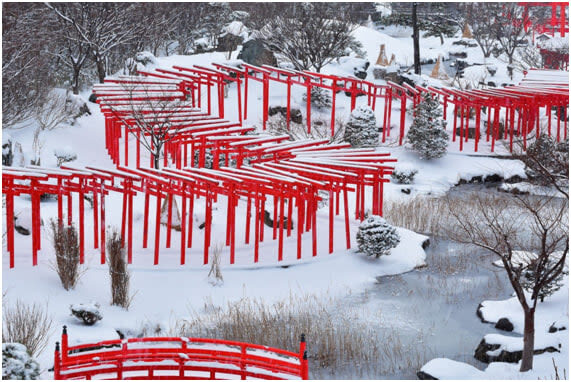
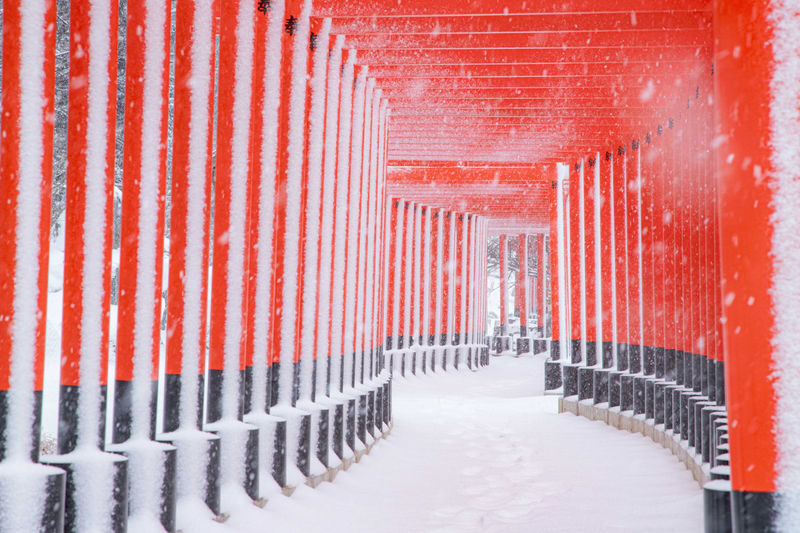
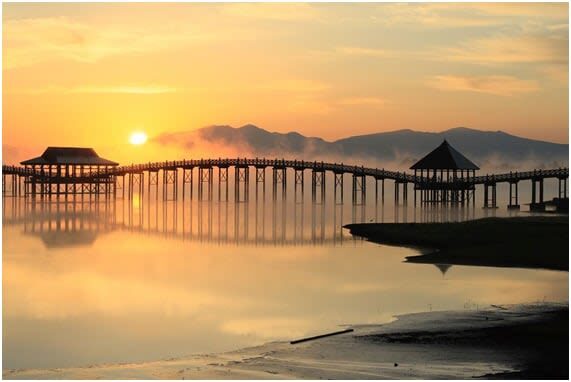
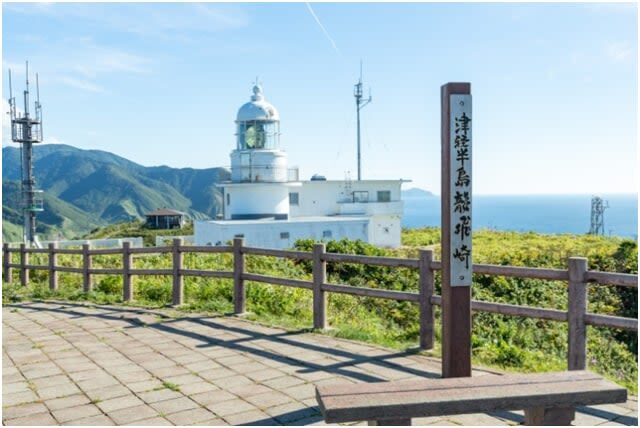
- Takayama Inari Shrine and the Tsugaru coast: See the shrine’s rows of torii gates, Tsuru no Mai Bridge, and, when roads allow, Cape Tappi.
- Tanesashi Coast and Hachinohe: Pair Pacific shore views and Kabushima Shrine with a self-funded seafood stop.
- Small group, not a big bus: Shared departures have four to nine people and use a five-seat or nine-seat vehicle, based on the group.
- Bring extra money and layers: Ropeway admission, meals, and other personal expenses are not included. Aomori weather can be cold, especially in winter.

👉 See our pick of the 3 Best Full-Day Tours In Aomori
Choose the Aomori that suits you
This is not one fixed tour. You select one of three shared day routes, or a chartered-car option that includes hotel pickup and drop-off in Aomori City. The listed starting price is from $132.65, but the amount can vary by package. Treat it as the entry price, not a guaranteed cost for every route or group arrangement.
Plan 1 is the strongest choice if you want Aomori’s best-known mountain and water scenery. Plan 2 trades the mountain route for shrine architecture, a bridge, and the Tsugaru Peninsula coast. Plan 3 heads to the Pacific side for grassy shoreline, seabirds, and seafood. Each plan covers substantial distances, so the practical benefit is simple: you can reach places that are awkward and time-consuming to connect by public transport.
The shared group is small by coach-tour standards, but it is still a shared ride. You may be travelling with people who speak different languages, and the vehicle model is assigned according to the number of passengers. Large suitcases may not fit, so bring a day bag rather than planning to carry full travel luggage.
You can also read our reviews of more tours and experiences in Aomori.


Plan 1: Hakkoda, Oirase Stream, and Lake Towada
The classic route leaves Aomori at 8:30 a.m. and is scheduled to return around 6 p.m. The timetable can shift with traffic and weather, but the day is built around three distinct stops: Hakkoda Ropeway, Oirase Stream, and Lake Towada. That variety is the appeal. You get a high mountain view, a river valley, and a broad volcanic lake without arranging separate transport.
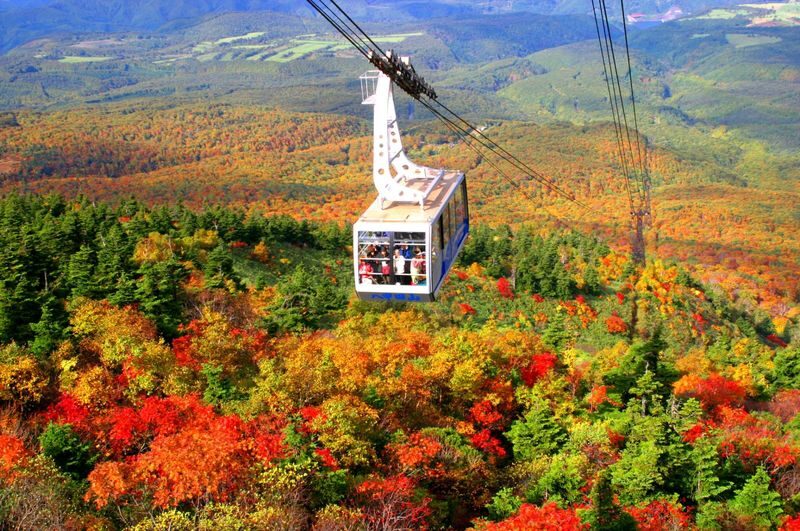
The first stop is Hakkoda Ropeway Sanroku Station, reached at about 9:30 a.m. The scheduled visit lasts roughly an hour and 15 minutes. The ropeway takes you toward the summit area for views over the mountains and seasonal scenery. Its ticket is not included, so check the current fare before you go and allow for the possibility that weather or maintenance will prevent operation.
If the ropeway is out of service, the day’s alternative may be Lake Towada Yasumiya or Jogakura Ohashi Bridge, depending on conditions. That is a sensible fallback, but it is not the same experience. Some visitors have had a foggy or windy summit with little visibility, while others found the substitute stop less compelling than the cable car. Go for the route’s overall scenery, not a promise of a clear summit view.
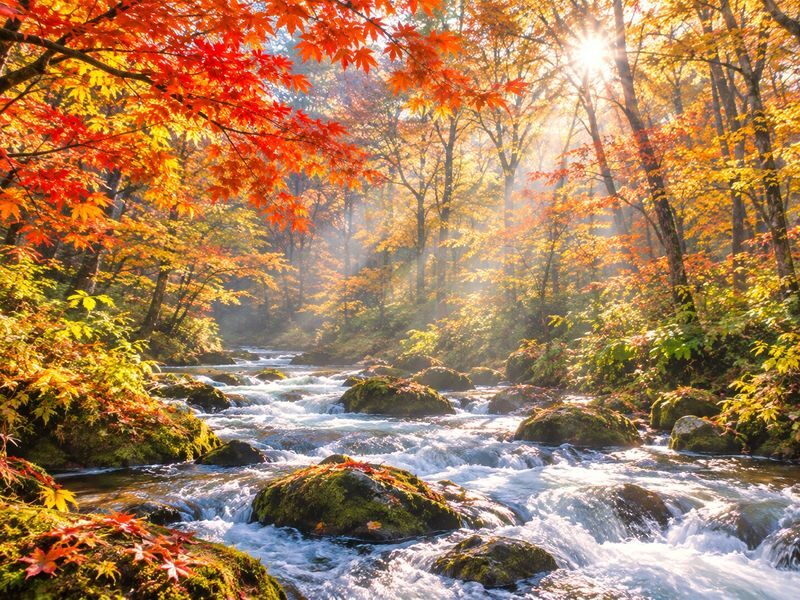
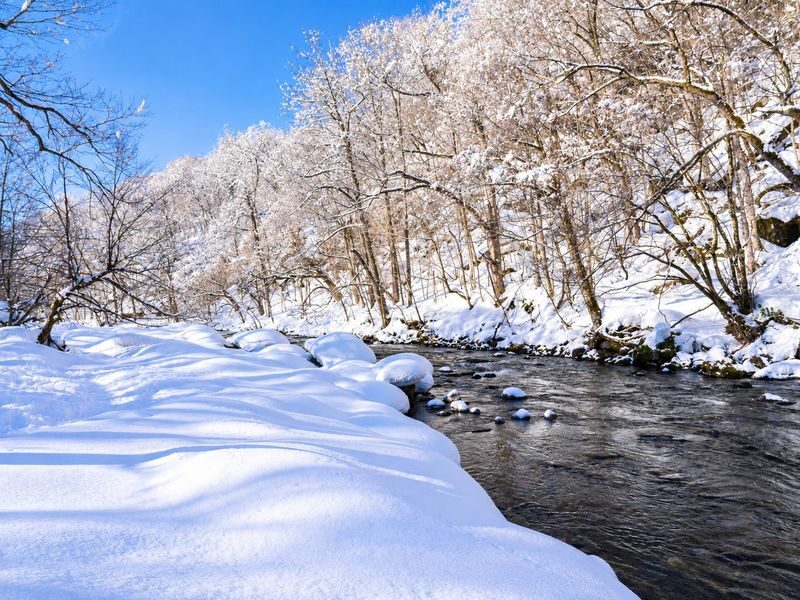
Oirase Stream is usually the day’s most rewarding stop for anyone who likes moving water and woodland. The vehicle follows the stream, with parking arranged according to conditions so you can step out for photographs. The scheduled two hours do not mean a long guided hike. The plan is designed to let you see much of the valley from the road, with chances to pause and take in selected viewpoints.
That arrangement makes the route accessible to people who do not want a demanding walk, but it also sets a limit. If you are hoping to spend hours walking beside the stream, this outing may feel rushed. Use the stops well: wear shoes with grip, take care near roads and water, and follow the driver’s instructions when getting out for pictures.
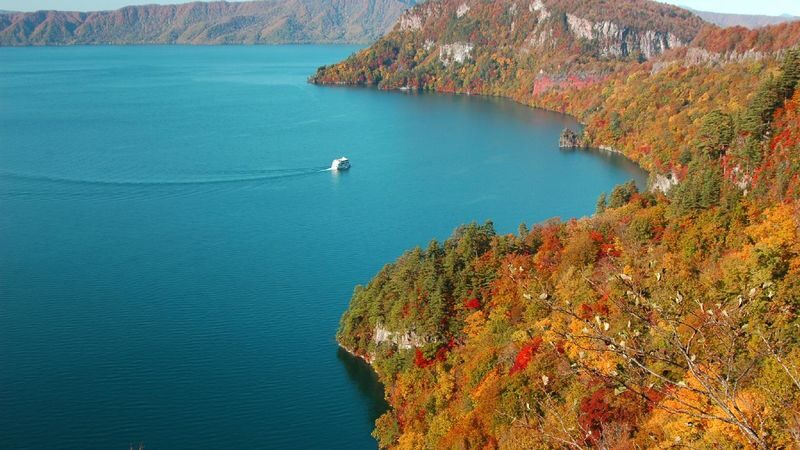
Lake Towada comes next, with about two hours scheduled from 2 p.m. It is a chance to stretch your legs by the shore and have lunch at your own expense. The lake’s clear water and mountain setting offer a quieter contrast to the narrow river valley. Bring snacks or have a plan for lunch, since food is not included and your available time can change with road conditions.
Some departures may give you less time at the lake than the schedule suggests, particularly if earlier stops run late or conditions force a change. If the lakeside is your main reason for booking, be prepared to enjoy the time you get rather than count on a leisurely afternoon. You can also ask the driver about the return timing before wandering far from the meeting point.
Plan 2: shrine gates, bridge, and northern coast
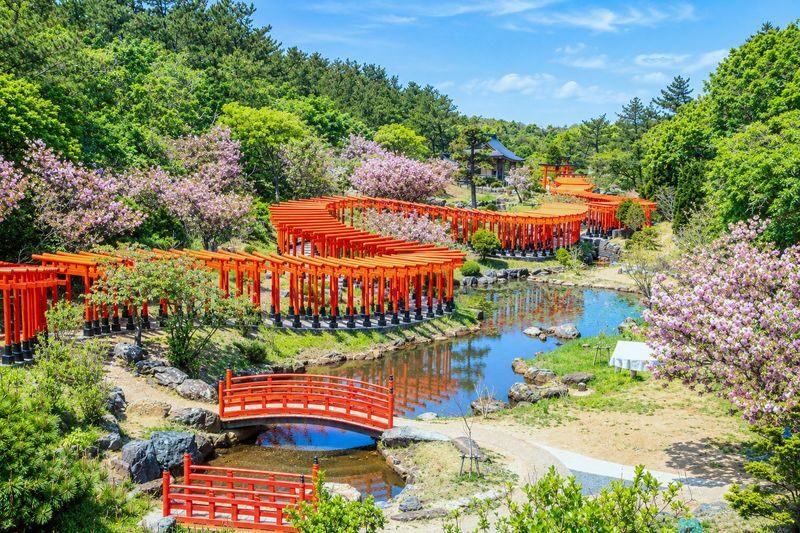
Plan 2 begins at Takayama Inari Shrine, known for its lines of red torii gates. It then links Tsuru no Mai Bridge, a photogenic wooden bridge spanning a lake, with Cape Tappi at the northern end of the Tsugaru Peninsula. The draw is the mix: shrine grounds, a landmark bridge, and views toward the Tsugaru Strait.
Expect stairs at the shrine, so comfortable shoes matter. The gates make a striking setting for photos, but allow time to walk the grounds rather than treating the stop as a quick picture break. Cape Tappi adds a different kind of drama: open coastal views and, on a clear day, the chance to see across the strait toward Hokkaido.
This is a long-distance route, and the stops are not equally leisurely. The driver sets meeting times so the group can reach each place and return to Aomori. If a particular site matters most to you, be ready to make the most of that stop rather than assuming you can extend it.
Winter changes the plan. The Cape Tappi road section is generally closed from around mid-November to mid-April, so the route is adjusted to include Takayama Inari Shrine, a roadside station, Tsuru no Mai Bridge, and Hirosaki Park. Road closures and weather can also affect timing at other times of year.
Plan 3: Pacific coast and Hachinohe seafood
Plan 3 follows Aomori’s Pacific side, with Tanesashi Coast, Kabushima Shrine, and Hachinohe Seafood Center on the schedule. It is the best fit if you want sea air and open shore views rather than mountain forests. At Tanesashi, the coast’s mix of ocean, walking paths, and grass makes a fine place to slow down and look around.
Kabushima Shrine is associated with a seabird habitat, making it a different stop from the shrine-and-torii experience on Plan 2. The route then gives you a chance to try local food at Hachinohe Seafood Center. Meals and drinks are not included, so budget for your own lunch and any seafood you choose to buy.
The coastline route works well for a family day out or for anyone who wants a change from Aomori’s inland scenery. Keep in mind that the tour combines several stops by car, not a full coastal walk. If you want to spend a long time on the shore, check the day’s schedule with the driver and prioritize the places that interest you most.
What the small-group format really offers
A group of four to nine is a useful middle ground. You avoid a large coach, but still share the day with other passengers. The operator uses five-seat and nine-seat vehicles according to the final headcount, and you cannot choose a specific model. Expect a practical ride rather than a guaranteed luxury vehicle.
The driver speaks Japanese and uses translation software for simple communication. This is generally enough to share meeting times, explain basic arrangements, and help you follow the day. It is not a substitute for a professional multilingual guide, so bring questions you want answered in writing or use your own translation app if you want more conversation.
Drivers named Mr. Kudo, Mr. Fujii, and Mr. Makita have led past departures, but you cannot request a particular driver. The most useful service is often practical: keeping the group organized, adapting to closures, helping with photos, or suggesting an alternative stop when the ropeway cannot run. How much sightseeing explanation you receive may vary.
The driver handles the roads, which matters in a region where mountain routes can be winding and public transport connections can be difficult. If you are not comfortable driving in Japan, or simply want to look out the window instead of watching the road, that convenience is a major part of the value.


Weather, seasons, and what to pack
Aomori’s scenery changes with the season, but seasonal color is never guaranteed. Cherry blossoms, autumn leaves, and snow conditions depend on the weather, and the operator does not refund a trip because the view differs from what you hoped for. The Hirosaki Park cherry blossom route is a limited-time option, so check that the package you select actually includes it.
Winter deserves extra planning. Roads may close from late November to early April, and the Cape Tappi section has a seasonal closure of its own. Wear a warm coat, thick socks, gloves, a hat, and a scarf or neck warmer. Waterproof, non-slip shoes are a smart choice when snow or ice is possible.
For any season, pack light. Large luggage may not fit, depending on the vehicle. Bring water, any snacks you want, and money for the ropeway, meals, and personal purchases. The day starts early, and the return time is an estimate rather than a promise.
Is the price good value?
At $132.65 and up, this is not a bargain shuttle, but it can be good value if you want to visit several distant places in one day without driving. The cost covers round-trip transport from the meeting point and a Japanese-speaking driver. You still pay for meals, the Hakkoda Ropeway, and any other unlisted admissions or personal expenses.
The value is strongest for people travelling alone, in pairs, or in a small family who would otherwise struggle to connect the stops. A private charter costs more, but may suit you if hotel pickup and drop-off are important or you want a vehicle for your own group. Compare the package price with the cost and time of arranging separate transport before booking.
There are two important caveats. First, the shared tour needs at least four participants, and confirmation is issued 48 hours before departure. Second, the driver is not a professional guide, so the price buys access and convenience more than in-depth interpretation.
Who should book this Aomori day out?
I would choose Plan 1 if you want a first look at the region’s best-known natural sights and are happy with roadside photo stops rather than a long walk. Choose Plan 2 for shrine architecture and coastal views, or Plan 3 for the Pacific shore and a seafood stop. The route choice matters more than trying to fit every Aomori highlight into one day.
This tour suits you if you do not want to drive, have limited time, and can be flexible when weather or road closures change the plan. It is less suitable if you need a fluent English-speaking guide, want a highly tailored schedule on a shared departure, or expect long, unhurried time at every stop. If that sounds like you, consider the charter option or plan to stay overnight near a place you want to explore more fully.
Aomori Small Group Day Tour | Oirase Stream, Hakkoda Mountains, Takayama Inari Shrine, Tanesashi Coast
“The tour was amazing! Although the tour guide and driver didn't speak Chinese, they used translation software to communicate, pointed out great pho…”
FAQ
What time does the shared tour leave and return?
The scheduled departure is 8:30 a.m., with a return to Aomori Station at about 6 p.m. Return time is approximate and can change with traffic and road conditions.
Does the tour include a professional guide?
No. A Japanese-speaking driver leads the trip, and translation software is used for simple communication. Professional guide services and audio guides are not included.
Is the Hakkoda Ropeway ticket included?
No. Ropeway admission is at your own expense. If the ropeway is not operating, the stop may be replaced with Lake Towada Yasumiya or Jogakura Ohashi Bridge, depending on conditions.
How many people are in the shared group?
The shared group size is four to nine people. A five-seat or nine-seat vehicle is assigned according to the number of passengers, and you cannot choose the vehicle model.
What happens to Plan 2 in winter?
When the Cape Tappi road section is closed, usually from around mid-November to mid-April, the route is adjusted to Takayama Inari Shrine, a roadside station, Tsuru no Mai Bridge, and Hirosaki Park.
Are meals included?
No. Meals and beverages are not included. Plan 1 has free lunch time at Lake Towada, and Plan 3 stops at Hachinohe Seafood Center, where you can buy food at your own expense.