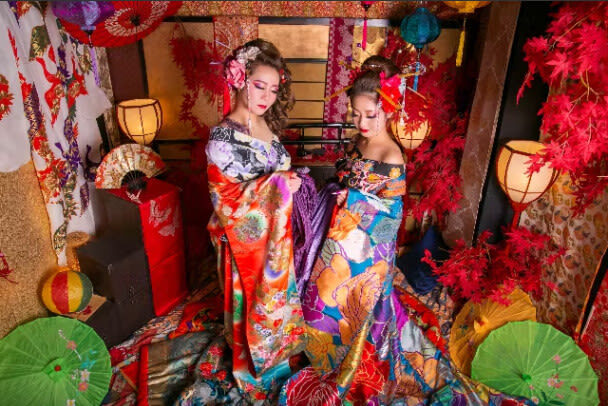
An Oiran makeover turns a few hours near Kyoto Station into a full-on costume and portrait session. You choose your look, get dressed in an elaborate kimono and have a photographer guide you through poses, so you needn’t arrive knowing how to work the camera.
I like two things about this experience: the makeup, hair and dressing are handled for you, and the photographer helps you pose rather than leaving you to guess. The catch is the price: the starting rate is low, but the photographs you may want to keep and some styling options are extra.
- What to know before you book
- A makeover, not a history lesson
- Finding Studio Arare near Kyoto Station
- Choosing your Oiran look
- Getting dressed and ready for the camera
- A guided studio photo shoot
- Your own selfies and the outer-kimono limit
- What the base price buys, and what it doesn’t
- Language, group size and practical details
- Who will enjoy this experience most
- Should you book the Oiran experience?
- FAQ
- Are the professional photos included in the booking price?
- How much does the experience cost?
- Where is Oiran Experience Studio Arare?
- How long does the experience take?
- Can children take part?
- Can I wear the outer kimono during my own selfies?
- The Best Of Kyoto!
- More Tours in Kyoto
- More Tour Reviews in Kyoto
- Not for you? Here's more nearby things to do in Kyoto we have reviewed
What to know before you book
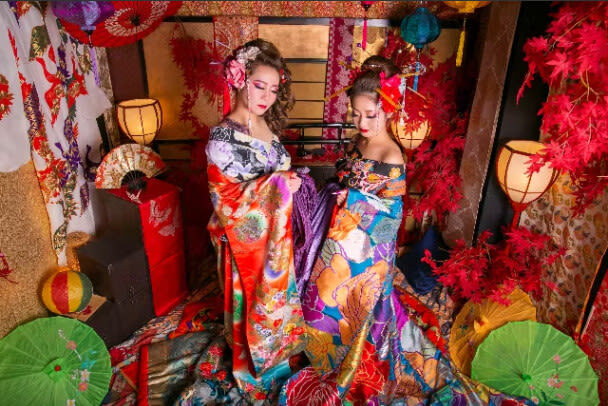
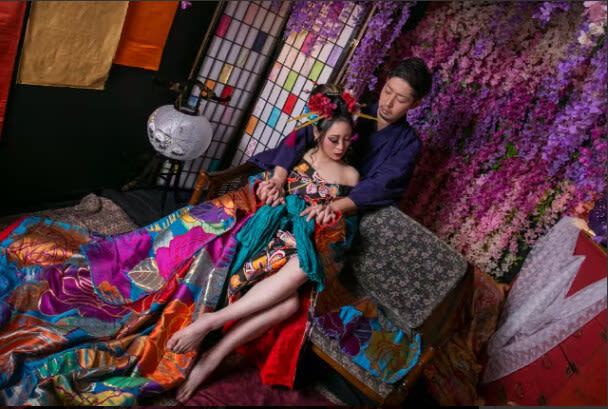
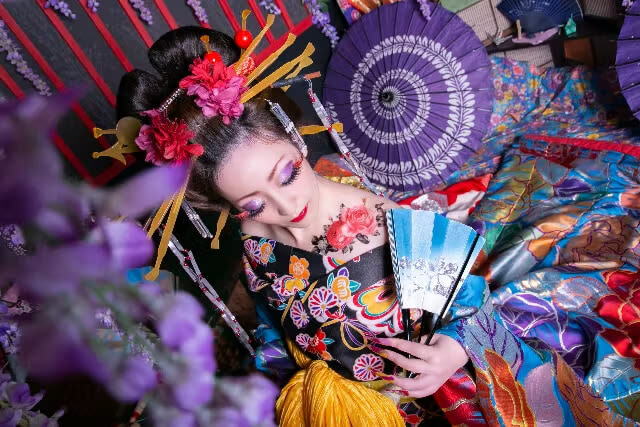
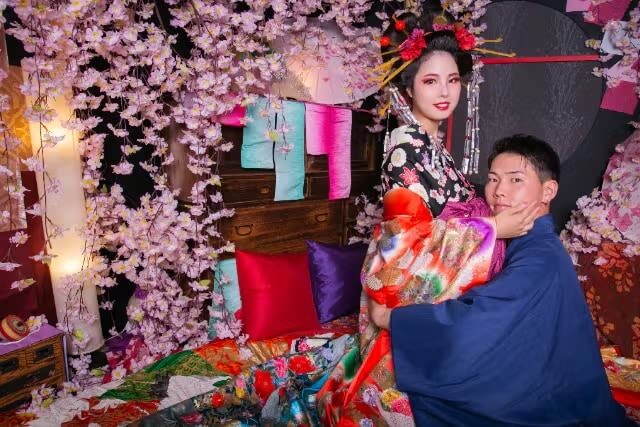
- The studio is close to Kyoto Station: Studio Arare is on the third floor at 736 Shiokoji-cho, about a five-minute walk from the station.
- Your session includes the transformation and shoot: Kimono rental, hair and makeup, dressing, accessories, facility use and the photographer’s shooting fee are included.
- Photo files cost extra: You choose and buy the images you want after the shoot. Data is listed at ¥1,650 per photo, or ¥1,100 per photo when you buy three or more.
- The photographer guides your poses: You don’t need experience in front of a camera. Staff can communicate in English and Japanese.
- The outer kimono is for the photographer’s shoot: During your own selfie time, you wear the kimono underneath.
- Budget for choices at the studio: Hair, nails, eyelashes, accessories and other upgrades may add to the total.
👉 See our pick of the 25 Best Workshops And Classes In Kyoto
A makeover, not a history lesson
The Oiran plan is a chance to dress up for a studio portrait, not a guided history tour or a walk through Kyoto in costume. The focus is the look: professional makeup, hairstyling, kimono dressing and photos in a studio setting.
That distinction matters when you decide what you want from the experience. If you’re after a personal souvenir and the fun of seeing yourself transformed, this is a good fit. If you want an in-depth explanation of Oiran culture, this package does not promise one.
You can book the Oiran Otome Plan or a Couple’s Plan. The supplied package details describe the Otome plan, while the couple’s option gives two people a shared shoot. One couple’s account described more individual shots for the woman than the man, so ask how many portraits you can expect for each person before choosing that option.
You can also read our reviews of more tours and experiences in Kyoto.
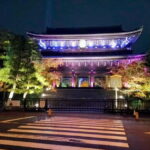
Finding Studio Arare near Kyoto Station
The studio is at 3F, 736 Shiokoji-cho, Shimogyo-ku, Kyoto, postal code 600-8212. It’s about five minutes on foot from Kyoto Station, making this one of the easier Kyoto activities to fit between train travel and other plans.
The building can be easy to miss if you rely on a map pin alone. Look for the address and the third-floor studio location, and leave a little extra time to find the entrance. The studio is also described as a short walk from Kyoto Tower.
You’ll need to show your booking voucher on a phone or another internet-connected device. Save or open it before you arrive, since the voucher may not load where Wi-Fi is unavailable. Book for a specific date and time, as the voucher is valid only then.
Choosing your Oiran look
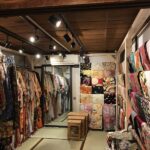
The makeover starts with choices about clothing, hairstyle and makeup. Staff help you work through the options, and you can ask for guidance if you’re unsure what will suit you. Some people find it helpful to decide in advance what matters most: a particular hairstyle, extra accessories or a larger selection of photo files.
The package includes kimono rental, accessories, hair and makeup, and the dressing service. However, the included look is not the same as every available upgrade. More elaborate hairstyles, nails, eyelashes and extra ornaments may carry added charges, so ask for the price before saying yes.
Bring your cosmetics if you have particular products you want to use. That’s especially useful if you have a preferred item or want to touch up your own makeup afterward. The staff provide the professional styling service, but the experience does not include your personal expenses.
Getting dressed and ready for the camera
Once you’ve chosen your options, the staff handle the kimono dressing and styling. Accounts of the process describe the preparation as efficient, with one person saying the hair and makeup did not take long. The full visit may take around two hours, though that is an estimate from an individual experience, not a guaranteed schedule.
The costume is a big part of the appeal. You get time to see how the hair, makeup and layered clothing work together, rather than simply renting a kimono and heading out to take your own pictures. Staff can help you decide on details, and you can ask questions as you go.
For the photographer’s portraits, the outer kimono, or uchikake, is worn during the professional shoot only. When you take your own pictures, you wear the kimono underneath. Long props such as swords and umbrellas are not available to rent, so don’t plan your poses around them.
A guided studio photo shoot
The photographer directs your poses and helps you find a position that works for the camera. That support is useful if you feel awkward being photographed or have never tried a formal portrait session. You can follow the photographer’s cues instead of worrying about what to do with your hands or where to look.
You’ll have a chance to choose images after the shoot. The important detail is that the shooting fee is included, but photo data is not. In other words, you are paying for the session and the chance to make portraits, not automatically receiving digital copies of every image.
The listed price for data is ¥1,650 for one photo or ¥1,100 per photo when you purchase three or more. You can also buy a mini album with three printed photos for ¥5,000. Ask whether the price you’re considering includes editing, what format you’ll receive and how the files will be delivered before you make your selection.
The package information says high-quality data is sent through LINE. Some people have received images by email, with delivery taking about two weeks in one account. Since the delivery method and timing may differ, confirm both with the studio when you choose your photos.

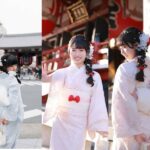
Your own selfies and the outer-kimono limit
There is a short window for taking your own pictures in the studio. The additional information specifies five minutes for in-studio smartphone selfies, while also describing time for photo opportunities. Treat the five-minute period as the clearest practical guide and ask staff to confirm how much time you’ll have on the day.
This is a nice extra, but it is not the same as having the professional portraits included. You can take your own phone photos while wearing the kimono underneath, then decide whether the photographer’s images are worth adding to your budget.
If selfies are important to you, plan what you want to capture before the time starts. You’ll have little room for an extended phone photo session, and the outer kimono is reserved for the photographer’s shoot.
What the base price buys, and what it doesn’t
The experience starts at $31.59, an appealing entry price for a makeover, kimono rental and a professional shoot. The included items are substantial: staff assistance, dressing, hair and makeup, accessories, studio use and the photography session itself.
But the final cost depends on what you choose afterward. Digital files are sold separately, and styling add-ons may also cost extra. Buying three photos at the listed data rate would add ¥3,300; purchasing a three-photo mini album is another option at ¥5,000. These figures make it worth deciding your photo budget before you arrive.
There is no requirement to buy every image. You can review the results and select only your favorites, which gives you some control over the final bill. Still, if you know you’ll want several finished images, compare the photo options in advance and ask about any all-photo package or other available pricing.
The best value comes when you treat the base price as payment for the makeover and shoot, then set aside extra money for the portraits you want to keep. If you expect all digital files to come with the booking, the pricing can feel frustrating. Clarifying the photo costs early prevents that surprise.
Language, group size and practical details
English-speaking and Japanese-speaking staff are included, and some accounts describe clear English communication. Staff may also use a translation app, so it helps to keep requests simple and confirm the details that matter, especially upgrade prices and photo delivery.
The group limit is one to ten participants. The minimum age is seven, with children aged seven to eleven required to come with a paying adult. Participants must be under 100 and between 120 and 180 centimetres tall.
The experience can suit solo visitors, couples and small groups, but the options may not be equally extensive for everyone. In one couple’s session, the male participant had fewer outfit choices and fewer individual shots. If that matters to you, ask about clothing selections and the number of portraits for each person before booking.
Who will enjoy this experience most
I’d recommend the Otome plan to anyone who wants a memorable portrait and is comfortable spending extra for selected photos. It’s especially appealing if you enjoy getting styled, want a professional to guide your poses and would rather do a studio activity than spend the day outdoors.
The couple’s option can make a fun shared activity, but ask how the shoot is divided between joint and individual portraits. If you’re booking for children, check the age and height limits, and remember that anyone aged seven to eleven must be accompanied by a paying adult.
This is less suited to someone who wants a fixed, all-inclusive total or expects to leave with every digital image at no extra cost. It is also not the right choice if your main interest is a cultural talk about Oiran history. The appeal is the transformation and the photographs.
Should you book the Oiran experience?
Book it if you want to see yourself in a carefully styled kimono, enjoy being guided through a photo shoot and are willing to pay separately for the images you choose. The station-side location makes it an easy addition to a Kyoto itinerary, and the staff support helps make the session approachable even if you’re new to posing.
Before you pay, make one simple plan: set a total budget that includes the base booking, any styling extras and at least the photo files you hope to keep. If the combined cost still feels worthwhile, this can be a distinctive Kyoto souvenir. If you want one clear price with photos included, ask the studio about the full cost first or choose another activity.
Oiran experience with photo shoot (Kyoto)
“A lovely experience, and it was very easy to find. Hair and makeup did not take long at all.”
FAQ
Are the professional photos included in the booking price?
The photography session is included, but photo data is optional and costs extra. The listed rate is ¥1,650 for one photo or ¥1,100 per photo when you purchase three or more.
How much does the experience cost?
The starting price is $31.59. Styling upgrades and selected photo files can add to the total.
Where is Oiran Experience Studio Arare?
The studio is at 3F, 736 Shiokoji-cho, Shimogyo-ku, Kyoto. It is about a five-minute walk from Kyoto Station.
How long does the experience take?
One account describes the full process as taking about two hours. This is not a stated guaranteed duration, so leave some flexibility in your schedule.
Can children take part?
Participants must be at least seven years old and between 120 and 180 centimetres tall. Children aged seven to eleven must be accompanied by a paying adult.
Can I wear the outer kimono during my own selfies?
No. The uchikake outer kimono is for the photographer’s shoot. During your own selfie time, you wear the kimono underneath.