Ocean Spa Fuua makes a hot spring visit feel more like a seaside retreat than a quick soak. Its centerpiece is one of Japan’s largest open-air standing baths, alongside hot stone rooms and warming spaces with distinct themes.
I like the choice between the volcanic feel of Laava and the sea-floor mood of Meressa, and I like that the included indoor clothes make the hot stone lounge suitable for couples or groups who want to relax together. Löyly Camp, with air from a dedicated lounge used to shape the sauna experience, adds something more interactive than a standard steam session.
One thing to weigh: Fuua offers two named hot stone saunas, not a long circuit of different sauna rooms. If you expect the broad selection found at some Korean-style bathhouses, the range here may feel modest.
- What to know before you go
- A hot spring stop with its own rhythm
- Start with the open-air standing bath
- Compare Laava and Meressa
- Try the interactive heat at Löyly Camp
- Make time for Pulista and Torkkua
- How to plan your visit and budget
- Getting to Fuua in Atami
- Who will get the most from the visit
- Should you book Ocean Spa Fuua?
- FAQ
- Where is Ocean Spa Fuua?
- What are the listed opening hours?
- What does admission include?
- Are there extra charges?
- How do I get to the facility from Atami Station?
- Do I need to reserve?
- Can children visit Ocean Spa Fuua?
- Can I use an after-5 ticket on a fireworks-festival day?
- More Tours in Atami
- More Tour Reviews in Atami
- Not for you? Here's more nearby things to do in Atami we have reviewed
What to know before you go
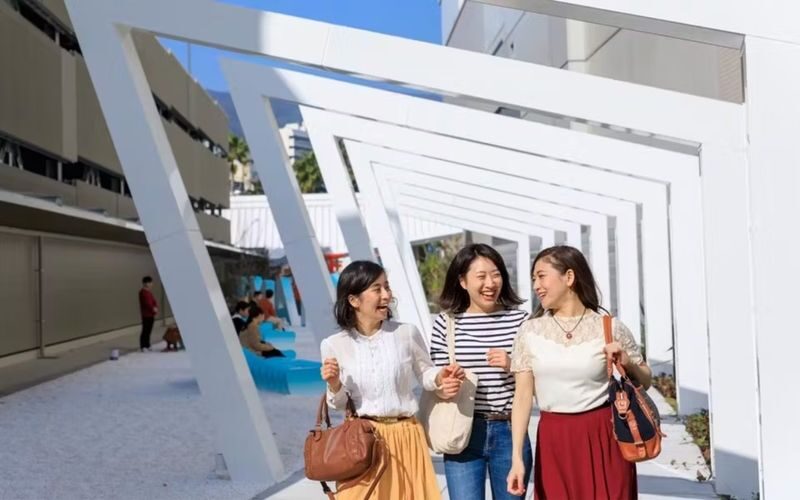
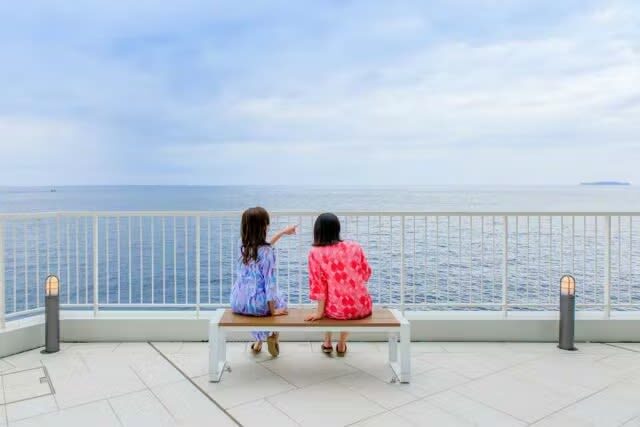
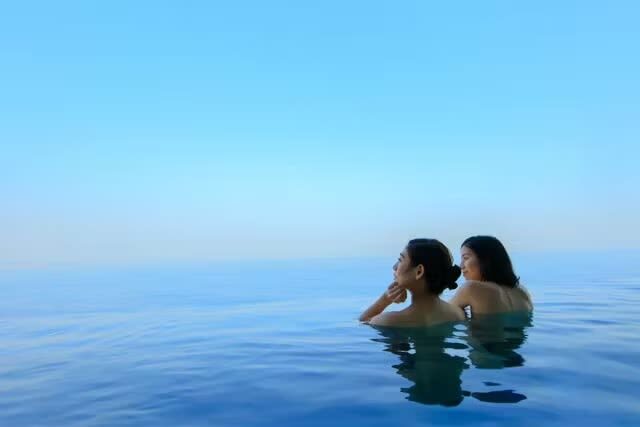
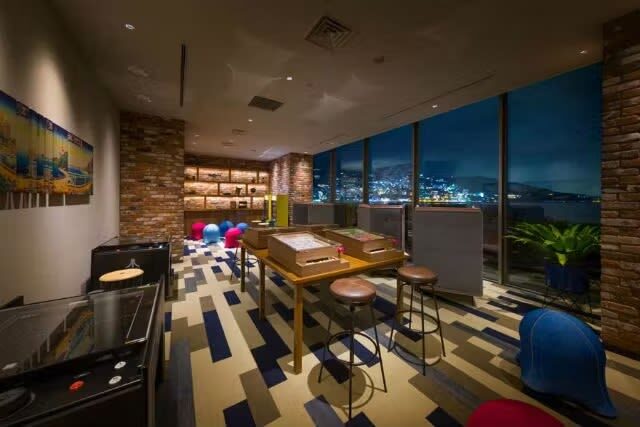
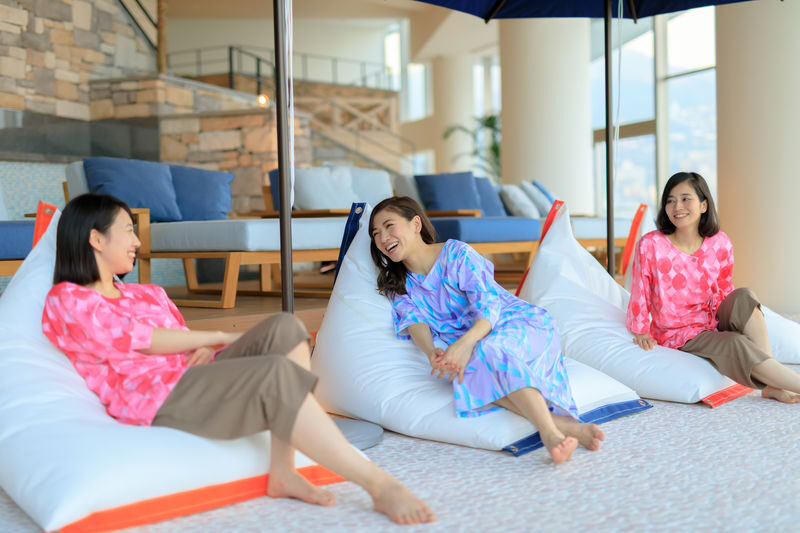
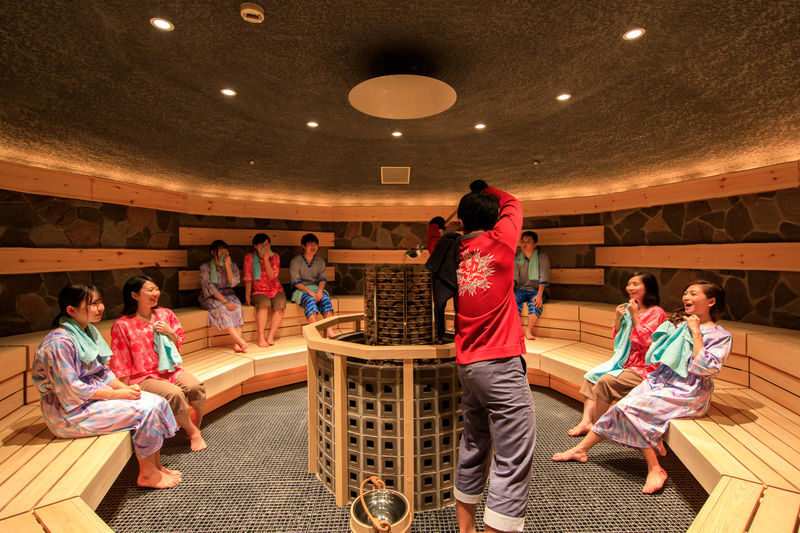
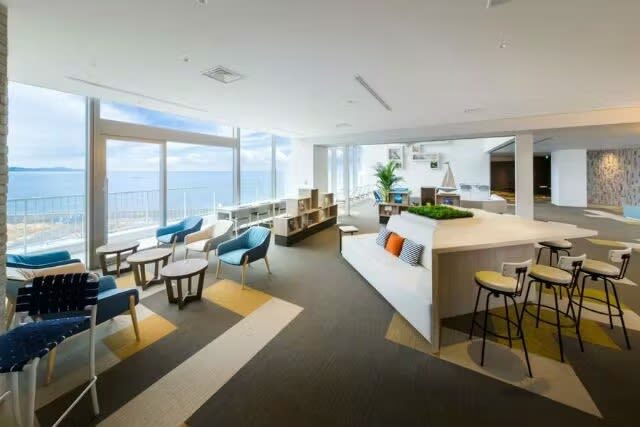
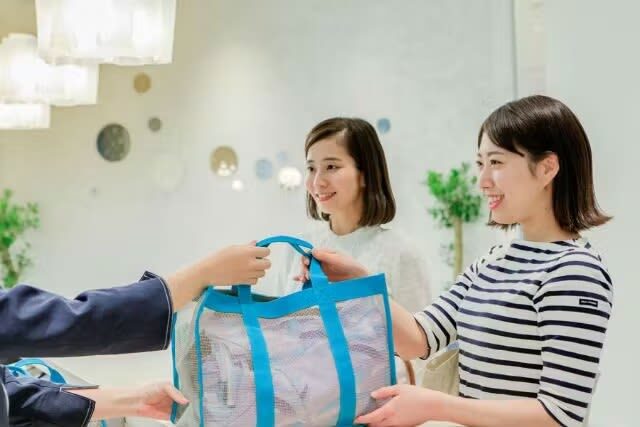
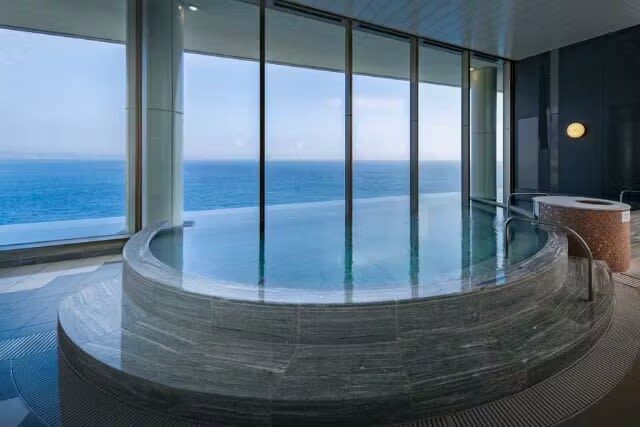
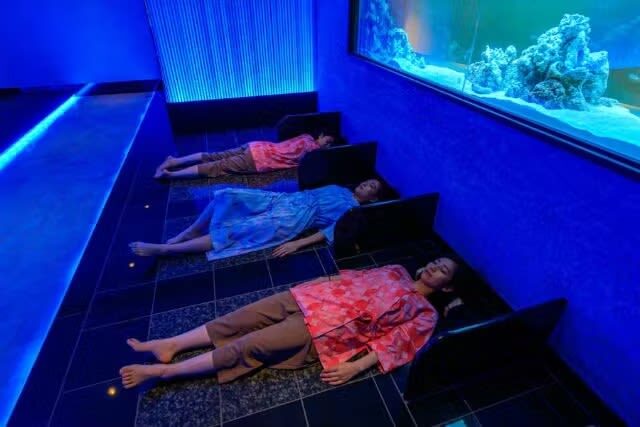
- The open-air standing bath is the main draw. This is a large bath designed for soaking while standing, rather than a typical seated or reclined pool.
- Laava and Meressa have different themes. One takes inspiration from Izu’s volcanic foundations; the other suggests the movement and atmosphere of the seabed.
- Löyly Camp is designed to be interactive. Air from a dedicated lounge shapes the warming session, followed by a cool-down.
- Indoor clothes and a rental towel are included. You do not need to add those items to the ticket cost.
- Expect extra charges on some dates. Adults pay a separate ¥150 bathing tax, plus a ¥330 supplement on weekends, national holidays and specified dates.
- The evening ticket has a narrow window. The listed hours are 5 pm to 10 pm, with last admission at 9 pm. Check the official site before setting out, as hours can change.
A hot spring stop with its own rhythm
Fuua is in Atami, in Shizuoka Prefecture, at 10-1 Wadahamaminamicho. It is a day-trip hot spring facility, not simply a bathing pool: the offer combines hot spring bathing, themed hot stone rooms, warm resting areas, a café and an esthetic salon.
The themes give the place a stronger sense of character than a plain row of heated rooms. Laava draws on the volcanic terrain that forms the base of the Izu Peninsula, while Meressa is meant to evoke the gentler flow of the sea floor. The names point to different moods, though the available details do not specify temperatures or treatment effects. Choose based on the atmosphere you prefer, rather than expecting a technical sauna comparison.
The setting also shapes the experience. A relaxation area is designed like a seaside villa, while Pulista is a warming conversation room styled as a seaside meadow. Torkkua is a warm sleeping bath with a moonlight-and-dozing theme. These are not just extra names to tick off: they suggest a visit built around slowing down, warming up and resting between sessions.
You can also read our reviews of more tours and experiences in Atami.


Start with the open-air standing bath
The largest open-air standing bath is Fuua’s signature feature. Its standing format sets it apart from the familiar image of a hot spring pool where you sit or recline. If you like to move around while you soak, that difference may be welcome. If you prefer a quiet, seated bath, check the facility’s current details so you know what the main bath offers before paying for admission.
The open-air setting is an important part of the appeal, but the information available does not promise a specific view, so I would not book on the assumption that you will see a particular stretch of coastline. The reliable point is the scale and format of the bath, not a guaranteed panorama.
A sensible first stop is the bath, then a pause in one of the warming or resting areas. That gives you time to settle in before trying the hotter experiences. The facility’s mix is best approached at an unhurried pace; rushing through every room would miss the point of a place built for lingering.
Compare Laava and Meressa
The two hot stone saunas make a useful pair, especially if you are visiting with someone and want to compare impressions afterward. Laava takes its cue from Izu’s volcanic origins. Meressa has a softer, underwater theme. The contrast is conceptual rather than a promise that one is hotter or more intense than the other.
Indoor clothes are included, and the hot stone spa is intended for groups and couples to relax in lounge wear. That changes the feel from a conventional bathing area to a shared relaxation space. It is a practical perk, too: you do not need to bring special clothing for these rooms.
The range is more focused than extensive. A visitor who wants a large menu of sauna styles may find two rooms limiting. But if you want a compact selection with clear themes, the contrast gives you a simple way to choose where to spend your time without turning the visit into a checklist.
Try the interactive heat at Löyly Camp
Löyly Camp is the facility’s distinctive sauna experience. It uses wind from a dedicated lounge to shape the löyly session, with the aim of making the warm-up more interactive. The intended rhythm is clear: build up a sweat, then cool down.
That format may appeal if a passive sauna feels too quiet or predictable. It also gives the visit a different pace from the hot stone rooms, which are framed as places to rest. The description does not specify how long a session lasts or how intense it gets, so go by your own comfort and follow staff instructions.
Keep expectations grounded. Fuua’s unusual point is this particular wind-enhanced löyly setup, not a huge range of sauna chambers. If you are comparing it with a Korean bathhouse known for many themed rooms, you may want a facility with a broader sauna circuit instead.
Make time for Pulista and Torkkua
Pulista is a warm conversation room styled as a seaside meadow. It sounds like the natural place to pause with a companion rather than move straight from one hot room to another. The concept matters because rest is part of a spa visit, not wasted time between the headline attractions.
Torkkua takes a different tack: it is a warm sleeping bath themed around moonlight and dozing off. The idea is gentler and more restful than the interactive sauna. If you are visiting after a day out in Atami, this may be the room that makes the stop feel restorative rather than just novel.
Fuua also has a café and an esthetic salon. The details provided do not list menus, treatments or prices, so treat them as optional extras and check on site if they are central to your plans. Food and drink from outside are generally not allowed, with exceptions for infant or child food and special allergy-related food.

How to plan your visit and budget
Ticket prices depend on the time and validity selected. The lowest listed price is $12.99 for an admission ticket valid from the next day after 5 pm. A same-day after-5 pm ticket starts at $14.59. Full-day options start at $17.85 for next-day validity and $19.45 for same-day admission.
The lower-priced evening ticket can be good value if you want a focused soak and sauna visit rather than a full day at the facility. But do not confuse the ticket’s validity with the opening schedule. The stated hours are daily from 5 pm to 10 pm, with last admission at 9 pm, while the package choices also include full-day tickets. Hours may change with the season, so confirm the current schedule and the exact entry period for your chosen ticket before booking.
The ticket includes admission, facility use, tax, a rental towel and indoor clothes. It does not include the ¥150 hot spring bathing tax per adult. Adults also pay an extra ¥330, including tax, on Saturdays, Sundays, national holidays and specified dates. That means the advertised starting price is not the whole cost, particularly for a weekend visit. Check the official Ocean Spa Fuua site for the specific-date calendar.
The voucher is shown on your mobile, but it does not provide direct entry. You must wait in line and follow staff instructions, and entry or use may be restricted when the facility is crowded. No reservation is required, but that does not guarantee immediate admission.
Getting to Fuua in Atami
Atami is reachable by train from several major cities. From Tokyo, the Tokaido Shinkansen takes about 35 minutes on a Hikari or about 50 minutes on a Kodama. The Tokaido Main Line takes about 90 minutes by rapid service or 110 minutes by local train. From Nagoya, the Shinkansen journey is about 90 minutes on a Hikari or 120 minutes on a Kodama. From Shin-Osaka, it is about 150 minutes on a Hikari or 190 minutes on a Kodama.
From Atami Station, the facility is about a 10-minute drive. Parking is available on site for a fee; check the official website for current details. If you are coming by train, plan how you will cover the final stretch before you arrive, especially if you are aiming for the last admission at 9 pm.
Weather can affect operations, and the facility may cancel in inclement conditions. It does not cover travel costs if that happens, so check for updates before making a special trip. On fireworks-festival days, after-5 tickets are not accepted, including same-day and advance versions, and the price difference is not refunded. That is an easy detail to miss if you are visiting Atami for an evening event.
Who will get the most from the visit
Fuua suits you if you want a warm, low-effort break in Atami, enjoy themed relaxation spaces, or like pairing a bath with a sauna session. Couples and small groups may find the indoor-clothes format especially convenient for spending time together in the hot stone area. The café and esthetic salon also give you optional ways to extend the visit, though extra services may cost more.
It is less suited to you if your main goal is a large variety of sauna rooms, or if you need a guaranteed full-day schedule without checking seasonal hours. The listed after-5 hours make the evening option a short visit, and peak crowd levels can affect entry or use.
There are also firm entry restrictions. The facility does not permit entry for people with tattoos or transfer stickers, people connected with violent groups, heavy drinkers, diaper users, or people with skin or infectious diseases. The activity has no age limit, but anyone under 18 must come with a guardian aged 20 or older. Do not buy if one of these restrictions may apply, since the terms state that no refund or transfer is offered if you cannot use the facility for that reason.
Should you book Ocean Spa Fuua?
Book Fuua if the appeal is a large standing bath, two themed hot stone saunas and a more playful löyly session in one stop. The next-day after-5 ticket is the lowest-cost choice, but it makes sense only if the evening schedule suits you and you have checked that the facility is open.
Skip it if you expect a sprawling sauna menu or want to avoid extra charges and possible queues. For a compact, design-led hot spring visit in Atami, Fuua offers a distinctive mix; just budget for the bathing tax, check special-date fees and confirm the hours before you go.
FAQ
Where is Ocean Spa Fuua?
It is at 10-1 Wadahamaminamicho, Atami, Shizuoka Prefecture, Japan.
What are the listed opening hours?
The listed hours are every day from 5 pm to 10 pm, with last admission at 9 pm. Hours may change, so check the official website before visiting.
What does admission include?
Admission includes access to the facility, tax, facility usage, a rental towel and indoor clothes.
Are there extra charges?
Yes. A separate hot spring bathing tax of ¥150 per adult applies. Adults also pay an additional ¥330 on Saturdays, Sundays, national holidays and specified dates.
How do I get to the facility from Atami Station?
It is about a 10-minute drive from Atami Station. On-site parking is available for a fee.
Do I need to reserve?
No reservation is required. The mobile voucher does not allow direct admission, so you must wait in line and follow staff instructions.
Can children visit Ocean Spa Fuua?
There is no age limit, but anyone under 18 must be accompanied by a guardian aged 20 or older.
Can I use an after-5 ticket on a fireworks-festival day?
No. After-5 tickets, both advance and same-day, cannot be used on fireworks-festival days, and the price difference is not refunded.