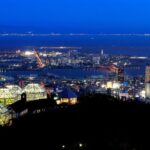
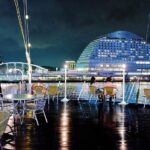
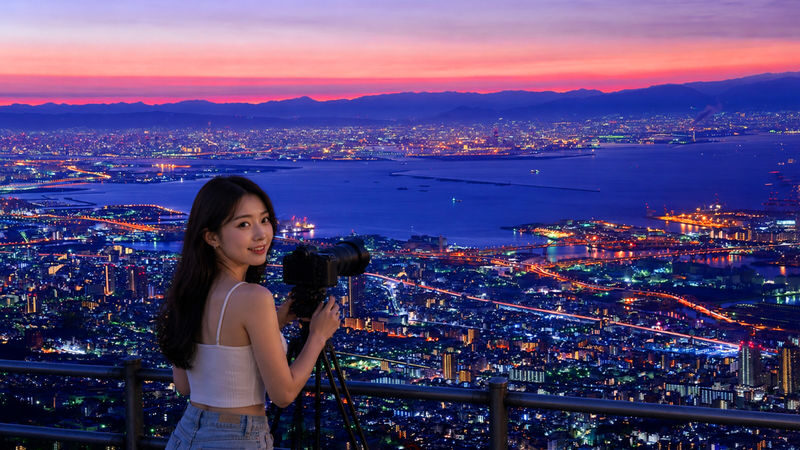
Mount Rokko’s night view is the payoff: from the mountain, Kobe’s harbor lights spread below you, with the city and coastline in the frame. This long day trip links that evening lookout with Arima Onsen, Kitano’s Western-style houses and Kobe Port, all without asking you to work out the transfers yourself.
I like two things about the plan. First, the late start leaves room for a proper morning in Osaka, especially in summer when departure is scheduled for 11:30. Second, the stops give you a taste of several sides of Kobe, from hot spring culture to foreign-settlement architecture and waterfront dining.
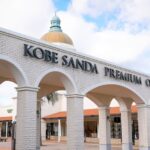
The trade-off is that this is a shared, tightly timed route, not a private tour. Extra costs add up, and the night view depends on weather and visibility. Also, the Urban Hot Spring Route described here does not include the Sanda outlet mall, despite the broader tour summary mentioning it.
- At a glance
- Why this route works from Osaka
- Arima Onsen: allow time for a bath and a wander
- Kitano Ijinkan: a compact look at Kobe’s foreign quarter
- Kobe Port: a useful window for food and waterfront views
- Mount Rokko: the view is the point, not a full evening on the mountain
- What the price covers, and what it does not
- Who should book this Kobe day trip?
- FAQ
- What time does the tour leave Osaka?
- Where does the tour return in Osaka?
- Are the onsen and Mount Rokko Cable Car included?
- Can I use the onsen if I have tattoos?
- Is the Kobe-Sanda outlet mall part of this route?
- Can children join the tour?
- The Best Of Kobe!
- More Evening Experiences in Kobe
- More Tours in Kobe
- More Tour Reviews in Kobe
- Not for you? Here's more nearby things to do in Kobe we have reviewed
At a glance
 1 / 8
 2 / 8
 3 / 8
 4 / 8
 5 / 8
 6 / 8
 7 / 8
 8 / 8
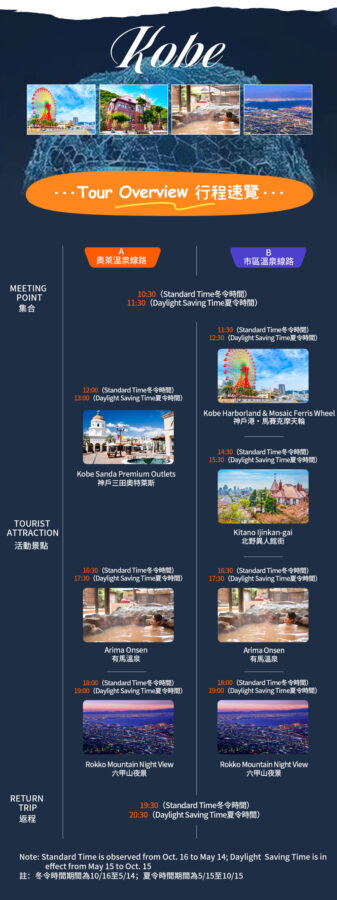
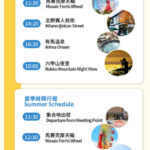
- Arima gets the longest stop: The schedule allows about two and a half hours, including time for a bath and a look around the old streets.
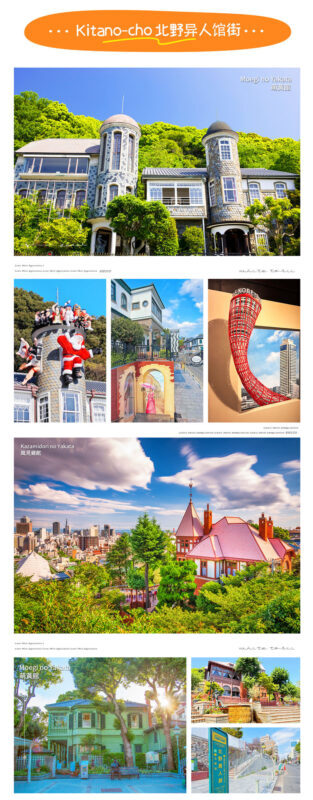
- Kitano is a short architectural sampler: You have about an hour to see its hillside lanes and Western-style residences.
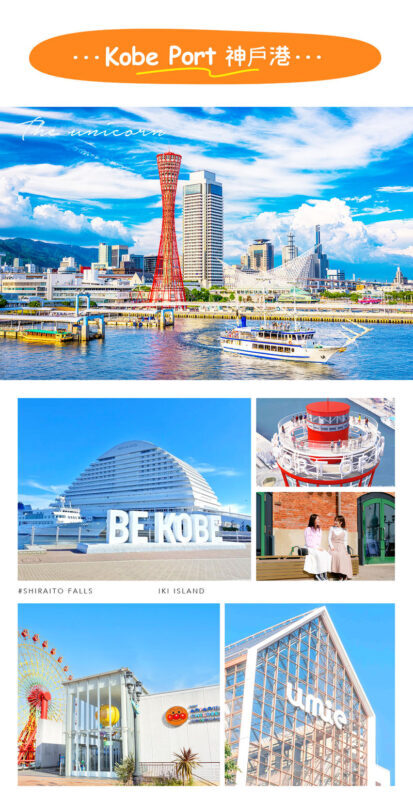
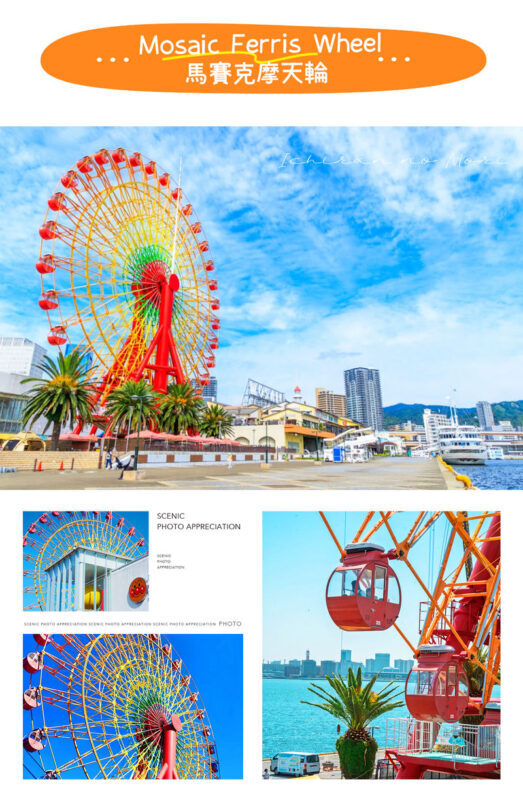
- Kobe Port has two hours: Use the time for the waterfront, the Mosaic shopping mall, the Ferris wheel area or a meal.
- Mount Rokko is the evening finale: The stop is about an hour and 40 minutes, with the cable car fare paid separately.
- Your guide and group can vary: Groups may range from 4 to 48 people, and the tour can include passengers speaking other languages.
- The schedule shifts by season: Winter departures are listed for 10:30; summer departures are listed for 11:30. Confirm the final time in the email sent the night before.

👉 See our pick of the Best Workshops And Classes In Kobe
Why this route works from Osaka
Kobe is close enough to Osaka for a day trip, but fitting Arima, Kitano, the port and a mountain lookout into one day takes coordination. This tour handles the round-trip transport, tolls and parking, so you can spend your attention on the stops instead of connections and road directions.
The format is best understood as a guided transfer with independent sightseeing time. At each stop, you explore on your own rather than following a guide through every attraction. Guides have included Yang, Frank, Amy, Wang Qi and Mr. Nakasato, among others. Some have been praised for clear explanations, useful food suggestions and keeping the day on schedule. English ability and the amount of guiding can vary, however, and some English-speaking participants have found the commentary difficult to follow or mostly in Chinese.
This is a shared tour, so do not expect a private vehicle or a custom pace. The listed group limit is 48, although the vehicle type depends on the number of people booked. Seating is generally first come, first served, and a requested seat is not guaranteed.
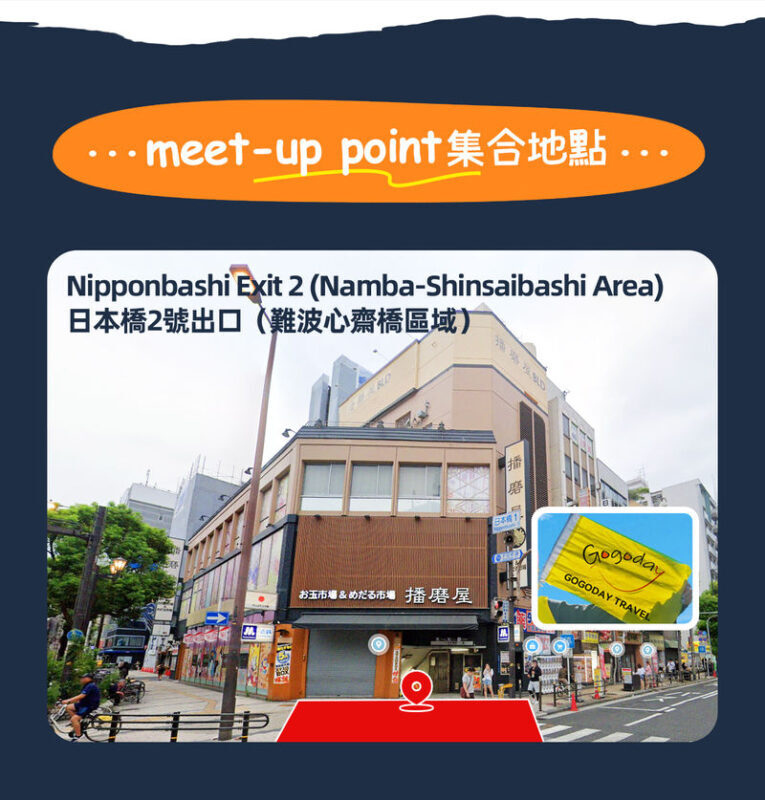
One detail worth checking: the meeting-point information arrives by email between 20:00 and 21:00 the night before. Check your spam folder, read the latest message if you receive more than one, and follow its exact directions. A departure-point mismatch has caused confusion before, so do not rely on an old photo alone. Arrive 10 minutes early; late arrivals and no-shows are not refundable.
You can also read our reviews of more evening experiences in Kobe


Arima Onsen: allow time for a bath and a wander
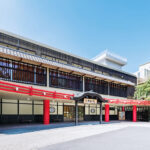
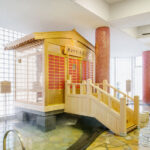
Arima is the most rewarding stop if you want more than a quick photo. Its old stone streets and hot spring atmosphere make a pleasant contrast to Osaka’s city pace. The schedule allots about two and a half hours, which gives you time to explore and, if you choose, pay for a public bath.
The route information describes Golden Spring, Silver Spring and Carbonated Spring. Admission is not included. The listed fee for the onsen facility is ¥2,400 on weekdays and ¥2,600 on weekends and holidays, but confirm the current price and which baths are open before you go. The main public baths, Kin no Yu and Gin no Yu, have different weekly closing days: Kin no Yu closes on the second and fourth Tuesday of the month, while Gin no Yu closes on the first and third Tuesday. Both also close on January 1. Holiday rules can shift a Tuesday closure to Wednesday.
Plan your stop around what you actually want to do. If bathing is the point, head to the bath early rather than spending the first hour browsing shops. A line can eat into your time, and a short visit may feel rushed if the bath is busy. If you would rather skip the bath, use the time for the streets and shops, though the tour may not offer a separate excursion for people who do not want to soak.
Japanese onsen require nudity, and tattoos are not permitted under this tour’s stated rules. If either condition makes the bath unsuitable for you, Arima can still be worthwhile as a historic hot spring town, but adjust your expectations: the tour’s schedule is built around a stop, not a guided visit to every attraction.
Kitano Ijinkan: a compact look at Kobe’s foreign quarter
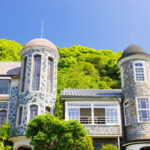
Kitano Ijinkan-Gai is the stop for Kobe’s international past. The area’s former foreign residences and consulates include red-brick and Western-style buildings, as well as the light-green Moegi House. You may also pass the retro-style Starbucks and hillside cafes described along Kitano’s streets.
The stop is scheduled for about an hour, so treat it as a quick walk and a chance to pick one or two sights, not a full tour of the district’s houses. Some buildings may require separate admission, and the tour price does not include other personal expenses. If architecture is your main interest, decide in advance which residence you most want to see, then check its opening arrangements.
There are slopes and stairs around the area, which matter if you have limited mobility or simply want a gentler day. One participant advised against the trip for very elderly visitors because of the amount of stair climbing across the day. The route is not a specialist walking tour, but comfortable shoes will make the stops easier.
Kobe Port: a useful window for food and waterfront views
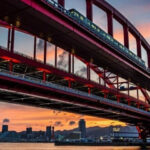
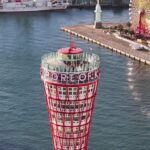
The two-hour port stop is the most flexible part of the afternoon. Kobe Port has been a major commercial harbor since the Meiji era, and its history as a place where foreigners lived gives the waterfront a different feel from Arima’s old lanes and Kitano’s hillside houses.
You can browse Mosaic shopping mall, see the Big Ferris Wheel and take in the harbor air. The schedule also leaves room for a meal, and Kobe beef is an obvious draw if it fits your budget. Meals and drinks are not included, so check menus before settling in if you are watching costs.
This is a good place to eat, but do not assume you have time for a long restaurant meal plus every nearby attraction. The group has to leave together, and traffic or weather can shift the schedule. Pick your priority: waterfront stroll, shopping, Ferris wheel area or dinner. A guide may offer local suggestions, but the quality and detail of those tips depend on who is leading that day.
Mount Rokko: the view is the point, not a full evening on the mountain
The Mount Rokko stop is scheduled for about an hour and 40 minutes. Its appeal is the outlook over Kobe, the harbor and the distant coastline as the city lights come on. On a clear evening, this is the scene the day has been building toward.
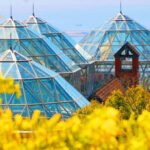
The Rokko Cable Car is not included in the tour price. The route notes recommend taking it rather than a bus on the winding mountain roads, where motion sickness can be an issue. But the cable car can be unavailable for maintenance; in that case, the bus may take you up instead. The stop is self-guided, and there may be little to do beyond the view, especially if shops are closed. Go for the lookout, not for a busy evening of activities.
The timing can be a frustration. In spring and summer, the sky may not be fully dark when it is time to leave, and weather can leave the view hazy or obscure it altogether. Bring a light jacket: the top can feel cooler than the city, and one tour participant specifically recommended an extra layer.
There may also be a separate admission charge for the Tenrandai observation deck during the Kobe Rokko MEETS ART event. Event dates and fees can change, so check current official information before booking. The tour materials also refer to an event admission charge at Rokko Garden Terrace; do not assume every lookout or event area is covered by the cable car ticket.
You can also read our reviews of more tours and experiences in Kobe


What the price covers, and what it does not
The starting price is $47.39, a reasonable fare if you value transport from Osaka and want to connect four different areas in one day. The package includes round-trip transfers from the meeting point, tolls, parking and a Chinese- or English-speaking guide. You avoid arranging several separate rides and trying to reach a mountain lookout after dark.
Still, the headline price is not the full cost of the day. Budget separately for the Arima bath, the Rokko Cable Car, possible event admission, meals, drinks and personal purchases. If you plan to soak and ride the cable car, check current fares before deciding whether this is better value than arranging a Kobe visit independently.
The itinerary’s timings are estimates, not promises. Traffic, weather, attraction operations and the legal limit on vehicle-use time can all prompt changes. The operator may adjust the order of stops, and the actual return to Osaka can fall between about 20:45 and 22:00. Do not book a fixed evening activity afterward. If you have luggage, one piece per person is allowed free, but you must mention it when booking; extra bags may not be accepted.
Who should book this Kobe day trip?
This trip suits you if you have one day to spare, want a broad first look at Kobe and prefer someone else to handle the driving. It is particularly handy if you want to combine a hot spring town, historic architecture, a harbor and a night view without building a route through public transport connections.
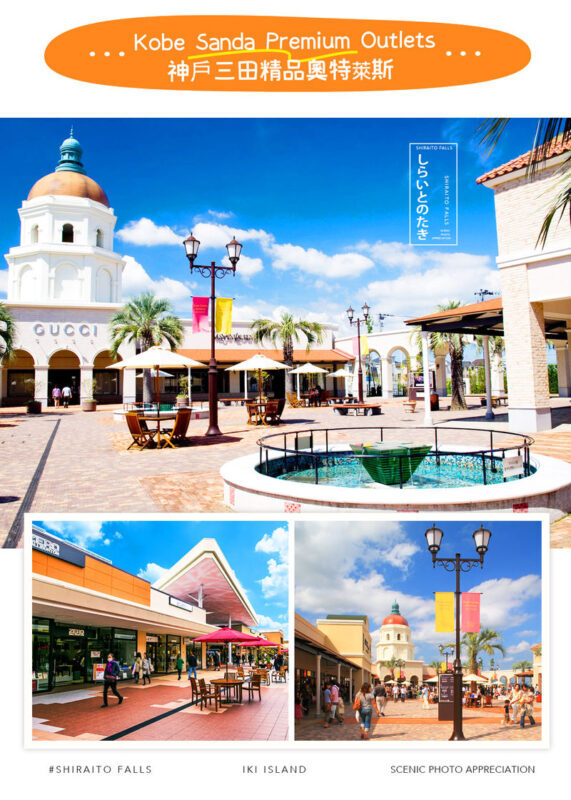
It is less suited to you if you want long, unhurried visits, guaranteed English commentary throughout, or a full onsen session regardless of queues. It is also not ideal if the night view is your only reason to go: visibility and darkness vary, and the mountain stop can feel sparse when shops are shut. If shopping at Kobe-Sanda Premium Outlets is important, check the package carefully. The Urban Hot Spring Route covered here does not include the outlet stop.
For the strongest day, arrive early at the meeting point, keep your evening free, bring a warm layer, and decide ahead of time whether Arima’s bath or its streets are your priority. I would book it for the convenience and range of stops, while treating Mount Rokko’s view as a weather-dependent bonus rather than a guarantee.
Kobe: Mt. Rokko Night View Day Trip from Osaka
“The tour guide's explanation was detailed and very clear, very nice.”
FAQ
What time does the tour leave Osaka?
The listed winter departure is 10:30 from November 16 through March 31. The summer departure is 11:30 from April 1 through November 15. The operator may adjust the time, so follow the email sent the evening before your trip.
Where does the tour return in Osaka?
The listed return point is Osaka Kintetsu Nipponbashi. Arrival is estimated between 20:45 and 22:00, depending on the day’s schedule, traffic and weather.
Are the onsen and Mount Rokko Cable Car included?
No. The tour includes transfers, tolls, parking and a guide, but Arima Onsen and the Mount Rokko Cable Car are extra. Meals, drinks and personal expenses are also not included.
Can I use the onsen if I have tattoos?
The tour’s stated rules say tattoos are not permitted in the onsen. Japanese onsen also require nudity.
Is the Kobe-Sanda outlet mall part of this route?
No. The Urban Hot Spring Route described here visits Arima Onsen, Kitano Ijinkan-Gai, Kobe Port and Mount Rokko. Check the package details if you want an outlet-shopping itinerary.
Can children join the tour?
Children aged 3 and older pay the adult rate. Children aged 0 to 2 can join free if they do not need a separate seat, but infants and children must still be included in the passenger count.