Katsuo-ji’s hillside grounds are dotted with little red Daruma dolls, turning a temple visit into something more hands-on than a quick photo stop. From there, this day trip links Arashiyama’s bamboo paths and riverside sights with Kinkaku-ji, Kyoto’s famous gold-leaf pavilion.
I like the mix of three very different stops: a temple tied to wishes and success, a scenic district you explore at your own pace, and a landmark known for its reflection in Mirror Lake. I also like that transport and a guide are included, which makes the farther-flung Katsuo-ji easier to pair with central Kyoto sights in one day.
The main trade-off is time. Katsuo-ji gets about an hour, Arashiyama about two and a half, and Kinkaku-ji 45 minutes, so you’ll need to choose what matters most at each stop. Entry fees and meals are extra, and traffic or weather can change the schedule.
- The day’s highlights at a glance
- Katsuo-ji: a wish, a doll and a hillside temple
- Arashiyama: bridge, bamboo and time to wander
- Kinkaku-ji: gold leaf and Mirror Lake
- What the guide and transport add
- Is .85 good value?
- Practical details before you book
- Should you book this Kyoto day trip?
- FAQ
- How long is the tour?
- Where does the tour depart from?
- What is included in the price?
- Are temple admission fees included?
- How much time is planned at each main stop?
- Is lunch provided?
- Which languages are available?
- Is the tour accessible for wheelchairs or strollers?
- What is the cancellation policy?
- The Best Of Kyoto!
- More Tours in Kyoto
- More Tour Reviews in Kyoto
- Not for you? Here's more nearby things to do in Kyoto we have reviewed
The day’s highlights at a glance
 1 / 8
 2 / 8
 3 / 8
 4 / 8
 5 / 8
 6 / 8
 7 / 8
 8 / 8
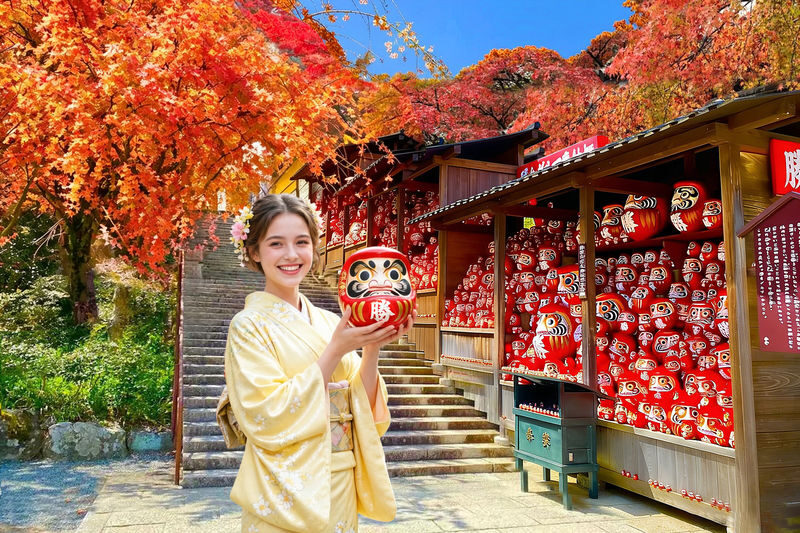
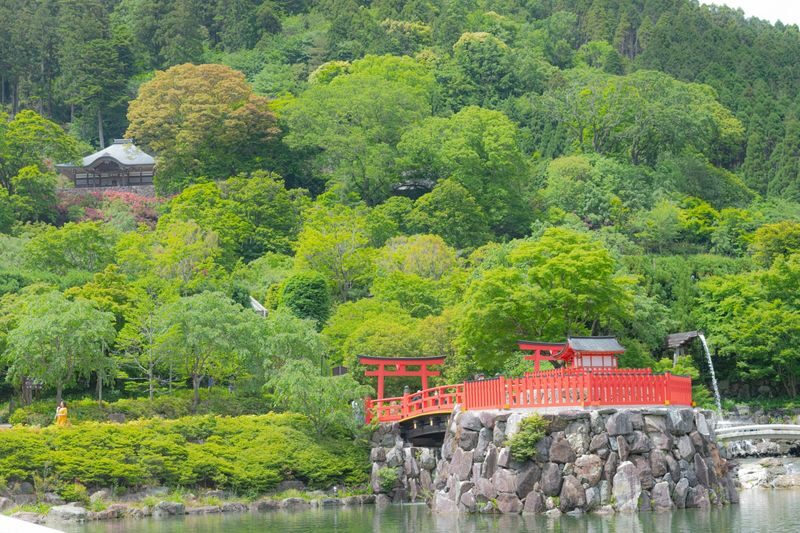
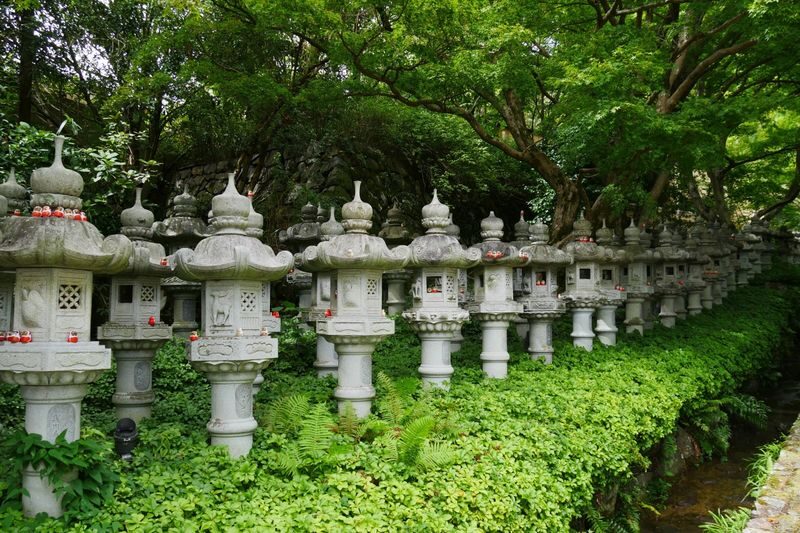
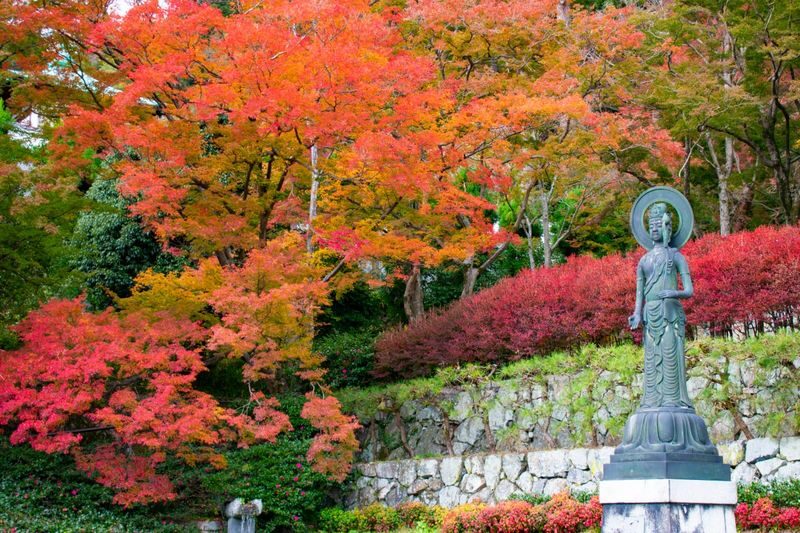
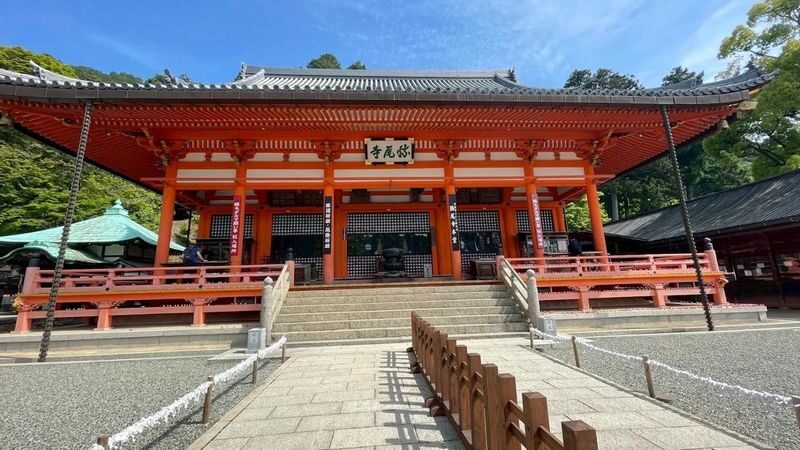
- Katsuo-ji and its Daruma dolls: Spend about an hour at this temple, known as the Temple of Victory, and explore a custom associated with wishes and success.
- Arashiyama at your own pace: Use a two-and-a-half-hour stop for Togetsukyo Bridge, the bamboo grove, Kimono Forest and Nonomiya Shrine.
- Kinkaku-ji’s gold-leaf exterior: The 45-minute visit focuses on the pavilion and its reflection in Kyoko-chi, also called Mirror Lake.
- A guide plus transfers: English- and Chinese-speaking options include round-trip transport from a designated meeting point. An Osaka hotel pickup option is also offered.
- A full day, with costs to plan for: The tour starts at $44.85, but temple admission, meals and personal purchases are not included.

👉 See our pick of the 25 Best Workshops And Classes In Kyoto
Katsuo-ji: a wish, a doll and a hillside temple
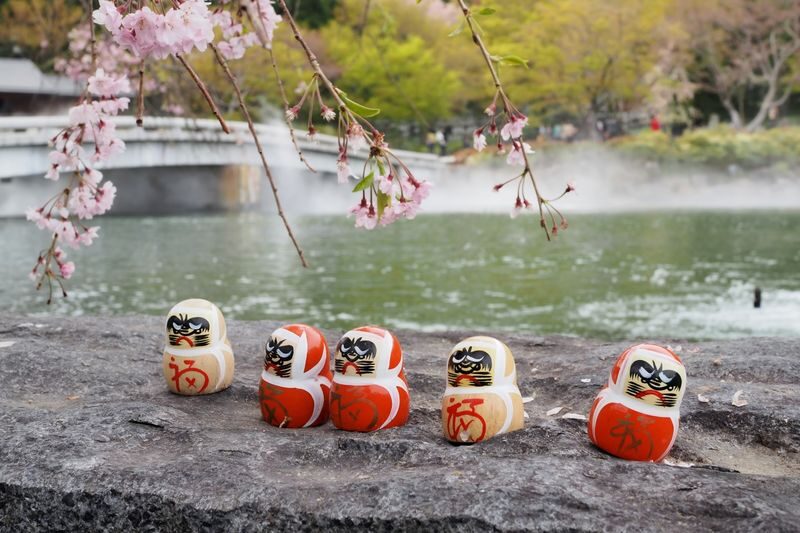
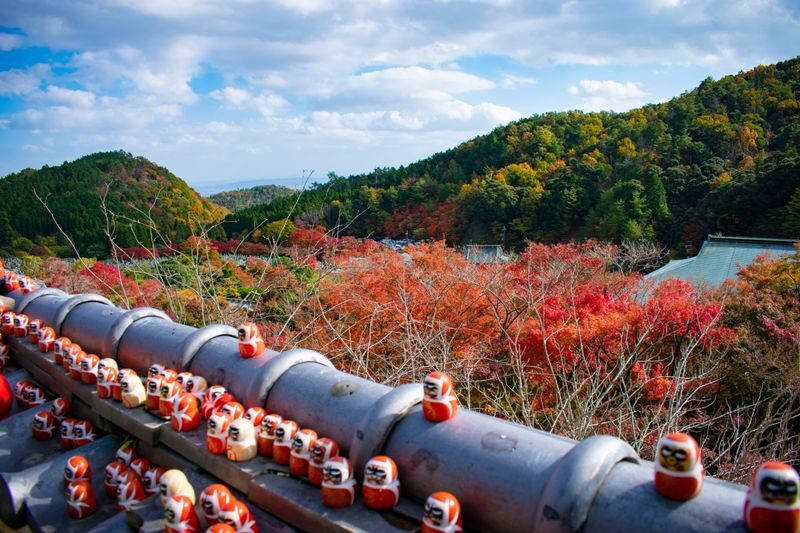
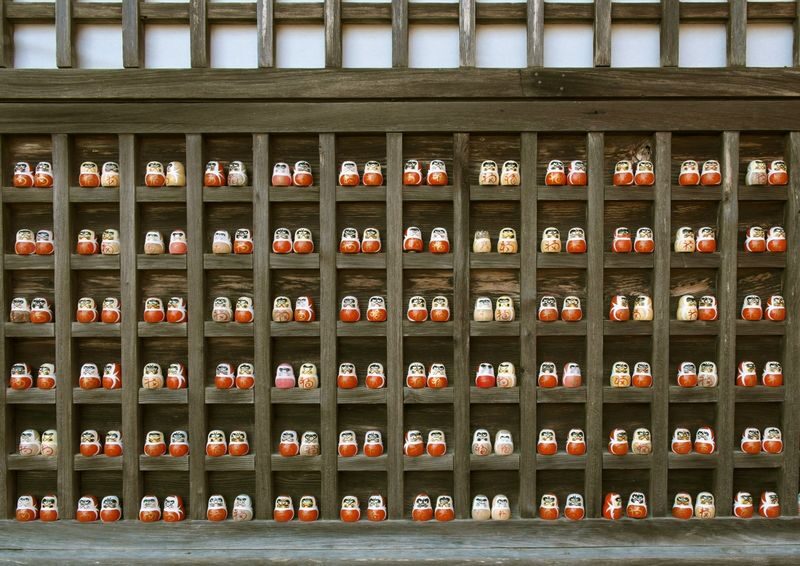
Katsuo-ji is the day’s most distinctive stop. The temple has a history of more than 1,300 years and is associated with prayers for good luck and success. Its Daruma figures give the visit a playful visual signature, but the tradition behind them is the more lasting part: make a wish while dotting one eye, then add the other when the wish is fulfilled.
The itinerary allows about an hour here, with time to walk through the grounds and take in the Daruma displays. That can feel brief if you want to browse for charms, obtain a temple stamp, or linger over the details. One tour participant specifically wished for more time after buying charms and collecting a Goshuin, so if those are priorities, expect to move with purpose.
There is an important distinction between the custom and what the tour includes. The package does not list a Daruma doll or the eye-painting as an included item, and admission to Katsuo-ji is extra. Check the current arrangements at the temple if you want to take part in the ritual, and bring cash or another accepted payment method for any purchases after confirming what the temple takes.
Katsuo-ji is not one of the usual central Kyoto stops, which is where the shared transport earns its keep. Getting here independently and combining it with Arashiyama and Kinkaku-ji can mean more planning and travel time. On this tour, you can use the drive to rest while the guide handles the route and explains what’s ahead.
You can also read our reviews of more tours and experiences in Kyoto.

Arashiyama: bridge, bamboo and time to wander
Arashiyama gets the longest stop, about two and a half hours, and it needs it. The sights are spread through a popular district rather than gathered inside a single temple. You’ll have time to choose between a riverside stroll, the bamboo path, a shrine visit, a look at the Kimono Forest, and lunch.
Togetsukyo Bridge is a natural place to start or pause. From the bridge, the river and distant mountains frame the area, giving you a feel for why Arashiyama has long been valued for its scenery. The bridge is a landmark rather than a long attraction in itself, so you can take in the view and move on without sacrificing much of your limited stop.
The Arashiyama Bamboo Forest offers a very different mood. The path runs among tall bamboo, where the sound and filtered light can make a short walk feel removed from the surrounding district. It is a scenic pause, not a long hike, so keep your expectations practical: the tour includes time to walk the path, but it does not promise solitude or an extended countryside walk.
Kimono Forest is near the area’s railway station. Its clear columns display colorful kimono fabric, making a compact stop for photographs and a look at textile patterns. It is an art installation, not a museum visit, and works well as a brief contrast to the natural scenery.
Nonomiya Shrine is another listed stop, associated with prayers for love, health and happiness. You can write a wish on an ema, a wooden prayer plaque, if you choose to buy one. The tour allows independent exploration here, so the guide can point out the place and give context, but you set the pace and decide which stops deserve your time.
Lunch is also on your own in Arashiyama. That gives you useful flexibility, with local restaurants and food shops to choose from, but it means you’ll need to watch the clock. Several tour participants appreciated having a range of places to eat, including wagyu restaurants. If you have a particular meal in mind, allow time to find it and eat without turning the rest of the visit into a sprint.
Kinkaku-ji: gold leaf and Mirror Lake
The final major stop is Kinkaku-ji, formally Rokuon-ji, a World Heritage site whose pavilion is famous for its gold-leaf exterior. The building dates to 1397, and its bright façade reflected in Kyoko-chi, or Mirror Lake, is the view most people come for.
You follow a set visitor route around the grounds rather than entering the pavilion. The 45-minute stop is enough to see the main view and walk part of the grounds, but it leaves little room for a slow visit. If you like to read every sign, take many photographs or pause at each garden feature, keep an eye on the meeting time.
Kinkaku-ji admission is not included. Neither is admission to Tenryu-ji, which appears among the activity’s listed sites but has no separate visit time in the day’s schedule. Do not assume you’ll have time for a full Tenryu-ji visit; check with the operator if that temple is important to your plans.
Kinkaku-ji can feel like a grand finale after the quieter Daruma ritual and Arashiyama’s natural setting. It is also a short, highly recognizable stop, so the value lies in seeing the pavilion and its setting without arranging another transfer yourself. For a deeper visit to Kyoto’s temples, you’ll want another day.
What the guide and transport add
This is a meet-up tour with round-trip transfers, tolls, parking and fuel included. Departure options are listed at 08:00 and 09:00, with a recommended arrival 15 minutes early. The planned return is around 17:00 to 18:00 at Kyoto Station or 18:00 to 19:00 at Osaka Namba Station, depending on your selected route and traffic.
An English-speaking guide, Chinese-speaking guide, and an English-and-Chinese option are available. A separate package offers Osaka hotel pickup and drop-off. Guide assignment varies; Apple and Noa are among the guides who have been praised for clear explanations, thoughtful reminders and keeping the schedule moving. Allen, Sarah and other guides are also named in positive feedback, but you should not count on booking a particular person.
The guide’s role matters most at the transitions. You get context before reaching each site, practical pointers for free time and a clear meeting plan, while still exploring the temple grounds and Arashiyama independently. This suits you if you want some interpretation but do not want to follow a guide in a tight group at every step.
Transport comfort and dependable timekeeping come up repeatedly in descriptions of the day. That is useful on a route linking Mino’s Katsuo-ji with several Kyoto stops. Still, a day trip is at the mercy of road conditions. Traffic has caused some delays, and the schedule may change with weather or road conditions, so avoid planning a tight evening commitment after the return.
Is $44.85 good value?
At a starting price of $44.85, the strongest value is the transport and the chance to connect several distant sights in one day. You avoid arranging separate rides to Katsuo-ji and the Kyoto attractions, and the guide helps make the stops easier to navigate. The price is especially appealing if you are traveling between Osaka and Kyoto and want a structured sightseeing day rather than another day of transit planning.
It is not an all-inclusive ticket. Admission to Katsuo-ji, Kinkaku-ji and Tenryu-ji is extra, as are food, drinks and personal purchases. Add those costs before comparing the tour with a self-guided day. The listed price is a starting price, so the final fare can depend on the option and date you choose.
The schedule is efficient, not leisurely. You’ll get a useful introduction to each place, but you won’t have the freedom to spend half a day at Katsuo-ji or wander Arashiyama without watching the clock. The format has worked well for people who value convenient transfers, organized timing and independent time at each stop. It is less suited to anyone who wants long, detailed visits or needs a slower pace.


Practical details before you book
The activity runs for about nine hours. Children and infants must be included in the passenger count, and child seats are not available. The tour is not wheelchair- or stroller-accessible and is not recommended for people with impaired mobility, pregnancy, or certain medical conditions such as high blood pressure or epilepsy.
You can cancel for a full refund at least 24 hours before the activity date, in local time. Changes are generally allowed until 24 hours before the start, subject to stated exceptions for some booking types. The voucher is valid only for the date and time selected.
The guide’s contact information and meeting details are sent by email around 18:00 the day before the trip. Check your spam folder if you do not see the message. Arrive 15 minutes early: late arrivals and no-shows are not refundable.
Should you book this Kyoto day trip?
Book it if you want to see Katsuo-ji, Arashiyama and Kinkaku-ji in one day without piecing together the transport yourself. The combination is the draw: the Daruma tradition adds a personal element, Arashiyama gives you room to explore, and Kinkaku-ji delivers a classic Kyoto sight. An included guide and transfers make the packed route easier to manage.
Skip it if you want a slow temple day, need wheelchair or stroller access, or plan to spend hours at one particular site. For most people comparing convenience with flexibility, this is a sensible first look at several Kyoto-area highlights. Just budget for admission and lunch, and treat the schedule as a brisk introduction rather than a deep visit.
Kyoto Temple Pilgrimage: Bamboo Grove & Kinkaku-ji
“Today, our tour guide Nox took us on a wonderful tour of Katsuo-ji Temple, Arashiyama, and Kinkaku-ji. Along the way, they introduced the history a…”
FAQ
How long is the tour?
The day tour lasts about nine hours, with departures listed at 08:00 or 09:00. Return times are scheduled for 17:00 to 18:00 at Kyoto Station or 18:00 to 19:00 at Osaka Namba Station.
Where does the tour depart from?
Meet-up departures are available from Osaka and Kyoto stations. An additional package offers pickup and drop-off at Osaka hotels.
What is included in the price?
The tour includes an English- or Chinese-speaking guide, round-trip transfers to and from the meeting point, tolls, parking and fuel. Admission, meals, drinks and personal expenses are not included.
Are temple admission fees included?
No. Admission to Katsuo-ji, Kinkaku-ji and Tenryu-ji is excluded.
How much time is planned at each main stop?
The schedule allows about one hour at Katsuo-ji, two and a half hours in Arashiyama and 45 minutes at Kinkaku-ji. Traffic or weather may affect the timing.
Is lunch provided?
No. Meals and beverages are not included. You have free time to choose where to eat in the Arashiyama area.
Which languages are available?
The listed options include an English-speaking guide, a Chinese-speaking guide and an English-and-Chinese guide. The guide assigned to your departure may vary.
Is the tour accessible for wheelchairs or strollers?
No. The activity is not wheelchair- or stroller-accessible, and it is not recommended for people with impaired physical mobility.
What is the cancellation policy?
A full refund is available if you cancel at least 24 hours before the activity date, based on local time. Some booking types have restrictions on changes.