Koyasan is a mountain town where temple roofs, old cedars, and memorials make the road from Osaka feel like a change of pace, not just a transfer. The Okunoin cemetery walk is the day’s defining experience: a quiet path through towering trees to one of Japan’s most sacred places.
I like two things about this trip: a small van saves the hassle of piecing together mountain transport, and the schedule gives you time to walk around rather than just step off for a photo. Guides such as Hanazawa, Yen, and Kudo have been singled out for thoughtful care, clear explanations, and safe driving.
The tradeoff is a long day with plenty of walking, and the amount of live commentary can vary. Lunch also needs a little planning: you may find a recommended vegetarian meal, but food options and prices will not suit everyone.
What to know before you go
- Okunoin is the emotional center: Walk beneath old trees along a path lined with memorials, then reach the area associated with Kobo Daishi.
- The route can cover several major sites: Daimon Gate, Kongobuji Temple, Danjo Garan, the Goma fire ritual, and Tokugawa Mausoleum are among the stops described.
- You travel by small vehicle: Some departures use a microbus or van, rather than a large coach.
- Guiding styles vary: Some guides explain sites in person; some use recorded or AI-translated commentary in languages such as English, Chinese, and Japanese.
- Plan for a lot of steps: One visitor counted more than 15,000, and Okunoin includes a substantial walk.
- Lunch is not a sure thing: You might try shojin ryori, Buddhist vegetarian cuisine, but bring a snack in case the available choices or prices do not suit you.
- What to know before you go
- Why Koyasan makes a worthwhile day trip
- Leaving Osaka by small van
- Getting your bearings at Daimon Gate
- Danjo Garan and Kongobuji Temple
- The Goma fire ritual
- Walking the forest path at Okunoin
- Extra stops and room to explore
- Lunch, snacks, and the long ride back
- Is .55 a good value?
- Who should book this Koyasan tour?
- FAQ
- How much does the Koyasan and Okunoin day tour cost?
- Does the tour depart from Osaka?
- Which places can the tour visit?
- How much walking should I expect?
- Is the Goma fire ritual included on every departure?
- Can I cancel for a refund?
- More Tours in Ito County
- More Tour Reviews in Ito County
- Not for you? Here's more nearby things to do in Ito County we have reviewed
Why Koyasan makes a worthwhile day trip
 1 / 10
 2 / 10
 3 / 10
 4 / 10
 5 / 10
 6 / 10
 7 / 10
 8 / 10
 9 / 10
 10 / 10
Koyasan, also called Mount Koya, offers a different side of a Japan visit built around Osaka. Its temples and sacred sites are not merely stops on a sightseeing loop. They belong to an active religious setting, and the forest paths and memorials give the day a quieter tone than a city itinerary.
That shift is part of the appeal. The mountain road takes time, but the scenery and the change in pace help make the distance feel purposeful. You are not spending the day racing between unrelated attractions. The stops connect through Koyasan’s Buddhist traditions and its long role as a place of worship.
This is a good choice if you want a broad introduction in one day without organizing train connections and local transfers yourself. It is less suitable if you want a slow, in-depth stay. Koyasan has enough to reward an overnight visit, and a day tour can only offer a sample.
You can also read our reviews of more tours and experiences in Ito County.
Leaving Osaka by small van
The trip begins at a meeting point in Osaka, with one departure described as starting around 8 a.m. A clear meeting instruction matters here: the vehicle may not be able to wait for long on a busy street, so arrive early and check the exact point before setting off. One meeting location was near a 7-Eleven and a Doutor, useful places to wait or pick up coffee.
The drive into the mountains is a major part of the day. Koyasan’s winding roads can make a confident driver a real asset, and guides including Hanazawa and Yen have been praised for smooth, careful driving. Some guides also introduce the area on the way, using live explanations or recorded commentary.
Expect a small-group vehicle, not necessarily a full-size coach. That can mean a more personal outing and quicker movement between stops, but legroom may be tight, especially if you are tall. One visitor over 170 centimeters found the knees cramped. If comfort on a long drive matters to you, pack light and be ready for limited space.
The drive may also be a challenge if you are prone to motion sickness. Take any steps you normally use before a winding road trip. The day can feel tiring if you arrive in Osaka that morning after an overnight journey, so try not to stack this tour on top of an already exhausting travel day.
Getting your bearings at Daimon Gate
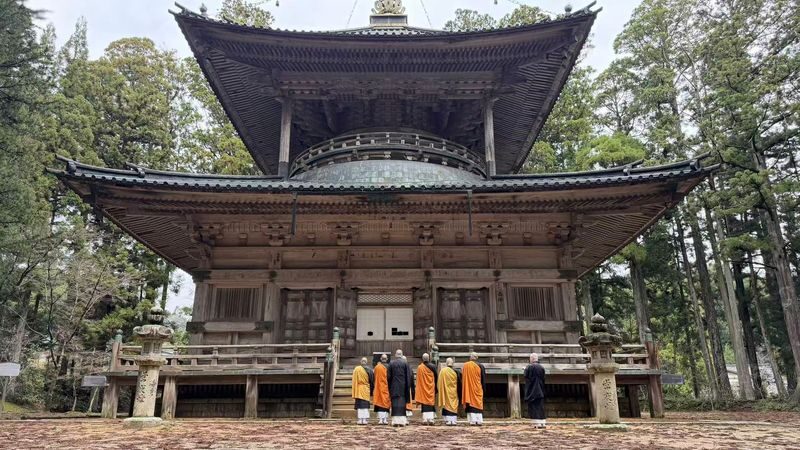
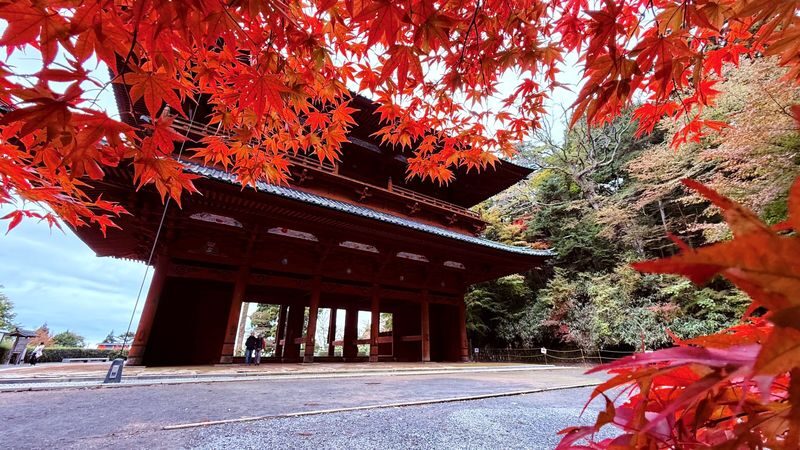
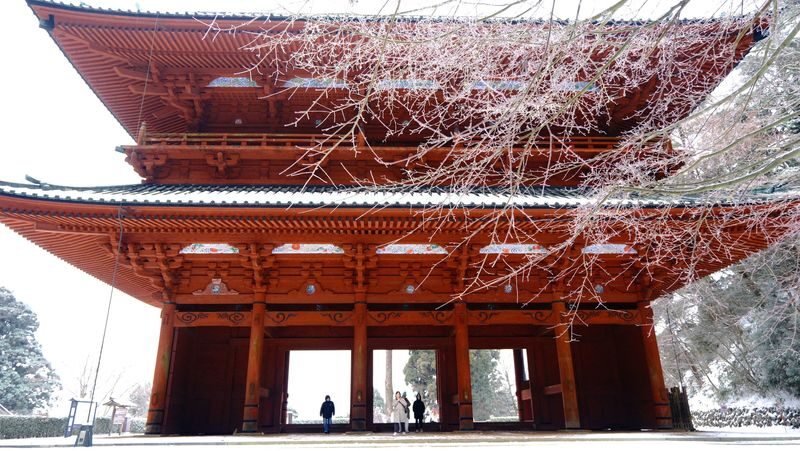
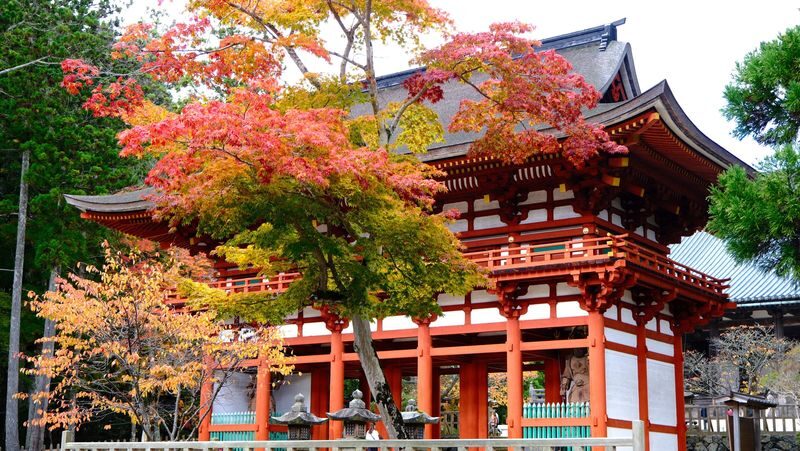
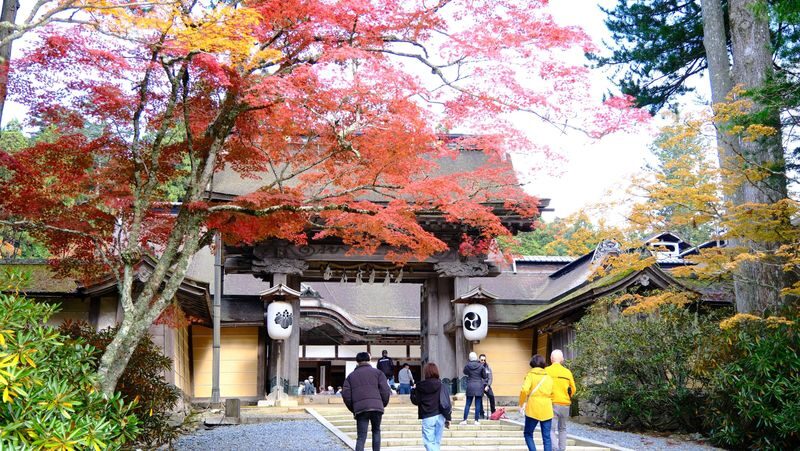
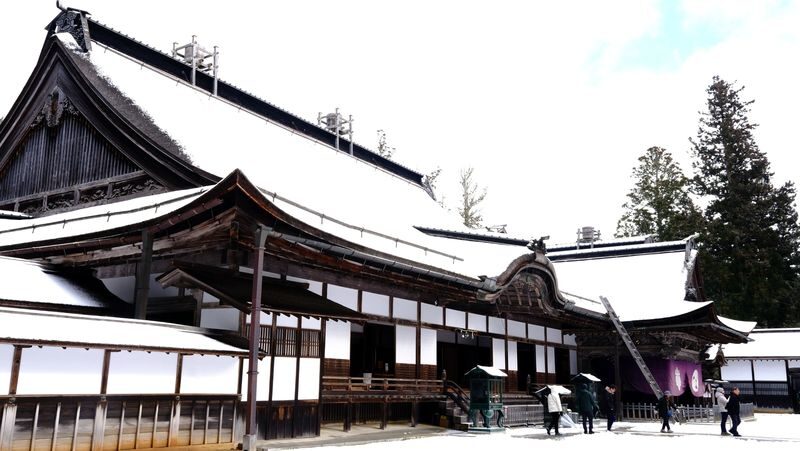
Daimon Gate is a striking threshold to Koyasan and a natural place to begin understanding the town’s scale and religious character. It gives you a sense that this is more than a collection of temple buildings: the mountain itself is part of the setting.
The gate is often included among the day’s main sites, along with the temples and grounds that follow. A guide may explain its place in the area before letting you look around. That initial context helps you notice details rather than treating the gate as a quick photo stop.
As with the other sites, the time here is limited by the day’s schedule. If you are especially interested in architecture or want to linger for photographs, keep an eye on the group’s agreed return time. Small-group travel helps the day move efficiently, but it is still a shared itinerary.
Danjo Garan and Kongobuji Temple
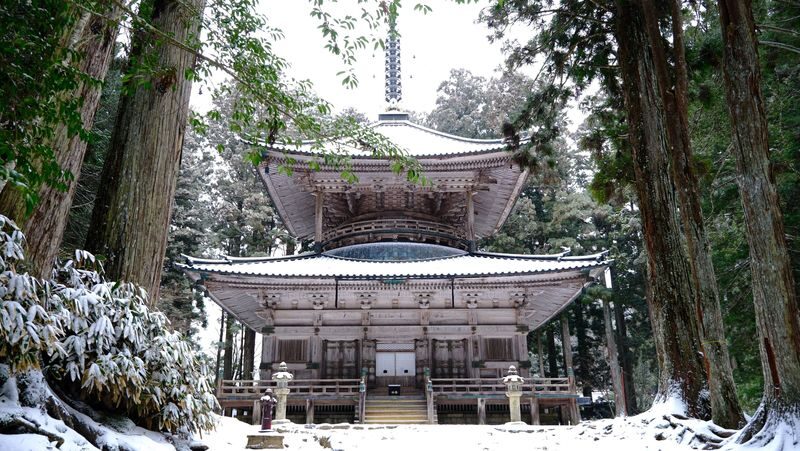
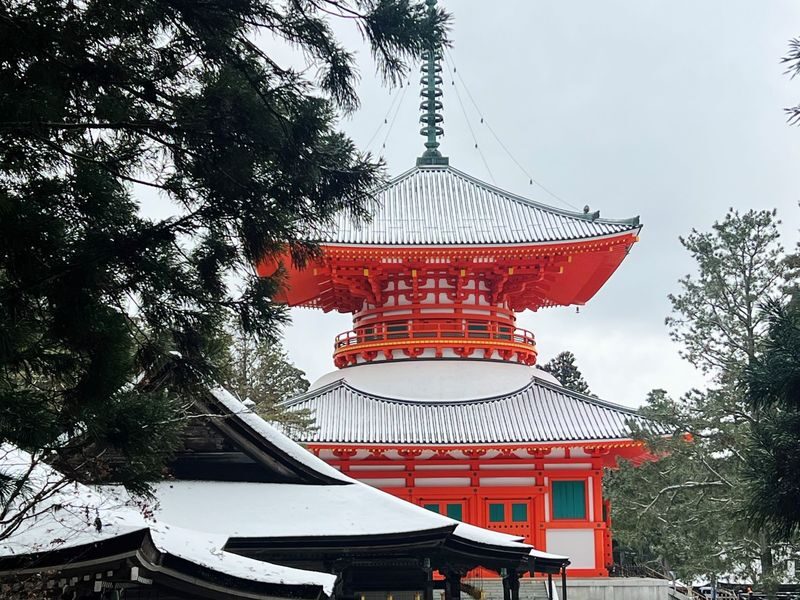
Danjo Garan is one of Koyasan’s key temple precincts, and Kongobuji is another major stop. Together, they offer a sense of the religious center’s layout and traditions. The experience is not a single grand interior visit; it is a series of buildings and outdoor spaces that reward a little explanation and unhurried looking.
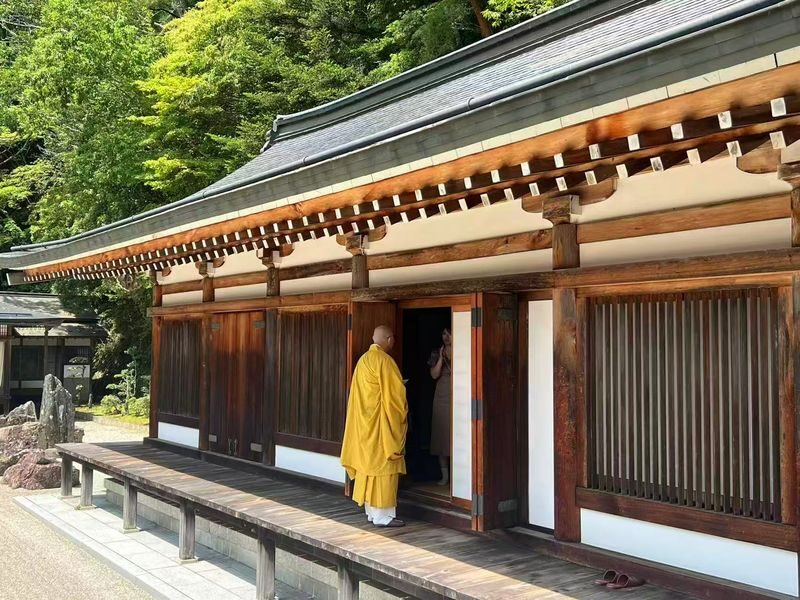
Guides may give an overview before you explore on your own, or walk with the group and point out notable features. This is where the quality of the spoken commentary can shape your visit. Some guides, including Kudo and Hanazawa, have been praised for giving background on the way and at the sites. Other visitors have found that explanations were brief, or relied more on recordings than personal storytelling.
If you like to understand what you are seeing, ask questions when there is time. If your guide’s English is limited, audio commentary may fill in some of the background, but it can feel less personal than a live conversation. The tour’s balance of guided context and free time will suit you best if you are comfortable doing some of your own looking and reading.
The Goma fire ritual
Some departures include a Goma fire ritual, a Buddhist ceremony that can be a powerful part of the day. The atmosphere is solemn, and the combination of flames and chanting offers a different experience from simply walking through temple grounds. One guide even prepared small half-kesa garments for participants to wear, adding a sense of respect to the visit.
Treat this as a religious observance, not a performance staged for a tour group. Follow instructions, keep your voice low, and be mindful of photography rules or requests. The tour information does not guarantee that the ritual will be part of every departure, so check the exact inclusions before booking if it is a priority for you.
This stop also shows why a guide can add value beyond driving. A brief explanation of what is happening helps you approach the ritual with more understanding. If commentary is light on your departure, take the opportunity to ask what is appropriate and what you are seeing.
Walking the forest path at Okunoin
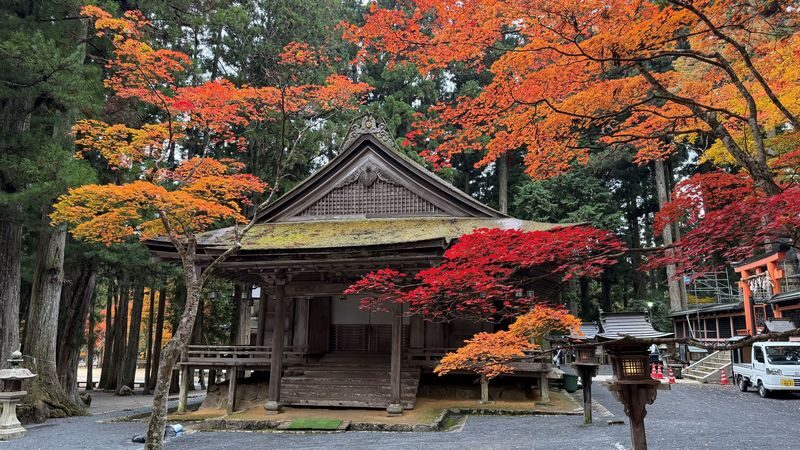
Okunoin is the standout stop for many people, and for good reason. Its long path passes through a cemetery beneath towering trees, with memorials and stone structures lining the way. The atmosphere is quiet and reflective, quite different from a conventional sightseeing attraction.
This is not a quick stroll from the parking area to a viewpoint. Plan for a substantial walk, wear comfortable shoes, and keep your pace steady. Some visitors describe the walk as a hike, and one person’s step count passed 15,000 for the full day. You do not need to be an athlete, but this is not the tour for someone hoping to avoid walking.
The setting calls for respectful behavior. Some people feel the path is too sacred for casual photography, and the mood is best appreciated without rushing from one photo to the next. Your guide may point out significant places or let you walk quietly at your own pace. That mix of context and silence is a strength of the visit.
The route is especially appealing if you want a contemplative experience rather than a checklist of famous sights. Yet it can feel monotonous if you prefer active narration throughout. The forest path has a consistent visual rhythm, and the meaning of the memorials may not be obvious without explanation.
Extra stops and room to explore
Depending on the day’s schedule, the tour may include places such as the Tokugawa Mausoleum, Seijin-in Temple, or another heritage site. These additions can make the itinerary feel more distinctive, but they should not be treated as a guaranteed feature unless confirmed for your chosen package. Sites and timing can vary.
The benefit of a small group is that you can sometimes move through the day with little waiting. A rainy day, for example, may mean fewer people at the sites and a more intimate group. Guides have also offered umbrellas, drinks, tea, and local sweets on some departures. These touches are helpful, but they are not listed as fixed inclusions, so count them as pleasant extras rather than promises.
You will have some time to explore independently at stops. That freedom is valuable if you prefer to walk quietly, take photos, or spend a little longer with a particular building. It also means you should listen carefully to the meeting time and location before wandering off.
Lunch, snacks, and the long ride back
Lunch is the one part I would plan rather than leave to chance. Shojin ryori, or Buddhist vegetarian cuisine, is a fitting way to eat in Koyasan, and some guides recommend a restaurant. People’s tastes differ, though, and one visitor found the meal expensive for what was offered. A suggested cafe was also reservation-only on one day, so do not assume a particular restaurant will be available.
Bring a small snack in case the stop options are limited or you want something familiar. Water and tea have been provided on some trips, along with items such as grilled mochi, dorayaki, or red bean sweets. Those thoughtful extras can tide you over, but they are not guaranteed.
The return to Osaka follows a full day on foot and a long drive. One departure returned around 5:30 p.m., but treat that as a reference point, not a fixed arrival time. Traffic, weather, and the day’s pace can affect timing. Avoid booking a tight onward connection or evening reservation if being late would cause trouble.
Is $74.55 a good value?
At a starting price of $74.55, the main value is convenience. Koyasan takes effort to reach, and a small-group vehicle removes the need to manage the mountain route and transfers on your own. A driver-guide also gives you some orientation, while the planned stops help fit several important sites into a single day.
The price is most worthwhile if you value transport, a structured route, and the chance to explore without planning every leg yourself. It is less compelling if you expect a private guide delivering detailed live commentary at every stop. The group size and guiding style can vary, and some commentary may come from audio recordings or AI translation. For a more personal, in-depth visit, compare the price with a private tour or an overnight stay.
Check what is included before you book, especially if admission fees, meals, or a specific ceremony matter to you. The available details do not establish that every temple entry or lunch is covered. A low starting price can still leave you with extra costs, so confirm the package terms rather than assuming all site visits are bundled.
Who should book this Koyasan tour?
Book it if you are based in Osaka, want to see Koyasan in a day, and would rather have transport and a basic route arranged than navigate the mountain independently. It also suits solo visitors and small parties who like a shared outing, as the vehicle can make the long drive and transitions between sites easier.
Think twice if you need generous legroom, dislike winding roads, have difficulty walking, or want detailed live interpretation throughout. You may also prefer an overnight stay if your goal is to spend more time in the temples and absorb the mountain’s quieter pace.
I would choose this tour for the Okunoin walk and the convenience of reaching several sites in one day. Pack comfortable shoes, bring a snack, arrive early at the meeting point, and keep your schedule after the return flexible. If those tradeoffs work for you, this is a practical way to experience a very different side of Japan from Osaka.
Koyasan & Okunoin Small Group Day Tour from Osaka
“Wonderful experience! The excursion is very well organized. We had plenty of time to take things in at each site we visited. Yan-Lei, our driver-gu…”
FAQ
How much does the Koyasan and Okunoin day tour cost?
The listed starting price is $74.55. The final price may depend on the date or package, so check the booking details before confirming.
Does the tour depart from Osaka?
Yes. The package is the Mount Koya and Okunoin Small Group Day Tour departing from Osaka. Check your booking confirmation for the exact meeting point and time.
Which places can the tour visit?
Stops described for the tour include Daimon Gate, Kongobuji Temple, Danjo Garan, Okunoin, the Tokugawa Mausoleum, and the Goma fire ritual. The exact schedule may vary, so confirm the stops for your chosen departure.
How much walking should I expect?
Expect a lot of walking, especially at Okunoin. One person recorded more than 15,000 steps over the day, so comfortable shoes are a good idea.
Is the Goma fire ritual included on every departure?
The Goma fire ritual is described as a stop on some tours, but it is not confirmed as part of every departure. Check the package details if attending it is important to you.
Can I cancel for a refund?
You can cancel for a full refund if you do so at least 24 hours before the activity date, based on local destination time. Late arrivals and no-shows are not eligible for refunds, and the operator may cancel in extreme weather or if the minimum of one participant is not met.