Shirakawa-go’s steep thatched roofs get the photographs, but this day trip makes a better case for seeing the region as more than one famous village. You’ll also walk Inami’s woodcarving street and visit quieter Ainokura, where a paper-making workshop adds a hands-on stop to a full day in the mountains.
I like the contrast between the three stops: Inami is about skilled craft, Ainokura offers a calmer look at gassho-style homes, and Shirakawa-go gives you the best-known village and a chance to enter a farmhouse. I also like having an English-speaking guide to explain details that can be hard to pick up on your own, especially in small craft and history displays.
The trade-off is time. You’ll spend much of the day on a scheduled route, and Shirakawa-go can be crowded. Paper making is not available from December 28 through January 5, and New Year closures can affect shops in Inami and Gokayama.
- Inami’s craft street: See woodcarving workshops and detailed work around town, then visit the 300-year-old Zuisenji Temple.
- Ainokura’s quieter setting: Take in the Gokayama village viewpoint and make traditional Japanese paper when the workshop is open.
- A farmhouse visit in Shirakawa-go: Go inside one of the historic homes to learn about local building and farming traditions.
- Three stops with different purposes: The day links craft, village life, and architecture rather than repeating the same kind of sight.
- A long day made easier by transport: Round-trip transfers from Kanazawa save you the work of joining separate connections to rural sites.
- A route option for onward travel: You can book a version that ends at Takayama Station instead of returning to Kanazawa.
- From woodcarving to thatched farmhouses
- Inami’s woodcarving street and Zuisenji Temple
- Ainokura: Gokayama’s quieter village
- Shirakawa-go and the chance to step inside
- How the day feels, and what to expect from the guide
- Price, transport, and booking details
- Who should book this tour?
- FAQ
- Where does the tour start?
- What time should I arrive at the meeting point?
- What time does the tour return to Kanazawa?
- Is an English-speaking guide included?
- Is food included in the tour price?
- Can I make Japanese paper on every departure?
- Are shops open around New Year?
- Can I finish the tour in Takayama?
- Do young children need to pay?
- What is included in the tour?
- The Best Of Shirakawa!
- More Tours in Shirakawa
- More Tour Reviews in Shirakawa
- Not for you? Here's more nearby things to do in Shirakawa we have reviewed
From woodcarving to thatched farmhouses
 1 / 7
 2 / 7
 3 / 7
 4 / 7
 5 / 7
 6 / 7
 7 / 7
This is a full-day trip from Kanazawa, leaving at 8:30 a.m. and usually returning between 5:50 and 6:20 p.m. The core appeal is the variety: you see traditional craft still tied to local places, then visit two UNESCO World Heritage villages with gassho-style houses.
Those steep-roofed homes were built for mountain communities and their farming way of life. Some buildings in the region are more than 250 years old. A guide can connect what you see to the work and daily routines that shaped these villages, while the farmhouse visit gives you a chance to look beyond the exterior.
The tour includes an English-speaking guide, round-trip transfers, and admission to attractions. Meals, drinks, and personal purchases are extra. At a starting price of $176.99, this is not a bargain bus ride, but it can be useful value if you want to visit several places that are difficult to reach without a car.

👉 See our pick of the 3 Best Historical Tours In Shirakawa
Inami’s woodcarving street and Zuisenji Temple
The first stop is Inami, reached at about 9:50 a.m. You have roughly an hour and 50 minutes here, including the guided walk. The main street is lined with woodcarving workshops and examples of the craft in the townscape, making this more than a quick photo stop.
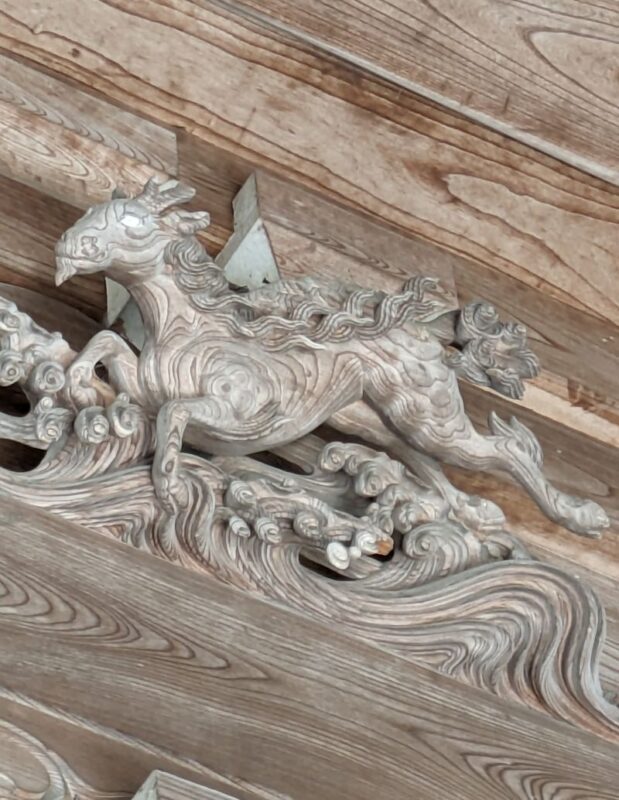
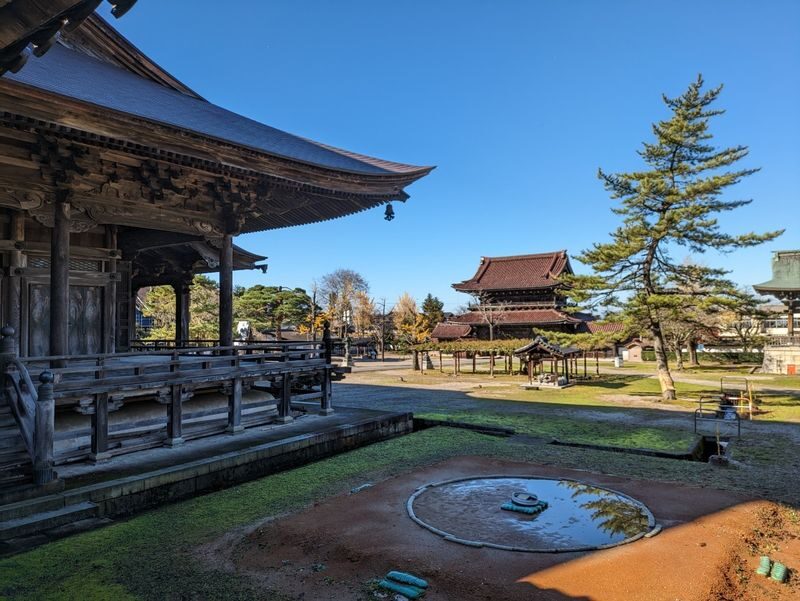
Look closely at doors, signs, and decorative details. The point is not only to see carved objects, but to notice how the craft forms part of the town’s identity. Zuisenji Temple, known for its elaborate carvings, adds a striking architectural example. The temple is around 300 years old, and its woodwork gives you a strong sense of the patience and skill behind Inami’s tradition.
There are also small details to keep an eye out for. Wooden cats tucked around town have turned a simple walk into a lighthearted search for families and curious adults alike. Some days may also bring friendly local touches, such as a taste of sweets or warm tea, but don’t count on these being part of every visit.
The stop is short enough that you’ll want to stay with the guide’s route and explanations rather than expect a long, independent browse through every workshop. Shops may be closed around New Year, especially from December 28 through January 3, so the town can feel quieter than usual at that time.
You can also read our reviews of more tours and experiences in Shirakawa.


Ainokura: Gokayama’s quieter village
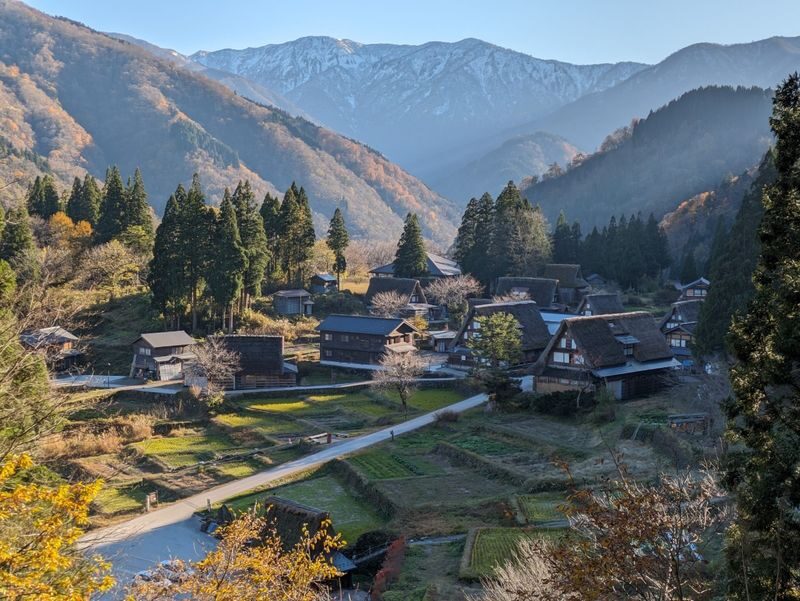
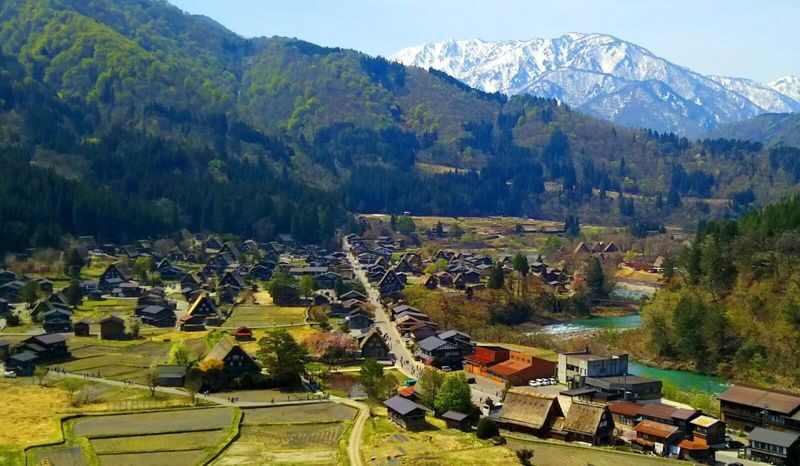
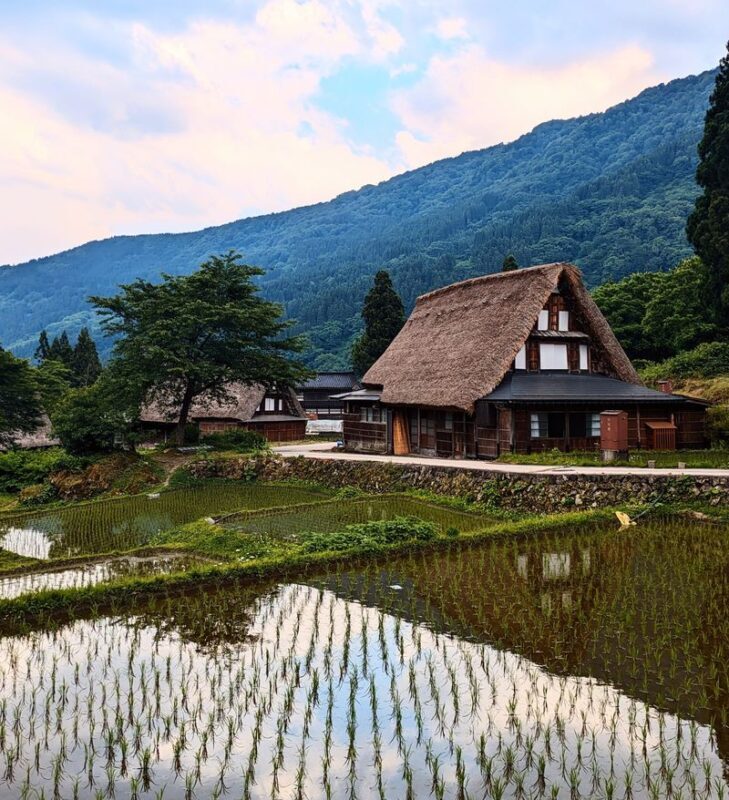
Around noon, the tour reaches Ainokura, one of the Gokayama villages. The stop lasts about two hours and 15 minutes. Compared with Shirakawa-go, Ainokura is smaller and generally less active, which is part of its appeal. You can take in the gassho-style houses without the same sense of arriving at a major sightseeing hub.
A walk to the panoramic viewpoint gives you a wider view of the village and its steep-roofed homes. It’s a useful pause in the day: after the close-up detail of Inami, you can see how the settlement sits within its mountain surroundings. Weather matters here. Rain or low cloud may dull the views, while snow can make the scene memorable but the paths more demanding.
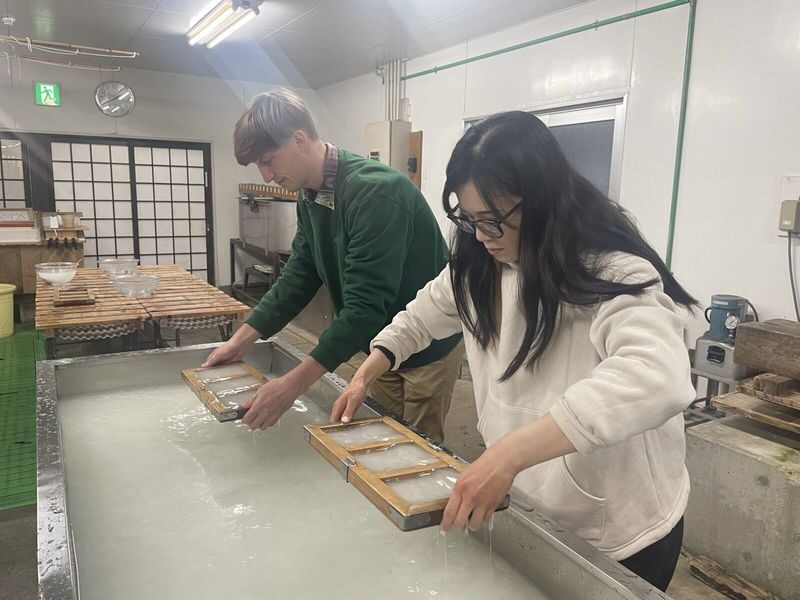
The paper-making activity offers a different kind of look at local tradition. You get to try making Japanese paper, commonly known as washi, and leave with a small handmade souvenir. The workshop is a brief introduction rather than an extended craft course, so don’t expect to harvest fibers or complete every stage from scratch.
The workshop is unavailable from December 28 through January 5. Stores in Gokayama may also close during the New Year period, December 28 through January 3. If the paper-making session is important to you, check the date before booking.
Shirakawa-go and the chance to step inside
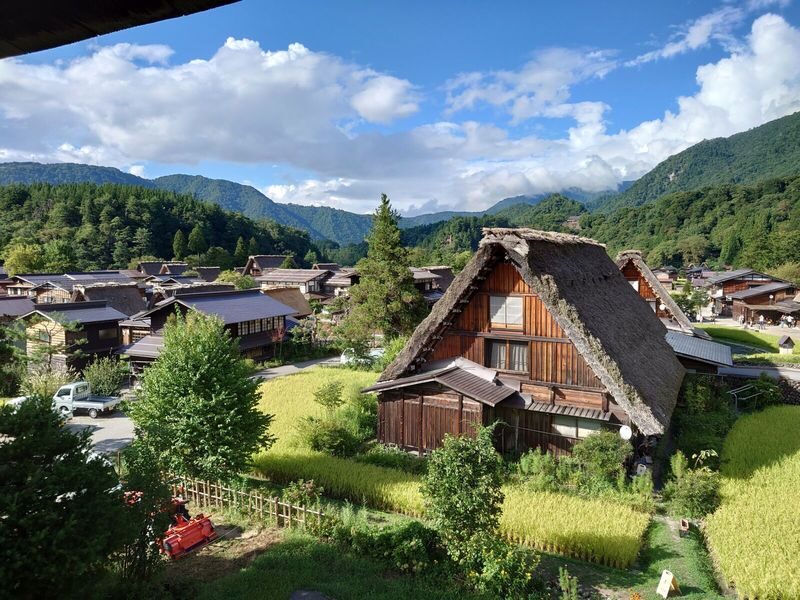
The final major stop is Shirakawa-go, arriving at around 2:30 p.m. You have about two hours. It is the best-known village on the route, and its fame is easy to understand: the gassho-style homes, with their sharply pitched roofs, make a distinct scene that feels closely tied to the region’s past.
The tour includes a guided introduction to the village and entry into one of the farm buildings. That interior visit is valuable. From outside, it is easy to treat the houses as picturesque backdrops; inside, you get a better sense of their construction and of the craft involved in keeping them standing.
There is also time to explore independently. If the conditions are suitable, the village viewpoint is a highlight, with a broad view over the rooftops. Shirakawa-go can be crowded, especially compared with Ainokura, so the quieter stop earlier in the day helps balance the experience. Keep an eye on the time, since the group has a fixed departure.
How the day feels, and what to expect from the guide
The route works because the stops do not all ask the same thing of you. Inami rewards close looking, Ainokura gives you a slower village walk and a hands-on activity, and Shirakawa-go combines a guided visit with time to wander. It’s a full schedule, but the variety helps the day avoid feeling like a sequence of similar photo stops.
Guides have included Andy, Daniel, Liam, Mike, Emily, Adeline, and Mohammed. The guide changes, but the role matters: good explanations can bring small museums and local traditions to life, and a guide can help you make sense of the day’s timing. Past tours have also included helpful lunch suggestions, though meals are not included and you should budget for your own food and drinks.
Group size is not specified as fixed. Some departures may be very small, while a full vehicle can feel more cramped, particularly if the transport is a van. The ride is a practical way to link these destinations, but don’t book expecting a spacious coach unless that is confirmed for your date.
Price, transport, and booking details
The Kanazawa round-trip option starts at $176.99. A second option starts at Kanazawa Station and finishes at Takayama Station, from $192.15. If Takayama is your next stop, that version can save you from returning to Kanazawa first. The transfer between vehicles has been described as straightforward, with luggage moved across, but confirm the exact arrangements for your booking.
Meet outside the Shinkansen ticket gates at Kanazawa Station, across the concourse and in front of the information center. Look for the sumo wrestler cutouts, and arrive 10 minutes early. Late arrivals and no-shows are not refundable.
The return time is listed as 5:50 p.m., but traffic can push arrival to around 6:20 p.m. Avoid scheduling a tight onward connection. The itinerary can also change with traffic and weather, and severe weather may lead the operator to cancel.
The price makes the most sense if you value the guide, transfers, and access to all three locations in one day. If you’re comfortable planning rural transport yourself, you may prefer to travel independently and spend longer at one village. But for a short stay in Kanazawa, the guided route packs several very different experiences into a single day.





Who should book this tour?
I’d recommend this trip if you want to see Shirakawa-go but also care about local craft and a quieter village stop. It suits curious families, first-time visitors to the region, and anyone who prefers context and transport handled for them. Children aged 13 and up pay the adult rate; children aged 0 to 5 can join free if they do not need their own seat.
It’s a less suitable choice if you want a slow day, dislike fixed schedules, or are visiting around the New Year closures mainly for the paper workshop and open craft shops. In winter, bring footwear with good traction, as snow and wet paths can make walking harder.
Book it if you want one well-planned day that combines famous scenery with less obvious local traditions. Choose the Takayama finish if it fits your onward route. If your priority is unhurried time in Shirakawa-go alone, arrange a separate visit instead.
From Kanazawa: Shirakawa-go, Gokayama and Wood Carving Village
“Andy , our guide, was absolutely fantastic and very natural, felt like a friend rather than a guide. Very knowledgeable. Booked tour after individu…”
FAQ
Where does the tour start?
It starts at Kanazawa Station, outside the Shinkansen ticket gates, across the concourse and in front of the information center. Look for the sumo wrestler cutouts.
What time should I arrive at the meeting point?
Arrive 10 minutes before the 8:30 a.m. departure. Latecomers and no-shows cannot receive a refund.
What time does the tour return to Kanazawa?
The expected arrival is between 5:50 and 6:20 p.m. Traffic can affect the return time.
Is an English-speaking guide included?
Yes. An English-speaking guide is included, though the individual guide varies by departure.
Is food included in the tour price?
No. Meals, beverages, and personal expenses are not included.
Can I make Japanese paper on every departure?
No. The paper-making activity is unavailable from December 28 through January 5.
Are shops open around New Year?
Many shops in Inami and Gokayama are closed from December 28 through January 3. Shirakawa-go is mostly open during that period.
Can I finish the tour in Takayama?
Yes. There is an option that starts at Kanazawa Station and finishes at Takayama Station, from $192.15.
Do young children need to pay?
Children aged 0 to 5 can join free if they do not occupy a separate seat. Children aged 13 and older are charged the adult rate.
What is included in the tour?
Admission to attractions, round-trip transfers, and an English-speaking guide are included. Meals, drinks, and personal expenses are not.