Shirakawa-go’s steep-roofed farmhouses are the famous draw, but this day trip adds Ainokura in Gokayama, a quieter village that gives you a useful contrast. A dedicated bus from Takayama links the two UNESCO-listed stops, and the guide helps you plan your walking time before you arrive.
I like two things in particular: the guide’s practical route advice, which can save time in Shirakawa-go, and the chance to see Ainokura as well as the better-known village without arranging separate transport. One trade-off is time: Shirakawa-go gets about three hours on many departures, which may be tight if you want lunch, a viewpoint, a museum, and a slow wander.
- What makes this day trip useful
- From Takayama, the bus does the hard part
- Ainokura: a quieter first look at Gokayama
- Shirakawa-go: choose your priorities before you arrive
- What the guide adds, and what remains your call
- How much time do you really get?
- Is .69 a fair price?
- Seasons, weather, and what to bring
- Who should book this tour?
- FAQ
- Where does the tour start?
- Which villages does the tour visit?
- Is an English-speaking guide guaranteed?
- How much time is available in Shirakawa-go?
- What does the tour price include?
- What happens if severe weather cancels the tour?
- The Best Of Shirakawa!
- More Tours in Shirakawa
- More Tour Reviews in Shirakawa
- Not for you? Here's more nearby things to do in Shirakawa we have reviewed
What makes this day trip useful
 1 / 7
 2 / 7
 3 / 7
 4 / 7
 5 / 7
 6 / 7
 7 / 7
- Two villages, two different moods: Ainokura in Gokayama is smaller and quieter; Shirakawa-go is the better-known stop, with more to see and more people around.
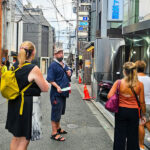
- A guide who helps you use your free time: Guides such as Yamashita and Chinami have shared maps, suggested routes, and pointed out photo spots and local food.
- Bus transport from Takayama: You can visit both villages without piecing together public bus connections or carrying your day bag between transfers.
- Time to explore independently: The guide provides context and directions, then you set your own pace at each stop.
- A strong winter option: Snow can make the villages especially striking, but good footwear matters and weather can affect the day.
- A little planning pays off: The Shirakawa-go stop can feel short, so decide in advance whether the viewpoint, food, museum, or village walk matters most to you.

👉 See our pick of the 3 Best Historical Tours In Shirakawa
From Takayama, the bus does the hard part
This is a full-day outing from Takayama, not a tour based in Ono District. The bus carries you between the two villages and back, saving you the work of coordinating separate transport. That matters most if your schedule is tight, or if you want to see Ainokura as well as Shirakawa-go in one day.
The bus is also a practical base between stops. You can leave spare layers or snacks aboard rather than carry everything through the villages. Some departures have been described as having Wi-Fi and charging points, but check the details for your specific date rather than counting on those features.
A guide travels with the group and gives instructions and background along the way. English support has been strong on many departures, even when the tour was described as Japanese-guided. Still, the language setup may vary, so if clear English commentary is essential, confirm it before booking.
You can also read our reviews of more tours and experiences in Shirakawa.


Ainokura: a quieter first look at Gokayama
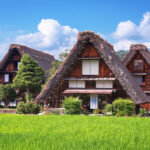
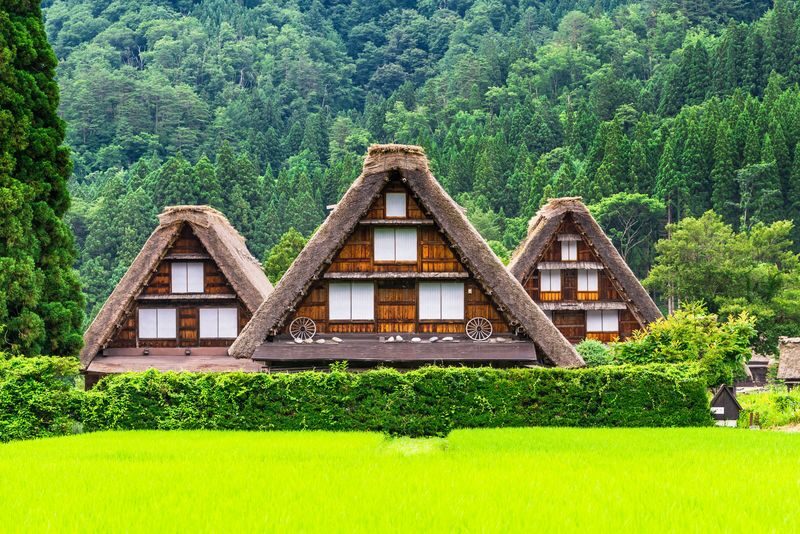
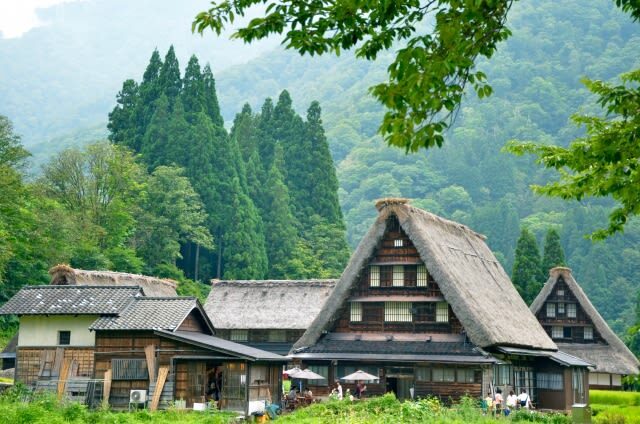
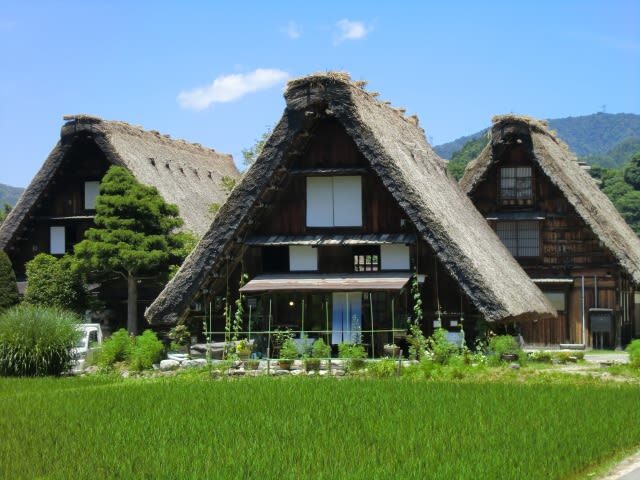
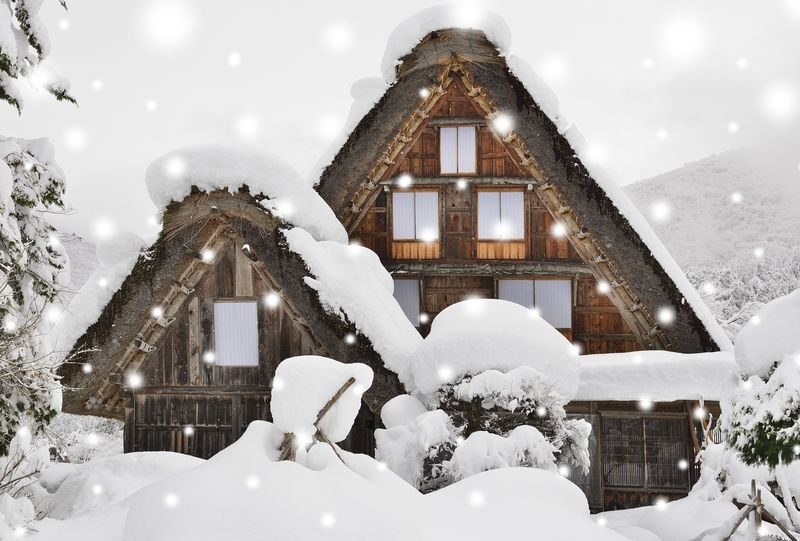
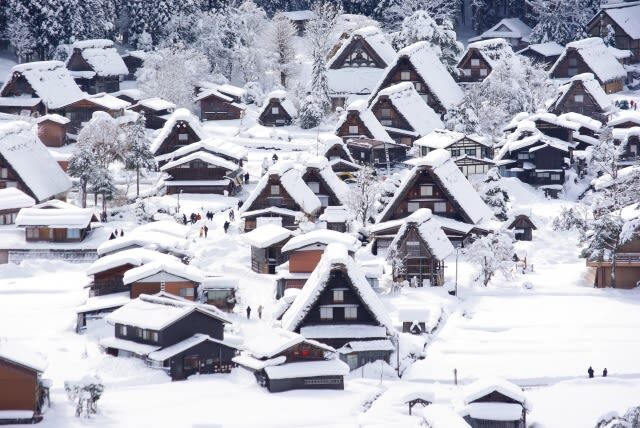
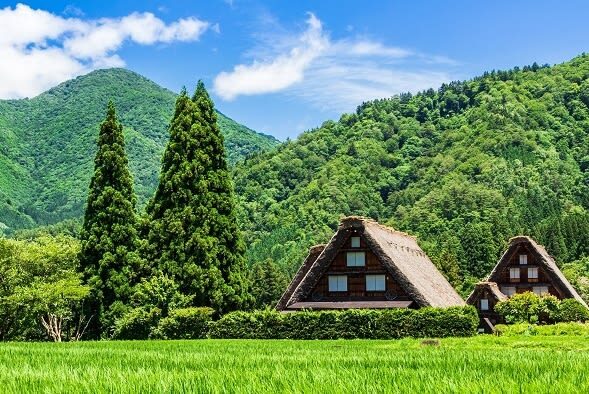
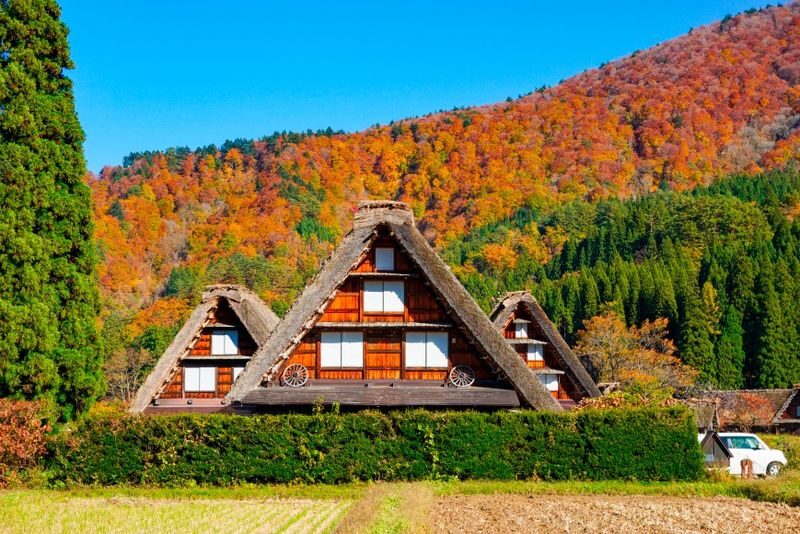
Ainokura is a small mountain village in the Gokayama area, known for its gassho-style houses. Their sharply pitched thatched roofs were built to cope with heavy snowfall. Seeing the houses in their setting helps explain why these villages are protected: they are living places shaped by local conditions, not just a row of old buildings.
The stop is often around 40 to 50 minutes, though timing can vary. That is enough for a walk, photographs, and a look at the village, but it may not leave room for every side path or indoor stop. Some people particularly enjoy Ainokura because it feels less crowded than Shirakawa-go.
Your guide can point out the village’s key sights and explain the cultural value of preserving its houses. If you want a broad view, ask how much time a climb or viewpoint visit will take before setting off. At a short stop, a scenic detour can quickly eat into your time.
Ainokura also gives the day a better rhythm. You see a smaller settlement first, then arrive at the larger and more popular Shirakawa-go with a clearer sense of how the two villages differ. If you are most interested in rural architecture and quiet walks, this first stop may end up being your favorite.
Shirakawa-go: choose your priorities before you arrive
Shirakawa-go is the main event for many people. Its gassho-style houses, village lanes, and mountain setting make it an easy place to spend hours wandering. The downside is that it draws far more visitors than Ainokura, and popular food stops can have queues, especially in busy seasons.
A stop of about three hours gives you a worthwhile visit, but not unlimited time. You may be choosing between a relaxed meal, the open-air heritage museum, a viewpoint, a visit inside a house, and simply walking through the village. If you try to do everything, the day can become a checklist.
Before you get off the bus, decide what matters most. If the panoramic view is your priority, check the route and allow time for the trip up. Some tour packages have included a bus ticket to the viewpoint, museum entry, or a discount on an ice cream, but inclusions can vary. Confirm what is covered for your departure.
The guide’s maps can be particularly useful here. Guides including Yamashita and Chinami have shared highlighted routes and alternate photo spots, as well as suggestions for how to order your visit. That is more than a bit of commentary: it gives you a plan before you step into a busy village and helps you avoid backtracking.
Food needs a little forethought. Queues can take a meaningful bite out of a three-hour stop, so you might prefer a quick snack or a simple meal rather than a long sit-down lunch. Your guide may suggest local dishes and places to try, but opening hours and wait times can change.
What the guide adds, and what remains your call
This is a guided bus trip with independent time in each village, rather than a walk-and-talk tour that keeps the group together all day. That balance suits people who want context and reliable transport but still prefer to explore at their own pace.
Guides have explained the symbolism of the gassho-style houses and the importance of preserving village traditions. They also tend to focus on useful details: which direction to walk, where to find a viewpoint, what to look out for, and how much time to leave for the return. Good guidance can make a short stop feel more manageable.
English delivery has been a strength on many trips. Guides such as Yamashita have been praised for clear explanations, and other guides have conducted commentary in both Japanese and English. But do not assume every departure will have the same language arrangement. If you need English, ask the operator to confirm it.
The driver is part of the experience too. The route includes mountain-area travel, and punctual, careful driving makes the day easier. The tour has a strong record of well-organized transfers, though weather can affect road conditions and the operator can cancel in extreme weather or other unforeseen circumstances.
How much time do you really get?
The day’s main compromise is the clock. Ainokura is the shorter stop, often under an hour, while Shirakawa-go commonly gets about three hours. That gives you a solid introduction to both, but the larger village can demand more time than the schedule allows if you want to eat, visit indoor attractions, and see the view.
Your pace and interests make a difference. A focused walk and photographs are easy to fit in. Add lunch, a museum, a house visit, and the viewpoint, and you will need to move with purpose. At peak times, even a food queue can disrupt your plan.
I would treat the guide’s route advice as part of the value, not just background. Ask about the walking time to your preferred sights before you leave the bus, and be realistic about what fits. If you want a slow day with long meals and no clock-watching, a self-planned overnight stay may suit you better.




Is $77.69 a fair price?
At a starting price of $77.69, this tour is not simply a bus ticket. You are paying for transport between Takayama, Ainokura, and Shirakawa-go, plus a guide who can explain the villages and help you use your time. For a day that includes both communities, that convenience is a real part of the value.
The alternative is to arrange transport yourself. That may cost less if you find suitable bus tickets and are comfortable managing connections, but it takes planning, and Ainokura is less straightforward to add than Shirakawa-go alone. The tour makes more sense if you value a single organized route and want both villages in one day.
Compare the final price and included extras before booking. Some departures have included a viewpoint shuttle ticket, museum entry, or a discount, but you should not assume every benefit applies to every date. A lower fare bought directly may also be available, so compare the operator’s price with the booking platform before paying.
Seasons, weather, and what to bring
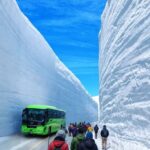
The villages change with the seasons. Winter snow can blanket the roofs and make the scenery memorable, but icy or snowy paths call for proper shoes. In one winter visit, snow was reported to be several metres deep; that is not a promise of conditions, but a good reminder to dress for the forecast and take footwear seriously.
Spring can bring blossoms, while summer heat can make walking more tiring. Rain does not necessarily spoil the day, but it can make paths slippery and slow down your plans. Bring a layer for changing conditions and keep a little flexibility in your schedule.
If extreme weather or another unforeseen event forces cancellation, the operator offers a choice to reschedule or request a full refund. If you arrive late or miss the departure, refunds or amendments are not available. Build in time to reach the meeting point and check your booking instructions carefully.
Who should book this tour?
This is a good fit if you are based in Takayama, have one day available, and want to see both Ainokura and Shirakawa-go without arranging local transport yourself. It also suits you if you appreciate a guide’s cultural context but prefer free time to follow your own interests.
It is less suited to anyone who wants hours at each site, a slow lunch, or an unhurried visit to every museum and viewpoint. Shirakawa-go’s stop is the pinch point. If you are keen on detailed photography or indoor visits, consider whether a longer stay in the area would be a better match.
Families and winter visitors may value the ready bus and clear meeting arrangements, but should plan for walking conditions and the pace of a full day. Before booking, confirm the language arrangements, exact inclusions, departure details, and current fare. If those line up with your priorities, this is a practical way to see two distinctive villages in one trip.
Takayama Shirakawa-go & Gokayama Full-Day UNESCO Tour
“A very good experience! We really liked how our guide, Yamashita, explained different details to us during the tour. We had plenty of free time to…”
FAQ
Where does the tour start?
The tour departs from Takayama. The bus takes you to Ainokura in Gokayama and Shirakawa-go, then returns to Takayama.
Which villages does the tour visit?
It visits Ainokura village in the Gokayama area and Shirakawa-go, both known for their gassho-style houses.
Is an English-speaking guide guaranteed?
English-speaking guides have led many departures, often giving explanations in both Japanese and English. The language arrangement may vary, so confirm it for your date if you need English commentary.
How much time is available in Shirakawa-go?
Many schedules allow about three hours there. That can be tight if you plan to eat, visit a museum, see the viewpoint, and walk around the village.
What does the tour price include?
The starting price is $77.69. Some departures have included extras such as a viewpoint bus ticket, museum entry, or an ice cream discount, but check the inclusions for your chosen date.
What happens if severe weather cancels the tour?
If unforeseen events or extreme weather lead the operator to cancel, you can reschedule or request a full refund. No refund or amendment is available if you arrive late or do not show up.