Osaka’s trains are excellent, but they can turn a day of far-flung sights into a puzzle of transfers, stairs, and clock-watching. This private car charter gives your group a vehicle and driver for a full day, with hotel pickup in Osaka and room to shape the route around your priorities.
I like two things most: you can skip the transit shuffle, especially with children or older relatives, and you can ask the driver to adjust the order of stops when traffic or energy levels change. The cars come in several sizes, from a business car for four passengers to a Hiace-style van for nine.
The main caveat is that this is transport with sightseeing advice, not a guaranteed guided tour. You get dropped at attractions and explore on your own, while driver language and the level of commentary can vary. Get any extra charges and your exact route clear before departure.
- Hotel pickup and drop-off in Osaka City make the day easier to start and finish, especially with a family or a group carrying day bags.
- Choose a route that fits your day: Osaka, Kyoto, Nara, Kobe, Himeji, Awaji Island, Amanohashidate, Lake Biwa, and other options are offered as separate package choices.
- Vehicles fit different group sizes: a five-seater business car carries up to four passengers, a seven-seater up to six, and a 10-seater up to nine.
- The driver stays with the vehicle: you visit temples, parks, and other sights independently. Drivers can explain sightseeing strategy in the car, but are not scheduled to accompany you inside.
- Plan for extra costs: admission, meals, and parking are not included, and overtime or long-distance mileage can add fees.
- Strong value for the right group: a 4.7 out of 5 rating from 245 evaluations reflects frequent praise for punctual pickups, comfortable vehicles, and flexible routing, alongside occasional concerns about language and service consistency.
- A private car, not a guided tour
- Pick one region, not the whole map
- What the Osaka city day looks like
- Kyoto and Nara need a different plan
- The vehicle makes the value
- Keep an eye on hours, distance, and pickup rules
- What the service tends to get right, and where it can vary
- Should you book this Osaka charter?
- FAQ
- How long does the Osaka private car tour last?
- Does the driver act as a guide inside attractions?
- What languages can the driver speak?
- How many passengers fit in each vehicle?
- Are child seats available?
- What costs are not included?
- Can pickup and drop-off be outside Osaka City?
- The Best Of Osaka!
- More Private Tours in Osaka
- More Tours in Osaka
- More Tour Reviews in Osaka
- Not for you? Here's more nearby things to do in Osaka we have reviewed
A private car, not a guided tour
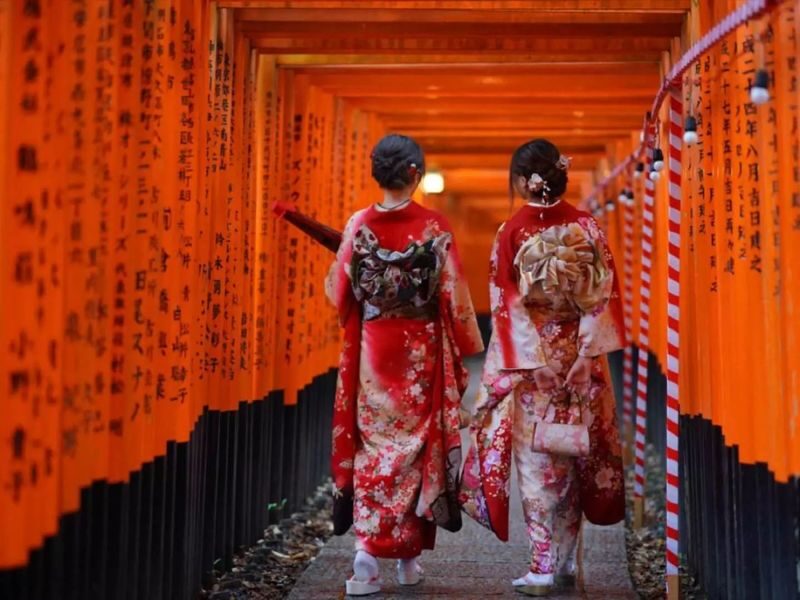
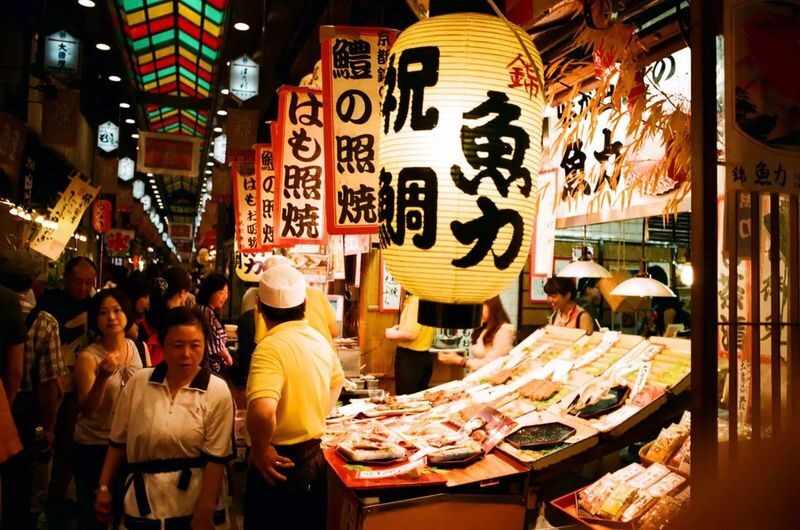
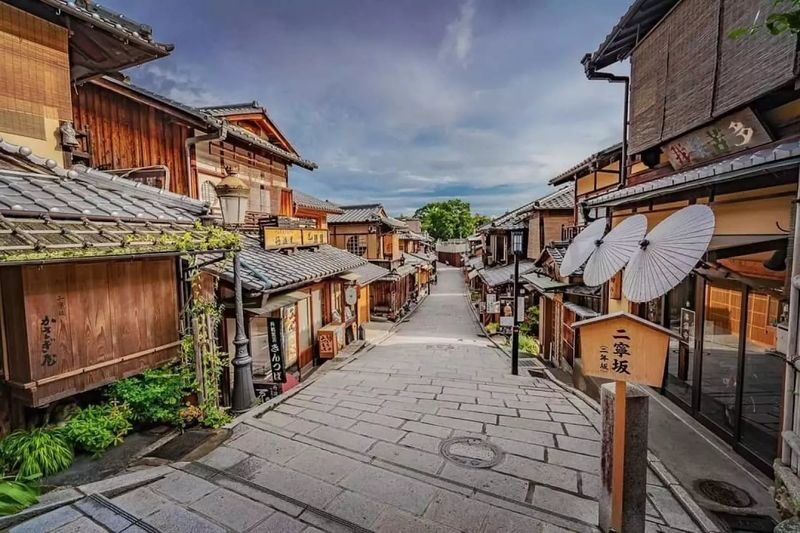
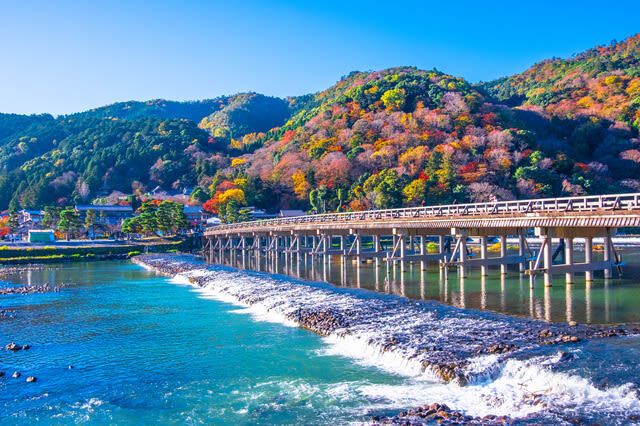
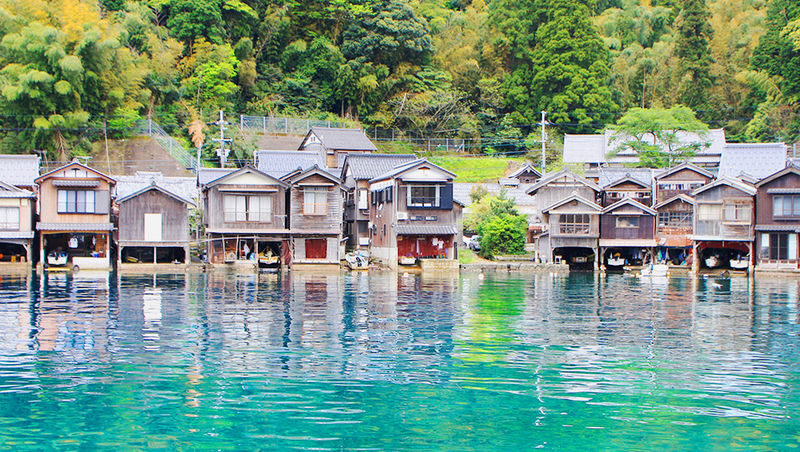
This is best understood as a hired driver for a day, with route advice and private transport. You are not joining a bus group or following a fixed sightseeing script. That freedom is the point: you can build a day around Kyoto temples, Nara’s park, Osaka neighborhoods, or a longer excursion, then adjust the plan as the day unfolds.
The driver does not accompany you into scenic areas. You get dropped off, explore at your own pace, and meet the car again at the agreed point. Drivers may explain route choices and offer practical tips in the vehicle, but the amount of history or detailed commentary is not guaranteed.
Language is worth checking early. Drivers are assigned to speak Japanese, Chinese, or English, with the operator trying to meet requests made in advance. If direct conversation is difficult, translation software can help. Some families have used translation apps successfully, while other customers expected a fluent guide and were disappointed. If you need English commentary, confirm what is possible before you book.
Drivers mentioned by name in past accounts include Mr. Yu, Mr. Su, Minami, and Mr. Haas. These names give you a sense of the personal service some families have received, but they are not a promise that one of them will be assigned to your trip.
👉 See our pick of the 24 Best Workshops And Classes In Osaka
Pick one region, not the whole map
The tour’s name ranges across much of Kansai, but the destinations are options, not a single supercharged itinerary. Osaka, Kyoto, Nara, Kobe, Himeji, Awaji Island, Amanohashidate, Lake Biwa, Mie, and Wakayama appear as separate package choices. A day trip from Osaka to Amanohashidate, for example, is a very different outing from a city day in Osaka.
That distinction matters. A 10-hour charter can help you reach several places in one area, but it cannot make distant regions close together. One account describes the drive to Amanohashidate as about two hours each way. That leaves less time at the destination than a map may suggest, so choose a route with realistic driving time and a few meaningful stops rather than trying to collect a long list.
You can arrange the departure time and itinerary, but customization does not necessarily mean every route is included at the base price. One customer was surprised by an extra charge for departing from the planned route; another reported an additional charge for adding Katsuoji Temple. Ask the operator to confirm the route, distance, stops, and cost in writing before the day.
You can also read our reviews of more private tours in Osaka
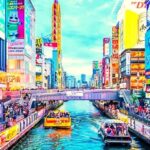

What the Osaka city day looks like
The sample Osaka City schedule begins with a 9:00 a.m. pickup and returns around 6:30 p.m. It lists Osaka Castle, Kyocera Dome Osaka, Tsutenkaku Hondori Shopping Street, and Dotonbori. The timing is a guide, not a promise: traffic and weather may change the order or the time available at each stop.
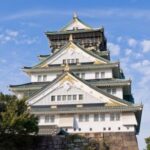
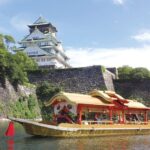
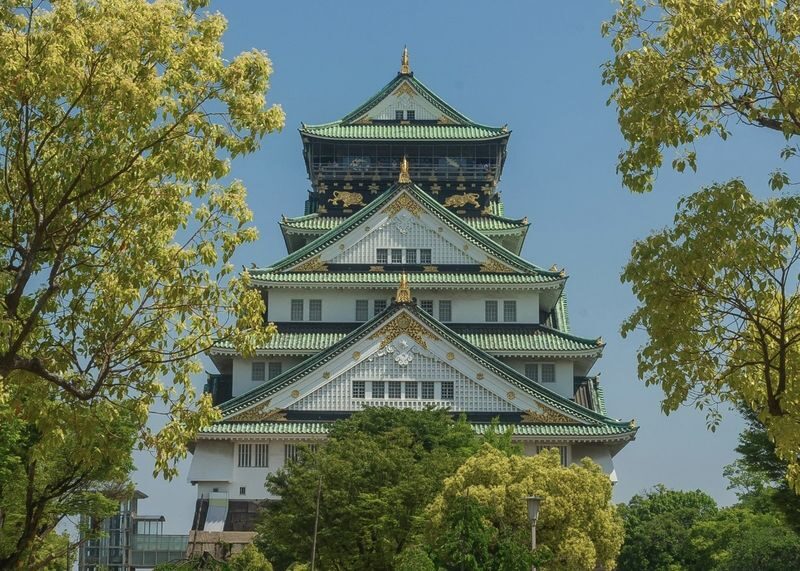
Osaka Castle is the day’s most substantial stop in this example, with about three hours set aside for self-guided time. The keep is a major city landmark, and the tour description also points out its appearance in two episodes of the Japanese television version of Detective Conan. That detail will delight fans, though the castle’s broader appeal is its place in Osaka’s story and its striking presence in the city.
The schedule also names Osaka Prefectural Police Headquarters and the Yomiuri TV building, where a Detective Boys statue stands at the entrance. These are part of a sample route, not guaranteed stops in every Osaka package. If they matter to you, confirm that they are included in your chosen plan.
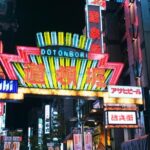
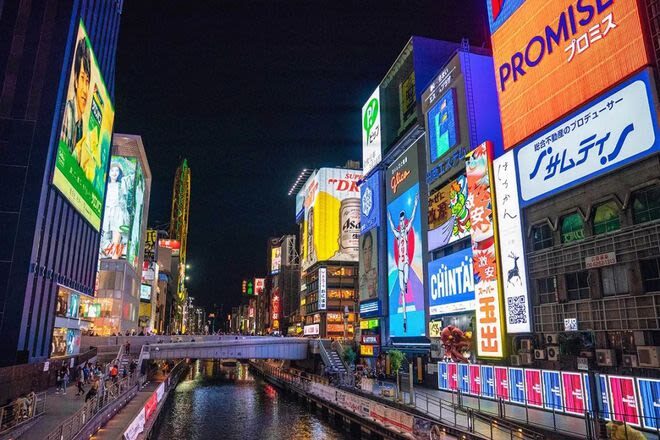
At 1:30 p.m., the sample route moves to Kyocera Dome Osaka. The stop is self-guided, so you should confirm what you want to see there and how much time you need. The day then heads to Tsutenkaku Hondori Shopping Street at 3:00 p.m., followed by the Glico sign in Dotonbori at 4:30. These later stops put you in well-known Osaka districts, but your visit is still your own: the driver provides transportation, not an escort through the sights.
Dotonbori is a fitting final stop for a city day, since it offers a chance to take in the famous sign and nearby streets before the ride back. Meals and drinks are not included, and food is not allowed in the vehicle. Water is permitted, so plan a meal during your independent time rather than expecting a catered stop.
Kyoto and Nara need a different plan
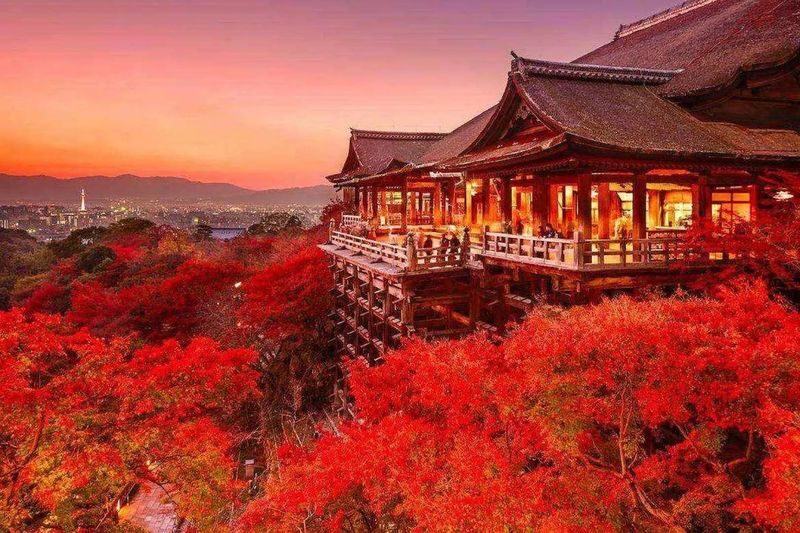
The Kyoto options include routes built around Kinkaku-ji, the Golden Pavilion; Kiyomizu-dera; the sloping lanes of Sannenzaka and Ninenzaka; Yasui Konpiragu Shrine; and Gion. Another package combines Kyoto and Nara. These are popular places, but they each take time. A slower schedule is especially useful if you are traveling with an older person, a child, or anyone who wants more than a quick photo stop.
A private car can be a real help in summer heat or after a long stretch of walking. You avoid hauling the group through stations and can return to a cool vehicle between visits. One family with elderly relatives chose a relaxed Kyoto plan and found the driver helpful in estimating how long to spend at each place. That is a good model: agree on the day’s priorities, then leave room to linger.
Nara Park is famous for its free-roaming deer, which are an unforgettable part of a visit. They also leave droppings across the park, so watch where you step. If you are uncomfortable around animals or mess, Nara may be less charming than its postcard image suggests. With children, keep a close eye on them around the deer and make the visit about more than just feeding or photographing them.
The vehicle makes the value
The starting price is $303.15, and the useful question is how many people share the car. For a couple, that can be a costly way to get around. For a family or a group of friends, the cost buys private pickup, a driver for the day, tolls, fuel, and a vehicle that stays with you between stops. That can be worth paying for when the alternative involves multiple train rides, transfers, and separate fares.
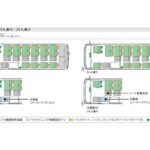
The five-seater business car carries up to four passengers. The seven-seater, such as a Toyota Alphard or Vellfire, carries up to six and allows four pieces of 24-inch luggage. The 10-seater, such as a Toyota Hiace, carries up to nine and allows nine pieces of that size. If fewer people travel, you can use the spare passenger capacity for more luggage, with one additional piece for each unused passenger place.
Families often value the space and the freedom to return to the car. The first child seat is free, and each additional seat costs JPY 2,000, paid to the driver. Infants and children count toward the passenger limit, so include them when choosing the vehicle. You cannot eat in the car, although drinking water is allowed.
The included price covers the driver, round-trip transfers, tolls, fuel, and operator-provided insurance. It does not cover attraction admission, food, drinks, personal expenses, tips, or parking. Parking is easy to overlook in a day built around several stops, so treat it as a possible added cost rather than assuming it is included.
Keep an eye on hours, distance, and pickup rules
The standard use period is 10 hours, with service hours listed as 8:00 a.m. to 8:00 p.m. If your service exceeds 10 hours, or runs between 8:00 and 10:00 p.m., overtime is JPY 5,000 per hour. Any part of an hour counts as a full hour. Ask about the expected finish time if your route is ambitious.
The standard pickup and drop-off points must both be within Osaka City. A location within the operator’s service options but outside Osaka City may reduce the use period to nine hours. Pickup or drop-off outside the listed options can cost JPY 5,000 or more. Kansai Airport or Izumi City adds JPY 13,000 for a seven-seater or JPY 15,000 for a 10-seater.
There is also an excess mileage fee of JPY 400 per kilometer once the total route exceeds 300 kilometers. This matters most for far-flung day trips. Before confirming an island or northern Kyoto route, ask the operator to estimate the total distance and any likely extras. A clear price check is a small step that can prevent an awkward discussion at the end of the day.
Arrive five minutes before the pickup time and provide your address when booking. The operator will reconfirm the pickup time in advance. Confirmation is due within 24 hours, and the voucher is valid only for the date and time booked. Free cancellation is available with at least 24 hours’ notice; late arrivals or no-shows are not eligible for refunds.
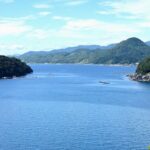
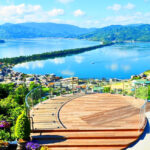
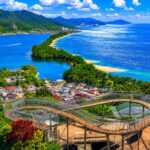


What the service tends to get right, and where it can vary
The most consistently praised elements are punctuality, clean and comfortable vehicles, smooth driving, and flexibility when plans change. Families describe the car as a relief after days of public transport, particularly when traveling with children or older relatives. Drivers have helped with route timing, restroom locations, lunch suggestions, and last-minute changes.
Still, the experience depends on the individual driver and on what you expect from the word guide. Some drivers offer a warm, informative ride, while others mainly handle transport. A small number of customers have raised concerns about limited English, unclear extra fees, or driving behavior. The operator advertises licensed vehicles and experienced local drivers, but you should still state your language request and safety needs in advance.
The most useful preparation is simple: send a realistic list of stops, ask which are covered by your selected package, and request confirmation of any route changes that could affect price. Save the driver’s contact details once provided, and agree on a clear meeting point at each stop. The car gives you flexibility, but it works best when you and the driver share the same plan.
Should you book this Osaka charter?
Book it if you have a group, want hotel pickup, or need a less tiring way to connect several sights in one region. It is especially practical for families with children, older relatives, or anyone who would rather spend the day sightseeing than transferring between trains. The 7-seater and 10-seater options make the price easier to justify when several people split the cost.
Skip it if you are traveling alone or as a couple on a tight budget and are comfortable using public transport. Also think twice if you expect a full-time English-speaking guide, since the driver may not accompany you inside attractions or provide detailed commentary. If you book, choose one region, keep the route realistic, and confirm fees before you set off. That is how this private car becomes a useful tool for seeing more, not an expensive race across the map.
Kansai Private Chartered Car Custom Day Tour: Osaka & Kyoto & Nara & Kobe & Awaji Island & Amanohashidate & Lake Biwa (Departing from Osaka)
“We saw an incredible number of deer and deer droppings in Nara, but it was a unique experience. If you hate fields of animal waste, do not go to Na…”
FAQ
How long does the Osaka private car tour last?
The standard usage time is 10 hours. The sample Osaka City schedule runs from a 9:00 a.m. pickup to an estimated 6:30 p.m. return, and traffic or weather can change the timing.
Does the driver act as a guide inside attractions?
No. The driver does not accompany you into scenic areas. You explore each stop on your own, though the driver may explain sightseeing strategy during the drive.
What languages can the driver speak?
The driver may speak Chinese, Japanese, or English. You can request a language in advance, but it is not guaranteed. Translation software may be used if needed.
How many passengers fit in each vehicle?
The five-seater business car carries up to four passengers, the seven-seater carries up to six, and the 10-seater carries up to nine.
Are child seats available?
The first child seat is free. Each additional seat costs JPY 2,000, payable to the driver. Children and infants must be included in the passenger headcount.
What costs are not included?
Admission tickets, meals, beverages, personal expenses, tips, and parking are excluded. Extra charges may also apply for overtime, certain pickup locations, or mileage beyond 300 kilometers.
Can pickup and drop-off be outside Osaka City?
Standard pickup and drop-off locations must both be within Osaka City. Other locations may shorten the usage time or incur an extra charge. Kansai Airport and Izumi City have stated surcharges for seven-seater and 10-seater vehicles.