An Osaka tea ceremony can be more than a photo opportunity: here, you learn how to prepare matcha and why small gestures matter. I like the hands-on instruction and the chance to ask a working tea master about the customs behind the ceremony. One thing to plan for: the listed price does not include the required cash tea-room fee.
The Honmachi classroom is near Honmachi Subway Station, in the Kyuho Building, and the session lasts about an hour. The main trade-off is that group size and room availability can vary, so don’t count on a private, hushed ceremony. Bring socks, arrive early, and confirm the venue if your booking is moved.
- What to know before you book
- A tea lesson, not just a photo stop
- What happens during the one-hour class
- The room can shape the experience
- The real cost, including the room fee
- Kimono, etiquette, and what to bring
- Getting to the Kyuho Building
- Who will get the most from this class
- Should you book the Honmachi tea ceremony?
- FAQ
- How long does the tea ceremony experience last?
- Where is the Honmachi classroom?
- What is included in the price?
- Do I have to pay an extra fee at the venue?
- Is kimono rental available?
- Is the class guaranteed to be at Honmachi?
- What should I bring?
- Can children participate?
- What happens if I arrive late?
- The Best Of Osaka!
- More Tours in Osaka
- More Tour Reviews in Osaka
- Not for you? Here's more nearby things to do in Osaka we have reviewed
What to know before you book
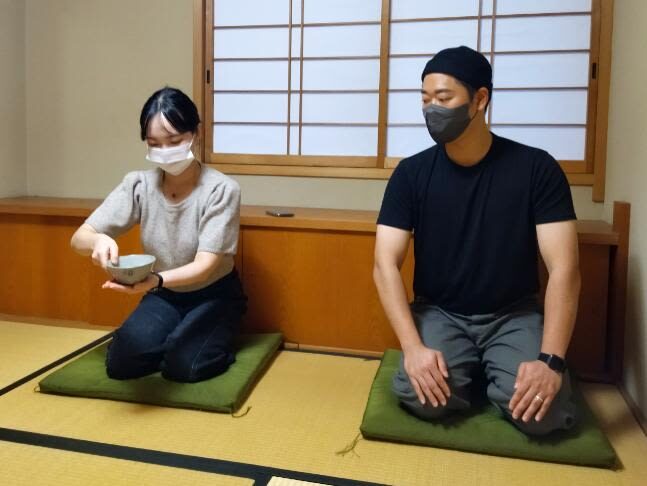
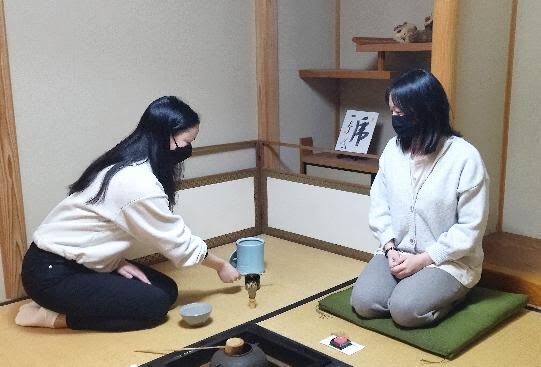
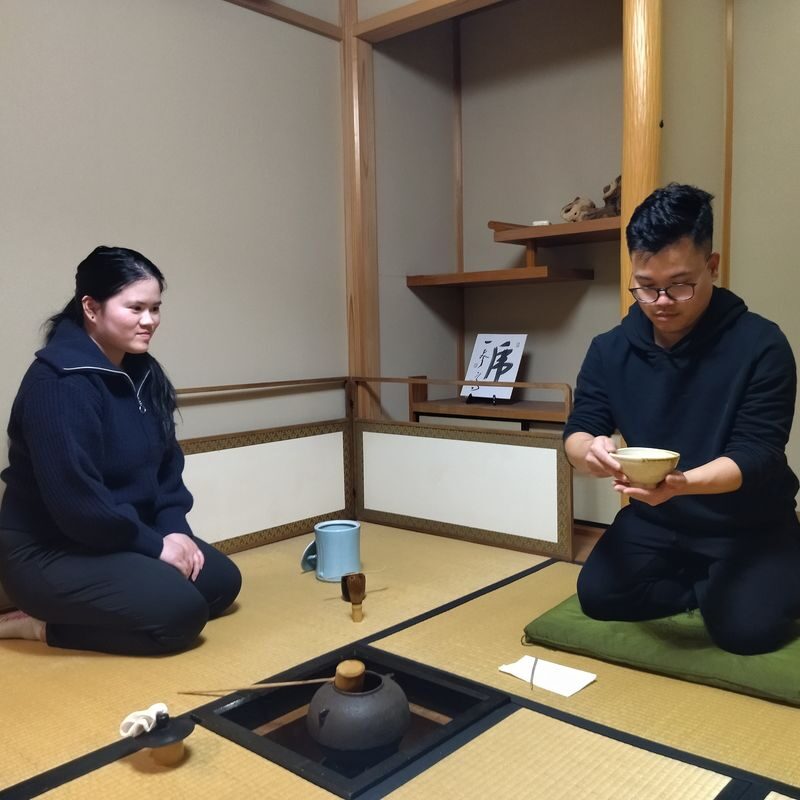
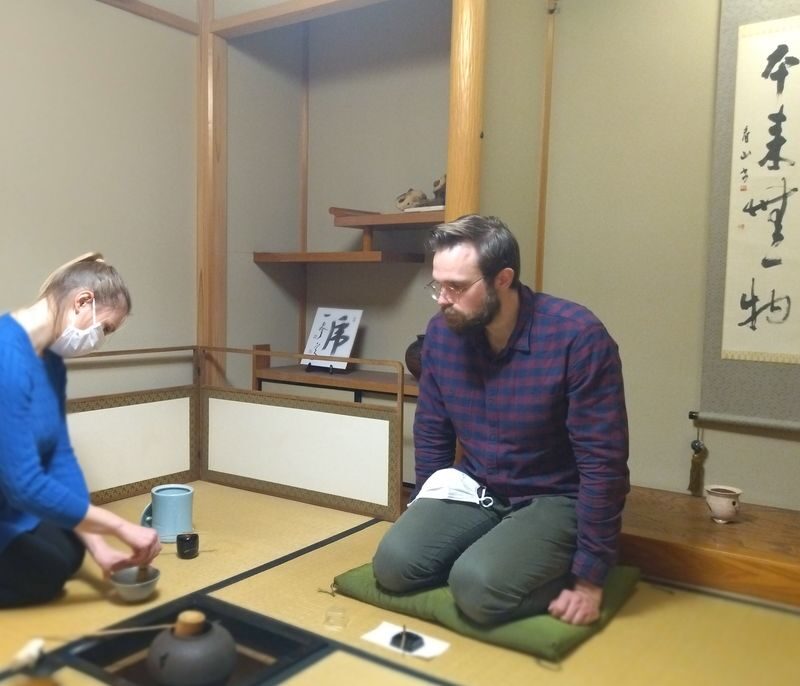
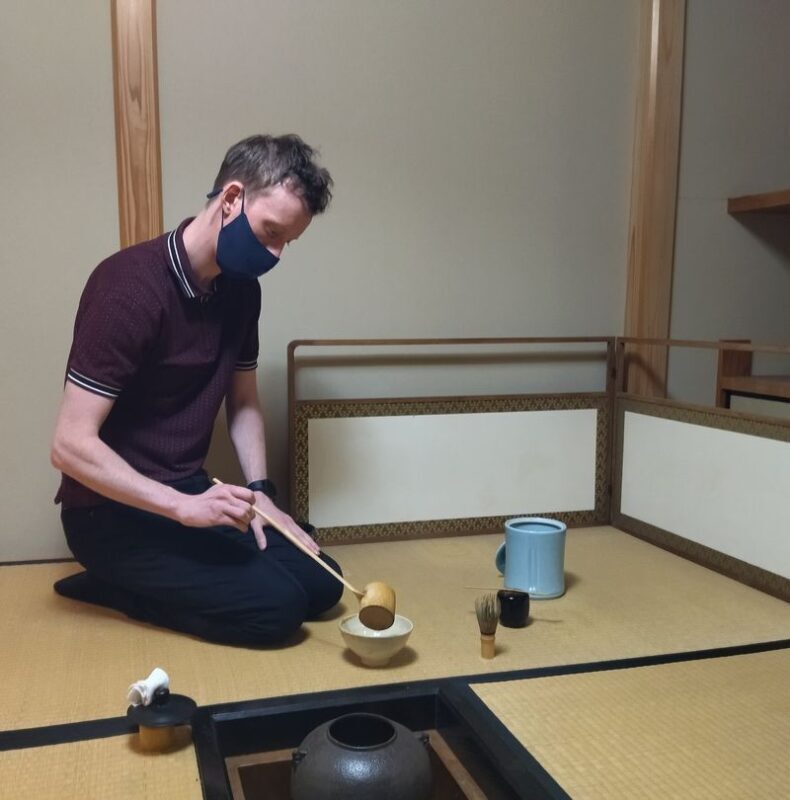
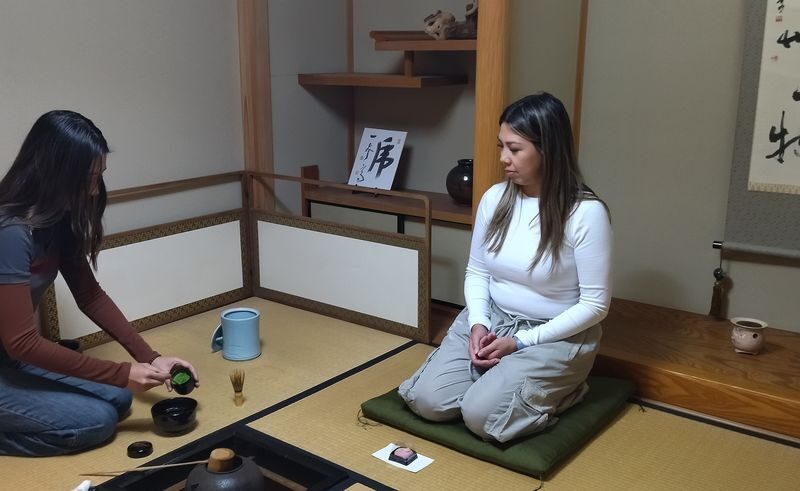
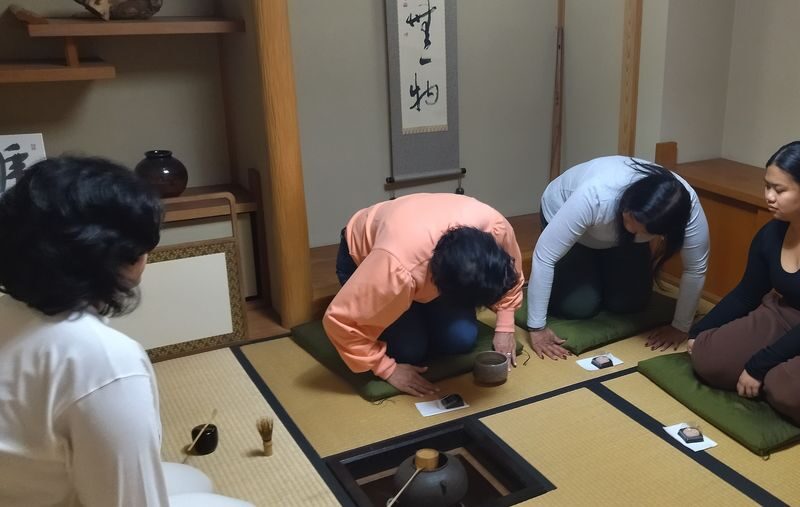
- You prepare matcha yourself: The tea master guides you through the steps, so this is a lesson as well as a demonstration.
- The ceremony has context: Expect explanations of history, etiquette, and the purpose of particular gestures.
- The room fee is extra: Budget at least ¥1,000 per person in cash, or from ¥2,000 if you are the only participant.
- Group size can change the mood: Some sessions have been small, while one reported group had about 25 people.
- Kimono rental costs extra: The rental option is ¥4,000 per person, and you must provide sizing and preference details in advance.
- The Honmachi room is not guaranteed: If it is unavailable, the organizer may offer another classroom or ask to adjust your booking.
👉 See our pick of the 24 Best Workshops And Classes In Osaka
A tea lesson, not just a photo stop
The appeal here is that you do more than sit beside a bowl of matcha. A professional instructor explains the ceremony and guides you through preparing tea, connecting the motions to the customs and purpose behind them. That makes this a good fit if you want a structured introduction to Japanese tea culture, rather than a quick costume-and-camera stop.
The school describes its approach as authentic and formal. In practice, that means you should expect attention to procedure and etiquette, not a casual tasting with a short explanation. The teacher’s role is important: the instructors teach tea ceremony regularly, and the experience is meant to show the tradition with care.
The session is conducted with English-speaking staff, which helps if you want to ask questions or follow the explanation. There is no named instructor guaranteed for a booking, so don’t plan around meeting a particular teacher. The quality of the session will depend partly on the group and how much time there is for questions.
Past sessions have included detailed explanations of the ceremony’s history and the reasons behind individual actions. One particularly useful example is the custom of turning the tea bowl before drinking. If you are curious about why the bowl is handled in a certain way, ask. Understanding the reason makes the gestures feel less like a sequence to memorize and more like a practice with meaning.
You can also read our reviews of more tours and experiences in Osaka.



What happens during the one-hour class
The activity takes place at the Japanese Culture Precious Wood Honmachi Classroom, at 4-2-2 Kitakyuhoujimachi, in Chuo-ku, Osaka. The meeting point is the first floor of the Kyuho Building. The experience itself is listed as one hour, with no transport or tour guide included.
You can select from a broad range of start times, from early morning through evening. The exact options depend on the booking, and you need to attend the time you selected. Arrive five minutes early. The late-arrival rule is strict: if you miss the start, you may not be allowed to join, and there is no refund for a late arrival or no-show.
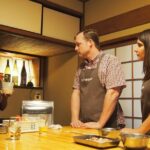
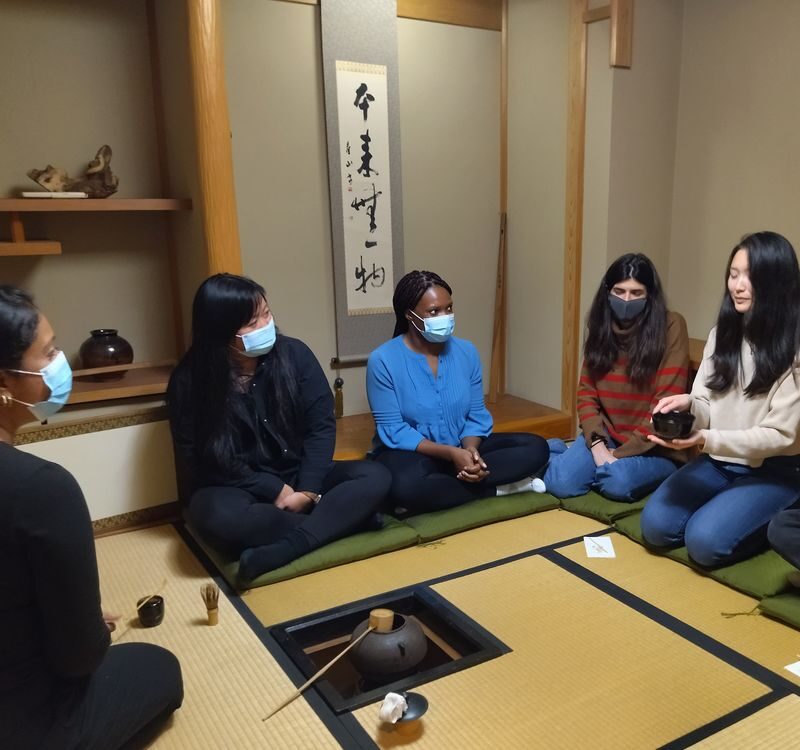
Once the session begins, expect the instructor to introduce the tea ceremony and explain its background and rules. You then get a closer look at how matcha is prepared and take part in making it. The hands-on part is a useful distinction from experiences where you only watch a host perform the ceremony.
A sweet is served before the tea in at least some sessions. One participant described a miso-caramel sweet, but the exact sweet is not promised, so treat that as a possible detail, not a guarantee. The pairing also gives the instructor a natural way to explain how tea and sweets fit into the experience.
The class is short enough to fit between other Osaka plans, but don’t expect to race in and out without learning anything. The subject is formal, and explanations can make the hour feel concentrated. If you have questions, ask them while the instructor is explaining the steps, rather than waiting until the very end.
The room can shape the experience
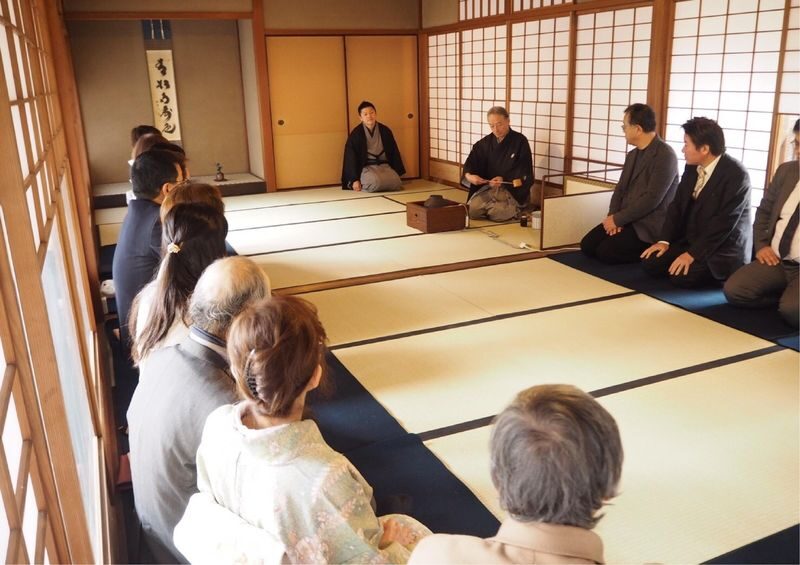
A tea ceremony depends on the space as much as the lesson. A small room can make the setting feel intimate when the group is tiny. It can also feel cramped when attendance is high. Group size is not specified as a fixed maximum, and reported sessions have ranged from private classes to groups of around 25.
That variation is worth taking seriously if the atmosphere matters to you. In a crowded room, you may have less personal space and fewer chances to ask individual questions. One participant described a group of eight sharing a tight room, while another found a much larger group made it difficult to create a quiet, traditional mood. These accounts don’t establish what your session will be like, but they show why it is unwise to assume the room will be spacious or the group small.
Some evening participants have had the class to themselves, and a few people have found late-day sessions especially personal. That may happen, but it is not promised. If a quiet, private lesson is essential, contact the organizer before booking and ask what can be confirmed about your date and group size.
There is also a chance that the Honmachi classroom will not be available. The organizer may offer another location, including classrooms near Osaka Castle or Shitennoji, and lists a Kyoto Uji classroom among its other teaching spaces. Facility issues can also lead to a change in date or time. Confirm the final address before setting off, especially if you are navigating to the building independently.
The real cost, including the room fee
The advertised starting price is $24.65 for the tea ceremony experience. That is the base price, not the full amount you should budget. A separate tea-room usage fee of at least ¥1,000 is payable at the venue in cash. If you are the only participant at your session, the stated fee starts at ¥2,000.
That extra charge is a practical point, not a small-print detail. Bring yen in cash and budget as if the fee applies to each person. One account raised confusion over whether the amount was shared or charged per person, so ask the organizer to confirm how the fee will be calculated for your booking. The supplied terms state a per-person fee, with a higher minimum for a solo participant.
At the base price, the value depends on what you want. If you’re interested in learning the basics, hearing explanations, and preparing tea yourself, an hour with a professional instructor can be a worthwhile use of your time. If you mainly want a serene tea-room setting or a guaranteed private lesson, the variable group size and extra fee make this a less certain buy.
Kimono rental is optional and costs ¥4,000 per person. You need to provide each participant’s gender, height, size, and preferred color as a reference when requesting it. A take-home kimono plan starts at ¥8,000 per person, with possible added charges depending on size. These are separate options, so include them in your budget before booking.
Kimono, etiquette, and what to bring
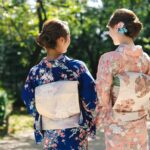
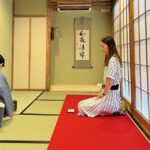
A kimono can add a layer of ceremony to the hour, but it is not required. If you want to rent one, submit the requested details in advance; the organizer says it cannot fulfill the request without them. The rental cancellation terms follow the booking platform’s policy.
Wear or bring socks. The tea-room fee must be paid in cash, and there is no luggage storage at the venue. Large bags are not suitable for the room, so leave suitcases and bulky belongings at your accommodation or in your vehicle.
The rules are simple: no outside food or drinks, no pets, and no unauthorized photography. Keep noise down and follow the instructor’s directions. These are not fussy extras. The ceremony relies on calm and attention, and the room may be small, so considerate behavior helps everyone take part.
Children aged two and older may participate. Children aged zero to two are free, but infants and children still need to be included in the passenger count. The minimum participant age is two.

Getting to the Kyuho Building
The classroom is within walking distance of Honmachi Subway Station. The meeting point is on the first floor of the Kyuho Building, and the venue address is Japanese Culture Precious Wood Honmachi Classroom. Make sure the address has not changed before you leave, since the Honmachi room may occasionally be unavailable.
No transport is included, and this is not a guided city tour. You make your own way to the classroom and return on your own after the session. The booking offers a range of start times, including 6:30, 7:30, 8:30, 9:30, 10:30, 13:00, 15:00, 16:30, 18:00, 19:30, and 20:30. Available return times depend on the start time you chose.
The one-hour duration makes scheduling fairly easy, but leave a little room around the class in case the final location differs or the session takes longer than expected. The published itinerary notes that timing may change with traffic or weather, although the activity itself is based at a classroom.
Who will get the most from this class
I’d recommend this experience to you if you want a clear, practical introduction to tea ceremony and are willing to pay attention to its details. It suits curious first-timers, people interested in Japanese customs, and anyone who would rather learn how to prepare matcha than simply watch someone else do it.
It also works well for families with children aged two or older, provided they can follow a quiet, indoor activity. The formal tone may not be a match for very young children who need to move around. The room has no luggage storage, so it is best planned as a stop between other activities, not with suitcases in tow.
You may want to choose another experience if your main goal is a guaranteed small group, a spacious room, or a fully private ceremony. The instructor’s explanation and hands-on guidance are the strengths here, but the room and attendance can vary. A little flexibility will help you enjoy the class for what it offers.
Should you book the Honmachi tea ceremony?
Book it if you want a short, structured lesson from a professional tea master, with a chance to prepare matcha and learn why the ceremony follows particular customs. The combination of instruction and participation gives the hour more substance than a simple demonstration.
Before paying, factor in the cash room fee, ask about the group size and final classroom, and decide if you want the optional kimono rental. If you are comfortable with those variables, this is a useful way to spend an hour in Osaka. If you need a guaranteed intimate room, get that confirmed first or pick a class that clearly states its group limit.
Authentic Tea Ceremony Honmachi Classroom
“This was such a beautiful and memorable experience. The tea ceremony itself was incredibly informative and we learned so much about the history, me…”
FAQ
How long does the tea ceremony experience last?
The class lasts about one hour.
Where is the Honmachi classroom?
It is at the Kyuho Building, 4-2-2 Kitakyuhoujimachi, Chuo-ku, Osaka, within walking distance of Honmachi Subway Station. The meeting point is on the building’s first floor.
What is included in the price?
The package includes the tea ceremony experience, English-speaking staff, and a certified professional instructor. Transport, a tour guide, personal expenses, and the tea-room fee are not included.
Do I have to pay an extra fee at the venue?
Yes. A tea-room usage fee of at least ¥1,000 must be paid in cash. If you are the only participant at the selected time, the fee starts at ¥2,000.
Is kimono rental available?
Yes. Kimono rental costs ¥4,000 per person. You must provide the participant’s gender, height, size, and preferred color as a reference in advance. A take-home plan starts at ¥8,000 per person, with possible extra charges based on size.
Is the class guaranteed to be at Honmachi?
No. If the Honmachi classroom is unavailable, the organizer may offer another classroom, such as one near Osaka Castle or Shitennoji, or may need to adjust the booking date and time.
What should I bring?
Bring socks and cash for the tea-room fee. There is no luggage storage, so leave large bags and suitcases at your accommodation or in your vehicle.
Can children participate?
Children aged two and older may participate. Children aged zero to two are free, but they must still be included in the passenger count.
What happens if I arrive late?
Late arrivals may not be allowed to join and are not eligible for a refund. Arrive five minutes before your selected start time.