A boxed lunch is a useful souvenir only if you can make it again at home. In this three-hour Kyoto class, you prepare six dishes, from teriyaki chicken and rolled omelet to sushi and miso soup, then eat the bento you’ve made with green tea.
I like the mix of familiar dishes and Kyoto-style cooking, which gives you more than a single-recipe lesson. I also like that the session includes ingredients, tools, an apron and English recipes, so you can focus on cooking rather than bringing supplies.
The main consideration is the price, from $86.15 per person, plus your own transport to the studio. The class is not wheelchair- or stroller-accessible, and anyone with dietary needs should contact the provider in advance to confirm what can be accommodated.
- What to know before you book
- A Kyoto lunch you make yourself
- Six dishes, six different techniques
- The class pace and the meal at the end
- What the Kyoto setting adds
- Is .15 good value?
- Dietary needs and family planning
- Booking details worth checking
- Should you book this Kyoto bento class?
- FAQ
- How long is the Kyoto Bento Making Workshop?
- What dishes will I make?
- Do I eat the food I make?
- What is included in the price?
- Where is the cooking studio?
- Are children allowed to join?
- Can the class accommodate dietary restrictions?
- Is the activity wheelchair- or stroller-accessible?
- What is the cancellation policy?
- The Best Of Kyoto!
- More Workshops & Classes in Kyoto
- More Tours in Kyoto
- More Tour Reviews in Kyoto
- Not for you? Here's more nearby things to do in Kyoto we have reviewed
What to know before you book
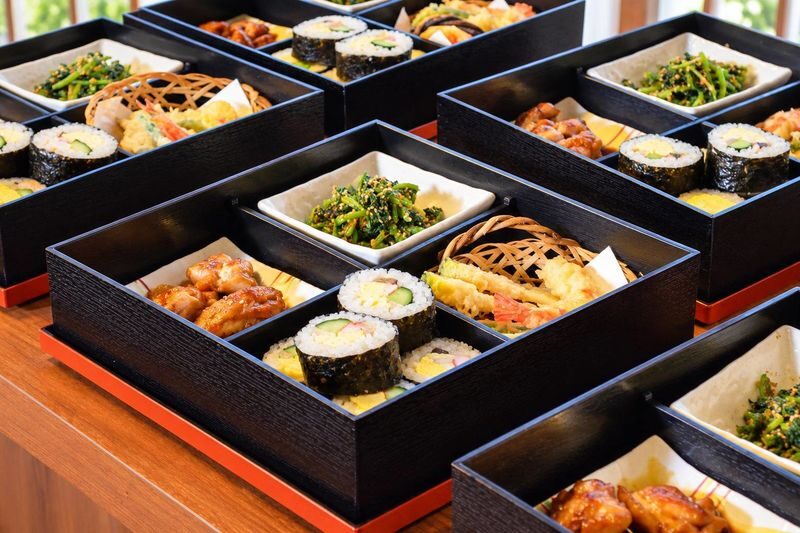
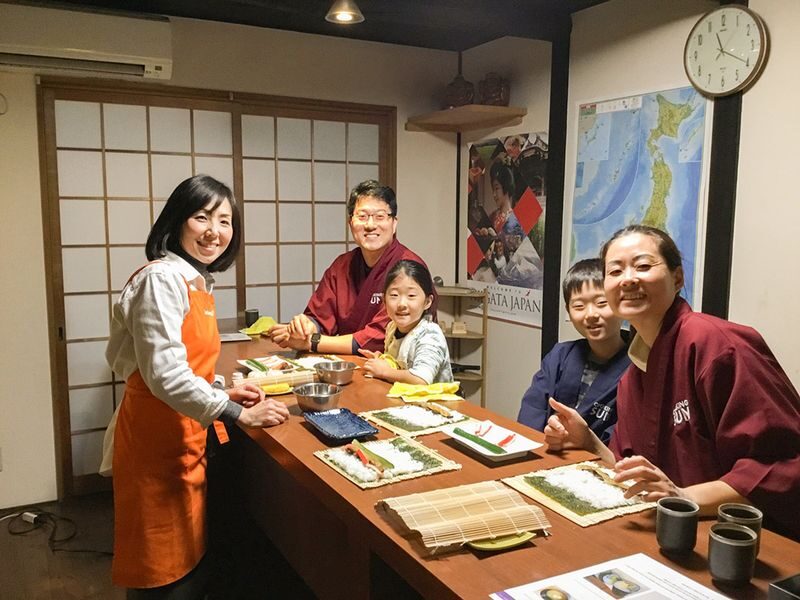
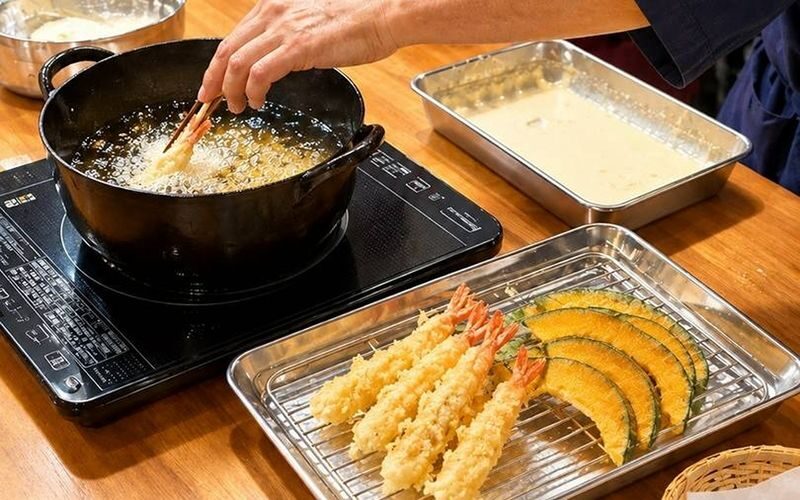
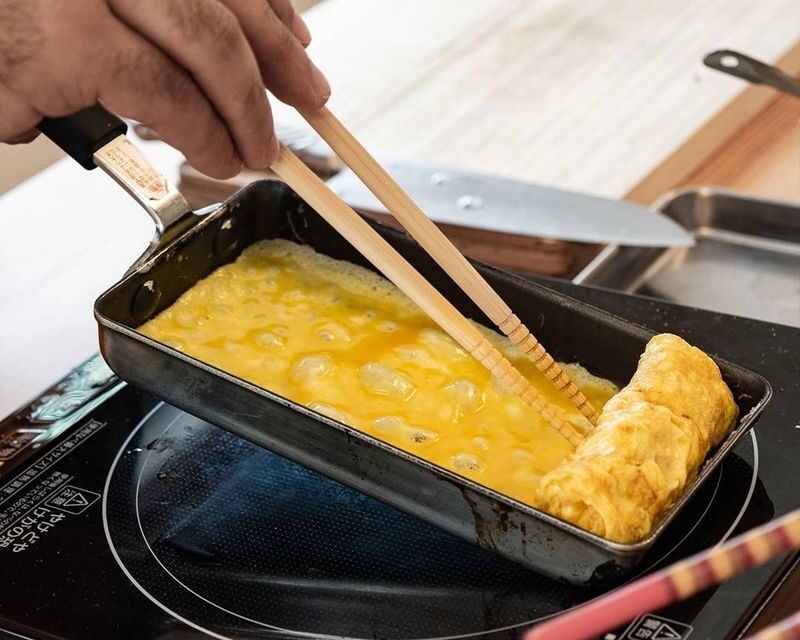
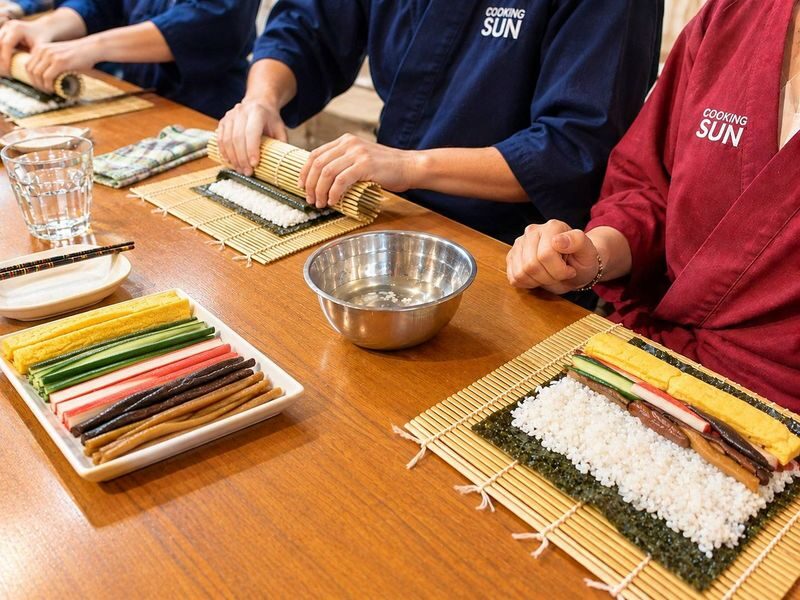
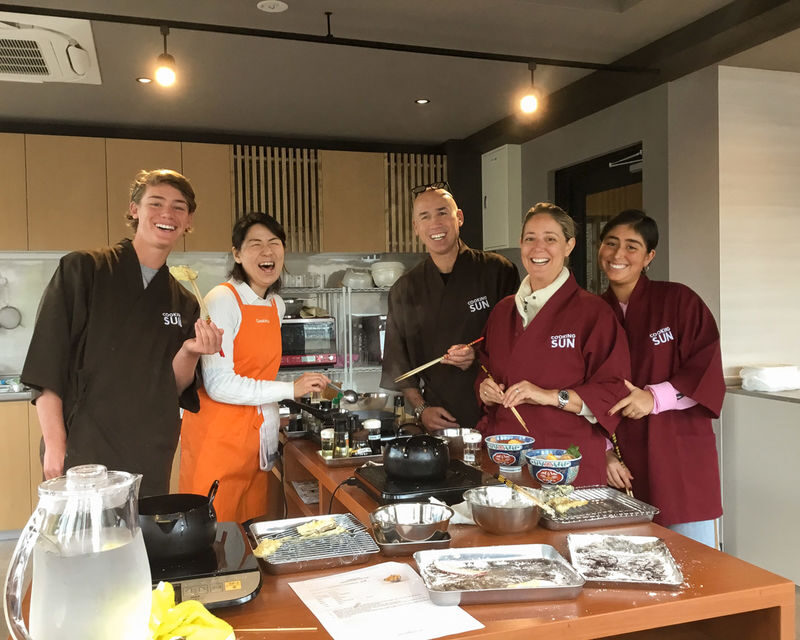
- Six dishes make this a full cooking session: Prepare sesame salad, teriyaki chicken, dashimaki-tamago, tempura, sushi roll and miso soup.
- You eat what you make: The class finishes with your bento lunch and complimentary Japanese green tea.
- Kyoto style is part of the lesson: The focus is not only on standard versions of the dishes, but on local techniques and seasonings.
- You get practical take-home materials: An English recipe set helps you try the dishes again after your trip.
- The studio is in downtown Kyoto: It is about a 10-minute walk from Shijo or Karasuma Station, or a one-minute walk from Nishinotoin Matsubara.
- It can suit families with older children: Children aged 6 to 12 need a paying adult with them; children 13 and older pay the adult rate.

👉 See our pick of the 25 Best Workshops And Classes In Kyoto
A Kyoto lunch you make yourself
Bento is Japan’s portable boxed meal, but this class makes the familiar format a reason to learn several cooking skills at once. You’ll prepare six components and bring them together as a complete lunch, rather than spending three hours on one dish.
That variety is useful if you want a hands-on introduction to Japanese home cooking. You’ll move between different methods: seasoning chicken, preparing an egg roll, frying tempura, making sushi, and putting together a salad and soup. The class also frames the dishes as Kyoto-style, with local techniques and seasonings, though the exact steps and seasoning choices are not specified in advance.
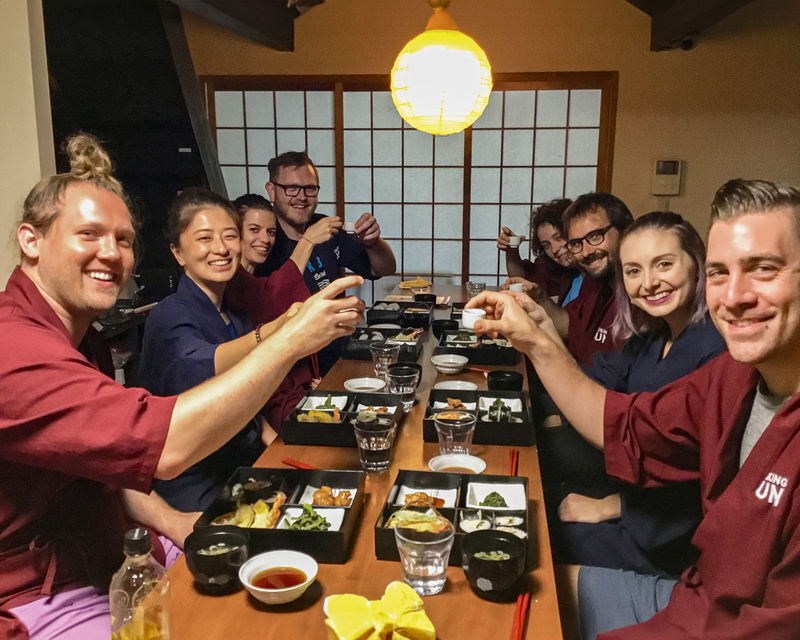
The end result is tangible. You sit down to eat the bento you made, with green tea included. That turns the meal into part of the class, not an extra restaurant stop to arrange afterward.
You can also read our reviews of more tours and experiences in Kyoto
Six dishes, six different techniques
The menu starts with goma-ae, a sesame salad. It adds a vegetable dish to the box and introduces a sesame-based preparation alongside the richer main items. The exact vegetables and recipe details are not stated, so expect to follow the instructor’s version rather than plan around a specific ingredient.
Teriyaki chicken brings a familiar sweet-savory flavor to the bento. The class teaches local approaches to the dishes, but the information available does not spell out the recipe or marinade. If you’ve made teriyaki at home before, this is a chance to compare methods; if you haven’t, it gives you a guided start.
Next is dashimaki-tamago, a Japanese rolled omelet. Rolling an omelet takes a different technique from making a flat Western-style omelet, so a demonstration can be especially helpful. A family who took the class praised the clear instructions and demonstration, a useful sign for anyone who worries that the hands-on pace might be hard to follow.
Tempura adds another change of pace. You’ll learn a local approach to preparing this crisp, light-fried dish, then have it as one element in your lunch. Since the class provides the ingredients and equipment, you don’t need to arrive with cooking tools or shop for the meal yourself.
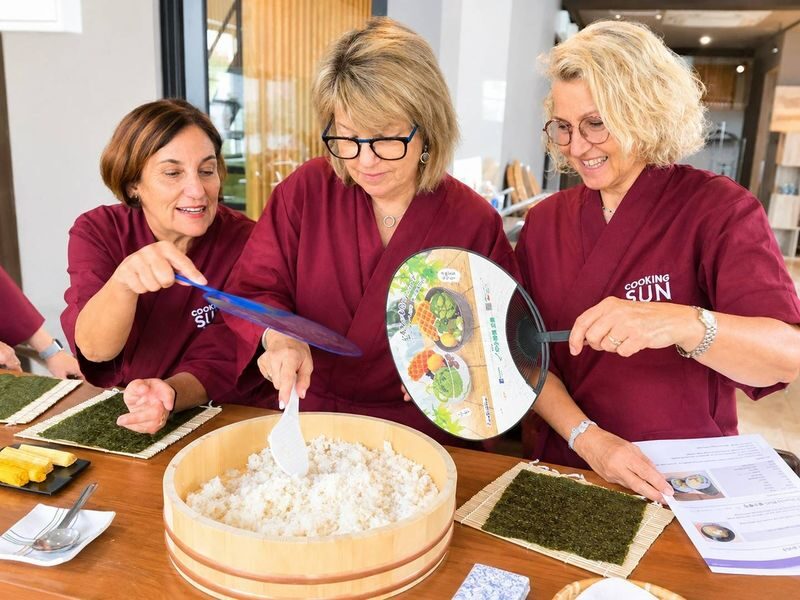
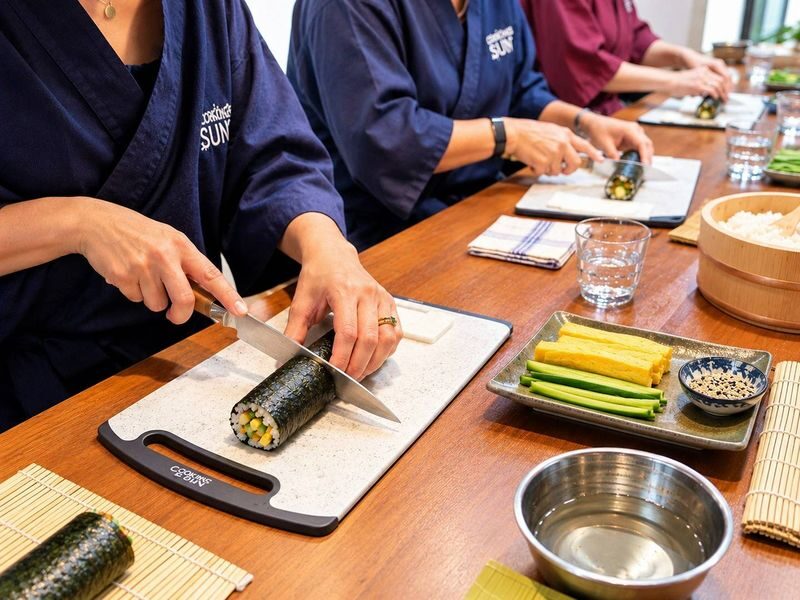
The sushi roll is another practical skill to take home. The menu specifies a roll, but not its filling, so don’t count on a particular combination. Miso soup completes the meal and gives you a warm, savory counterpoint to the other dishes.
Taken together, the menu is more useful than a set of unrelated recipes. You’ll see how different preparations can sit side by side in a balanced lunch box, with vegetables, chicken, egg, fried food, sushi and soup.
The class pace and the meal at the end
The experience lasts three hours. That gives the group time to work through several dishes and then eat, though it is still a scheduled class rather than an open-ended cooking session. Arrive on time so you don’t miss the introduction or demonstrations.
The class is described as a join-in experience, so you should expect to cook alongside other participants rather than book a private lesson. No group-size limit is provided. An English- and Japanese-speaking guide leads the session, and the studio supplies a samue apron, the working clothes associated with Buddhist monks.
The name Mae appears in a family’s account of a class, where the instructor’s explanations and demonstrations were praised. That family included two teenagers and enjoyed eating the bento afterward. Mae may not lead every session, but the example suggests the format can work for families with school-age children who are ready to take part.
When the cooking is done, you eat the meal you prepared and have green tea. I like this finish because it gives the recipes a purpose: you can see how the dishes fit together as lunch, not just sample a bite and leave.
What the Kyoto setting adds
The cooking studio is at 679 Funayacho, in downtown Kyoto. You can walk there in about 10 minutes from Shijo or Karasuma Station, or in about one minute from Nishinotoin Matsubara. Transport to and from the venue is not included, so factor that into your day’s plans.
The class is centered on Kyoto-style techniques and seasonings rather than a sightseeing route. That makes it a good fit for a day when you want a closer look at local food through cooking, without using the session to travel between landmarks. The exact recipes and demonstrations may vary in detail, so it is best to arrive curious rather than expect a fixed culinary lecture.
The location is in a central part of the city, but the studio itself is not wheelchair- or stroller-accessible. If access is a concern, check with the provider before booking rather than assume the space will work for your needs.
Is $86.15 good value?
The listed starting price is $86.15 for the three-hour cooking class. That is more than you would pay for an ordinary bento, but you are paying for instruction, six dishes, all ingredients, cooking equipment, an apron, English recipes and the meal itself, including green tea.
Value depends on how you like to travel. If you want a quick lunch, this is not the efficient choice. If you want to learn several techniques and leave with recipes you can revisit at home, the price covers both a meal and a structured activity. The class can also be a welcome change from sightseeing, especially if you enjoy doing something with your hands.
There are only two ratings available in the supplied experience details, both five stars, so that is a small sample rather than a broad measure. The specific points praised were clear instruction, a good demonstration, an enjoyable family experience with teenagers, and the pleasure of eating the finished bento. One person had taken the class twice and recommended it, which suggests the experience can appeal beyond a one-time novelty, but it does not guarantee the same instructor or session for your booking.


Dietary needs and family planning
Dietary arrangements need a little care. The information says the class can accommodate kosher and pescatarian requirements when you give advance notice. It also says fish can be replaced with vegetables and other ingredients for vegetarian participants.
For halal meals, the supplied details say the kitchen does not use halal meat, but that alcohol content or ingredients are removed. Other information lists halal-certified, gluten-intolerance, vegetarian and vegan diets as dietary needs the activity can accommodate. Because those statements do not explain exactly how each meal is prepared, contact the provider before booking and describe your requirements clearly. Do not assume a particular ingredient substitution is guaranteed.
Children under 5 can participate free, but they do not receive food ingredients. They must still be included in the passenger headcount. Children aged 6 to 12 must attend with a paying adult, and those aged 13 or older pay the same rate as adults.
This could work well for a family whose children enjoy following instructions and trying different foods. The class has been enjoyed by a family with two teenagers, but younger children will need to be content in a cooking setting for three hours. Strollers are not accommodated in the studio.
Booking details worth checking
The meeting point is 679 Funayacho. After booking, your voucher provides the detailed location and a Google Maps link. Present the mobile voucher, and make sure you select the correct date and time, since the voucher is valid only for the specified booking.
Confirmation is expected within 48 hours. If no confirmation email arrives, contact customer support. You can cancel for a full refund if you do so at least 72 hours before the activity date, using destination local time.
Should you book this Kyoto bento class?
Book it if you want a practical food activity with a full meal at the end, and if learning several Japanese home-cooking techniques sounds more appealing than simply watching a demonstration. The six-dish menu, English recipes and guided instruction make it a solid choice for curious cooks, couples and families with older children.
Think twice if you need step-free or stroller access, have strict dietary requirements that have not been confirmed, or are mainly looking for the cheapest lunch in town. For everyone else, this is a worthwhile way to spend three hours making a Kyoto-style meal you can enjoy immediately and try to recreate later.
Kyoto Bento Making Workshop
“Thank you Mae for a wonderful cooking class. Our family – including two teenagers – thoroughly enjoyed your informative and clear instructions and…”
FAQ
How long is the Kyoto Bento Making Workshop?
The cooking class lasts three hours.
What dishes will I make?
The menu includes goma-ae sesame salad, teriyaki chicken, dashimaki-tamago rolled omelet, tempura, sushi roll and miso soup.
Do I eat the food I make?
Yes. The class ends with you eating your handmade bento, accompanied by complimentary Japanese green tea.
What is included in the price?
The class includes an English- and Japanese-speaking guide, a samue apron, cooking tools and equipment, ingredients for the bento dishes, English recipes and green tea.
Where is the cooking studio?
The studio is at 679 Funayacho in downtown Kyoto. It is about a 10-minute walk from Shijo or Karasuma Station and about a one-minute walk from Nishinotoin Matsubara.
Are children allowed to join?
Yes. Children under 5 can participate free without food ingredients, but must be included in the headcount. Children aged 6 to 12 need a paying adult with them, and children aged 13 or older pay the adult rate.
Can the class accommodate dietary restrictions?
Some dietary needs can be accommodated, but you should contact the provider in advance. Vegetarian participants can have fish replaced with vegetables and other ingredients. The information also says halal meat is not used, and that alcohol content or ingredients are removed.
Is the activity wheelchair- or stroller-accessible?
No. The activity is not wheelchair- or stroller-accessible.
What is the cancellation policy?
A full refund is available if you cancel at least 72 hours before the activity date, using destination local time.