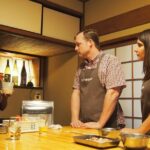
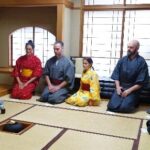
Ramen here begins not with a packet, but with flour, water, and your own hands. In this 2.5-hour class at BANIX Kitahorie, you make noodles from scratch, then prepare shio, shoyu, and miso ramen before sitting down to try all three.
I like the three-style comparison, which lets you taste how salt, soy sauce, and miso shape a bowl, and the practical noodle-making lesson, which gives you a skill to take home. One consideration: the class uses wheat flour and cannot accommodate gluten-free requests, so it is not a fit for everyone.
- Start with flour: Make ramen noodles from scratch rather than simply assembling a bowl.
- Taste three styles: Prepare shio, shoyu, and miso ramen, each with its own toppings and ingredients.
- Learn as you cook: The English- and Japanese-speaking instructor explains the steps and cooking choices.
- Make a meal of it: Sit down to sample mini bowls of all three ramen styles, then have Japanese dessert.
- Find the venue in Kitahorie: Meet at BANIX Kitahorie, a three-minute walk from Nishi-Nagahori Station.
- Plan for dietary limits: Vegetarian and vegan requests can be accommodated in advance, but gluten-free cooking is not available.
- From flour to fresh ramen noodles
- Three bowls, three different ramen styles
- Sit down and compare what you made
- The kind of class that suits curious cooks
- What .09 buys you
- Getting to BANIX Kitahorie and planning ahead
- Should you book this ramen class?
- FAQ
- How long is the ramen cooking class?
- Where does the class meet?
- What types of ramen will I make?
- Is dessert included?
- Is the class taught in English?
- Can children take part?
- Can the class accommodate vegetarian or vegan diets?
- Can I request gluten-free or halal food?
- The Best Of Osaka!
- More Tours in Osaka
- More Tour Reviews in Osaka
- Not for you? Here's more nearby things to do in Osaka we have reviewed
From flour to fresh ramen noodles
 1 / 7
 2 / 7
 3 / 7
 4 / 7
 5 / 7
 6 / 7
 7 / 7
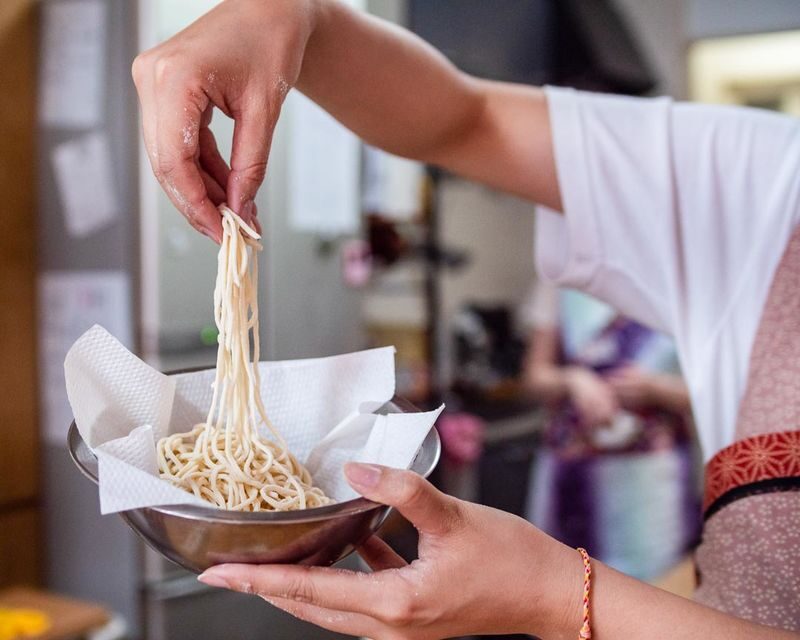
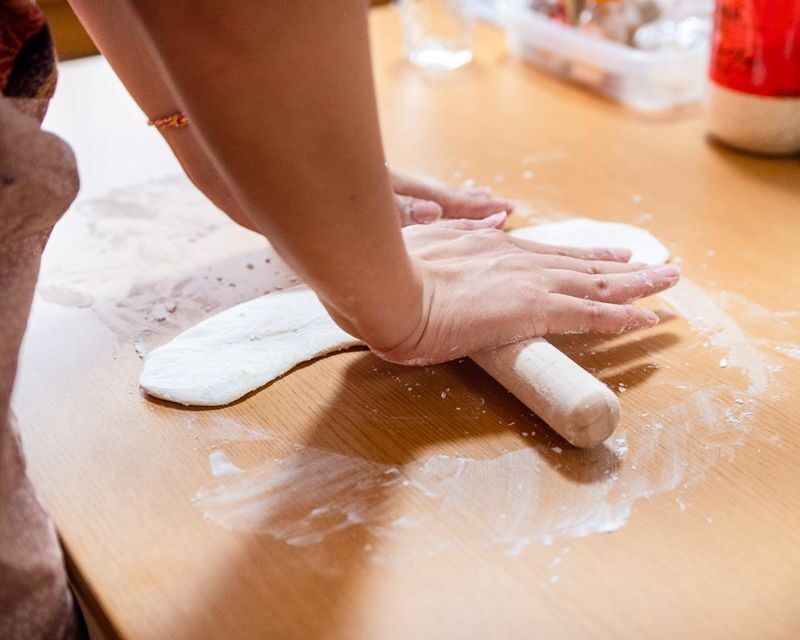
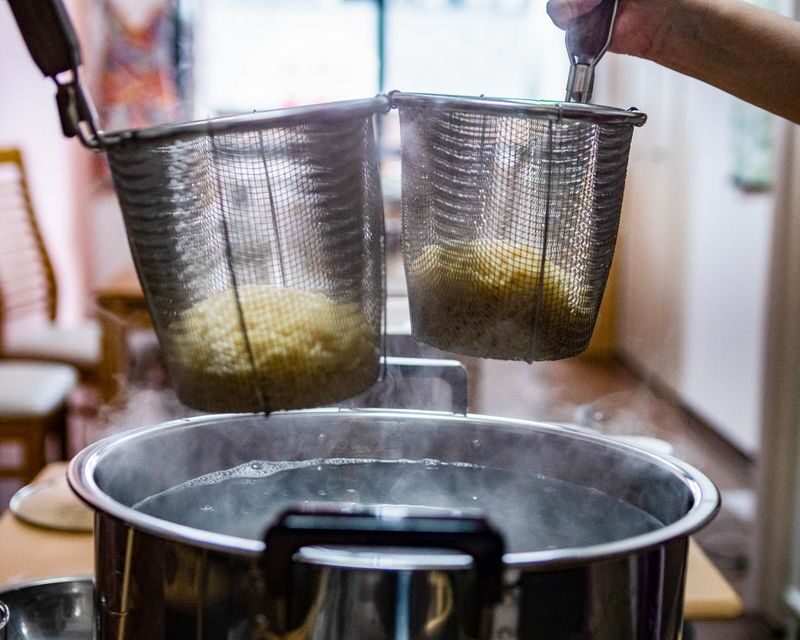
The most hands-on part starts with the basic ingredient: flour. You work the dough and turn it into noodles, learning how the process shapes the texture of the finished bowl. Past participants have also picked up useful details about how flour affects noodle texture, so this is more than a quick demonstration followed by a meal.
The class supplies the ingredients, tools, and tableware. You do the cooking yourself, with an instructor explaining each stage. People who have led sessions include Fumi-san and Keigo, and participants have praised the clear, step-by-step teaching. The class is conducted in English and Japanese, which makes it a practical choice if you want instruction rather than a language-free kitchen activity.
Give yourself room to listen and work at the same time. One useful tip is to jot down notes as you go: some details, especially small adjustments that improve flavor or make a step easier, can be hard to remember while you are handling dough and following instructions. A recipe sheet has been provided in some sessions, but it may not capture every useful tip, so your own notes can help.
👉 See our pick of the 24 Best Workshops And Classes In Osaka
Three bowls, three different ramen styles
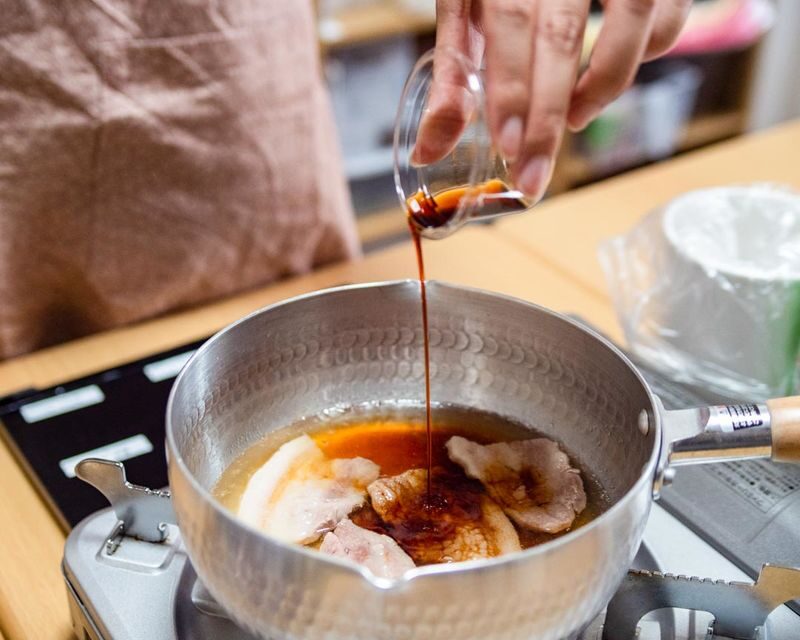
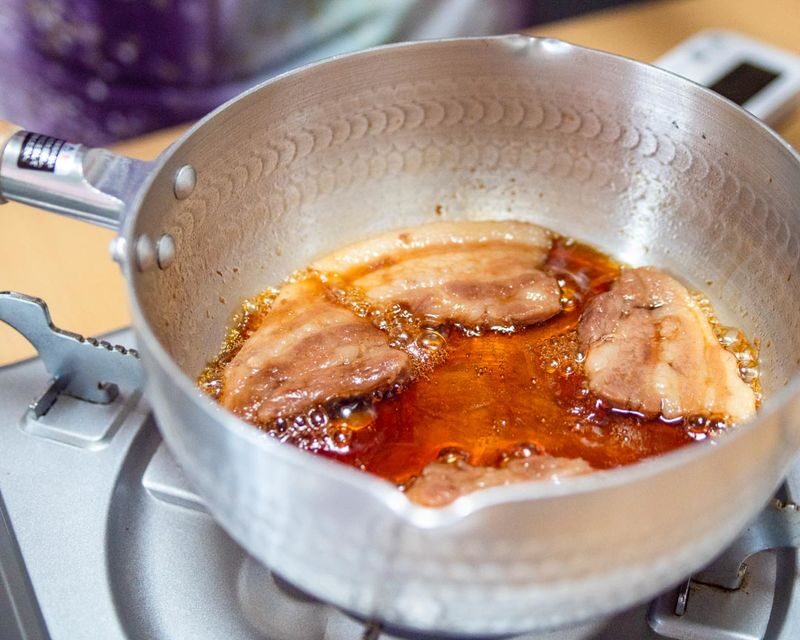
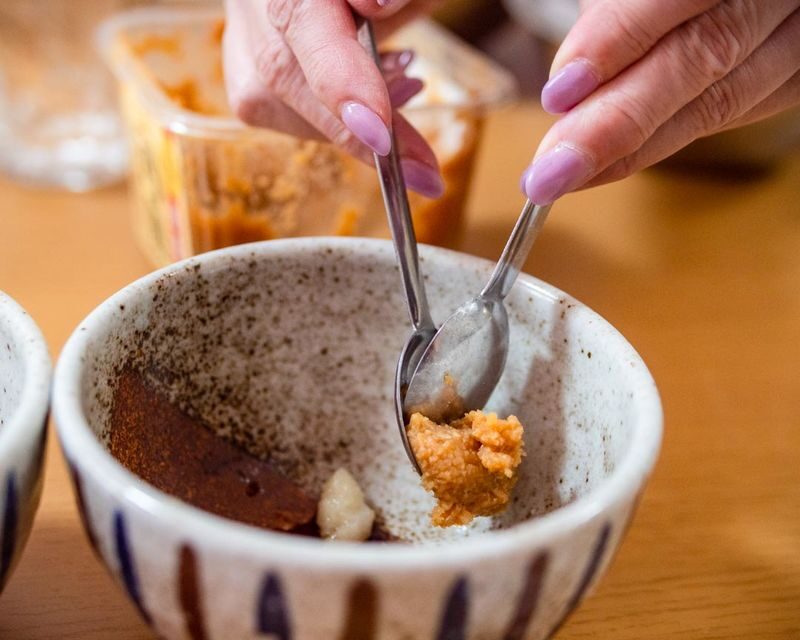
Once the noodles are underway, the class moves to the parts that give each style its character: broth, seasoning, and toppings. You prepare shio ramen, seasoned with salt; shoyu ramen, built around soy sauce; and miso ramen, with the deeper, fuller taste of miso. The class also introduces ingredients such as sauces, miso, soy sauce, and seasonings used in Japanese cooking.
Making three bowls in one session is a smart format. Instead of learning one recipe in isolation, you can compare how different seasonings and toppings change the finished ramen. That contrast gives you a more useful starting point for cooking at home than a single bowl would.
The class description identifies pork, chicken, egg, sesame, wheat flour, and seasoning containing a small amount of alcohol as ingredients used by default. Requests to leave out pork, meat, or alcohol can be accommodated, but the ingredients are not halal-certified, and other people in the class may use animal products or alcohol. Tell the provider about allergies and dietary needs before you book, rather than waiting until you arrive.
You can also read our reviews of more tours and experiences in Osaka.



Sit down and compare what you made
After the cooking, you sit down to enjoy mini bowls of all three styles. The tasting is part of the lesson: you can notice how the broth and toppings work with the noodles, and decide which combination suits your taste. It also means you finish the session with a proper meal, not just a cooking demonstration.
The portions are described as mini bowls, though the meal can still be filling. The ingredients and toppings vary between styles, so this is a good chance to pay attention to what changes from one bowl to the next. If you have a favorite, make a note of the ingredients and seasoning that set it apart.
Dessert closes the class. The exact dessert is not specified, so do not plan around a particular sweet; think of it as a Japanese-style finish to the meal. The inclusion adds a pleasant final course without asking you to find another place to eat right after class.
The kind of class that suits curious cooks
You do not need to be an experienced cook. The class is aimed at beginners as well as ramen fans, and its step-by-step format gives you a chance to learn by doing. The most rewarding parts are likely to be the tactile ones: working the dough, handling the ingredients, and seeing how your choices shape each bowl.
It also makes a good shared activity for a couple, family, or small group. Children must be at least seven, and they pay the same rate as adults. If you are booking for a family, remember that the activity involves hands-on cooking and that every child needs a paid place.
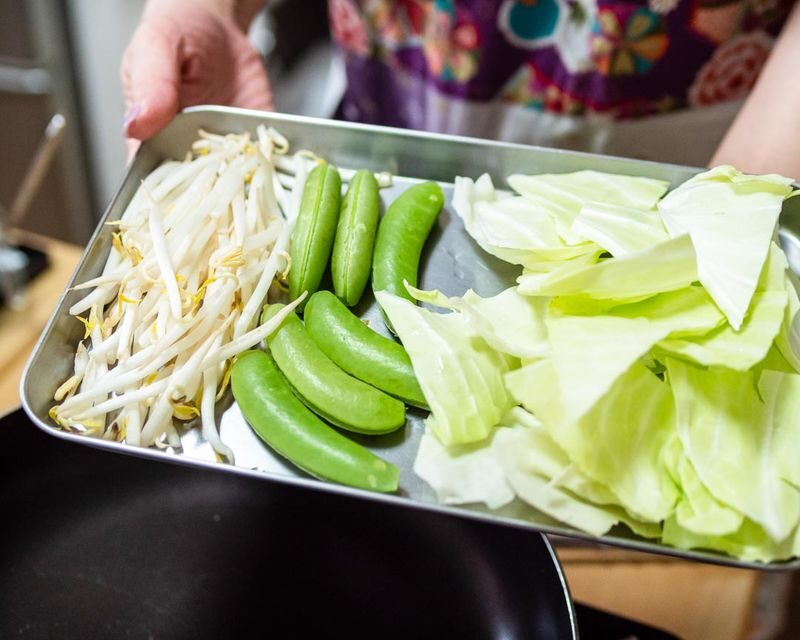
The teaching covers techniques beyond ramen alone. Past sessions have included tips on steaming vegetables and using ingredients such as soy sauces, miso, teriyaki, sake, and mirin. The emphasis is practical: you can learn why a step is done a certain way, then adapt that knowledge to everyday cooking.
What $90.09 buys you
The listed starting price is US$90.09 per person for 2.5 hours. It includes the instructor, ingredients for all three ramen bowls, cooking tools, tableware, and dessert. You are paying for a guided activity and a meal, not only for a bowl of noodles, so the price makes more sense if you value both the instruction and the chance to cook for yourself.
For a ramen enthusiast, the value is in the comparison and technique. You get to make noodles from scratch and prepare three distinct styles in one sitting, with an instructor on hand to explain the process. If you only want to eat ramen, a restaurant will be simpler and likely cost less. If you want a memorable cooking activity and ideas to try at home, this class offers more.
The experience provider, Tablecross Inc., has a broad record of positive feedback across its activities. Still, consider the price against your own plans: you should be ready to take part throughout the session, not just watch. A two-and-a-half-hour class is a meaningful block of time, but it gives the cooking enough room to feel like a full activity.
Getting to BANIX Kitahorie and planning ahead
The meeting point is BANIX Kitahorie in Osaka. It is a three-minute walk from Nishi-Nagahori Station, and the exact location details and map link are supplied after booking confirmation. Arrive on time: if an emergency or other issue will delay you, contact the class in advance, since late arrival may mean you cannot join.
The voucher is for the specified date and time, and you present it on your phone. Booking confirmation is expected within 48 hours; if no confirmation email arrives, contact customer support. You can cancel for a full refund if you do so at least 72 hours before the activity, using Osaka local time.
Tell the provider about allergies or dietary requirements when booking. Pescetarian, vegetarian, and vegan needs can be accommodated when requested in advance, as can requests to omit pork, meat, or alcohol. Gluten-free requests cannot be accommodated, and the kitchen is not halal-certified.






Should you book this ramen class?
Book it if you want to learn by cooking, are curious about the differences among shio, shoyu, and miso ramen, or would enjoy a food-focused activity away from the usual sightseeing routine. The small-scale, hands-on format and clear instruction are its strongest points, and the recipe knowledge can be useful long after your Osaka visit.
Skip it if you have a gluten allergy, need halal-certified ingredients, or would rather spend the time eating out than cooking. Before paying, check that the date works, confirm your dietary needs, and decide if the full 2.5 hours and $90.09 starting price suit your plans. For a ramen fan who wants more than a meal, it is a worthwhile way to spend an afternoon.
Homemade Noodle Making in Osaka (2.5 Hour)
“ladies provided detailed step by step easy cooking. worth going out if your way.”
FAQ
How long is the ramen cooking class?
The class lasts 2.5 hours.
Where does the class meet?
Meet your instructor at BANIX Kitahorie in Osaka, a three-minute walk from Nishi-Nagahori Station. Booking confirmation includes the detailed location and map link.
What types of ramen will I make?
You will prepare shio ramen, shoyu ramen, and miso ramen, then sit down to enjoy mini bowls of each.
Is dessert included?
Yes. A Japanese dessert is included, though the specific dessert is not named.
Is the class taught in English?
The instructor speaks English and Japanese.
Can children take part?
Yes. Participants must be at least seven years old. Children aged seven and older pay the same rate as adults.
Can the class accommodate vegetarian or vegan diets?
Vegetarian and vegan options can be arranged if requested when booking. Pescetarian needs can also be accommodated. Contact the provider in advance about allergies or dietary restrictions.
Can I request gluten-free or halal food?
No gluten-free option is available. Ingredients are not halal-certified, though requests to omit pork, meat, or alcohol can be accommodated.