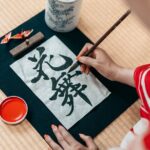
Kyoto’s tea ceremony is not just a recipe for whisking green powder into water. In this 1.5-hour class, tea master Randy Channell Soei introduces ryurei, a formal style of ceremony developed in the 1870s for welcoming foreign dignitaries. You learn its gestures and customs, then get a turn making matcha yourself.
I like two things in particular: the session is taught in English, so you can ask about the small details, and it connects the ceremony to its four ideals of harmony, respect, purity, and tranquility. You also taste Kyoto-grown matcha and traditional sweets, then make a bowl of tea under Randy’s guidance.
One consideration: this is a hands-on class with explanation and turns for participants, not a brief, silent ceremony viewed from the sidelines. The format can mean some waiting, and one account raised concerns about a crowded room. If you want a quiet, highly formal tea gathering, check what style you’re booking.
- Ryurei, not floor seating: The ceremony uses a formal style associated with welcoming foreign dignitaries, and you do not sit on tatami or at low tables.
- An English-speaking tea master: Randy Channell Soei teaches the class and makes room for questions about tea and etiquette.
- Your turn with the whisk: You’ll learn the form, take part in the ceremony, and make your own bowl of matcha.
- Kyoto tastes: The session includes Kyoto-grown matcha and traditional sweets from Kyoto makers.
- A compact cultural lesson: In 90 minutes, you’ll encounter tea customs and the ideals of harmony, respect, purity, and tranquility.
- A little planning helps: The meeting point is near two stations, but the exact location details arrive with your booking confirmation.
- A Kyoto machiya, and a formal welcome
- Ryurei puts hospitality at the center
- Expect explanation before your turn
- Matcha, sweets, and making your own bowl
- A different seating setup than some expect
- Is .80 a fair price?
- Who will enjoy this class most?
- Booking and getting there
- Should you book the Kyoto tea ceremony?
- FAQ
- How long is the tea ceremony?
- Where does the class meet?
- How do I get to the meeting point?
- Will I sit on tatami mats?
- Is matcha included, and can I make my own?
- Are children allowed?
- The Best Of Kyoto!
- More Tours in Kyoto
- More Tour Reviews in Kyoto
- Not for you? Here's more nearby things to do in Kyoto we have reviewed
A Kyoto machiya, and a formal welcome
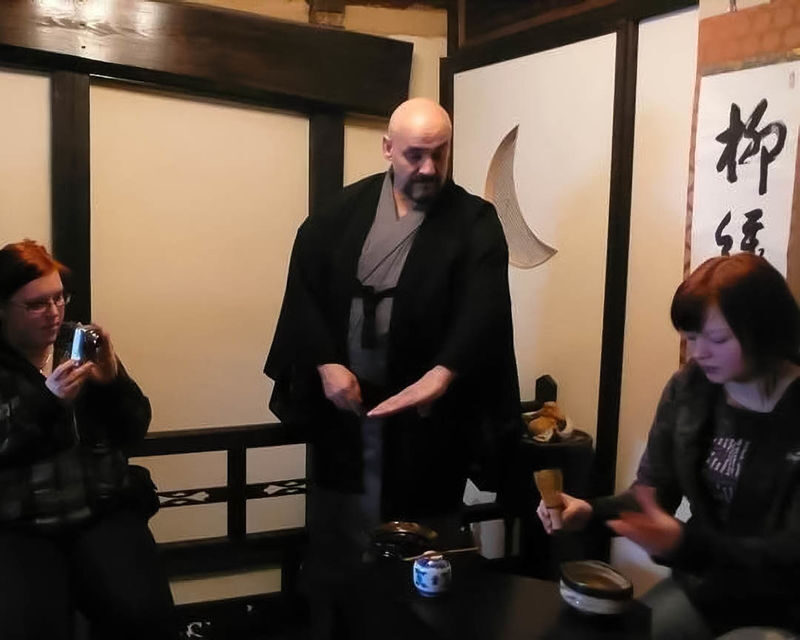
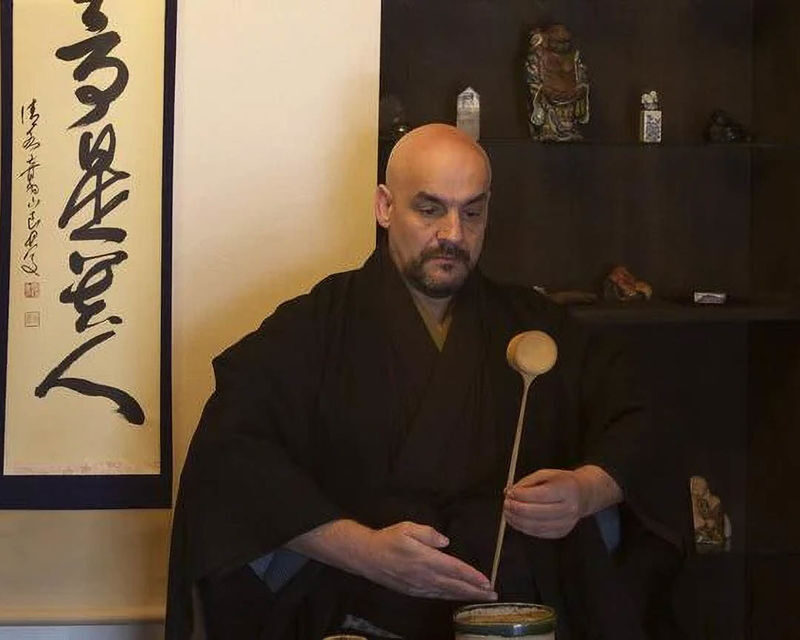
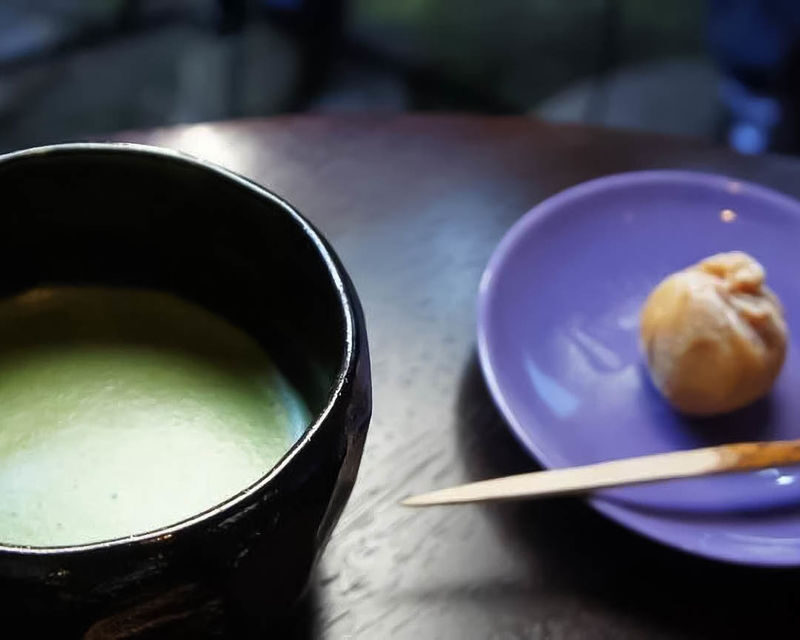
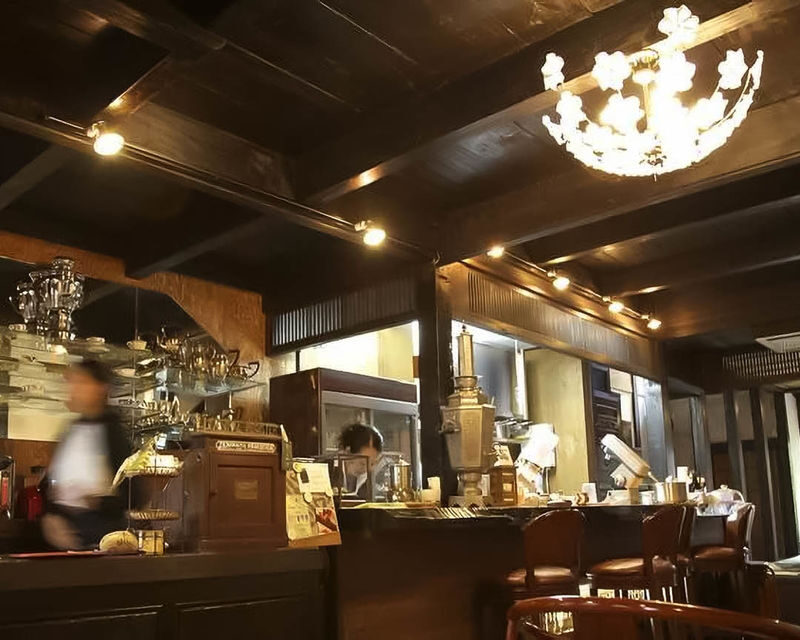
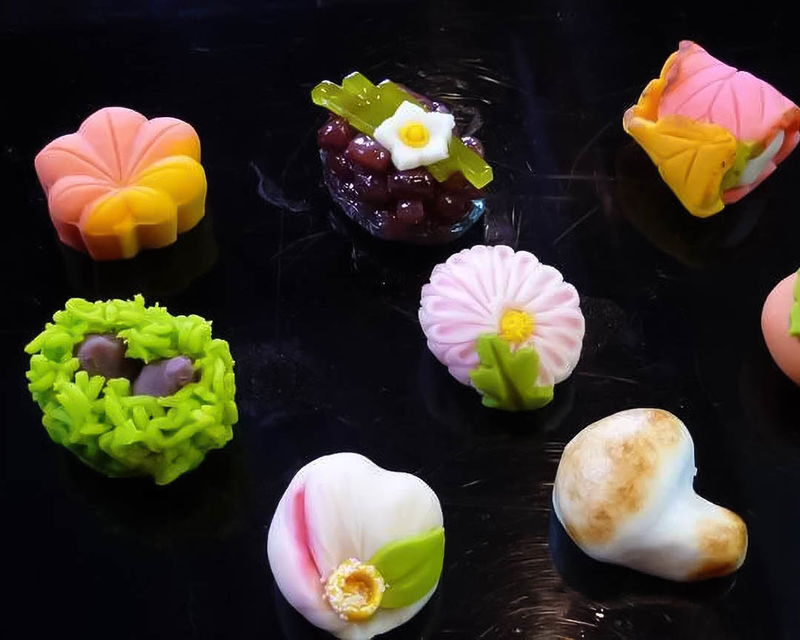
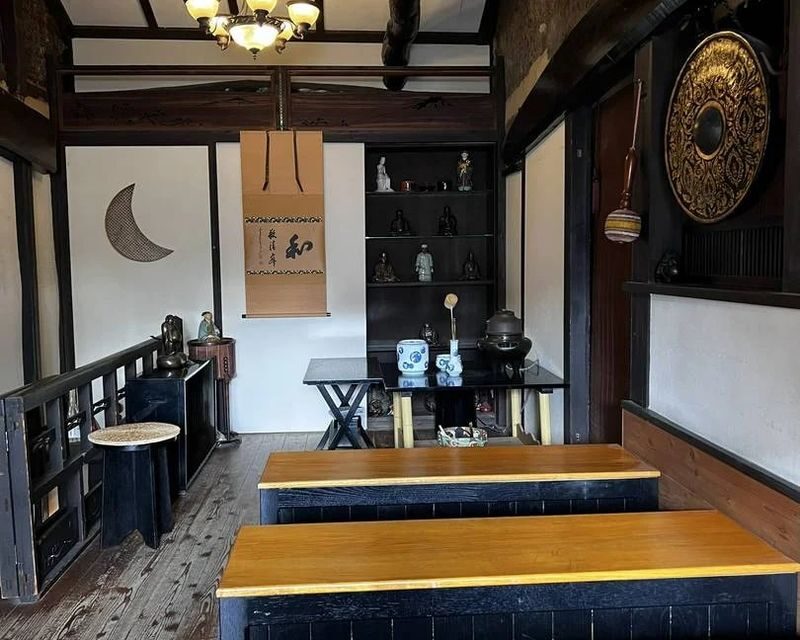
The class takes place in a traditional Kyoto townhouse, or machiya, at 64 Kamikawaracho in Nakagyo Ward. Its focus is the tea ceremony, not a tour of the house, but the setting gives the lesson a useful sense of place. You are learning a Kyoto practice in Kyoto, rather than getting a quick matcha demonstration in a generic café.
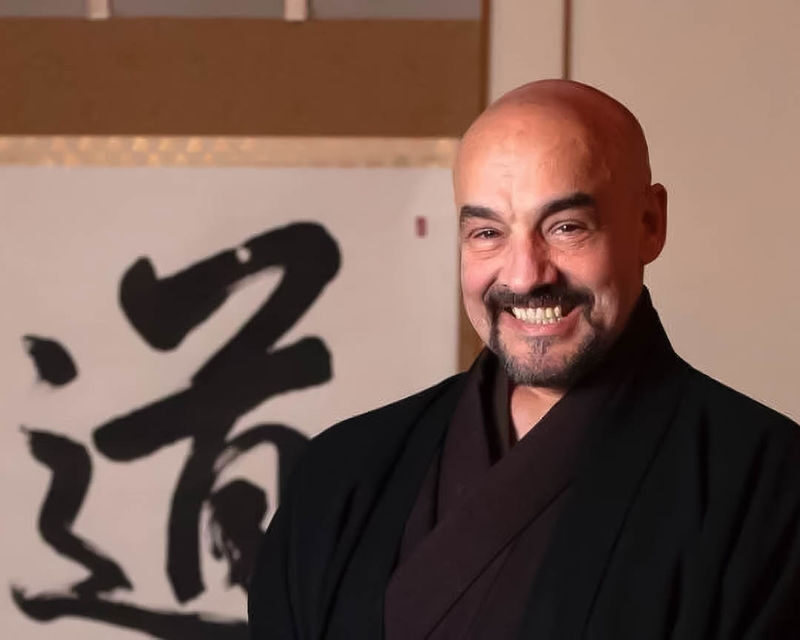
Your teacher is Randy Channell Soei, known as Randy Sensei. He is described as the highest-ranked tea ceremony master from outside Japan, and he leads the session in English. That matters if you want to ask why a gesture is done a certain way, or how a formal ceremony differs from a casual cup of matcha.
The meeting point is about a five-minute walk from Nijojo-mae Station on the Tozai subway line and Hankyu Omiya Station. The full location details are supplied after booking, so check your voucher rather than relying on the street address alone.
👉 See our pick of the 25 Best Workshops And Classes In Kyoto
Ryurei puts hospitality at the center
The ceremony style here is called ryurei. It dates to the 1870s and was developed as a formal way to welcome visiting foreign dignitaries. That background helps explain why the experience is framed as hospitality: preparing tea is not just a task, but a series of deliberate gestures meant to show care and respect.
You’ll hear about the four ideals associated with tea: harmony, respect, purity, and tranquility. They can sound abstract at first. The ceremony gives them practical form through the attention paid to preparation, the way tea is offered, and the care taken by the person receiving it.
Randy explains both formal and informal tea practices, according to the class description and participant accounts. This comparison helps you place the movements in context. Rather than memorizing a string of rules, you can begin to see how ceremony turns an ordinary drink into a focused act of welcome.
You can also read our reviews of more tours and experiences in Kyoto.
Expect explanation before your turn
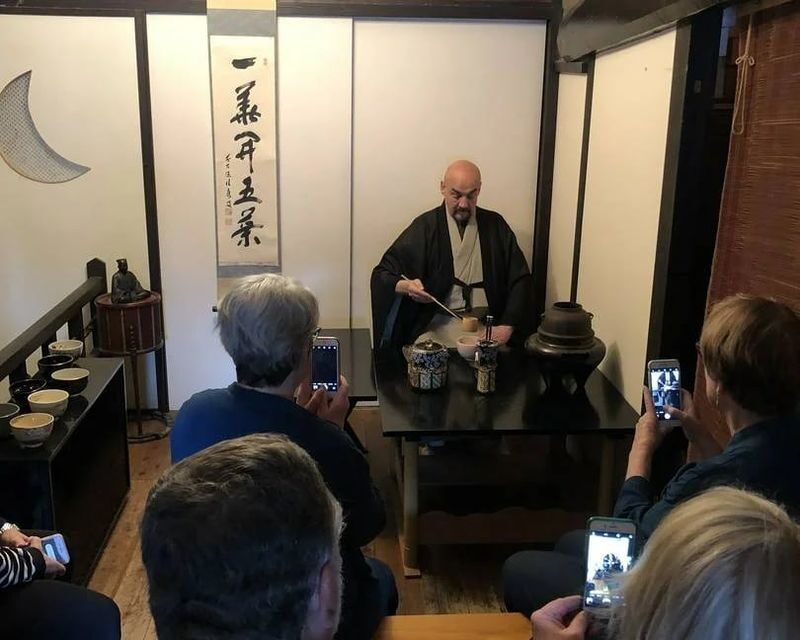
The session is a class as well as a demonstration. You can expect Randy to explain the ceremony and its customs, show the movements, and guide participants through roles such as preparing, serving, or receiving tea. The precise order may vary, but the point is to understand the form before trying it.
That teaching style is a strong fit if you are curious and like to ask questions. Randy’s English lets you explore details without relying on a translation, and his humor helps keep the formal subject approachable. The class is still about tradition, but it does not require you to sit in solemn silence for the full 90 minutes.
The trade-off is pacing. When each person takes a turn, you may watch others before your own part begins. One participant felt the group could have been taught some steps together to reduce waiting. If you prefer constant activity, this format may feel slow at moments; if you enjoy watching the small gestures and hearing the explanation, those pauses are part of the lesson.
Matcha, sweets, and making your own bowl
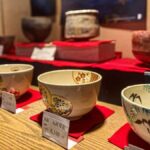
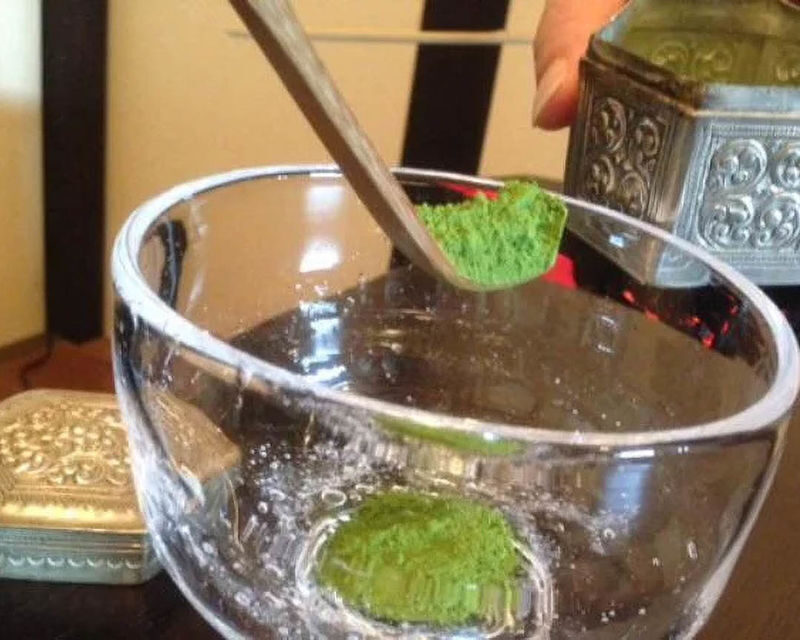
The tea is made with Randy Sensei’s original Kyoto-grown matcha, and traditional sweets from Kyoto makers are included. The sweet provides a contrast to matcha’s intense, sometimes bitter taste, and it is part of the ceremony rather than an extra purchase. The class also includes the chance to make your own bowl of matcha.
That hands-on moment is one of the most useful parts. Watching a master prepare tea can be lovely, but trying the movements yourself gives you a better sense of the care and control involved. You do not need prior experience. The teacher guides you through the process, and the purpose is to learn, not to produce a perfect bowl on your first attempt.
The session also includes a group photo. That is a small extra, but it gives you a keepsake from an activity that is more about quiet details than dramatic scenery. Personal expenses beyond the listed inclusions are not covered.
A different seating setup than some expect
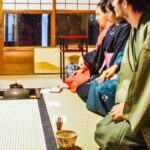
Do not book this expecting to sit on tatami mats or at low tables. The activity specifically notes that participants are not seated on tatami or low tables. That makes the format more accessible to people who would find floor seating uncomfortable, but it may disappoint anyone hoping for that familiar image of a floor-based tea ceremony.
The activity is described as stroller-friendly, and there is no age limit. Children are charged the same rate as adults. Still, a 90-minute class built around explanation and careful observation may not hold every child’s interest. Think about your child’s patience and curiosity, rather than treating the no-age-limit rule as a promise that the format suits all ages.
There have also been concerns about crowding and room comfort. One participant described an overbooked session and limited space for a stroller, while another raised a concern about personal space during instruction. These are not enough to conclude that such problems are routine, but they are worth keeping in mind. If you need room for a stroller, have mobility needs, or would like more personal space during demonstrations, contact the provider before booking and explain what would make the session comfortable for you.
Is $63.80 a fair price?
The price starts at $63.80 for 90 minutes. That is more than the cost of simply ordering matcha and a sweet, but you are paying for an English-language lesson with a tea master, participation in the ceremony, Kyoto-grown matcha, traditional sweets, and the chance to make your own tea.
I see the value in the teaching and access to the customs. You leave with a better understanding of why the movements matter, rather than just a photo of a bowl and whisk. The price makes less sense if you mainly want a quick taste of matcha or a short, theatrical ceremony with little explanation.
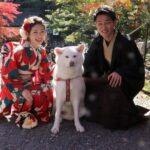
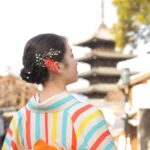
Kimono rental is not included, and neither is transportation to or from the meeting point. You can wear your own kimono if you have one, but the class itself does not require it. One participant found that wearing a rented kimono made the occasion feel special, though it is an optional extra, not a condition of taking part.

Who will enjoy this class most?
Book it if you want to understand tea ceremony as a cultural practice, enjoy learning through questions, and are happy to watch others take their turns. The English instruction is especially useful if you want to explore the reasons behind the form without a language barrier. Randy’s mix of detailed teaching and humor appears to suit people who like cultural context without a stiff classroom atmosphere.
It may be a poor fit if you expect a quiet, fully formal ceremony in a tatami room, or if you want to spend most of the session making tea yourself. The group format also means you may not have uninterrupted one-on-one time with the master. If that matters, compare it with a private or smaller-group tea experience before deciding.
Families should weigh the format carefully. The activity permits children of any age, but children pay the adult rate, and the class includes extended explanation and observation. A child who enjoys learning how things work may be happy here; one who needs constant movement may find the pace a stretch.
Booking and getting there
The address is 64 Kamikawaracho, Nakagyo Ward, Kyoto, 604-8374, Japan. The exact location details are provided on the voucher after booking. The venue is about a five-minute walk from Nijojo-mae Station and Hankyu Omiya Station, and transit to the meeting point is not included.
Bring your mobile voucher. Confirmation is expected within 48 hours; if it does not arrive, contact customer support. The voucher is valid only for the date and time specified, and you can receive a full refund if you cancel at least 24 hours before the activity date, using Kyoto local time.
Should you book the Kyoto tea ceremony?
I would book this for the explanation, the chance to ask questions in English, and the hands-on practice with Kyoto-grown matcha. It offers more than a tasting, but it is a lesson first and a ceremony experience second. Go in expecting a group class, some waiting, and a practical introduction to ryurei, and the price is easier to justify.
Choose another format if your priority is a silent, floor-seated ceremony or a very small group. If you are curious about the meaning behind tea etiquette and want to try the movements yourself, this is a thoughtful way to spend 90 minutes in Kyoto.
Traditional Tea Ceremony in Kyoto (1.5 Hours)
“Excellent introduction to the tea ceremony from a master!”
FAQ
How long is the tea ceremony?
The experience lasts 1.5 hours.
Where does the class meet?
It meets at 64 Kamikawaracho, Nakagyo Ward, Kyoto. Detailed location information is provided after booking.
How do I get to the meeting point?
The address is about a five-minute walk from Nijojo-mae Station on the Tozai subway line and Hankyu Omiya Station. Transportation is not included.
Will I sit on tatami mats?
No. The activity notes that participants are not seated on tatami mats or at low tables.
Is matcha included, and can I make my own?
Yes. The class includes Randy Sensei’s original Kyoto-grown matcha, and you’ll have the opportunity to make your own bowl.
Are children allowed?
There is no age limit, but children are charged the same rate as adults.