
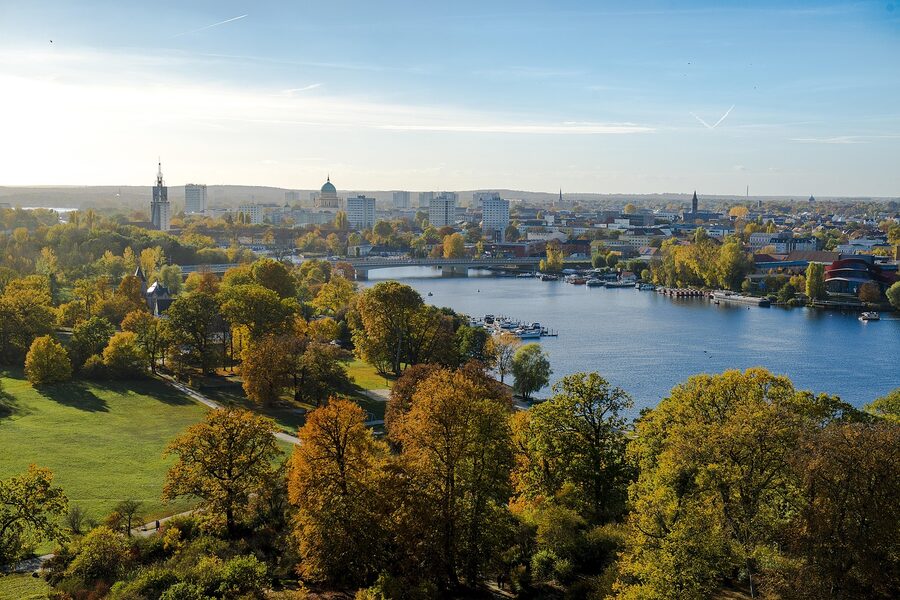
I have done the Berlin to Potsdam day trip three times now and I’m still surprised by it. You spend a week in Berlin getting used to graffitied U-Bahn tunnels and Brutalist concrete and the constant sense that something interesting is happening one street over, and then you ride the S7 for thirty-eight minutes and step out into a town of pastel facades, gilded palace gates, and pensioners feeding ducks on the Havel. Same Berlin region, completely different atmosphere.
- In a Hurry?
- What the Trip Actually Feels Like
- The S-Bahn vs the Tour: Which to Pick
- Picking the Right Tour
- 1. Berlin 3-Hour World Heritage Cruise to Potsdam:
- 2. From Berlin: Potsdam and Sanssouci Palace Tour with Entry:
- 3. Potsdam Half-Day Walking Tour from Berlin:
- What’s Actually in Potsdam
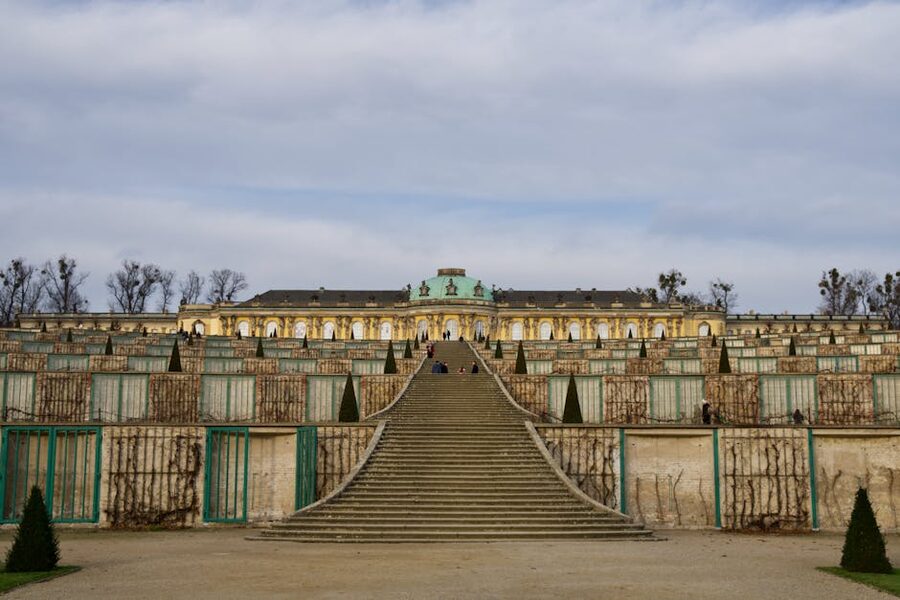
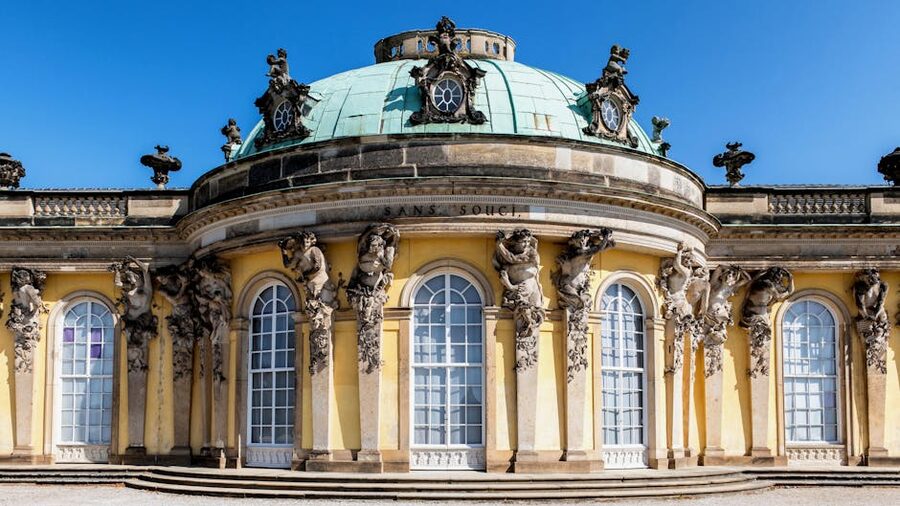
- Sanssouci Palace and Park
- The Old Town and Dutch Quarter
- Cecilienhof and the Bridge of Spies
- The Lesser-Visited Bits
- Practical Day Logistics
- Comparing It to the Other Day Trips From Berlin
- If You’re Doing Other German Cities
- Wrap-Up
In a Hurry?
- Berlin 3-Hour World Heritage Cruise to Potsdam, $25. The boat option. Slow, scenic, no entry to anything; you ride out, see the lakes and palaces from the water, and ride back. Best for a relaxed half day.
- From Berlin: Potsdam and Sanssouci Palace Tour with Entry, $75. Coach from central Berlin, guided Sanssouci visit with skip-the-line entry, Dutch Quarter walk. The fewest moving parts of any option.
- Potsdam Half-Day Walking Tour from Berlin, $24. Train + walking with a guide. Cheap, hands-on, you cover ground on foot and learn what you’re looking at as you go.
What the Trip Actually Feels Like
The basic shape of the day is this: you leave Berlin in the morning, you spend most of the day in and around Potsdam old town and Sanssouci Park, and you’re back in Berlin in time for a late dinner. The Havel is wide and flat. The streets are clean. There are roughly four times as many cyclists as cars in the centre. Even the dogs seem better trained.
That contrast is the whole reason to go. Berlin is a city that looks like it remembers being divided. Potsdam is a city that looks like it remembers being royal. They are an hour apart by S-Bahn and they could be on different continents.
If you only have one day, the question is what to actually see. Most first-timers try to do too much. Sanssouci alone could swallow a full day if you let it. Cecilienhof and the Bridge of Spies are out of town in the other direction. The Old Town and Dutch Quarter are walkable but worth at least a couple of hours if you stop for coffee and look up at the gabled facades.
The S-Bahn vs the Tour: Which to Pick
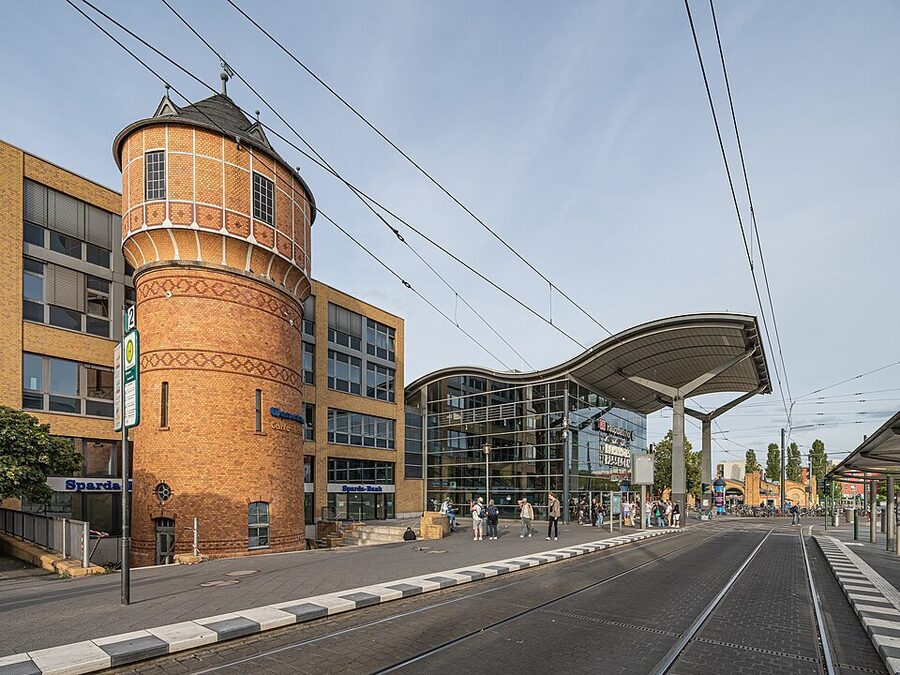
The S-Bahn is genuinely cheap and genuinely easy. Line S7 from Friedrichstrasse, Hauptbahnhof, Zoologischer Garten or Charlottenburg goes direct to Potsdam Hauptbahnhof in about thirty-eight to forty-five minutes. You need an ABC zone ticket because Potsdam is in zone C, and a single is around 4.40 euros each way. A Berlin WelcomeCard ABC covers it as part of the day pass.
If you’re doing Potsdam unguided, that’s the move. Buy the WelcomeCard ABC if you don’t already have one (we have a full guide to the Berlin WelcomeCard that breaks down the ABC version against the regular city zones), ride the S7, and use the same card for the trams and buses inside Potsdam.
Where the tour wins is when you want someone to tell you what you’re looking at. The audio guide inside Sanssouci is fine, but it doesn’t connect Sanssouci to the Russian Quarter to the Dutch Quarter to Cecilienhof. A live guide does. And the bus tours skip the queue at the palace, which on a summer Saturday saves you forty minutes you didn’t realise you’d lost.
Picking the Right Tour
Three shapes work for the day trip and they map onto the picks below. A boat from Berlin if you want the slow scenic version and don’t care about going inside Sanssouci. A coach from Berlin with a guided palace visit if you want the most-seen-in-the-shortest-time option. A train-and-walking tour with a guide if you want to cover ground on foot and learn the city as you walk it. I’ve done versions of all three and the right answer depends on what kind of day you want.
1. Berlin 3-Hour World Heritage Cruise to Potsdam: $25
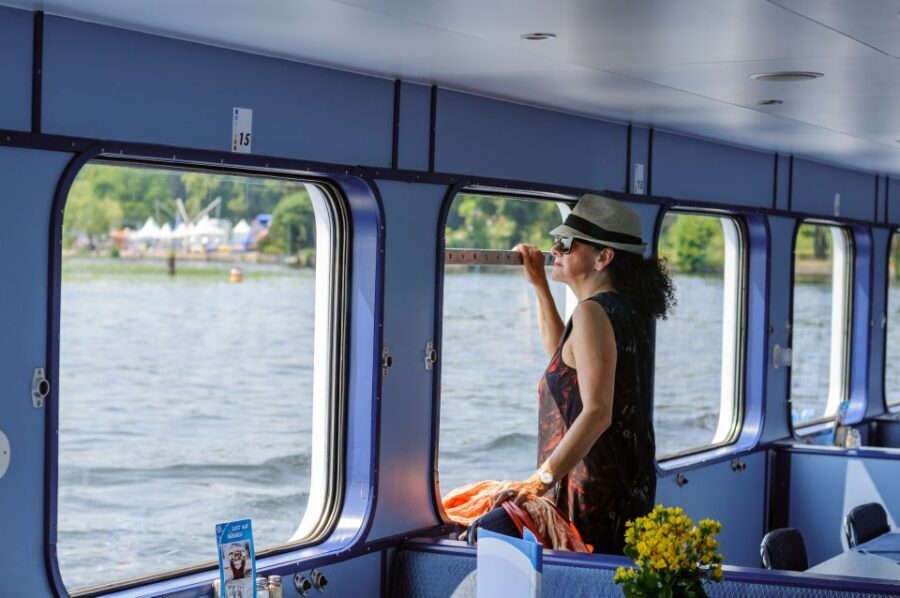
The boat option is the one I recommend for slower travellers, anyone with mobility issues, and people who have already done a walking tour of central Berlin and want something gentler. It’s a three-hour return cruise out of Wannsee with bilingual commentary in German and English; our full review covers the food, the seating layout, and what you actually see from the deck. Don’t expect to set foot in Potsdam itself; the boat turns around and brings you back.
2. From Berlin: Potsdam and Sanssouci Palace Tour with Entry: $75
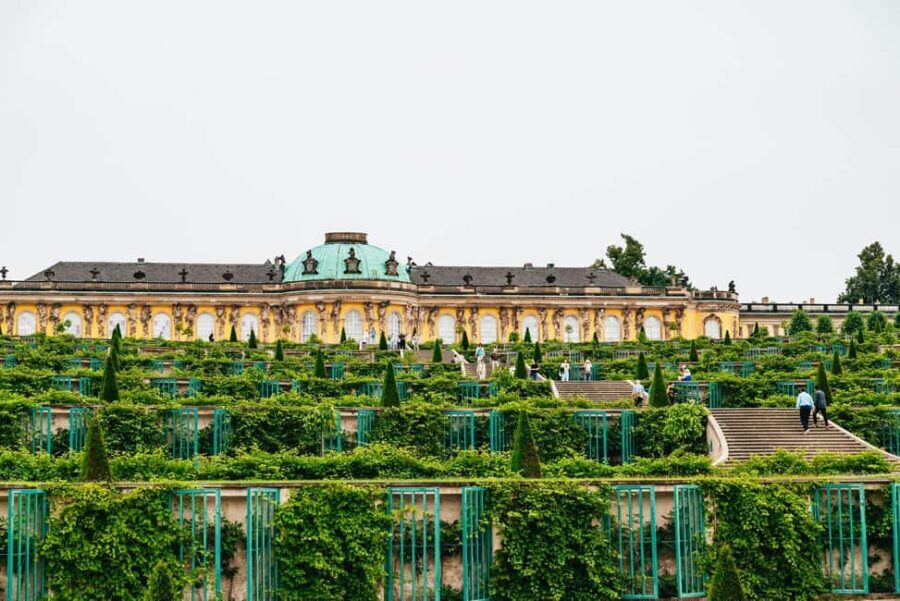
This is the one I’d book if you only have one day in Berlin and want Potsdam and Sanssouci sorted in four hours. Coach pickup near central Berlin, live guide on the way, palace entry with skip-the-line, and a walk through the Dutch Quarter on the way back. Our full review of the four-hour version walks through the Sanssouci visit and the bits the guide adds that the audio guide doesn’t. At $75 per person it’s not the cheapest pick, but it’s the one with the fewest moving parts.
3. Potsdam Half-Day Walking Tour from Berlin: $24
The walking option is for people who like the train idea but don’t want to do the place blind. It’s effectively the unguided S-Bahn day trip with a guide attached, which sounds redundant until you’ve stood in front of the Brandenburg Gate of Potsdam wondering why nobody told you it predates the Berlin one by twenty-three years. Our review goes into what they cover on foot. At $24 it’s the same price as the cruise but you actually see the city.
What’s Actually in Potsdam
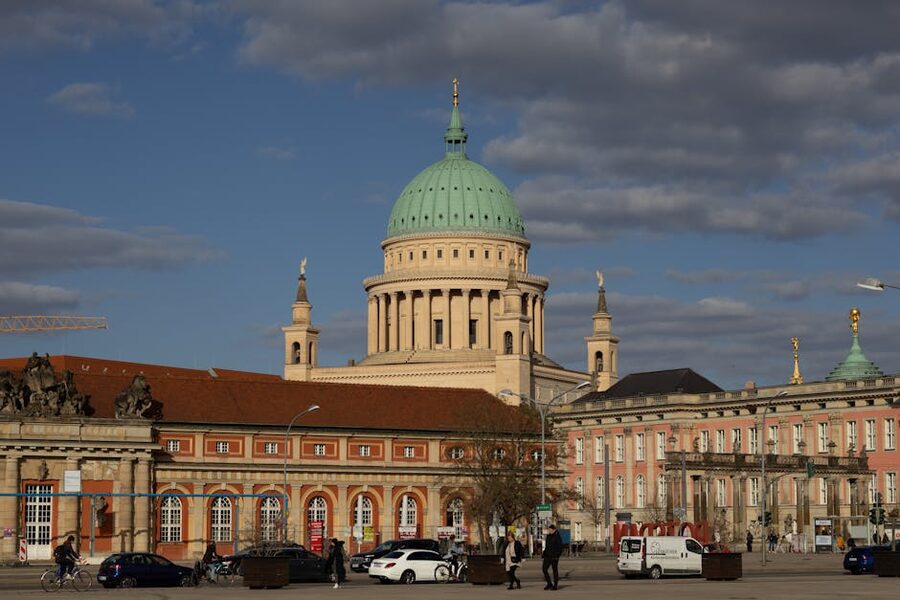
It helps to know roughly what you’re heading for. Potsdam isn’t one big sight; it’s about six smaller ones spread across a town centre and a 290-hectare park. Trying to do all of them in a day is a mistake. Trying to do two well is the right call.
Sanssouci Palace and Park
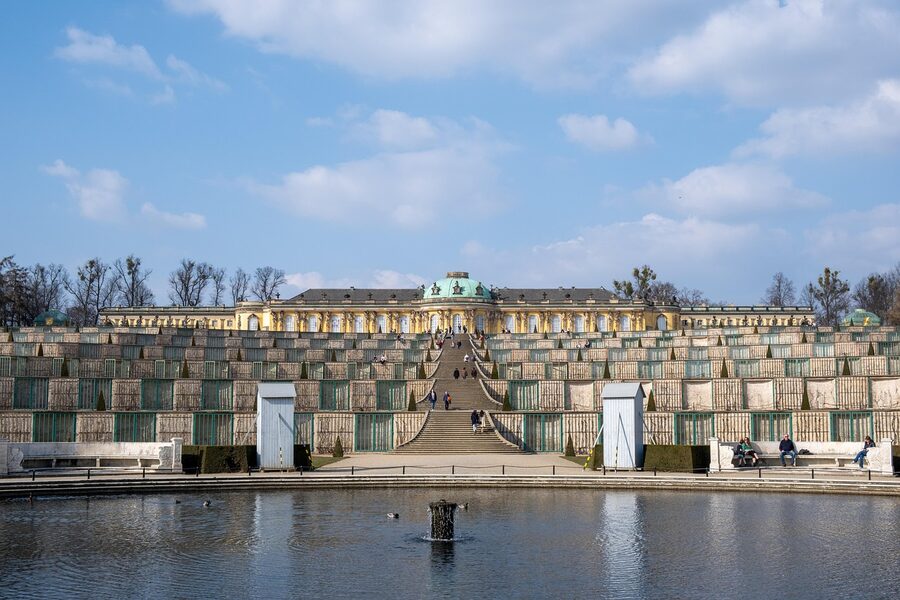
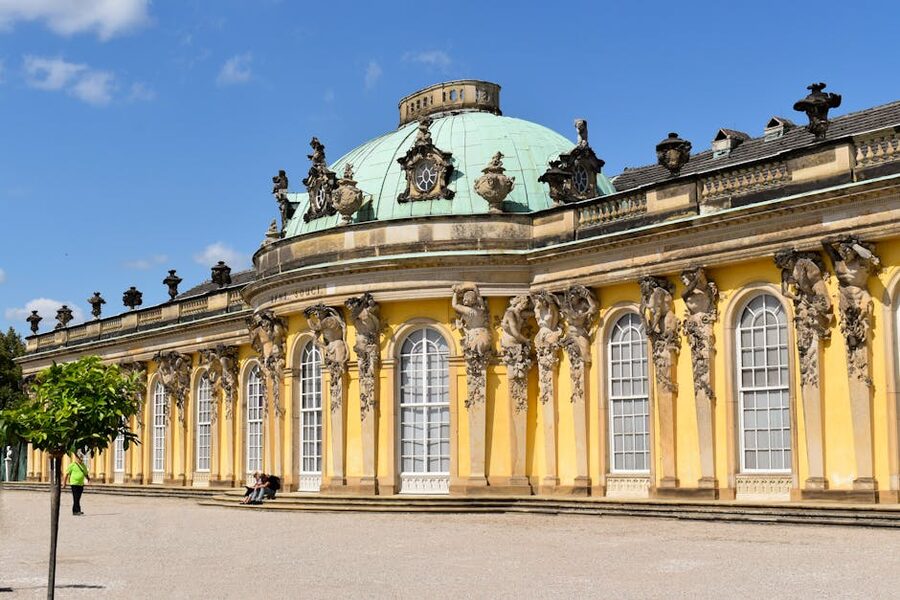
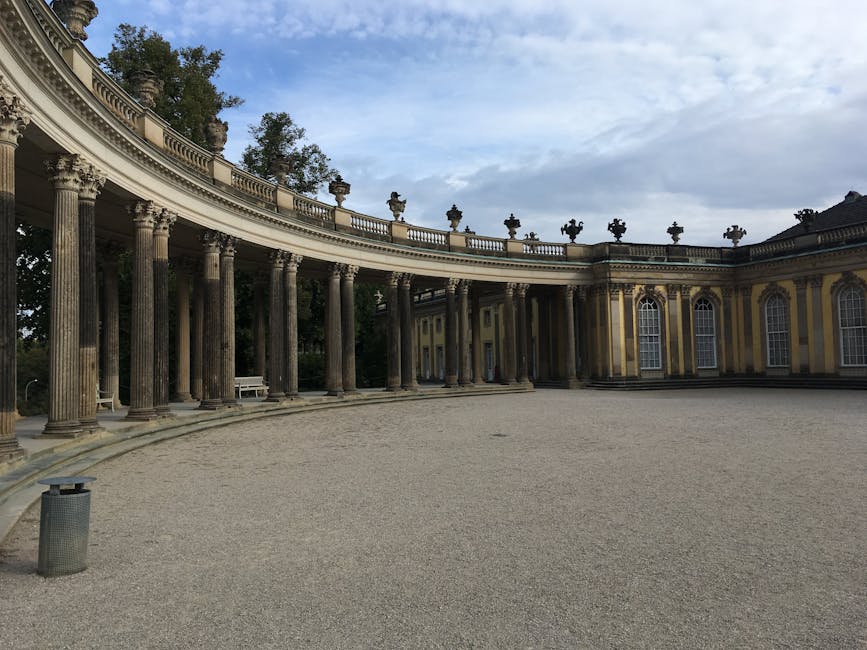
The palace itself is a one-hour visit at most. Twelve rooms, an audio guide, timed slots that fill up in summer, and you’re done. The park is the bigger commitment. From Sanssouci you can walk west through formal gardens to the Neues Palais, north to the Orangery and the Belvedere on Klausberg, or south to the Friedenskirche. Even at a brisk pace, doing the full sweep takes three hours.
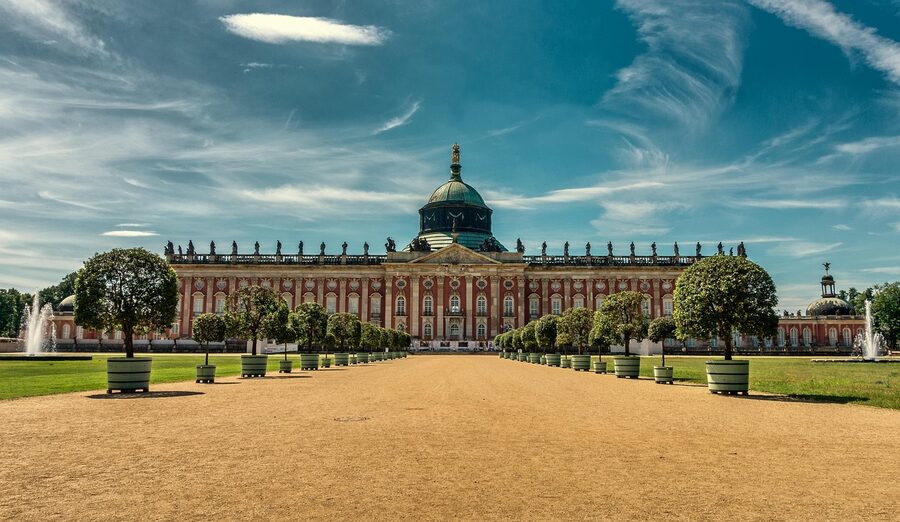
The honest truth is that Sanssouci Palace itself is less impressive inside than people expect. It was designed as a small, personal retreat. If you’re hoping for Versailles-scale rooms you’ll be underwhelmed. The grounds are where it earns the UNESCO listing.
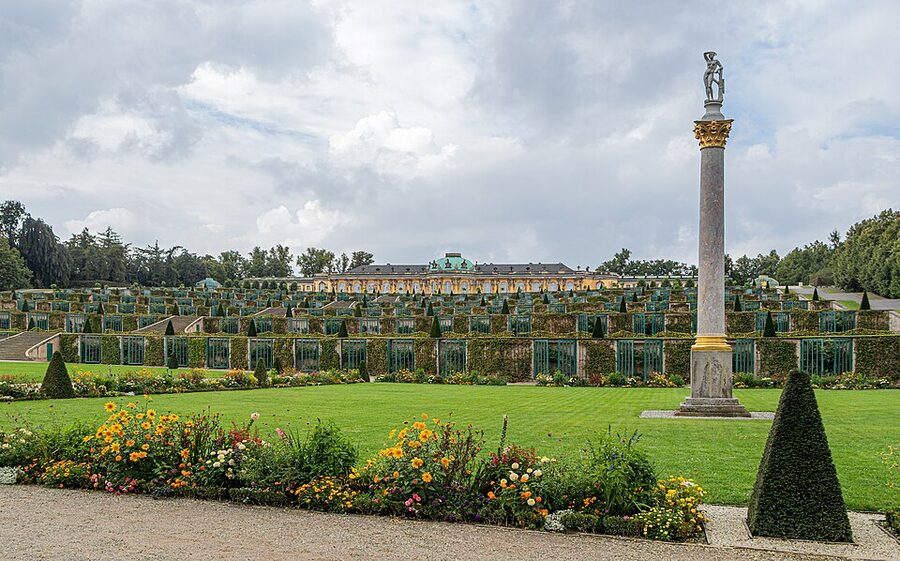
The Old Town and Dutch Quarter
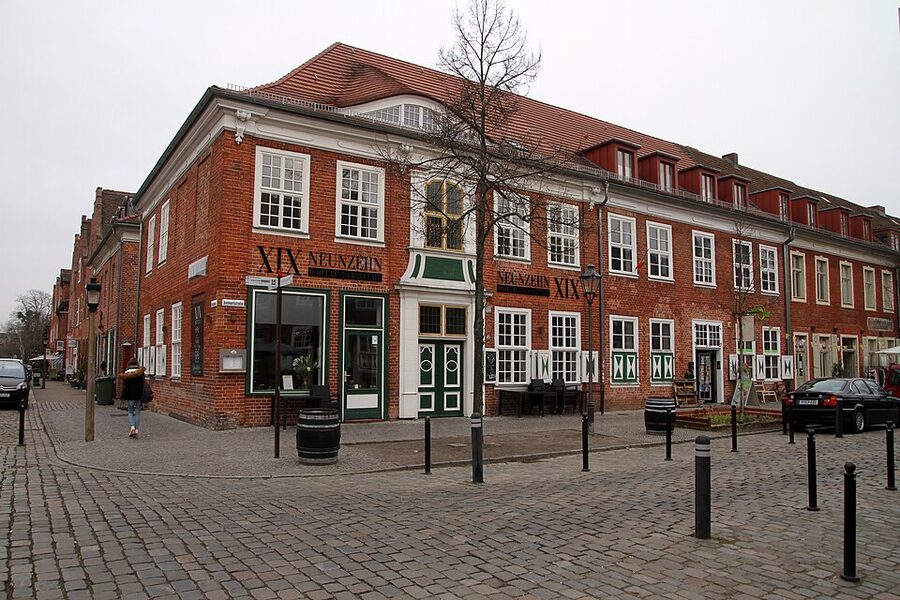
The Dutch Quarter is four streets of brick gabled houses that look transplanted from Amsterdam. It’s the most photographed part of Potsdam after Sanssouci, and it’s a fifteen-minute walk from the train station. Most of the houses now hold cafes, boutiques, and small galleries. If you walk through too fast you’ll miss it; the courtyards behind the gabled facades are sometimes accessible if a door’s been left propped open.
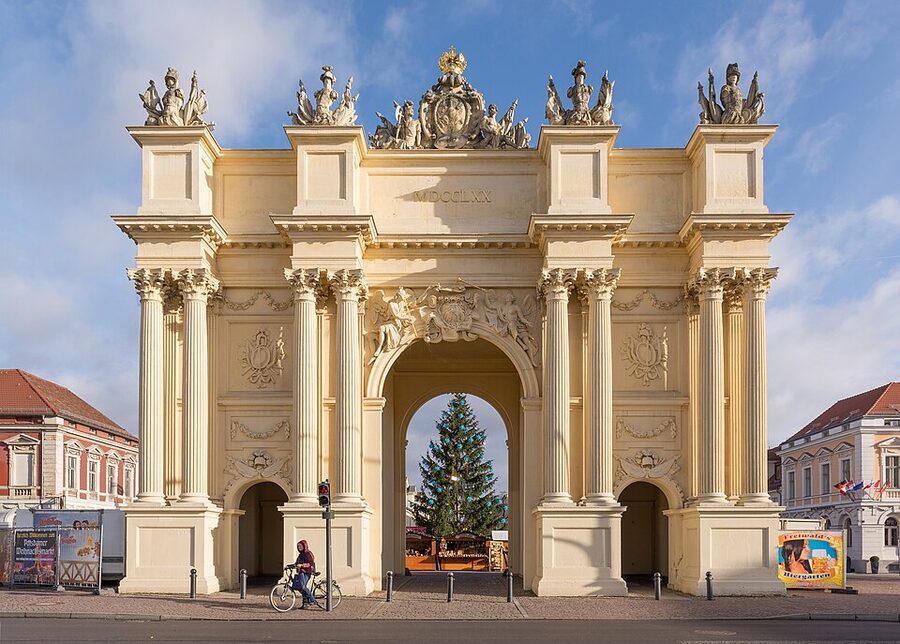
The two halves of the old town are connected by Brandenburger Strasse, a pedestrian shopping street that runs from the Brandenburg Gate east towards the Dutch Quarter. It’s a pleasant fifteen-minute stroll with bakeries and cafes either side, and it’s the simplest way to walk between the two main old town areas without checking a map.
Cecilienhof and the Bridge of Spies
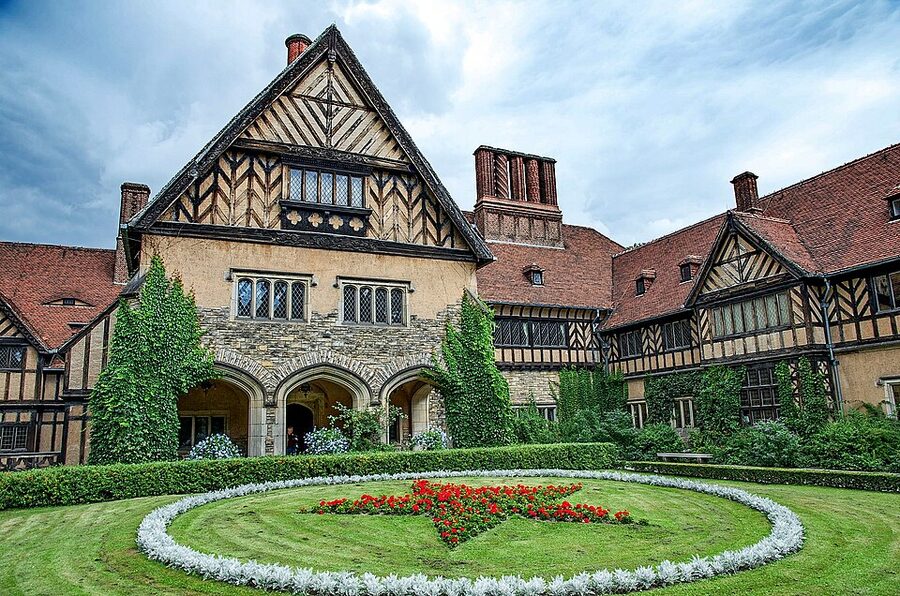
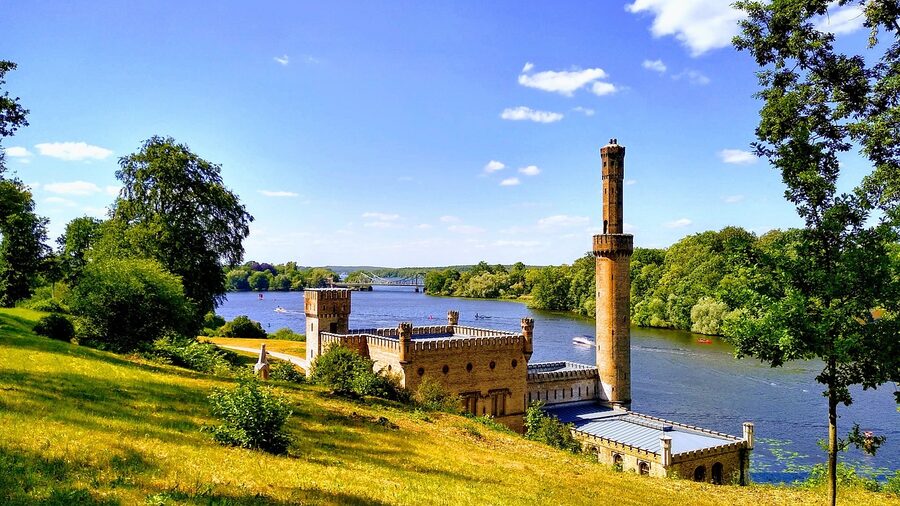
If your interest is twentieth-century history rather than Prussian palaces, point the day at Cecilienhof and the Glienicke Bridge instead. They are on the north side of town, both walkable from the centre or reachable by tram 92 or 96. Most coach tours don’t include them. Most train day-trippers skip them. The result is they’re noticeably quieter than Sanssouci even in peak season.
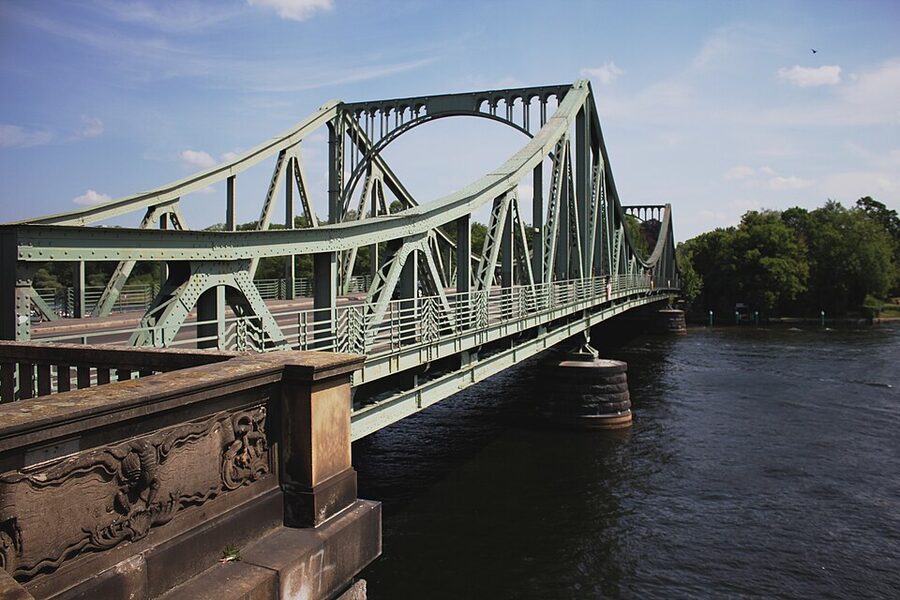
This is the bit of Potsdam that connects most directly to the Berlin you’ve just come from. If you’ve already done a Third Reich walking tour in central Berlin or visited Sachsenhausen concentration camp, the Cecilienhof story extends that timeline by another decade and the Glienicke Bridge extends it through the Cold War. Doing all three over different days gives you the closest thing Berlin has to a continuous twentieth-century history walk.
The Lesser-Visited Bits
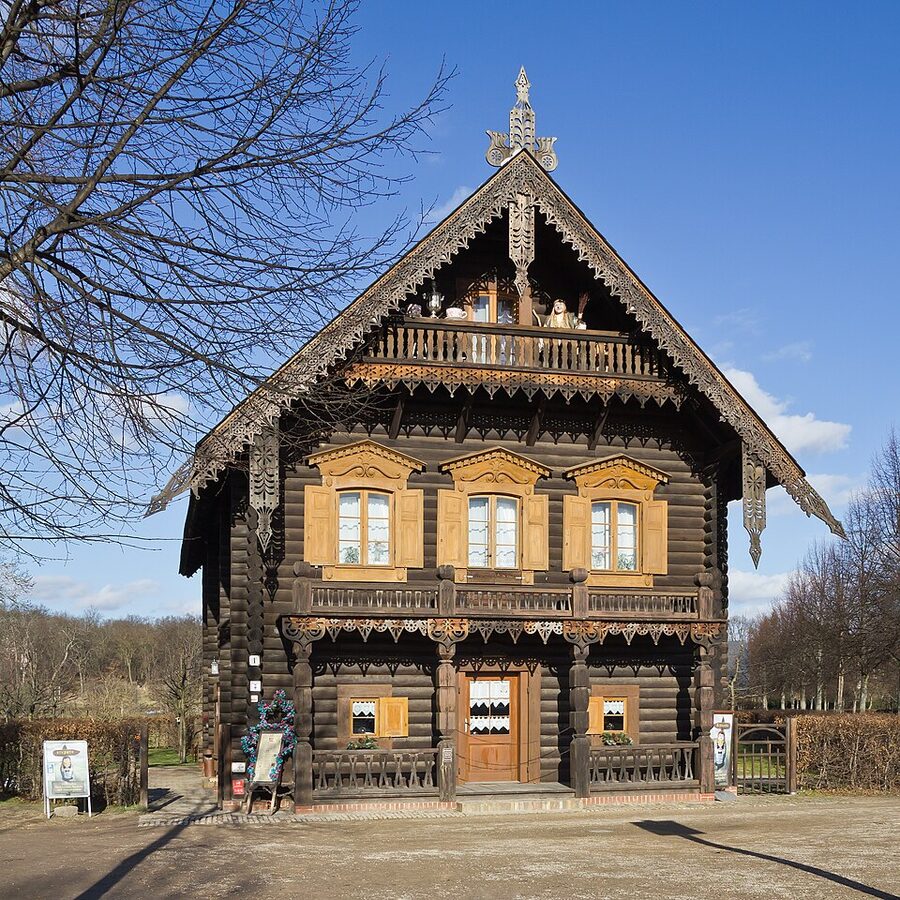
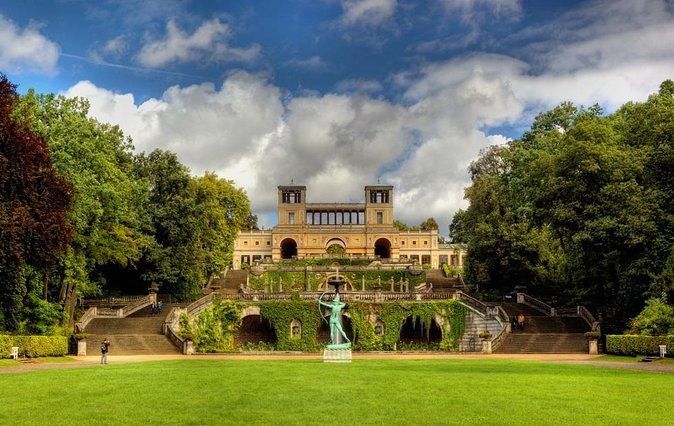
Two stops most day-trippers miss. Alexandrowka, the Russian colony, sits between the Dutch Quarter and Cecilienhof and adds about thirty minutes to your day. The Belvedere on Pfingstberg is a hilltop folly fifteen minutes uphill from there, with the best free view in town if the towers are open.
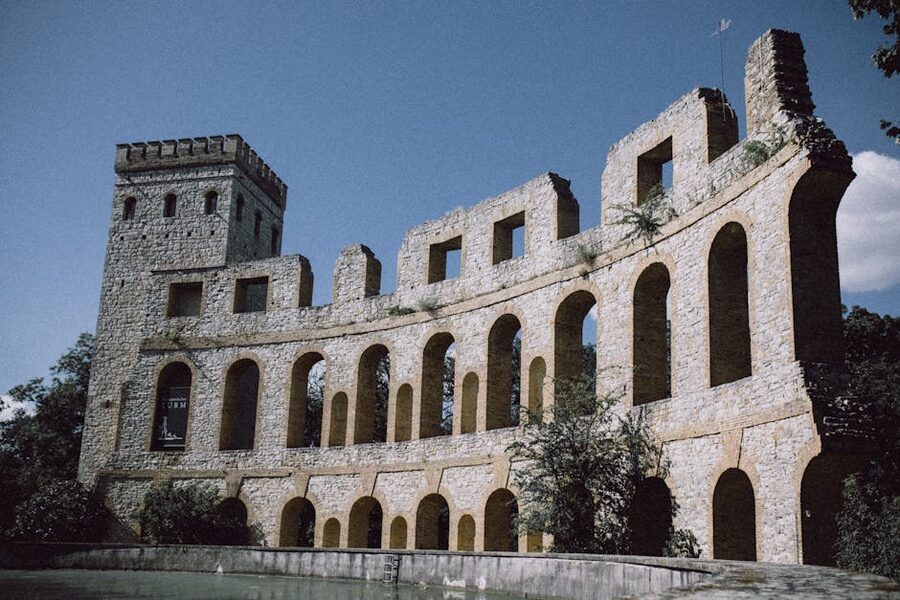
None of these need bookings. They’re cash-on-the-day or free, and they’re the bits where you can outpace the coach groups. If you’ve gone with one of the train-based options above, this is where the day suddenly feels like it was worth the early start.
Practical Day Logistics
A few things I wish someone had told me the first time I did this trip.
Start before nine. The S7 runs every ten minutes from early morning. Catching one at 8:30am gets you to Potsdam Hauptbahnhof by 9:10. Sanssouci opens at 10am. That gives you forty minutes to walk over, buy a timed-entry slot, and be inside by 11.
Buy Sanssouci entry online. The palace caps daily visitors and timed slots sell out by mid-morning in summer. The Sanssouci+ pass at tickets.spsg.de covers Sanssouci, Neues Palais and most of the other park buildings for one price; cheaper than buying them all individually. If you’ve booked a coach tour with entry, this is already done for you.
Forget driving. Berlin to Potsdam by car is forty minutes if there’s no traffic and ninety in rush hour. Parking near Sanssouci is constrained and expensive. The S-Bahn is faster, cheaper, and dumps you closer to the old town.
Eat in the Dutch Quarter. Restaurants near Sanssouci are aimed at coach groups and priced accordingly. Walk back to Mittelstrasse or Friedrich-Ebert-Strasse and you’ll find proper cafes with reasonable lunches. Cafe Guam on Hermann-Elflein-Strasse does what locals reckon is the best cheesecake in Brandenburg.
Don’t try to add Babelsberg. Babelsberg Park is on the eastern side of town, technically still in Potsdam, with its own palace and the famous film studios nearby. It’s worth a half day by itself but adding it to a Sanssouci day trip means you’ll do both badly. Save it for a second visit if you fall for the city.
Comparing It to the Other Day Trips From Berlin
Berlin has a handful of viable single-day round trips and Potsdam is one of the easier ones. Compared to Sachsenhausen, which is also reachable by S-Bahn but is a serious, sombre afternoon, Potsdam is the lighter option; you’re doing palaces and gardens rather than a concentration camp memorial. Some travellers actually pair them in opposite halves of the day, with morning at Sachsenhausen and an afternoon Potsdam cruise to decompress.
If you’ve already done a Spree boat tour through central Berlin and liked it, the Berlin-to-Potsdam cruise is the natural next step; same kind of vessel, longer route, more lakes and palaces. The two together make a coherent water-based view of the city’s history without ever changing transport.
And if your Berlin trip already includes a Berlin hop-on hop-off bus, treat Potsdam as the structural opposite: where the HOHO is built around being able to leave the route at any point, the Potsdam day trip is a single fixed loop, out and back. Doing one before the other gives you both modes of seeing the region.
If You’re Doing Other German Cities
The closest cousin to a Potsdam day trip elsewhere in Germany is the Heidelberg day trip from Frankfurt. Same shape: small historic town, big-name palace, long-ish train ride, the option of a coach tour that bundles entry. Potsdam is flatter, easier on the legs, and the palace is closer to the station. Heidelberg has the river castle and the older university feel. Pick one for whichever city you’re flying in to.
The other obvious comparison is the Rothenburg ob der Tauber day trip from Munich. Rothenburg is medieval where Potsdam is Prussian-baroque, and it’s a longer drive, but the day-trip rhythm is similar. If you find Potsdam’s gabled Dutch Quarter appealing, Rothenburg’s entirely walled medieval centre is the next thing to do. And from Munich’s other side, the Neuschwanstein day trip is the third in this series of “famous palace, day trip, complicated logistics” Germany experiences. Doing all three over a single Germany trip is more than most people manage but each one stands on its own.
If you decide a single day in Potsdam isn’t enough and you want to stay overnight to do the park properly, our Sanssouci booking guide covers the deeper Potsdam-stay version of this trip — twelve rooms inside the palace, the New Palace, the Orangery, the Chinese House, and the slower itinerary the day-trippers don’t get. And the other Saxon city worth a stop on a German trip is Leipzig: our Leipzig Night Watchman walking tour and Leipzig hop-on hop-off bus cover an entirely different German city — music, books, beer cellars, no royal palaces — and an ICE direct from Berlin reaches it in about 75 minutes.
Wrap-Up
Potsdam from Berlin is the easiest of Berlin’s day trips and one of the more rewarding. The S-Bahn ride is short, the contrast is sharp, the headline sight is genuine UNESCO material, and you can do it for under ten euros if you push it. The thing to decide before you book is what kind of day you want: slow and watery, structured and fast, or independent and on foot. The three options above cover all three.
If you’re still building out your Berlin itinerary, our guide to Berlin walking tours covers the central-city counterpart to this day, and the Reichstag dome guide walks through the one Berlin landmark you really do need to book ahead. Pair any of those with a Potsdam day and you’ve got a substantial Berlin trip without ever needing to drive.