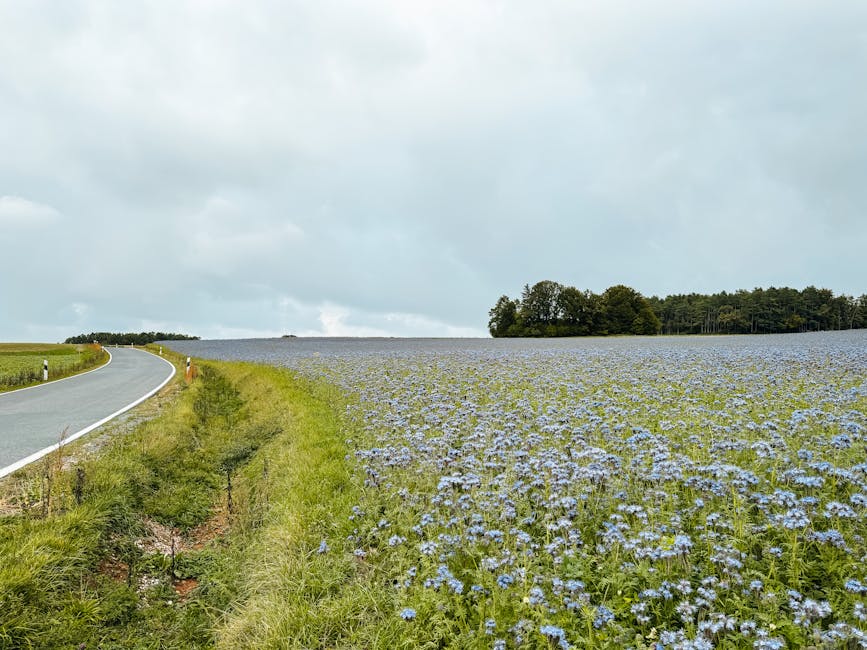
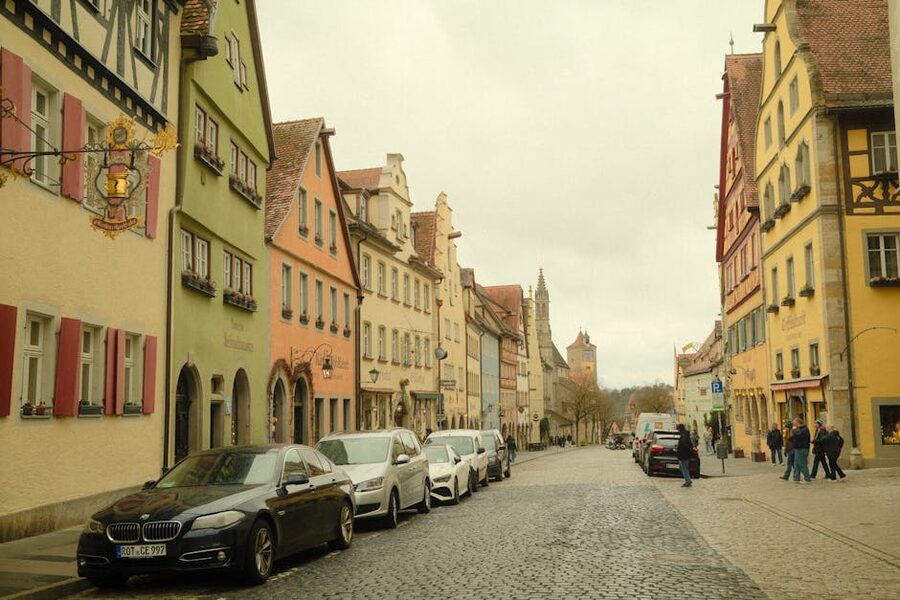
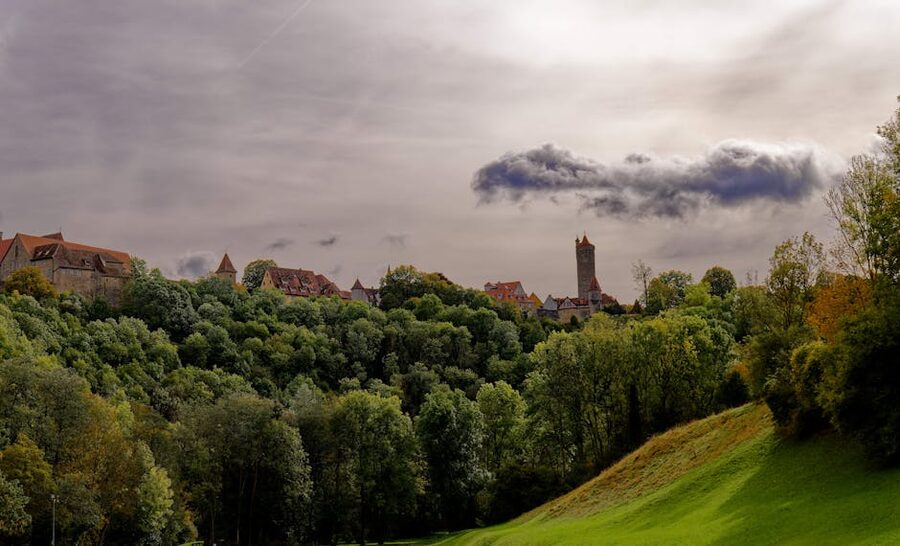
The bus rolled out of central Munich at 8:30 in the morning and I was already half asleep against the window, watching petrol stations give way to hop fields and red-tile rooftops. Three hours later we crested a small rise and there it was: a walled town the colour of old honey, sitting above the Tauber valley like nothing in the last 500 years had bothered it. That moment, when you first see Rothenburg from the road, is the reason you book this trip and not a museum ticket in Munich.
This guide covers exactly how the day works, what the three booking options actually deliver, and which one I would book if I were doing this tomorrow.
- In a Hurry?
- Why You Cannot Day-Trip Rothenburg from Munich on Your Own (Easily)
- What the Day Actually Looks Like
- Which Tour to Pick
- 1. Rothenburg and Romantic Road Day Trip by Bus from Munich:
- 2. Rothenburg and Nordlinger Ries Day Trip by Bus from Munich:
- 3. Romantic Road, Rothenburg and Harburg Day Tour from Munich:
- What to Actually Do With Your Free Time
- The Plonlein Corner
- Walk the Town Wall
- The Marktplatz and the Town Hall Tower Climb
- St. Jakob Church and the Riemenschneider Altar
- The Burggarten
- Lunch and the Schneeballen Question
- How the Romantic Road Came to Be
- Best Time of Year to Go
- Practical Booking Tips
- What If You Want to Stay Overnight?
- What This Pairs Well With From Munich
In a Hurry?
Most popular bus day trip: Rothenburg + Romantic Road by Bus from Munich around $90, 10.5 hours, the all-rounder.
Best small-town pairing: Rothenburg + Nordlingen Day Trip by Bus around $70, the same Rothenburg time plus a meteor-crater town most travellers skip.
Smaller groups, more castle: Romantic Road, Rothenburg and Harburg Day Tour around $95, 11 hours, includes a guided Harburg Castle visit.
Why You Cannot Day-Trip Rothenburg from Munich on Your Own (Easily)
This is the part nobody tells you up front. Rothenburg is not on a fast train line. Going by rail from Munich you have to change twice, usually at Treuchtlingen and Steinach, and the whole trip is about three hours each way if everything connects. By car it is about 230 km on the autobahn, around 2.5 to 3 hours depending on traffic.
So a DIY day trip eats up six hours minimum in transit and you still need parking inside the walled town (you cannot, the old town is mostly pedestrianised) or to walk in from the P1 lot. By the time you arrive you have maybe four good hours on the ground.
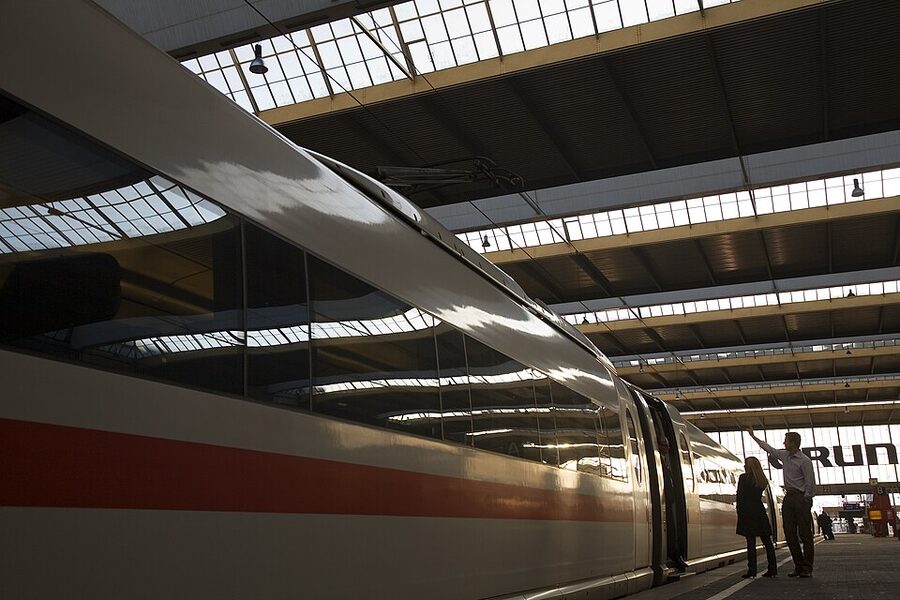
The bus tours leave around 8:30am and get you back to Munich around 7pm. They give you roughly three to four hours in Rothenburg itself, plus stops at one or two other Romantic Road towns along the way. The math works out almost exactly the same in time on the ground, but you skip every connection panic and you get a guide who knows where the photo spots are.
What the Day Actually Looks Like
All three tours run the same general arc. Pickup is in central Munich, usually near Karlsplatz or at the Hauptbahnhof. You drive northwest into Bavaria, through farmland and small towns, with one stop somewhere along the way. Around 11am or noon you arrive at Rothenburg.
You then have a guided walking introduction (usually 45 minutes to an hour) covering the Marktplatz, the town hall, the Plonlein corner, and a stretch of the wall. After that you are on your own for two to three hours. Lunch, the Christmas museum, the wall walk, a Schneeballen at one of the bakeries. The bus departs Rothenburg around 3 or 3:30pm, makes one more stop at a second town, and rolls back into Munich in the early evening.
Which Tour to Pick
1. Rothenburg and Romantic Road Day Trip by Bus from Munich: $90
This is the one I would book first. The route pairs Rothenburg with a short stop at Harburg Castle on the way back, which is a fairy-tale hilltop fortress most coach tours skip. Our full review covers the meeting-point logistics and what the lunch options inside the walls actually look like. The guides on this run get specifically named in feedback, which is rare. If you only book one Munich day trip and you want the safe option, this is it.
2. Rothenburg and Nordlinger Ries Day Trip by Bus from Munich: $70
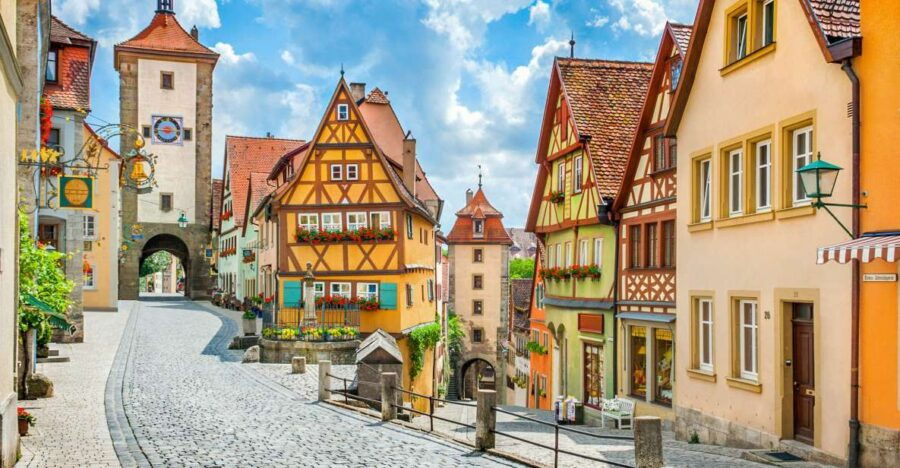
Nordlingen is the catch on this one. It is a 14th-century town built inside the rim of an actual meteor impact crater (the Ries) and its whole Daniel tower viewpoint is unique among Romantic Road stops. Our review of this tour goes into the geology bit, which sounds dry on paper but is actually a great kid-friendly hook. Pick this one if you have already done a German castle and want something different on the second stop.
3. Romantic Road, Rothenburg and Harburg Day Tour from Munich: $95
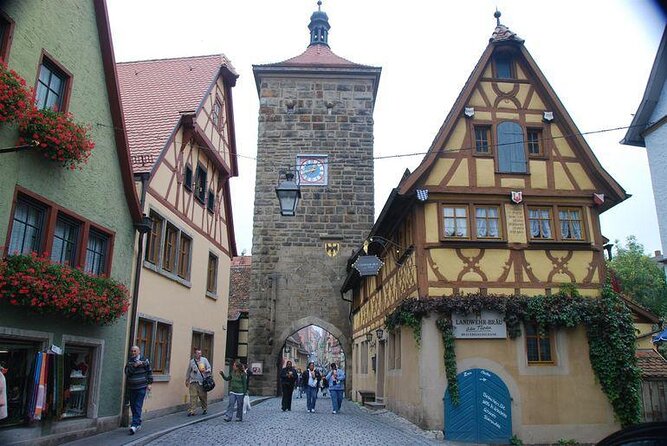
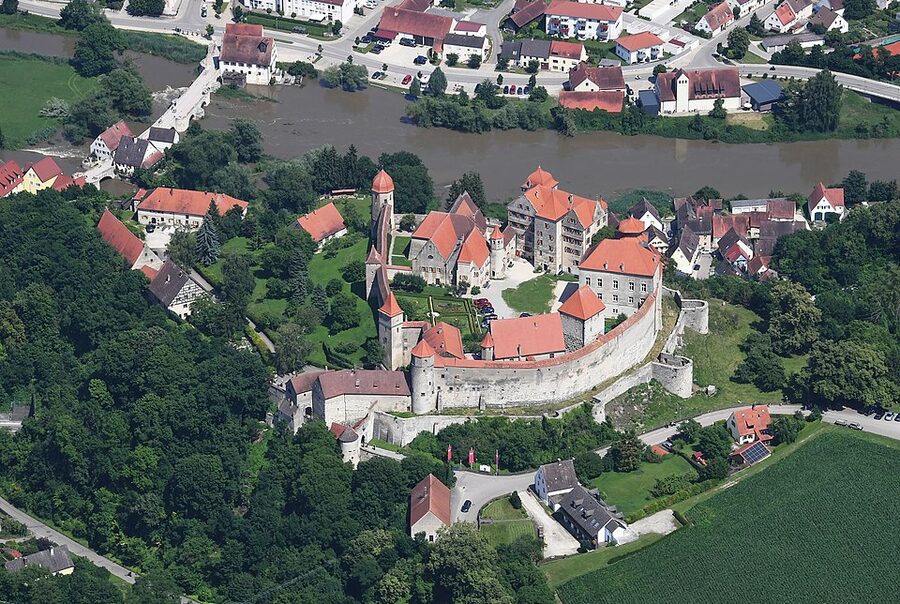
This is the pick if you want the castle properly, not just a window glimpse. Harburg sat untouched through World War II and is one of the largest medieval castle complexes in Germany still in original condition. The full breakdown of this tour covers the timing on Harburg specifically and how much of Rothenburg you actually get. Slightly pricier than the GetYourGuide options, but the included castle entry usually offsets that.
What to Actually Do With Your Free Time
You get roughly three hours on the ground. Here is the honest priority list.
The Plonlein Corner
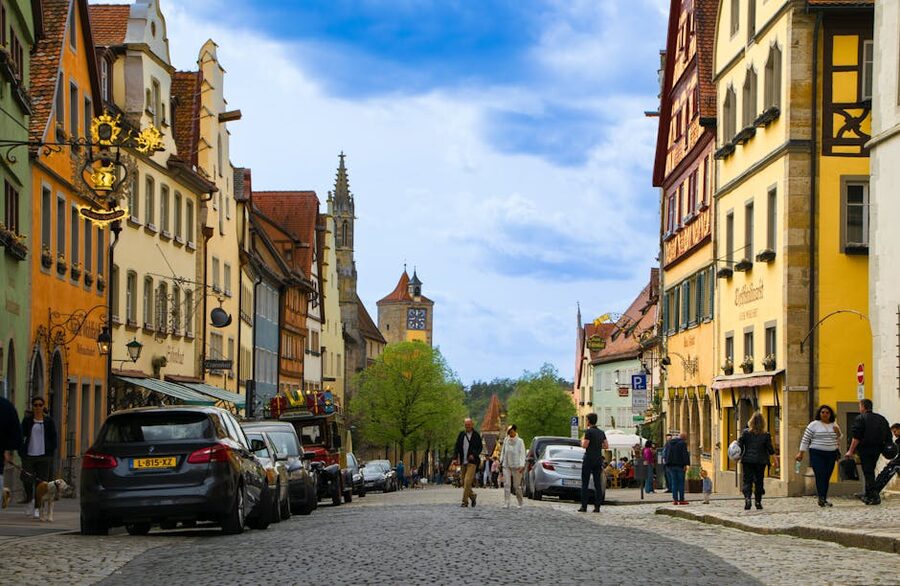
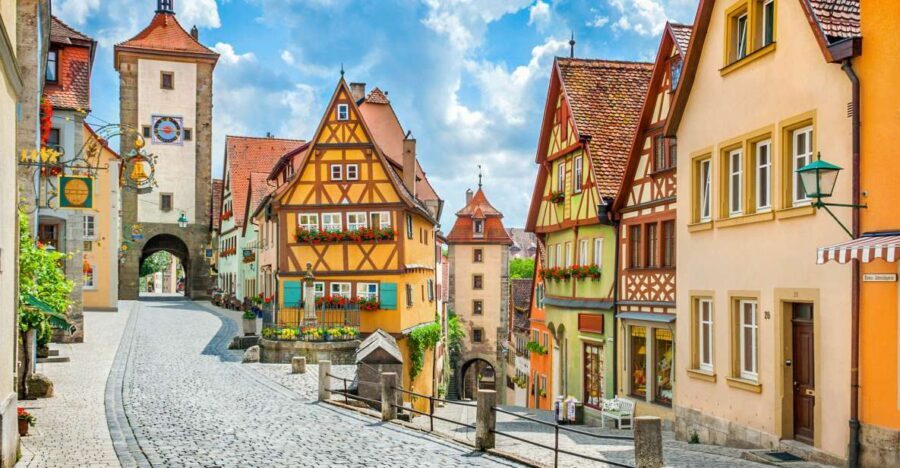
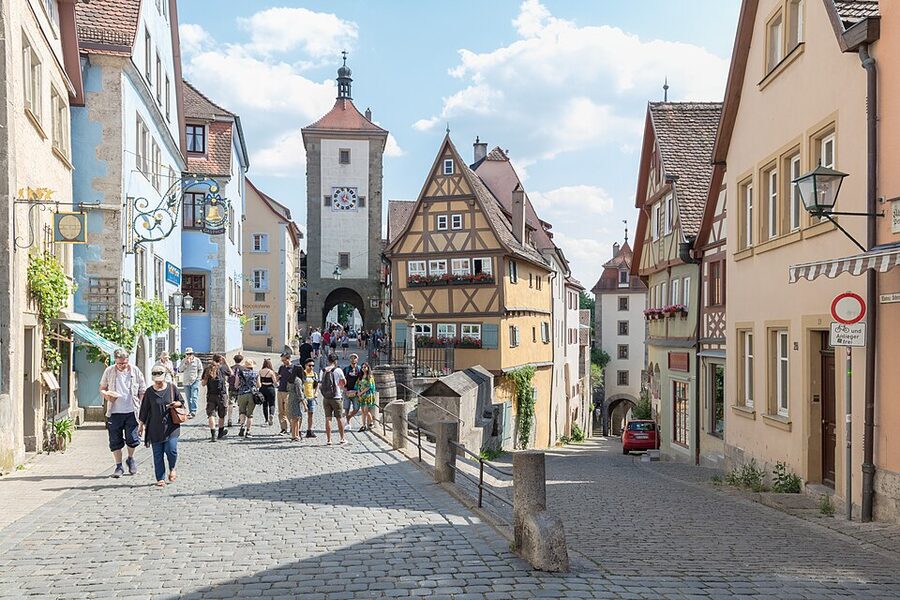
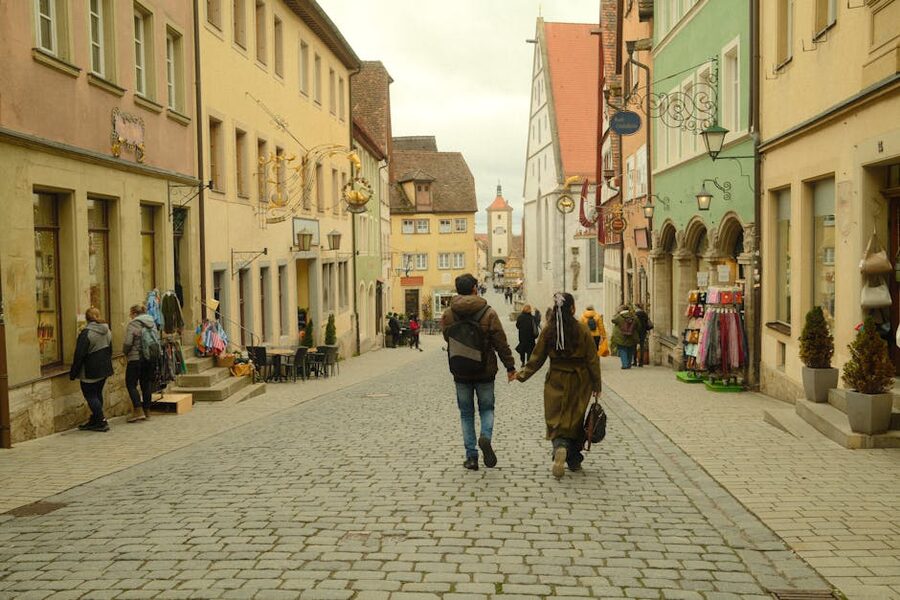
Walk this first because every coach tour walks it second. Plonlein is the fork in the road with the yellow half-timbered house and the two towers behind it. It is the photo on every postcard and travel brochure ever printed about this town. The trick is to be there before the 11am buses arrive, or at lunchtime when the first wave has gone to eat.
Walk the Town Wall
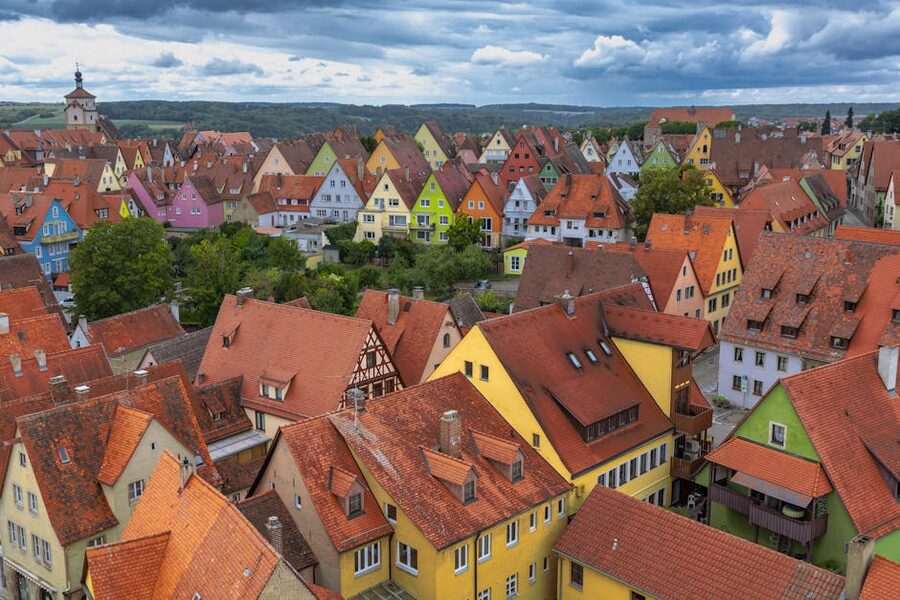
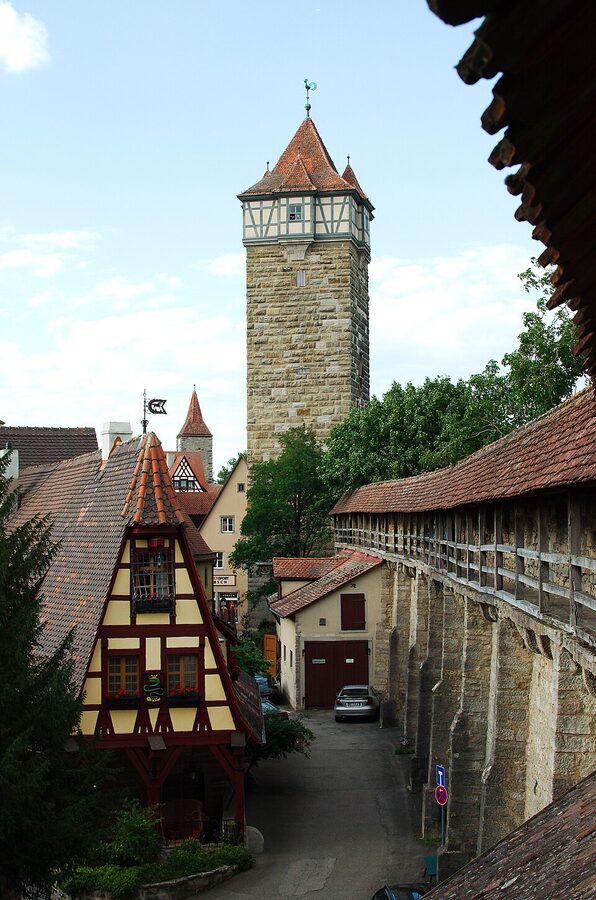
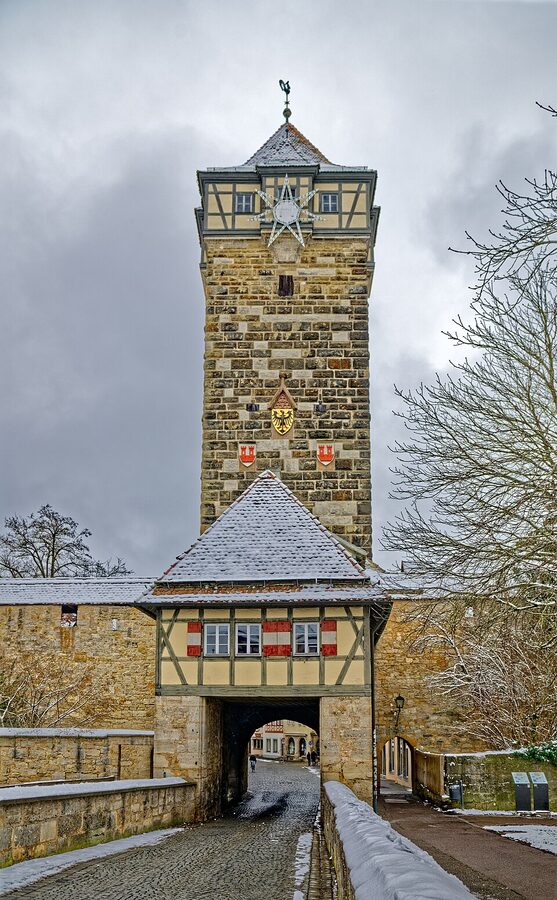
This is the thing most day-trippers miss and it is genuinely the best thing here. Rothenburg has a complete medieval wall around the old town, and most of the upper walkway is open to the public for free. You climb up at one of the gate towers (Rodertor or Spitaltor are the easiest) and walk along the covered ramparts looking out over the rooftops.
It takes about an hour to do the whole circuit and you can drop down at any tower if you run out of time. This is the section you cannot photograph well from the ground. The views over the red rooftops are what you came for.
The Marktplatz and the Town Hall Tower Climb
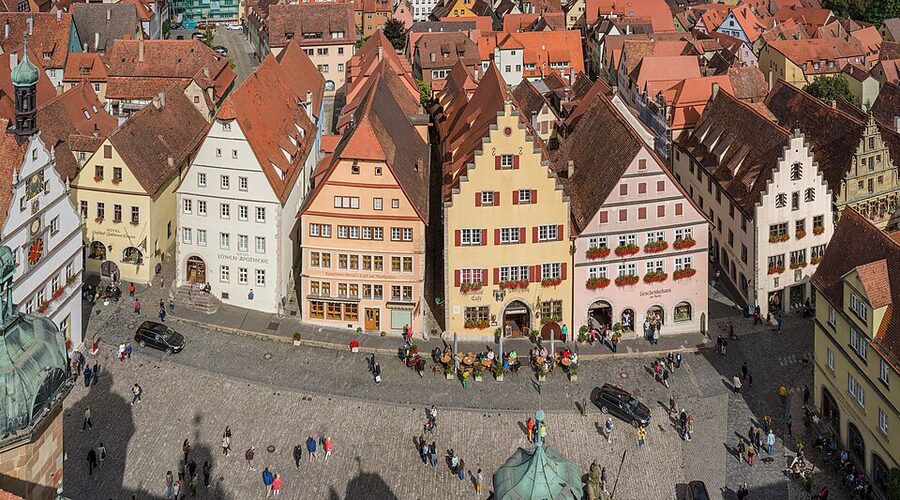
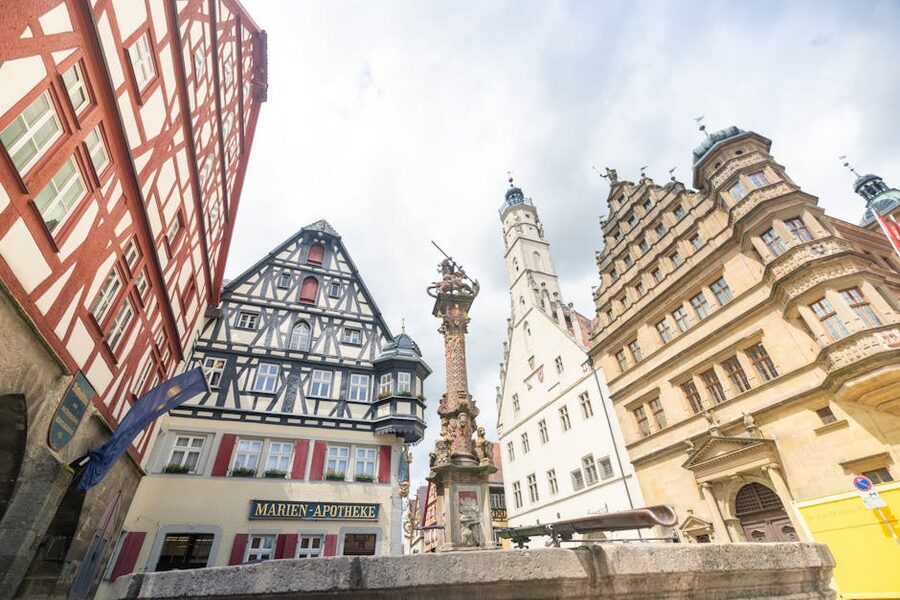
The Marktplatz is the central square. The town hall tower (Rathausturm) lets you climb to the top for around 2.50 euro. The staircase is genuinely tight at the top, narrow stone steps and a tiny final ladder. If you are claustrophobic skip it. If you are not, the panoramic shot of the rooftops from up there is the best in town.
St. Jakob Church and the Riemenschneider Altar
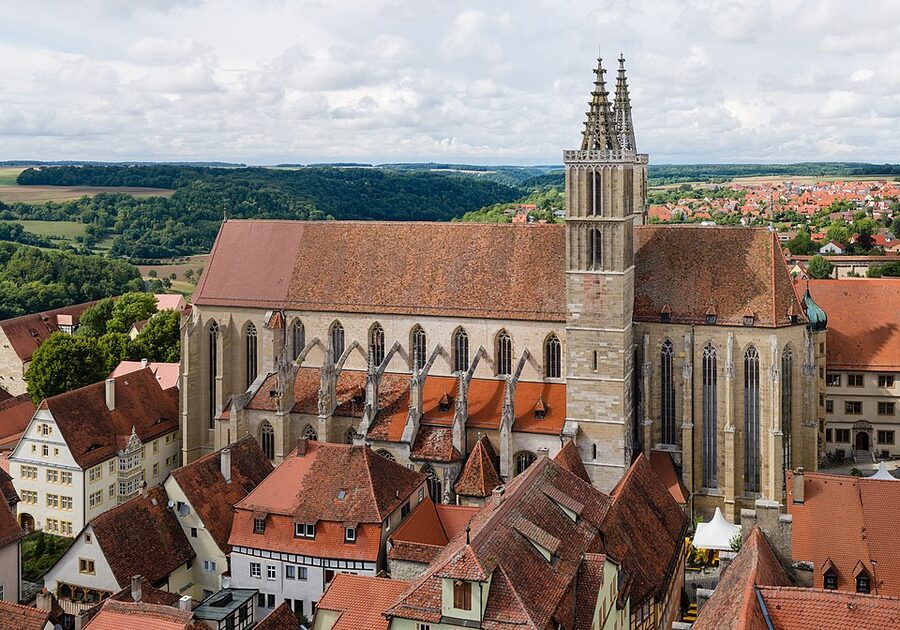
If you have any interest in late medieval art, the Holy Blood Altar inside St. Jakob Church is worth the small entry fee. It was carved by Tilman Riemenschneider in the 1500s and is one of the most important wood altars in Germany. Most coach tours do not bring you in. The church is a five-minute walk north of the Marktplatz.
The Burggarten
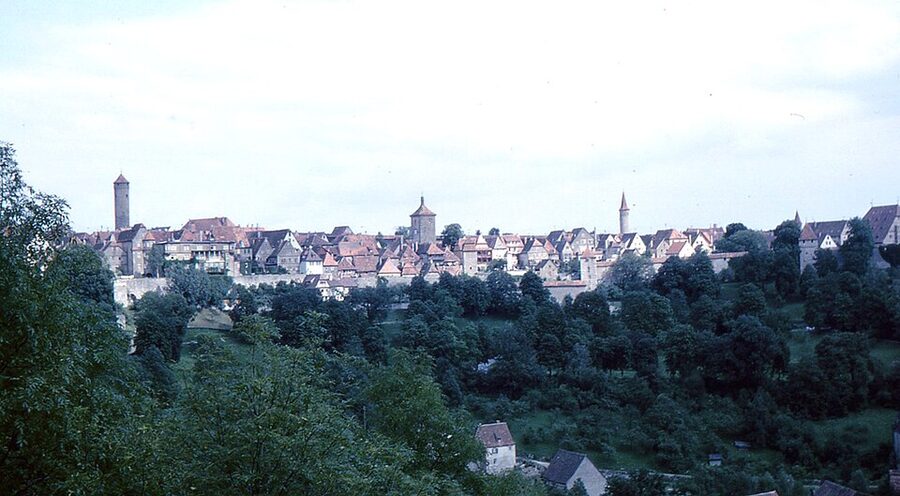
If your time is tight, this is the one I would prioritise after the wall walk. The Burggarten is the public garden on the western edge of the old town, on the site of the medieval castle that used to stand there before it was destroyed by an earthquake in 1356. You walk through a tower gate and out onto a long park terrace overlooking the Tauber valley. The view back up at the town from the garden is the angle most photo guides forget.
Lunch and the Schneeballen Question
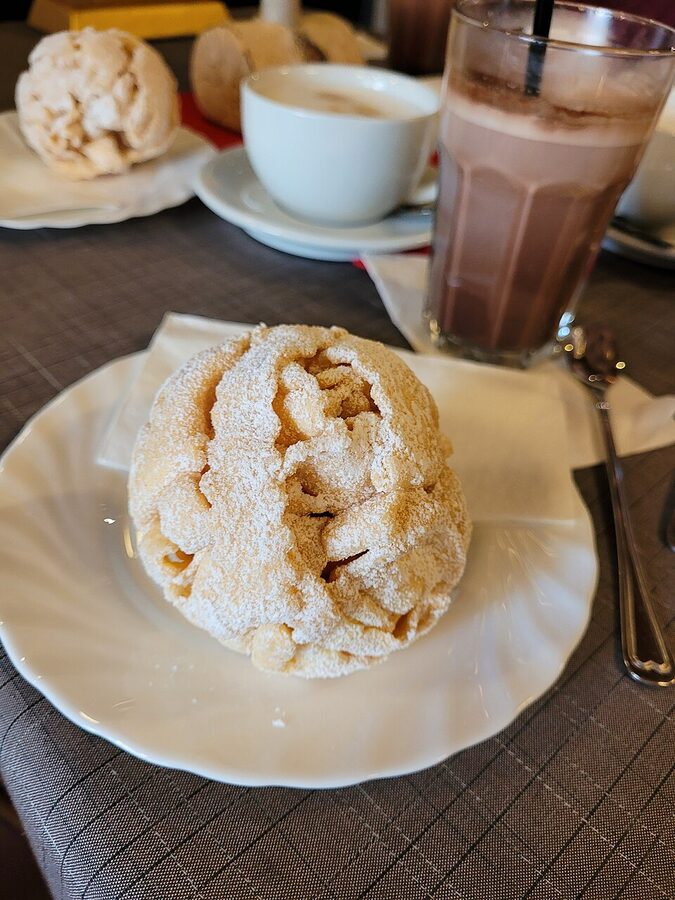
You are going to see Schneeballen everywhere. They are baseball-sized balls of fried pastry rolled in powdered sugar, chocolate, or marzipan, and they are the local speciality. Honest take: the original is dense and dry, more of a novelty than a great pastry. Try one. Do not buy a tin to take home.
For actual lunch, the gravel-courtyard Biergartens behind the Marktplatz are your best bet for a quick Bavarian meal. Schweinshaxe (pork knuckle) and a stein for around 15 to 18 euro will take 45 minutes including ordering. If you only have an hour and want something fast, the Wurst stands by the wall do a respectable bratwurst on a roll for 4 euro.
How the Romantic Road Came to Be
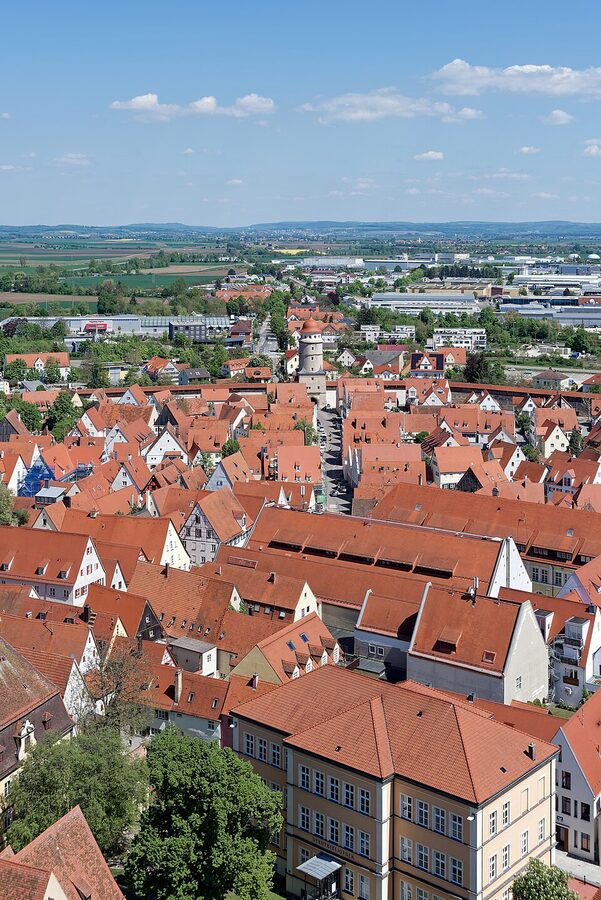
Rothenburg has been a “preserved medieval town” since the late 1800s, when local laws explicitly froze the architectural style after a wave of admiring artists put it on the map. The Romantic Road itself, the Romantische Strasse, is a marketing route invented in 1950 by a Bavarian tourism office to link a string of pretty Franconian and Bavarian towns into a single drivable arc. Rothenburg sits roughly in the middle.
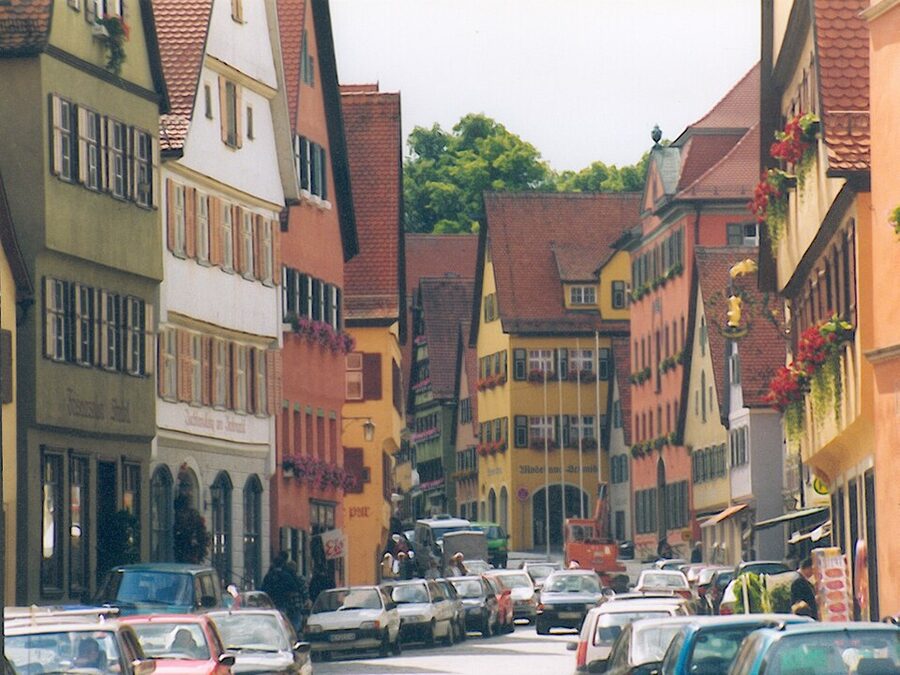
The reason all this matters: the towns on the route, including Dinkelsbuhl and Nordlingen, were on the edge of a deliberate post-war preservation push. They are not “untouched”. They are heavily managed. That is a feature, not a flaw. It means the half-timbered facade you are photographing is genuinely either original or rebuilt to the original drawings.
Best Time of Year to Go
Late spring (May, early June) and early autumn (September, first half of October) are the best windows. Summer is hot and crowded. Coach loads of cruise passengers from European river boats peak in July and August.
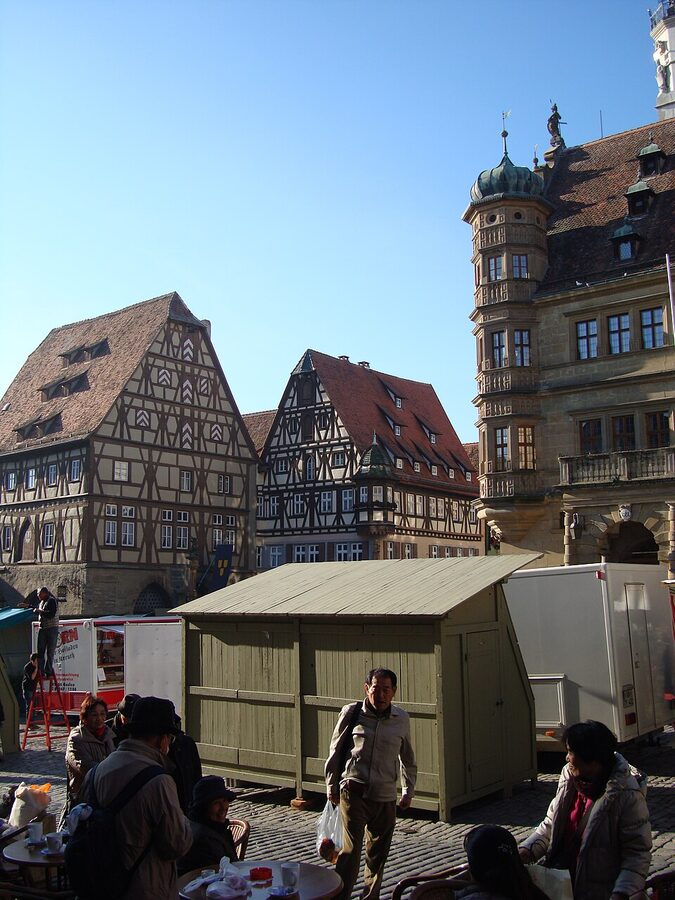
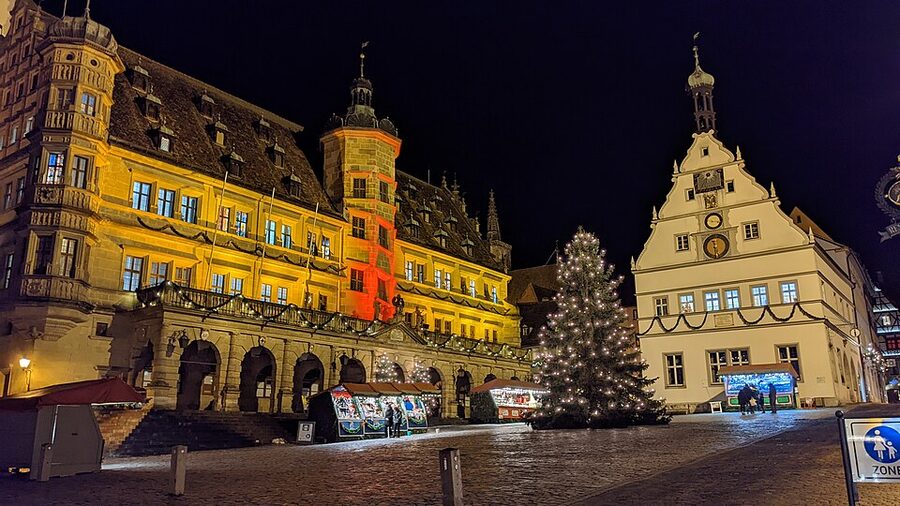
Winter is its own thing. The Reiterlesmarkt Christmas market runs from late November to just before Christmas Eve, and the town leans hard into it. Wooden stalls fill the Marktplatz, the Christmas museum next door becomes the headline attraction, and the lighting after dark is genuinely beautiful. The catch is that the day-trip buses run on a slimmer schedule in December and the daylight is short. You arrive around noon, you have light until 4pm, then it is dark and freezing and you are still two hours from leaving.
Practical Booking Tips
Book at least three days out. The bus trips genuinely sell out in shoulder season, and the day-of cancellation rate looks lower than other Munich tours. If you are travelling between May and October, lock the date in.
Bring a printed voucher or PDF copy. The pickup-point staff sometimes do not have list access on the curbside and a paper copy speeds you on. Mobile reception in central Munich is fine, this is more about the rare app crash.
The pickup is not always the same as the meeting point. Read the small print on whichever booking you make. The GetYourGuide bus departs near Karlsplatz/Stachus. The Viator tour leaves from a slightly different curb. Walking ten minutes to the wrong corner is the most common day-of mistake.
Cash for Schneeballen and the wall donations. The bakeries take cards, but the small church donations and the tower entry fee at the Rathausturm are still cash-only in many cases. 20 euro in coins and small notes covers the day.
The bus has a toilet, but use the Munich Hauptbahnhof one before you board. The bus toilet is small and the line on a full coach is long. There is one rest stop midway, usually at a service area.
What If You Want to Stay Overnight?
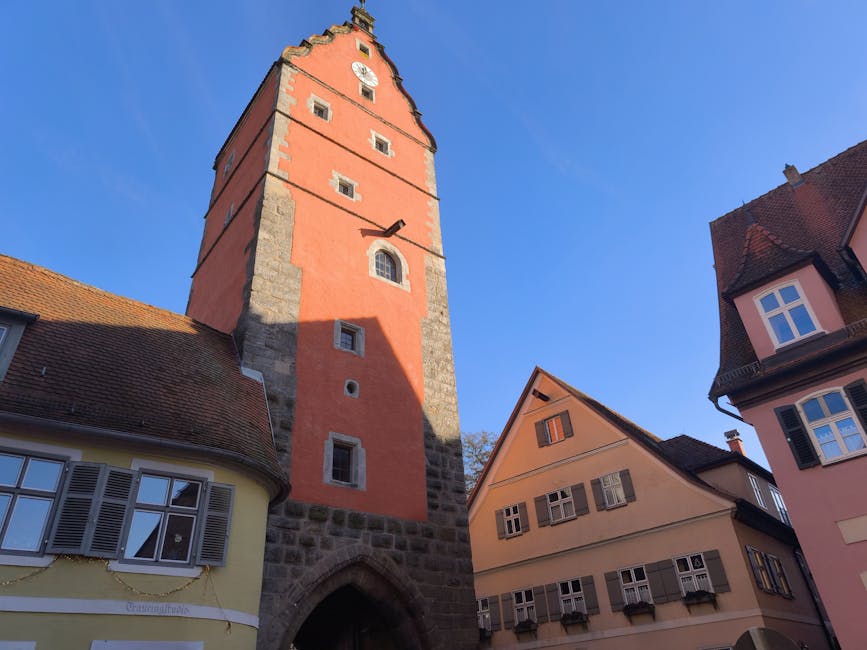
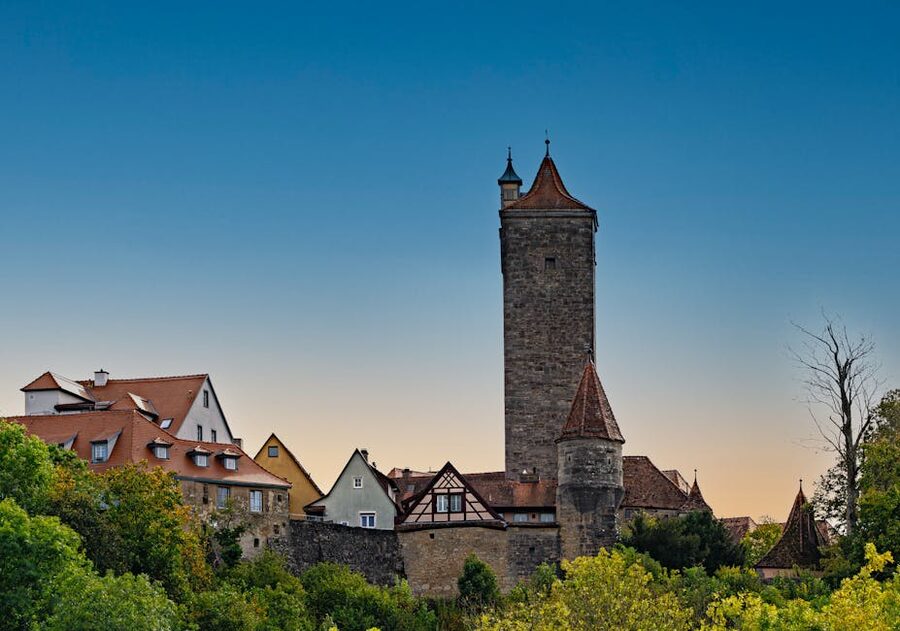
Honest answer: most travellers do not need to. Three to four hours covers the headline sights. The case for an overnight is the evening light. After 5pm the day-trip buses leave and the town returns to its 2,000 residents. The Plonlein and the Marktplatz at sunset, with no other tourists in frame, are an entirely different experience.
If you do stay, the trains back to Munich on weekends finish around 9pm. So if you are going overnight, sleep in Rothenburg itself, not in a satellite town, or you will burn the morning getting back to a connection.
What This Pairs Well With From Munich
If Rothenburg is one item on a Munich day-trip list, the natural companions are Neuschwanstein for the castle picture you also came to Bavaria for, and Dachau for the unflinching counterweight. Pair Rothenburg with Neuschwanstein on different days, never the same one. Both involve about three hours of road in each direction and you will burn out trying to do both.
Inside Munich itself, leave a half-day for an old town walking tour. Our walking-tour guide covers what gets cut from the day-trip Munich pickup window, and the Third Reich walking tour covers the layer of history a Romantic Road day deliberately does not touch. The contrast between Rothenburg’s preserved postcard medievalism and Munich’s harder modern history is the actual story of Bavaria, and you only get it by doing both.
If you have a fourth day, the cleanest substitute for Rothenburg is Salzburg as a day trip. Different country, different scale, faster train. It pairs with Rothenburg as well as anything because they are opposite ends of the spectrum: Salzburg is dense baroque city centre, Rothenburg is small medieval-walled town.
And if you have already done Munich top to bottom, the Bavarian sibling cities are worth a half-day each. Nuremberg’s old town is the bigger, more lived-in cousin of Rothenburg, an hour by train and easier as a self-guided morning. The Munich hop-on hop-off bus covers the city itself if you are saving energy for the Rothenburg trip. And whatever else fills the trip, build in an evening for the Munich beer halls, which is where the rest of Bavaria comes home — the same Schneeballen-and-pretzel food culture you ate in Rothenburg, served loud and late in the city version.