
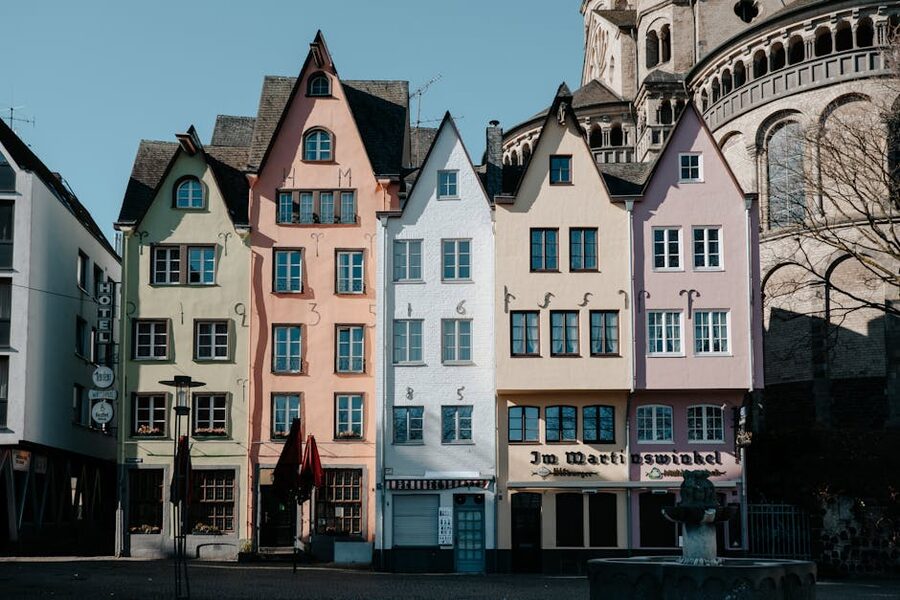
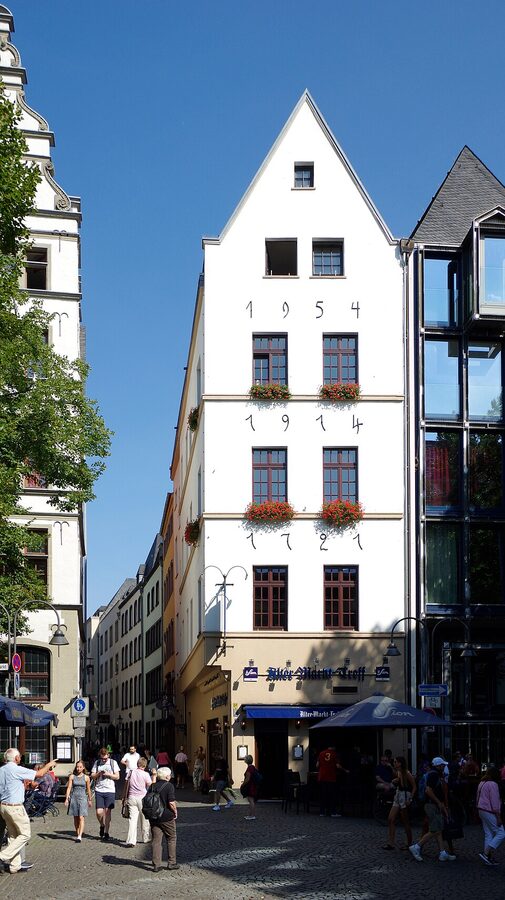
You walk into Alter Markt 36-42 from a square full of trams, smartphones, ice-cream queues, and gull noise off the Rhine. Forty minutes later you walk back out of the same door, except your last memory is a horse-drawn coach pulling away from a side street that no longer exists, and the sound of carnival bells from 1926. The contrast does odd things to your eyes.
That gap is what you are paying for at TimeRide Cologne. The 45-minute SENSEUM experience is the headline product on the booking platforms, with a 90-minute outdoor walking version for people who want to see the contrast at the actual street corners. Here is how the bookings stack up.
In a Hurry?
Three TimeRide Cologne bookings worth your euros, in plain order of how often I would recommend them:
- Cologne Virtual Reality Time Travel Experience, about $26. The default 45-minute SENSEUM tour. Three rooms, one streetcar ride through 1926, mixed-age groups, easy walk-up if you live nearby.
- Cologne TimeRide VR Time Travel Experience Ticket, about $23. The same SENSEUM run as above, slightly cheaper on the Klook-style listing. Pick this one if it shows your preferred slot first.
- Cologne Old Town Virtual Reality Walking Tour, about $38 for 90 minutes. Outdoor TimeRide GO! version. You walk the real Old Town with a guide and lift the headset at seven stops. The one to book if you have already done the indoor experience.
- In a Hurry?
- The 1926 Contrast: Why This City Has VR in the First Place
- What You Actually Do Inside TimeRide Cologne
- Tickets and Booking: SENSEUM vs GO! vs Specials
- Where TimeRide Actually Is, and the Practical Bits
- Three Tours Worth Booking, Ranked by What I Would Pay For
- 1. Cologne Virtual Reality Time Travel Experience:
- 2. Cologne TimeRide VR Time Travel Experience:
- 3. Cologne Old Town Virtual Reality Walking Tour:
- How TimeRide Compares to a Normal Old Town Walk
- Pairing TimeRide With the Rest of Cologne
- Practical Tips That Reviews Skip
- If You Have Already Done VR Time Travel in Another German City
- Booking the Right Slot
- What to Do Right Afterwards
The 1926 Contrast: Why This City Has VR in the First Place
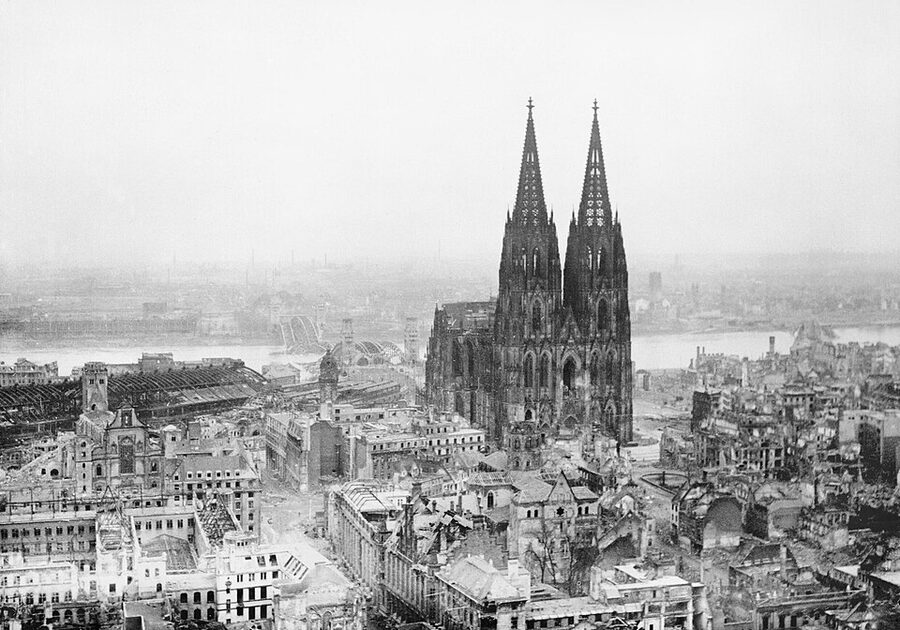
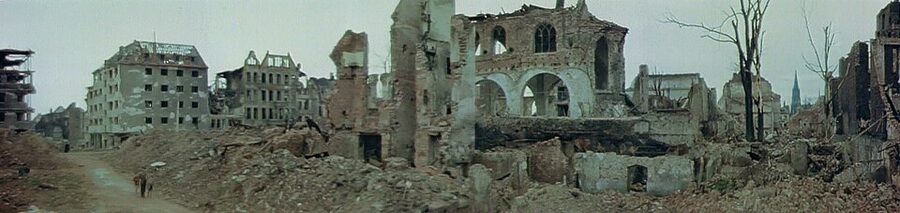
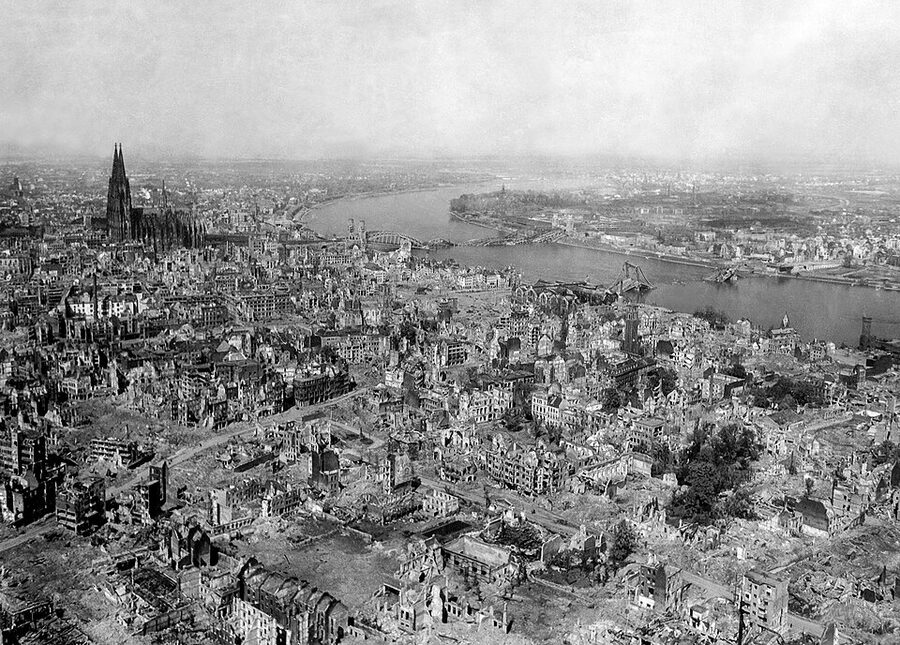
Cologne lost roughly 90 percent of its medieval old town to Allied bombing between 1942 and 1945. The Dom you see today is the same Dom that was here in 1248, but the surrounding street pattern was rebuilt in the 1950s with newer materials, simpler facades, and wider roads for trams and cars. Most of the prettiest “old” buildings in the Old Town are seventy years old, not seven hundred.
That is not a knock on Cologne. It is just the reason a VR attraction works here in a way it would not work in, say, Bruges. There is a real, specific gap to fill. You can stand on Alter Markt, look around at the gabled houses, and most of what you are looking at is a careful reconstruction of buildings that were flattened, and the version TimeRide shows you is the real pre-war thing.
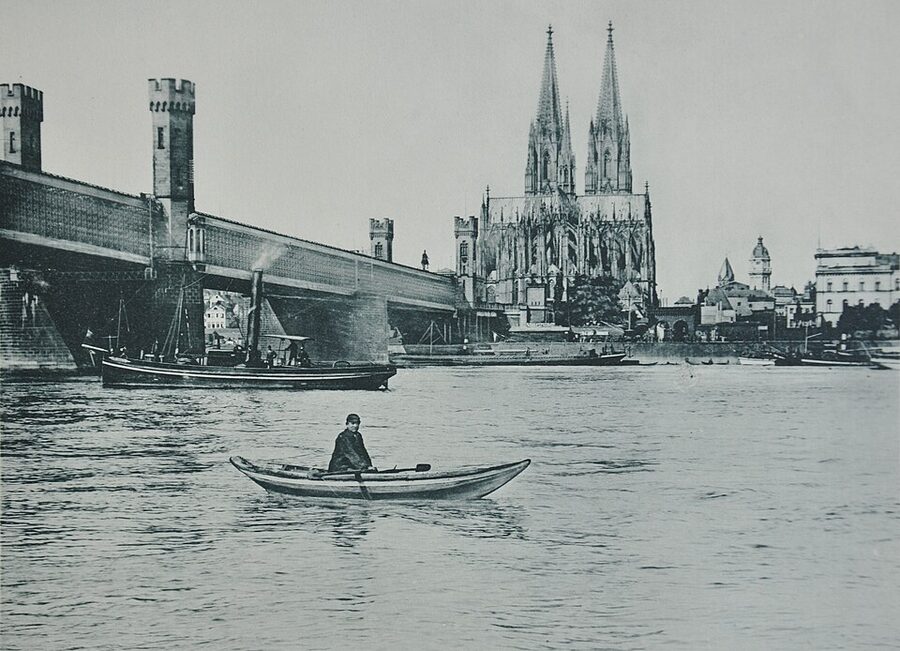
The flagship VR scene is the city in 1926. They picked that year for a reason. By 1926 Cologne had recovered from the British post-war occupation, the Hohenzollernbrücke was running streetcars across the Rhine, the carnival was back in full swing, and Konrad Adenauer was mayor. The city looked unmistakably itself. A few years later it would not, and a couple of decades later it would not exist at all in this form.
What You Actually Do Inside TimeRide Cologne
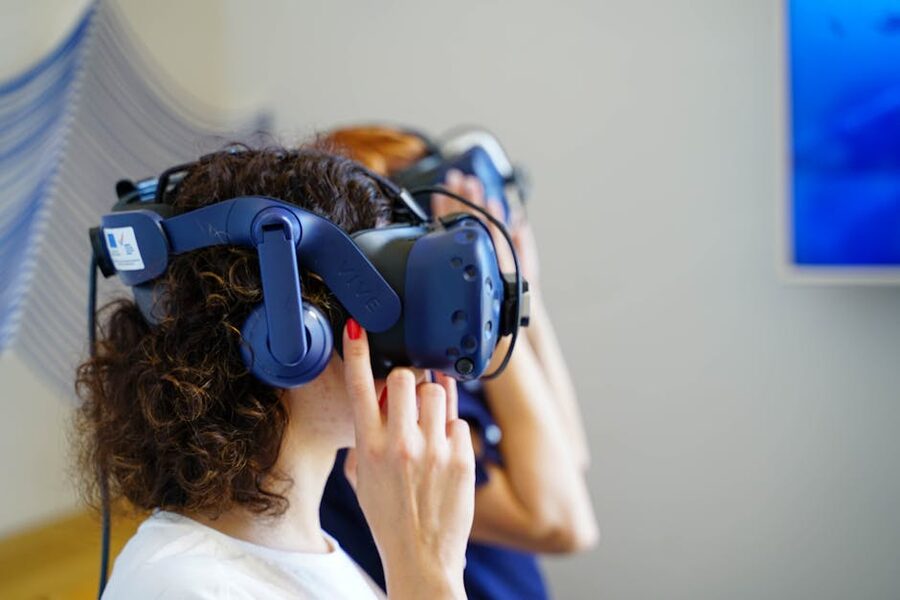
The SENSEUM experience runs 45 minutes from doors-open to exit. It is not a single VR ride. It is three themed rooms plus the headset finale, and your group of about twenty moves through them on a fixed timetable.
Room one is the cinema. You watch a short film that sets up the 1920s in a few minutes of period footage, period music, and a lot of context about who lived in this part of the city. Room two is the milliner’s shop, which is the room most people quietly love. The smell of starched fabric, the period catalogues you can pick up, the hat moulds on the back wall. It is the only room without screens. Room three is the Carnival 1926 set-piece, which I will not spoil except to say there is a moment where the lighting drops and the room shifts and a few people in every group laugh out loud.
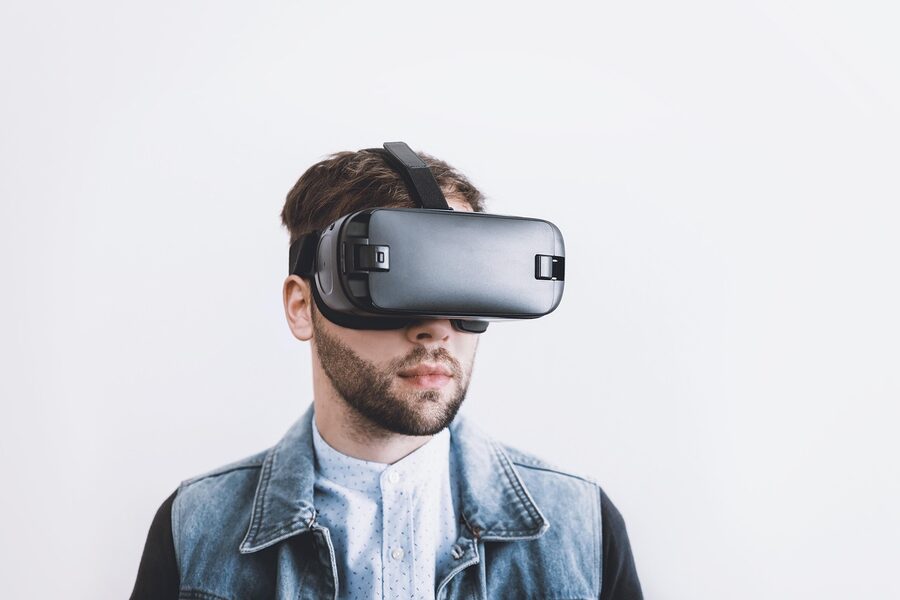
The headset section is the last fifteen minutes. You sit on a bench shaped like a streetcar, the lights dim, and you ride a 360-degree route through 1926 Cologne. The streetcar genuinely moves a little, more like a vibrate than a tilt, and the pre-war Hohenzollernbrücke crossing is the single best moment in the whole thing.
Tickets and Booking: SENSEUM vs GO! vs Specials
TimeRide runs three product lines in Cologne and the booking pages do not always make the differences obvious. Here is what you actually get for each.
SENSEUM (the 1926 indoor experience). The classic. 45 minutes. Three rooms plus the streetcar VR finale. This is what most listings call the “Virtual Reality Time Travel Experience.” Around $23 to $26 on the GetYourGuide listings, depending on the slot. Walk-in works on weekdays. Weekends and school holidays sell out, especially the late-afternoon slots, so book a day ahead.
TimeRide GO! Old Town VR Walking Tour. 90 minutes. Outdoor. You walk the real Old Town with a guide, stop at seven specific corners, and put the headset on at each one to see that exact view in a different era. Roman, medieval, 1920s, 1945. About $38. This is a very different experience from the indoor one. You are not sitting still for it, and you spend roughly a third of the time looking around physically while the guide talks. Worth booking only after you have done the indoor SENSEUM, in my opinion.
TimeRide GO! Cologne Cathedral VR Tour. Same format, different scope. The route is shorter, the focus is the Dom and the area immediately around it, and the historical scenes lean medieval rather than 1920s. Useful if you have already booked a guided cathedral walking tour with VR separately and want the comparison.
Cologne 1945 special. Not always running. Check the calendar. This is a darker, longer scene set in the immediate post-war city, and it is not in the standard SENSEUM rotation. Usually only available in evening slots and during anniversary periods.
Where TimeRide Actually Is, and the Practical Bits
The address is Alter Markt 36-42, 50667 Köln. You will find it on the east side of the square, ground floor, with a smoked-glass entrance and the TimeRide logo at counter height. The closest U-Bahn stop is Heumarkt (lines 1, 5, 7, 9). From the Hauptbahnhof it is a ten-minute walk down through the Cathedral Square and across into the Old Town.
Slots run roughly every thirty minutes from late morning through early evening, every day of the week. Each slot fits about twenty visitors. Tours go in English on the listed English slots and in German otherwise. The English slots are usually the late-morning and early-afternoon ones.
The headset version is rated for ages six and up, which is the official line. In practice, six is optimistic. The headsets are still sized for adult heads, so kids that small wear them awkwardly and tend to lift them off mid-ride. I would say eight is the realistic minimum, and ten is when the experience genuinely lands. Older teens love it. Adults love it. The age range it is hardest on is six to seven.
One small note on accessibility. The streetcar bench has steps. Wheelchairs cannot do the bench, but the staff will set the headset on a regular chair on request and the experience runs the same. The first three rooms are step-free.
Three Tours Worth Booking, Ranked by What I Would Pay For
The booking platforms list five or six TimeRide Cologne products at any given time, and most of them are the same SENSEUM run with a different listing slug. These are the three I would actually pay for, in order. Affiliate-link prices float a few euros either way.
1. Cologne Virtual Reality Time Travel Experience: $26
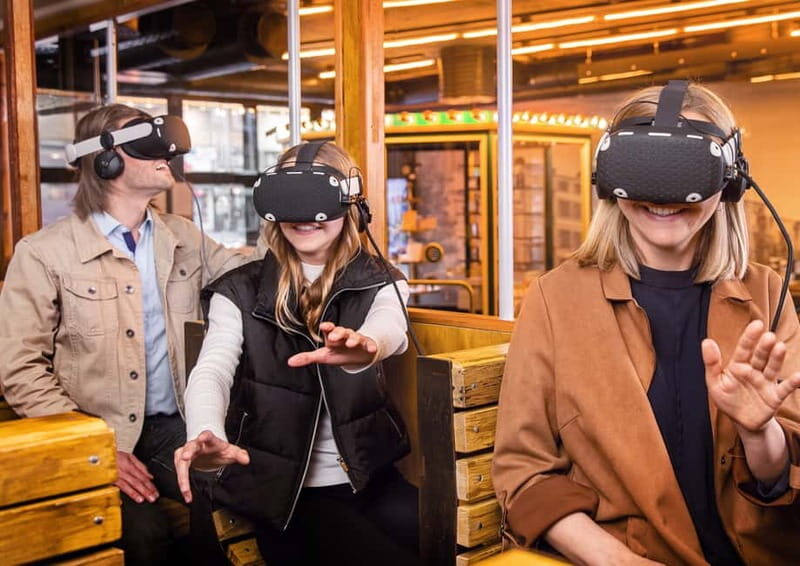
This is the default booking. Three themed rooms plus the streetcar VR finale, mixed-age groups of about twenty, English or German depending on the slot. The reason it sits at the top is volume of evidence: more reviews than any other VR ticket in the city, holding a 4.5-star average. Our full review covers the room-by-room walkthrough and what to expect from each scene.
2. Cologne TimeRide VR Time Travel Experience: $23
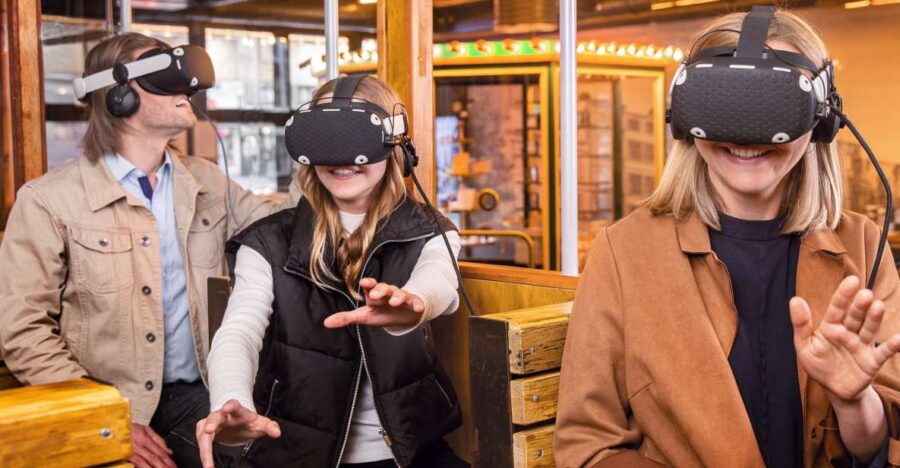
Functionally identical to pick #1 once you are inside the building. It is the same product on the same booking platform, listed under a slightly different slug at a slightly lower price. Pick this one if it shows the slot you actually want first, or if you are price-sensitive. Our written review goes into the three-stage structure (post-war Cologne, the Spanish flu years, the Carnival of 1926) in detail.
3. Cologne Old Town Virtual Reality Walking Tour: $38
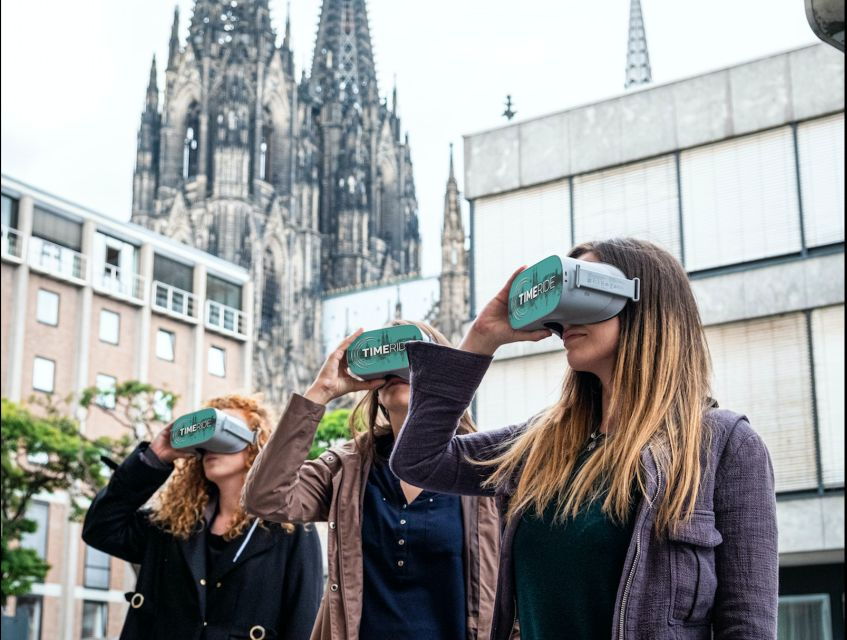
The smaller, smarter pick. It costs more than the indoor SENSEUM, runs twice as long, and is the version where the contrast actually lands harder, because you lift the headset off and the modern square is right there. Only 208 reviews so far on the GetYourGuide page, but the rating is 4.7 and our full walkthrough covers the seven specific corners the guide stops at, and which two of them are the strongest.
How TimeRide Compares to a Normal Old Town Walk
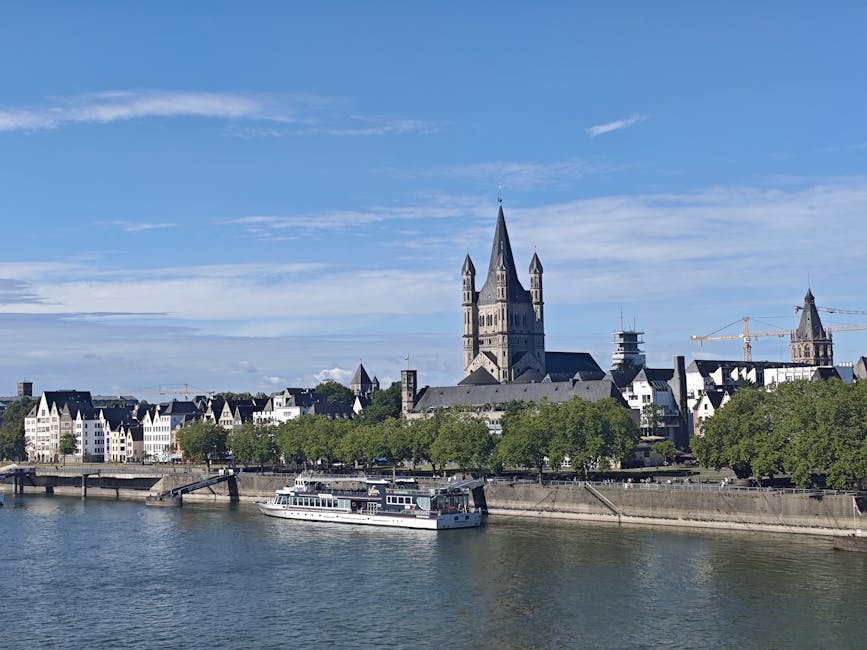
You do not have to choose between TimeRide and a regular walking tour. They cover different ground. A standard Cologne Old Town walking tour spends most of its time on architecture, names, dates, and stories your guide tells well. TimeRide spends most of its time on showing you what is no longer there. The two are complementary, and the smartest two-day combo is to do a regular Old Town walk on day one and TimeRide on day two, in that order. Day one gives you the names of the buildings, day two shows you what those buildings replaced.
For evenings, the Old Town walking-and-beer combo is the natural Cologne pairing for any of these tickets. A 90-minute Kölsch brewery tour after a SENSEUM slot is the city’s classic Friday-night two-step, and the Brauhaus halls are mostly within five minutes of TimeRide on foot.
Pairing TimeRide With the Rest of Cologne
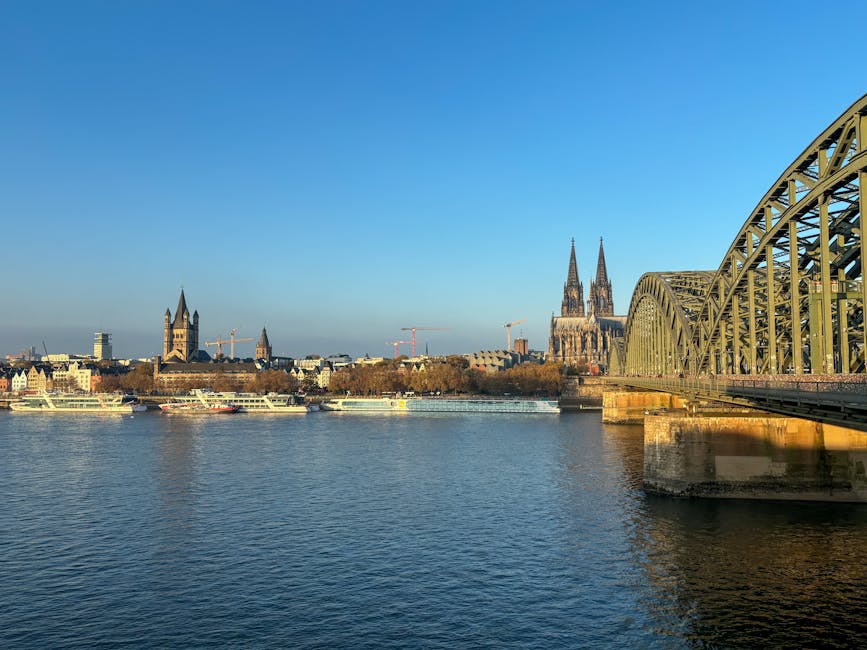
The honest answer to “what should I book around TimeRide?” depends on how long you have in town. For a one-day visitor, I would put TimeRide in the morning and the Cathedral plus a quick Brauhaus lunch in the afternoon. The 1920s scenes inside the headset prime you for what to look at on the Cathedral plaza afterwards.
For a two-day visitor, the pairing I would book is TimeRide on day one and a Rhine river cruise on day two. The boat takes you out under the Hohenzollernbrücke, which is one of the bridges the SENSEUM streetcar crosses. Seeing the present-day version from a boat after seeing the 1920s version on a bench is one of those weirdly satisfying loops that only happens because the layout of the city has barely moved in a century.
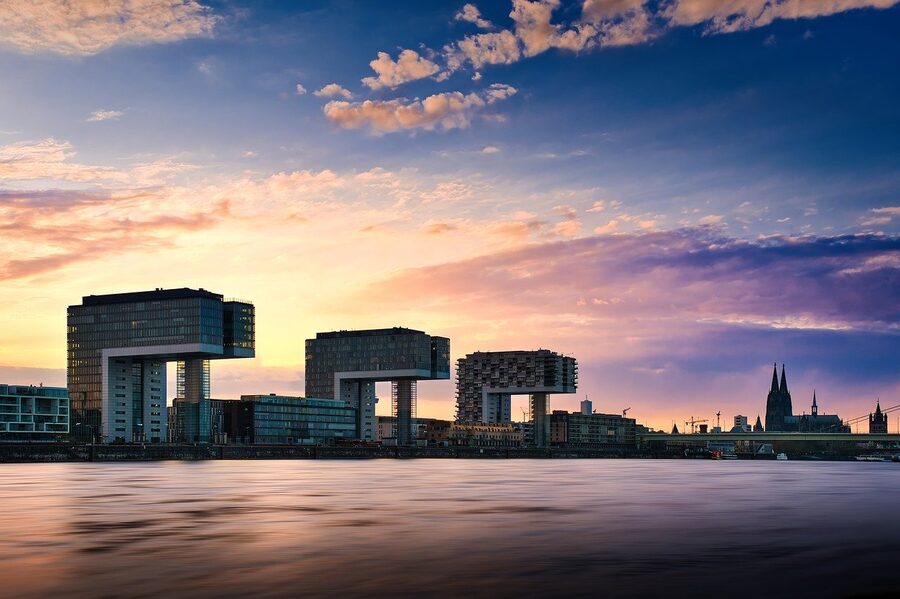
For three days or longer, the move I always recommend is to add the Old Town walking tour as a sandwich either side of TimeRide. The walking tour gives you the architectural names and the urban history out loud. TimeRide visualises the parts no walking tour can show because they no longer exist. The two together cover the city in stereo.
Practical Tips That Reviews Skip

A few things I wish someone had told me before my SENSEUM slot.
The streetcar bench is in two rows of ten. The back row sees more of the streetscape on the Hohenzollernbrücke crossing because the front row’s heads block it on a few angles. Try to take the back row.
If you wear hearing aids, the audio in the headset is the loudest part of the experience and the Carnival 1926 scene has bells. Bring spare batteries or expect to turn them down.
The exit door dumps you out into a small gift shop. The TimeRide-branded souvenirs are mostly forgettable, but the Cologne 1926 historic-photo postcards in the stand by the till are good and only available there. I have not seen them sold elsewhere in the city.
Tipping is not expected for the SENSEUM staff. It is for the GO! walking-tour guides, like any other guided walk. Three to five euros per person at the end is the local norm.
If You Have Already Done VR Time Travel in Another German City
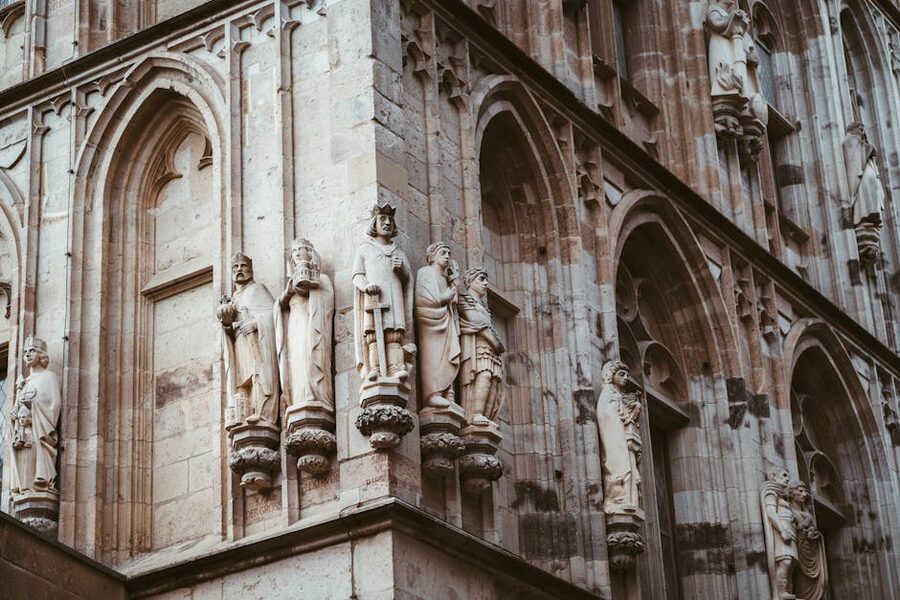
TimeRide runs the same studio model in five other cities and the experiences travel slightly differently. The Cologne 1926 scene is the most ambitious of the bunch, partly because the source material is the richest (Cologne was extensively photographed in the 1920s) and partly because the studio is based here, so the local team iterates on the Cologne content the most.
If you have already done a TimeRide elsewhere, what to expect: the Berlin tour is more politically loaded (the headset takes you through the post-war division), the Munich runs are the most beer-hall and Oktoberfest themed, and the Dresden version focuses harder on the 1719 royal era and skips the war entirely. Cologne 1926 is the version most visitors find emotionally hits hardest, mainly because of the contrast with the 1945 still you have probably already seen on a postcard.
For travellers stitching German cities together, the natural cluster is to do TimeRide Cologne, then a Frauenkirche tour in Dresden for the rebuilt-after-bombing parallel, and a Third Reich walking tour in Berlin for the political layer. The three together form a tight grand tour of how 20th-century Germany rebuilt itself, with a different lens at each stop.
Hamburg works as a fourth piece if you have time. A harbour cruise in Hamburg covers a city whose centre was rebuilt in much the same period, with comparable losses and a comparable reconstruction logic. The Cologne-Hamburg pairing is the urban-redevelopment version of the Cologne-Berlin one. Less politics, more architecture.
Booking the Right Slot
Time of day matters more than the booking platform. Late-morning English slots are the most reliable. Early-afternoon slots are the most likely to have walk-up availability. Late-afternoon slots are the busiest and book out earliest. The first slot of the morning (usually 10:30) is the quietest and the one I would book if I wanted the smallest possible group. Evening slots have a different mix of visitors (more locals, fewer tourists) and that changes the energy in the carnival room a bit. Worth doing once, if you have already done the daytime version.
Day of the week matters too. Tuesday through Thursday are the calmest. Saturday afternoons are the most crowded. Sundays are mid-busy and have the most family groups, which is fine if you are with kids and worth dodging if you are not. Carnival week (Karneval, the week before Lent) is genuinely chaotic. Book ahead by a week if you visit in carnival season, and pick a non-headset slot if you can, because a hungover stag party in a headset is a thing that happens.
Refunds are 24-hour cancel-for-full on GetYourGuide for SENSEUM and 48-hour for the GO! walking tours. If your travel plans are loose, lock in the slot the night before rather than on the day, because the day-of inventory is what families with kids snap up first.
What to Do Right Afterwards
You will walk out of TimeRide back onto Alter Markt with a slightly altered eye. The two best uses of the next hour are either a Kölsch in a Brauhaus across the square (Peters Brauhaus is sixty seconds away, Sünner im Walfisch is two minutes) or a slow walk along the Rhine promenade towards the Hohenzollernbrücke, which is the bridge the streetcar VR sequence crosses. Doing both takes about ninety minutes total. It is the right amount of city for a SENSEUM-fresh head.
For visitors who want to go deep on Cologne, a guided Old Town walking tour the next morning is the right follow-up. The walking guide will name the buildings TimeRide showed you, in the order you actually meet them on the street, and the two halves click together cleanly. If you only have time for one, do TimeRide first and read about the architecture afterwards. If you have time for both, do them in the SENSEUM-then-walking-tour order. Building the mental layer first and the present-day layer second is the move that makes the most of both bookings.
Beyond Cologne, the easy day-trip add-on is a Rhine cruise. The boats leave from the Frankenwerft promenade just below the Old Town. A short Cologne Rhine cruise takes about an hour, and the riverbank you see from the deck is exactly what the SENSEUM streetcar shows you in 1926. Worth pairing on the same day if your slot lands in the morning.