
Here’s the fact that reframes the whole visit. The Royal Palace on Dam Square sits on 13,659 wooden piles driven by hand into Amsterdam’s soggy peat in the 1640s, the largest single piling project in 17th-century Europe. They’re Norwegian spruce. They’re still load-bearing in 2026. You walk across one of the heaviest stone buildings in the Netherlands and it’s all balanced on a forest of submerged tree trunks that nobody has ever replaced.
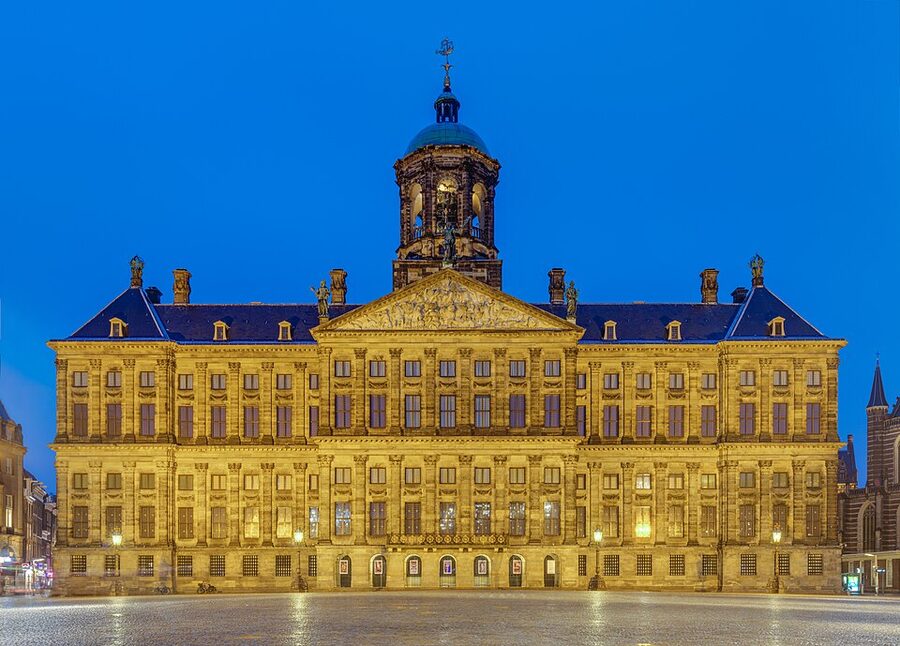
Booking the palace itself is straightforward. Booking it well takes ten minutes of homework, because the calendar is the trap. The palace is a working royal residence and it shuts on roughly 130 days a year for state functions, which is more days than most attractions are open. This guide walks you through the live calendar, the audio guide, the price tiers, and which day-of-week slots are the calmest if you actually want to stand alone under the Atlas dome for a minute.
- In a Hurry? Three Picks
- The 130-day-a-year closure problem
- What you actually pay
- The opening hours nobody quite gets right
- Why the building exists at all
- Citizen’s Hall: the room you came for
- The Burgomasters’ Chamber and the Throne Room
- Top picks for booking
- 1. Royal Palace Entry Ticket + Audio Guide:
- 2. Royal Palace Entry Ticket and Audio Guide:
- 3. Skip-the-Line Royal Palace Private Guided Tour
- The audio guide: what it actually does
- Photography: what’s allowed
- Getting there and what’s nearby
- Comparing with the UK royal cousins
- The 13,659 piles: how the building stays up
- Day-of-week timing
- Accessibility
- Combining the visit with the rest of Amsterdam
- Common booking traps
- Where to go from here
In a Hurry? Three Picks
Best for most visitors: Royal Palace Entry Ticket + Audio Guide from $15. Skip-the-counter entry, eight-language audio, the workhorse choice.
For a small group who wants context: Royal Palace Entry Ticket and Audio Guide from $15. Same product family, different routing on the booking platform, identical experience inside.
For private tours: the Skip-the-Line Private Guided Tour. A live guide, a small fixed group, and the parts of the palace history a recorded audio glosses over.
The 130-day-a-year closure problem
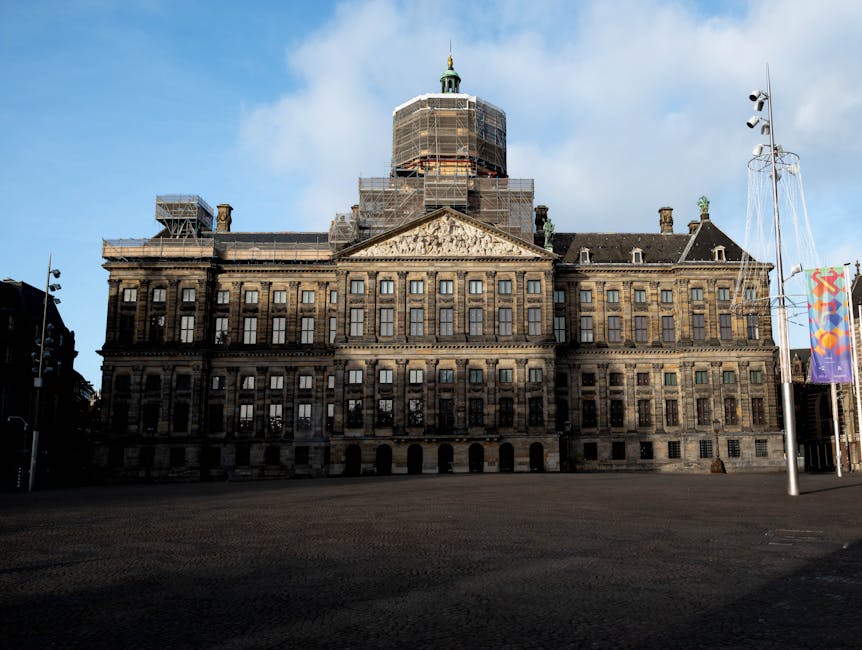
The single most useful thing you can do before booking is open the live availability calendar on the official site. The palace shuts down for state visits, royal investitures, foreign-ambassador presentations, the King’s New Year reception, the King’s birthday speech, and dozens of smaller events. None of them publish on a fixed schedule. The calendar is updated rolling.
If you book a ticket for a date and the palace closes the week before for a sudden state event, the official ticket office refunds you. The third-party platforms (GetYourGuide, Tiqets, Klook) also refund you, but the routing through their customer service can take 5-10 days. Save yourself the loop and check the calendar yourself first.
What this means in practice: pick your window, then book. Don’t book a ticket six weeks ahead and hope. Book the day before, or the morning of, once the palace has confirmed it’s open. Walk-up availability is usually fine on confirmed-open days because the slot capacity is generous.
What you actually pay
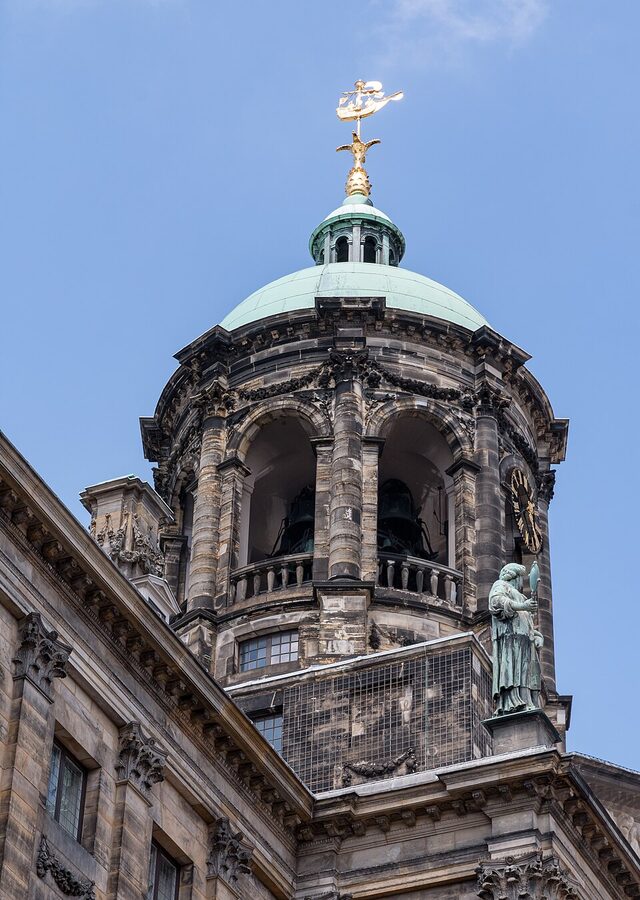
Adult entry is around €13.50 on the official site. Children under 17 enter free. Museumkaart holders enter free. The I Amsterdam City Card is not valid here, which surprises a lot of people who buy that card on day one.
Third-party platforms charge a small markup. GetYourGuide and Tiqets sit at €15-17 for the same audio-guide combo. The convenience is the simpler refund flow, the unified cart if you’re booking other Amsterdam things at the same time, and a tighter mobile-ticket UX on the day. If you’re already booking the canal cruise or a museum on the same platform, just add this onto the cart and stop optimising.
The audio guide is included on every ticket type. There’s no version of this attraction where the audio guide is a paid extra. Don’t pay for an “audio guide upgrade” if a booking page tries to sell you one.
The opening hours nobody quite gets right
Daily 10:00 to 17:00, last entry 16:00. That’s the official answer. The real answer has caveats.
The palace closes earlier on the days where there’s a late-afternoon function. The calendar doesn’t always make this obvious, so if you’re booking the 15:00 or 15:30 slot, sanity-check by emailing the visitor desk or calling +31 (0)20 522 6161. They answer in English on the first ring.
It also opens later on rare days where the morning is reserved for school groups. These are flagged as “limited capacity from 10:00” rather than full closures. Functionally, you’ll be fine entering at 11:00 or later.
The shop is at the exit, which means you can’t browse it before going in. If you want a guidebook on hand during the visit, buy it at the official online shop the night before, or at the Stedelijk or Rijksmuseum bookshops, where the same titles are sometimes available.
Why the building exists at all
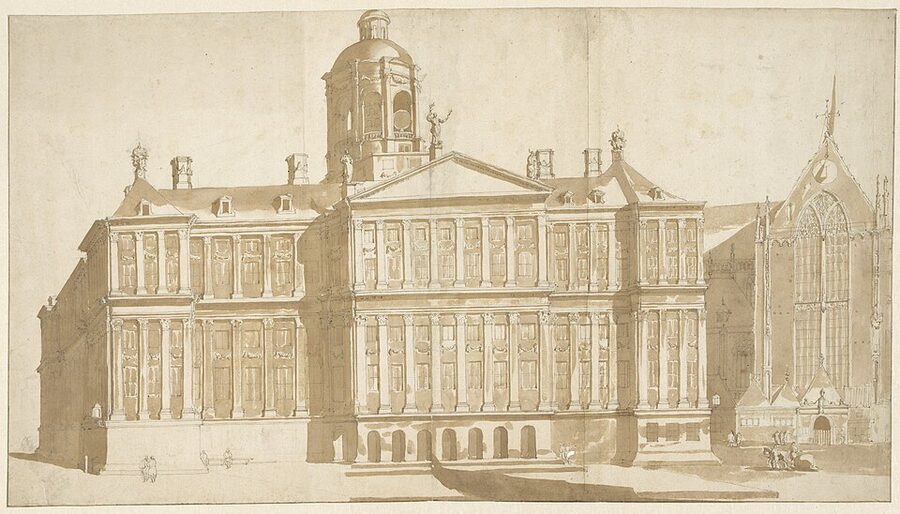
It started life as a Town Hall, not a palace. Construction began in 1648 and finished in 1665, designed by Jacob van Campen in a Dutch Classicist style that borrowed from Italian Renaissance architects but stripped the ornament back. The Dutch Republic was at the height of its mercantile run. Amsterdam was the richest city on earth. They wanted a Town Hall that said so out loud.
It was called the Eighth Wonder of the World by 17th-century travellers. They weren’t being polite. The size, the scale, the engineering, the marble interiors all genuinely had no domestic European peer at the point it opened.
The conversion to a palace happened in 1808. Louis Bonaparte, Napoleon’s brother, had been installed as King of Holland by his older brother. He needed a residence that befit a king, and the Town Hall was the biggest thing on Dam Square. He moved in, threw out the city’s furniture, and brought in Empire-style French pieces from Paris. A lot of those pieces are still in the rooms today; the cleaner-lined Empire bronzes you’ll see on the audio-guide stops mostly date from his short residency.
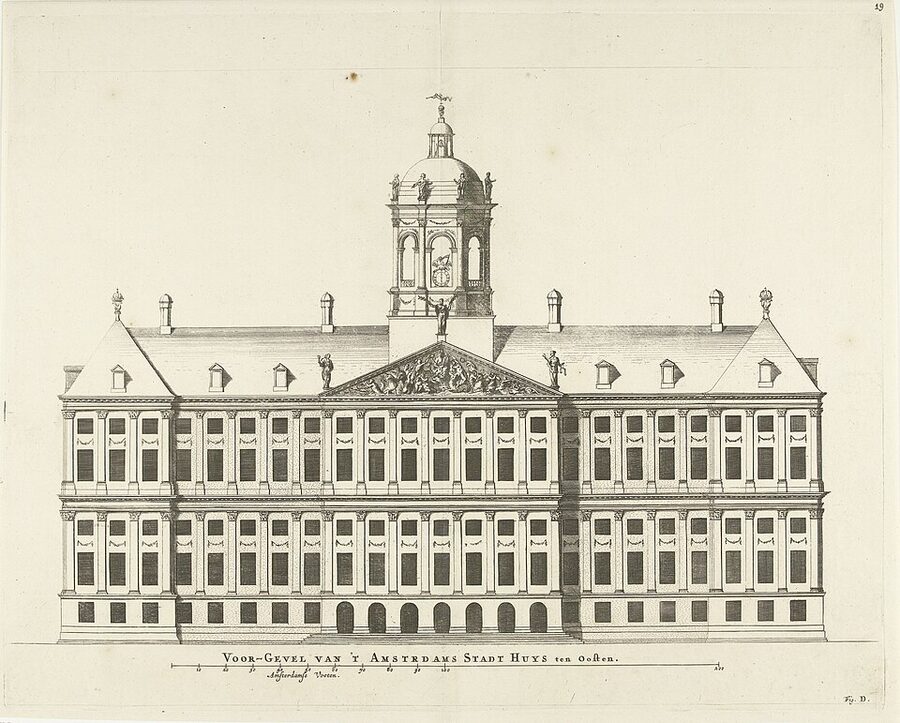
In 1813 Napoleon fell, the Dutch monarchy was restored, and Prince William of Orange (later King Willem I) inherited the building. The royal family has used it ever since. King Willem-Alexander is the current resident-of-record. He doesn’t live here. Nobody lives here. It’s a working reception palace, used for state dinners with foreign heads of state, ambassador credential ceremonies, and royal investitures. The 130 days of closures track those events.
Citizen’s Hall: the room you came for
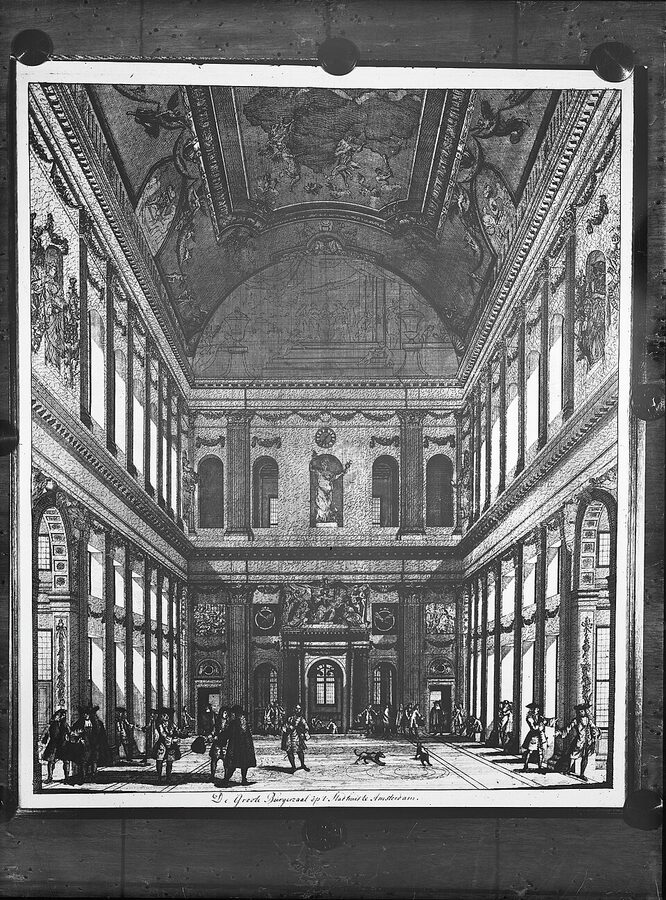
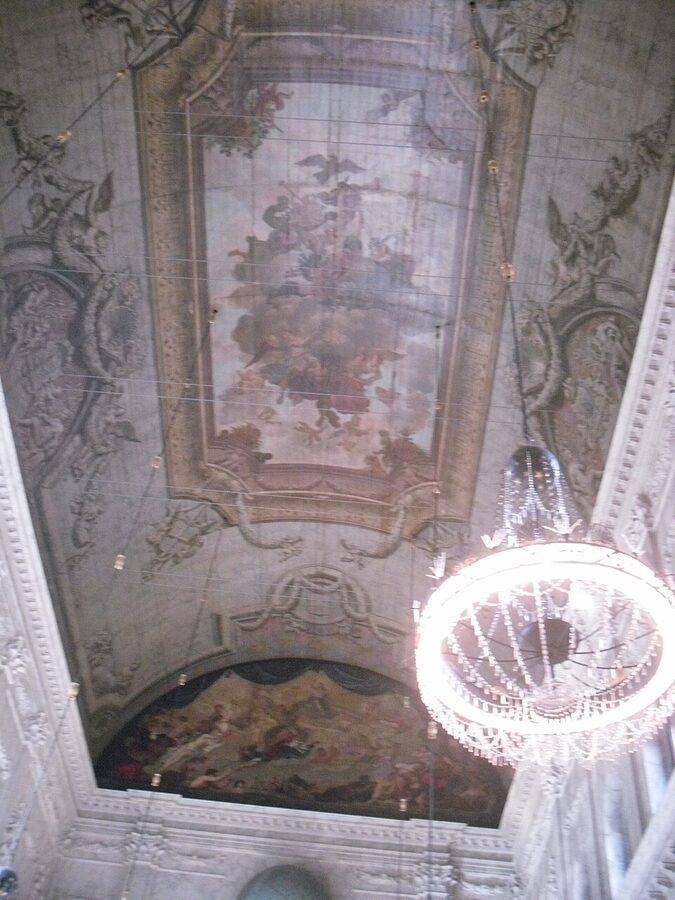
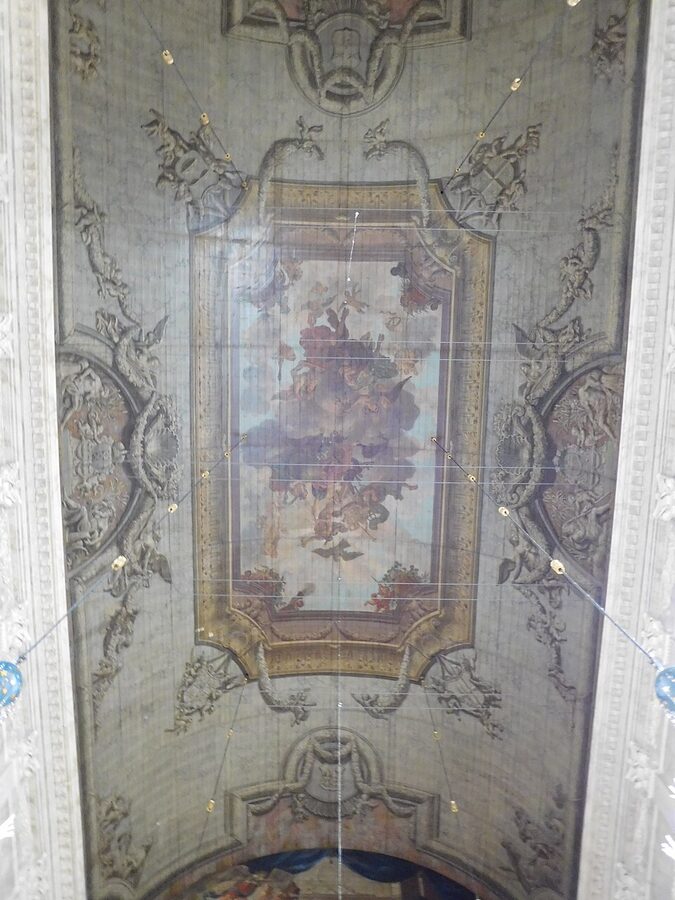
The Burgerzaal, the Citizen’s Hall, is the centrepiece of the visit. Almost everyone who comes here remembers this one room and forgets the others. That’s a fair reaction. It’s a 34-metre-high, 25-metre-wide marble vault with three giant world-map circles inlaid into the floor.
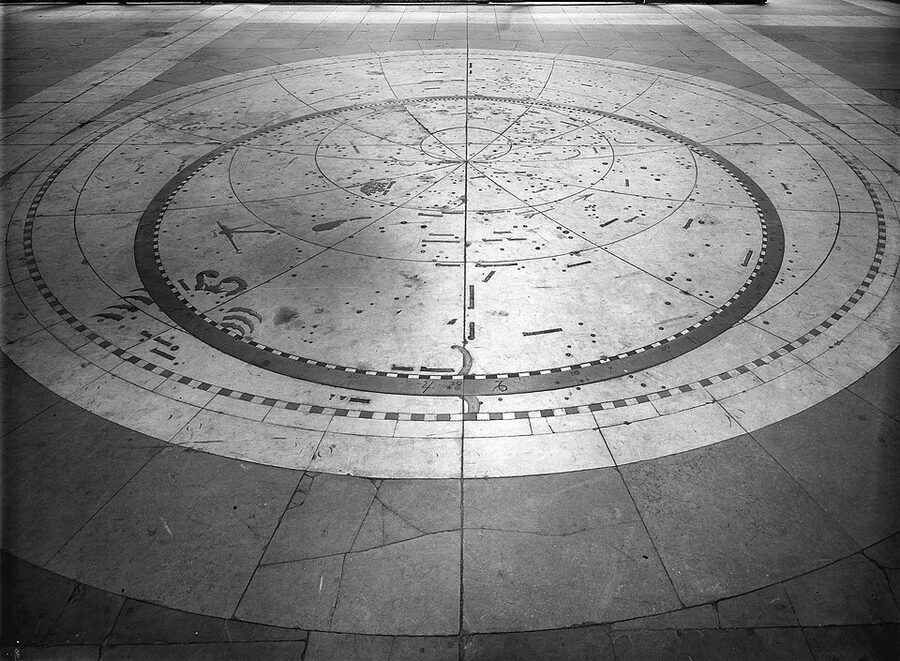
The maps are the detail nobody photographs well. Each circle is over six metres in diameter. Two show the eastern and western hemispheres. The third shows the night sky. The marble is Italian, the inlay was done in the 1650s, and you can stand directly on the equator. Do that. Most visitors crowd the edges; the centre is usually open because everyone is busy looking up at the ceiling.
The 6-metre Atlas sculpture on the north wall holds the celestial globe on his shoulders. The marble is white Carrara. The pose is straight Greek mythology, but the political message is local: Amsterdam carries the world’s commerce. There’s also a bronze copy of the same Atlas on the western exterior corner of the building. The interior one is the original.
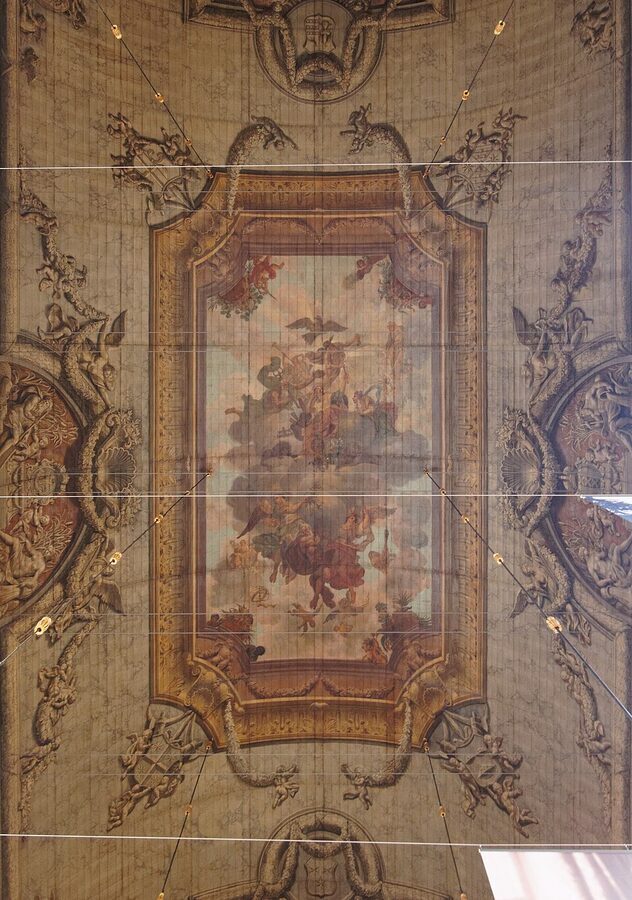
A walking-tour guide once described the room to me as “the boardroom of a city that thought it was a country.” That’s about right. This was where mayors swore in, where international treaties got signed, where Dutch merchants posed for portraits with the global hemisphere literally under their feet.
The Burgomasters’ Chamber and the Throne Room
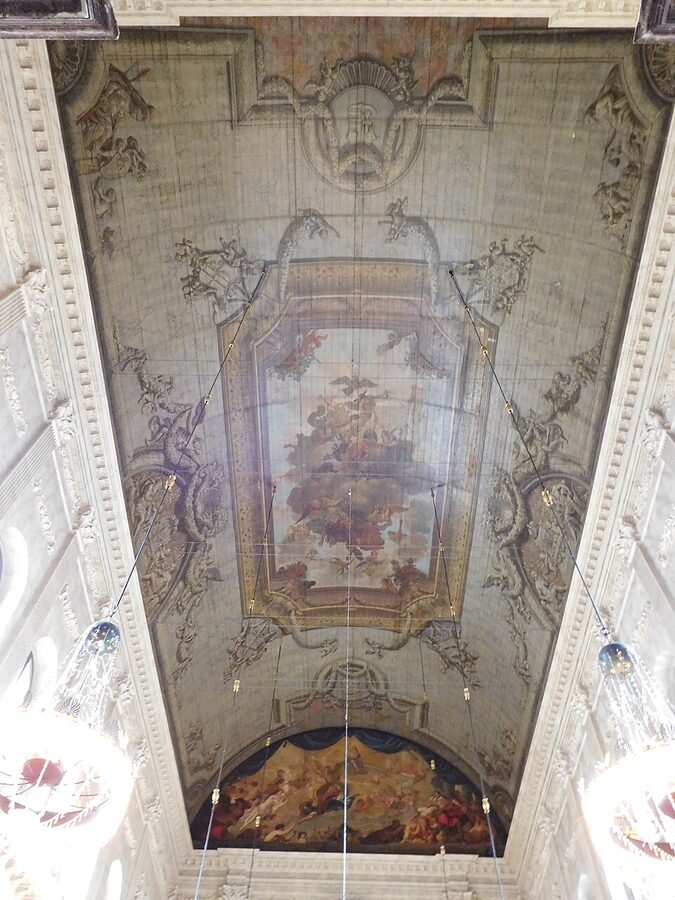
From the Burgerzaal the audio guide takes you through a chain of smaller rooms around the marble galleries. The Burgomasters’ Chamber was where the four city mayors met to run Amsterdam. The room is small relative to the Burgerzaal but the ceiling painting is one of the best in the building, and there’s an original Govert Flinck above the fireplace that is far less crowded than anything in the Rijksmuseum.
The Throne Room doubles as a working ambassador-credentials room, and the velvet ropes here are stricter than elsewhere. The chair is real, used, and dates from the 19th century when the building’s royal use was formalised under William I. Don’t try to sit. Don’t lean.
The Moses Hall and the Royal Apartment close out the route. The Royal Apartment is the most domestic-feeling stretch: bedroom, dressing room, the small writing desk where Louis Bonaparte sat through 1808-1810 trying to learn Dutch. He gave up. He addressed the Dutch parliament once in awful Dutch and never tried again.
Top picks for booking
Three options, and I’d be honest that two of them are functionally the same product through different platforms. The third is the upgrade for visitors who want a real human guide. The numbers behind the scenes show the audio-guide combo is the runaway most-booked, by an order of magnitude over the private-tour version.
1. Royal Palace Entry Ticket + Audio Guide: $15
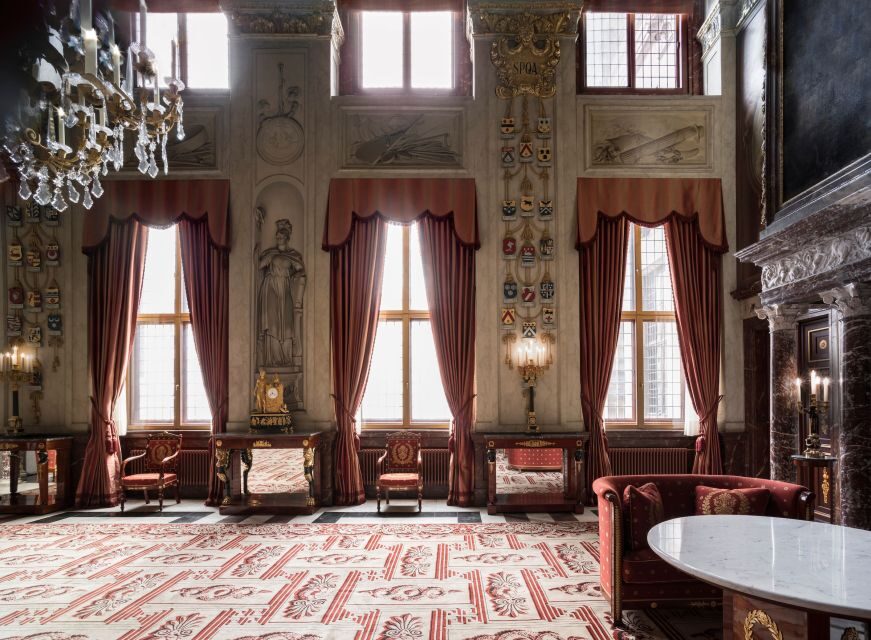
This is the workhorse pick and it earns the spot. You get the multimedia audio guide in English, Dutch, German, French, Italian, Spanish, Chinese, or Russian, plus a children’s audio in Dutch and English that is genuinely good. Our full review covers the audio-guide stop sequence and which rooms have the longest narration tracks.
2. Royal Palace Entry Ticket and Audio Guide: $15
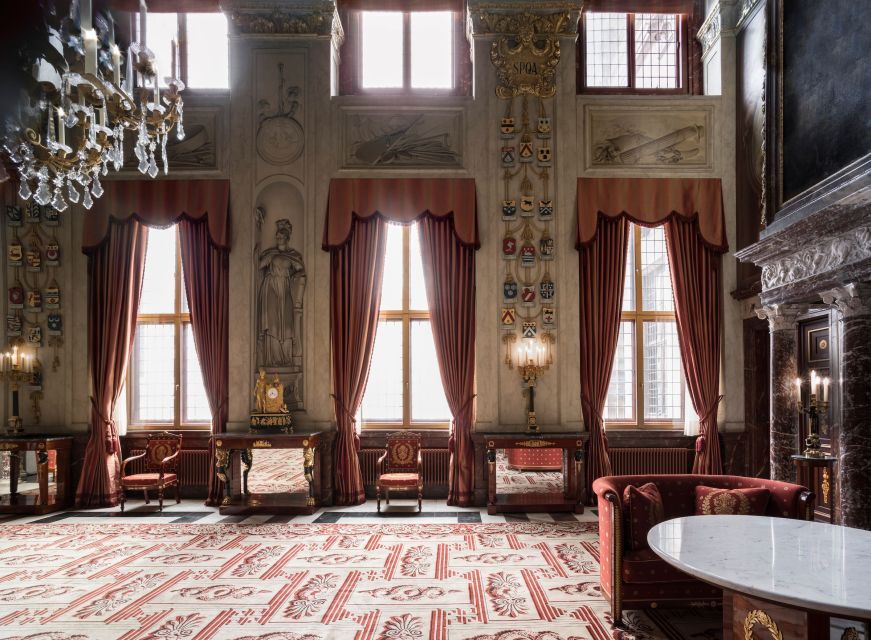
Functionally identical to pick one. Same entry, same audio, same eight-language coverage. The reason it’s listed separately is that some readers already have a GetYourGuide account on one routing and not the other; the cart and refund flow is whichever you’ve used before. Our second review on this product line walks through the small differences in mobile ticket UX.
3. Skip-the-Line Royal Palace Private Guided Tour
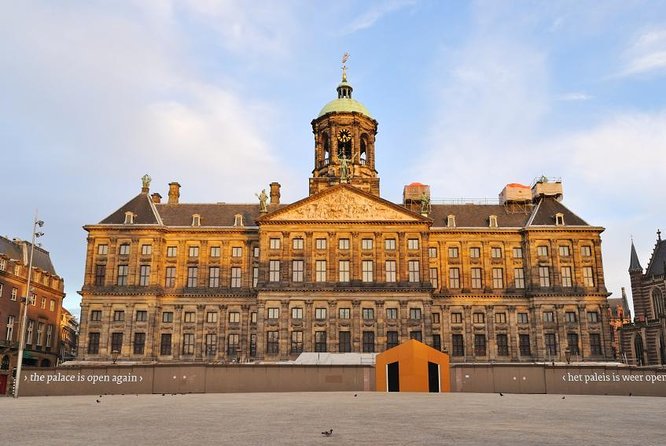
This one is the upgrade. A live guide handles your small group through the same route, but with the unscripted asides the recorded audio can’t deliver. Our private guided tour review gets into how the guide adapts the narrative based on what your group cares about most: the architecture, the politics, or the royal-family side.
The audio guide: what it actually does
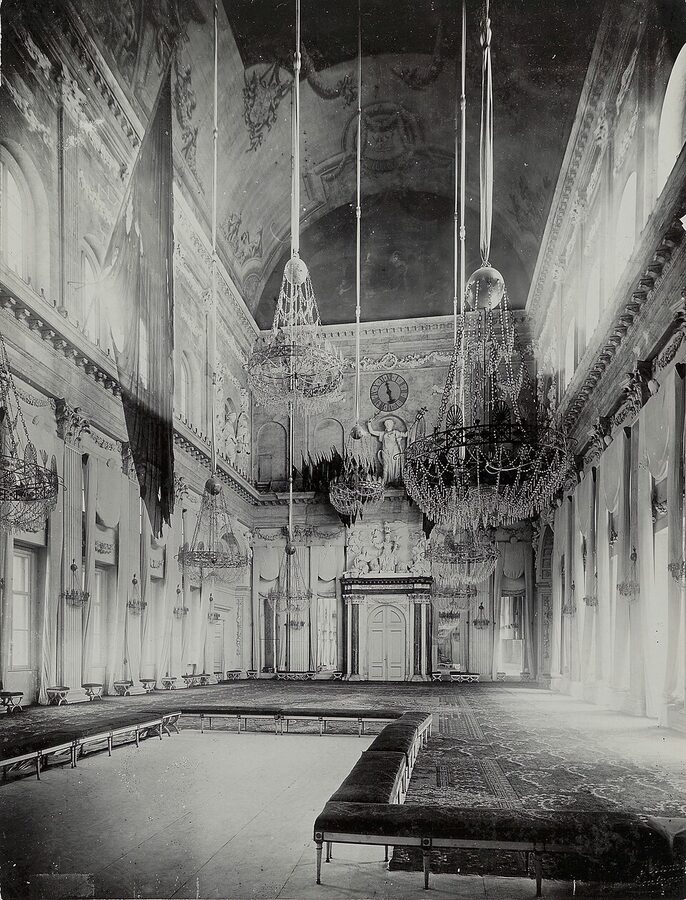
The free audio is on a small handheld device, not your phone. There’s a charged dock at the entry desk and you hand the unit back at the exit. The interface is a numbered keypad. Each room has a number painted on a small sign near the entry; type it in and the narration starts.
It runs about 75 minutes if you listen to every track in full. Most visitors do 50-60 minutes of audio plus extra time looking around in the Burgerzaal, which puts the average visit at a clean 90 minutes. Plan two hours if you want a coffee at the museum (note: there’s no café inside; you go to a Dam Square spot afterwards).
The narration is genuinely good. Not the wooden recital you get at some lesser museums. There’s an actor playing Louis Bonaparte who reads short letters aloud in his rooms. There’s a guard’s-eye-view track in the Burgerzaal. The kids’ version uses a younger narrator and skips the political backstory in favour of the marble, the Atlas, and the secret door behind the throne.
Photography: what’s allowed
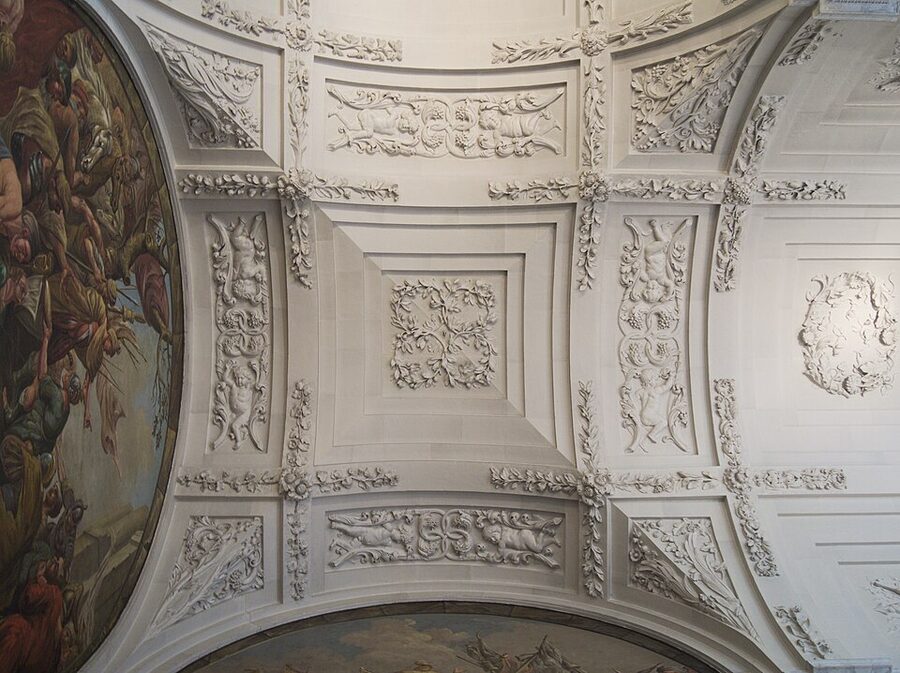
Photography is allowed throughout. No flash, no tripod, no selfie sticks. The lighting in the Burgerzaal is dim by museum standards, which means a phone shot at f/1.7 is fine but anything zoomed past 2x starts to noise out. Lean against a doorway frame for a steadier shot.
The marble floor maps photograph badly from standing height. Squat. Better still, lie down at the edge of the inlay; the staff don’t mind as long as you’re not in the through-route. The composition you want is the inlay foreground with the Atlas sculpture rising in the background; that’s the picture nobody else takes.
Getting there and what’s nearby
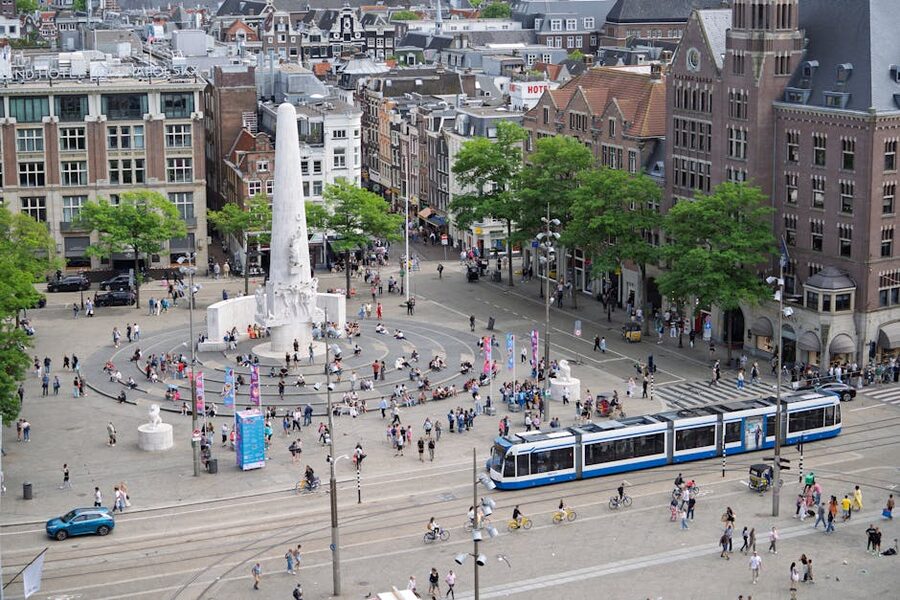
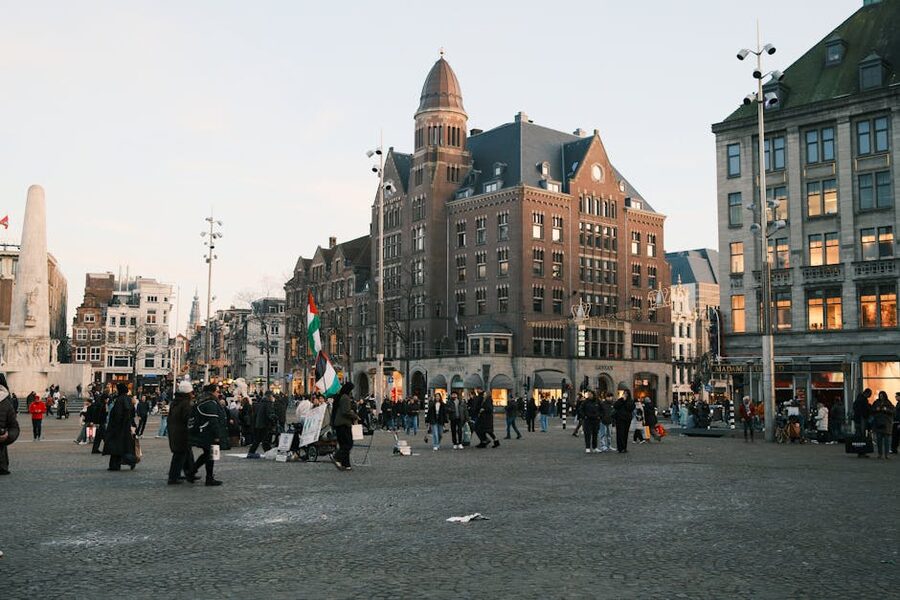
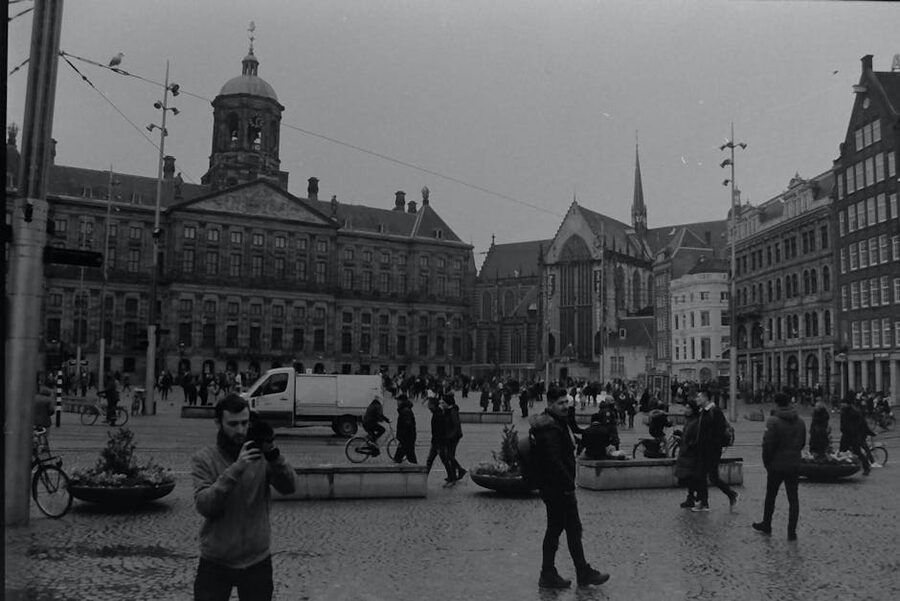
The palace is on Dam Square, dead centre Amsterdam, ten minutes’ walk south of Centraal Station. From the station’s main exit, head down Damrak. The square opens out and the palace is unmissable on the right. Tram routes 2, 12, and 14 stop on the south side of the square at the “Dam” stop.
The Madame Tussauds entrance is in the Peek & Cloppenburg building right next door, which means you can do both attractions in one square without crossing a street. Our Madame Tussauds Amsterdam guide covers the wax-figure route and the family-ticket logic. The Nieuwe Kerk, the gothic cathedral attached to the palace’s north side, is sometimes open for paid art exhibitions; ticket combos with the palace appear seasonally.
If you’ve come for a wider Amsterdam day, the canal cruise piers near the station are five minutes back the way you came. A standard plan is palace at 10:00, lunch on Spuistraat, canal cruise at 14:00, dinner anywhere south. That’s the trip most readers do.
Comparing with the UK royal cousins
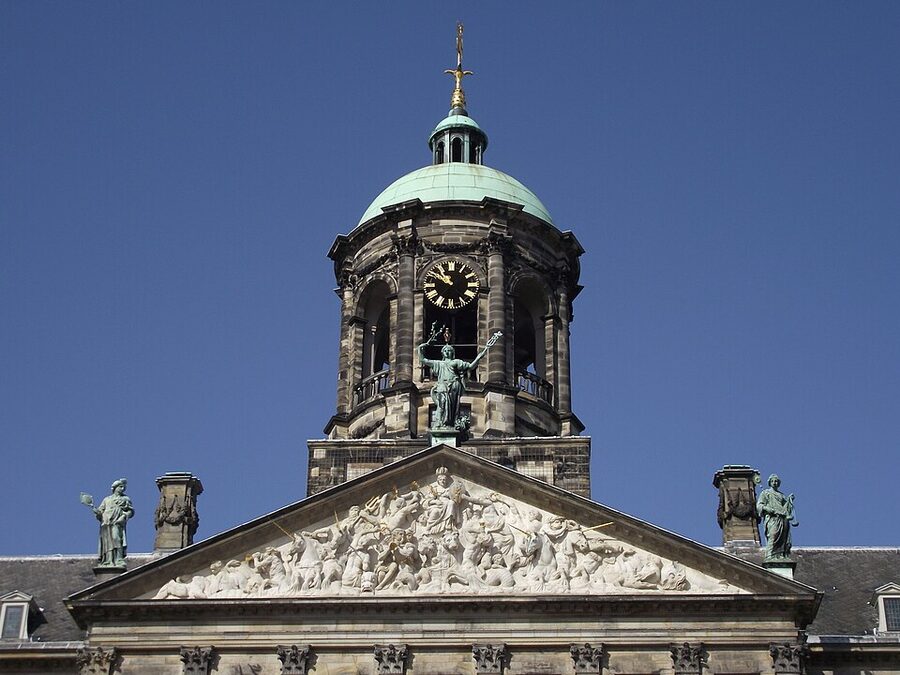
If you’ve already done the London royal residences and you’re trying to slot Amsterdam onto the spectrum: this one is closer to Buckingham Palace in function (working royal reception space, sometimes closed for state events) but very different architecturally. Buckingham is bigger, more ceremonial, and the Crown Jewels backdrop puts it in another league for spectacle. Amsterdam wins on architectural ambition per square metre and the sheer presence of the Burgerzaal.
The closer architectural cousin is Kensington Palace: smaller, more intimate, more obviously a working residence than a museum, and built around a few set-piece rooms rather than a long parade route. The State Apartments at Kensington feel similar in scale to the Burgomasters’ Chamber, even if the era differs.
For a Scottish parallel, the Palace of Holyroodhouse in Edinburgh is the comparison most people miss. Holyroodhouse is also a working royal residence in active use, also closes for state events, and has a similar feeling of being a real working palace rather than a museum. Of the three UK cousins, Holyroodhouse is the closest in atmosphere to what you’ll experience on Dam Square.
The 13,659 piles: how the building stays up
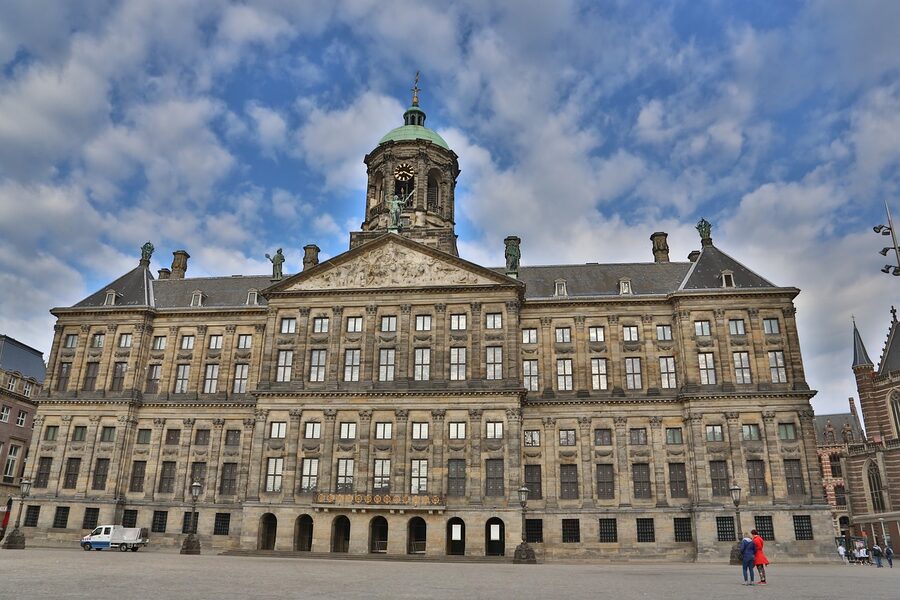
The piling project is the engineering story behind the building, and it’s the detail that changes what the visit feels like once you know it. The pre-existing soft peat under Dam Square cannot support stone walls. The 17th-century solution was to drive thousands of tree trunks straight down into the ground until they hit a sand layer 12-16 metres below.
13,659 piles went in for this single building. Each pile was hand-driven by a team of men working a rope-and-pulley pile driver. The whole project took several months. The piles are sealed in waterlogged anaerobic mud, which is why they don’t rot; oxygen would let bacteria break down the wood, but submerged below the water table they’re effectively pickled.
The number 13,659 has become a piece of Amsterdam folklore. Schoolchildren learn it. Tour guides cite it. It’s printed on a small bronze plaque inside the building. Whether the count is exact or rounded by 17th-century clerks, no engineer has bothered to recount; the survey methods that confirmed they’re still load-bearing don’t actually require a precise headcount of which piles are doing the work.
If you stand in the Burgerzaal and tap your foot, you’re tapping on marble laid on stone laid on brick laid on those tree trunks. Three centuries and change of stable engineering. That’s the surprising fact in physical form.
Day-of-week timing
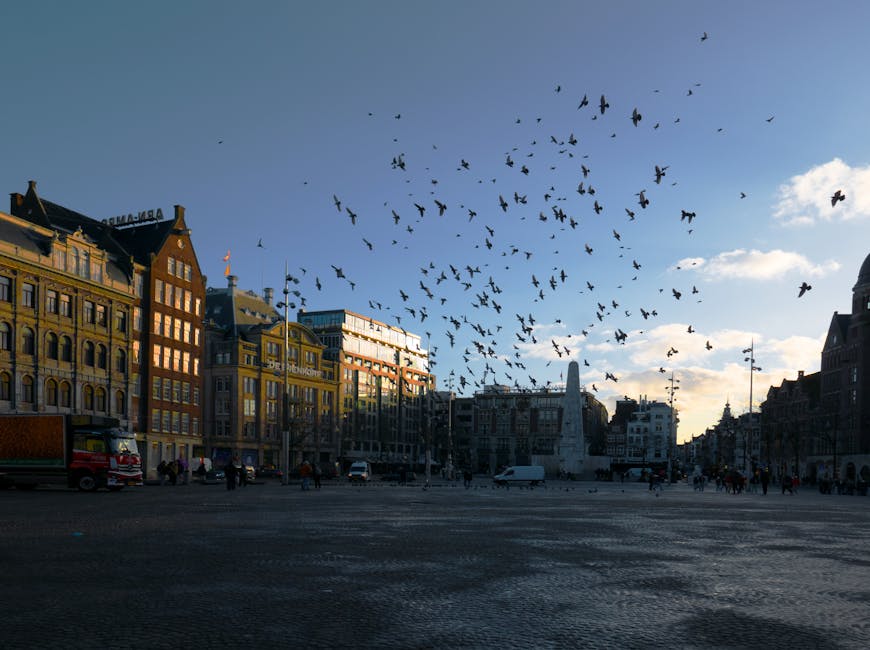
The crowds are thickest on Saturdays and on cruise-ship-arrival days (typically Monday and Tuesday in summer). For genuinely quiet visits, aim for a Wednesday or Thursday in low season, opening time. For shoulder-season summer, Tuesday at 10:30 is the calmest slot I’ve seen.
The 11:00-13:00 window is the busiest, and the audio-guide queue at the front desk can stretch to 10 minutes. After 14:00 the desk is clear and you can pick up the device immediately.
School groups arrive Wednesdays and Fridays in term time, mostly in the 09:30-11:00 window when the palace prioritises them. The school-group tracks don’t overlap with general-visitor tracks, but the Burgerzaal can feel suddenly noisy when 30 teenagers walk in. Time it past them or accept it.
Accessibility
The palace is fully wheelchair-accessible via a side entrance with a ramp and a service lift. You’ll need to ring ahead (24 hours is fine) so they can have the lift staff scheduled. The Burgerzaal is on a single level and easy to walk through; the gallery rooms have one set of three steps that can be bypassed via the lift.
Audio guides are available in slow-narration versions on request, and there’s a hearing-loop for the audio device. The visitor-services email handles requests in English; turnaround is a day or two.
The exit is via the shop, which is also step-free. There’s a single accessible toilet near the entrance; bring change for the locker that holds your coat (€1, returned).
Combining the visit with the rest of Amsterdam

Most visitors do the palace as a one-hour-thirty stop and pair it with something else nearby. The natural pairings, in increasing day-length: the canal cruise (one hour), the Rijksmuseum (two hours minimum), the Anne Frank walking tour (two hours, no house entry needed), the Van Gogh Museum (two hours).
For art-museum days, our Rijksmuseum guide covers the Vermeer-and-Rembrandt route and the timing of the gallery slots. The Van Gogh booking guide walks through the same logic for Museumplein.
For something completely different on the same day, the Heineken Experience is 25 minutes’ walk south, the Anne Frank walking tour covers the Jordaan to the west, and the Moco Museum over on Museumplein gives you the Banksy-and-modern-art angle that the palace can’t provide.
Common booking traps
Three mistakes I keep seeing.
Booking before checking the calendar. The 130-day-a-year closure rate is real. Booked tickets are refundable, but the lost half-day on the ground is not. Check the live calendar the morning of, every time.
Buying the I Amsterdam City Card on the assumption it covers the palace. It doesn’t. The Museumkaart does. If you’re a resident and use the Museumkaart, the palace is free. If you’re a tourist, the City Card adds value at a lot of places but not this one, and you’ll still be paying €13.50 at the door.
Cutting it too late in the day. Last entry is 16:00 sharp and the audio guide takes 75 minutes. If you arrive at 16:00 you’ll be ushered out at 17:00 with rooms unseen. Aim for 14:30 at the latest to have a comfortable visit.
Where to go from here
If you’re building a half-day around the palace, the canal-side combination is the one that holds up best: palace, lunch on Spuistraat, the canal cruise from the nearby Damrak piers. For a museum-heavy day, the Rijksmuseum twenty minutes south is the natural sequel. UK royal cousins worth the cross-Channel comparison are Buckingham Palace, Kensington Palace, and Holyroodhouse in Edinburgh. Pick whichever matches your next stop.