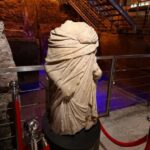
Trevi Fountain is impressive above ground, but the surprise here is what lies below it: an archaeological site with an ancient aqueduct still supplying the fountain and the remains of an imperial Domus. In just 40 minutes, you get a quick look at both the famous Baroque monument and the older city beneath its streets.
I like the contrast between the fountain’s theatrical stone figures and the practical engineering of the underground site. I also like that the small group, capped at 10 people, leaves room to ask the guide questions rather than simply follow a crowd.
The trade-off is time. This is a short introduction, and the underground ruins take much of the focus, so it may not satisfy you if you want a long, detailed visit centered on the fountain itself. The guide speaks English, not French or other languages.
- Key points to know before you book
- Why the underground stop changes the visit
- What the 40-minute route covers
- What the guide adds, and what the tour does not
- Is the price worth it?
- Timing, meeting point, and practical details
- Who will get the most from this tour?
- Should you book it?
- FAQ
- How long is the Trevi Fountain and underground tour?
- How far underground does the tour go?
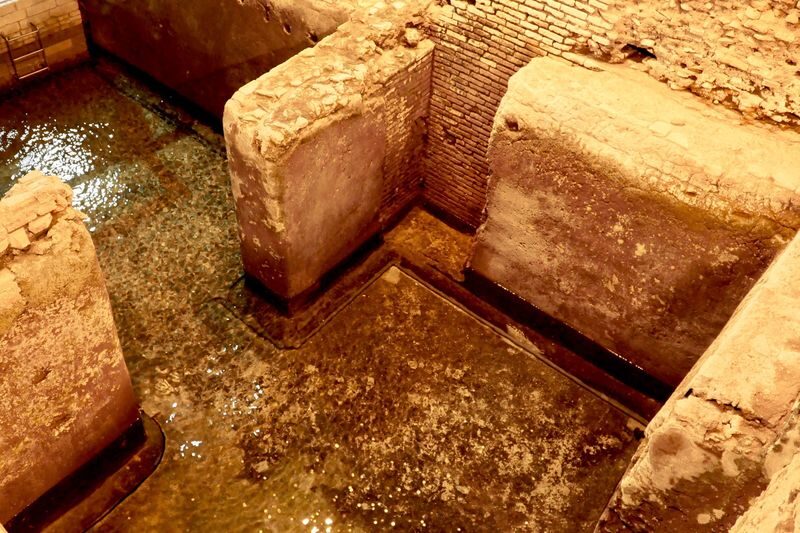
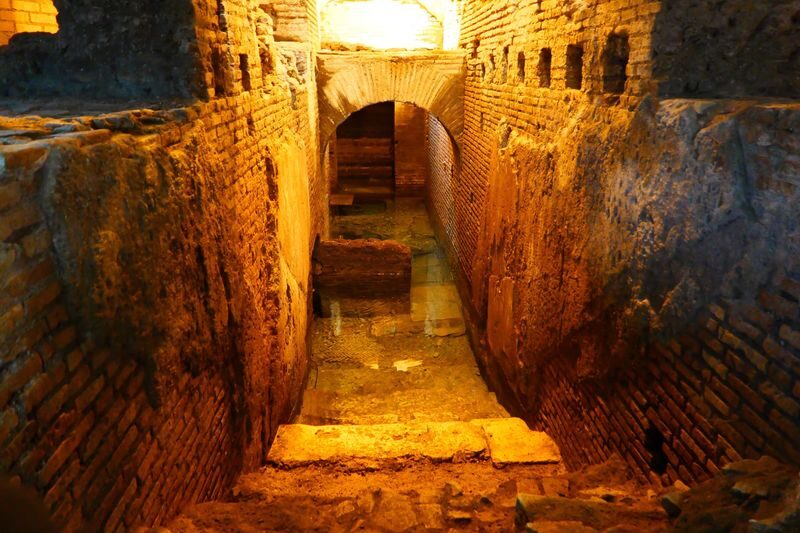
- What can I see underground?
- What language does the guide speak?
- Where is the meeting point?
- How many people can join the tour?
- Can children join?
- Is the tour wheelchair- and stroller-accessible?
- The Best Of Rome!
- More Tours in Rome
- More Tour Reviews in Rome
- Not for you? Here's more nearby things to do in Rome we have reviewed
Key points to know before you book
 1 / 6
 2 / 6
 3 / 6
 4 / 6
 5 / 6
 6 / 6
- Nine meters below street level: See an archaeological site with an ancient aqueduct that still feeds Trevi Fountain.
- A quick two-part visit: The guided experience lasts about 40 minutes, including the fountain and nearby underground ruins.
- Small group size: Tours are limited to 1 to 10 participants.
- English-language guiding: The guide speaks English, so this is not a good fit if you need a French-language tour.
- Coin toss included in the story: Learn about the tradition and toss a coin before you leave.
- Meet beside the piazza: Look for the yellow TOURIKS label at the church on the left corner of the fountain square.

👉 See our pick of the 25 Best Guided Tours In Rome
Why the underground stop changes the visit
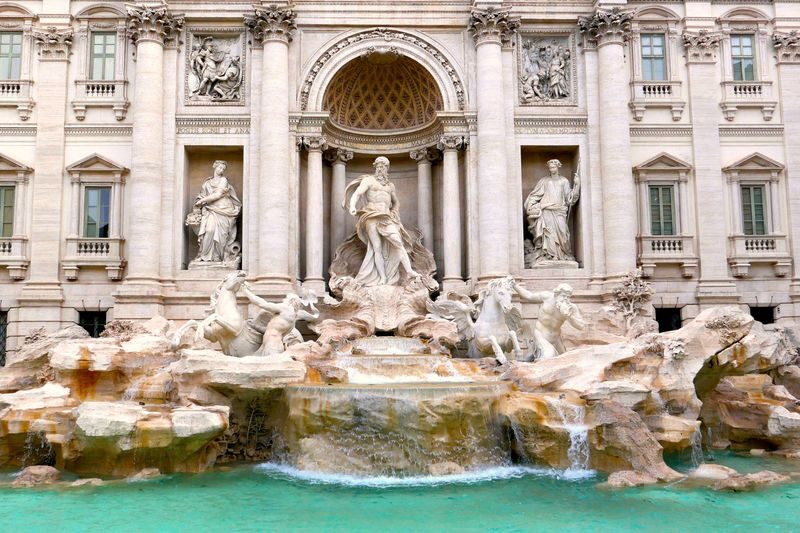
Trevi Fountain is easy to admire from the piazza, but its water has a longer story than the grand Baroque setting suggests. This tour connects the famous monument to an underground archaeological site, where you can see traces of the city that existed before the streets and buildings above took their present form.
The standout detail is the ancient aqueduct that still supplies the fountain. It gives the fountain’s elaborate water display a practical counterpart: below the stone figures and sculpted façade is an old system that continues to do its job. You are not just looking at decoration, you are seeing a link between Roman engineering and a landmark that remains part of the city’s daily life.
The underground site also includes ruins of an imperial Domus, or Roman home. Its foundations and remains help make the idea of Rome as a city built in layers feel concrete. You move from a busy, familiar landmark to evidence of earlier life just a short distance below your feet.
The descent is about 9 meters. That is enough to make the change in setting feel real without turning this into a long subterranean expedition. If the heat or crowds above ground are wearing you down, the underground visit can also offer a welcome change of pace. One person described it as a good way to get out of the heat, a small but useful advantage in Rome’s warmer months.
You can also read our reviews of more tours and experiences in Rome.



What the 40-minute route covers
The tour begins at the meeting point on Via del Lavatore, 49, near Trevi Fountain. Your guide meets you in front of the church at the left corner of the piazza. Look for a yellow label marked TOURIKS, and arrive five minutes early so you are ready when the group sets off.
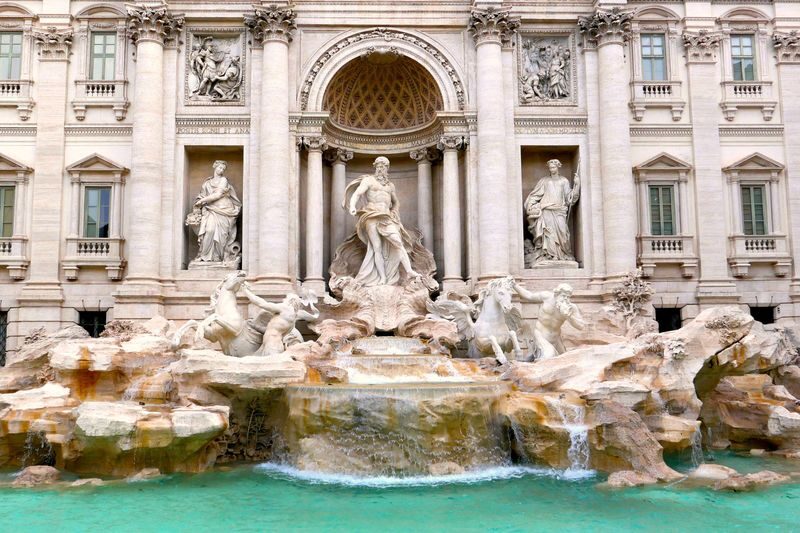
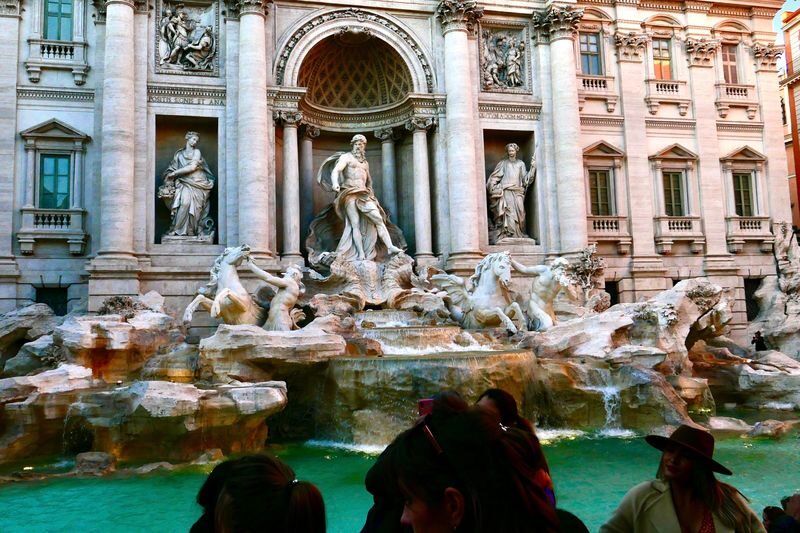
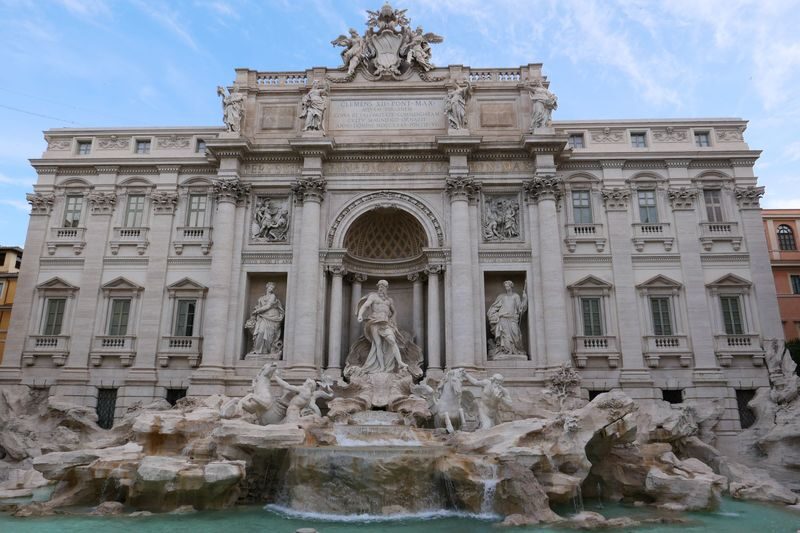
The first part introduces the fountain itself. You will hear about its Baroque design, the mythological figures carved into the stone, and the role of water in the composition. The guide also explains the familiar coin-toss tradition, which holds that throwing a coin into the fountain helps ensure a return to Rome.
That short introduction matters because the piazza can make it easy to focus only on the spectacle. A guide can direct your attention to the artwork and explain the stories attached to its figures. The experience is not a full art-history lecture, though. With only 40 minutes for the whole visit, expect a concise overview rather than a slow, exhaustive study of each sculpture.
The route then takes you to Vicus Caprarius, also known as the Water City, at Vicolo del Puttarello, 25. Here, the emphasis shifts from monumental art to the remains beneath the modern city. You see the aqueduct connected to the fountain and the ruins of an imperial Domus.
This is the tour’s most distinctive part. Rome is famous for ancient monuments above ground, but the underground visit offers a close look at what can survive beneath later construction. It gives useful context for the city’s many historical layers without asking you to commit to a long archaeological tour.
At the end, the route returns to the fountain area, where you can toss a coin and hear more about the custom. The schedule lists the underground site as the return point, but the fountain is also given as the tour’s location. If spending extra time at the piazza matters to you, ask the guide whether you can stay there after the organized portion ends. The tour itself is brief, and there may not be much time for lingering.
What the guide adds, and what the tour does not
The guide is central to the value here. The underground remains are more meaningful when someone explains what you are seeing and how the aqueduct relates to the fountain above. A strong guide can also answer questions and keep the route organized, something participants have praised in particular.
The most consistent strengths are the guides’ clear explanations, their ability to share useful facts, and their readiness to answer questions. One guide was described as kind, organized, and helpful; another was praised for giving a lot of information about the ruins and the fountain. Those qualities matter on a short visit, where a muddled explanation can use up a large share of your time.
Still, the experience depends on the guide you get. One complaint described a language mismatch and an incomplete-feeling visit, including uncertainty about whether the fountain visit was included. The tour’s stated language is English, so do not book expecting French. And if you want a detailed fountain-centered visit, check exactly what the guided portion covers before you pay.
A useful way to set expectations is to think of this as an introduction to the fountain and a short guided look at nearby archaeology, not a full tour of Rome’s ancient sites. You get one monument, one underground location, and a guide to connect them. That is a neat pairing, but it is not a substitute for a longer walking tour if you want more time and context.
Is the price worth it?
The advertised starting price varies by package and booking details, with figures around US$39 to US$45 listed. Check the current price for your chosen time before reserving. At that level, the value comes less from the length of the tour and more from the guide and the underground archaeological stop.
If you are already planning to see Trevi Fountain, the guided interpretation and access to the nearby underground site are the main reasons to pay. The aqueduct and Domus add a different dimension to a familiar landmark. For someone interested in Roman engineering and archaeology, that combination can make a short visit worthwhile.
If your priority is simply to see the fountain, toss a coin, and take your time in the piazza, this tour may feel rushed for the cost. One participant found the visit too short, while another wanted the guide to offer the option to stay longer by the fountain. That is a fair concern: 40 minutes does not leave much room to explore at your own pace.
The group limit of 10 is a plus. A small group makes it easier to hear the guide and ask questions, and it can feel less hurried than following a large tour party. But it does not change the basic time limit. The tour still moves through its planned stops quickly.
Timing, meeting point, and practical details
You can choose from departure times at 11:00, 13:00, 13:30, 16:00, 16:30, or 18:00. The return times vary with the departure you select, so check your confirmation for the correct schedule. The voucher is valid only for the date and time booked.
The meeting point is at Via del Lavatore, 49. Find the church at the left corner of Trevi Fountain’s square and look for the yellow TOURIKS label. Arrive five minutes before departure. Late arrivals and no-shows are not refundable, so allow time to find the guide in a busy central area.
The experience is listed as stroller- and wheelchair-accessible. Children aged 0 to 6 can join free, but infants and children still need to be included in the passenger headcount. Anyone aged 0 to 17 must be with a paying adult.
Meals, drinks, personal expenses, and tips are not included. The tour is only 40 minutes, so you do not need to plan a meal around it, but bring water if you are visiting in hot weather. If plans change, cancellation at least 24 hours before the activity date qualifies for a full refund. In extreme weather or other unforeseen circumstances, the operator may cancel and offer a reschedule or refund.


Who will get the most from this tour?
This is a good choice if you want a short, guided introduction to Trevi Fountain and are curious about the archaeology beneath the piazza. It works especially well as a compact stop between other Rome sights, or as a way to add context to a fountain you would likely visit anyway.
It also suits visitors who appreciate having a guide interpret a place rather than simply looking around on their own. The explanations about the sculptures, coin tradition, aqueduct, and Domus help tie the two parts together. If you like asking questions, the small group should make that easier.
I would look elsewhere if you want a long, detailed tour of the fountain, prefer to explore at your own pace, or need a guide in a language other than English. The short duration is the clearest limitation, and the archaeological ruins take a large share of the experience. The fountain is part of the story, but the underground site is the main reason to book.
Should you book it?
Book this tour if the idea of seeing an ancient aqueduct and Roman home beneath the Trevi area appeals to you as much as the fountain itself. The combination is unusual, the group is small, and a good guide can make the short visit worthwhile.
Skip it if you mainly want uninterrupted time in the piazza or expect a long fountain tour. If you do book, arrive early, confirm the English-language format and current price, and treat the 40 minutes as a focused sampler rather than a full exploration.
Trevi Fountain and underground tour in Rome
“Going underneath the Trevi Fountain was very interesting and we saw the old Roman foundations that was then built upon when the Roman Empire fell….”
FAQ
How long is the Trevi Fountain and underground tour?
The guided tour lasts about 40 minutes.
How far underground does the tour go?
The archaeological site is about 9 meters below ground.
What can I see underground?
You visit an archaeological site with an ancient aqueduct that still supplies Trevi Fountain, along with the remains of an imperial Domus.
What language does the guide speak?
The tour has an English-speaking guide. French-language guiding is not specified.
Where is the meeting point?
Meet at Via del Lavatore, 49, in front of the church at the left corner of Trevi Fountain square. Look for a yellow TOURIKS label.
How many people can join the tour?
The group size is listed as 1 to 10 participants.
Can children join?
Yes. Children aged 0 to 6 can join free, but they must be included in the passenger headcount. Children aged 0 to 17 must be accompanied by a paying adult.
Is the tour wheelchair- and stroller-accessible?
Yes. The activity is listed as accessible for wheelchairs and strollers.