A bowl of matcha is the visible part of this Kyoto experience. The more interesting part is learning how a formal tea preparation turns small movements into an expression of care and respect. Rie, a Kyoto native and second-degree Urasenke instructor, leads the class near Kinkaku-ji.
I like two things here: you get to watch a traditional preparation before making matcha yourself, and the short class fits neatly around a visit to the Golden Pavilion. One consideration: the ceremony follows a proper code, and some participants find the instruction brisk or strict, so listen closely and don’t expect a loose, photo-first performance.
- A short walk from Kinkaku-ji: The meeting address is one minute from the Kinkakuji-michi bus stop, making it easy to pair the class with the Golden Pavilion.
- Watch, taste, then make: Rie prepares organic Uji matcha before you try whisking your own, with a Japanese sweet served alongside the tea.
- A real lesson, not a staged show: The focus is on tea, etiquette, and tradition. You are encouraged to observe carefully and follow the instructor’s directions.
- Four package choices: Book the standard class, add a kimono, or select either option as a private experience.
- Plan for about 45 minutes: Arrive on time, especially if you have chosen a kimono package, and don’t enter more than 30 minutes before your session.
- A good first encounter with tea culture: The explanation and hands-on practice give you a useful introduction without taking up half a day.
- Near Kinkaku-ji, a small lesson in tea
- Watching Rie prepare the first bowl
- Tasting organic Uji matcha and a Japanese sweet
- Choosing the kimono option
- What the 45 minutes can and cannot do
- Is .25 a fair price?
- Getting there and planning your visit
- Who should book this Kyoto tea ceremony?
- FAQ
- How long does the tea ceremony experience last?
- Where is the meeting point?
- Is the class near Kinkaku-ji?
- What is included in the experience?
- Is a kimono included?
- What age can take part?
- How early can I arrive?
- How do I receive the booking confirmation and voucher?
- The Best Of Kyoto!
- More Tours in Kyoto
- More Tour Reviews in Kyoto
- Not for you? Here's more nearby things to do in Kyoto we have reviewed
Near Kinkaku-ji, a small lesson in tea
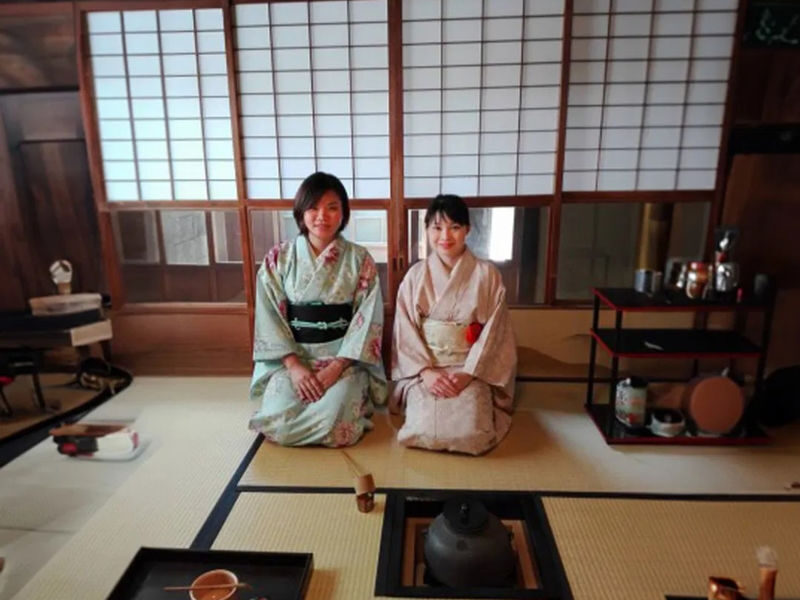
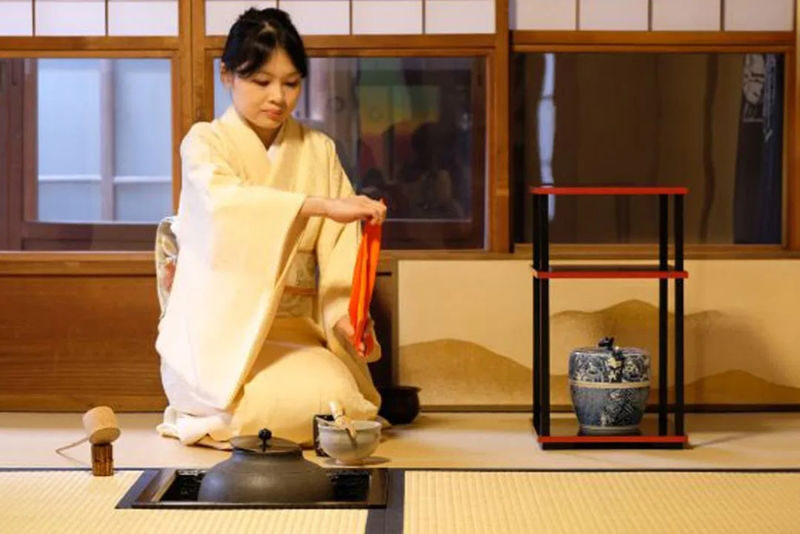
This class takes place at 37 Kinugasanishi Goshonouchicho, in Kyoto’s Kita Ward. The address is close to Kinkaku-ji, also known as the Golden Pavilion, and about a one-minute walk from the Kinkakuji-michi city bus stop. That location is a practical bonus: you can build the class into a northern Kyoto day rather than set aside a separate trip across town.
The setting matters because the ceremony is not simply a demonstration of how to make green tea. The preparation of matcha is a traditional practice in which deliberate gestures, attention, and respect are part of the experience. A short introduction can help you notice those details when you see tea ceremony traditions elsewhere in Japan.
Your instructor is Rie, a Kyoto native who studied with the Urasenke School and holds a second-degree instructor qualification. She founded her tea ceremony business in 2015 to share the practice with visitors. Her background gives the class a clear teaching focus: you are there to learn the basic ideas and movements, not just watch someone make a drink.
The experience is listed as about 45 minutes. That is enough time for a concise cultural introduction, a prepared bowl of matcha, and your own attempt at brewing. It is not a long, elaborate ceremony, so think of it as a first lesson rather than an exhaustive study of tea culture.

👉 See our pick of the 25 Best Workshops And Classes In Kyoto
Watching Rie prepare the first bowl
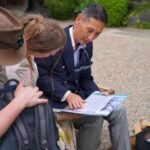
The class begins with an introduction to the history and culture of Kyoto’s tea ceremony. The tradition is connected with Zen Buddhism, and the host explains why the preparation is treated as more than a practical task. You will hear about the meaning attached to the gestures and etiquette, then see those ideas put into practice.
The demonstration is a good moment to slow down and watch. Some of the movements are precise, and it helps to pay attention rather than wait for a constant stream of narration. A few participants have found the instructor’s voice soft, so sit where you can see and hear clearly if you have a choice. If something is unclear, ask politely when there is a natural opening.
The instructor takes the formality seriously. That can make the lesson feel more substantial than a casual food tasting, but it also means you should be ready to follow directions. A number of people have found the corrections firm when they missed a cue or misunderstood an instruction. If you are comfortable being coached, that structure can help you understand the ceremony. If you prefer a relaxed, anything-goes activity, this may feel less easygoing than you expect.
I see the serious approach as part of the value, provided you know what you are booking. This is a lesson in a practiced art, not a tourist show designed around jokes and constant posing. You do not need prior knowledge, but patience and attention will make the session more rewarding.
You can also read our reviews of more tours and experiences in Kyoto.


Tasting organic Uji matcha and a Japanese sweet
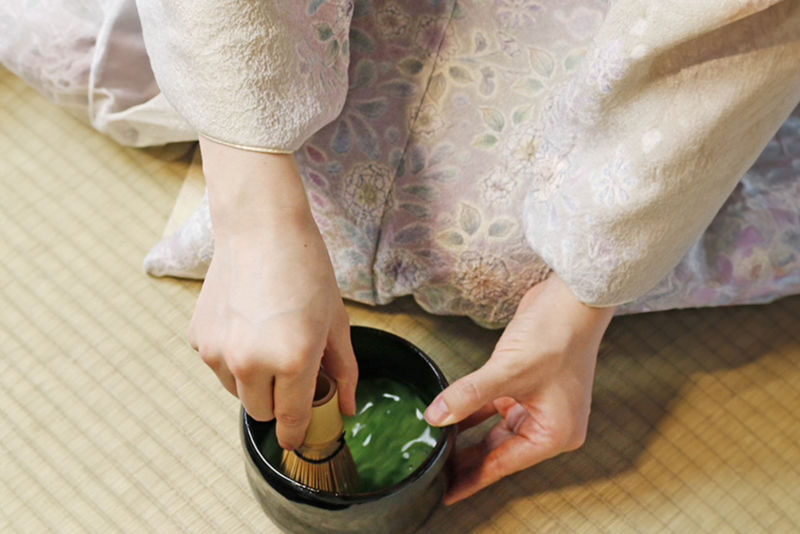
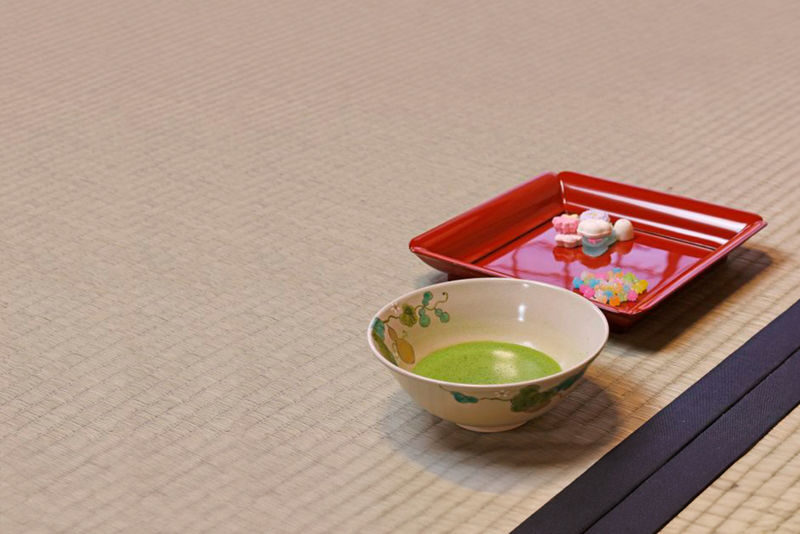
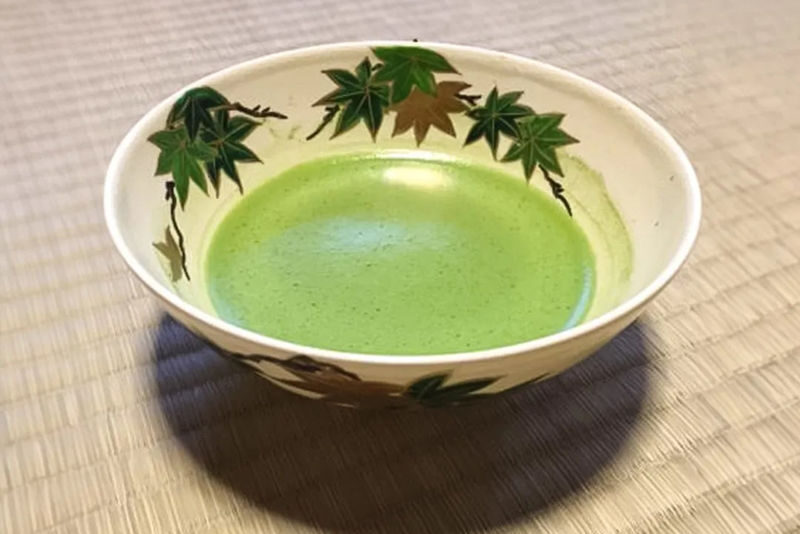
After the demonstration, you taste organic Uji matcha prepared by Rie. Uji, near Kyoto, is closely associated with Japanese tea, and the matcha gives you a direct taste of the ingredient at the heart of the ceremony. Matcha is powdered green tea, whisked into water rather than steeped and removed like loose leaves.
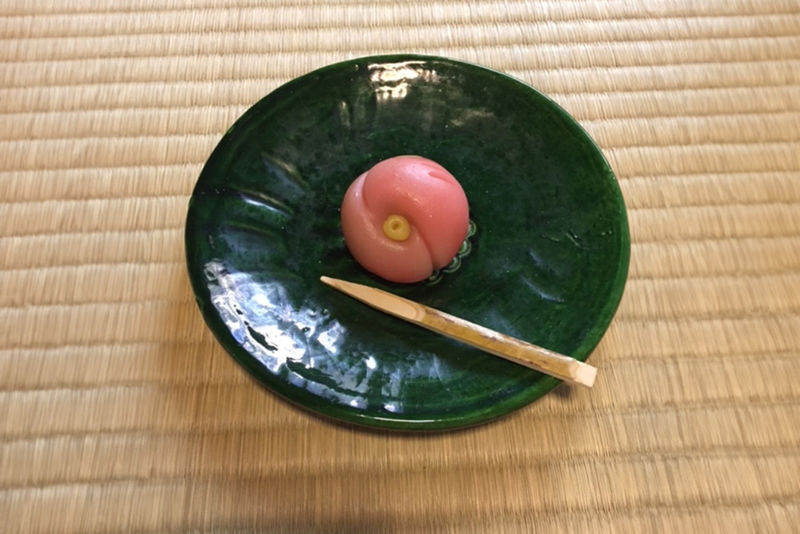
Its flavor can be intense, grassy, and bitter compared with the sweetened tea drinks many people know. The accompanying Japanese sweet offers a contrast, though its texture and flavor may not suit every palate. Treat the tasting as part of the lesson, rather than expecting a dessert course tailored to every taste.
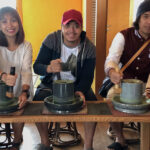
Then comes your turn to prepare tea. You get a hands-on introduction to whisking matcha and following the basic steps shown by the instructor. This is a valuable part of the class: watching a tea master’s movements is interesting, but trying the process yourself gives you a better sense of the care and attention involved.
The practice is brief, so don’t expect to leave as a tea practitioner. You will, however, have a clearer sense of how the bowl is prepared and why the gestures matter. Questions are welcome, and the class can be a useful way to make tea culture less abstract before you visit other temples, gardens, or tea shops in Kyoto.
Choosing the kimono option
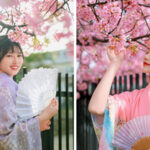
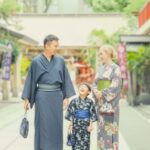
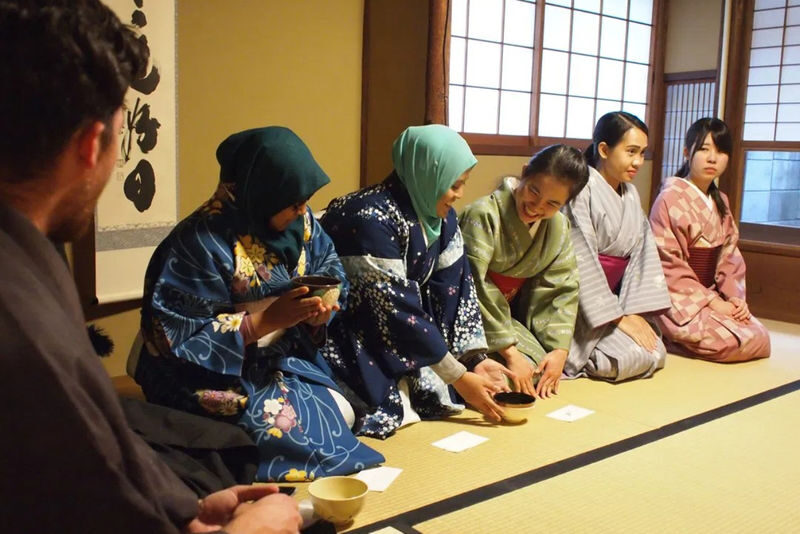
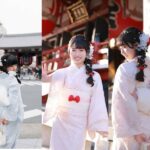
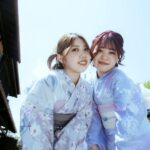
You can book the standard tea ceremony or choose to wear a classic kimono during the session. The kimono is provided for the class and must be returned before you leave. It is not a rental for the rest of your sightseeing day, so choose this option for the ceremony itself, not as a way to dress for a full day around Kyoto.
The extra clothing can add a sense of occasion and make the experience feel more connected to traditional dress. It also makes the session more involved, and timing matters. Some people who chose this package advise arriving early enough to get dressed; arriving exactly at the appointment time may leave too little time for the kimono portion. At the same time, the venue does not allow entry more than 30 minutes before class, since an earlier session may still be underway. Check your voucher’s instructions and plan within that window.
Be realistic about photographs. The experience is centered on the tea lesson, and the kimono is worn only for the session. If a carefully arranged photo shoot is your main goal, this may not be the right package. The class provides a cultural activity with a chance to wear traditional clothing, not a dedicated photography service.
If you want a more personal setting, private tea ceremony and private tea ceremony in kimono options are also offered. The supplied details do not specify the private class size or how its format differs, so check the package description before booking. Children aged zero to four may join private classes free, while the general activity is for ages five and up.
What the 45 minutes can and cannot do
A 45-minute class is a practical introduction, especially if your Kyoto schedule is tight. You get cultural context, a demonstration, a taste of matcha, and a chance to whisk your own tea without giving up a full morning or afternoon. The location makes it particularly easy to combine with Kinkaku-ji.
The trade-off is pace. The class has several parts to fit into a short session, and some participants have felt rushed. If you want a long, meditative ceremony with ample time for questions and reflection, a short group class may not satisfy you. A private option might suit you better, although the exact timing and format should be confirmed when you book.
The instruction is in English, and the class includes an English-speaking guide as well as a certified professional instructor. Participants have appreciated clear explanations and the chance to ask questions. Still, the teaching style is formal, and the instructor may speak softly. Watch closely, listen, and avoid treating the lesson as a casual demonstration you can half-follow while taking photos.
You may also be offered tea bowls or matcha powder for purchase. These are not included in the class price, and buying anything is optional. The activity includes the ceremony, tasting, and brewing lesson, but not transport or other personal expenses.
Is $26.25 a fair price?
The standard experience starts at $26.25, with the final price depending on the package you choose. For that entry price, you get a teacher-led introduction, a serving of organic Uji matcha, a Japanese sweet, and a hands-on brewing lesson. That is a reasonable exchange if you value cultural context as much as the drink itself.
The price makes less sense if you expect a long ceremony, a lavish meal, or a professional photo session. The class is brief, and the kimono package should be viewed as an added part of the lesson rather than a full-day costume rental. If wearing a kimono is important to you, the added cost may feel worthwhile. If your main interest is learning about tea, the standard option is likely to offer the best value.
The provider, Tablecross Inc., has a 95 percent good-review rate across 1,145 reviews. The specific experience has a 4.5 out of 5 rating from 57 reviews. Those figures point to a generally well-liked activity, but they do not erase the occasional complaint about a rushed pace, strict correction, or a disappointing interaction. I would book for the instruction and location, while keeping expectations modest about extras such as photos.


Getting there and planning your visit
The address is 37 Kinugasanishi Goshonouchicho, Kita Ward, Kyoto, 603-8377. The class is one minute on foot from the Kinkakuji-michi city bus stop. Detailed location information and a Google Maps link are provided on the voucher after booking confirmation.
Transport is not included, so plan your own route. Since Kinkaku-ji is nearby, you can make the tea class part of a visit to the temple. Leave enough time between activities to reach the meeting point without rushing, and do not arrive more than 30 minutes early because the previous class may still be in progress.
The experience lasts approximately 45 minutes. Children must be included in the passenger headcount, and participants must be at least five years old. Children aged five to 12 need a paying adult with them; participants aged 13 and older pay the adult rate. Children aged zero to four can join a private class at no charge, to maintain a suitable private atmosphere.
A mobile voucher is accepted. Booking confirmation is expected within 48 hours; if it does not arrive, contact customer support. The voucher is valid only on the date and time specified. Cancellations made at least 72 hours before the activity, in destination local time, qualify for a full refund. Reschedules, changes, and refunds remain subject to availability.
Who should book this Kyoto tea ceremony?
I would recommend the class if you want a compact, guided introduction to matcha and Japanese tea etiquette, especially if Kinkaku-ji is already on your itinerary. It suits first-time visitors, curious families with children aged five and older, and anyone who wants to try preparing matcha rather than only watch a demonstration.
Choose the kimono package if wearing traditional clothing is part of the experience you want, and you are content with using it only during the class. Choose a private class if a more personal atmosphere matters to you, while checking the exact package details before paying.
Skip it if you need a long, unhurried ceremony, dislike formal instruction, or mainly want a polished photo session. For most curious visitors, the standard class offers the clearest value: a local instructor, a taste of Uji matcha, a practical lesson, and an easy pairing with Kyoto’s Golden Pavilion.
Traditional Japanese Tea Ceremony Experience in Kyoto
“Very nice introduction to the way of tea. Lovely host, small group. We enjoyed it. the location near Kinkaku-ji is also very convenient. You can co…”
FAQ
How long does the tea ceremony experience last?
The experience lasts approximately 45 minutes.
Where is the meeting point?
Meet at 37 Kinugasanishi Goshonouchicho, Kita Ward, Kyoto, 603-8377. The class is a one-minute walk from the Kinkakuji-michi city bus stop.
Is the class near Kinkaku-ji?
Yes. The experience is located near Kinkaku-ji, making it possible to combine the class with a visit to the temple.
What is included in the experience?
The class includes an English-speaking guide, a certified professional instructor, a tea ceremony, a matcha tasting, and a brewing experience. Transport and other personal expenses are not included.
Is a kimono included?
A kimono is available with the Tea Ceremony in Kimono package and the Private Tea Ceremony in Kimono package. It is worn for the session and returned before you leave.
What age can take part?
Participants must be at least five years old. Children aged five to 12 must be accompanied by a paying adult, and those aged 13 and older pay the adult rate. Children aged zero to four can join private classes for free.
How early can I arrive?
You may not enter more than 30 minutes before the class, because a previous session may still be in progress. If you booked a kimono option, plan to arrive early enough within that period.
How do I receive the booking confirmation and voucher?
Confirmation is expected within 48 hours. Present your mobile voucher, which is valid only for the specified date and time.