First time at Tokyo Disney, I expected a slightly-Japanese version of Anaheim. Nothing like that. The parks are operated by a Japanese company under license, and the details are obsessive — grass trimmed by hand, paint touched up nightly, fireworks rehearsed to the metronome. The crowd is also different. Grandparents in full cosplay. Families who arrived at 7 am with picnic coolers. We stayed until closing fireworks and still missed half our list.
The real question most first-time visitors are quietly asking is: DisneySea or Disneyland? The answer is clearer than you’d think. This guide walks through it and covers how to actually book.
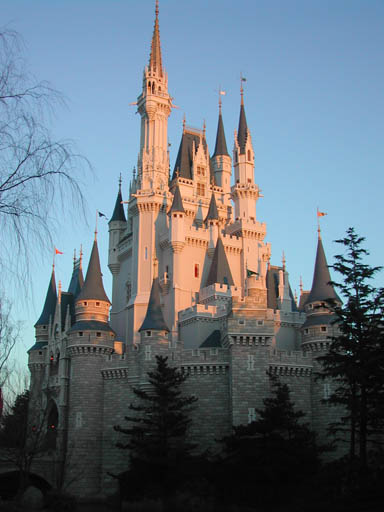
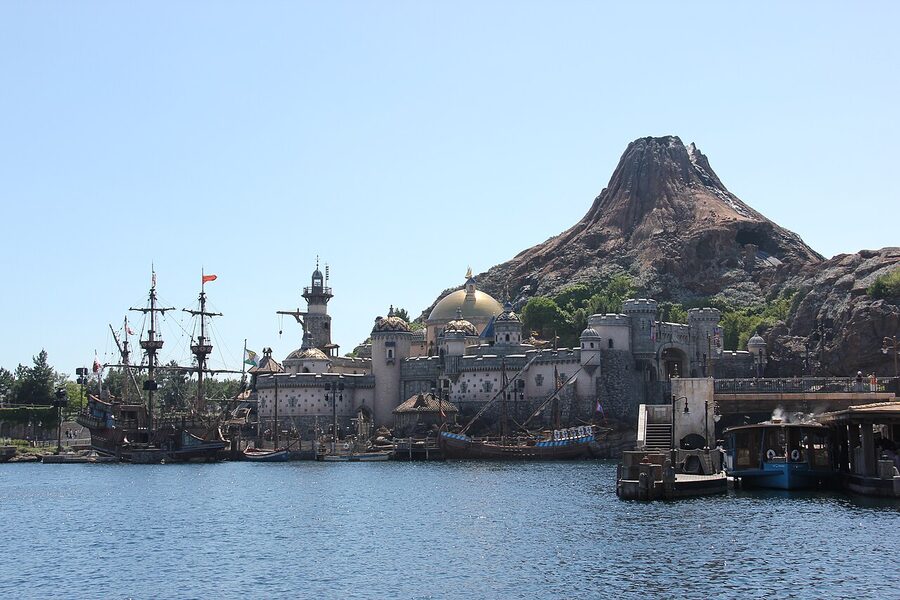
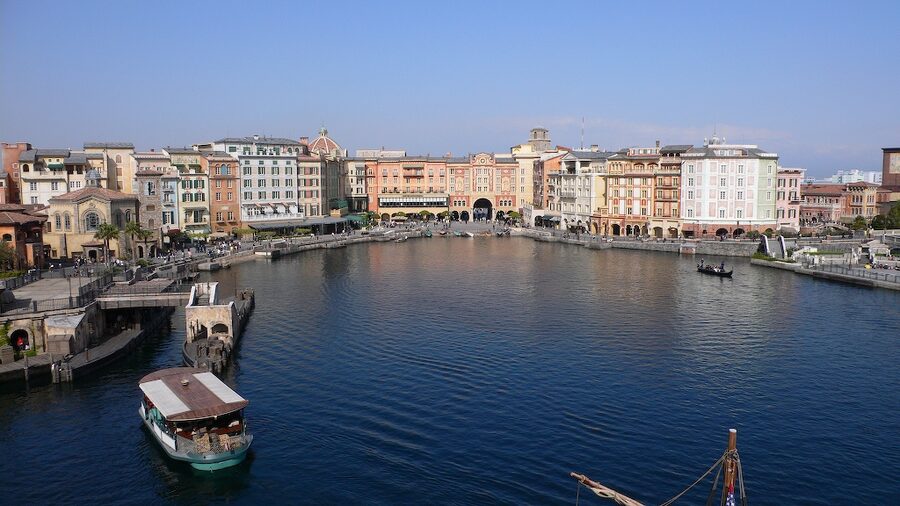
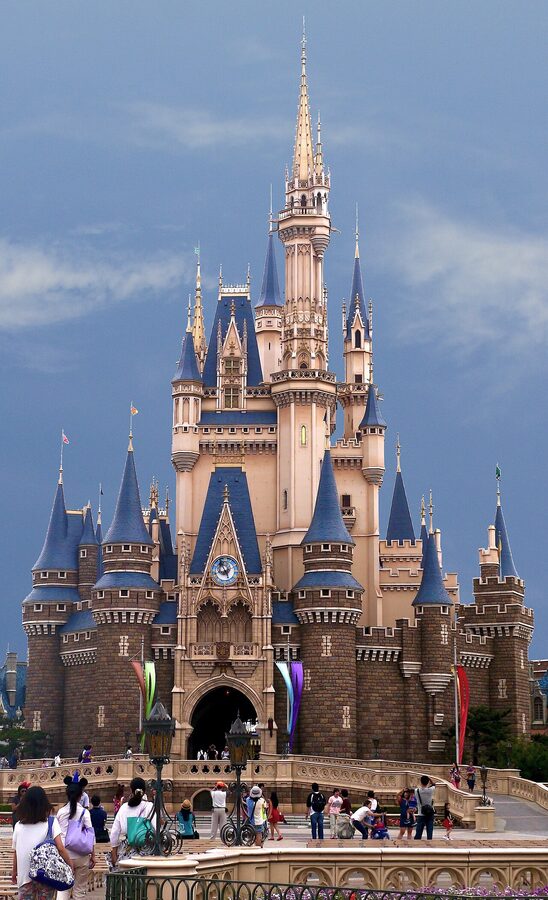
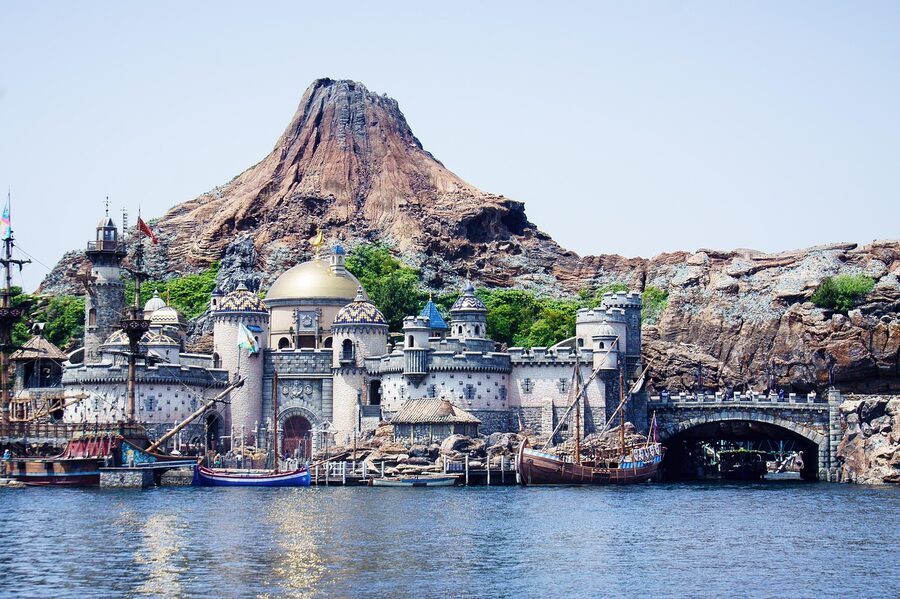
The resort has two parks. Tokyo Disneyland is the classic — Main Street U.S.A., Cinderella Castle, Haunted Mansion, Splash Mountain. Tokyo DisneySea is something else: a fully original park that only exists here, built around a man-made harbour with themed zones that range from a miniature Venice to a simulated Mount Prometheus volcano that erupts every 15 minutes. First-time visitors often arrive expecting Disneyland to be the main event and leave planning their return trip around DisneySea. Both are excellent; they’re just different experiences. This guide helps you pick which one (or both) fits your trip.
Short on time? Here are my top picks:
If you’re Disney-only and picking one park: Tokyo: DisneySea 1-Day Passport — $57, the more distinctive of the two parks. Exists nowhere else in the world.
If you want the classic Disney experience: Tokyo Disneyland 1-Day Passport — $57, the familiar Disneyland format with Japanese-standard polish.
If you want the transfer included: Tokyo Disneyland or DisneySea Ticket + Door-to-Door Transfer — $143, pick either park and add private transfer from your hotel.
- The Key Decision: DisneySea or Disneyland
- The 3 Best Ticket Options
- 1. Tokyo: DisneySea 1-Day Passport —
- 2. Tokyo Disneyland 1-Day Passport —
- 3. Tokyo Disneyland or DisneySea Ticket + Door-to-Door Transfer — 3
- Getting There — The Maihama Approach
- Seasonal Calibration
- Food, Drink, and In-Park Economics
- The Hotels — Should You Stay On-Site
- How to Actually Do the Day
- The Disney Premier Access System
- What Tokyo Disney Isn’t
- Booking Tips
- More Tokyo Experiences
The Key Decision: DisneySea or Disneyland
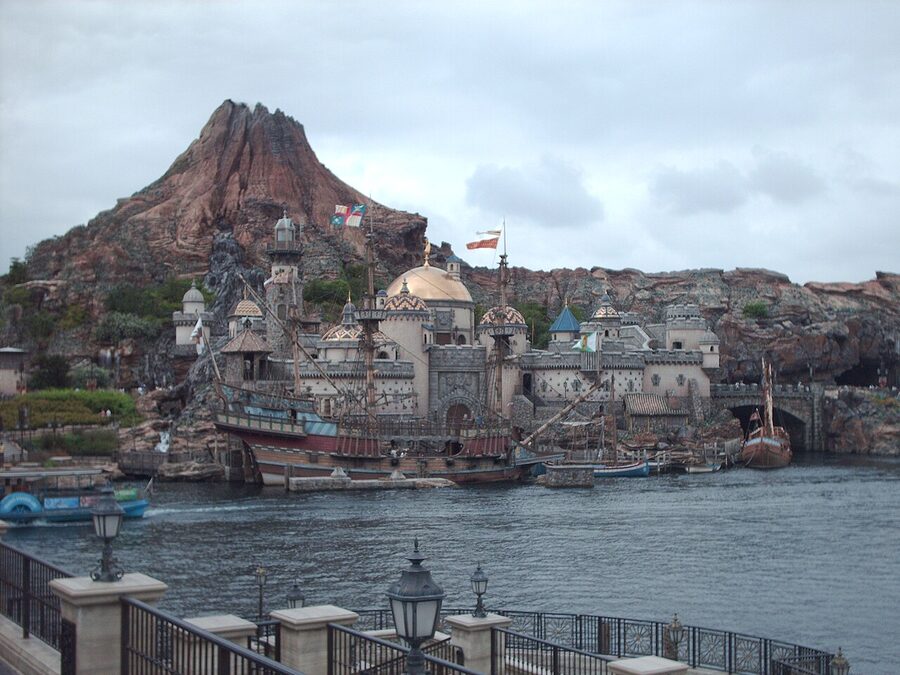
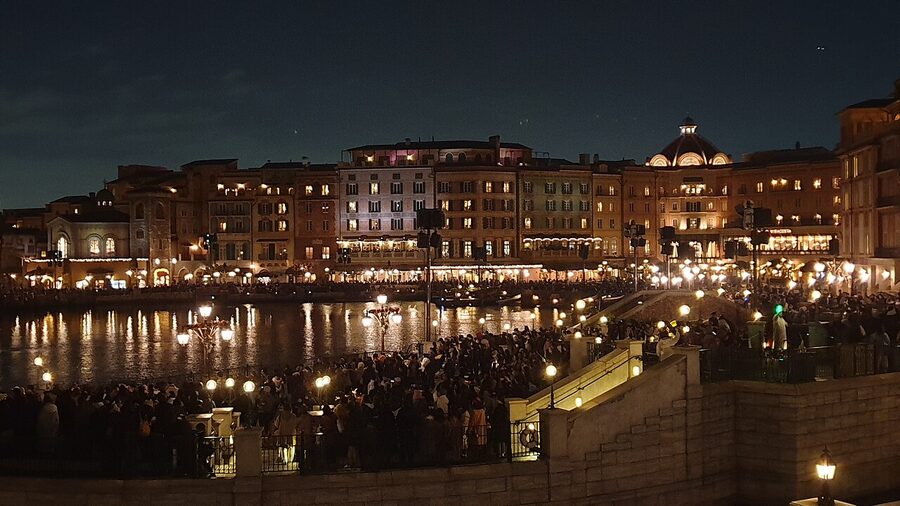
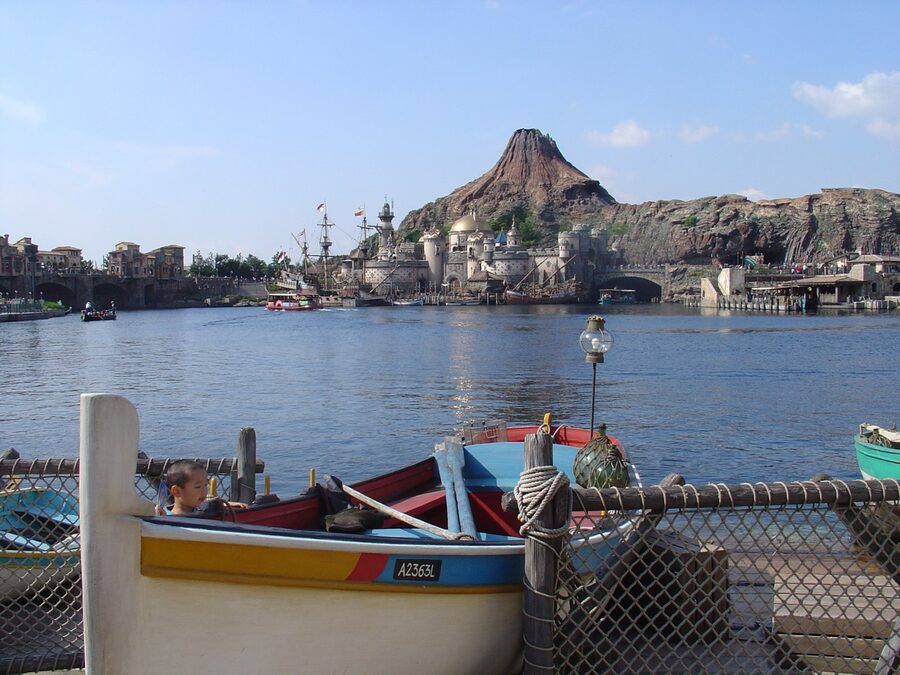
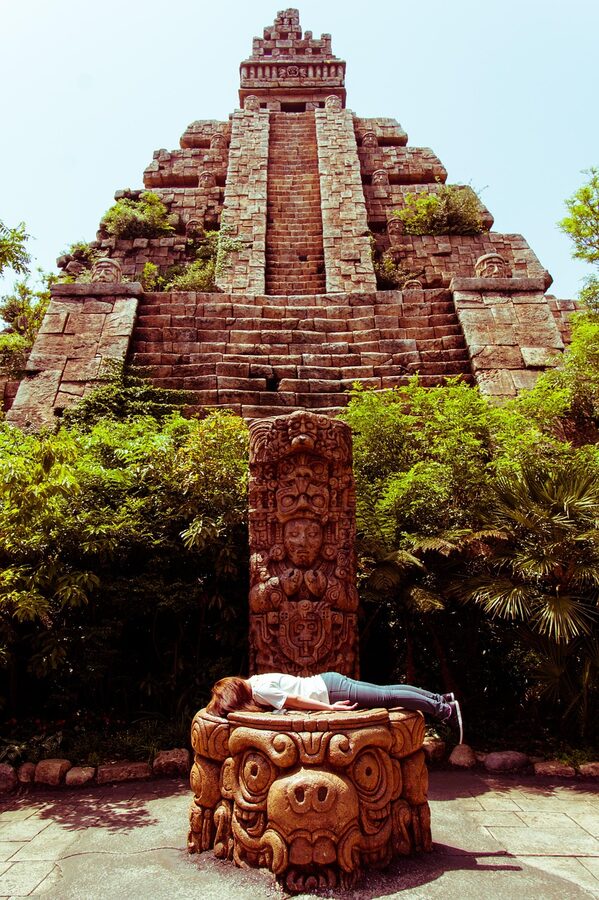
If you’ve only ever visited American Disney parks, DisneySea will feel like the genuinely new thing. It opened in 2001 and was designed specifically for Tokyo — no American or European Disney park has this format. The park is organised around a large central lagoon, Mediterranean Harbor, surrounded by themed districts: American Waterfront (with a full-scale ocean liner you can walk through), Lost River Delta (themed to early 20th-century Central American archaeology), Mysterious Island (set inside Mount Prometheus), Mermaid Lagoon (indoors, based on Disney’s Little Mermaid), Arabian Coast (Aladdin-themed), and Port Discovery (Jules Verne steampunk).
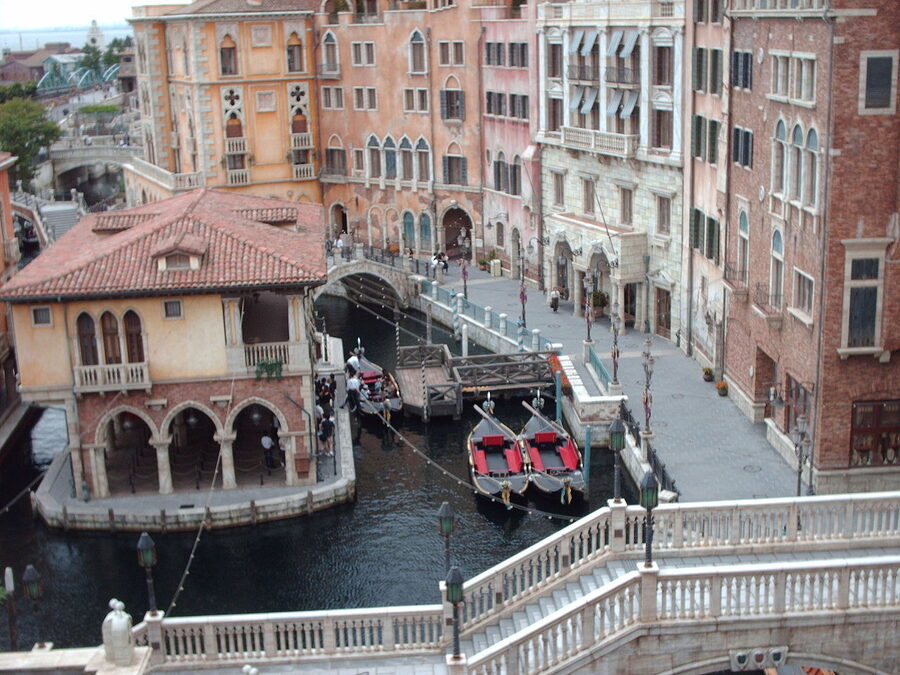
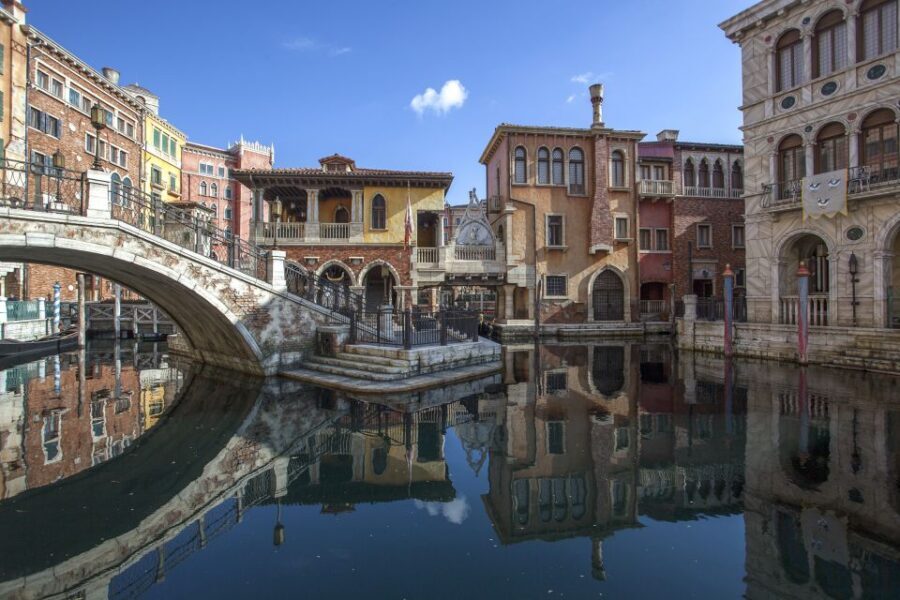
The specific thing DisneySea does better than any other Disney property is atmosphere. Entire sections of the park are designed for walking, drinking, and taking photographs rather than riding rides. You can sit with a cocktail (yes, alcohol — DisneySea is one of the only Disney parks in the world that serves beer and cocktails freely) at a café on American Waterfront and watch gondolas drift past on a Venetian-style canal. The rides themselves are good — Journey to the Center of the Earth inside the volcano is one of Disney’s best engineered coasters — but they’re not the point. The point is living inside the park for a day.
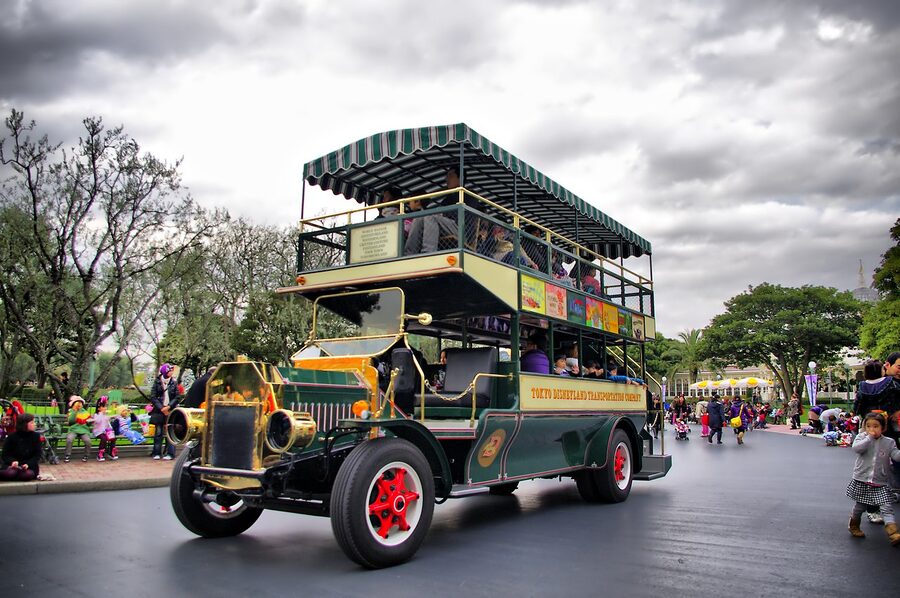
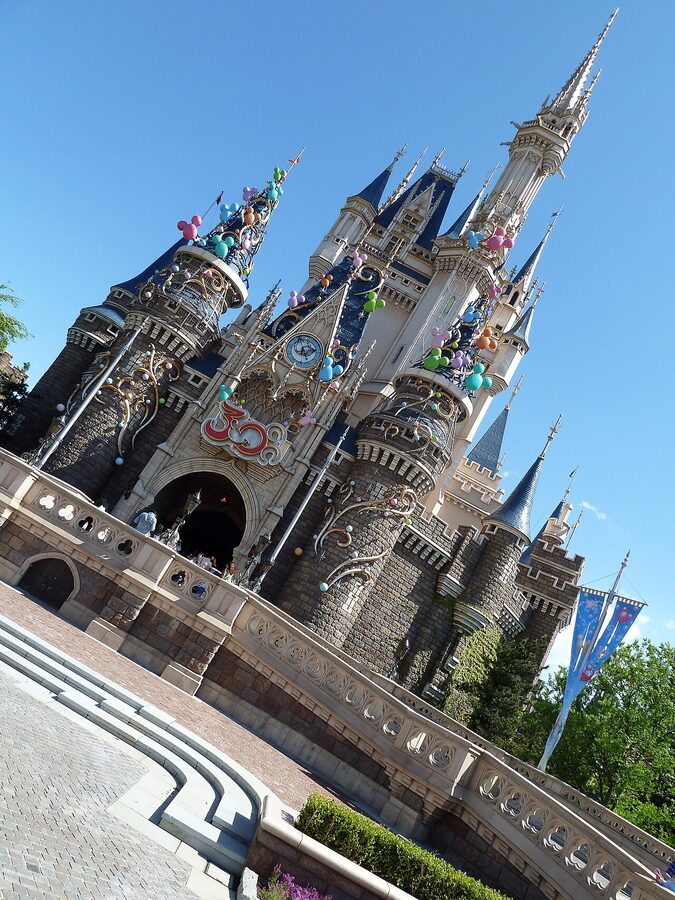
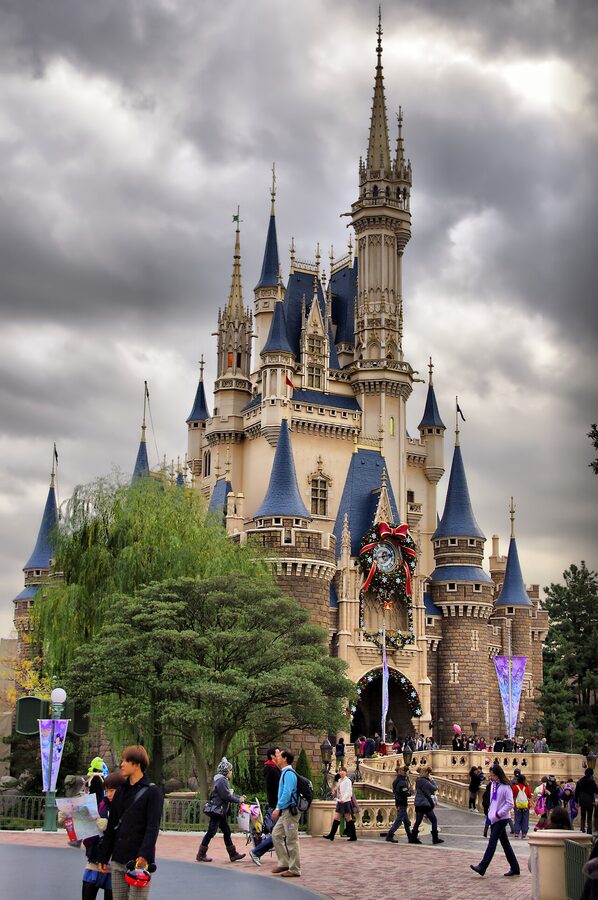
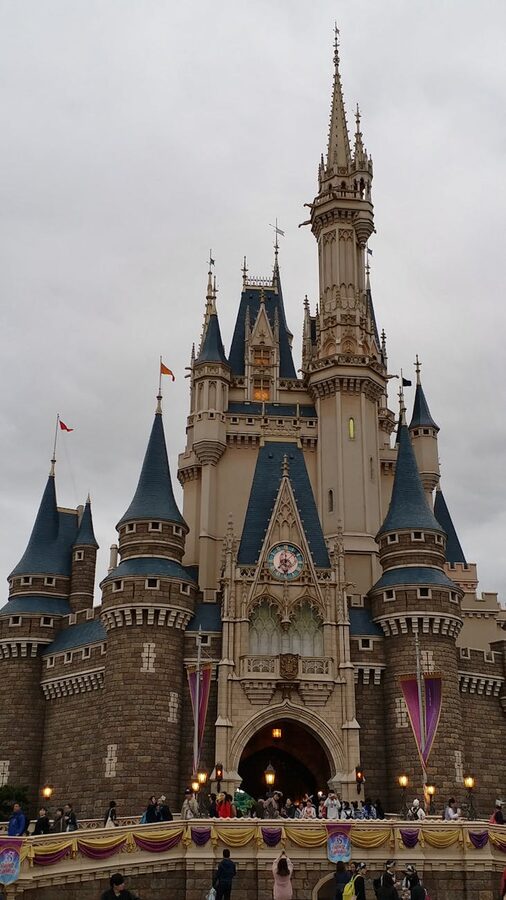
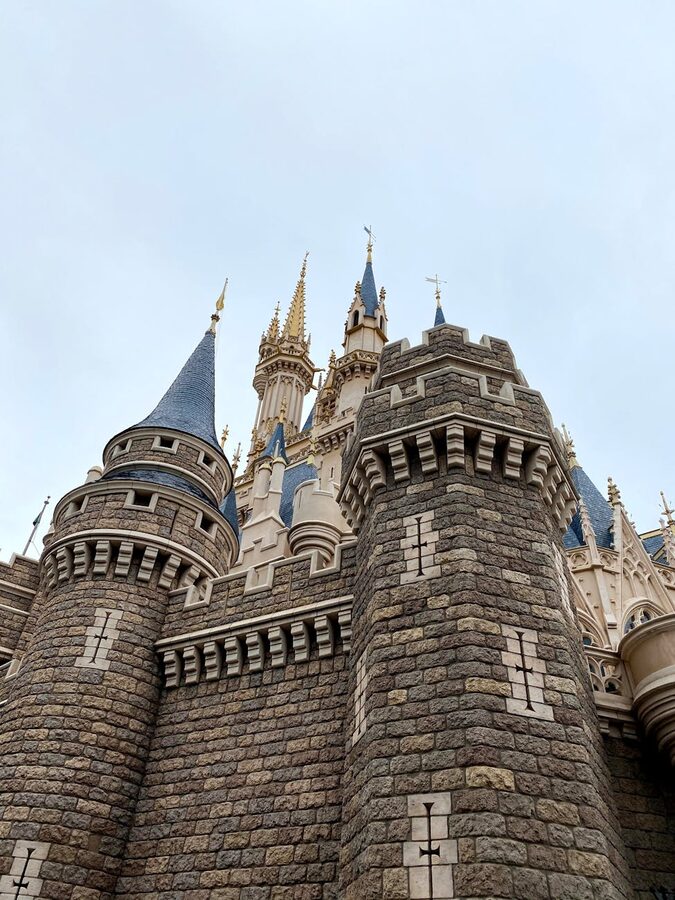
Tokyo Disneyland by contrast is the classic, comfortable version. Main Street U.S.A. (here called “World Bazaar” and enclosed under a Victorian glass roof to keep weather out), Cinderella Castle as the central visual, five themed lands, and a standard Disney ride lineup that includes Splash Mountain, Pirates of the Caribbean, Space Mountain, and the Haunted Mansion. For travellers with children under ten, Disneyland generally wins — the classic characters are more present, the parade is more elaborate, and the rides have lower height requirements than DisneySea’s more intense coaster-heavy lineup.
The short version: DisneySea for adults, couples, food-and-drink focused visitors, and Disney completists. Disneyland for families with young children, Disney newcomers, and anyone who wants the recognisable Main Street experience.
The 3 Best Ticket Options
1. Tokyo: DisneySea 1-Day Passport — $57
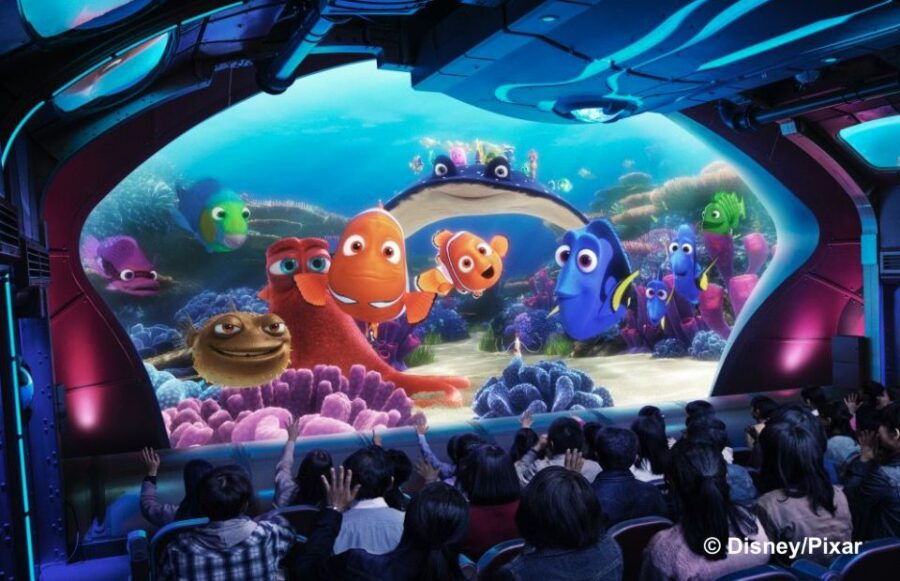
This is the pick for most international visitors on a first Tokyo trip. DisneySea is unique to Tokyo; Disneyland is not. You get full park access from opening (8-9 am depending on season) through park close (8-10 pm depending on day). No fast-pass system is included (Tokyo Disney uses a paid Disney Premier Access system instead, purchasable in-app during your visit), but well-timed arrival at 7:30 am with a planned first-ride target usually handles the morning’s biggest-queue attractions before 10 am. Food and drink are separate costs; budget ¥3,000-4,000 per person for a full day inside the park. Our full review covers the must-do rides and the hidden restaurants.
2. Tokyo Disneyland 1-Day Passport — $57

The classic-experience option. If you’re travelling with younger children, Disneyland is almost certainly the better park — the character encounters happen more frequently, the parade is genuinely show-stopping (especially the nighttime electrical parade when it’s running), and the height requirements are lower. Adults who’ve been to American Disney parks may find less new material here than at DisneySea, but “less new” is still great. Winter Disneyland (mid-November to early January) is especially worth timing — the entire park transforms with snow decor and Christmas overlays that American parks don’t attempt. Our review covers the ride priorities and best time slots.
3. Tokyo Disneyland or DisneySea Ticket + Door-to-Door Transfer — $143
This is the premium pick if you value convenience over cost or if you’re travelling with small children/luggage/mobility considerations. The transfer works out to about $43 each way for a private vehicle, which is competitive with a taxi at Tokyo rates (¥8,000-12,000 to Maihama from central Tokyo). You pick either Disneyland or DisneySea at booking. Pickup typically happens around 7-8 am from your hotel lobby; the return transfer waits at the park gate at a specified time. A reasonable upgrade for family groups who’d otherwise spend 45 minutes on public transit with tired kids. Our review covers when the transfer pays off.
Getting There — The Maihama Approach
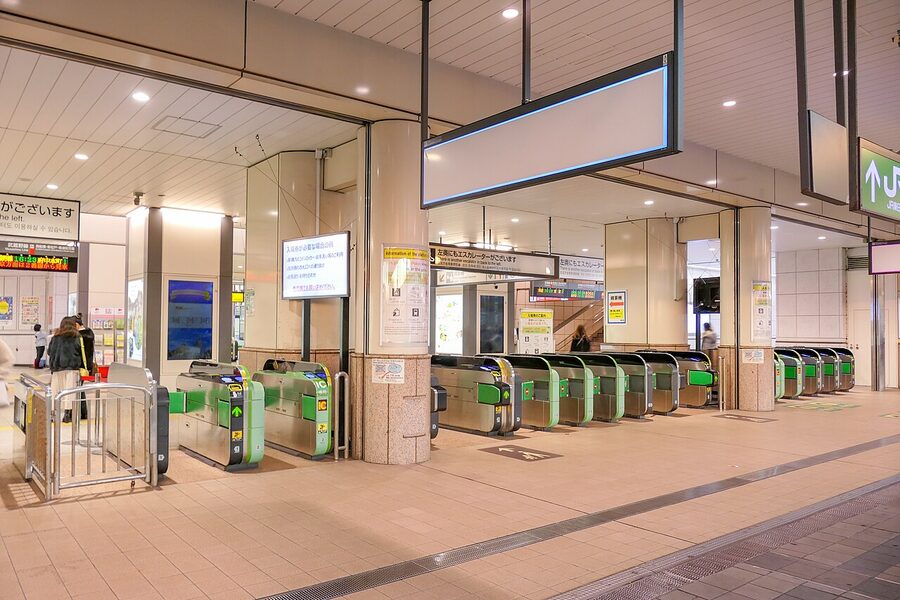
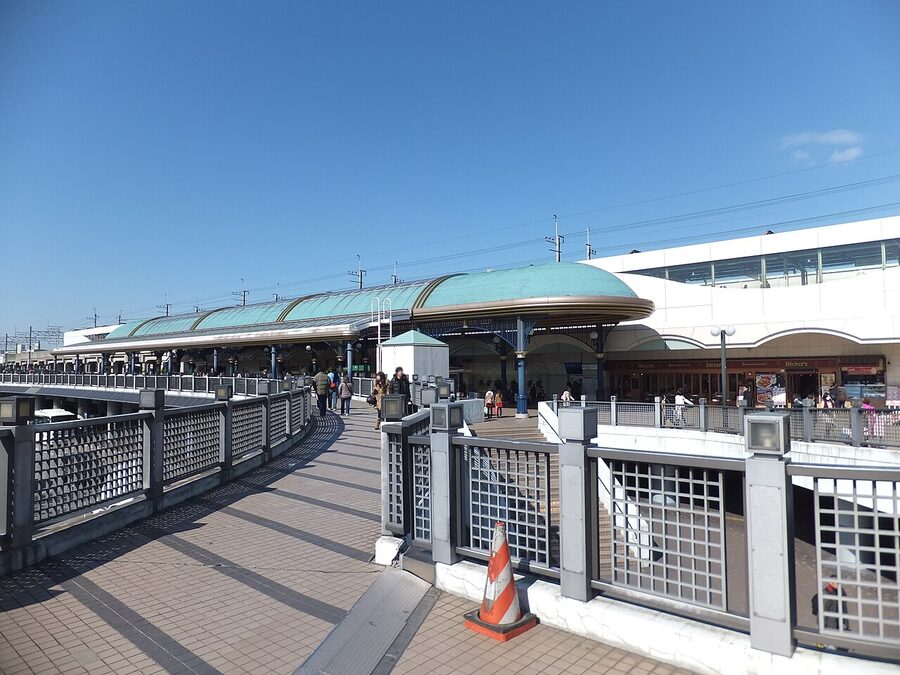
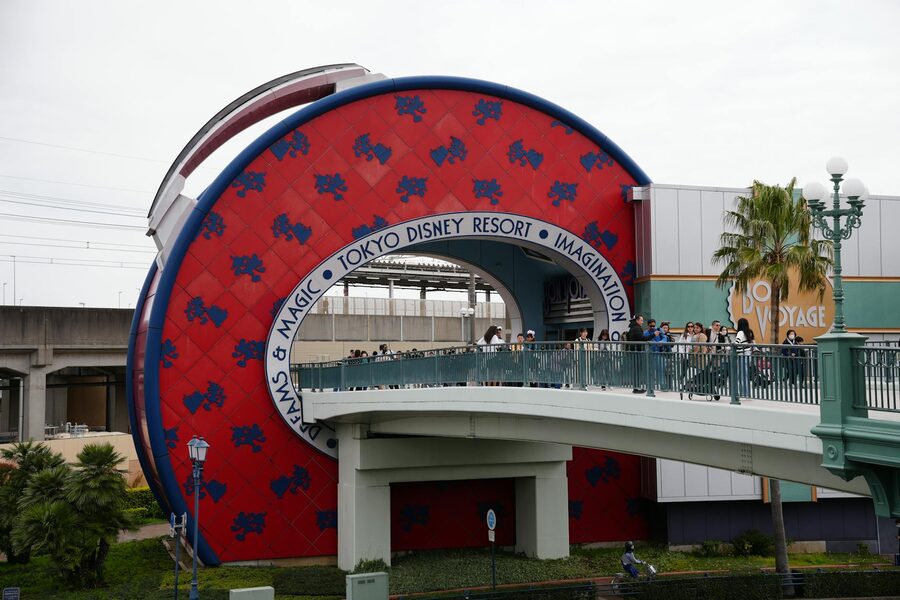
The parks are in Maihama, about 25 minutes east of Tokyo Station by the JR Keiyo Line. Trains depart Tokyo Station every 3-8 minutes between 7 am and 10 pm; the ride is ¥230 each way. From Maihama Station, you transfer to the Disney Resort Line — a driverless monorail loop that stops at both parks and the major Disney hotels. The monorail runs continuously during park hours; a one-day pass costs ¥660.
Taxis to Maihama from central Tokyo run ¥8,000-12,000 each way (depending on traffic and origin), and a standard hired car is ¥12,000-18,000 one-way. The Tour 3 transfer package works out to ¥15,000-20,000 per group per day once you include the parks tickets, which compares reasonably to taxi-plus-tickets at Tokyo rates.
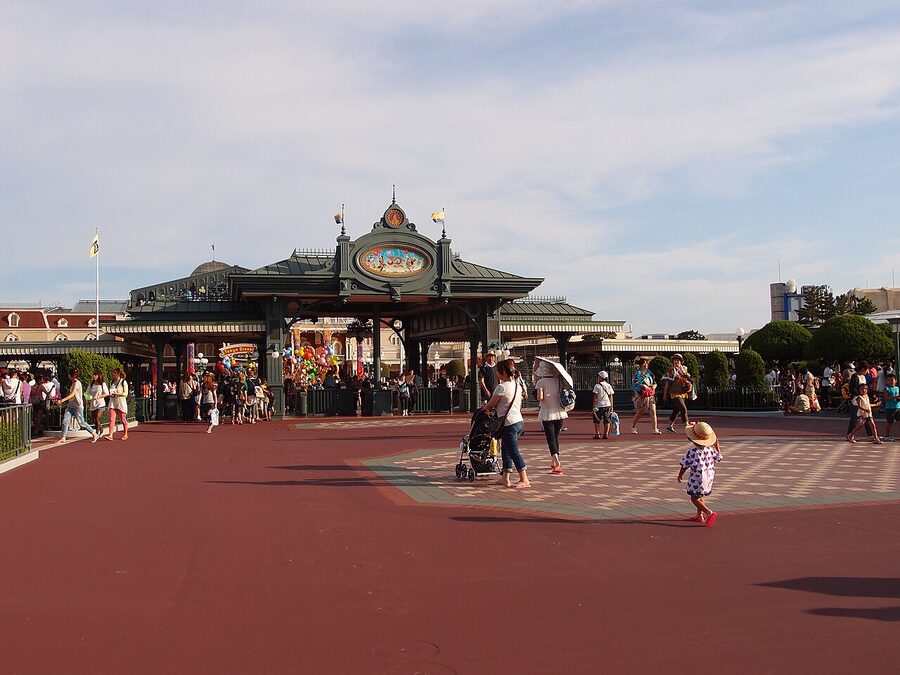
Arrive at the park gates at least 30 minutes before opening. The parks open sometimes 30 minutes earlier than the printed official time, and the first 90 minutes inside the park (before 10 am) is the single best window to hit the headline attractions before queues compound. A 7:30 am arrival at the park gate is the gold-standard first-visitor approach; seasoned locals arrive by 7 am.
Seasonal Calibration
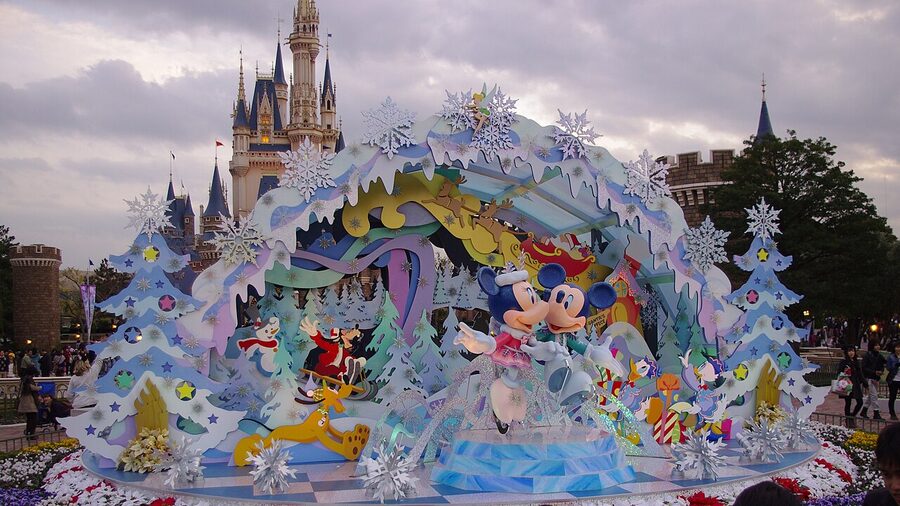
Tokyo Disney’s seasonal programme is one of its differentiators. Each quarter brings different overlays, parade formats, and limited merchandise. Halloween (early September to end of October) transforms both parks with elaborate decor, and the Halloween parade at Disneyland is genuinely a showstopper — designers work on it for months. Christmas (early November to end of December) is equally elaborate, with lit-up Cinderella Castle shows and specific Japanese winter details that American parks don’t incorporate. Easter (March-May), Japanese summer festival season (July-August), and the January New Year’s overlay also each have distinct programming.
If you can match your visit to one of these seasons, the per-dollar entertainment value of Tokyo Disney goes up meaningfully. Autumn (Halloween) is particularly worth targeting — the cooler weather makes queueing tolerable, the crowds are slightly thinner than cherry blossom season, and the seasonal overlays are visually at their peak.
Busiest dates to avoid: Japanese Golden Week (April 29 to May 5), Obon (mid-August), New Year’s holiday (December 30 to January 3), Saturdays year-round, and the first two weekends of November when Christmas overlays launch. Weekdays outside these windows have ~30-50% thinner crowds.
Food, Drink, and In-Park Economics
The food is a substantial part of the Tokyo Disney experience. The parks serve elaborate themed snacks — popcorn with seasonal flavours (curry, caramel, honey-butter, black-pepper), character-shaped bread, ice cream in souvenir-shaped containers, and sit-down multi-course meals at the fancier restaurants — at prices that feel reasonable rather than extractive by Japanese park standards. A full sit-down lunch at Mediterranean Harbor’s Magellan’s (DisneySea) runs ¥4,500-6,000 per person; a casual character-themed bento at a Disneyland lunch cart runs ¥1,800-2,500.
DisneySea serves alcohol — a rarity among Disney parks — and this changes the overall mood of the park. Wine at an American Waterfront café, a cocktail at the Magellan’s bar, a beer at the dockside snack stand. The licensing lets the park function almost as an adult resort with children welcome, rather than a children’s resort with adults tolerated. If you want the adult Disney experience, DisneySea is decisively the better choice.
Budget rough guide for a full day in either park: ¥8,000-15,000 per person above the ticket price. That covers two meals, snacks, and one or two souvenir purchases. Cheap day: ¥4,000 if you bring packed snacks and eat one park meal. Maximum day: ¥25,000+ if you sit down at the premium restaurants, buy multiple souvenir-cup drinks, and do a full souvenir haul.
The Hotels — Should You Stay On-Site
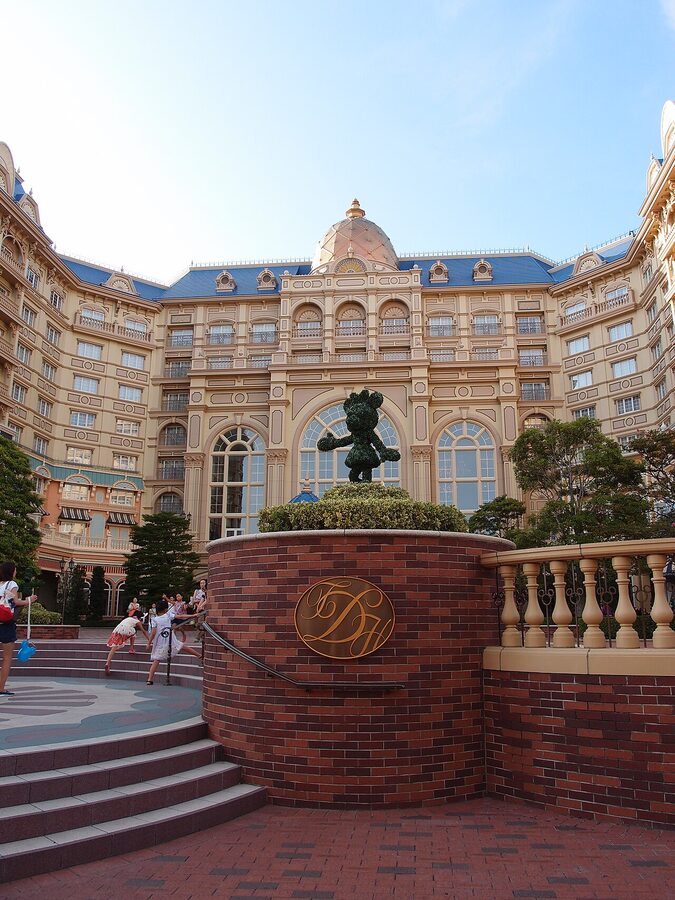
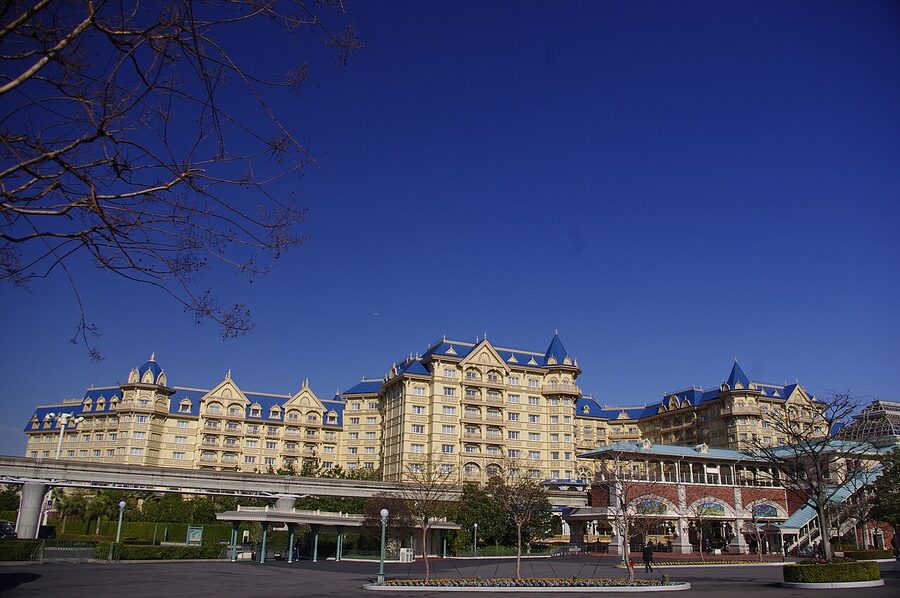
Four Disney-branded hotels cluster around the resort — Tokyo Disneyland Hotel (at Disneyland’s gates), Disney Ambassador Hotel (between the parks), Hotel MiraCosta (built into DisneySea — you can watch the park show from your room), and Tokyo DisneySea Fantasy Springs Hotel (the newest, opened 2024). Each offers the 15-minute early entry privilege. Room rates run ¥30,000-100,000+ per night depending on category and season.
For first-time visitors doing a single Disney day, staying at a Tokyo city hotel and commuting is the better value — save the Disney hotel premium for when you’re committed to a multi-day resort stay. For two-day or three-day Disney trips, on-site makes more sense: the early entry, the thematic immersion, and the reduced commute all compound.
The Hotel MiraCosta is the most-booked on-site option for adults specifically — it’s built into the DisneySea park walls, with specific room categories having views directly over Mediterranean Harbor. Rooms facing the harbour run a premium (¥60,000-120,000) and book out 6-9 months ahead. If you’re committed to that view, reserve the moment your travel dates are confirmed.
How to Actually Do the Day
A well-run Tokyo Disney day follows a rough template. Arrive at the park gate at 7:30 am (both parks open at 8-9 am depending on season; check the official calendar). Enter with the first wave and head directly to the single most-queued attraction: Journey to the Center of the Earth at DisneySea or Splash Mountain at Disneyland. Do it as your first ride. Follow with two or three more priority rides before 10 am. By mid-morning, switch to character encounters and walking-through areas; the queues for rides balloon during the day.
Book a lunch reservation for around 12:30 pm. In-park reservations can be made via the official Tokyo Disney app up to 30 days in advance; good restaurants (Magellan’s at DisneySea, Queen of Hearts Banquet Hall at Disneyland) fill up first. Afternoon is parade and show time — stake out a viewing spot 30-45 minutes early for prime positions. Evening is the fireworks finale and the second parade of the day at Disneyland; DisneySea has nightly water shows in the main harbour.
Bring a portable phone charger. You’ll be navigating the app continuously (for reservations, show schedules, queue times, map) and Disney days drain phone batteries at 2-3x normal rates. A 10,000mAh power bank handles most full days with margin.
Wear comfortable closed-toe shoes. You’ll walk 8-14 km over a full park day. Any shoe weakness will surface by hour four; by hour eight it’ll be defining your experience. This is not the trip for fashion footwear.
The Disney Premier Access System
Tokyo Disney doesn’t use the free FastPass system that American parks had for decades. Instead, the parks offer Disney Premier Access (DPA) — a paid per-ride priority pass sold through the official app during your visit. DPA tickets run ¥1,500-2,500 per person per ride, available for about 6-8 specific attractions per park.
Strategic use: if your trip is a once-in-a-lifetime Japan visit and you can afford it, buying 2-3 DPA tickets per person per day meaningfully changes the experience. You can cover the three longest-queue attractions in about 45 minutes of priority-queue time that would otherwise take 3-4 hours of standard queues. For a one-day visit, the ¥4,500-7,500 spend per person on DPA is reasonable compared to the value of the saved hours and the expanded ride count.
For multi-day visits, DPA is less critical — you can hit the second-tier rides at their quieter windows on subsequent days. Most travellers who do both parks across two days find they need DPA only on the first day.
What Tokyo Disney Isn’t
A brief caveat. Tokyo Disney is genuinely excellent but it’s not a complete substitute for a Kyoto visit, a traditional ryokan stay, or a Mt Fuji day trip. It’s a theme park — a very good one, in an elaborate and uniquely Japanese form — but it’s still a theme park. Travellers building their Tokyo itinerary sometimes over-commit to Disney days at the expense of the specifically-Tokyo experiences they came for.
The standard balance: one Disney day if you’re Disney-curious, two Disney days if you’re a Disney fan, three days if you’re a Disney obsessive or travelling with small children who’ll want to return. Beyond three days the marginal value drops sharply. Add Kyoto, add Hakone, add one Tokyo neighbourhood deep-dive, before you add a fourth Disney day.
Booking Tips
Tickets sell out during Japanese holiday weeks; book 2-3 weeks ahead for normal periods, 4-6 weeks ahead for Golden Week, Obon, and Christmas/New Year. Cherry blossom season (late March-April) and autumn foliage (November) are also peak periods.
The official Tokyo Disney app is mandatory for a good visit. Download before you travel, create an account, and link your tickets the morning of your visit. The app handles restaurant reservations, DPA purchases, show schedules, queue times, park maps, and character meet locations. Without it, you’re making the experience 40% harder.
Check the official calendar on the Tokyo Disney website for closures — the parks occasionally close for maintenance days, private events, or weather. Typhoon season (August-October) can trigger closures with 24-48 hours’ notice; book flexible tickets if you’re visiting in that window.
One last note on weather: Tokyo summers are genuinely brutal (32-35°C with 75-85% humidity in July-August), and the parks offer limited cooling relief. If you visit in summer, book park opening first thing and plan indoor breaks at Mermaid Lagoon (DisneySea) or indoor restaurants every 2-3 hours. Winter (December-February) is the more comfortable visiting season for first-timers.
More Tokyo Experiences
A Disney day pairs well with other Tokyo experiences, depending on how you’ve structured your trip. Our Tokyo Skytree guide is the logical counterweight — one day at Disney, one evening at the tower for the Tokyo-skyline view that Disney doesn’t provide. Tokyo teamLab Planets is the other immersive-environment option on the opposite aesthetic register (contemporary digital art rather than themed entertainment). For the food-focused day, our Tokyo ramen tasting tour and Asakusa Sensoji walking tour cover the traditional Tokyo neighbourhoods. Tokyo sumo show is the evening traditional counterpart to a day of theme park. For day trips beyond the city, our Mt Fuji + Hakone day trip and Mt Fuji private tours cover the Fuji options. If you’re continuing to Kyoto, Kyoto UNESCO bus tour efficiently covers the temple circuit, Kyoto tea ceremony is the quiet contemplative contrast, and Kyoto Gion geisha walking tour is the evening equivalent of a Disney day’s theatrical performance. Most travellers slot Tokyo Disney into day 2 or 3 of a Japan trip — arrival day handles jet lag, day 2 does something low-intensity, and Disney becomes the high-energy day that establishes the trip’s rhythm.