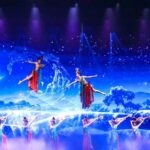
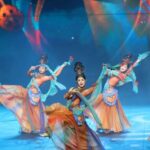
Xi’an’s Qin Baby packs six distinct performance traditions into one short stage show. You move from the piercing vocals of Qinqiang opera to leather shadow figures, rod puppets and Huayin Laoqiang, with comic characters helping tie the acts together. It is a compact way to see forms that can be hard to encounter in a single visit.
Two things I like here are the variety and the short running time. You get a lively introduction to Shaanxi’s stage arts without having to choose just one, and the roughly 40-minute show can fit into a day of sightseeing.
One thing to check before setting out is the venue. A visitor in September 2025 found the show had moved after the summer season, and was redirected to another location. Confirm the current theater address and show time before you travel across town.
- Qin Baby at a glance
- Six Shaanxi traditions in a single 40-minute show
- From Qinqiang’s sharp vocals to Huayin Laoqiang’s force
- Shadow play, Wanwanqiang and rod puppets
- Opera stunts and a modern stage frame
- The performers and the story behind the forms
- The theater, ticket collection and a location check
- Is the ticket worth .80?
- Who should book Qin Baby?
- FAQ
- How long does Qin Baby last?
- What time are the performances?
- Where is the theater?
- How do I redeem my ticket?
- Which performance traditions are included?
- Is tea included with the ticket?
- Can children attend for free?
- More Tickets in Xi'an
- More Tours in Xi'an
- More Tour Reviews in Xi'an
- Not for you? Here's more nearby things to do in Xi'an we have reviewed
Qin Baby at a glance
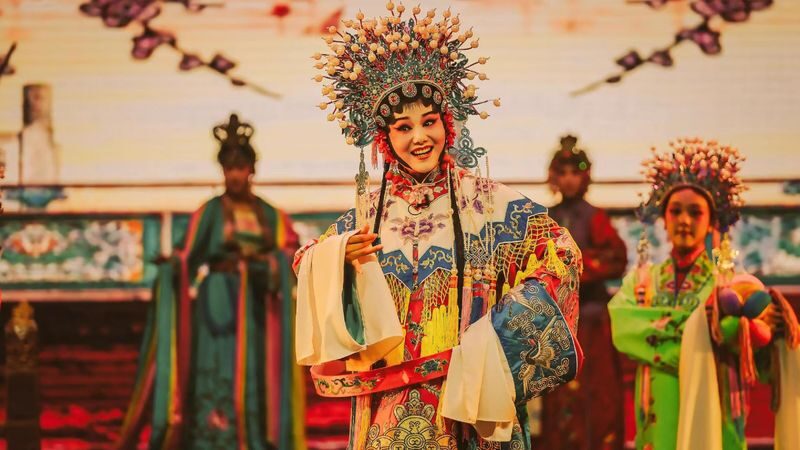
- Six traditions in one show: Qinqiang, Huayin Laoqiang, shadow play, Wanwanqiang, rod puppetry and opera techniques appear in the program.
- A 40-minute performance: The show is brief, though you should plan to arrive about an hour early for ticket redemption.
- Two scheduled show times: Performances are listed at 13:00 and 17:00, with the actual schedule subject to change.
- A lively introduction to local art: Expect strong singing, puppetry, comic linking characters and stage stunts, not a single long dramatic story.
- VIP tea has a seating caveat: Tea service is included in the VIP area, but not in Area A.
- Verify the theater before you go: A September 2025 ticket holder was redirected after the performance had moved from the listed theater.
Six Shaanxi traditions in a single 40-minute show
Qin Baby is built as a sampler, not a full-length opera. Its central thread is Qinqiang, a major opera form from northwest China, with other Shaanxi performance traditions appearing in turn. The program connects shadow puppetry, Wanwanqiang, rod puppets, Huayin Laoqiang and opera techniques.
That format suits you if you are curious about local performance but do not know where to start. Rather than spending an evening with one opera style, you get a quick look at how different traditions use voice, rhythm, movement and stagecraft. The trade-off is that each art form gets limited time. Treat this as an introduction, not a thorough lesson in any one tradition.
The show is described as lasting about 40 minutes, although the broader activity duration is given as one to two hours. That longer window makes sense once you allow time to get to the theater, redeem your ticket and enter. The actual performance is the short part.
The acts are linked by two Qinqiang clown characters. Their role is to keep the pace moving and add a playful thread between different forms. This structure should help the show feel less like a string of unrelated demonstrations, though the exact order of performances can vary. The program’s listed elements are not a promise that each will appear in a fixed sequence.
You can also read our reviews of more tours and experiences in Xi'an
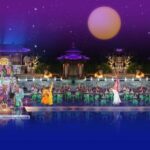
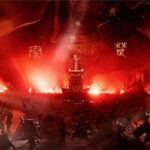
From Qinqiang’s sharp vocals to Huayin Laoqiang’s force
Qinqiang is the show’s anchor. Its singing is described as high-pitched and passionate, with a wide range that includes both joyful and sorrowful styles. The acting tends toward bold, direct gestures, and the makeup uses varied colors and patterns to distinguish characters.
That sound and physical style can feel quite different from the restrained performance many visitors expect from opera. The point is not polished understatement. Qinqiang uses strong voices and expressive movement to make the story and characters clear from a distance. If you enjoy stage work with plenty of energy, this is likely to be one of the parts that holds your attention.
Huayin Laoqiang brings another kind of force. This Shaanxi tradition uses a lead singer supported by backing vocals, with a strong rhythmic accompaniment that may include clappers, moon lute and banhu. Its sound is bold and stirring, and the group performance gives it a sense of shared momentum.
The program’s mix makes the contrast useful. Qinqiang and Huayin Laoqiang are both emphatic, but they are not interchangeable. Listen for differences in the vocal style and the way the supporting performers build the beat. You do not need to know the technical terms to enjoy the change in mood.
Shadow play, Wanwanqiang and rod puppets
Shadow puppetry shifts the focus from live faces to figures moving behind a lit screen. The figures are made from transparent leather, with color and detail that show through when the light catches them. Performers manipulate the figures while singing, with music supporting the action.
This is one of the clearest visual changes in the program. You can watch the skill in the movement as well as the story being told through the silhouettes. Because the artists work behind the screen, you may not see their hands at work, but the figures’ gestures and timing are the center of attention.
Wanwanqiang adds a different vocal tradition, shaped by folk singing forms from Shaanxi. Its role types use different combinations of true and falsetto voice. You may not be able to identify each vocal technique on first hearing, but listening for changes in tone and pitch gives you a way into the performance.
Rod puppetry replaces the shadow screen with solid figures controlled by handles. The performers guide wooden-headed puppets through actions such as walking, fighting and dancing. The form can bring familiar opera scenes to life in miniature, and the movement depends on careful coordination between the puppeteer and puppet.
The quick shifts among these forms are part of the appeal, but they also mean you have little time to settle into any one style. If you want a detailed plot or a long musical performance, this is not the right format. If you want a brisk sampling of Shaanxi stage traditions, the variety is the reason to go.
Opera stunts and a modern stage frame
The show also includes opera techniques such as face-changing, fire-spitting, sleeve-flinging and spear-kicking. These are physical skills as much as dramatic effects. A rapid change in facial makeup can signal a shift in character, while sleeves and weapon movements help express mood and action.
Lighting and stage effects are used to frame the older art forms for a contemporary theater setting. That can make the performance easier to follow visually, especially when the program shifts quickly between acts. The modern presentation is not a replacement for the traditional forms; it gives them a clear stage on which to be seen.
A practical point: the supplied program description lists these elements, but the actual order may change. Think of them as the show’s repertoire rather than a fixed minute-by-minute itinerary. If one particular art form matters most to you, ask the theater what is planned for your date.
The performers and the story behind the forms
The cast brings together national-level intangible cultural heritage inheritors, first- and second-level performing artists, and younger opera performers from Shaanxi. That mix connects established technique with newer performers who bring agility and a fresh stage presence.
For you, this means the show is not just a set of costumes and effects. The performance draws on people who have trained in these traditions and on artists carrying them forward. The short format makes it hard to explain the full history of each form, but seeing them performed together offers a tangible sense of how varied Shaanxi’s local culture can be.
The program also uses classic stories to express local customs and a resilient spirit. You may not catch every story detail if you do not understand the language, but the singing, gesture, makeup and music still give you clues about character and mood. There are no English subtitles noted, so come ready to read the stage visually rather than depend on translated dialogue.



The theater, ticket collection and a location check
The stated venue is Shaanxi Song and Dance Grand Theater, at 161 Wenyi North Road, Beilin District, Xi’an. The listed show times are 13:00 and 17:00, and the theater’s stated opening hours are daily from 09:00 to 22:30. Those opening hours do not mean the show runs all day; plan around the scheduled performance.
Ticket collection requires the name used for the Klook order. Ticket scanning and entry begin 30 minutes before the performance, but you are advised to arrive about an hour early to redeem your ticket. That buffer matters because a ticket voucher is valid only for the selected date and, if applicable, time.
There is a genuine venue caution. In September 2025, a ticket holder arrived at the listed theater and found the show had stopped there after the summer break. Theater staff redirected the party to another location, and they still saw the performance. Before you leave your hotel, confirm the current venue and show time with the ticket provider or theater. Do not assume that an old address remains correct.
The listed public transport options include Yongningmen Station on Subway Line 2, Southeast Exit C, followed by an 891-meter walk, and Wenyi Road Station on Line 5, Exit A, followed by a 1.1-kilometer walk. Wenchang Gate bus stop is closer, with routes 40 and 258 listed. Check the route and current station details on the day, particularly if the performance location has changed.
Is the ticket worth $14.80?
With prices from $14.80, this is an affordable cultural stop if you want to see several Shaanxi art forms in one sitting. The value comes from the range: opera singing, shadow figures, puppetry and physical stage skills all fit into a short program. It may be especially worthwhile if you have limited time in Xi’an and want a performance that focuses on local traditions rather than a single large-scale production.
The price is less compelling if you expect a long show, English explanation or a detailed narrative. The performance lasts about 40 minutes, and no subtitles are listed. You are paying for a concentrated display of performance styles, not a full evening of opera.
VIP-area seating includes complimentary tea, except in Area A. That small extra can make the visit feel more relaxed, but check the exact seating category before paying more. Tea is not included in Area A, and other personal expenses are not part of the ticket.
Children under 1.2 meters tall are admitted free without a seat. Children 1.2 meters and above pay the same price as adults. For families, the short running time may be a plus, but a child admitted without a seat will need to remain with an adult.
Who should book Qin Baby?
I would choose Qin Baby if you are interested in Chinese opera, puppetry or traditional stage arts and want an accessible first look at Shaanxi’s forms. It also suits a day plan that has room for a short cultural performance, rather than a long theater visit.
It is a weaker choice if you need English subtitles, want one art form explored at length, or cannot confirm where the performance is taking place. The 2025 venue mix-up makes that last point more than a minor detail. Book if the show is running at a location you can reach, the short format suits you, and you are happy to take in the performance through sound and movement.
Tickets for the Shaanxi Song and Dance Theater’s “Qin Baby” performance
“the tour operator made a mistake by selling tickets at this theatre location while they have stopped this show since the end of summer break. took…”
FAQ
How long does Qin Baby last?
The performance lasts about 40 minutes, subject to the actual performance time. Allow extra time for travel, ticket redemption and entry.
What time are the performances?
Shows are listed at 13:00 and 17:00. The schedule is subject to the actual performance arrangements, so confirm your selected time before you go.
Where is the theater?
The stated address is Shaanxi Song and Dance Grand Theater, 161 Wenyi North Road, Beilin District, Xi’an. Confirm the current performance location before setting out, as the show was moved from this theater in September 2025.
How do I redeem my ticket?
Provide the name used for your Klook order at the Shaanxi Grand Theatre to redeem admission. Arrive about an hour before the show; ticket scanning and entry begin 30 minutes before it.
Which performance traditions are included?
The program brings together Qinqiang opera, Huayin Laoqiang, shadow puppetry, Wanwanqiang, rod puppetry and opera techniques. The performance order can vary.
Is tea included with the ticket?
Complimentary tea is included in the VIP area, but not in Area A. Check your exact seating category when booking.
Can children attend for free?
Children under 1.2 meters tall are admitted free without a seat. Children who are 1.2 meters or taller pay the adult price.