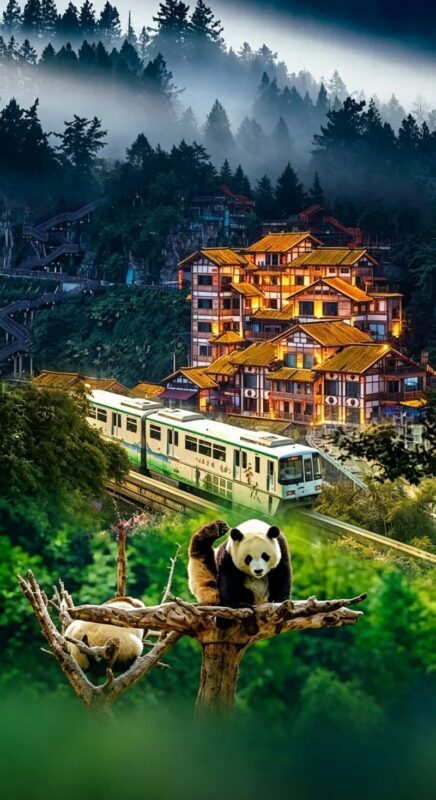
Chongqing’s river-crossing cable car, cliffside streets, and rail line through an apartment block make a striking opening to a five-day trip that ends among Chengdu’s pandas and Dujiangyan’s working waterworks. The route links two very different cities without asking you to plan every transfer yourself.
I like two things in particular: the small group, capped at eight, and the useful mix of independent exploring with a professional explanation at Dujiangyan. The Chengdu driver-guide, Mr. Luo, was singled out for attentive service, and the airport and station arrangements were also praised.
One caution: most stops are self-guided, and the regular driver-guide does not enter attractions or provide professional commentary. Also, Wulong’s Three Natural Bridges appear in the tour’s headline but not in the five-day schedule, so ask about that before booking.
- The details that matter most
- Chongqing makes an immediate impression
- Day 2: cable car, old streets, and Chongqing’s river views
- Day 3: a train ride and Chengdu’s historic center
- Day 4: four hours with pandas, then ancient engineering
- Day 5: a free morning and a sensible flight plan
- What the price covers, and what it leaves to you
- Who should book this five-day route?
- FAQ
- Is Wulong’s Three Natural Bridges included?
- How many people can join the group?
- Is the Chongqing to Chengdu train included?
- Are meals included?
- Which attraction tickets are included?
- Is there a professional guide throughout the trip?
- Can I request a specific hotel?
- What should I know about luggage and age limits?
- The Best Of Chongqing!
- More 5-Day Experiences in Chongqing
- More Tours in Chongqing
- More Tour Reviews in Chongqing
- Not for you? Here's more nearby things to do in Chongqing we have reviewed
The details that matter most
 1 / 8
 2 / 8
 3 / 8
 4 / 8
 5 / 8
 6 / 8
 7 / 8
 8 / 8
- Eight people maximum: A small group can make station transfers and city stops easier to manage than a large coach tour.
- A Chongqing river crossing: The Yangtze River cable car and Two Rivers Ferry offer two different views of the city, though you should confirm which extra fares are included.
- A fast city-to-city transfer: The high-speed train from Chongqing to Chengdu is included, saving you from arranging that leg on your own.
- Dujiangyan with a dedicated explanation: A professional guide explains the Fish Mouth Levee, Feisha Weir, and Baopingkou, making this more than a quick photo stop.
- Panda time is substantial: The Chengdu Research Base is allotted four hours, a sensible block for a large site.
- Plan for extra costs: Meals, drinks, tips, personal expenses, and a single-room supplement are not included.

👉 See our pick of the 3 Best 3 Day Tours In Chongqing
Chongqing makes an immediate impression
The first day is largely for arrival. A private car pick-up is provided from the airport or station on the assembly day, followed by hotel check-in and free time. The drive is listed at about 30 kilometres and roughly one hour, though traffic can change that.
Hotel check-in is after 2 pm. If you arrive early, the stated arrangement is to leave luggage at the hotel front desk and explore until your room is ready. Pick-up is one per booking, not multiple collections, so make sure your party’s flight or train details are coordinated.
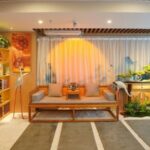
The hotels are described as four-diamond alternatives, with the exact property assigned according to availability. That gives the operator some flexibility, but it means you should not book on the assumption that you will get a particular named hotel. One Chengdu stay was described as relatively old, so if room condition matters greatly, ask whether you can pay extra for another option.
You can also read our reviews of more tours and experiences in Chongqing
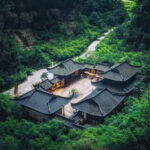
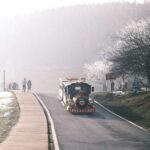
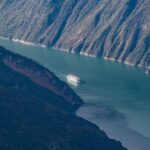
Day 2: cable car, old streets, and Chongqing’s river views
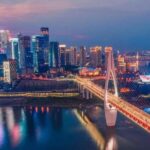
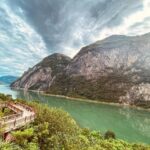
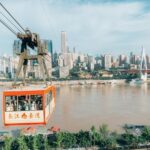
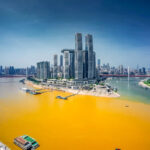
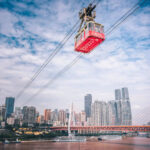
After breakfast, the day begins with the Yangtze River cable car. The crossing is about 1,168 metres and links the two banks of the river. It is an efficient way to see Chongqing from above, as well as a useful reminder that this is a city shaped by steep terrain and waterways. The visit is self-guided and scheduled for about an hour.
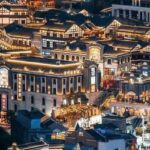
Next comes Longmenhao Old Street, a historic district with buildings reflecting Chinese and Western influences. You have around an hour to walk among the restored structures. It is a welcome change from the city’s modern high-rises, although the visit is brief if you like to stop often for photos or read every sign.
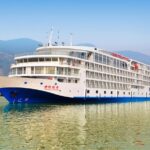
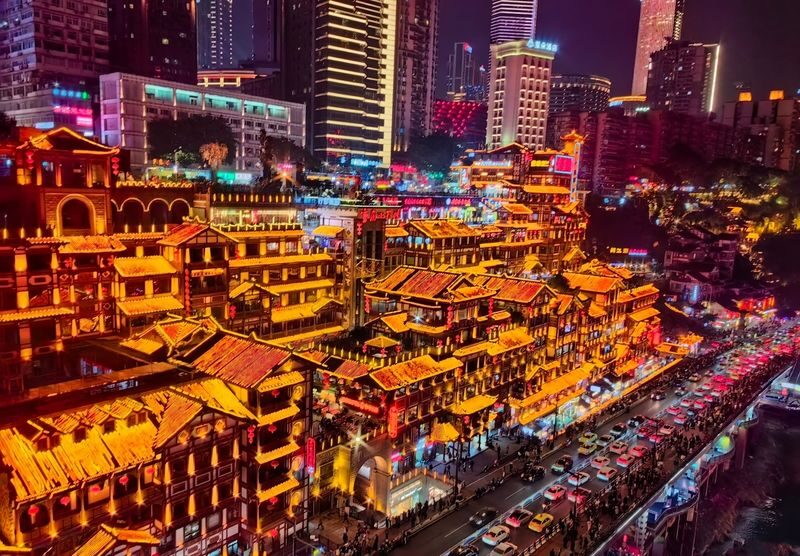
The Two Rivers Ferry then carries the group from Longmenhao to Hongyadong. This is one of the day’s more appealing transitions: you see the riverfront from the water instead of simply arriving by road. Hongyadong is known for its layered, stilt-style buildings and commercial walkways. The scheduled half-hour allows for a first look, not a long browse or meal.
Lunch is at your own expense, with options suggested at Hongyadong or Ciqikou. Keep in mind that the day packs in many stops, so a quick meal may suit the schedule better than a leisurely one.
Ciqikou Ancient Town follows, with about an hour to walk its lanes. It was once known as Baiyanchang, and its name later came from a temple in the area. The stop offers a chance to browse food and handicrafts, though its short slot means you will need to choose between shopping, snacking, and simply wandering.
The route then visits Zhazi Cave and Baigongguan, former detention sites associated with the Kuomintang’s military intelligence organization. These places add a sobering historical dimension to a day otherwise full of city views and commercial streets. The schedule lists about an hour for the two sites together, so expect a concise visit rather than an in-depth guided history.
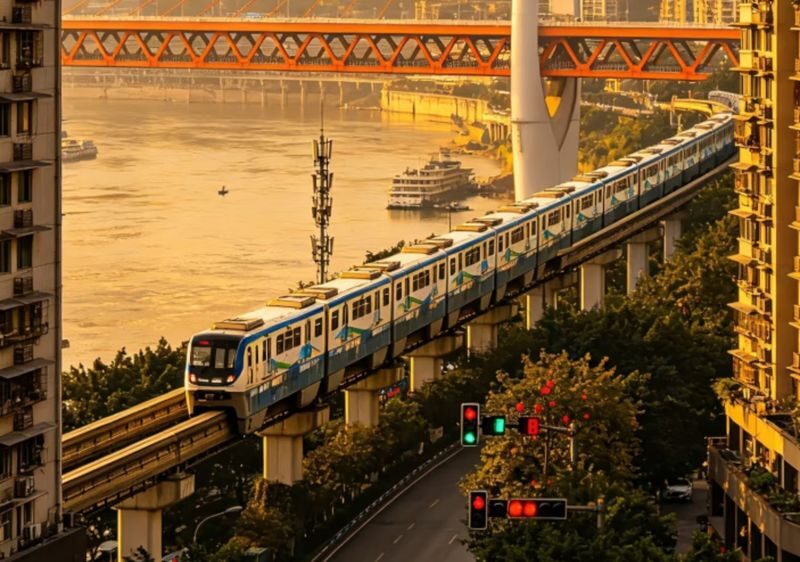
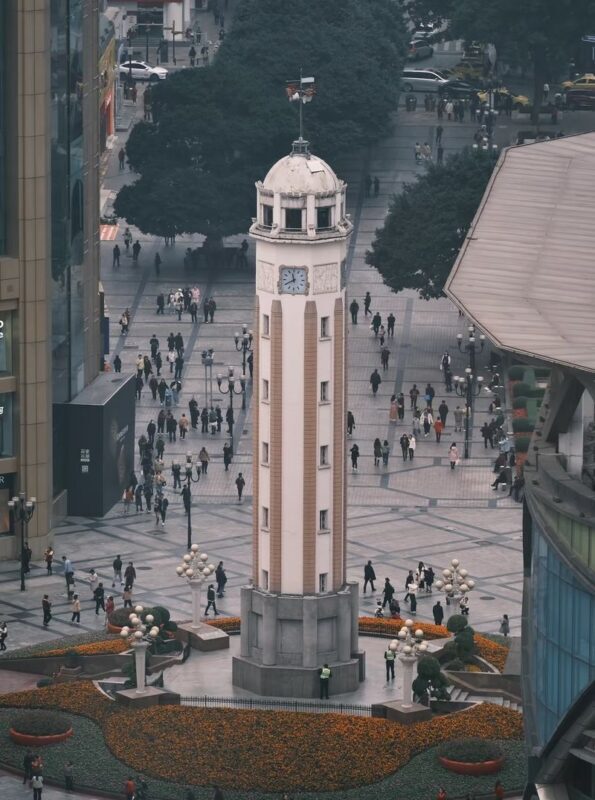
At Liziba, the viewing platform is set up to watch Chongqing’s Line 2 train pass through a building. It is an unusual piece of city infrastructure and an easy stop for photos, but the visit is only 15 minutes. The Great Hall of the People is next, viewed from outside for about half an hour, followed by Jiefangbei, the central monument and commercial area.
That is a full day. The schedule includes many separate stops, and traffic may shift the timing. I would treat the listed durations as a framework, not a promise that every visit will feel unhurried. Dinner is on your own, with Chongqing hotpot, small noodles, sour-and-spicy noodles, and grilled fish among the local dishes suggested.
Day 3: a train ride and Chengdu’s historic center
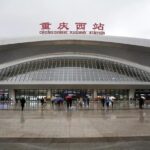
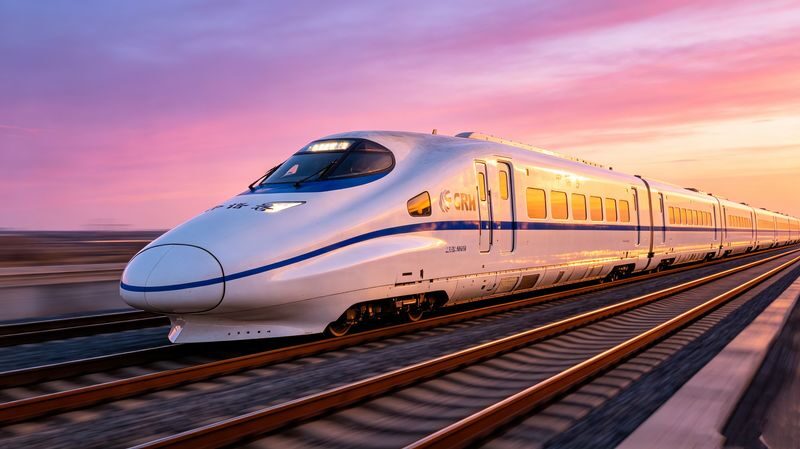
After breakfast, your driver takes you to Chongqing station for the included high-speed train to Chengdu. The ride is listed at about one hour and 40 minutes, followed by a station pick-up and a drive into the city. This is a practical part of the package: you do not have to book the intercity rail leg separately or work out a station transfer on your own.
The first major stop is Jinli Ancient Street, near Wuhou Shrine. You have roughly two hours to look around and find lunch. Local snacks suggested include dandan noodles, sugar-oil fruit, egg-baked cakes, cold noodles, and bobo chicken. Food is not included, so this is a good place to budget for a grazing lunch rather than a sit-down meal.
Wuhou Shrine follows, with about two hours for a self-guided visit. The shrine honours figures associated with the Shu Han kingdom, including Liu Bei and Zhuge Liang, and developed around Liu Bei’s mausoleum. If you want detailed historical context, consider reading a little beforehand: your driver-guide does not enter attractions to lead tours.
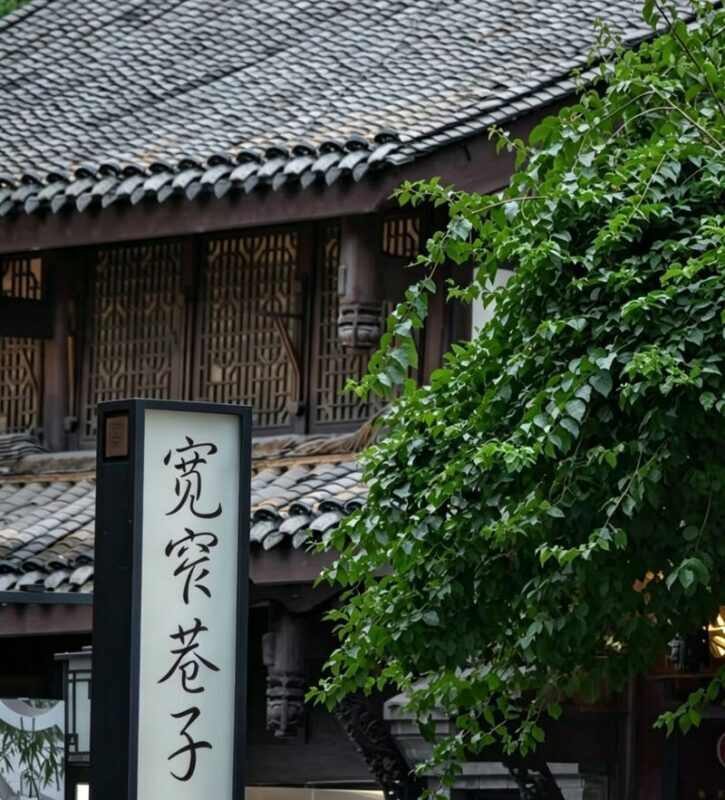
Later, you have about an hour at Kuanzhai Alley, a group of three old lanes and traditional courtyard compounds. It is a compact stop, and its appeal is as much in the architecture and street atmosphere as in any single sight. It can also feel like a quick pass-through on a tightly timed day.
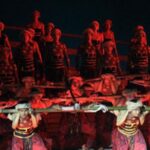
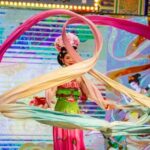
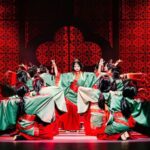
The evening brings a Sichuan Opera face-changing performance. The package highlights priority front-row seating, covered-bowl tea, and a dried-fruit platter. Those are distinctive inclusions, but the listed ticket inclusions name Wuhou Shrine, Dujiangyan, and the panda base, not the opera. Confirm the performance and seating details for your selected package, and check whether any extra payment applies.
Your second night is in Chengdu. As with Chongqing, the named hotels are examples rather than a guaranteed choice. The included breakfast helps keep the morning simple, but other meals are yours to arrange.
Day 4: four hours with pandas, then ancient engineering
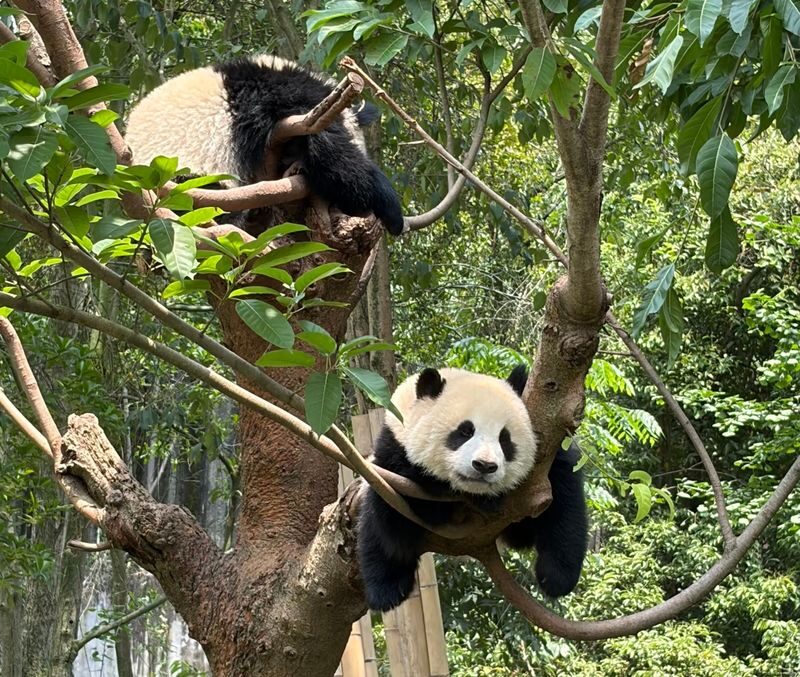
The day starts early, with a drive to the Chengdu Research Base of Giant Panda Breeding. The visit is scheduled for four hours, which gives you more breathing room than the short stops in Chongqing. The base includes breeding areas, research facilities, a hospital, and panda enclosures set among landscaped grounds. Since the visit is self-guided, you can set your own pace, but you will need to watch the clock for the afternoon transfer.
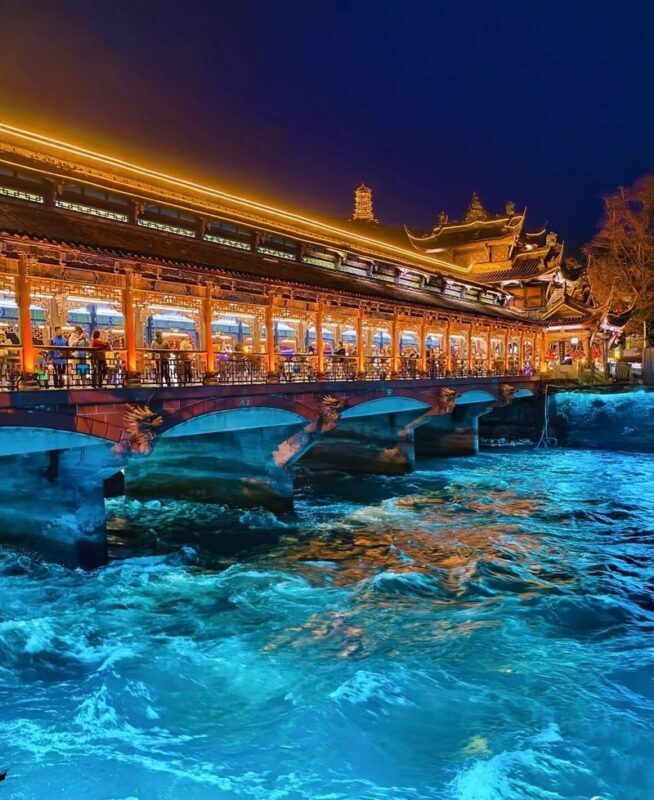
Lunch is at your own expense, either at the panda base or in Dujiangyan. Then comes the day’s strongest guided experience: a 1.5-to-2-hour explanation of Dujiangyan’s water-control system. The guide covers the Fish Mouth Levee, Feisha Weir Spillway, and Baopingkou Diversion Inlet, showing how the parts work together.
This is where the trip’s arrangement adds real value. Dujiangyan is not simply an old monument; it is an ingenious water project whose design is easier to appreciate when someone explains what each structure does. The professional one-on-one explanation is distinct from the regular driver-guide service, which is limited to transport, itinerary help, and simple commentary.
The schedule also includes Guanxian Ancient City, with the Yangtianwo panda selfie and Nanqiao night view mentioned as highlights. Dinner is on your own, either in Dujiangyan or back in Chengdu. The day’s driving is listed at about 100 kilometres and two hours in total, but visits and traffic can affect the return time.
Day 5: a free morning and a sensible flight plan
The final morning is left open for about four hours. You can have breakfast, take a slow start, and fit in your own city time before the arranged drop-off. Airport or station transport is scheduled according to your departure details.
Do not plan a tight onward connection. The operator advises that the group normally returns to Chengdu around 7 pm on the final day, and traffic delays are possible in peak season. In practice, the stated free time and drop-off arrangement depend on your transport schedule, so book a flight or train with enough margin rather than relying on an exact return hour.


What the price covers, and what it leaves to you
The listed starting prices are not consistent: the tour is shown from $393.09 in one place and from $341.80 for the four-diamond package in another. Treat either figure as a starting point, not a final total. Confirm the dates, room arrangement, and package inclusions before paying.
The package includes four hotel nights, breakfast, the Chongqing-to-Chengdu high-speed train, a vehicle with driver-guide service, and admission to Wuhou Shrine, Dujiangyan, and the panda base. The vehicle is listed as a five-seat sedan or SUV for two to four people, and a seven-seat commercial vehicle for five to six. Since the group can reach eight, ask what vehicle is used for groups of seven or eight and how luggage is handled.
Meals and drinks are not included, nor are tips and personal expenses. Ropeway, ferry, and opera costs are not named among the included admission tickets, so confirm these before you assume they are covered. A single-room supplement applies if you do not share a room with another adult. Children’s fees do not include tickets, beds, or breakfast, and local attraction rules may mean a ticket-price adjustment.
At up to eight people, this is a more personal format than a large coach tour, but it is not a private tour. The driver-guide can help with transport and practical questions, yet you will explore most sites independently. That can be a good trade: you get logistical support without spending every hour following a guide’s flag.
Who should book this five-day route?
I would consider this trip if you want to see the headline sights in both cities but do not want to arrange hotels, the intercity train, and local transport yourself. It is especially suited to people who are comfortable exploring independently and who value the dedicated explanation at Dujiangyan.
It is less suitable if you want a professional guide at every stop, long unstructured time in each neighborhood, or a guaranteed choice of hotel. The schedule is brisk, the meals are self-funded, and the group’s pace may not suit visitors who need frequent rest. The tour also excludes people under three or over 70, pregnant people, and people with certain medical conditions or recovering from surgery.
Before you book, ask the operator to confirm three points in writing: whether Wulong’s Three Natural Bridges are part of your selected route, which Chongqing extras and the opera ticket are included, and which hotel and vehicle category you can expect. If those answers suit you, the trip offers a practical way to connect Chongqing’s dramatic city sights with Chengdu’s pandas and Dujiangyan’s remarkable engineering.
Chongqing & Chengdu Twin Cities Essential Attractions 5-Day Tour
“There wasn't much to see in Chongqing in the morning, so it felt a bit like a waste of time. As for the hotels, the one in Chengdu was relatively o…”
FAQ
Is Wulong’s Three Natural Bridges included?
The attraction appears in the tour’s headline, but it is not included in the five-day day-by-day schedule. Confirm directly with the operator whether your selected package visits it.
How many people can join the group?
The group is described as having a maximum of eight people. The stated vehicle details cover groups of two to four and five to six, so ask about vehicle arrangements for seven or eight.
Is the Chongqing to Chengdu train included?
Yes. The high-speed train or bullet train from Chongqing to Chengdu is included.
Are meals included?
Breakfast is included. Lunch, dinner, drinks, and other meals are at your own expense.
Which attraction tickets are included?
Admission is included for Wuhou Shrine, Dujiangyan, and the Chengdu Research Base of Giant Panda Breeding. Confirm whether the cable car, ferry, and Sichuan Opera show are included in your selected package.
Is there a professional guide throughout the trip?
No. The regular driver-guide assists with driving and itinerary needs but does not enter attractions as a professional guide. Dujiangyan has a separate professional explanation.
Can I request a specific hotel?
The listed properties are alternatives, and the hotel is assigned according to capacity. Ask the operator whether another hotel can be arranged, including for an extra fee.
What should I know about luggage and age limits?
Luggage space is limited, so the operator recommends one suitcase and one small backpack per person. The activity does not accept participants under three or over 70, and infants and children must be included in the passenger headcount.