Xi’an’s Forest of Steles is a library carved in stone, where handwriting, history, and belief share the same surface. A guided visit helps you read more than the characters: the tour connects inscriptions to their authors, their era, and the calligraphic styles that shaped Chinese writing.
I like two things in particular: the chance to compare scripts across the Han, Wei, and later dynasties, and the guide’s explanations of the Confucian Temple and major stone works along the way. You can ask questions as you go, which makes a short visit feel like a conversation rather than a march past cases.
One point to weigh: the tour is in Mandarin Chinese, and the listed guided portion is one hour. If you need English interpretation, or want to study each inscription at length, this may not be the right fit. One detailed account described a 2.5-hour visit, but that is not the stated tour duration, so don’t count on extra guide time.
- Key points before you book
- Why the Forest of Steles rewards a guided visit
- Start at the Confucian Temple
- See the Jingyun Bell and Great Xia Stone Horse
- Read the calligraphy, not just the words
- The temporary exhibition hall and time to look again
- Is the Mandarin group tour worth the price?
- Getting there and keeping the visit smooth
- Who should book this Xi’an museum tour?
- FAQ
- How long is the guided tour?
- What parts of the museum are included in the explanation?
- Is the tour conducted in English?
- Can I ask the guide questions during the tour?
- Where is the meeting point?
- How early should I arrive?
- Can I leave and come back into the museum?
- What is included in the ticket price?
- More Tickets in Xi'an
- More Tours in Xi'an
- More Tour Reviews in Xi'an
- Not for you? Here's more nearby things to do in Xi'an we have reviewed
Key points before you book
 1 / 8
 2 / 8
 3 / 8
 4 / 8
 5 / 8
 6 / 8
 7 / 8
 8 / 8
- A museum built around carved writing: Xi’an Beilin Museum grew from a stone-stele collection with a history of about 900 years.
- Calligraphy across the centuries: Its steles and epitaphs span periods including the Han, Wei, and Ming-Qing dynasties.
- A focused Mandarin tour: The advertised group tour lasts one hour and includes the Confucian Temple, Jingyun Bell, Great Xia Stone Horse, and temporary exhibition hall.
- A guide who welcomes questions: You can ask about the inscriptions, their authors, historical meaning, and calligraphic features during the tour.
- Plan for a firm start: Arrive 20 minutes early, collect your headset, and wait for the guide to enter as a group.
- Check the price and date: The package is shown from US$27.75, while the experience summary gives a starting price of US$30.49. Prices can vary, and the voucher is valid only for the date and time booked.
Why the Forest of Steles rewards a guided visit
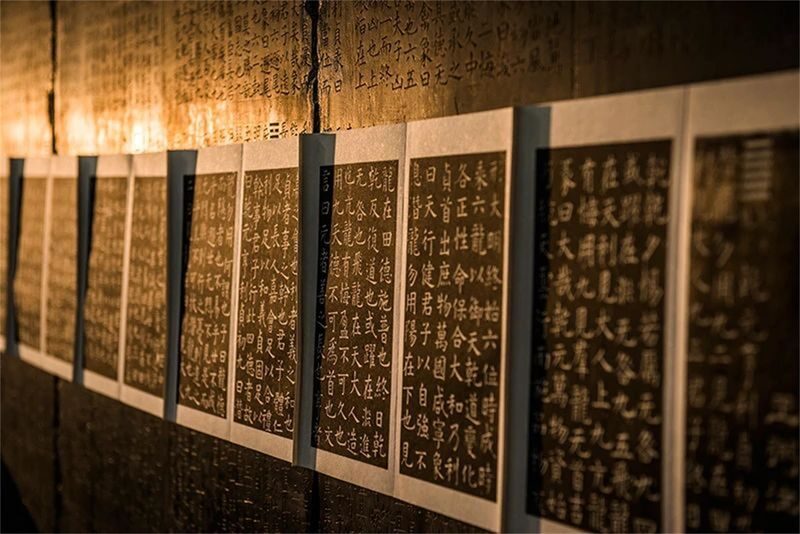
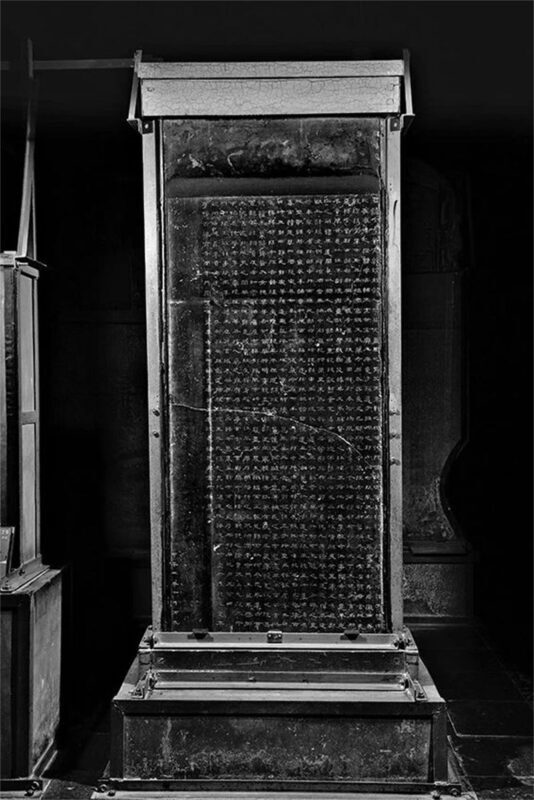
The Forest of Steles is not a conventional museum where each room presents a new painting or object. Its heart is a collection of carved stone inscriptions, epitaphs, and stone carvings. The writing is the artwork, but it is also a record of ideas, people, and historical change.
That combination can be hard to unpack on your own. A line of Chinese characters may be visually striking, but without context you may not know who wrote it, what style you are seeing, or why the inscription matters. The guide’s role is to help connect those pieces, turning a surface of carved text into something you can interpret.
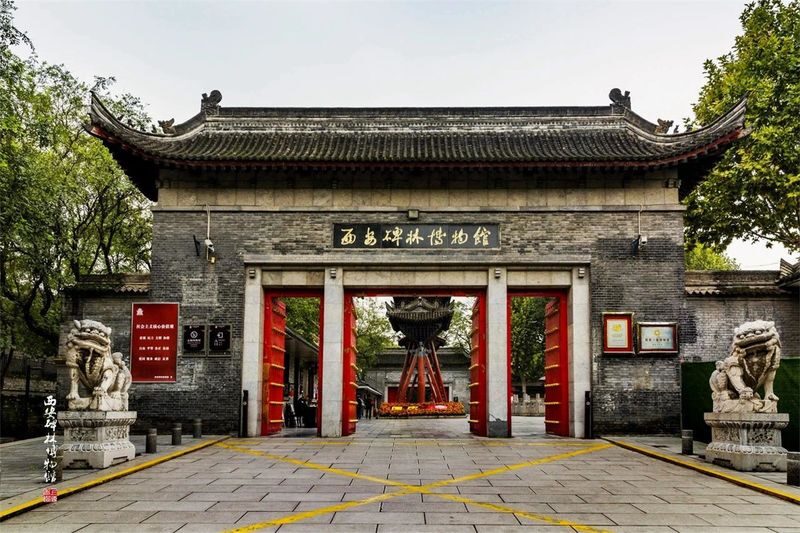
The museum occupies the grounds of the old Xi’an Confucian Temple and developed from the roughly 900-year-old Forest of Steles. Founded in 1944 as the Shaanxi Provincial Museum, it was designated a National Key Cultural Relics Protection Unit in 1961. Those details help explain why the visit feels like more than a stop at a display hall: the buildings and the collection belong to a long tradition of preserving written culture.
If you are visiting Xi’an mainly for its famous imperial sites, this museum offers a different angle. It puts the written record and the art of writing at the center. I’d choose it if you want a quieter, more focused cultural stop, especially if calligraphy, Chinese history, or philosophy interests you.
You can also read our reviews of more tours and experiences in Xi'an



Start at the Confucian Temple
The guided route begins in the Confucian Temple area, an apt introduction to a museum concerned with learning, scholarship, and written tradition. Rather than plunging straight into a dense display of inscriptions, you get a sense of the site’s older architectural setting and its connection to Confucian culture.
The tour description specifically includes the temple, so you can expect the guide to explain its place in the visit. This is useful context: the steles are not simply old stones collected in one spot. They reflect the values and institutions that shaped how knowledge was recorded and passed on.
The group format is practical here. The guide can set the scene for everyone at once, then respond to questions as you move through the stops. If you are curious about a particular historical period or writing style, ask while the guide is with you. The tour is short, so a question asked at the right moment can make a detail stick.
See the Jingyun Bell and Great Xia Stone Horse
The route also includes the Jingyun Bell and the Great Xia Stone Horse. They give the tour a change of pace from reading inscriptions, and they let the guide discuss stone and historical objects beyond calligraphy alone.
The available details do not specify the exact stories or visual features the guide covers at each stop, so it is best to treat these as named highlights rather than expect a fixed lecture on a particular detail. What matters is the range: the tour connects the museum’s written records with other pieces of its historical and artistic collection.
The Great Xia Stone Horse is a particularly distinctive stop by name, and it can help break up the concentration required in the stele rooms. If you are visiting with someone who is less drawn to calligraphy, these varied stops may help keep the hour engaging. Still, the museum’s main subject is stone inscriptions, so the route is best suited to someone willing to spend time looking closely at carved writing.
Read the calligraphy, not just the words
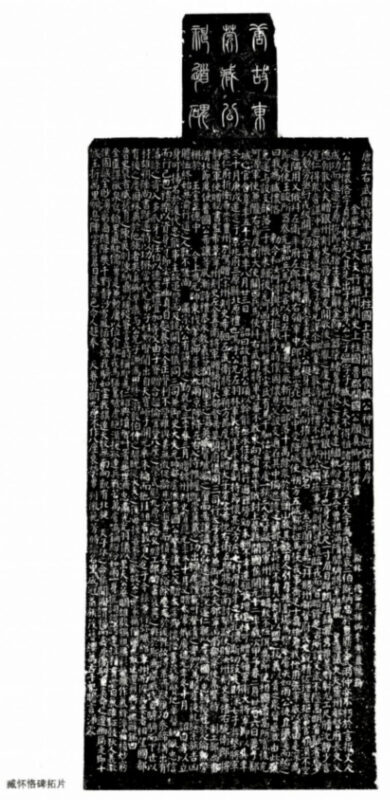
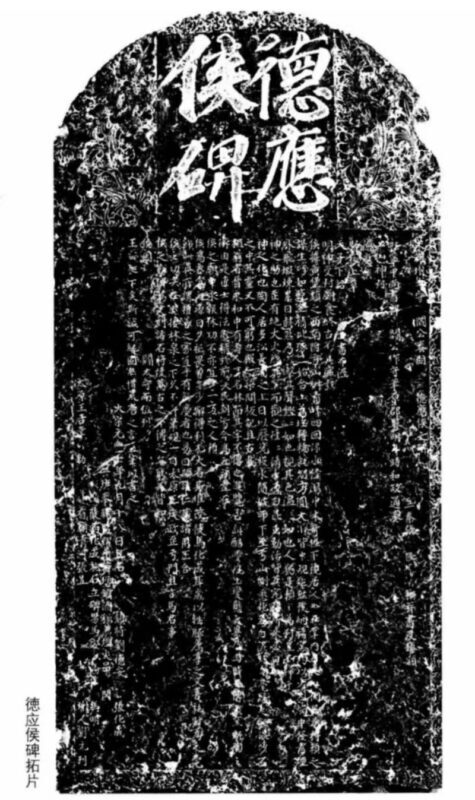
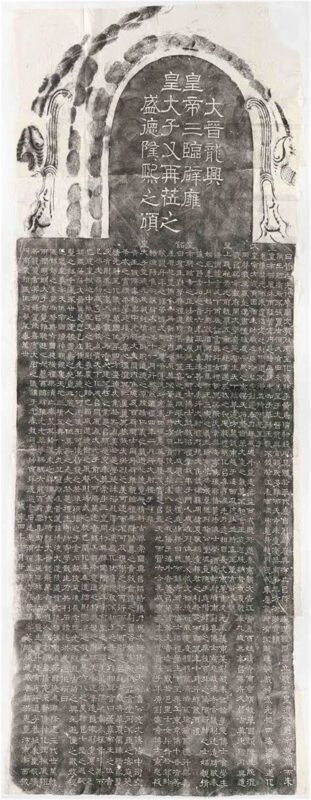
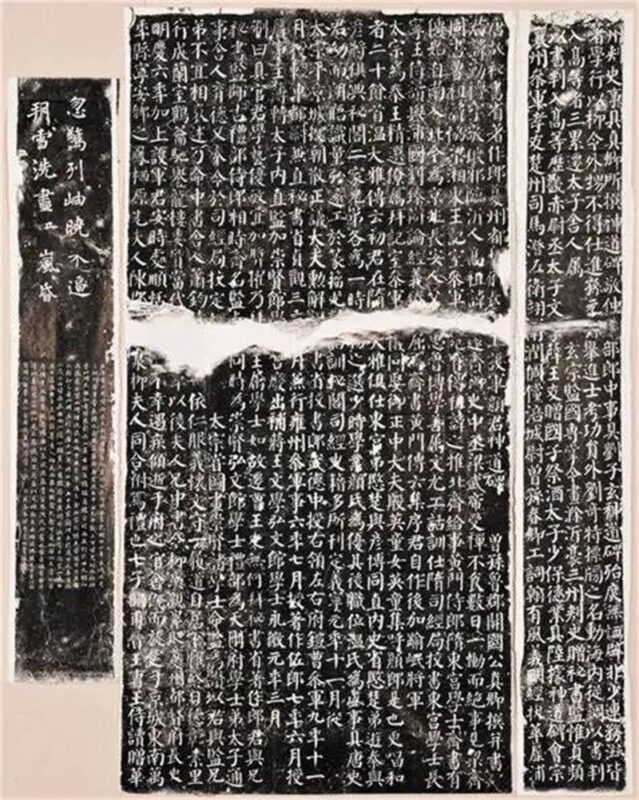
The collection includes steles and epitaphs from the Han, Wei, and Ming-Qing periods, with works associated with famous calligraphers such as Wang Xizhi, Yan Zhenqing, and Liu Gongquan. The appeal is not limited to recognizing names. You can use the guide’s explanations to notice how different scripts and styles look, and how calligraphy changes across eras.
That is where the tour can make a real difference. Without interpretation, a carved text may seem like a beautiful but inaccessible wall of characters. A guide can point out features of the writing and explain the story behind an inscription or the life of its author. You get a better sense of why calligraphy is treated as an art form as well as a means of communication.
One especially strong version of this experience is led by AJ, described as an informative teacher who explained the historical, calligraphic, and philosophical significance of major sites and steles. The tour is not guaranteed to have AJ as your guide, but that account gives a good sense of what a strong guide can add: not just dates and names, but links between writing, ideas, and the people who made the inscriptions.
Bring questions. The tour allows interaction, and asking about a script or a historical figure is a good way to make the visit your own. Just remember that the language of instruction is Mandarin Chinese. If you do not understand Mandarin, the central benefit of the guided package may be lost.
The temporary exhibition hall and time to look again
The temporary exhibition hall is also included in the stated scope. Its contents can change, so the information available does not identify a particular exhibition. Think of it as an additional stop rather than a guaranteed display on a specific subject.
The formal guided portion is listed as one hour. That is enough to orient you to the principal stops, but not necessarily enough to examine every inscription at leisure. One account describes a 2.5-hour guided visit that covered major steles in detail, while another describes a visit to the Stele Forest and museum followed by time to revisit areas independently. Those experiences suggest that the actual visit can feel longer, but the package promises only a one-hour tour.
You may stay after the guided portion to look again, according to one account, but leaving the venue is final: re-entry is not allowed. If you want to linger, plan to do so before you exit. The museum’s posted hours are 09:00 to 18:00, with last entry and ticket sales ending at 17:00.




Is the Mandarin group tour worth the price?
The package is listed from US$27.75, while the experience summary states a starting price of US$30.49. Treat either figure as a starting point, not a fixed final price, and check the date you want. The package includes museum admission and a shared one-hour Mandarin guided tour, so you are paying for both entry and interpretation.
The value depends heavily on your language skills and interest. If you understand Mandarin and want help making sense of the museum’s calligraphy and history, the guide can add context that is difficult to get from looking alone. The option to ask questions is especially useful for an art form that may be unfamiliar, and the focused route helps you spend your time on several key parts of the site.
If you only want to wander quietly, or if you cannot follow Mandarin, the guided package may offer less value. The museum itself is the main attraction, but the tour’s selling point is explanation. An independent visit may suit you better if you prefer setting your own pace, though the provided information does not specify a separate ticket price for that option.
The cancellation terms allow a full refund if you cancel at least 48 hours before the activity date. The price does not include personal expenses, and the listed starting prices exclude certain peak periods such as May Day, summer vacation, National Day, and Spring Festival.
Getting there and keeping the visit smooth
The meeting point is the entrance to Xi’an Beilin Museum, at 15 Sanxue Street, Beilin District, Xi’an. Staff are meant to send the meeting location and time by SMS before the activity, so check your phone. Arrive 20 minutes early for registration, and pick up your headset at the designated point.
Do not enter the museum on your own if you have booked the group tour. The group enters together, and late arrivals are not accommodated. If too few people book your time slot to form a group, you may be moved to another time; staff are to notify you in advance if the schedule changes.
Bring the identification required for entry. The e-ticket can be used with a valid ID, passport, or Mainland Travel Permit for Hong Kong and Macao residents. The information specifically says that visitors traveling with a PRC resident ID must bring the original card for real-name verification.
Inside, keep your voice low and follow the museum’s rules. Flash photography, selfie sticks, tripods, easels, disruptive recording, and unauthorized photography are prohibited in exhibition halls. Do not sit, lean, or stand on display cases or auxiliary exhibits. Large bags and suitcases over 20 inches are also prohibited, along with weapons, hazardous substances, and other listed dangerous items.
Who should book this Xi’an museum tour?
I’d book this if you can follow Mandarin and want a guided introduction to Chinese calligraphy, historical inscriptions, and the museum’s temple setting. It is especially appealing if you like art that rewards slow looking, or if you want a cultural counterpoint to Xi’an’s better-known archaeological attractions.
Families and mixed-age groups can attend because there is no age limit, but the subject calls for some patience. The tour is about reading, interpretation, and careful looking, not a hands-on activity. If a child is curious about history or writing, the guide’s explanations may help; if not, the quiet museum rules and carved texts may feel slow.
I would skip the guided package if Mandarin is not useful to you and you are booking mainly for an English explanation. I would also avoid a tight schedule that leaves no room to linger: one hour with a guide is a useful orientation, but the collection deserves time. Check your preferred date, language needs, and final price before paying.
Tickets for Shaanxi Xi’an Forest of Steles Museum + Guide (Professional Chinese Guide + Ancient Stele Check-in + Chinese Stele Exploration Tour)
“The two-and-a-half-hour guided tour was very engaging. Our guide also explained all the major steles to us. It was a very enriching activity, highl…”
FAQ
How long is the guided tour?
The package includes a one-hour shared group tour in Mandarin Chinese. A visit may take longer if you remain in the museum afterward, but extra guided time is not guaranteed.
What parts of the museum are included in the explanation?
The stated route covers the Confucian Temple, Jingyun Bell, Great Xia Stone Horse, and temporary exhibition hall. The tour also visits the Stele Forest and museum.
Is the tour conducted in English?
No. The included guided tour is in Mandarin Chinese.
Can I ask the guide questions during the tour?
Yes. The tour allows questions and interaction with the guide during the visit.
Where is the meeting point?
Meet at the entrance to Xi’an Beilin Museum, at 15 Sanxue Street, Beilin District, Xi’an. Staff will send the meeting location and time by SMS.
How early should I arrive?
Arrive 20 minutes before the scheduled tour time for registration. You also need to collect your headset and wait for the group to enter together.
Can I leave and come back into the museum?
No. Re-entry is not allowed after you leave the venue, so plan to finish looking around before exiting.
What is included in the ticket price?
The package includes admission to Xi’an Beilin Museum and a shared one-hour guided tour in Mandarin Chinese. Personal expenses are not included.