The stage at Seoul Namsan Gugakdang belongs to young Korean traditional musicians. In this one-hour Sunday concert, award-winning children sing, dance, and play Gugak, Korea’s traditional music. The child emcees add a lively, personal touch, while English subtitles help you follow the program.
I like two things in particular: you get a close look at a living musical tradition, not just a display of instruments, and the performers’ skill makes this far more than a children’s recital. The small details help too: English text appears on a screen, and a guidance booklet is available.
One point to consider: some spoken sections are in Korean, and traditional music may sound unfamiliar if you have never heard it before. You also need to arrive on time, since late entry is not allowed once the show starts.
- Young performers take the lead: Award-winning children present traditional music, dance, and singing.
- English support is provided: Subtitles appear on a screen, and a guidance booklet is available.
- The show lasts one hour: Performances open every Sunday at 15:00.
- Arrive before the doors close: Plan to reach the hall 30 minutes early; the ticket booth opens one hour before showtime.
- Seats are assigned at redemption: You cannot select a specific seat when booking.
- Plan your ride: There is no separate parking lot at the venue, so public transportation is the sensible choice.
- A concert led by young Gugak performers
- Following the music when you do not speak Korean
- What the one-hour program feels like
- Why this is a good first step into Korean traditional music
- Getting to Seoul Namsan Gugakdang
- Timing, tickets, and the seat assignment
- What the ticket costs, and what it buys you
- Who will enjoy this concert most
- Should you book the Young Gugak Artists Concert?
- FAQ
- When does the concert take place?
- How early should I arrive?
- Is the concert understandable if I do not speak Korean?
- Can I choose my seat?
- Are photos and videos allowed?
- Is parking available at Seoul Namsan Gugakdang?
- The Best Of Seoul!
- More Concerts & Music in Seoul
- More Tours in Seoul
- More Tour Reviews in Seoul
- Not for you? Here's more nearby things to do in Seoul we have reviewed
A concert led by young Gugak performers
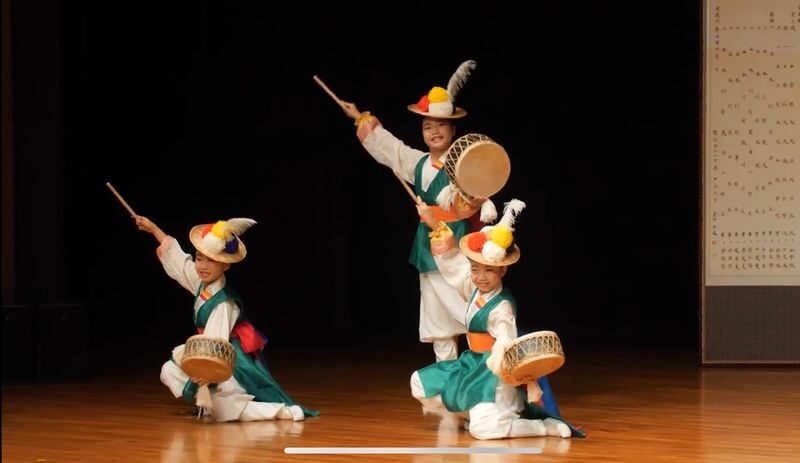
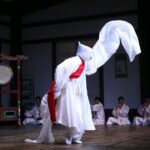
Youngjaehaneum (Gaga)Hoe, sponsored by Crown Haitai, gives children a stage to share Korean traditional music and build experience as performers. The artists in the concert have earned recognition in the Gather Together!! Young Gugak Artists competition. That makes the show a chance to hear young musicians who have already put serious work into their craft, rather than an informal school recital.
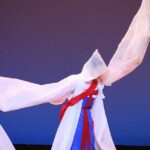
The performance may include singing, instrumental music, and dance. The program can also feature a child host. That changes the feel of the event: you are not simply watching children perform, you are seeing them take responsibility for presenting a concert. Their families may be in the audience, lending the room the warm, supportive atmosphere of a community occasion.
The exact set list is not specified, so go in ready for variety rather than a fixed sequence of acts. You might hear an instrument or style you do not recognize. That is part of the appeal, but it also means this is not the best pick if you want a familiar concert format or expect every moment to be explained in English.

👉 See our pick of the 25 Best Guided Tours In Seoul
Following the music when you do not speak Korean
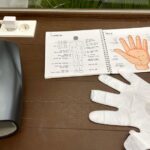
You do not need Korean to enjoy the music. English subtitles are provided on a screen, and a guidance booklet is available. These aids can help you understand what is being presented, even if they do not translate every spoken line in real time.
Some sections include substantial Korean dialogue. If you are not fluent, you may miss parts of the host’s introductions or a spoken segment. The concert still offers plenty to follow through the performers’ movement, sound, and stage presence, but it is worth knowing that this is not a fully English-language show.
For a first encounter with Gugak, I would treat the subtitles as a helpful guide, not a running translation of every word. Listen for changes between singing, instruments, and dance, and let the program’s shifts carry you. You do not need a background in Korean music to respond to the performers’ energy or appreciate the discipline involved.
You can also read our reviews of more tours and experiences in Seoul
What the one-hour program feels like
The concert lasts about 60 minutes, a good length for a cultural outing that fits neatly into a Sunday afternoon. It is long enough to offer several different kinds of performance, but short enough that you can add a walk nearby without turning the day into a major production.
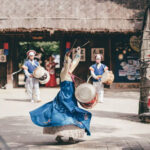
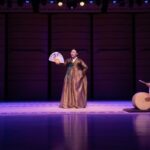
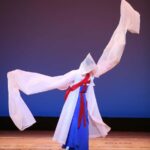
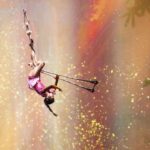
Expect the children to demonstrate a range of talents rather than all perform the same kind of piece. Past programs have included singing, dance, and instrumental performances. The final dance has been a highlight for some audience members, but the running order can change, so do not count on any one act appearing in the same spot every week.
The young age of the artists is part of the experience, but it should not set your expectations too low. The point is not to applaud effort alone. These performers have won a competition and are presenting trained musical and stage skills. Listen closely to the instruments, watch the choreography, and notice how the performers handle the room. The concert invites you to take their work seriously.
Why this is a good first step into Korean traditional music
Traditional music can feel unfamiliar at first, especially if you are used to Western concert formats. This show gives you a compact, accessible introduction through several kinds of performance. Rather than asking you to study the music beforehand, it lets you hear and see it in practice.
That variety matters. Singing offers one way into the tradition, dance another, and instrumental pieces give you time to focus on sound and technique. You may not know the names of the instruments or the meaning of every lyric, but you can still notice how the performers use voice and movement to shape a piece.
There is also value in seeing young people carry this work forward. The concert’s purpose is not only to entertain. It supports the next generation of Gugak performers and gives them a public platform. For you, that means the event feels connected to a living tradition, rather than a staged display designed only for tourists.
Getting to Seoul Namsan Gugakdang
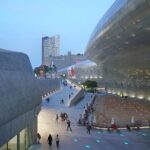
The venue is Seoul Namsan Gugakdang, in Crown Haitai Hall on the basement level. The address is 28 Toegye-ro 34-gil, Jung District, Seoul. Use the map provided with your booking to locate the entrance, and allow time to find the hall once you arrive.
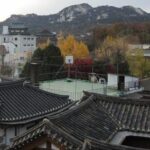
The surroundings can add a pleasant extra to your visit. You can walk around the traditional village and its walking museum park before or after the concert. This gives the afternoon a little more room to breathe, especially if you arrive early and do not want to spend the whole outing inside a theater.
There is no separate parking lot at Seoul Namsan Gugakdang. Public transportation is recommended; if you drive, you will need to use a paid parking lot nearby. The venue has four wheelchair seats. If you have difficulty using a wheelchair or moving around the venue, contact Namsan Gugakdang at 02-6358-5500 before you go.
Timing, tickets, and the seat assignment
The performance opens every Sunday at 15:00. Arrive at least 30 minutes before the start. The ticket booth opens one hour before the show, where you exchange your voucher for a physical ticket. You cannot choose your seat in advance; the seat is assigned at random when you redeem the voucher.
Do not cut it close. Late entry is not allowed once the show starts, and tickets cannot be refunded, changed, or canceled because you arrive late or cannot re-enter. This is one of those occasions where a little extra time is worth more than a last-minute sprint through the entrance.
Your voucher is valid only for the date and time you booked. Infants and children must be included in the passenger headcount, and the offer is not available to Korean passport holders. Photography and video recording are not allowed during the performance, so plan to keep your phone away and watch the stage.



What the ticket costs, and what it buys you
The advertised starting price is low for a live, one-hour performance. Prices shown for the experience vary: the summary gives a starting price of $5.28, while the package options show prices from US$7.55. Treat those figures as starting points rather than a guaranteed price for every date or option, and check the amount for your chosen booking before paying.
At that level, the value is not about lavish production or a long evening out. You are paying for a focused live performance, a chance to hear traditional Korean music, and the work of young artists building their stage experience. English subtitles and a guidance booklet make the show easier to follow if you are new to the subject.
There is also a second option, Gugak Prodigies Show + Instrument Class, shown alongside the standard ticket. The details provided do not explain what the class includes, so check the package description before choosing it. If you mainly want to see the concert, the standard ticket is the straightforward pick.
Who will enjoy this concert most
I would recommend this for curious first-time visitors who want a cultural activity that is less common than a palace visit or a large commercial show. It also suits families: children can watch performers close to their own age, and the performance’s mix of music and dance gives the hour a natural variety.
You do not have to be a Korean-language student or a traditional-music enthusiast. English support helps, and the concert can be enjoyed through sound and movement even when you cannot follow every line of dialogue. If you are studying Korean, the spoken parts and projected text may add another layer of interest.
This may be less suitable if you dislike unfamiliar musical styles, need full English narration, or are likely to arrive late. The program includes Korean dialogue, and the venue has a strict start-time rule. Think of it as a small, focused performance rather than a fully translated tourist production.
Should you book the Young Gugak Artists Concert?
Book it if you want an affordable, one-hour introduction to Korean traditional performance and are open to hearing something new. The young artists’ skill, the mix of music and dance, and the English support make it an appealing choice for a Sunday in Seoul. Add time for a walk around the nearby traditional village area, and the outing becomes more than a quick theater stop.
Skip it if you need a fully English-language show, want to select your seat, or cannot comfortably arrive early. If those limits suit you, this is a thoughtful way to support young performers while spending an hour with a side of Korean culture that many visitors miss.
The Concert of korean music prodigies
“This is my second visit. The emcees are children, and everything is run by children. Seeing them try so hard reminds me of my own childhood efforts…”
FAQ
When does the concert take place?
The performance opens every Sunday at 15:00 and lasts about 60 minutes.
How early should I arrive?
Arrive 30 minutes before the performance. The ticket booth opens one hour before the show, and entry is not allowed after the performance starts.
Is the concert understandable if I do not speak Korean?
English subtitles are provided, and a guidance booklet is available. Some spoken sections are in Korean, so you may not understand every part of the program.
Can I choose my seat?
No. Your seat is assigned at random when you exchange your voucher for a physical ticket at the ticket booth.
Are photos and videos allowed?
No. Photography and video filming are not allowed during the performance.
Is parking available at Seoul Namsan Gugakdang?
The venue does not have a separate parking lot. Public transportation is recommended, or you can use a paid parking lot nearby.