At Daman Tea House, the most memorable part is the shift from tasting tea to making something with your own hands. You’ll sample three loose-leaf teas, learn about the Korean way of tea, then use brush and ink to create a Hangeul keepsake.
I like the personal calligraphy project, which gives the experience a lasting memento, and the chance to taste different teas with traditional dasik snacks rather than simply watch a demonstration. Host Min has been described as warm and clear, and English communication has worked well.
One consideration: this is a quiet cultural session, not a broad Busan sightseeing tour. The listed price starts around $73 to $80, and the exact tea selection, session length, and group size aren’t specified, so check the booking details before you go.
- What makes this Busan tea experience special
- From the first cup to the calligraphy brush
- Three teas, served with care
- A hands-on look at Korean tea customs
- Make a Hangeul character your own
- The host and language make a difference
- Is the price worth it?
- Getting to Daman Tea House
- Who should book this experience?
- Should you book?
- FAQ
- Where does the tea and calligraphy experience take place?
- How do I get to Daman Tea House by subway?
- What is included in the experience?
- Do I need calligraphy experience?
- What teas will I taste?
- How old do participants need to be?
- How much does the experience cost?
- Can I cancel or reschedule?
- The Best Of Busan!
- More Tours in Busan
- More Tour Reviews in Busan
- Not for you? Here's more nearby things to do in Busan we have reviewed
What makes this Busan tea experience special
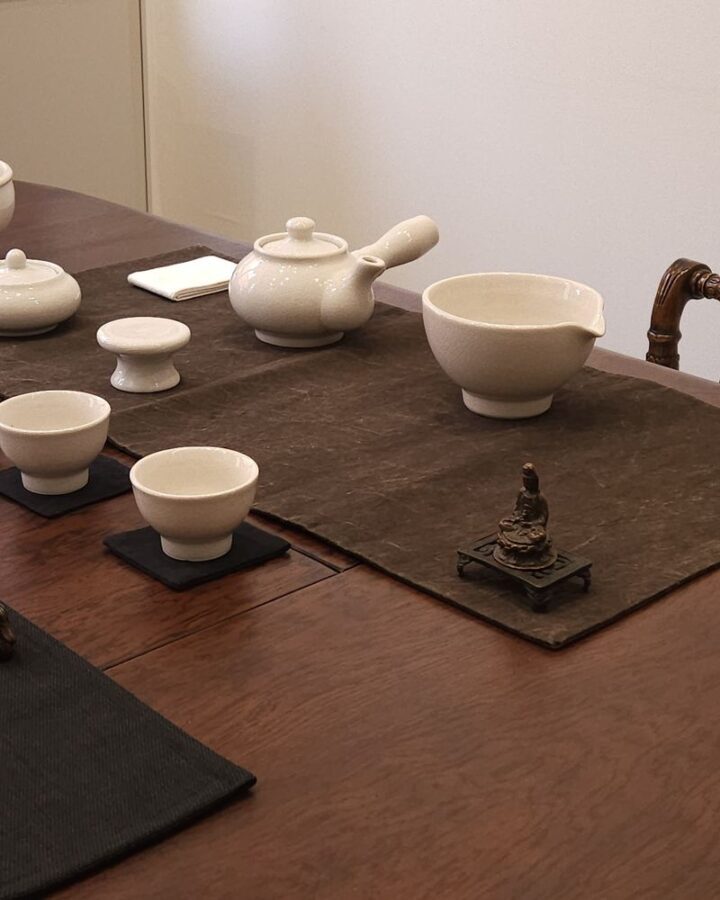
- Three loose-leaf teas: Taste a trio of premium teas brewed with artisan teaware. Green and black teas have been part of the tasting, though the exact selection isn’t specified.
- Tea with a local host: Learn about Korean tea customs and the steps of brewing and serving in a traditional-style teahouse.
- Dasik with your tea: Seasonal Korean tea snacks accompany the tasting, adding a sweet, food-focused part to the ceremony.
- Brush, ink, and Hangeul: Try basic Korean calligraphy, choose a character with personal meaning, and make your own paper keepsake.
- No prior skill required: The host guides you through the calligraphy, and all materials are provided.
- A quiet pause in Busan: The experience suits solo visitors, couples, and small groups looking for a slower cultural activity.

👉 See our pick of the 4 Best 3 Day Tours In Busan
From the first cup to the calligraphy brush
This experience pairs two activities that reward attention: tea preparation and traditional calligraphy. You begin at Daman Tea House, where a local host leads the ceremony and introduces the tea you’ll be tasting. After the tea portion, you move to brush and ink, learning basic techniques before choosing and writing a Hangeul character of your own.
That order makes sense. Tea gives you time to settle in and learn through taste, while the calligraphy turns the session toward a personal choice. The result is more than a tasting, but it also isn’t a formal class that requires previous knowledge. You’re there to try, ask questions, and take part at a comfortable pace.
There’s no stated session duration, so don’t build a tight schedule around an assumed finish time. If you have a connection or another timed activity afterward, check the booking details or contact the operator.
You can also read our reviews of more tours and experiences in Busan.



Three teas, served with care
The tea portion is the heart of the experience. You’ll taste three varieties of premium loose-leaf tea, brewed with artisan teaware. The host explains the steps of brewing and serving and shares insight into the quiet rituals behind tea culture.
That guidance matters if you’re new to tea ceremonies. Instead of treating each cup as just another drink, you get context for how tea is prepared and served. You can pay attention to the differences among the teas and ask about what you’re tasting. Previous participants have encountered green and black teas and learned about different tea plants, but the exact three varieties on your date aren’t listed.
The tea is paired with seasonal dasik, traditional Korean tea snacks. That makes the tasting feel like a complete cultural activity rather than a run of samples. The snacks are part of the experience, but no specific flavors or ingredients are promised, so don’t count on a particular menu.
If you’re a tea enthusiast, the chance to compare several teas and hear about Korean tea customs will likely be the main draw. If you’re simply curious, the host’s explanations can give the cups a helpful frame without expecting you to know the terminology in advance. One participant particularly valued learning about both Korean and Chinese tea traditions. The experience is centered on Korean tea, but the host may place it in a wider context.
A hands-on look at Korean tea customs
The session includes a guided traditional tea ceremony, with attention to brewing and serving. You’re not just watching someone else handle the teaware: the activity is presented as a way to learn the steps and understand the thought behind them.
The appeal here is the slower pace. Busan can fill a day with sights and errands, and this offers a chance to stop and focus on one small set of actions. Pouring, serving, tasting, and listening give the session a calm rhythm. The experience is not described as a strict or lengthy ceremony, though, and you shouldn’t expect a detailed history lecture or a particular ritual sequence beyond what the host covers.
The setting is Daman Tea House, described as traditional in style. It provides a fitting place for tea, but the address is within Villiv Centro, a building at 61 Bunpo-ro in Nam-gu. Don’t assume it is a standalone historic teahouse. Use the full address and building details when finding the entrance.
Make a Hangeul character your own
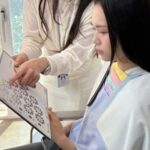
After tea, you’ll try Korean traditional calligraphy with a brush, ink, and paper. The host introduces basic brush techniques, then you choose a character that means something to you. Examples include peace, joy, or connection.
That choice makes the keepsake personal without making the activity demanding. You don’t need to know Korean calligraphy or have practiced with a brush before. The point is to learn the basics and make an attempt yourself, with guidance along the way. Your finished character can serve as a reminder of the time you spent in Busan, and it’s a more individual souvenir than a shop-bought trinket.
Keep your expectations practical: the activity promises basic instruction and a memento, not advanced calligraphy training. If you’re nervous about writing something imperfect, that’s part of the charm of a hands-on session. You get to make the mark yourself, not just watch a demonstration.
The host and language make a difference
A tea ceremony can feel opaque if you don’t understand what’s happening. Here, a host explains the tea and the ceremony, and participants have found the explanations clear and the communication in English comfortable. Min is one host named in connection with the experience, but you shouldn’t assume she will lead every session.
The host’s role is important in both halves of the activity. During tea, explanations help you notice the differences among the varieties and the customs around serving. During calligraphy, guidance makes a brush-and-ink activity approachable even if you’ve never tried it.
The experience is described as suitable for solo visitors, couples, or small groups. No group size is given, so you can’t know in advance how private or social your particular session will feel. If you’re booking mainly for a one-to-one experience or have a specific language need, ask the operator before paying.



Is the price worth it?
The listed price begins at $73.15 for the Traditional Tea & Calligraphy Experience, while the summary price is shown as starting from $80.49. Because those figures differ, check the final price for your selected date and package before booking.
For that price, the stated inclusions are a guided tea ceremony, three premium loose-leaf teas, seasonal dasik, a calligraphy session, and the teaware, brush, ink, and paper. The value lies in having two guided cultural activities in one visit, with both a tasting and something you make yourself. You’re paying for instruction and a hosted experience, not simply for three cups of tea.
That can be good value if tea culture and calligraphy both appeal to you. If you only want a quick drink, the price will feel harder to justify. Likewise, if you’re looking for a large-scale attraction or a full day of sightseeing, this is too focused and quiet to fill that role.
Getting to Daman Tea House
The meeting point is Daman Tea House, written in Korean as 다만 茶. The address is Villiv Centro, Building A, unit 220-1, second floor, 61 Bunpo-ro, Nam-gu, Busan. Use the Korean address if you need to show it to a taxi driver: 부산광역시 남구 분포로 61, 빌리브센트로 A동 2층 220-1호.
By subway, take Line 2 to Kyungsung Univ.·Pukyong Nat’l Univ. Station, then transfer by taxi or local bus to the teahouse. The directions don’t give a walking route from the station, so plan on using one of those transfer options rather than assuming the venue is right outside the subway exit.
The voucher is valid only on the date and time specified. Confirmation is due within 24 hours; if no confirmation email arrives, contact customer support. You can cancel for a full refund at least 24 hours before the activity date, using destination local time. To reschedule, contact the operator at [email protected].
Who should book this experience?
I’d put this near the top of the list for tea lovers, anyone curious about Korean cultural customs, and visitors who want an activity that is quiet and participatory. The combination is especially appealing if you like the idea of learning something and leaving with a handmade keepsake.
It can also work well for a solo visit. The host-led format gives you a clear activity to focus on, and no prior knowledge is required. Couples or small groups can share the tasting and compare their calligraphy attempts without needing to turn the session into a competition.
Children must be at least eight years old. The activity states no upper age limit, so it is open to older participants as well. If your group includes younger children, this is not the right activity for them.
I’d skip it if you’d rather spend your time outdoors, want a high-energy activity, or have little interest in tea and calligraphy. It’s a focused experience, and its value depends on being willing to slow down and take part.
Should you book?
Book the Daman Tea House experience if you want a calm, hosted introduction to Korean tea customs and a personal Hangeul keepsake. Three teas, seasonal dasik, and guided brushwork make the session more substantial than a simple tea stop, while the beginner-friendly format keeps it approachable.
Before booking, confirm the final price, date, and time, and allow for the transfer from the subway station. If those details fit your plans and a quiet cultural pause sounds appealing, this is a thoughtful way to spend part of a Busan day.
Tea Ceremony & Create a Calligraphy Memento Experience in Busan
“the tea ceremony was amazing!!! the hostesses was really kind and I learned a lot from her about the Korean culture and the tea ceremony from Korea…”
FAQ
Where does the tea and calligraphy experience take place?
It meets at Daman Tea House, Villiv Centro, Building A, second floor, unit 220-1, 61 Bunpo-ro, Nam-gu, Busan. The Korean address is 부산광역시 남구 분포로 61, 빌리브센트로 A동 2층 220-1호.
How do I get to Daman Tea House by subway?
Take Line 2 to Kyungsung Univ.·Pukyong Nat’l Univ. Station, then transfer by taxi or local bus to the teahouse.
What is included in the experience?
The package includes a guided traditional tea ceremony, three varieties of premium loose-leaf tea, seasonal dasik snacks, a hands-on calligraphy session, and the teaware, brush, ink, and paper.
Do I need calligraphy experience?
No. The host teaches basic Korean brush techniques, and no prior experience is needed.
What teas will I taste?
You’ll taste three varieties of premium loose-leaf tea. Green and black teas have been included in the tasting, but the exact selection is not specified.
How old do participants need to be?
Participants must be at least eight years old. The activity states there is no upper age limit.
How much does the experience cost?
The Traditional Tea & Calligraphy package is shown from US$73.15, while the summary price is listed from US$80.49. Check the price for your selected date and package before booking.
Can I cancel or reschedule?
You can receive a full refund if you cancel at least 24 hours before the activity date, using destination local time. To reschedule, contact the operator at [email protected].