Pohutu Geyser can send a column of hot water skyward, but Te Puia is more than a geothermal stop. A guided visit also takes you into a kiwi enclosure and the Māori Arts and Crafts Institute, where students practise weaving and carving.
I like two things especially: the mix of natural sights and living Māori culture, and the chance to see kiwi in a purpose-built nocturnal habitat. The guides add context that can turn a quick walk past steam and mud into a more meaningful visit.
One consideration: the geyser’s display is not a timed show, and kiwi sightings can be hard in the dim enclosure. Choose your package carefully, too: the standard guided tour does not automatically include a cultural performance or dinner.
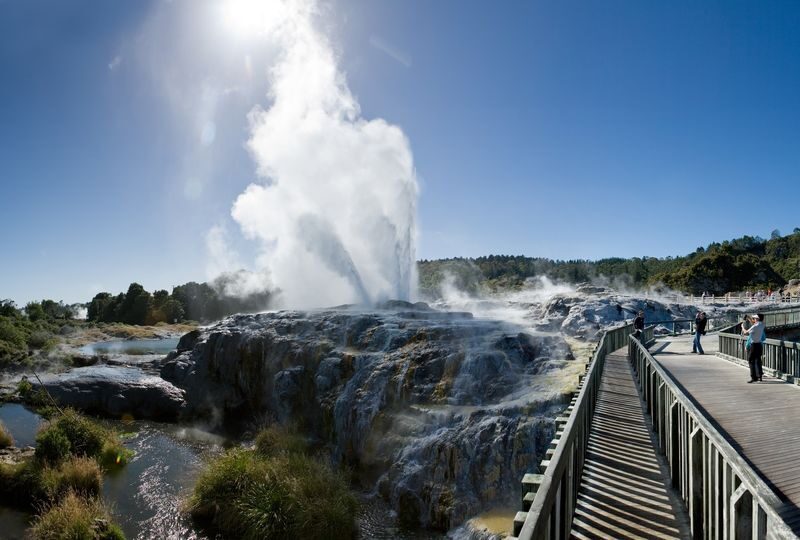
- Pohutu Geyser: See the largest active geyser in the Southern Hemisphere, along with steaming vents and bubbling mud pools.
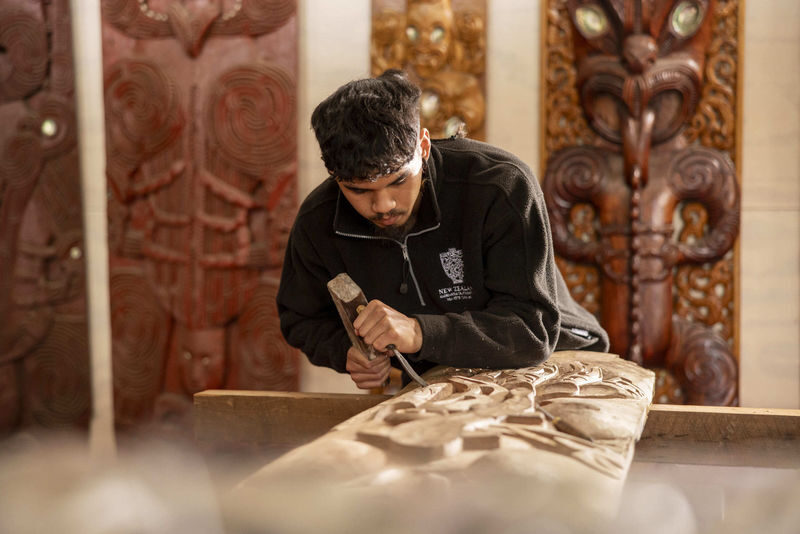
- Māori arts in practice: Watch students at the New Zealand Māori Arts and Crafts Institute work with weaving, wood, stone and bone.
- Kiwi conservation: Visit a dark, purpose-built enclosure to look for New Zealand’s famously shy national bird.
- A haka is an add-on: The Te Rā Guided Experience with Haka adds a 30-minute cultural performance to the 90-minute guided tour.
- Evening options change the feel: Te Pō pairs a cultural performance with a hangi buffet, while Marama takes you through the valley after dark with coloured lights.
- Te Puia brings geothermal Rotorua and Māori culture together
- Pohutu Geyser is the natural headline
- The arts institute shows culture as a living practice
- A kiwi sighting is special, but not certain
- Add a haka if you want the cultural experience to go further
- Te Pō makes dinner part of the visit
- Marama offers a different view after dark
- Compare the ticket price with what you want to include
- Plan your arrival on Hemo Road
- Should you book Te Puia?
- FAQ
- Where is Te Puia?
- How long does the Te Rā Guided Experience take?
- What does the guided tour include?
- Is a cultural performance included with every ticket?
- How do I get to Te Puia without a car?
- What are Te Puia’s daytime opening hours?
- The Best Of Rotorua!
- More Tickets in Rotorua
- More Tours in Rotorua
- More Tour Reviews in Rotorua
- Not for you? Here's more nearby things to do in Rotorua we have reviewed
Te Puia brings geothermal Rotorua and Māori culture together
 1 / 3
 2 / 3
 3 / 3
Rotorua’s geothermal features are not hard to find, but Te Puia gives you more than a look at steam rising from the ground. It brings together the Te Whakarewarewa Geothermal Valley, the Kiwi Conservation Centre and the New Zealand Māori Arts and Crafts Institute in one guided visit.
That combination is the main reason I’d consider Te Puia over a quick stop at a geothermal site alone. The landscape is dramatic, but the guided stories and working arts school give the place human context. You can see both the forces beneath the ground and the cultural traditions that continue here.
The standard Te Rā Guided Experience takes about 90 minutes. If you add the haka performance, allow another 30 minutes. Other options run longer, from the 2-hour-15-minute Tuku Iho Trail to an evening programme that combines a tour, dinner and performance.
A rating of 4.6 out of 5 across 366 ratings suggests a strong overall experience, but expectations matter. If you mainly want a large natural geothermal reserve, Te Puia may feel more developed and compact than a place such as Wai-O-Tapu. If you want geothermal sights alongside Māori arts and culture, the combination is its strength.
👉 See our pick of the 6 Best Guided Tours In Rotorua
Pohutu Geyser is the natural headline
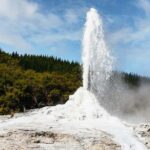
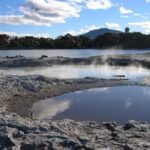
The guided walk enters Te Whakarewarewa Geothermal Valley, where steam, hot pools and bubbling mud make the ground feel active. The centrepiece is Pohutu Geyser, described as the largest active geyser in the Southern Hemisphere. When it erupts, the vertical burst is an impressive sight and a clear highlight for many people.
There is a catch: geyser activity is natural, not a performance scheduled to start on cue. Some people see it erupt more than once during a visit; others find it quiet during their tour. I would treat an eruption as a lucky bonus rather than a guarantee, and enjoy the valley’s other features either way.
Rain does not close off the experience, but it can make the walk less pleasant and views less clear. Bring clothing suited to the day’s weather, and wear shoes you are happy to walk in around an outdoor geothermal area. The attraction is open year-round, though the conditions you meet will vary.
Your guide helps explain what you are seeing instead of leaving you to guess at each steaming pool. That matters here: the sights can be striking on their own, but an explanation gives the walk more shape. One practical wrinkle from visitor accounts is that commentary can feel information-heavy if you prefer a quick stroll. If that sounds like you, ask about time to explore independently after the guided portion.
You can also read our reviews of more tours and experiences in Rotorua


The arts institute shows culture as a living practice
At the New Zealand Māori Arts and Crafts Institute, you can watch students learning traditional weaving and wood, stone and bone carving. This is not simply a collection of finished objects behind glass. The institute is a school and cultural centre intended to foster and promote Māori arts and crafts, so seeing the work in progress is part of the point.
You may not have time to study every exhibit during the guided tour. One visitor found the 90 minutes packed with information, then appreciated being able to return to read more afterward. If the institute is a priority for you, leave room in your schedule to look around at your own pace, if your visit timing allows.
The tour also includes Ahua Gallery and Rotowhio Pā. Together with the institute, these stops add cultural detail to a visit that could otherwise be remembered mostly for geysers and mud. They are a good reason to listen closely to the guide, especially if you want to understand how the site connects to Māori heritage and present-day practice.
A kiwi sighting is special, but not certain
The Kiwi Conservation Centre has a purpose-built nocturnal enclosure, designed to give kiwi the dark conditions they need. Since kiwi are nocturnal and shy, this is one of the more accessible ways to try to see one up close. Many people do see a bird, sometimes more than one, and the chance to observe New Zealand’s national icon is a memorable part of the visit.
Keep your expectations measured. The enclosure is dark, and a kiwi may be difficult to spot; the number of birds you see can vary. Some visitors have seen several, while others have had trouble making one out. Give your eyes time to adjust, move quietly and follow the staff’s instructions. If you are visiting with children, prepare them for a careful search rather than a guaranteed close-up encounter.
The centre’s conservation purpose also gives the stop meaning beyond the sighting itself. If the bird stays out of view, you have still visited a facility dedicated to its protection. But if seeing kiwi is your main reason for booking, remember that the conditions are deliberately dim and sightings are not assured.
Add a haka if you want the cultural experience to go further
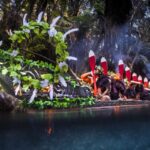
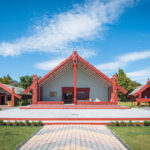
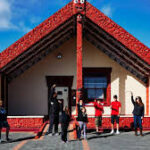
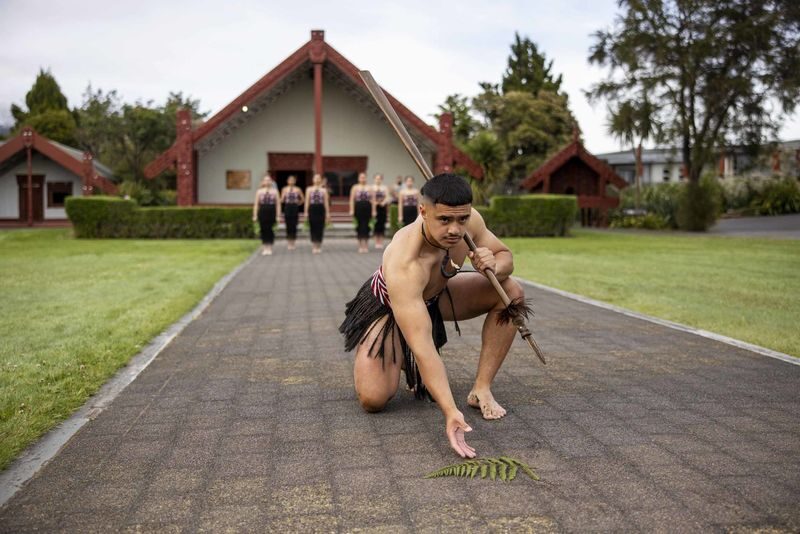
The Te Rā Guided Experience with Haka pairs the 90-minute tour with a 30-minute cultural performance in an intricately carved meeting house. Song and dance bring a different energy to the day, and the performance is often a highlight for people who want more than a guided explanation of the site.
The haka package costs more than the basic guided option, but it also adds a distinct experience rather than just extending the walk. If Māori performance is high on your list, I would choose this package from the start. A basic Te Rā ticket does not necessarily include the show, so check the exact option before paying.
The premium Tuku Iho Trail is another choice. It lasts 2 hours and 15 minutes, includes a 30-minute cultural performance and visits the geothermal valley, kiwi centre and arts institute. It also includes a stop at a ngawha, or hot pool, with a sweetcorn tasting. This is the more in-depth daytime option for visitors who want extra guided time and a taste tied to the geothermal setting.
Te Pō makes dinner part of the visit
For an evening outing, Te Pō Indigenous Evening Experience centres on a Māori cultural performance and a hangi buffet dinner at Pataka Kai Restaurant & Bar, with views across the geothermal valley. The combination gives the meal a sense of place, rather than making it just a convenient dinner after sightseeing.
The Te Pō Combo adds a 90-minute guided tour before the meal and performance. This is the most complete way to see the daytime highlights and stay for the evening programme, but it also takes much longer than a standard tour. One evening schedule described by a visitor ran from about 4 p.m. to around 8:30 p.m.; your timing may differ, so check your booked start time.
The buffet is a substantial part of the value. Comments on the food mention a broad choice, including seafood, salads, hot dishes and desserts, though the exact menu can change. If you are deciding between the basic evening performance and the combo, consider whether you want the geothermal walk as well as dinner and the show. The evening performance is not the same as the 90-minute daytime guided tour.

Marama offers a different view after dark
Marama: Geyser Light Trail is a hosted night-time walk that uses coloured lighting to bring the paths, geysers and geothermal features into view in a new way. It is a separate option from the guided daytime visit and does not include the same listed set of stops and activities.
This is a good choice if you want a night activity in Rotorua, but it is less straightforward to judge for value. One visitor found the light trail enjoyable while questioning whether the effect justified a price of about US$27. That is a fair point: if you want detailed cultural interpretation, a daytime guided tour or Te Pō may suit you better. If you are curious to see the valley lit after dark, Marama offers a different atmosphere.
Compare the ticket price with what you want to include
The advertised starting price is US$30.65, while the Te Rā Guided Experience is listed from US$53.75. Prices vary by package, so compare the specific ticket options rather than assuming the lowest starting price covers the full guided visit. The haka, evening dinner and performance, premium trail and light trail are separate choices with different inclusions.
For value, I would start with your priorities. The 90-minute guided tour makes sense if you want the geothermal valley, kiwi centre and arts institute explained in a short visit. Adding the haka makes the day more culturally complete. Te Pō is a larger commitment, but dinner and performance make it an evening out as well as a sightseeing visit.
Some people find Te Puia expensive, and the cost can feel steep if you only want to see geothermal features. The price is easier to justify if you value the guide, the Māori arts institute, the kiwi centre and, where included, the performance or meal. Check current package pricing before booking, since the options do not all offer the same experience.
Plan your arrival on Hemo Road
Te Puia is at Hemo Road, Tihiotonga, about 2.5 kilometres from central Rotorua. Rotorua City Ride’s Route 2 runs from the CBD to Te Puia. You can also drive from central Rotorua via Fenton Street and State Highway 30.
The site is open daily from 8:45 a.m. to 5 p.m., with last entry at 4 p.m. Those hours apply to the daytime attraction; evening experiences have their own scheduled times, so check the details for your chosen package. Arrive 15 minutes before your scheduled activity, and present your mobile voucher at the counter to exchange it for a physical ticket.
The activity is listed as stroller- and wheelchair-accessible. Children aged 0 to 4 can join free, while children aged 16 and over pay the adult rate. The voucher is valid only on the selected date and time, where applicable. Free cancellation is available with at least 24 hours’ notice; the operator may cancel in extreme weather or other unforeseen circumstances, with a reschedule or refund offered.
Should you book Te Puia?
Book Te Puia if you want one Rotorua visit to combine a major geyser, Māori arts and crafts, and a chance to see kiwi. I’d choose the haka add-on if cultural performance matters to you, or Te Pō if you want to make an evening of it with a hangi buffet. The standard tour is a practical half-day choice, but it is not a substitute for a full-day geothermal park if that is your main interest.
Go in with flexible expectations: the geyser may not erupt during your tour, and a kiwi can be hard to spot in its dark habitat. For the best value, select the package that includes the things you actually want, then allow enough time to reach Hemo Road and arrive before your start. If the natural setting and Māori cultural context both appeal, Te Puia is a worthwhile stop.
Te Puia Ticket
“Those who love indigenous culture should definitely visit, especially in the spring weather-it is very warm and awe-inspiring.”
FAQ
Where is Te Puia?
Te Puia is on Hemo Road in Tihiotonga, Rotorua 3040, New Zealand, about 2.5 kilometres from central Rotorua.
How long does the Te Rā Guided Experience take?
The Te Rā Guided Experience lasts about 90 minutes. The version with a haka adds a 30-minute cultural performance.
What does the guided tour include?
The 90-minute guided tour covers the Te Whakarewarewa Geothermal Valley, the Kiwi Conservation Centre and the New Zealand Māori Arts and Crafts Institute. Admission also includes Ahua Gallery and Rotowhio Pā.
Is a cultural performance included with every ticket?
No. The Te Rā Guided Experience with Haka includes a 30-minute performance. Te Pō options also include a cultural performance, but the basic Te Rā Guided Experience does not list one.
How do I get to Te Puia without a car?
Rotorua City Ride Route 2 offers bus service from the Rotorua CBD to Te Puia.
What are Te Puia’s daytime opening hours?
Te Puia is open daily from 8:45 a.m. to 5 p.m. The last entry is at 4 p.m.