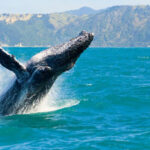
Kaikoura’s big attraction is just offshore: giant sperm whales, the largest toothed predators, live in waters that make this one of New Zealand’s best-known whale-watching spots. On this cruise, you head out with an English-speaking guide and a crew focused on finding wildlife. A whale sighting is likely, but never certain.
I love two things here: the chance to see a sperm whale in the wild, and the crew’s active search for whales rather than a simple ride along the coast. Dolphins and seals can add plenty to the outing, and the captain’s commentary helps put each sighting in context.
The main catch is the sea. The boat can rock, the wind can cut across the deck, and some trips are canceled when conditions are unsafe. The 80% refund if no whale is seen softens the risk, but it does not make rough water or a short glimpse feel like a sure thing.
- What to know before you book
- Kaikoura’s deep water makes the whale search special
- From Christchurch, allow time for the road and the sea
- On board, the search is part of the experience
- The best viewing spot is not always the warmest
- Seasickness is the drawback to take seriously
- What the price buys, and what it does not
- Booking details that can save a headache
- Is this Kaikoura whale cruise right for you?
- FAQ
- How long is the drive from Christchurch to Kaikoura?
- Where is the meeting point?
- What happens if the cruise does not see a whale?
- What wildlife might I see?
- Is seasickness medicine included?
- Can children join the cruise?
- The Best Of Kaikoura!
- More Boat Tours & Cruises in Kaikoura
- More Tours in Kaikoura
- More Tour Reviews in Kaikoura
- Not for you? Here's more nearby things to do in Kaikoura we have reviewed
What to know before you book
 1 / 9
 2 / 9
 3 / 9
 4 / 9
 5 / 9
 6 / 9
 7 / 9
 8 / 9
 9 / 9
- Sperm whales are the main event: Kaikoura is known for sightings of these huge toothed whales, which can be seen year-round.
- The crew searches actively: The captain and crew keep looking for whales, with commentary on the animals and their behavior.
- Wildlife sightings vary: Dolphins and seals are possible extras, and humpback whales or albatross may also appear.
- No whale, 80% refund: The operator reports a 95% success rate, but sightings remain dependent on wildlife and conditions.
- Expect a choppy ride: Take seasickness seriously, dress for wind and chill, and keep your camera ready.
- Plan for the drive: Kaikoura is about a 2.5-hour drive north of Christchurch, so the cruise is a substantial day trip from the city.

👉 See our pick of the Best Guided Tours In Kaikoura
Kaikoura’s deep water makes the whale search special
Kaikoura is not simply a scenic seaside stop. Its offshore waters are known for sperm whales, and the cruise is built around finding them. That gives this trip a clear focus: you are not just hoping to spot a distant blow while sailing past the coast. The captain and crew work to locate whales and position the boat for a view.
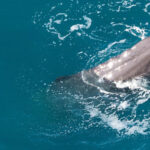
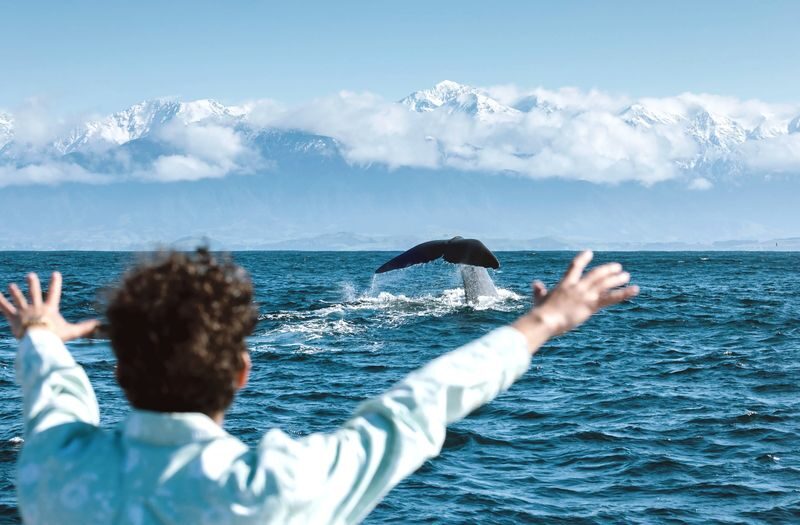
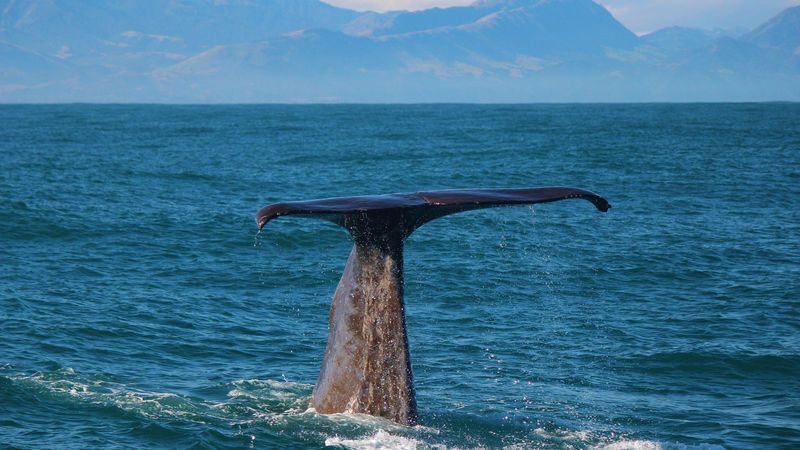
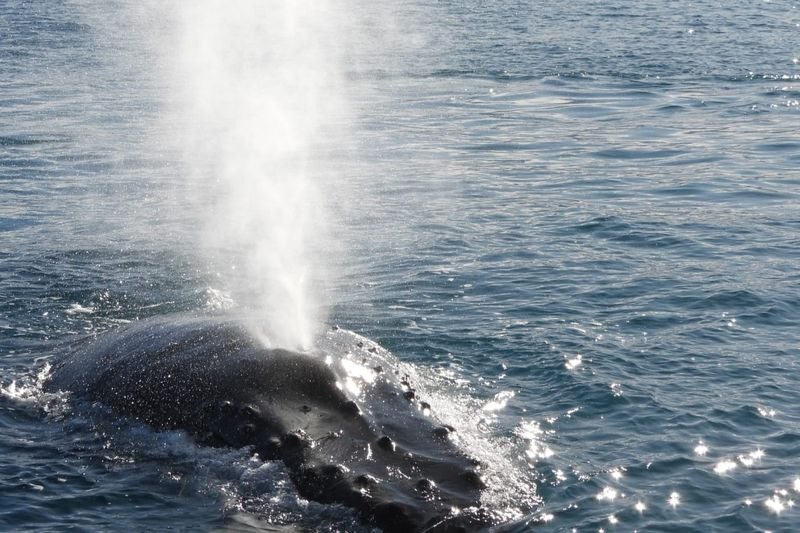
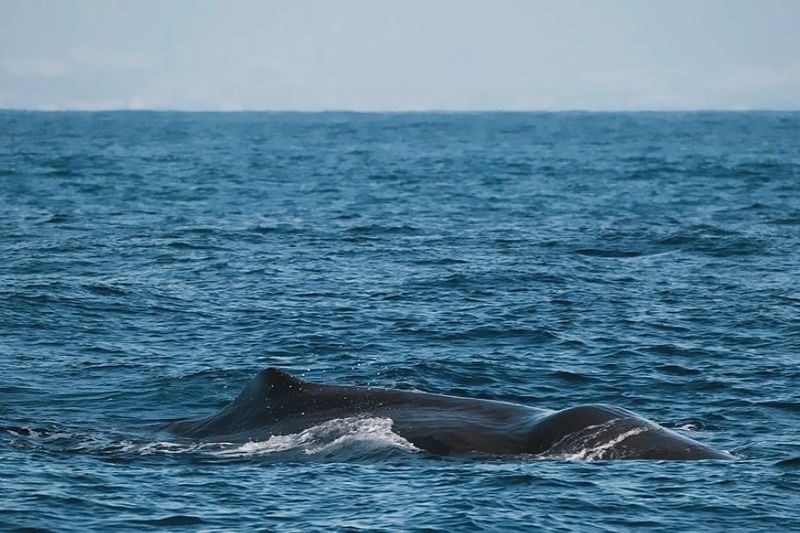
The main prize is the giant sperm whale. These animals can surface near the boat, giving you a chance to see their backs and tails before they slip below the water again. A full breach is not something to count on. Even a brief surfacing can be a memorable sight, but it may last only minutes, so have your camera ready and watch the water rather than waiting for a perfect pose.
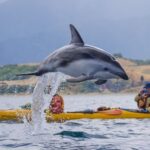
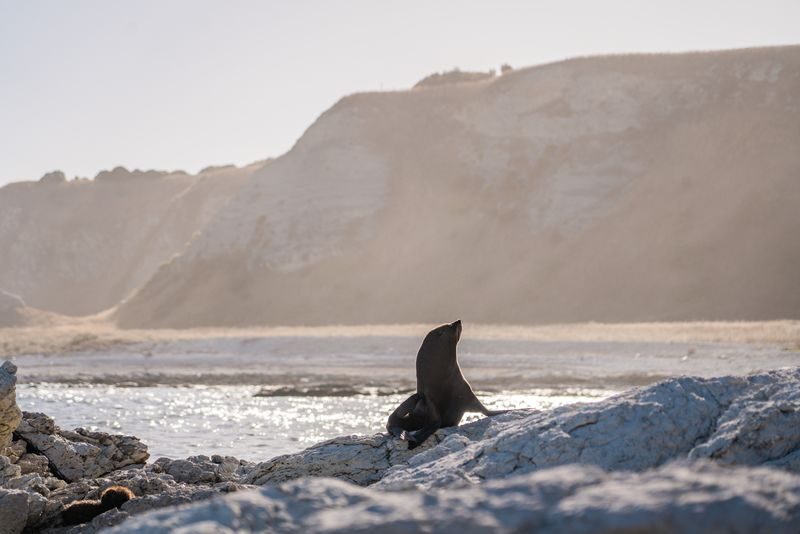
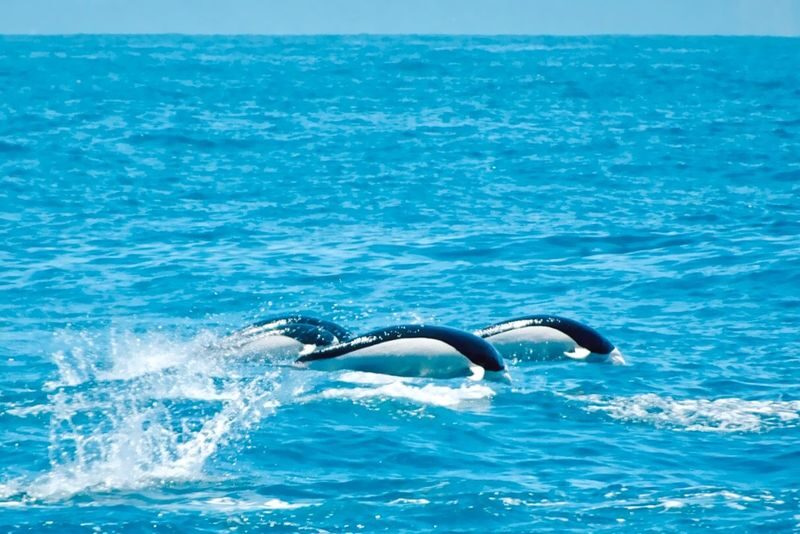
Kaikoura’s wildlife can extend beyond sperm whales. Depending on the day, you might see dolphins swimming alongside the boat, seals in the water, humpback whales or albatross. Treat those as possible bonuses, not promises. The tour’s stated success measure is whether you see a whale, not whether you spot every animal on your wish list.
You can also read our reviews of more boat tours in Kaikoura


From Christchurch, allow time for the road and the sea
The drive from Christchurch to Kaikoura takes about 2.5 hours and passes through the countryside of North Canterbury. That drive is part of the day’s commitment, not a quick hop to a nearby pier. If you are based in Christchurch, plan your schedule around the drive in both directions as well as the cruise itself.
At the meeting point, Whale Watch Kaikoura is at Whaleway Station Road in Kaikoura. Arrive 30 minutes before the departure time. One account of the outing describes a bus transfer from the meeting point to the pier, so be ready to follow the operator’s instructions rather than assume you will board right outside the office.
Departure times include 7:45, 8:30, 10:30, 11:15, 13:15 and 14:00, though the available options can vary. An early sailing can leave more room in the day for the drive and other plans, while a later time may suit a slower start. Do not build a tight onward connection around the cruise: weather can change plans, and time on the water may feel longer if the sea is rough.
On board, the search is part of the experience
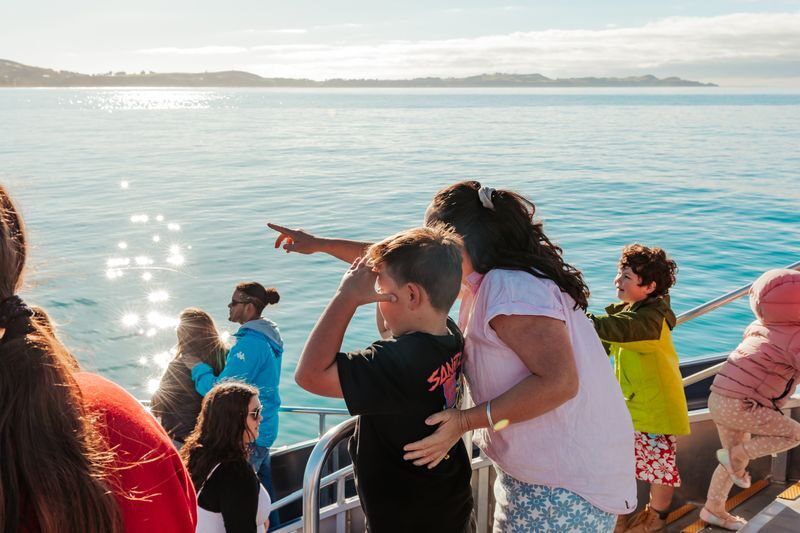
Once aboard, the crew takes you out to search for whales. The time at sea can be exciting even before an animal appears. The captain may change course as the crew looks for wildlife, and the boat can pick up speed. That movement is part of the search, but it also means the ride may be bumpy.
The crew provides English-language commentary about the animals and their behavior. This adds welcome context to a sighting: you are not just looking at a whale, but learning something about what you are seeing. The tone can be lively, and the captain’s enthusiasm when a whale is spotted can make the moment feel shared across the boat.
Keep your attention outside. A whale can surface briefly, and passengers have described sightings that lasted only a few minutes. You may see one whale, several, or none. Some trips have also brought dolphins, seals and albatross into view; on lucky days, the range of wildlife makes the outing feel like much more than a single-species search.
The outing on the water is often described as close to two hours, though one account put the overall experience at about three hours. Use that as a planning guide, not a fixed promise. The day’s conditions and the search itself can shape how long you are out.
The best viewing spot is not always the warmest
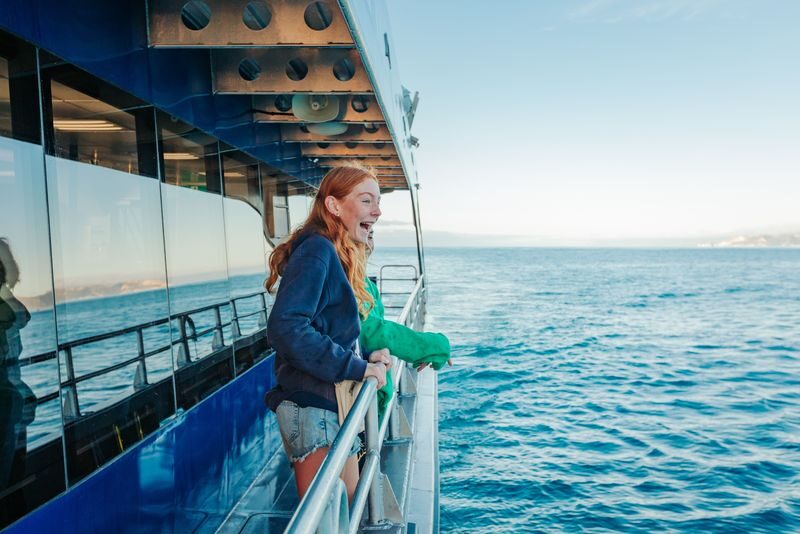
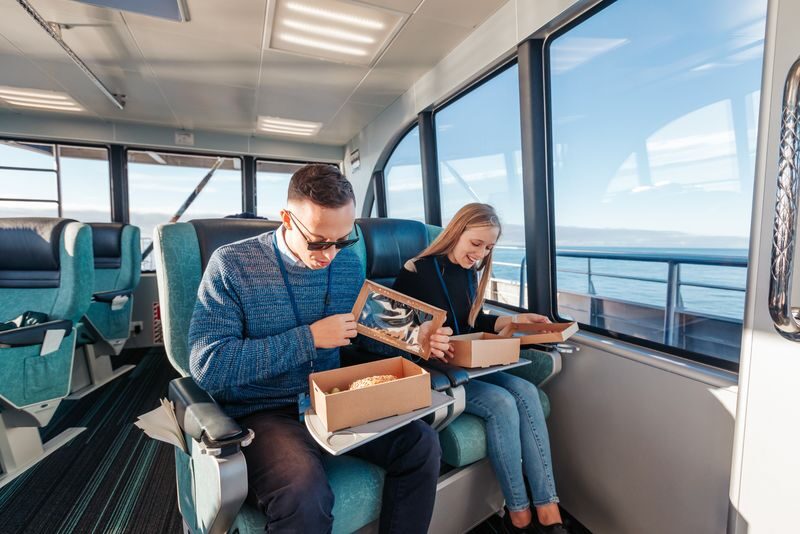
You can watch from inside or head outside for a clearer view. A few people find the outside deck more comfortable than sitting in the cabin when the boat rocks, but it can also be colder and windier. If you want to photograph a whale, being outside gives you a more direct view, though you will need to hold on to your hat and protect your camera.
Dress in layers, including long sleeves and trousers, and bring a hat that will stay put. Even when the weather looks pleasant on land, the wind on the water can feel sharp. A warm layer is a practical part of the ticket, not an optional flourish.
There is also a VIP Captain’s Cabin option with capacity for 12 passengers. It includes priority boarding and transport, business-class seating angled toward large windows, air conditioning, a water fountain, tour narration, access to other passenger areas and an exclusive top-deck viewing area. A locally made food box and cold drinks are included. It may suit you if you value a more comfortable base or want food included, but the regular cruise is the core wildlife experience.
Seasickness is the drawback to take seriously
The boat can be rocky, and several people have found the motion difficult. If you are prone to seasickness, bring medicine and take it according to its instructions before boarding. Motion sickness medicine is not included, and some may be available at the meeting point, but do not rely on being able to buy it at the last minute.
The crew can cancel when weather or sea conditions make the trip unsafe. That is frustrating if you have driven from Christchurch, but safety takes priority over a scheduled departure. Check the operator’s latest weather updates before setting out; conditions can change quickly, and the captain may raise the minimum age for a departure based on the sea and weather.
Children must be at least three years old to join, though the captain can increase the age limit at check-in. Anyone aged 16 or older pays the adult rate. If you are traveling with young children, consider how they handle boat motion and wind, not just whether they meet the minimum age.
You can also read our reviews of more whale watching tours in Kaikoura


What the price buys, and what it does not
The listed price starts at $115.75, while the package times are also shown from US$105.20. Since prices may be presented in different currencies or change by departure, check the final amount before booking. At that price, you are paying for a guided wildlife search at sea, not a guaranteed close encounter with a whale.
The operator reports a 95% success rate and offers an 80% refund if the trip does not see a whale. That is a useful safeguard, but it is not a full refund for a no-sighting trip. Nor does it promise a particular species, number of sightings or length of time beside an animal. Keep those distinctions in mind when deciding whether the price feels worthwhile.
For many people, the value lies in the whole outing: the captain’s search, the guide’s commentary and the possibility of seeing whales in their natural habitat. A sighting of sperm whales, dolphins and seals can make the fare feel like money well spent. A brief glimpse of one whale, or a cancellation due to weather, will feel different. The refund policy helps with one disappointing outcome, but it cannot remove the cost of getting to Kaikoura or the inconvenience of a disrupted day.
Meals and beverages are not included in the standard trip, and motion sickness medicine is not included either. The VIP cabin has a food box and cold drinks, but check that you have selected that option if those extras matter to you.
Booking details that can save a headache
Your mobile voucher is valid only for the date and time you booked. Arrive 30 minutes early, and do not cut it close: late arrivals and no-shows are not refundable. If you cancel at least 24 hours before the activity date, you can receive a full refund. If the operator cancels because of extreme weather or another unforeseen event, you can request a full refund.
Before departure, check the latest weather forecast and the operator’s online updates. A road closure can also disrupt a Christchurch day trip, so check the route before driving north. If your schedule allows, leaving some flexibility around the cruise is wiser than trying to fit it between fixed plans.
Is this Kaikoura whale cruise right for you?
Book it if seeing a wild whale is high on your New Zealand list and you are comfortable with a boat ride that may be rough. It is especially appealing if you enjoy wildlife guides who explain what you are seeing and you are happy to treat dolphins and seals as welcome extras rather than guaranteed sightings.
Think twice if seasickness is a serious concern, if you need a guaranteed close encounter, or if the 2.5-hour drive from Christchurch makes the day too long. The operator’s high sighting rate and partial refund offer provide some reassurance, but nature sets the terms. If that uncertainty is part of the appeal, this is a worthwhile way to spend time in Kaikoura. If you need a predictable schedule and a smooth ride, choose a less weather-dependent activity.
Whale Watch Cruise in Kaikoura
“You can see humpback whales, dolphins, and seals. The staff explains their habits and provides educational information in English, which is fantastic.”
FAQ
How long is the drive from Christchurch to Kaikoura?
Kaikoura is about a 2.5-hour scenic drive north of Christchurch. Allow time for the return drive as well as the cruise.
Where is the meeting point?
Meet at Whale Watch Kaikoura, Whaleway Station Road, Kaikoura 7340, New Zealand. Arrive 30 minutes before your scheduled departure.
What happens if the cruise does not see a whale?
The operator offers an 80% refund of the fare if your tour does not see a whale.
What wildlife might I see?
Sperm whales are the main focus. Dolphins and seals may also appear, and sightings can include humpback whales or albatross.
Is seasickness medicine included?
No. Motion sickness medicine is not included. Bring your own if you may need it.
Can children join the cruise?
Participants must be at least three years old, although the captain may raise the age limit based on sea and weather conditions. Children aged 16 and over pay the adult rate.