Khinkali pleating, molten cheese bread, and glossy walnut churchkhela: this short Tbilisi class gives you a go at three Georgian staples, then lets you eat the results. It is a practical way to meet the food beyond a restaurant menu.
I like two things especially: you get to make all three dishes, and the hosts explain their regional styles and traditions as you work. The small-group format can also mean close help with a tricky dumpling fold, rather than a long view of someone else doing it.
One caveat: an hour to an hour and a half is tight for three recipes, and the amount you make from scratch may vary. At least one class began with prepared dough, so ask what parts you will make yourself if dough-making is your main reason for booking.
- The useful details at a glance
- Three Georgian favorites, one kitchen
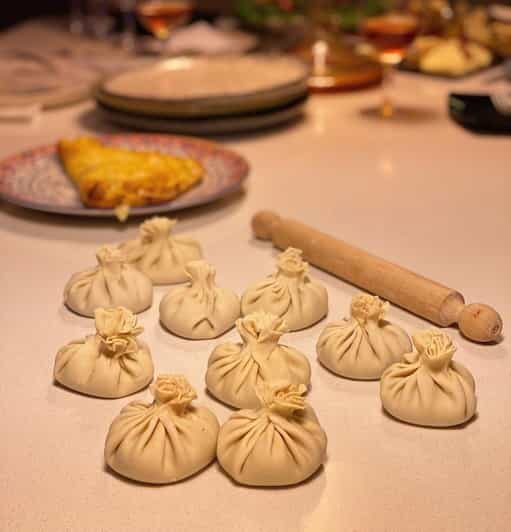
- Khinkali: learning the pleats and the broth
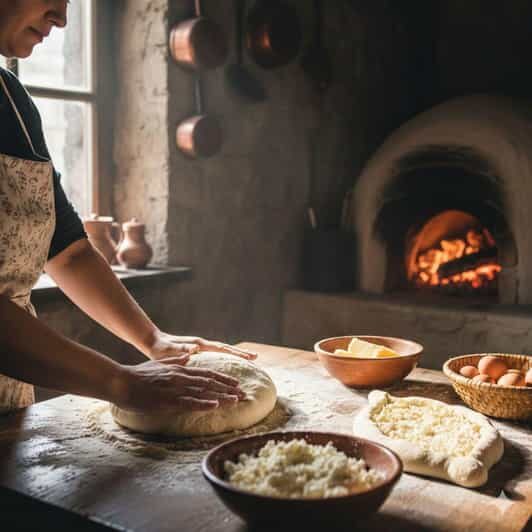
- Khachapuri: cheese, heat, and regional styles
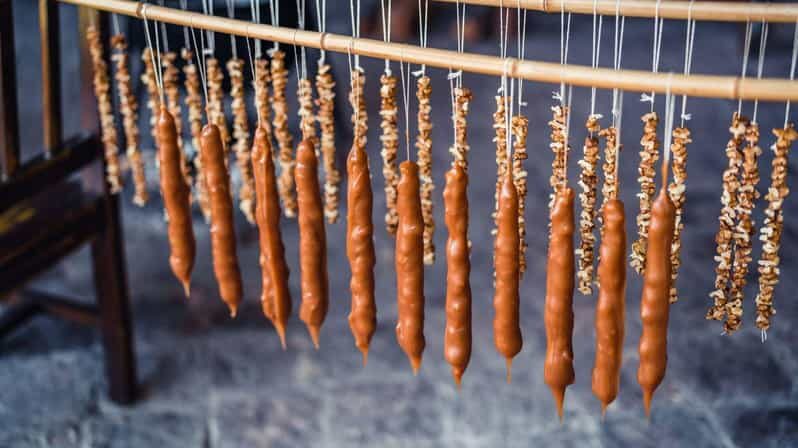
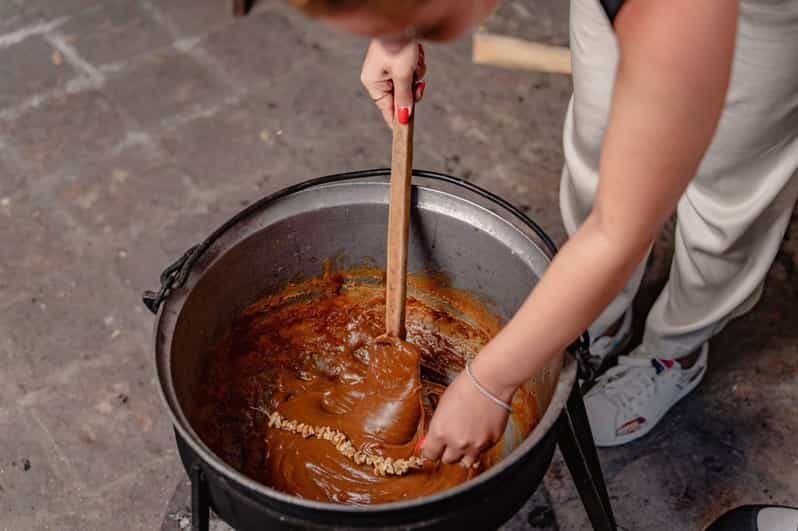
- Churchkhela: walnuts and grape must
- The meal makes the lesson stick
- Friendly instruction and local stories
- Timing, meeting point, and what to wear
- Is a good value?
- Who should book this class?
- Should you book?
- FAQ
- How long does the cooking class last?
- What dishes will I make?
- Is the food included?
- Where is the meeting point?
- What languages are available?
- Is there a vegetarian option?
- Can I join if I have a food allergy?
- What should I wear?
- Can I cancel for a refund?
- The Best Of Tbilisi!
- More Guided Tours in Tbilisi
- More Tours in Tbilisi
- More Tour Reviews in Tbilisi
- Not for you? Here's more nearby things to do in Tbilisi we have reviewed
The useful details at a glance
 1 / 7
 2 / 7
 3 / 7
 4 / 7
 5 / 7
 6 / 7
 7 / 7
- Three Georgian classics in one sitting: Make khinkali, khachapuri, and churchkhela with guidance from a local chef.
- Hands-on, not a demonstration: You mix, shape, fold, fill, dip, and bake, though some dough may be prepared ahead.
- A meal is part of the class: You sit down to eat what you have made, with Georgian tea and water included.
- Local context comes with the cooking: Expect stories about khinkali, regional khachapuri styles, and churchkhela traditions.
- A short class with a generous menu: The session lasts about one to one and a half hours, so it suits a compact break in a Tbilisi day.
- Plan for kitchen work: Wear comfortable clothes and expect some standing, mixing, folding, and baking.
👉 See our pick of the 25 Best Tours In Tbilisi
Three Georgian favorites, one kitchen
This class is a food introduction with flour on its hands. In a traditional Tbilisi kitchen, a local chef leads you through three dishes that show different sides of Georgian cooking: savory dumplings, cheese bread, and a sweet made with grape must and walnuts.
The format makes sense if you want more than a tasting but do not have time for a full-day cooking course. You learn by doing, then eat the food while it is fresh. The shared meal also gives the class a natural finish, rather than leaving you to find lunch immediately afterward.
The group is described as small, and the instruction is available in English, Georgian, and Russian. Hosts have included Oto, Nick, Lily, and Freddie, alongside chefs who demonstrate and explain the cooking. The specific team can vary, but the best part of the format is the chance to ask questions while your hands are busy.
The class costs $47 per person. For that, you get instruction, ingredients, tea and water, a sit-down meal, food stories, and digital recipe notes. It is a fair package if you value the cooking and cultural context as much as the food. If you only want a quick, inexpensive meal, ordering khinkali at a restaurant will cost less and take less time.
You can also read our reviews of more guided tours in Tbilisi

Khinkali: learning the pleats and the broth
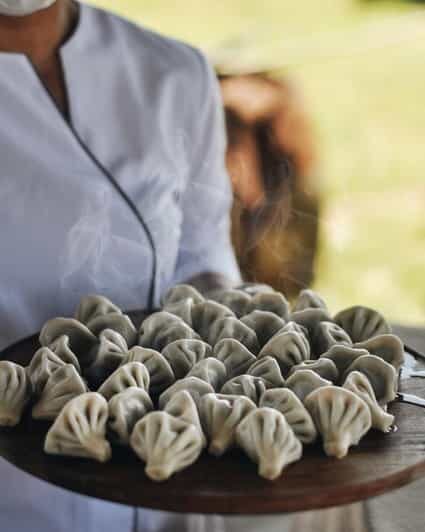
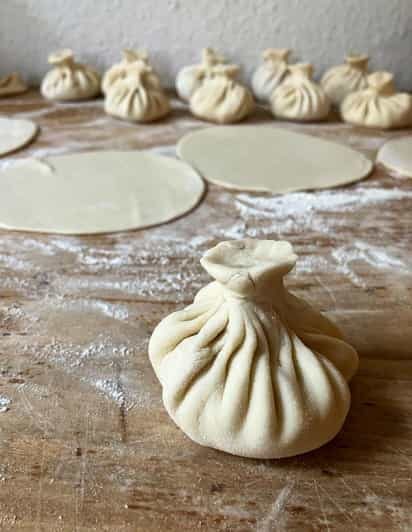
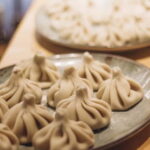
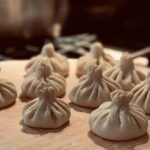
The class begins with khinkali, Georgia’s familiar soup dumplings. You learn about the dough and filling, how to season the mixture, and how to fold the top into the traditional pleats. The goal is not only a dumpling that looks right, but one that holds its shape as it cooks.
The broth is the small technical challenge. Khinkali should be juicy inside, and the liquid needs to stay where it belongs while you handle and cook the dumplings. A chef can show you how to seal the folds and what to watch for, then offer practical fixes if a dumpling refuses to close neatly.
There is a point worth checking before you book: the advertised class describes making dough and filling from scratch, but one participant found that the dough had already been prepared and learned the folding instead. That may depend on the session or timing. If mixing dough is important to you, ask the organizer whether your class will include that step.
Even if the dough is ready, the pleating lesson has value. It is the part most likely to feel unfamiliar at home, and a live demonstration makes it easier to see how the folds build around the filling. Do not expect your first dumpling to look like the chef’s. That is part of the fun, and dinner is still forgiving.
Khachapuri: cheese, heat, and regional styles
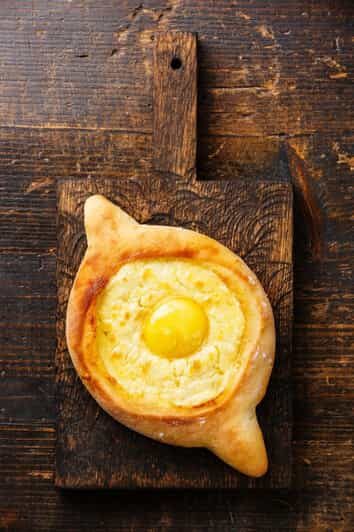
Next comes khachapuri, Georgia’s much-loved cheese bread. You shape the dough, add the cheese filling, and bake it until the crust is golden and the cheese turns soft and stretchy. The precise style can vary: the class may focus on Imeruli or Megrelian khachapuri, or use a seasonal variation.
That variation is a useful glimpse of Georgian food culture. Khachapuri is not one fixed recipe served the same way everywhere. The regional versions differ, and the class gives you a chance to hear about those distinctions while working with dough, cheese, heat, and timing.
The most useful instruction is often about texture. A bread can be too dry, too thick, or not heated evenly; the chef can show you what to look for as it bakes. One participant called the khachapuri they made the best they had tried in Georgia, which is a fine result for a first lesson, though your own bread will depend on the method and the day.
As with the dumplings, clarify how much preparation you will do if you want a full start-to-finish lesson. The class description promises shaping and filling, but a participant noted that the dough and cheese were not made from scratch in their session. You should expect to take part in the cooking, but not assume every ingredient begins as a raw component in front of you.
Churchkhela: walnuts and grape must
The final dish is churchkhela, the candle-shaped Georgian sweet made by coating threaded walnuts in a thickened grape mixture. You thread the walnuts, prepare or work with the grape must mixture, dip the strand for an even coat, and hear how it is dried and stored.
This step broadens the class beyond dough and cheese. Churchkhela is closely linked to grape harvest traditions, and its ingredients make the process distinctive: walnuts provide the center, while grape must gives the coating its color and sweetness. The method is easier to understand once you have seen how the coating behaves as it thickens and clings.
It is also the part that may not fit neatly into the quick, eat-everything format. Churchkhela needs drying before it reaches the familiar finished texture. You learn how that works, but do not expect to make a fully dried sweet during a class that lasts only 60 to 90 minutes. The meal afterward is the immediate reward; the drying and storage advice is what helps you repeat the process later.
The meal makes the lesson stick
After the cooking, you sit down together and eat what you have made. The food is included, as are Georgian tea and water. That makes the class feel like a complete food outing rather than a lesson that ends at the oven.
The quantity can be substantial for a short session. Participants have described leaving with full stomachs, so avoid booking this immediately before a large meal. You are not simply sampling tiny portions; you are sharing the results of three dishes you helped prepare.
The social part matters, too. You get to compare your dumpling folds, taste the bread while it is warm, and ask follow-up questions over the table. Some sessions have also included wine, but wine is not listed as a standard inclusion, so treat it as a possible extra rather than something to count on.
You can also read our reviews of more cooking classes in Tbilisi



Friendly instruction and local stories
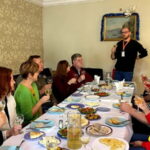
The strongest element of the class is the teaching style. Hosts such as Oto, Nick, Lily, Freddie, and other members of the team have been described as warm and patient, with clear step-by-step help. One participant even had a one-on-one session when only two people attended, but you should not book expecting a private lesson. A small group is available; the exact group size is not specified.
The food stories give the cooking more meaning. You hear about khinkali origins, the regional forms of khachapuri, and churchkhela’s place in Georgian traditions. The class is short, so this is not a long lecture in culinary history. Instead, the context comes alongside each task, at the moment you are shaping, filling, or dipping.
Some hosts also share practical advice about traveling around Georgia. That can be a welcome bonus, especially early in a trip, but the main purpose is cooking. If you want a broader food tour or a detailed history lesson, this class is not a substitute for either.
Timing, meeting point, and what to wear
Allow one to one and a half hours for the class. Starting times depend on availability, and pickup may be offered, but you need to check the options when booking. Otherwise, meet your guide at the I ♥ Tbilisi sign. The guide is identified by a Georgian flag scarf.
Wear comfortable clothes. You will be standing, mixing, folding, and baking for parts of the session, so this is not a sit-back-and-watch activity. Smoking is not allowed indoors or in the vehicle.
A vegetarian option is available on request. Tell the organizer in advance about dietary preferences or allergies, including gluten, dairy, or walnuts. The activity is listed as unsuitable for people with food allergies, so do not assume a particular allergy can be safely accommodated just because you have informed the team.
The booking terms include free cancellation up to 24 hours before the activity, with a full refund, and a reserve-now, pay-later option. Those terms are handy if your Tbilisi plans are still taking shape.
Is $47 a good value?
At $47, the price is easiest to justify if you want the whole package: three dishes, hands-on instruction, a shared meal, local food context, and recipe notes for later. You are paying for more than ingredients. A chef’s guidance can save you the trial and error of learning how to seal a juicy dumpling or judge when cheese bread is ready.
The value depends on what you expect from the phrase from scratch. The class description includes dough and filling preparation, but at least one session used prepared dough. Since the schedule is short and includes three recipes, the amount of preparation you do may vary. Ask ahead if kneading and mixing are central to your plans.
The recipe notes are a practical extra. They help turn a pleasant afternoon into something you can use after the trip, especially if they include the small adjustments that make home cooking easier: handling sticky dough, sealing dumplings, and controlling heat for the bread.
Who should book this class?
I would put this class high on the list for a first-time visitor who wants to understand Georgian food by making it, not just ordering it. It also suits couples, friends, and solo visitors who enjoy a social activity and are happy to work at a kitchen counter for part of the day.
It is particularly good for curious eaters who want a compact introduction to several local staples. You do not need to be an experienced cook. The instruction is designed to take you through the steps, and the emphasis is on trying the techniques rather than producing perfect restaurant food.
Skip it, or check carefully before booking, if you need a fully allergy-safe kitchen, want every component made entirely from scratch, or prefer an activity with little standing. The class is also brief: if you want a slow, detailed course devoted to one dish, this three-recipe session may feel rushed.
Should you book?
Book this class if you want to cook, eat, and learn a little about Georgian food in one compact stop. The combination of dumplings, cheese bread, and churchkhela gives you a satisfying range, and the meal at the end makes the $47 price easier to assess.
Before paying, confirm whether your session includes making dough from scratch and explain any dietary needs clearly. If you are comfortable with a short, lively lesson where the hands-on steps may vary, this is a practical and welcoming way to spend an hour in Tbilisi.
Tbilisi: Guided Cooking – Khinkali, Khachapuri+Churchkhela
FAQ
How long does the cooking class last?
The class lasts about one to one and a half hours. Available starting times depend on the date you choose.
What dishes will I make?
You will work on khinkali, khachapuri, and churchkhela with a local chef. The khachapuri style may vary by session.
Is the food included?
Yes. You sit down to eat the dishes you make, and Georgian tea and water are included.
Where is the meeting point?
Meet your guide at the I ♥ Tbilisi sign. The guide will be wearing a Georgian flag scarf.
What languages are available?
Instruction is available in English, Georgian, and Russian.
Is there a vegetarian option?
A vegetarian option is available on request. Tell the organizer in advance about your preferences.
Can I join if I have a food allergy?
The activity is listed as unsuitable for people with food allergies. You can inform the organizer in advance about allergies such as gluten, dairy, or walnuts, but do not assume the class can safely accommodate them.
What should I wear?
Wear comfortable clothes. You will be standing, mixing, folding, and baking for parts of the class.
Can I cancel for a refund?
You can cancel up to 24 hours in advance for a full refund. A reserve-now, pay-later option is also available.
You can check availability for your dates here: