Kamikochi’s clear river paths and Tateyama Kurobe’s high mountain corridor make an unusually strong two-day pairing: one day on foot, one day moving through the Japanese Alps by cable car, bus, and tunnel transport. I like that the first day gives you several hours to walk at your own pace, and that the second takes the strain out of coordinating six separate alpine connections.
The catch is that this is a full, tightly timed trip from Nagoya, not a slow mountain retreat. Weather can close the Tateyama route or obscure the views, and the selected package matters: the D option excludes the Alpine Route ticket, which costs an additional 10,940 yen for adults.
- At a glance
- Two days, two very different kinds of mountain time
- Day one: choosing your walk in Kamikochi
- The overnight stop: a useful pause, not a fixed hotel
- Day two: crossing the Tateyama Kurobe Alpine Route
- Guides, group pace, and what the reviews tell you
- Price and what you actually get
- Weather, packing, and booking details
- Who should book this two-day tour?
- FAQ
- Where does the tour depart from?
- How long do I have in Kamikochi?
- Is the Tateyama Kurobe ticket included?
- Are meals included?
- What happens if bad weather closes the Alpine Route?
- How much luggage can I bring?
- The Best Of Matsumoto!
- More Tours in Matsumoto
- More Tour Reviews in Matsumoto
- Not for you? Here's more nearby things to do in Matsumoto we have reviewed
At a glance
 1 / 9
 2 / 9
 3 / 9
 4 / 9
 5 / 9
 6 / 9
 7 / 9
 8 / 9
 9 / 9
- Kamikochi on foot: About four hours on site, enough for an easy 3.5-kilometer walk or a longer route toward Myojin Pond.
- Six alpine connections: The second day crosses the Tateyama Kurobe route by cable car, highland bus, tunnel bus, cable car, and electric bus, with a dam crossing on foot.
- One hotel night: Dinner and breakfast are included, usually served buffet-style at the hotel. The hotel and room type can vary.
- Nagoya departure: Meet at 07:50 for an 08:00 departure, then return to Nagoya around 19:30 the following day.
- Ticket costs need checking: The D package excludes the Alpine Route ticket. Confirm the exact package inclusions before booking.
- Weather shapes the trip: Mountain transport and stops may change, shorten, or be canceled for safety.

👉 See our pick of the 11 Best Tours In Matsumoto
Two days, two very different kinds of mountain time
This tour pairs Kamikochi, where you explore on foot beside the Azusa River, with the Tateyama Kurobe Alpine Route, where a chain of public transport carries you across high mountain terrain. The contrast is the point. You get a taste of a proper alpine walk without having to plan a multi-day trek, then see a much broader sweep of the mountains from buses, cable cars, and viewpoints.
It departs from Nagoya, not Matsumoto. That makes the journey convenient if Nagoya is your base, but it also means a long first bus ride and a late return. Plan for two full days rather than treating this as a quick side trip.
The tour is designed around access and timing. Kamikochi and the Alpine Route involve connections that can be awkward to arrange independently, especially when you need to match departure times and secure tickets. Here, the bus, hotel, and group schedule are coordinated for you. The trade-off is less freedom to linger: you need to return to the bus at the time set by the guide.
You can also read our reviews of more tours and experiences in Matsumoto.


Day one: choosing your walk in Kamikochi
The group leaves Nagoya at 08:00, with a 07:50 meeting time. After roughly four hours by bus, you arrive in Kamikochi for about four hours of self-guided time. The tour gives you a choice between a shorter, gentler route and a longer walk, so it helps to decide before you arrive how much ground you want to cover.
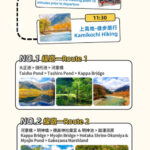
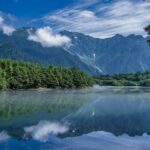
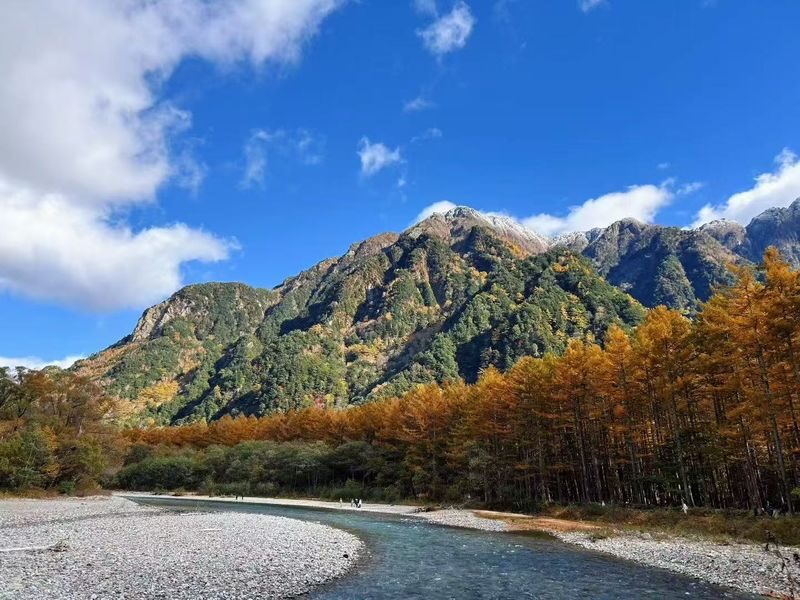
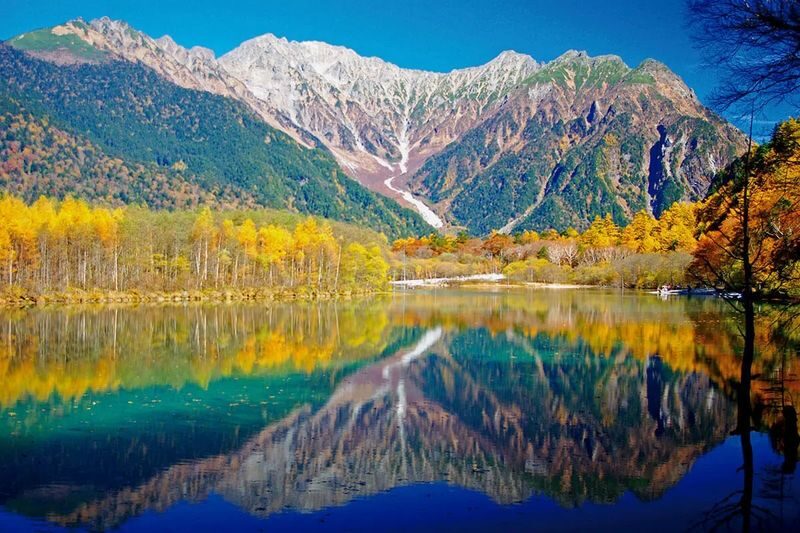
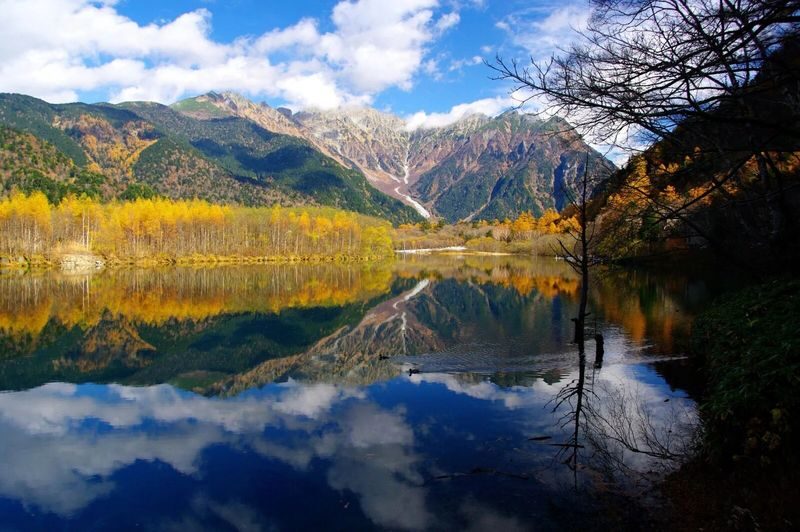
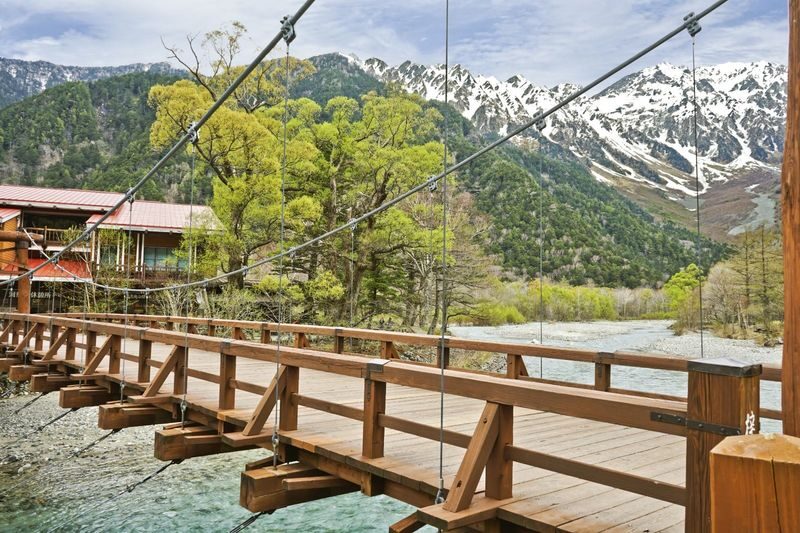
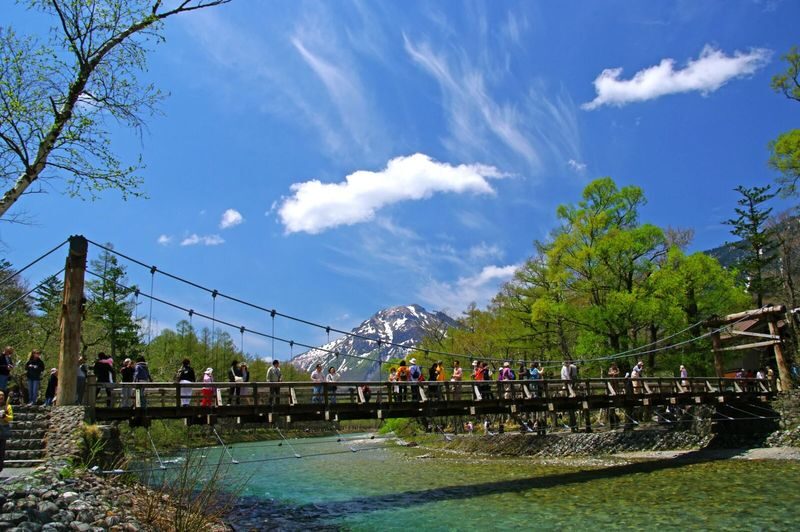
For a first visit, the recommended walk begins at Taisho Pond and continues via Tashiro Pond and Kappa Bridge to the Kamikochi Bus Terminal. It is about 3.5 kilometers and takes roughly one to one and a half hours at an unhurried pace. The path is described as flat and easy, making this the sensible choice if you want time for photos, a meal, or a relaxed riverside pause.
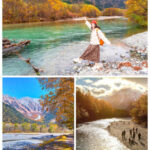
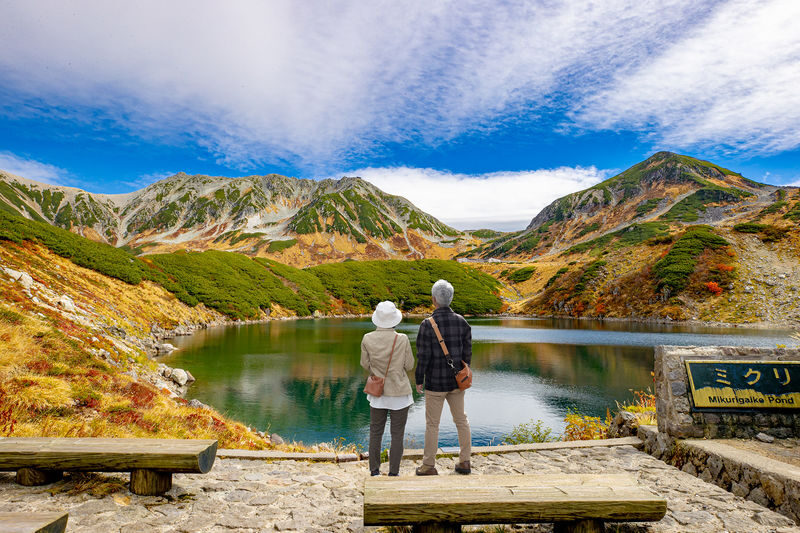
Kappa Bridge is the best-known gathering point, but it can be busy. If you want a quieter stretch and have the energy, follow the Azusa River toward Myojin Bridge. The longer loop from the bus terminal, through Dakesawa Marsh and Myojin Bridge, to Myojin Pond and back is about 5.6 kilometers and takes around two to two and a half hours. Myojin Bridge is a good reason to keep walking: it offers a less crowded stop along the river, while Myojin Pond adds a shrine visit. Entry to the pond is at your own expense.
Some people with a brisk pace and enough time may manage a longer walk from Taisho Pond toward Myojin Pond, but do not assume you can cover every stop and still have a leisurely lunch. You have four hours in total, and that includes finding your way back to the bus. Keep an eye on the clock and leave a comfortable margin.
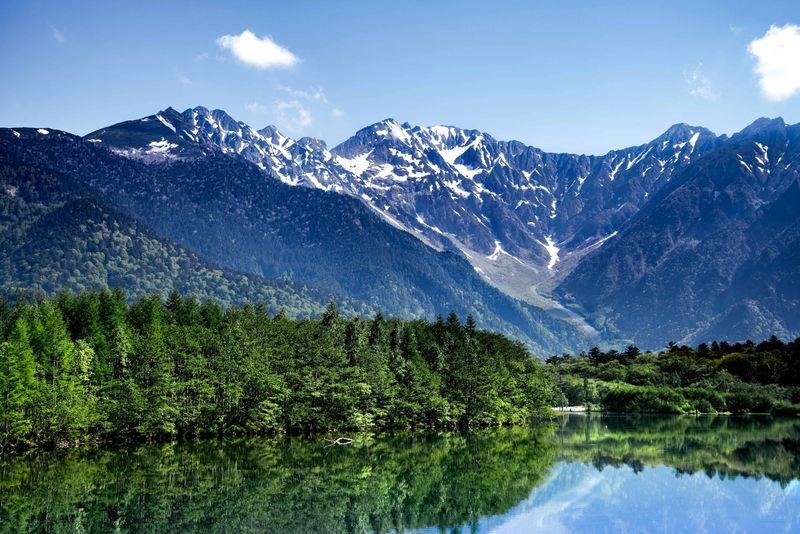
Kamikochi rewards a slow pace more than a checklist. Even the shorter walk lets you see ponds, forest, river, and mountain views without a demanding climb. If you have mobility concerns, bear in mind that the activity is not recommended for people with impaired physical mobility, and the route is still a walking day despite its gentle terrain.
The overnight stop: a useful pause, not a fixed hotel
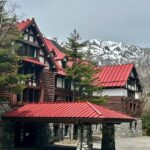
In the late afternoon, the bus leaves Kamikochi for the hotel, with arrival and check-in expected around 18:00 to 18:30. The accommodation may be Toyama Royal Tonami Onsen Hotel or an equivalent property, and the precise hotel depends in part on the Alpine Route entry arrangement. You are told the hotel details about three days before departure, and you cannot choose a specific room type.
Dinner and breakfast are included, generally as hotel buffet meals with Japanese and Western choices. That is practical value in a mountain itinerary, where you would otherwise need to find dinner after a long day and arrange breakfast before an early start. Meals cannot be customized, so note a vegetarian request when booking, though the food cannot be tailored beyond what the hotel provides.
The overnight stay is also a chance to rest before a day with multiple transport changes. Some properties may have a hot spring bath, but the hotel is not guaranteed to be the same for every departure. Book this tour for the included bed and meals as a convenience, not for a particular inn or a guaranteed level of luxury.
Day two: crossing the Tateyama Kurobe Alpine Route
Breakfast is served around 07:00, either as a buffet or a bento, depending on the arrangements. The group then heads to the assigned entry station. The exact entry time and direction depend on the time slot allocated for the Alpine Route, so the order of the transport segments can vary.
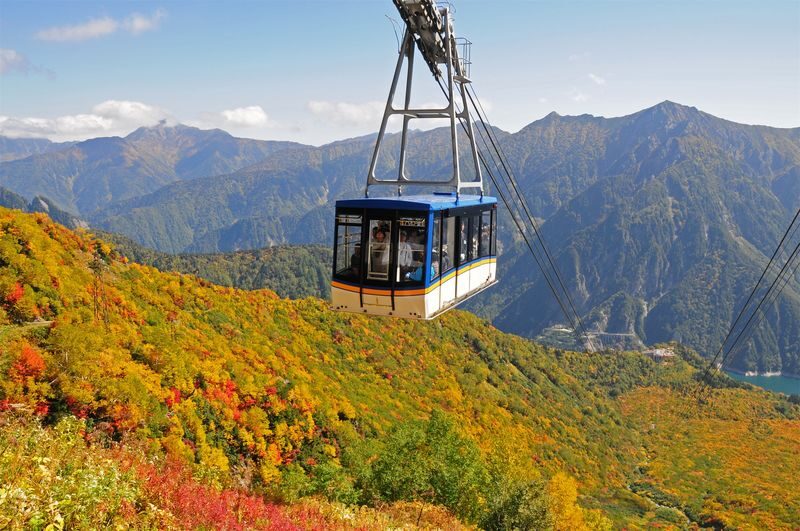
The crossing takes about six hours and involves six types of public transport. From Tateyama Station, you take a cable car to Bijodaira, then a highland bus through Midagahara and Tengudaira to Murodo. The bus ride covers about 23 kilometers and takes around 50 minutes, bringing you into the high mountain zone.
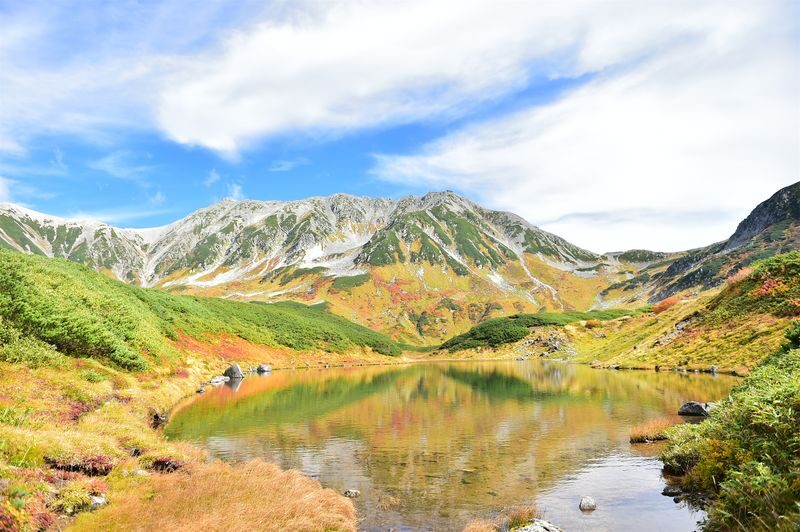
At Murodo, the main attraction is the view across the snow-covered mountain gorge. In spring, the snow corridor is the signature sight, with towering walls of snow beside the road. This is seasonal, and the conditions change as the year progresses. The tour description calls the snow wall a spring feature; do not book outside the relevant season expecting the same spectacle. Even in season, weather and closures can affect what you see.
From Murodo, a tunnel bus carries you to Daikanbo. A cable car then descends to Kurobedaira, followed by another cable car to Kurobe Lake. You walk about 600 meters, roughly 15 minutes, across the Kurobe Dam section before taking the Kanden tunnel electric bus to Ogizawa. In the other direction, the sequence is reversed.
The transport is part of the experience, not just a way to get from point A to point B. Each change gives you a different view and a sense of the route’s scale. It also means you will spend much of this day boarding, waiting, and keeping track of meeting points. At busy times, stations can feel crowded and the schedule may be adjusted. Listen carefully to the guide’s instructions and be back at each rendezvous on time.
The group is expected to start the return journey around 15:00 to 15:30 and reach Nagoya around 19:30. Latecomers cannot be held for, so this is not the day to wander off without checking the meeting time.
Guides, group pace, and what the reviews tell you
A guide or tour leader handles the schedule, transfers, and meeting instructions, while the time at Kamikochi and along the Alpine Route is largely self-guided. For groups of 16 or fewer, the driver also serves as tour leader; larger groups have a separate leader. The vehicle may be a van, minibus, or coach, depending on the number of people.
Guide names appearing in recent accounts include Kris, Liu Mei, and Yukino, but assignments change. The most consistent strength is practical help: clear reminders about where to meet, advice on clothing, and assistance taking group photos. A few guides have also shared food suggestions and details about the stops. Do not book expecting a particular person or a full-time commentary at every point.
The schedule’s structure is a plus for people who want to enjoy these places without managing every connection themselves. It is less suited to anyone who prefers independent timing or wants to spend a whole day on a single hike. The tour leader’s main job is time management, and you explore freely once you reach each attraction.
You can also read our reviews of more tours and experiences in Matsumoto

Price and what you actually get
The advertised starting price is $195.49, but treat it as a starting point, not necessarily the complete cost. Package D explicitly excludes the Tateyama Kurobe transportation ticket. The stated ticket price is 10,940 yen per adult and 5,480 yen per child aged 6 to 11, paid through the guide on site. The guide prepares the tickets in advance, which helps avoid buying them independently in line.
Other package options are presented as including the Alpine Route ticket, but the package information is not fully consistent. Before paying, check the exact option name and whether the ticket is included. This detail makes a real difference to the total price, and the tour title alone is not enough to settle it.
The rest of the value is easier to judge. Round-trip transport from the Nagoya meeting point, fuel, tolls, parking, one hotel night, dinner, breakfast, and a guide are included. You are paying for logistics as much as sightseeing: these stops are separated by long drives and carefully timed transport links. If you were to organize each transfer, hotel, and ticket separately, the planning would take time and leave more room for missed connections.
The tour can be good value if you want both destinations in a short window and are comfortable with a group schedule. It is less compelling if your priority is a longer hike, a particular hotel, or full control over the day. The Alpine Route ticket is the main extra to verify, while personal expenses and the Myojin Pond admission are also not included.
Weather, packing, and booking details
Mountain weather is the biggest wildcard. Tateyama is cold year-round compared with lower elevations, and rain, wind, or a sudden weather front can affect the views or close facilities. The operator may change the order of stops or shorten or cancel time at some places for safety. In a serious closure, the second-day plan may be replaced; one group was taken to an outlet mall after the route shut. A tour cannot guarantee clear skies or an open snow corridor.
Pack warm layers even if Nagoya feels mild, along with walking shoes, sunscreen, sunglasses, and cash. The tour allows one standard-sized piece of luggage per person if noted when booking; larger bags count as two pieces. No child seats are available, and pets are not allowed. If you have a medical condition that could affect the trip, report it when booking.
The meeting point is the Mini Stop Meieki Tsubaki-cho store. Arrive by 07:50 for the 08:00 departure. The tour uses a shared vehicle and cannot wait for late arrivals. A minimum of 15 participants is required, and the organizer says it may cancel if that number is not met. Confirmation is expected within 24 hours; group formation status is sent about 14 days before departure, and final trip information is sent the evening before.
Who should book this two-day tour?
I would choose this trip if you are based in Nagoya, want to see both Kamikochi and Tateyama Kurobe, and value having the long transfers and transport connections handled for you. It is especially useful for a first visit, or for a short stay when you would rather spend your time walking and looking than planning timetables.
Think twice if you need a flexible pace, want a strenuous full-day hike, or find long bus rides and frequent boarding tiring. The first day is a real walk, while the second is a packed transport circuit, and weather can change the payoff. Check the ticket inclusion before booking, pack for cold mountain conditions, and choose the longer Kamikochi loop only if you can return to the bus on time. If those terms suit you, this is a practical way to link two of central Japan’s finest mountain outings in a single overnight trip.
Tateyama Kurobe Alpine Route (including Tateyama Kurobe transportation ticket) & Kamikochi 2-Day Tour
“The tour guide was smiling and welcoming, making the trip even more enjoyable. The itinerary went smoothly, the weather was great, and he even help…”
FAQ
Where does the tour depart from?
It departs from Nagoya. Meet at the Mini Stop Meieki Tsubaki-cho store at 07:50 for an 08:00 departure.
How long do I have in Kamikochi?
You have about four hours for independent exploration. The shorter suggested walk is about 3.5 kilometers and takes around one to one and a half hours; the longer loop is about 5.6 kilometers and takes roughly two to two and a half hours.
Is the Tateyama Kurobe ticket included?
It depends on the package you choose. Package D excludes it; the stated on-site price is 10,940 yen per adult and 5,480 yen per child aged 6 to 11. Check the selected package’s inclusions before booking.
Are meals included?
Yes. One dinner and one breakfast are included, mainly through the hotel. Breakfast may be a buffet or bento, and meals cannot be customized. You can note a vegetarian request when booking.
What happens if bad weather closes the Alpine Route?
The tour leader may adjust the order or shorten or cancel stops for safety. If weather or another extreme event prevents the planned trip, the operator may cancel the tour and offer a reschedule or refund.
How much luggage can I bring?
Each person may bring one standard-sized piece of luggage, provided it is noted when booking. Larger bags count as two pieces.