Kamikochi’s mountain air and rivers are the grand finale, but this two-day trip earns its keep earlier, too: you get a water-town stroll in Gujo Hachiman, the thatched farmhouses of Shirakawa-go and Takayama’s old streets without arranging four separate journeys. I like the range of places and the long Kamikochi stop, which leaves room for a proper walk rather than a quick bridge photo.
The trade-off is a packed first day, with roughly two hours in each main stop and several hours on the road. I’d book it to see the highlights efficiently, not to linger over every shop, museum or mountain trail.
- At a glance
- From Nagoya to Gujo Hachiman’s water lanes
- Shirakawa-go’s thatched roofs and hillside view
- Takayama’s old streets before check-in
- Kamikochi: a real walk, not just a viewpoint
- What the transport and group setup mean
- Is the price good value?
- Who should choose this trip?
- Should you book it?
- FAQ
- Where does the tour depart from?
- What time does the tour return to Nagoya?
- What languages are available?
- Is accommodation included?
- Are meals included?
- How much time is set aside for Kamikochi?
- Are attraction admission tickets included?
- Can I bring luggage?
- Are infants and children allowed?
- The Best Of Matsumoto!
- More 2-Day Experiences in Matsumoto
- More Tours in Matsumoto
- More Tour Reviews in Matsumoto
- Not for you? Here's more nearby things to do in Matsumoto we have reviewed
At a glance
 1 / 9
 2 / 9
 3 / 9
 4 / 9
 5 / 9
 6 / 9
 7 / 9
 8 / 9
 9 / 9
- Kamikochi gets about four and a half hours: Enough time for the suggested 3.8 to 4-kilometer walk between Kappa Bridge and Taisho Pond, with time left for a break.
- Day one covers three distinct towns: Gujo Hachiman, Shirakawa-go and Takayama each get a short, self-guided visit.
- The tour starts and ends in Nagoya: Meet at the MiniStop near Nagoya Station at 7:50 am. The planned return is around 7 pm the next day.
- One night and breakfast are included: Dinner is not. The named hotel is not guaranteed, and the final accommodation details arrive three days before departure.
- You travel with a driver-tour leader on smaller groups: The leader manages timing, but you explore the sights independently.
- The fare depends on the package: The tour is advertised from $236.49, while a listed Kamikochi and Shirakawa-go package starts at $337.85. Check the price and inclusions for your exact selection before booking.

👉 See our pick of the 11 Best Tours In Matsumoto
From Nagoya to Gujo Hachiman’s water lanes
The meeting point is the MiniStop Meieki Tsubaki-cho store, at 5-10 Tsubakicho, Nakamura Ward. Be there by 7:50 am for an 8 am departure. This is a strict group departure: late arrivals are not waited for and cannot be refunded.
After about 90 minutes on the road, you reach Gujo Hachiman for roughly an hour and a half. Its Edo-period buildings and clear streams give the old town its water-town character. This is a good first stop for a slower walk and a look at the food-model craft for which the town is known.
The time is enough to wander and take in the streets, but not to treat the town as a full-day visit. Seasonal attractions add appeal: cherry blossoms in spring, autumn color later in the year, and Gujo Odori, a summer night dance festival, if your visit coincides with it. The festival is not guaranteed as part of the tour, so check dates if it is a priority.
Because the stop is self-guided, you set your own pace within the allotted time. I’d avoid committing to a long sit-down meal here; the day has two more stops, and each has its own reasons to slow down.
You can also read our reviews of more tours and experiences in Matsumoto

Shirakawa-go’s thatched roofs and hillside view
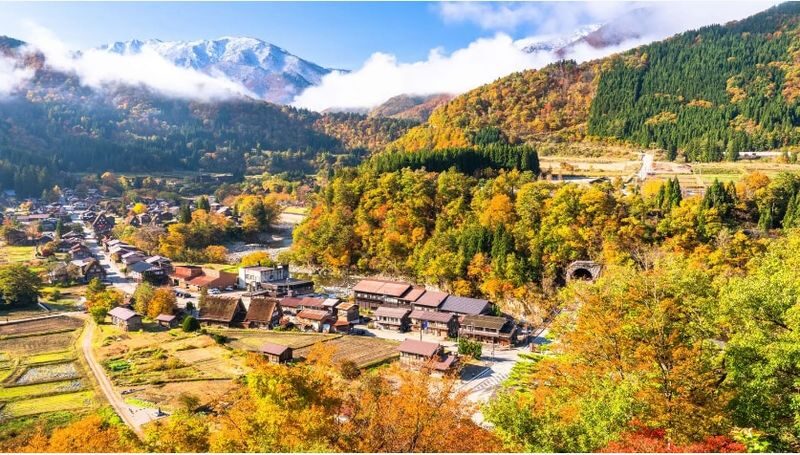
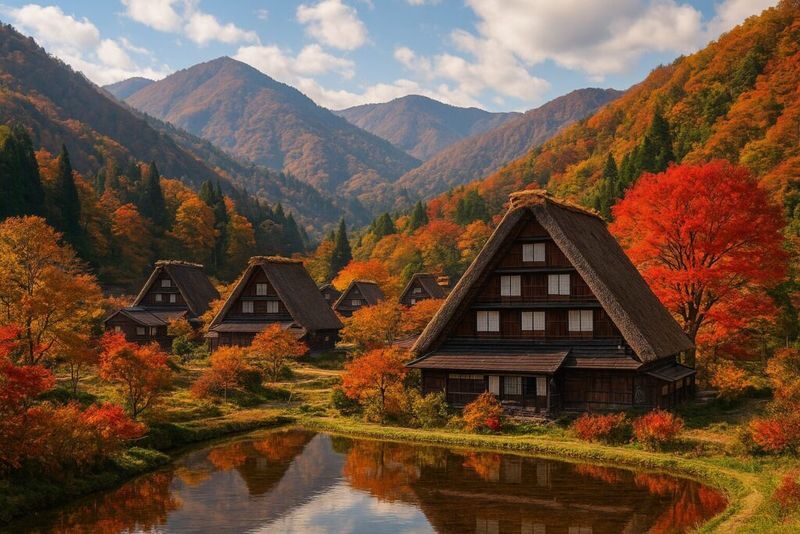
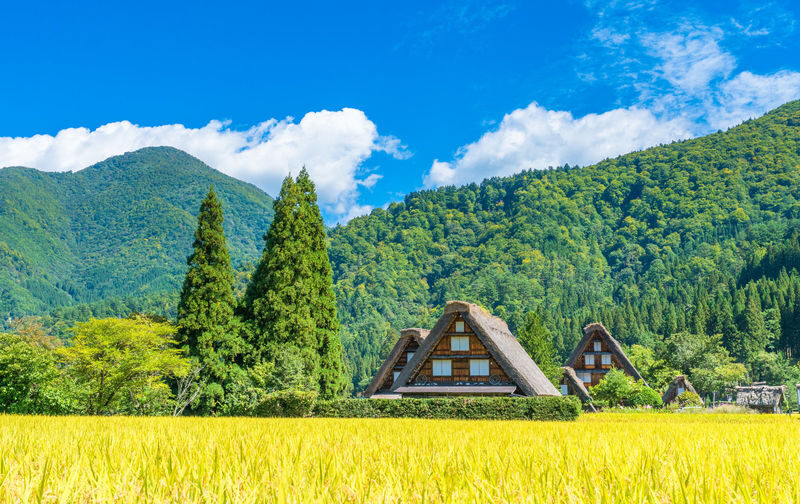
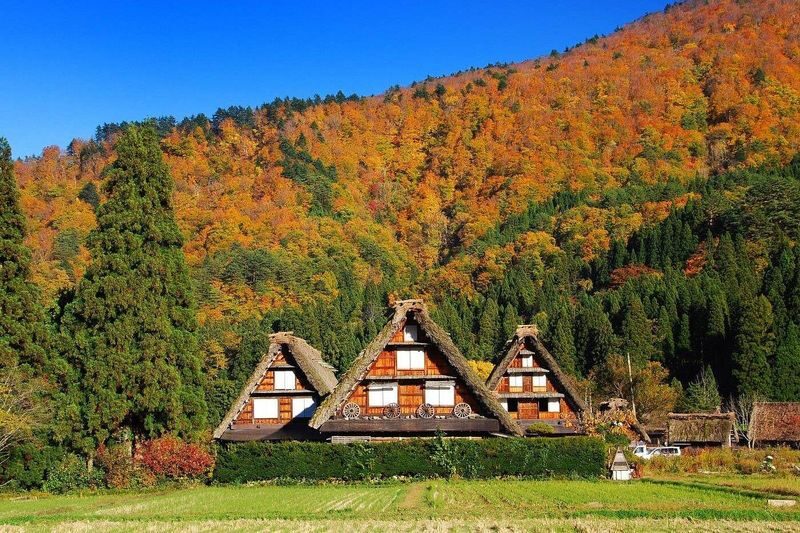
The drive to Shirakawa-go takes about 90 minutes. You have around two hours in the World Heritage village, known for its steeply thatched gassho-zukuri houses. The roofs are built in a distinctive hands-together shape, and the cluster of traditional homes is the main reason to come.
The setting changes with the seasons. Snow gives the village a storybook look in winter, while summer brings green surroundings. Spring and autumn have their own appeal, though conditions and colors vary with the date.
The suggested highlight is the observation deck, where you can look back over the village and its roofs. Allow time for the uphill route and the view, rather than leaving the walk until the end of your stop. The schedule gives you a useful overview, but it is still a short visit for anyone who wants to explore interiors or linger over every lane.
Treat the stop as an introduction, not an exhaustive visit. If your main aim is photography, make the observation point a priority and keep an eye on the time for the return to the vehicle.
Takayama’s old streets before check-in
The final sightseeing stop on day one is Hida Takayama, reached at about 3:30 pm. You get roughly two hours to walk among wooden storefronts, sake breweries, miso shops and souvenir stalls. This is a pleasant contrast with Shirakawa-go: less village panorama, more detail at street level.
Takayama Jinya, a former Edo-period government office, is one possible visit, but admission is not included. With a limited window, you may prefer to focus on the old streets and snacks instead of trying to fit in every attraction.
Hida beef skewers and miso dango are suggested local bites. Ajikura Tengoku is also named as a place to try Hida beef skewers. The tour does not include dinner, so this is a practical moment to eat something or pick up food for later. You can also return to the Miyagawa Morning Market early the next day, though the schedule does not set aside a market visit before the Kamikochi departure.
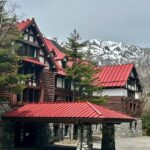
Hotel check-in is planned for about 5:30 pm. Hida Plaza Hotel is named, with hotels in the area such as Okuhida or Tonami, or similar accommodation, as alternatives. You should not assume that you will receive a particular property or room type. The assigned hotel is confirmed three days before departure, and one accommodation report described a different hotel standard than expected. If the hotel is a major part of your decision, confirm the package terms and stay flexible about the exact property.
Kamikochi: a real walk, not just a viewpoint
Breakfast is included on day two, with the food determined by the hotel. After meeting at 8:50 am and leaving at 9, you are scheduled to reach Kamikochi at about 11. The stay is around four and a half hours, followed by the return drive to Nagoya, with arrival planned for about 7 pm.
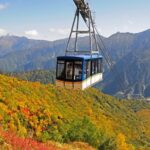
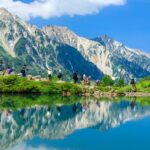
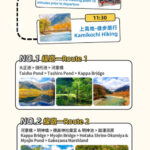
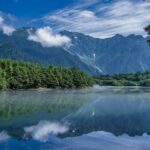
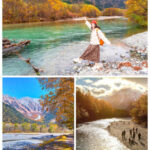
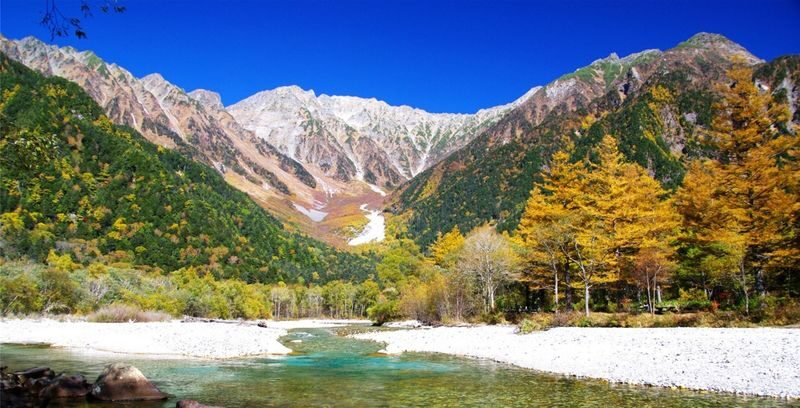
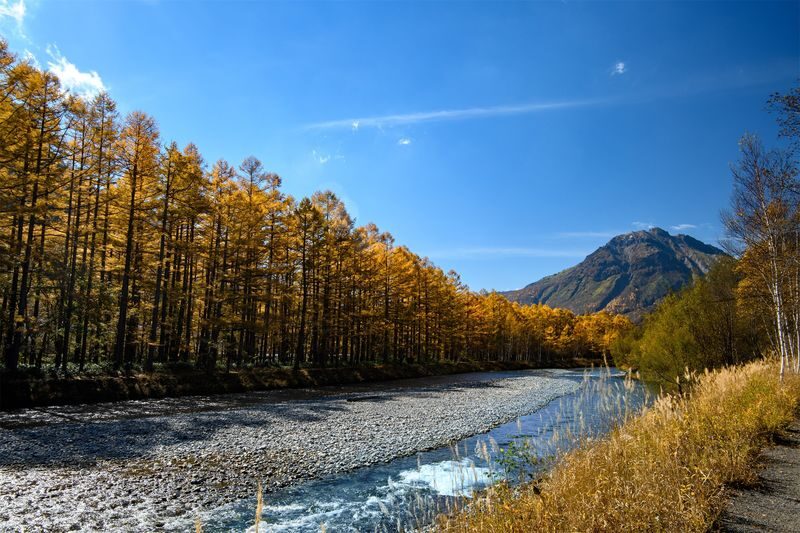
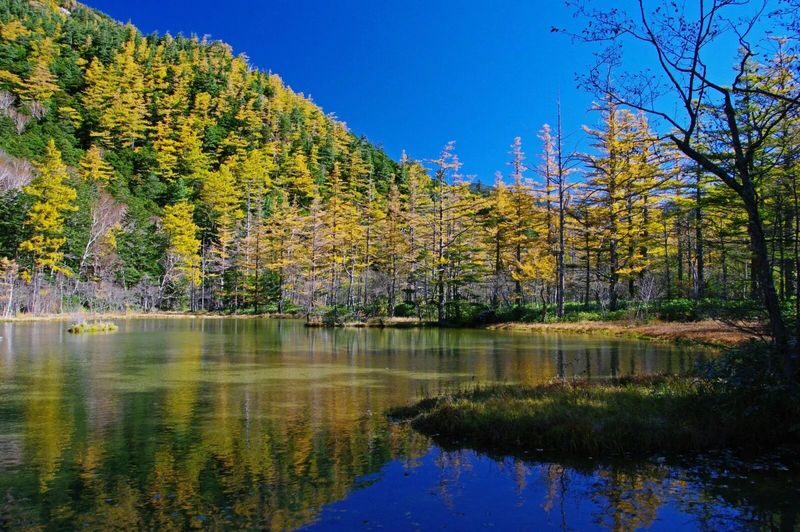
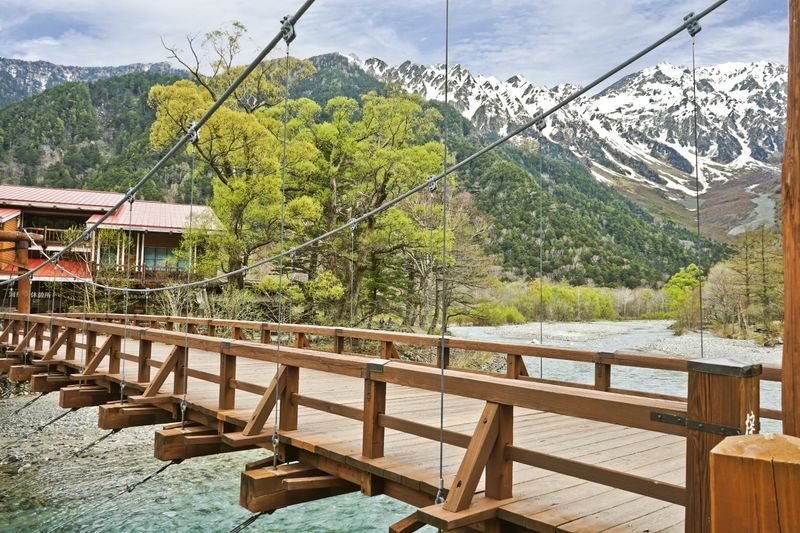
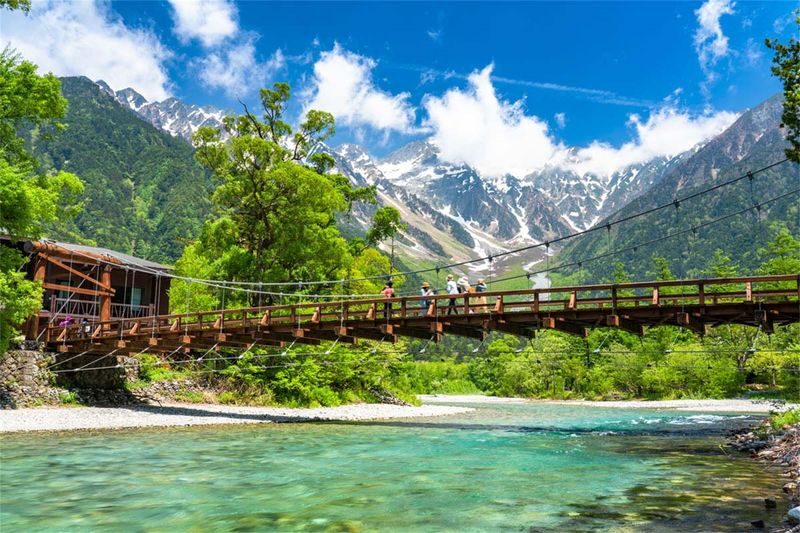
Kamikochi’s draw is its combination of the Azusa River, Kappa Bridge, Myojin Pond and the high Hotaka range. The suggested classic walk runs from Kappa Bridge to Taisho Pond and back. It covers about 3.8 to 4 kilometers, takes roughly two and a half hours on gentle terrain, and passes views of Mt. Yake, the Hotaka peaks and the Tashiro Pond wetland.
That leaves a useful margin within the stop for a pause or a simple lunch. It is not unlimited time, though. If you want to walk farther, spend a long time at Myojin Pond or stop often for photographs, choose your priorities before setting out. The tour is self-guided once you arrive, and any Myojin Pond admission ticket is not included.
May brings new growth against snow still on the Alps; October is noted for autumn color. These are seasonal highlights, not guarantees of exact conditions. The tour also mentions a limited-time hiking area in the primeval forest, but access depends on the season and availability. Do not plan your day around reaching a particular restricted spot unless its opening is confirmed for your date.
What the transport and group setup mean
The tour bundles transport, tolls, parking and fuel, which takes the strain out of reaching several mountain and rural stops in two days. For visitors without a car, that convenience is a major part of the value: you do not have to work out separate routes between Nagoya, Gujo Hachiman, Shirakawa-go, Takayama and Kamikochi.
The group is promoted as small, with eight people highlighted, but the vehicle type depends on the final number of passengers. Groups under 16 are accompanied by a driver who also acts as tour leader. The leader handles route and timing; at the attractions, you explore independently. A separate tour leader is arranged for groups of 16 or more.
Names you may see connected with the tour include Abu, Mei and Xiao Wu, but no particular guide is guaranteed. Past accounts describe helpful guidance, smooth timing and hotel transfers in some cases. Those details can improve a trip, especially when you need help finding the right route, but hotel pickup is not a standard promise in the stated meeting arrangements. Plan to meet at the MiniStop unless your pre-trip message confirms otherwise.
The vehicle can be a business car, minibus or coach, depending on group size. One account described an older 10-seat vehicle, so do not book expecting a specific model or a luxury ride. You may bring one standard-sized piece of luggage per person, but declare it when booking to help the operator plan vehicle space.


Is the price good value?
The advertised starting price is $236.49, while the package details also show a Kamikochi and Shirakawa-go option from $337.85. Those figures differ, so check the exact package, date and inclusions displayed at checkout. Do not assume that every option includes the same places or hotel arrangement.
For the selected two-day itinerary, value comes from covering several difficult-to-link destinations, transport between them, one night’s accommodation and breakfast. Add up the cost and effort of arranging those connections yourself, and the bundled approach may make sense, especially if you have limited time or do not want to drive.
The included hotel matters to the calculation. Accommodation is described as Hida Plaza Hotel or a similar property, with alternatives if the main hotel is full, and the room type cannot be specified. One account raised a mismatch between an expected four-star hotel and the hotel actually provided. Since the precise hotel is confirmed only three days before departure, I would treat the stay as functional and included, not as a guaranteed upgrade or a reason by itself to book.
Budget separately for dinner, personal spending and any admission tickets, including Takayama Jinya and Myojin Pond. Tips are not included. Breakfast is included, but its menu depends on what the hotel provides.
Who should choose this trip?
This route suits you if you want a broad first look at the Hida region and Kamikochi without handling the transport puzzle. It is also a sensible fit for families and visitors who value direct travel; the tour rules allow children over two at the adult price, while a child aged zero to two may travel free without a seat or bed, subject to the stated limits and advance notice.
It is less suited to anyone who wants a slow visit, a fixed hotel category or a full day of hiking. The first day has three stops and several drives, while day two has a fixed return departure. Wheelchair or mobility-equipment users must travel with an accompanying person, and the vehicle arrangement should be checked against individual needs before booking.
The tour requires at least eight participants and may be cancelled if that minimum is not met. The operator contacts you 14 days before departure about group formation. Weather and traffic can also change the order or length of stops, so keep some flexibility around the planned return time.
Should you book it?
Book this tour if you want four memorable stops in two days, value door-to-door transport between them, and are content to explore on your own at each stop. Kamikochi gets enough time for the classic walk, while Gujo Hachiman, Shirakawa-go and Takayama provide a varied first-day sampler.
Skip it if you want long, unhurried visits, a guaranteed named hotel or a longer mountain hike. Before paying, confirm which package you are selecting, the current fare, luggage details and the accommodation terms. If those trade-offs suit you, this is a practical way to reach places that are awkward to connect on your own.
Kamikochi & Shirakawa-go & Hida Takayama & Gujo Hachiman Old Town 2-Day Tour (Departing from Nagoya/Includes Accommodation + Breakfast)
“We had a small group of 7 for the tour and the driver was very nice to arrange to pick us up from our hotel. He was very friendly and kind enough t…”
FAQ
Where does the tour depart from?
Meet at the MiniStop Meieki Tsubaki-cho store in Nagoya. Assembly is at 7:50 am, with departure scheduled for 8 am. Arrive at least 10 minutes early.
What time does the tour return to Nagoya?
The planned arrival at Nagoya Station is around 7 pm on the second day. Traffic or weather may affect the schedule.
What languages are available?
The tour lists an English-, Chinese- or Japanese-speaking guide. On groups under 16, the driver also serves as the tour leader and manages timing.
Is accommodation included?
Yes. One night’s accommodation is included. Hida Plaza Hotel is named, but a similar hotel may be used if it is full. The final hotel details are provided three days before departure, and room type cannot be guaranteed.
Are meals included?
Breakfast on the second day is included, with ingredients depending on the hotel. Dinner is not included.
How much time is set aside for Kamikochi?
About four and a half hours. The suggested Kappa Bridge to Taisho Pond round trip is about 3.8 to 4 kilometers and takes roughly two and a half hours to walk.
Are attraction admission tickets included?
No. Takayama Jinya admission and Myojin Pond tickets are listed as excluded. Personal expenses and tips are also not included.
Can I bring luggage?
Each person may bring one standard-sized piece of luggage at no charge. Note it when booking so the operator can plan vehicle space.
Are infants and children allowed?
Yes. Children over two are charged the adult price. An infant aged zero to two may participate free without a seat or bed, with one such child per adult. Include the child in your passenger count and notify the operator when booking.