A tea ceremony is not simply a lesson in whisking green tea. At Kangetsu Kyoto, the ritual is explained step by step in a 150-year-old townhouse just off Ninenzaka, with a tea master demonstrating the gestures and their meaning before you make matcha yourself.
I like the balance of cultural context and hands-on practice, and the table-style setup lets you take part without sitting on the floor. The seasonal sweets and Kyoto Uji matcha make the lesson feel grounded in place, not like a generic tea tasting.
One consideration: this is a quiet, etiquette-focused activity, not a quick photo stop. You must wear socks, leave perfume at home, and follow rules about recording and accessories. It is also not wheelchair-accessible.
- A 150-year-old townhouse gives the ceremony a traditional setting in the Ninenzaka district.
- Table-style seating offers a more comfortable option if sitting on the floor is difficult.
- A demonstration and your own preparation help you understand the tea ritual by watching and doing.
- Uji matcha and higashi introduce two traditional parts of the tea gathering: tea and dry sweets.
- English explanations and Q&A make the history, etiquette, and utensils easier to follow.
- A tucked-away meeting point is down a private path to the left of Starbucks Coffee Kyoto Ninenzaka Yasaka.
- A quieter Kyoto experience just off Ninenzaka
- What the tea ceremony teaches beyond making matcha
- Watching the demonstration, then making your own tea
- Higashi sweets and the pleasure of small details
- Table seating makes the ritual easier to join
- Timing, directions, and practical details
- Is .69 good value?
- Who will get the most from Kangetsu Kyoto?
- FAQ
- How much does the tea ceremony cost?
- Where does the experience take place?
- What is included in the activity?
- Do I have to sit on the floor?
- Can I make matcha myself?
- What should I wear or bring?
- Is kimono included?
- What are the age and group-size requirements?
- Can I take photos or record the ceremony?
- The Best Of Kyoto!
- More Tours in Kyoto
- More Tour Reviews in Kyoto
- Not for you? Here's more nearby things to do in Kyoto we have reviewed
A quieter Kyoto experience just off Ninenzaka
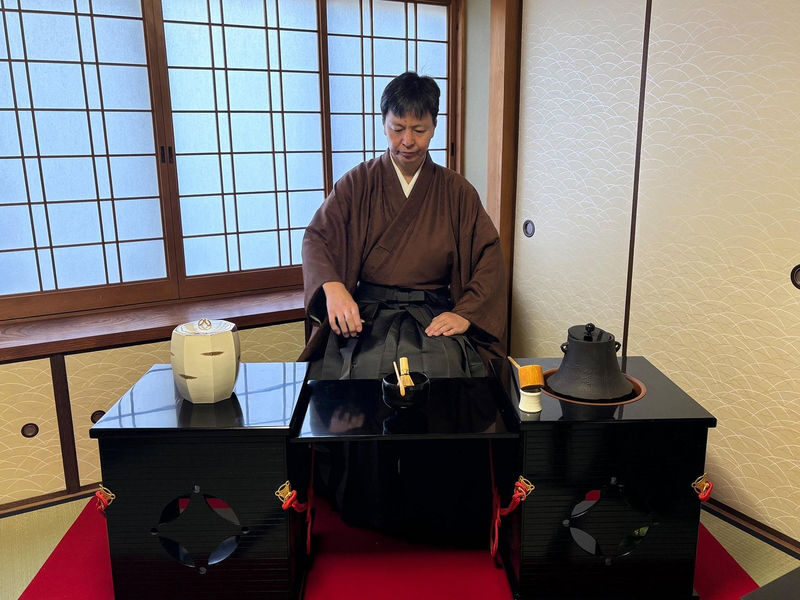
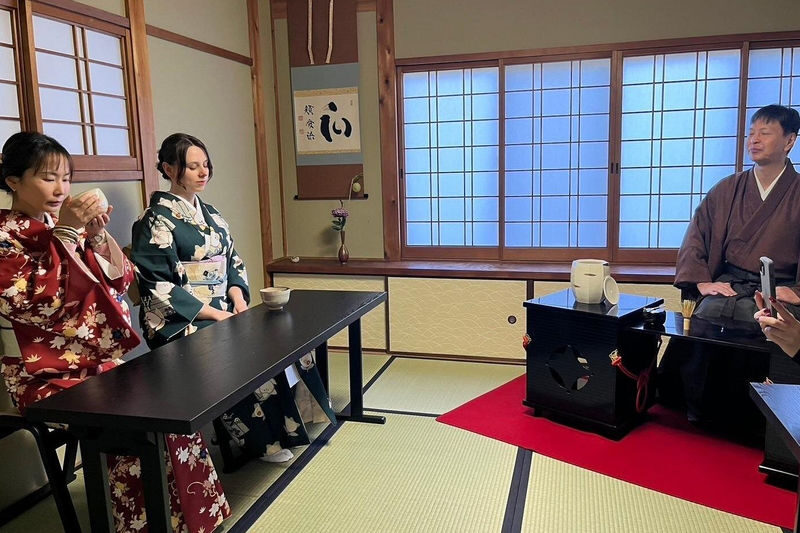
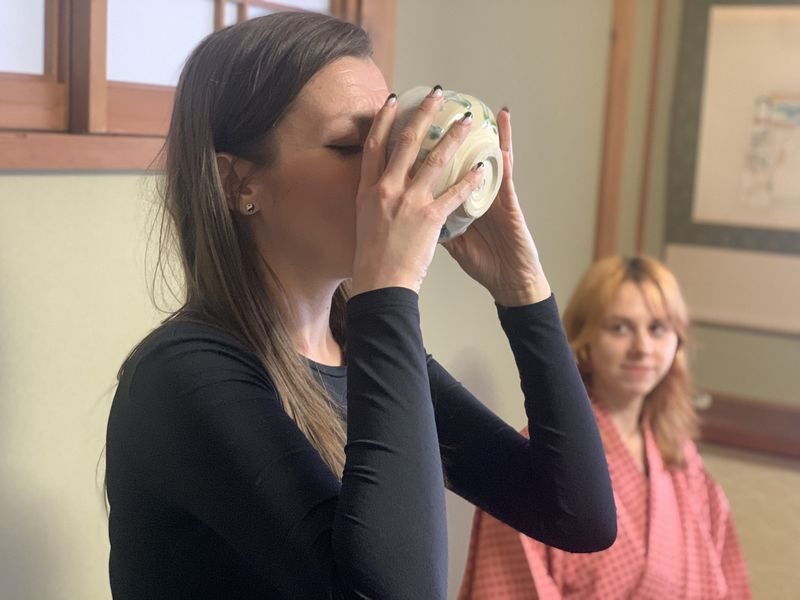
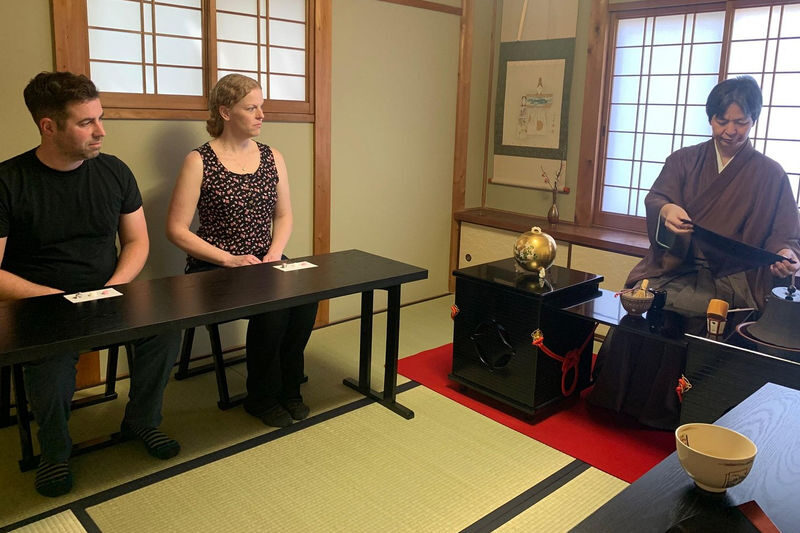
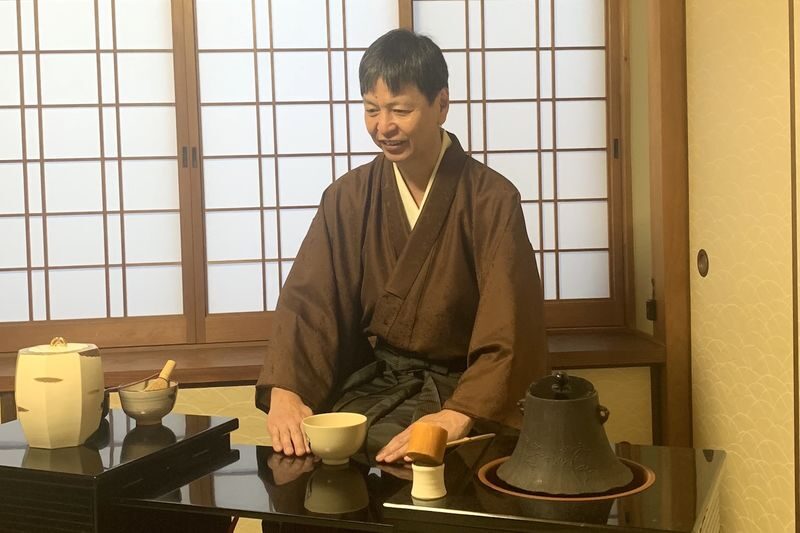
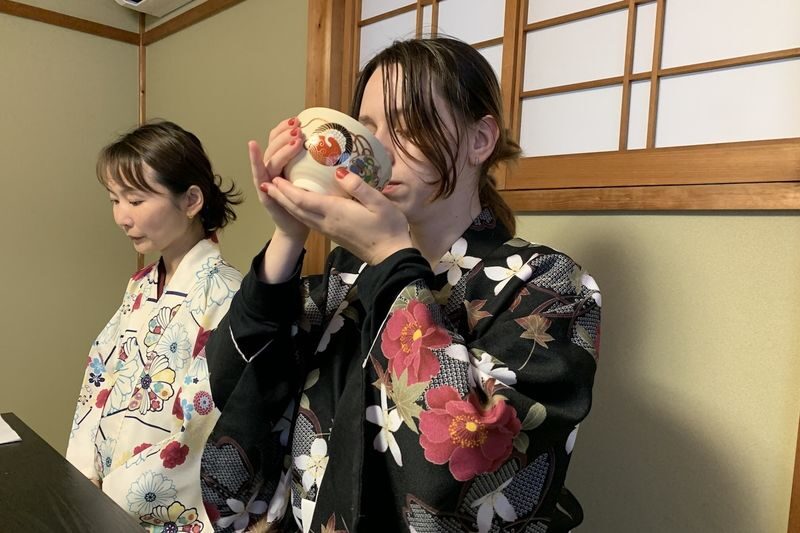
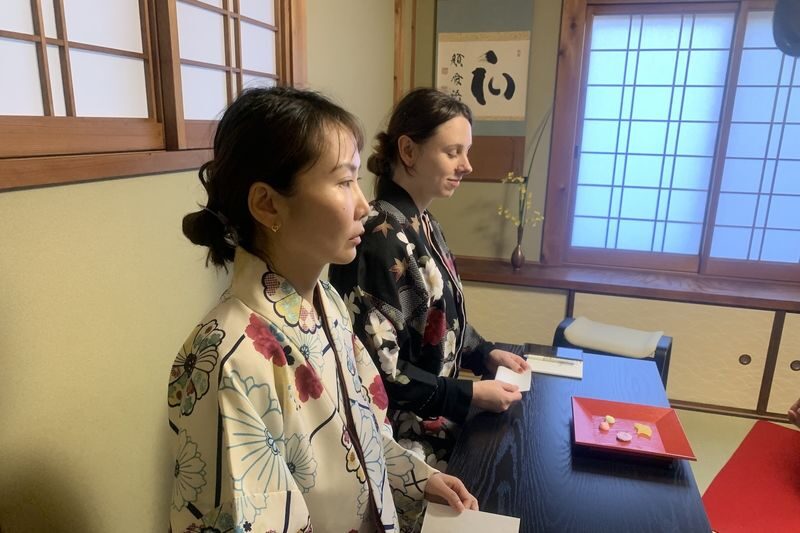
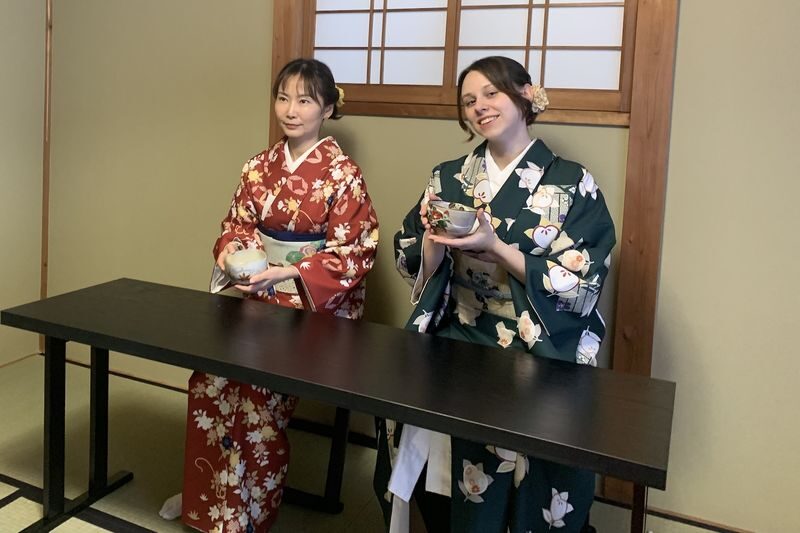
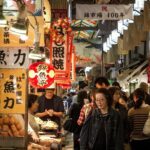
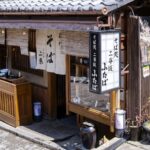
Ninenzaka is known for its traditional streets and steady stream of people heading toward Kyoto’s famous Higashiyama sights. Kangetsu Kyoto sits a short way off this well-trodden route, in a 150-year-old townhouse. Once inside, the focus shifts from the street outside to the tea room, its utensils, and the deliberate pace of the ceremony.
That contrast is a big part of the appeal. You can pair the experience with a walk around Ninenzaka, but the tea gathering itself offers a more settled way to spend part of your day. Rather than just passing old buildings on the way to another landmark, you learn about one of the practices that gives Japanese hospitality its distinctive form.
The meeting address is 349-19 Masuyacho in Higashiyama Ward. Finding the entrance can take care: it is down the private path to the left of Starbucks Coffee Kyoto Ninenzaka Yasaka. Give yourself time to work through the busy pedestrian streets, and follow the directions sent by the host. Some people have found that relying on Google Maps alone leads them astray.
👉 See our pick of the 25 Best Workshops And Classes In Kyoto
What the tea ceremony teaches beyond making matcha
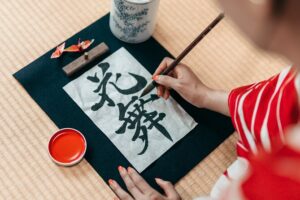
The ceremony connects tea with Zen practice, attention, and hospitality. The host introduces the history and cultural meaning before the demonstration, then explains the gestures and etiquette as the tea master works. This context matters: without it, a series of careful movements can look like a performance. With it, you can begin to see how the choice and handling of each object contribute to the occasion.
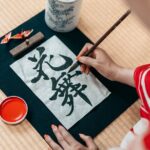
During the seasonal experience, the host may also introduce ikebana, calligraphy, hanging scrolls, tea bowls, and kettles. The operator describes a family tradition linked to the Tokugawa Shogunate’s official gardeners and the cultivation of Somei Yoshino cherry blossoms. During cherry blossom season, from March through the end of April, Manabu Ito personally hosts the sessions. His family’s long connection to tea ceremony and calligraphy gives the seasonal program a personal thread, alongside the more general history of the practice.
Hosts and assistants vary by session. Names associated with the experience include Manabu Ito, also referred to as Mana, as well as Nikko and Paul. The format pairs an English-speaking guide or assistant with a tea master, so the explanation may come from one person while another demonstrates the ritual. That arrangement can make the lesson easier to follow, though the tea master’s English may be limited in some sessions. If you want to ask detailed questions, the Q&A is a useful part of the experience.
You can also read our reviews of more tours and experiences in Kyoto.
Watching the demonstration, then making your own tea
The central part of the session is the demonstration. The tea master prepares and serves matcha using traditional utensils, while the guide explains what is happening and why. You are not expected to know the etiquette in advance. The purpose is to show you how to take part respectfully, from handling the tea bowl to following the sequence of the gathering.
After the demonstration, you get the chance to prepare matcha yourself. The tools are provided, and the host guides you through the process. Your whisking may not match the tea master’s, and that is the point: this is a lesson, not a test. Making the tea helps you appreciate the care behind a bowl that can otherwise seem simple.
The experience includes two cups of high-quality matcha from Uji, Kyoto. The listed format describes one cup served by the teacher and another made by you. If taking part in the preparation is especially important to you, pay attention to the host’s instructions during the session, since one participant found the sequence less hands-on than expected. The activity is intended to include your own preparation, but the details of how each serving is handled may shape your impression.
Higashi sweets and the pleasure of small details
The matcha is served with higashi, a dry Japanese confection associated with tea gatherings. These sweets are not an afterthought. Their appearance and seasonal character contribute to the ceremony, and their sweetness gives the tea a different balance than you might expect from drinking matcha on its own.
The experience is an opportunity to notice how tea, sweets, utensils, and the room work together. You may also see rare or traditional objects, including tea bowls and kettles, as well as a hanging scroll or ikebana arrangement. The focus is not on collecting a long list of objects; it is on understanding why the setting and the way items are handled matter.
A few participants have chosen to buy matcha or utensils after the ceremony, including bowls and tea whisks. Purchases are not included in the activity, so treat them as an optional extra rather than part of the value you are paying for.
Table seating makes the ritual easier to join
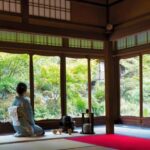
Despite the phrase tea ceremony, this experience is not conducted on the floor. It uses a standing tea ceremony style with tables and chairs, which is a welcome feature if kneeling or sitting on tatami would be uncomfortable. You can still learn the etiquette and observe the ceremony without needing to manage a long stretch on the floor.
The arrangement also suits a range of small groups. The stated maximum is 15 participants, though some sessions may be much smaller, including private bookings or just a few people. A smaller group can make it easier to ask questions and see the tea master’s movements. Still, a group of up to 15 is possible, so do not book expecting a private lesson unless your booking confirms that.
This is a calm activity, and the house rules help preserve that atmosphere. Wear socks, dress modestly, and avoid perfume, which can interfere with the scent of tea and incense. Remove large rings, bracelets, and long necklaces so they do not damage the tea bowls. Tie back long hair if it could fall into the bowl.
Timing, directions, and practical details
You choose a start time when booking. Available departures are 09:30, 10:45, 13:00, 14:15, 15:30, and 16:45, though the matching return time can depend on the selected slot and activity duration. The meeting and return point are the same, and transport is not included. Arrive on time for the session you selected.
The route to the townhouse is part of the practical planning. Ninenzaka’s narrow streets can be crowded, so allow extra walking time rather than aiming to arrive at the last minute. Look for the private path to the left of Starbucks Coffee Kyoto Ninenzaka Yasaka, and use the host’s directions to confirm the entrance.
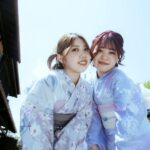
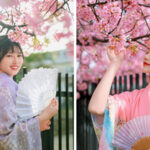
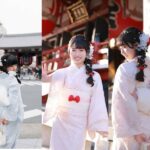
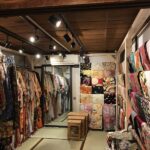
Bring socks, since going barefoot is not allowed. Kimono is not included, though a two-piece kimono may be available to rent for an additional fee. Some participants have also had a chance to wear an outer kimono garment for photos, but do not count on that as a guaranteed inclusion. The activity allows smartphone use in the tea room, but video recording during the demonstration is prohibited. Professional cameras, flash photography, and audio recording are also not allowed.
The experience is for participants aged 13 and older. It is not suitable for wheelchair users, and the location is not stroller-accessible. Large bags and suitcases are not permitted, so plan to leave bulky luggage elsewhere.


Is $41.69 good value?
At a starting price of $41.69, the value depends on what you want from a tea ceremony. You get an English-speaking guide, instruction, the use of the tools, a demonstration in a historic townhouse, two cups of Uji matcha, and traditional sweets. The hosts’ explanations and the chance to prepare tea yourself are the main value, not the quantity of food or the length of the session.
If you are curious about Japanese culture and want more than a quick demonstration, the price is reasonable for a small-group lesson in a traditional setting. The session gives you a framework for understanding the etiquette and symbolism, then lets you try the basic preparation. Several hosts are described as welcoming and willing to answer questions, which can make the experience feel personal even when you are new to the subject.
It may feel expensive if you mainly want a short photo opportunity or a cup of matcha. This is not a full-day cultural program, and transport, kimono rental, socks if you forget them, and personal purchases are extra. The value rises when you treat the ceremony as a focused introduction to tea practice rather than a drink stop.
Who will get the most from Kangetsu Kyoto?
I would choose this experience if you want to understand the meaning behind tea ceremony gestures, enjoy a calm pause in Higashiyama, or try making matcha with traditional utensils. It suits couples, families with older children, solo visitors, and anyone who wants to ask questions in English. The table seating is especially helpful if floor seating is a barrier.
It is less suited to anyone looking for a lively, casual activity or a photo-first kimono session. The rules are specific, the room is meant to stay quiet, and the focus is on the ritual. You should also consider the access limitations if mobility is an issue.
The strongest reason to book is the combination of a traditional townhouse, a clear introduction, and the chance to participate. The main caveat is that the precise feel can depend on the group size and how much English explanation you receive from the tea master versus the assistant. If you are interested in the practice itself, rather than simply checking off a cultural activity, this is a good fit.
Table-Style Tea Ceremony Experience in Ninenzaka Kyoto
“We had the most wonderful experience doing the Tea Ceremony here. It was authentic, traditional, educational and not a 'tourist gimmick'. We genuin…”
FAQ
How much does the tea ceremony cost?
Prices start at $41.69. The amount may vary by booking option, and kimono rental or personal purchases are not included.
Where does the experience take place?
It takes place at Tea Ceremony & Cultural Experience Kangetsu Kyoto, at 349-19 Masuyacho, Higashiyama Ward, Kyoto. The entrance is down a private path to the left of Starbucks Coffee Kyoto Ninenzaka Yasaka.
What is included in the activity?
The activity includes an English-speaking guide, tools for making tea, a tea ceremony course in a 150-year-old townhouse, higashi sweets, and two cups of Uji matcha.
Do I have to sit on the floor?
No. The ceremony uses a standing style with tables and chairs, making it suitable for people who find floor seating difficult.
Can I make matcha myself?
Yes. The experience includes a demonstration and an opportunity to prepare your own matcha using the provided utensils.
What should I wear or bring?
Wear socks and modest clothing. Avoid perfume, and remove large accessories such as long necklaces, rings, and bracelets. If you forget socks, they are available to purchase onsite.
Is kimono included?
No. Kimono is not included. A two-piece kimono may be available for an additional fee.
What are the age and group-size requirements?
Participants must be at least 13 years old. Group size is listed as one to 15 participants.
Can I take photos or record the ceremony?
Only smartphones are allowed in the tea room. Video recording during the instructor’s demonstration is prohibited, as are professional cameras, flash photography, and audio recording.