Lima’s food story is easiest to read one bite at a time. On this four-hour walk, you sample 13 Peruvian flavors at local eateries and food carts, then see how the city’s market life and Chinatown add their own chapters to the plate.
I like two things about the plan: the range of stops, from Mercado Central to Barrio Chino, and the guide’s stories linking food with Lima’s past and daily life. You also get outside views of major historic buildings without spending the afternoon inside museums.
One consideration: this is a walking tour with food tastings, not a seated meal or a full sightseeing visit. The exact portions and the complete tasting list aren’t specified, and the route may change with traffic or weather.
- The tour in a few useful points
- A four-hour walk through Lima’s food life
- Meeting your guide at Gran Hotel Bolívar
- Mercado Central: a look at ingredients, not just finished dishes
- Anticuchos, churros and the pleasures of comida al paso
- Chinatown and chifa’s Peruvian-Chinese mix
- Historic Lima, seen along the way
- Is the price fair for 13 tastes?
- Who should book this Lima food walk?
- FAQ
- How long is the tour?
- Where do I meet the guide?
- How early should I arrive?
- What foods are included?
- Does the tour visit Mercado Central?
- Which landmarks will I see?
- Is hotel pickup included?
- What is included in the price?
- Is the tour suitable for children or wheelchair users?
- The Best Of Lima!
- More Food & Drink Experiences in Lima
- More Tours in Lima
- More Tour Reviews in Lima
- Not for you? Here's more nearby things to do in Lima we have reviewed
The tour in a few useful points
 1 / 2
 2 / 2
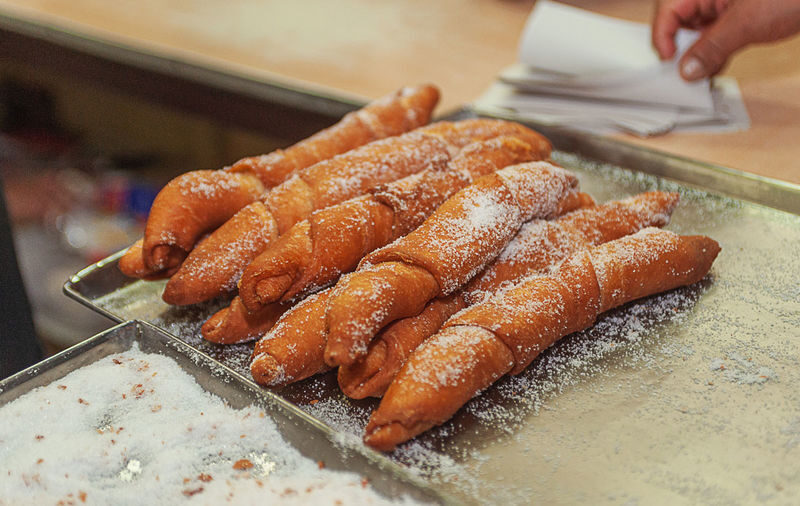
- Thirteen tastings bring you into contact with Peruvian street food, including chilcano, creole churros and anticuchos.
- Mercado Central is a main stop, with fresh produce and spices at the heart of Lima’s food trade.
- Barrio Chino adds chifa, a distinct mix of Peruvian and Chinese cooking.
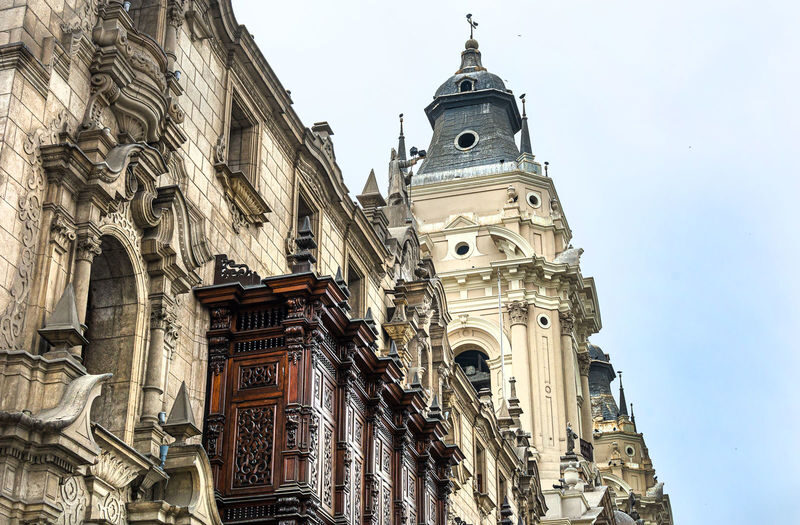
- Historic landmarks are viewed from outside, including the Cathedral, Government Palace, San Francisco Basilica and Plaza de Armas.
- The evening schedule runs from 16:30 to about 20:30, with the guide meeting you outside Gran Hotel Bolívar.
- The guide’s role is central: the one written comment highlights the guide and the tour’s interesting content, so this is a good fit if you want context as well as food.
👉 See our pick of the 25 Best Workshops And Classes In Lima
A four-hour walk through Lima’s food life
The tour is built around comida al paso, the quick, flavorful food people eat on the move. Rather than sitting down for one long meal, you make several stops to taste different foods and drinks while walking through the Historic Center.
That format gives you variety and a view of everyday eating habits. It also means the experience depends on the guide’s pacing and the quality of the explanations. You aren’t just handed a succession of snacks: the aim is to connect the food with Lima’s culture, economy and daily routines.
The tour starts at 16:30 and is scheduled to finish around 20:30. An evening departure can work well if you want to spend the earlier part of the day seeing Lima’s sights independently, then turn your attention to food and the city streets. The schedule can change because of traffic or weather, so treat the listed route as a guide rather than a minute-by-minute promise.
You can also read our reviews of more food & drink experiences in Lima


Meeting your guide at Gran Hotel Bolívar
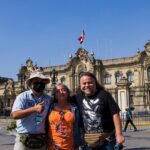
The meeting point is outside the main entrance of Gran Hotel Bolívar, at Jirón de la Unión 958. Look for a guide wearing a red lanyard, and arrive 10 minutes before your selected departure time. The meeting details matter: hotel pickup and drop-off are not included, so you need to make your own way to the Historic Center.
The guide speaks English and leads the group through the food stops and city streets. A helpful guide can make unfamiliar dishes easier to understand, especially when ingredients or local customs aren’t obvious from the food itself. The tour’s strongest positive note is about the guide and how interesting the outing is, so expect the storytelling to be a key part of the value, not a small extra.
The group size isn’t specified. If you prefer a private pace, want to linger at every stall or need to keep close track of how much you eat, check with the operator before booking.
Mercado Central: a look at ingredients, not just finished dishes
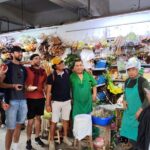
Mercado Central is the tour’s named guided stop and a natural place to understand what goes into Lima’s cooking. It is described as the city’s largest market, with fresh produce and spices. You’ll see the setting where ingredients are sold and used, rather than only encountering them on a restaurant plate.
For a visitor, a market visit can make food traditions more concrete. A guide can explain what local ingredients are used for and how the market fits into city life. The supplied tour details don’t name particular stalls, vendors or produce, so go in ready to follow the guide rather than expecting a fixed list of market encounters.
Markets are working places, not staged exhibits. That is part of their appeal, but it also means the atmosphere and route through the aisles can depend on the day. Keep your expectations flexible and give the guide room to adjust the order of stops.
Anticuchos, churros and the pleasures of comida al paso
The tour names three of its tastes: chilcano, creole churros and anticuchos. These offer a useful sense of the range, from a drink to a sweet snack and a savory street-food classic. The full list of 13 items and the serving sizes are not provided, so don’t assume each tasting is a full portion or that every taste is a meal in itself.
The focus on food carts and local eateries is a practical way to get beyond a restaurant-only view of Peruvian cuisine. Quick street foods show how people eat between errands and work, and why flavor, convenience and price matter in the city. Your guide adds context to each bite, which can help you recognize the differences between dishes and understand their place in local food culture.
There’s a clear advantage to sampling 13 tastes in one outing: you can try a broad range without planning each stop yourself. The trade-off is that a tasting tour is not the best choice if you want to spend a long time at one restaurant or order a full dish at every stop. If you have dietary restrictions or allergies, ask the operator before booking. The available details don’t state whether substitutions are possible.
Chinatown and chifa’s Peruvian-Chinese mix
The walk also goes into Barrio Chino, Lima’s Chinatown, to introduce chifa cuisine. Chifa brings together Chinese and Peruvian flavors, making it a particularly useful stop for understanding how the city’s food has changed through cultural exchange.
This is more than a detour for another snack. It gives the route a broader frame: Lima’s food traditions aren’t limited to one national style, and the city’s everyday menus reflect more than one influence. The exact chifa dishes served on the tour aren’t named, so treat this as a chance to encounter the cuisine with a guide rather than a promise of a particular plate.
For anyone interested in how migration shapes a city’s food, this part of the route may be as memorable as the market. You get a quick introduction in context, though not an in-depth cooking class or a long visit focused only on Chinese-Peruvian cuisine.
You can also read our reviews of more tours and experiences in Lima
Historic Lima, seen along the way
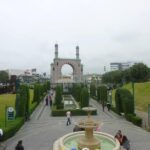
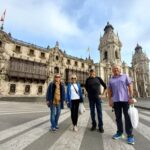
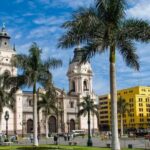
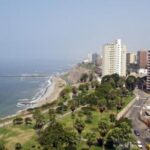
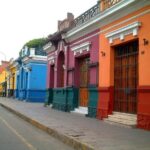
Food is the main event, but the tour passes some of Lima’s best-known historic sights. You’ll see the Cathedral, Government Palace, San Francisco Basilica and Plaza de Armas from outside. That gives you a sense of the Historic Center’s layout and architecture without turning the tour into a formal monument visit.
The outside-only approach suits a food walk: you spend the time moving between stops rather than entering several buildings. It’s useful if you want a taste of the city’s historic core, but you should plan separate visits if you want to tour the interiors or learn their full architectural and political histories.
The route is described as a walk through popular spots and lesser-known places, though the exact street-by-street path is not given. Conditions may shift the schedule, so don’t make a tight connection or reserve another activity immediately after the stated return time.
Is the price fair for 13 tastes?
The available pricing shows two different starting figures: US$73.95 for the English-language join-in tour and a summary price from US$85.05. Because those figures don’t match, check the price shown for your date and package before paying. The total includes an English-speaking guide, meals and beverages, admission to attractions, and the 13 tastings.
The value comes from combining food, market time, Chinatown and guided interpretation in one four-hour outing. If you were to arrange each tasting independently, you’d need to find the stalls, decide what to order and connect the stops yourself. Here, the guide does that work and explains what you’re eating.
Still, the cost is not simply a price per snack. You’re paying for the route and the context as well as the food. The tour is most worthwhile if you enjoy trying a range of local dishes and want help making sense of them. If your priority is a large dinner, an independent restaurant visit may suit you better.
Hotel transport, personal expenses and tips are not included. The tour requires passport details, country of issue and your date of entry into Peru for local tax purposes. Children must be included in the passenger count, and anyone aged 0 to 17 must attend with a paying adult. The activity is not wheelchair- or stroller-accessible; pets are not allowed. Chilcano may include alcohol, and Peru’s legal drinking age is 18, so bring valid identification if you may need to prove your age.
Who should book this Lima food walk?
I’d choose this tour if you want a guided introduction to Lima’s everyday food, prefer several small tastings to one restaurant meal, and are curious about the links between the Historic Center, its market and Chinatown. It also suits a short stay: one evening gives you a broad food-focused orientation without requiring separate bookings for each stop.
It may be less suitable if you need step-free access, are traveling with a stroller, want a private outing or need guaranteed dietary substitutions. The route is on foot, and the details don’t promise a particular group size, exact tasting menu or time at each stop.
Book it for the guide-led food and cultural context, not as a substitute for a full historic-center tour or a leisurely dinner. Before you commit, confirm the current price, ask about any dietary needs and make sure the 16:30 meeting time fits your plans.
Street Food, Market & Old Eateries Tour in Lima’s Historic Center
FAQ
How long is the tour?
The food walk lasts about four hours, with a scheduled departure at 16:30 and a return around 20:30. Traffic and weather can affect the schedule.
Where do I meet the guide?
Meet outside the main door of Gran Hotel Bolívar at Jirón de la Unión 958 in Lima. The guide wears a red lanyard.
How early should I arrive?
Arrive 10 minutes before your selected departure time.
What foods are included?
The tour includes 13 Peruvian tastings. Chilcano, creole churros and anticuchos are named, but the full tasting list is not specified.
Does the tour visit Mercado Central?
Yes. Mercado Central is a guided stop. The tour also visits Barrio Chino.
Which landmarks will I see?
You’ll see the Cathedral, Government Palace, San Francisco Basilica and Plaza de Armas from outside.
Is hotel pickup included?
No. Hotel pickup and drop-off are not included. You need to reach the meeting point yourself.
What is included in the price?
The listed inclusions are an English-speaking guide, meals and beverages, admission to attractions and 13 Peruvian tastings. Personal expenses and tips are not included.
Is the tour suitable for children or wheelchair users?
Children aged 0 to 17 must be accompanied by a paying adult and included in the passenger count. The activity is not wheelchair- or stroller-accessible.