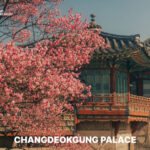
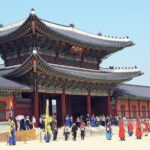
Deoksugung’s appeal is its unlikely mix: royal Korean buildings stand beside Western-style stone architecture in a palace tucked among downtown Seoul’s offices. At night, the contrast becomes especially striking, and the story turns toward Gojong’s brief effort to shape a modern Korean Empire.
I like two things here: a guide can connect the buildings to the people who lived through the end of the Joseon dynasty, and the two-hour evening visit leaves time for dinner or another Seoul stop. Guides named Alan, Sally and Joy have been praised for clear explanations, thoughtful pacing and helpful answers.
One consideration: this is a short tour, not a broad survey of Seoul’s palaces. It also requires at least four participants, so check that the tour is confirmed before arranging your evening around it.
- A palace from a turning point: Deoksugung served as the main palace during the Korean Empire era.
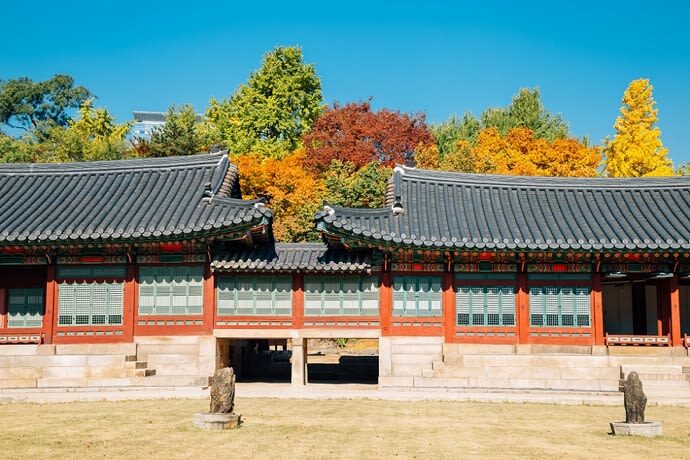
- An unusual architectural pairing: Traditional Korean buildings share the grounds with Western-style Seokjojeon.
- A focused evening walk: The scheduled tour runs from 6:30 to 8:30 pm.
- People bring the story to life: Guides including Alan, Sally and Joy have led tours on Gojong and Princess Deokhye.
- A central meeting point: Meet outside City Hall Station Exit 3, at 99 Sejong-daero.
- Check the minimum: At least four participants are required for the activity to run.
- Why Deoksugung tells a different Seoul story
- A compact palace among city buildings
- Reading the palace through its buildings
- Seokjojeon and the Western-style contrast
- What the two-hour evening schedule means
- How much the tour is worth
- Who should book this palace walk
- Practical details before you go
- FAQ
- How long is the Deoksugung Palace tour?
- Where is the meeting point?
- How early should I arrive?
- What language is the tour in?
- Which buildings are on the route?
- Is palace admission included?
- What is not included?
- Is there a minimum number of participants?
- Do children pay the same rate as adults?
- What is the cancellation policy?
- The Best Of Seoul!
- More Half-Day in Seoul
- More Tours in Seoul
- More Tour Reviews in Seoul
- Not for you? Here's more nearby things to do in Seoul we have reviewed
Why Deoksugung tells a different Seoul story
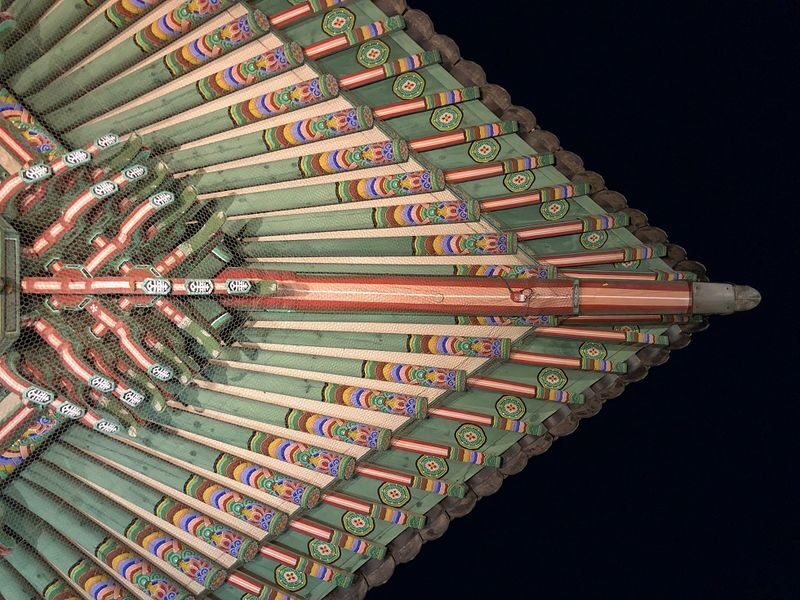
Many visitors arrive in Seoul expecting royal palaces to tell stories from a distant, settled past. Deoksugung is different. Its most important chapter belongs to a period of rapid change, when Korea was moving from the Joseon dynasty toward the Korean Empire, under pressure from Japanese imperial expansion.
The palace was chosen by Gojong, the last king of Joseon and the first emperor of the Korean Empire. It became the main palace in place of Gyeongbokgung during that era. The buildings and their layout make more sense when you see the site not simply as an old royal compound, but as a place tied to a country trying to define its future.
That gives the tour a useful focus. You are not being asked to cover every dynasty or every royal residence in Seoul in two hours. Instead, the guide can stay close to one palace and explain how its buildings relate to Gojong, the imperial family and the pressures of the time.
The tour also covers Princess Deokhye, the last princess of Korea, whose life was marked by the collapse of the imperial family and Japanese imperialism. Her story helps bring the palace’s final royal years into human scale. If you know Korean period dramas, some of the names and events may already sound familiar, but the guide can help separate the real people and events from their screen versions.
👉 See our pick of the 25 Best Guided Tours In Seoul
A compact palace among city buildings
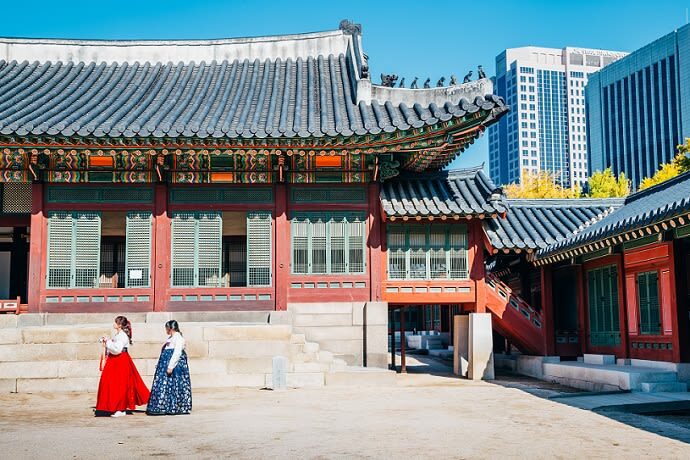
Deoksugung sits in central Seoul, close to City Hall and Gwanghwamun Station. That location is useful if you are fitting the tour between other city plans, and it gives the palace a distinctive setting: the old royal grounds are surrounded by the modern city rather than separated from it.
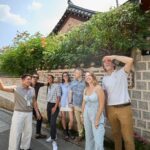
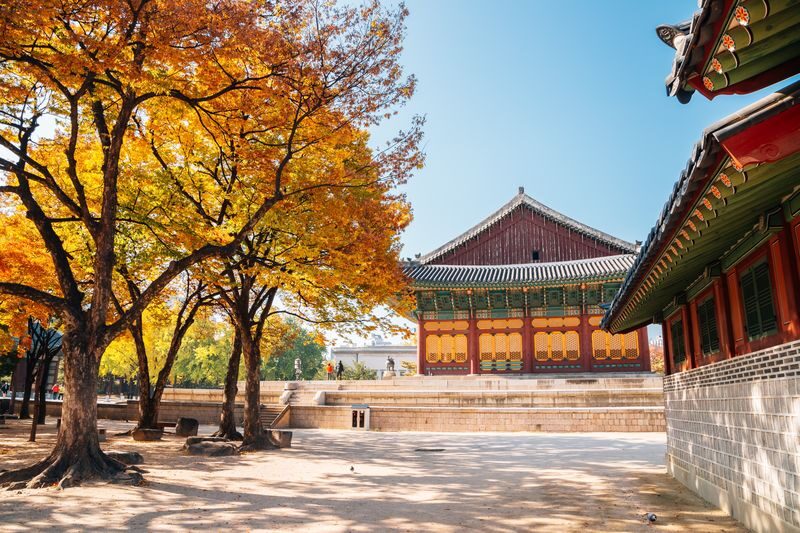
The stone wall beside the palace is one of the site’s most attractive features. It is worth noticing as part of the visit rather than treating it as a backdrop on the way in. The contrast between the wall, the palace buildings and the nearby city helps explain why this small site feels different from a sprawling royal complex.
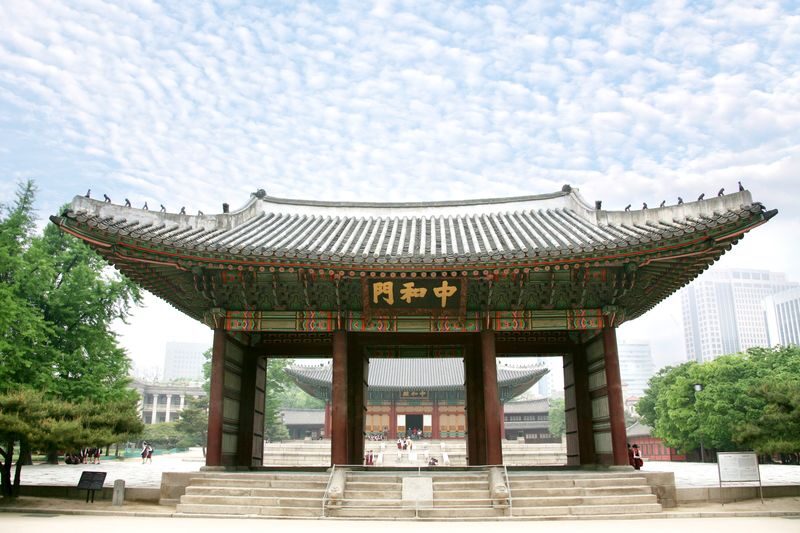
The tour begins at Daehanmun, the main gate. Starting here gives the guide a natural place to introduce the palace and its history before you move farther inside. The experience is a walking tour, so wear shoes you are comfortable walking in and arrive ready to spend the full two hours on your feet.
A short visit has advantages and limits. You can get a clear introduction without giving up half a day, but the pace and the guide’s choices will shape how much time you have at each building. If you want to linger, take extensive photographs or explore every corner at your own speed, plan to return independently if time allows.
You can also read our reviews of more tours and experiences in Seoul


Reading the palace through its buildings
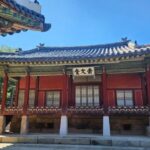
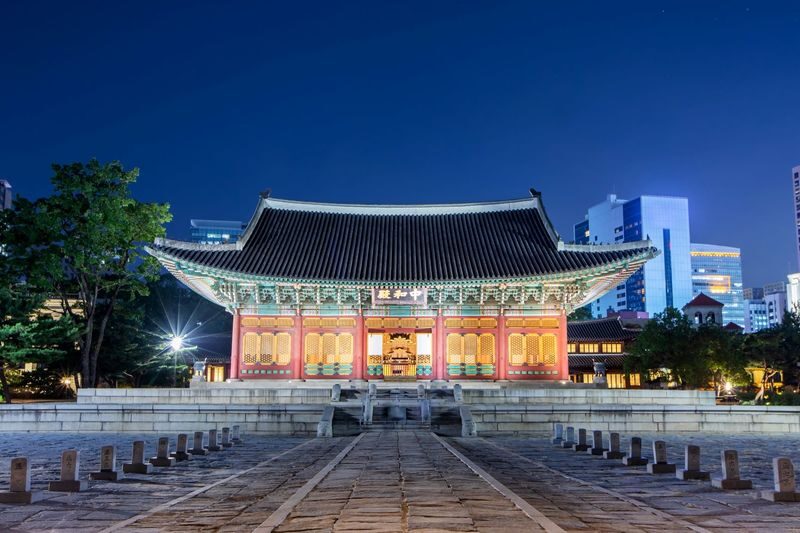
The route includes Junghwajeon, the main throne hall. This is the place to listen for how royal authority was presented and how Gojong’s position changed when the palace became the center of the Korean Empire. A guide’s explanation matters here: a throne hall can look like one more grand building until you understand what it represented in this particular period.
Seokeodang and Deokhongjeon are also on the route. The supplied details do not specify exactly what the guide covers at each stop, so expect the interpretation to follow the palace’s broader story rather than a scripted list of architectural facts. The best questions to bring are the ones that connect a building to its use, its residents or the changes taking place around it.
Hamnyeongjeon, the king’s bed-chamber, offers a more personal point of reference. It helps shift the story from formal ceremony toward daily royal life. As you move between halls and residence buildings, the palace becomes easier to picture as a working royal home, not just a collection of façades.
Jungkwanhun, identified as a royal cafeteria, is another stop on the itinerary. It adds to the sense of how the palace adapted to a changing era. One tour participant also described the possibility of arranging tea and music in the stone house at night, but that is not listed as part of the standard tour, so do not assume it is included.
Seokjojeon and the Western-style contrast
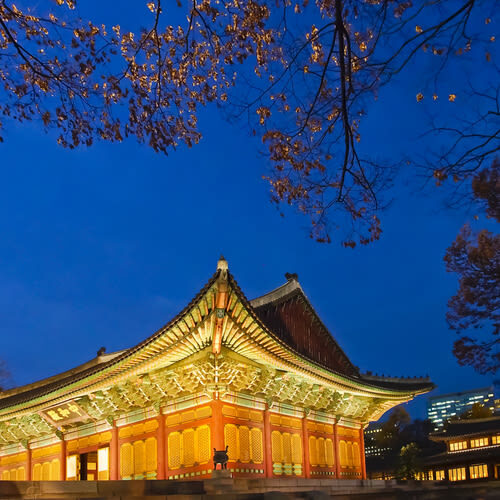
The most striking architectural contrast is at Seokjojeon. Deoksugung is described as Seoul’s only palace with both traditional Korean and Western-style buildings, and Seokjojeon makes that difference visible. Its presence gives the palace a distinctly modern-era character that you will not get from a tour focused only on traditional royal architecture.
That contrast is more than a photo opportunity. It reflects the unsettled period when Gojong was trying to present Korea as a modern empire while the country faced the threat of Japanese control. The palace’s mixed architecture gives the guide a concrete way to talk about the ambitions and pressures of the time.
The grounds are lit for the evening visit, which can make the buildings feel especially atmospheric. Several guides have been praised for finding good picture spots, but the tour is still primarily about context and interpretation. If you want polished photographs, give yourself a moment at each stop, but do not expect a dedicated photo session.
The stone wall is another good place to pause and take in the setting. The palace’s central location means the experience is not one of escaping the city; it is about seeing a historic royal site within the city that grew around it.
What the two-hour evening schedule means
The stated schedule runs from 6:30 to 8:30 pm. You meet outside City Hall Station Exit 3, at 99 Sejong-daero, and should arrive ten minutes early. The listed return point is Jungkwanhun at Deoksugung Palace.
The evening timing is a major part of the appeal. You see the palace after daylight hours, with the buildings lit, and can fit the visit into a day otherwise spent exploring Seoul. But night tours depend on conditions, and the schedule may change with weather or traffic. Bring clothing suited to the forecast, particularly in winter, when standing outside in cold or snow can make a missed or delayed tour especially unpleasant.
The route covers seven named stops, from Daehanmun to Jungkwanhun. That is enough to provide a well-shaped introduction, but not enough to explore every part of the palace at length. A good guide helps by keeping the story clear and relevant at each stop. Alan, Sally and Joy are among the guides whose tours have been praised for warmth, careful pacing and explanations that are easy to follow.
There has also been a serious service failure: one person described a guide not arriving on a snowy evening and being difficult to reach. That is not the usual picture suggested by the many positive accounts, but it is a practical reason to keep confirmation details handy and avoid planning an unmovable evening commitment immediately afterward.
How much the tour is worth
The advertised price starts at $64.65, while package information also gives a starting price of $56.25 for the Deoksugung Palace Night Tour. Rates can depend on the package and date, so check the price for the option you intend to book rather than assuming the lower starting figure applies to every departure.
Admission and an English-speaking guide are included. Personal expenses and insurance are not. The price is most worthwhile if you want a guide to explain the palace’s architecture and political context; admission alone cannot give you the same connected account of Gojong’s plans, the Korean Empire and the palace’s final royal period.
The activity’s rating is 4.8 out of 5 from 24 ratings, and the provider has a reported good review rate of 97 percent across 243 reviews. The strongest recurring points are the guides’ explanations, the buildings at night and the focused two-hour format. Those are exactly the elements that can make a short palace visit feel like more than a quick walk through attractive grounds.
Still, this is not the right purchase if you mainly want a long, unhurried visit or a broad comparison of Seoul’s royal palaces. You are paying for a guided interpretation of Deoksugung, not transport around the city or a full-day history program. The listed night tour is the relevant package for the 6:30 pm schedule; check the selected option carefully, since the product information also refers to morning and general palace tour packages.


Who should book this palace walk
I would put this tour high on the list for anyone curious about Gojong, the end of the Joseon dynasty or Korea’s transition into the Korean Empire. It also suits visitors who want an evening activity in central Seoul and would rather hear the story from a guide than read plaques at each building.
It is particularly useful if this is your first visit to Deoksugung. Guides have been praised for explaining Korean history in clear English, answering questions and adding context about Korean house design. Some have also offered practical Seoul recommendations, though you should treat that as a possible bonus, not a promised part of the itinerary.
The tour may be less appealing if you have little interest in history, prefer to set your own pace or want to spend a long time taking photographs. It is also a poor fit for a tight schedule if you cannot allow for a weather or traffic change, or if the four-person minimum has not been met.
For most history-minded visitors, two hours is a sensible trade: enough time to understand why this palace matters, without turning the evening into a full day of sightseeing. If you want a concise, guided look at Seoul’s modern royal history, book it. If you want a broad palace circuit, choose a tour that covers more than Deoksugung.
Practical details before you go
The tour includes palace admission and an English-speaking guide. It does not include personal expenses or insurance. Children aged zero and older are charged the same rate as adults, so factor that into the cost if you are travelling as a family.
The activity requires at least four participants. If that minimum is not reached, you can choose an alternative date or request a full refund. Confirmation is due within 24 hours; if you do not receive a confirmation email, contact customer support.
The voucher is valid only on the specified date and time. The stated cancellation terms provide a full refund if you cancel at least 72 hours before the activity date, using destination local time. The schedule may change depending on traffic and weather.
Seoul Deoksugung Palace Half-Day Architecture Tour
“We thoroughly enjoyed this tour! Our guide, Alan, was very knowledgeable and paced the tour very well, so there was interesting and relevant inform…”
FAQ
How long is the Deoksugung Palace tour?
The tour lasts two hours, with the stated schedule running from 6:30 to 8:30 pm.
Where is the meeting point?
Meet outside City Hall Station Exit 3, at 99 Sejong-daero, Jung-gu, Seoul.
How early should I arrive?
Arrive ten minutes before the 6:30 pm departure.
What language is the tour in?
An English-speaking guide is included.
Which buildings are on the route?
The route includes Daehanmun Main Gate, Junghwajeon, Seokjojeon, Seokeodang, Deokhongjeon, Hamnyeongjeon and Jungkwanhun.
Is palace admission included?
Yes. Admission to the attraction and an English-speaking guide are included.
What is not included?
Personal expenses and insurance are not included.
Is there a minimum number of participants?
Yes. At least four participants are required. If the minimum is not met, you can book an alternative date or request a full refund.
Do children pay the same rate as adults?
Yes. Children aged zero and older are charged the same rate as adults.
What is the cancellation policy?
A full refund is available if you cancel at least 72 hours before the activity date, using destination local time.