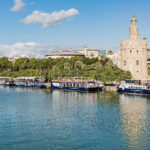
The Alcázar is a royal palace still in use, but it feels less like a single monument than a layered record of Seville’s rulers. A guided visit can help you read its Islamic, Mudéjar, Gothic, Renaissance, and Baroque details instead of simply admiring the tilework and moving on.
I like two things here: skip-the-line entry takes away one of the biggest hassles of a popular sight, and a small group with an English-speaking blue badge guide gives you a chance to understand places such as the Courtyard of the Maidens and the Baths of Maria Padilla. The tour also ends in the gardens, where you can linger after the guided portion.
The caution is practical: the advertised duration is inconsistent, and the current customer record is troubling, with a 1.8 out of 5 rating from six ratings and several reports of cancellations or refund delays. I would confirm that the tour is operating before you build your day around it.
Key points
- The palace is a working royal residence: The Alcázar is both a major historic site and an active royal residence, a useful reminder that its story did not end in the Middle Ages.
- Several architectural periods meet here: Look for Islamic and Mudéjar work alongside Gothic, Renaissance, and Baroque features.
- The route includes distinctive spaces: Expect the Courtyard of the Maidens, the Hall of the Admiral, royal chambers, the Prince’s Garden, the Baths of Maria Padilla, and the Mercury Pond.
- Skip-the-line entry and admission are included: The package also includes an English-speaking blue badge guide and a small-group format.
- The timing needs checking: One description gives a one-hour duration, while the itinerary lists a 90-minute guided visit.
- Carry your ID and expect stairs: The Alcázar requires identification for entry, and the tour is not wheelchair-accessible.
👉 See our pick of the 25 Best Guided Tours In Seville
- Key points
- A palace built up by successive rulers
- From the Courtyard of the Maidens to the royal rooms
- The Baths of Maria Padilla and the Mercury Pond
- The garden ending is part of the value
- What the guide and small group add
- How the price compares with going on your own
- Timing, meeting point, and practical details
- Who should book this Alcázar tour?
- FAQ
- How long is the guided tour?
- What is included in the tour price?
- Where does the tour meet?
- What departure times are available?
- Where does the tour end?
- Do I need to bring identification?
- Is the tour suitable for wheelchair users?
- Are young children charged?
- Can I stay in the gardens after the guided tour?
- The Best Of Seville!
- More Guided Tours in Seville
- More Tours in Seville
- More Tour Reviews in Seville
- Not for you? Here's more nearby things to do in Seville we have reviewed
A palace built up by successive rulers
 1 / 2
 2 / 2
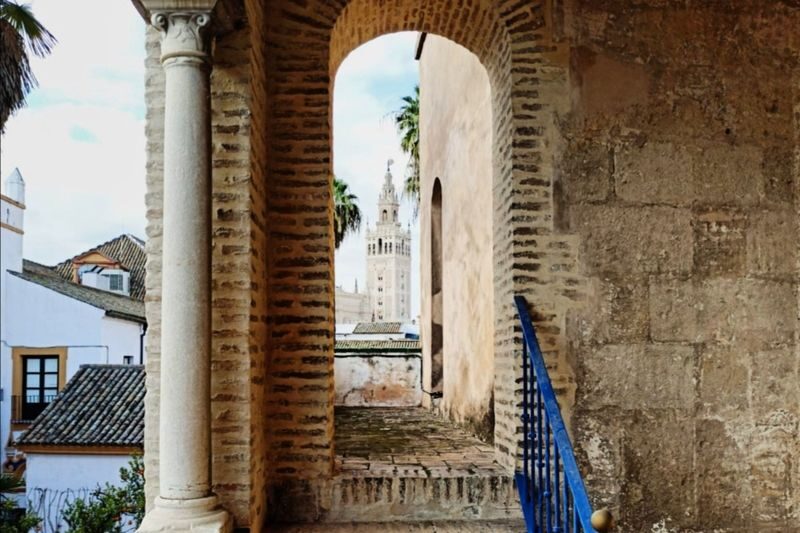
The Royal Alcázar is not a palace with one neat architectural style or one tidy historical chapter. Its roots reach back to the High Middle Ages, and it changed under different rulers, most notably King Pedro I, also called King Don Pedro. The result is a complex of Islamic, Mudéjar, Gothic, Renaissance, and Baroque features that sit together in a way you can see from room to room.
That mix is the main reason a guide can add value. Without context, you may notice patterned plaster, carved wood, tiles, and grand halls, but miss how the building reflects changing tastes and power. The guided visit is intended to connect those details to the palace’s development, from medieval rulers to the present-day Spanish royal family.
The Alcázar is part of Seville’s UNESCO-listed group of sites, recognized in 1987 alongside the Cathedral and the Archive of the Indies. That status matters less as a badge than as a clue to the scale of the city’s historical center: you are visiting one piece of a wider network of buildings that shaped Seville’s political and cultural life.
You can also read our reviews of more guided tours in Seville



From the Courtyard of the Maidens to the royal rooms
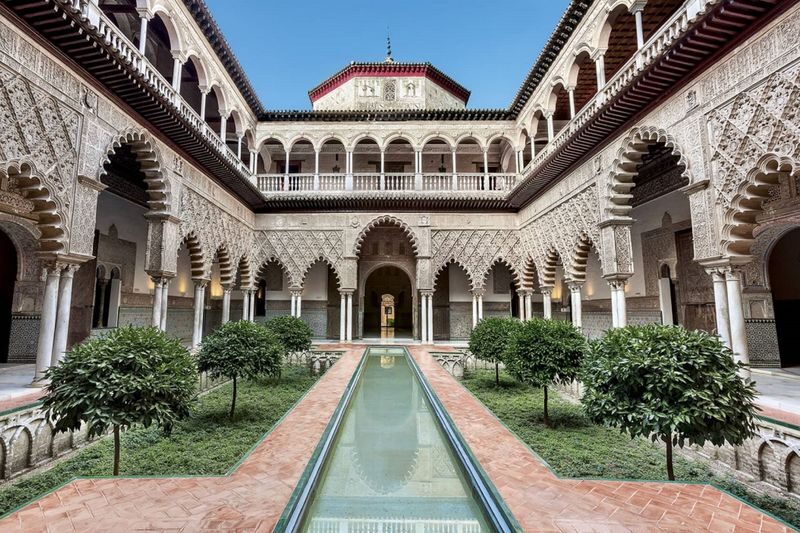
The route names several spaces that give the visit its shape. The Courtyard of the Maidens is among the palace’s best-known courtyards, and it is a good place to notice how architecture frames movement: open space, water, and decorated walls bring light and pattern into an enclosed palace.
The Hall of the Admiral and the royal chambers shift the focus from courtyards to rooms associated with court life and administration. You will see the palace not only as a work of art, but as a place where royal power was displayed and exercised. The tour’s emphasis on the Alcázar’s changing history should help you make sense of why the rooms and decorative styles do not all match.
King Pedro I is central to the story presented here. His Alcázar is known for its Mudéjar character, a style shaped by Islamic artistic traditions and Christian rule. The broader palace includes later Gothic, Renaissance, and Baroque additions, so look for contrasts rather than expecting every room to belong to the same period.
The tour is short, which makes a guide’s focus important. You will not have unlimited time to inspect every carved detail or pause in each room. If you are a serious architecture enthusiast, consider treating this as an introduction, then using the time after the guided portion to revisit the areas that caught your eye.
The Baths of Maria Padilla and the Mercury Pond
Some of the Alcázar’s most memorable spaces are not grand reception rooms. The Baths of Maria Padilla are a set of underground baths associated with a famous royal legend, while the Mercury Pond adds a quieter, more unusual feature to the palace grounds. These stops give the guide room to share stories and local lore alongside the architectural history.
The names themselves invite curiosity, but keep a sensible distinction between legend and documented history. The tour promises stories and secrets tied to the palace, rather than a formal scholarly lecture. If you like hearing how a place’s reputation grew over time, these details can make the visit more personal than a room-by-room march.
The advertised route also includes the Prince’s Garden and the Courtyard of the Monteria. These spaces help show how the Alcázar links formal palace architecture with gardens and open-air courtyards. You will get a sample of that variety, though the exact order may change with monument schedules, weather, or the group’s pace.
The garden ending is part of the value
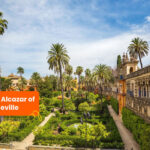
The guided portion concludes in the Alcázar’s gardens. That is a sensible place to finish: after close rooms and richly decorated halls, the gardens offer space to slow down and take in the palace from a different angle.
You can stay in the gardens after the tour or take another walk around the Alcázar. This flexibility is useful because a 60- or 90-minute guided visit is not much time for a site of this size. If the guide has to keep a steady pace, your post-tour time lets you revisit a favorite courtyard or enjoy a quieter stretch without trying to keep up with the group.
There is a trade-off. The tour is not described as a full-day visit, and the guided route cannot cover every corner in depth. If you want a broad orientation and the main named rooms, the format makes sense. If you want long, unhurried time with the gardens and architecture, plan to stay after the guide finishes.
What the guide and small group add
The package includes an English-speaking blue badge guide and a small-group format. That combination should suit visitors who want explanation without being part of a large crowd. A guide can connect the palace’s Islamic, Mudéjar, Christian, and later influences, and the small-group setting may make it easier to hear and ask questions.
Still, do not assume that every guide will deliver the same level of depth. The available customer record includes one complaint about a guide lacking detail and a group being joined to another tour midway, which made the experience awkward. That is a specific warning, not proof that every departure has the same problem, but it is worth keeping in mind if close attention and a carefully paced explanation are your main reasons for paying.
The record is sharply mixed overall: one rating praises the outing in general, while the total stands at 1.8 out of 5 across six ratings. Several recent complaints describe cancellations, poor notice, and delayed refunds. Those are not minor gripes about a guide’s style; they concern whether the tour went ahead and whether customers could resolve the problem afterward.
The provider is Naturanda, while booking and customer-service problems in the available reports involve the booking process as well. Before you rely on this departure, check that your confirmation is current and that the operator has your booking. If you receive a cancellation or a change, get the next steps in writing rather than assuming an app status or an informal message has settled the matter.




How the price compares with going on your own
The join-in English tour starts at $43.85. That price includes admission to the Royal Alcázar, skip-the-line entry, and a guided small-group visit. You are paying for more than a guide’s time: having entry arranged and getting an explanation of the palace’s many styles can be worthwhile, especially if this is your first visit to Seville.
The value depends on what you want from the visit. If you are content to walk through at your own pace and read the signs, a guided tour may not be essential. If you want the palace’s layers and legends explained as you move through its rooms, the guide is the central benefit, and the included admission makes the starting price easier to assess.
The poor current rating complicates that calculation. A low price is not a bargain if the booking is cancelled at the last minute or a refund takes too long. I would weigh the convenience of skip-the-line admission against the reported service problems, and avoid making this your only plan for a tightly scheduled day.
Timing, meeting point, and practical details
The meeting point is the Colors of Seville office at C. Alemanes 31 in Seville’s Casco Antiguo. Departure choices are listed at 13:30 and 15:00, with the selected time confirmed after booking. The stated return points are at the Alcázar, Patio de Banderas, with listed times of 15:00 or 16:30 depending on your departure and itinerary.
There is a notable timing mismatch: the summary says the experience lasts one hour, but the itinerary gives the Alcázar guided visit as one hour and 30 minutes. The listed departure and return choices also appear to reflect different durations. Confirm the exact end time before making plans for a meal, another tour, or transport.
Bring your physical passport or valid ID, as identification is compulsory for palace access. Students should bring age-verifying identification and a student card. The tour involves considerable walking and stairs, and it is not wheelchair-accessible, so consider those demands before booking.
Infants and children must be included in the passenger headcount, even though children aged 0 to 3 are free. Children aged 14 and older pay the adult rate. Discounts for seniors, students, and children are limited to EU citizens, with valid identification required; retirees may need a document confirming age or a DNI.
Meals, drinks, personal expenses, and gratuities are not included. The Alcázar closes on January 1 and 6, Good Friday, and December 25, so check your visit date if you are traveling around a holiday.
Who should book this Alcázar tour?
This tour makes the most sense if you want an English-language introduction to the Alcázar, prefer a guide to explain the architecture, and value skip-the-line admission. It is especially useful if you want someone to connect the famous courtyards and royal rooms to the palace’s changing rulers and styles, then leave you time to enjoy the gardens afterward.
I would hesitate if your schedule cannot absorb a cancellation or timing change, if you need a wheelchair-accessible route, or if you want a long, slow visit with extensive time in every room. The current service record gives practical reason to verify the booking before you travel to the meeting point.
My advice: book only after confirming the departure is operating and checking the actual duration. If those details are settled, the included entry and guided route can be a worthwhile way to make sense of a palace that rewards more than a quick look.
FAQ
How long is the guided tour?
The information gives two durations: one hour in the summary and one hour and 30 minutes for the Alcázar itinerary. Confirm the expected end time before booking other activities.
What is included in the tour price?
The package includes admission to the Royal Alcázar, skip-the-line entry, an English-speaking blue badge guide, and a small-group tour.
Where does the tour meet?
The meeting point is the Colors of Seville office at C. Alemanes 31, in the Casco Antiguo district.
What departure times are available?
The listed choices are 13:30 and 15:00. Your selected time is confirmed after booking.
Where does the tour end?
The return point is the Royal Alcázar at Patio de Banderas. Listed return times are 15:00 and 16:30, depending on the departure selected and the itinerary.
Do I need to bring identification?
Yes. You must carry and present valid identification for Alcázar access. The instructions ask you to bring a passport or valid ID, and students should also bring a student card.
Is the tour suitable for wheelchair users?
No. The activity is not wheelchair-accessible and involves considerable walking and stairs.
Are young children charged?
Children aged 0 to 3 are free, but infants and children must still be included in the passenger headcount. Children aged 14 and older are charged the adult rate.
Can I stay in the gardens after the guided tour?
Yes. At the end of the tour, you can stay in the gardens or take another walk around the Alcázar.