Seoul’s plant-based food scene has a side that’s easy to miss if you’re relying on familiar menu words: Korean temple cuisine, built around seasonal herbs and a mindful approach to eating. Jason K Table handles the reservation and gives you a guide to the restaurant, so you can focus on the meal rather than trying to arrange it in Korean.
I like two things here: you pay the restaurant directly for what you order, and the digital guide can explain ingredients, menu choices, dining customs, and useful Korean phrases. The main consideration is that this is a reservation and information service, not a hosted food tour. You’ll need to make your own way to the restaurant, and the meal is not included.
- Key points before you book
- What Jason K Table actually arranges
- Sanchon’s seasonal temple-food meal
- The digital guide makes the meal easier to read
- Picking from Seoul’s plant-based choices
- Arrival, address, and reservation details
- Who gets the most from this service
- Is the reservation worth booking?
- FAQ
- Is the meal included in the reservation price?
- What does the digital dining guide include?
- What is included in the Sanchon option?
- Where is Sanchon?
- What name should I give the restaurant?
- How soon will I receive confirmation?
- Can I cancel for a refund?
- The Best Of Seoul!
- More Food Experiences in Seoul
- More Tours in Seoul
- More Tour Reviews in Seoul
- Not for you? Here's more nearby things to do in Seoul we have reviewed
Key points before you book
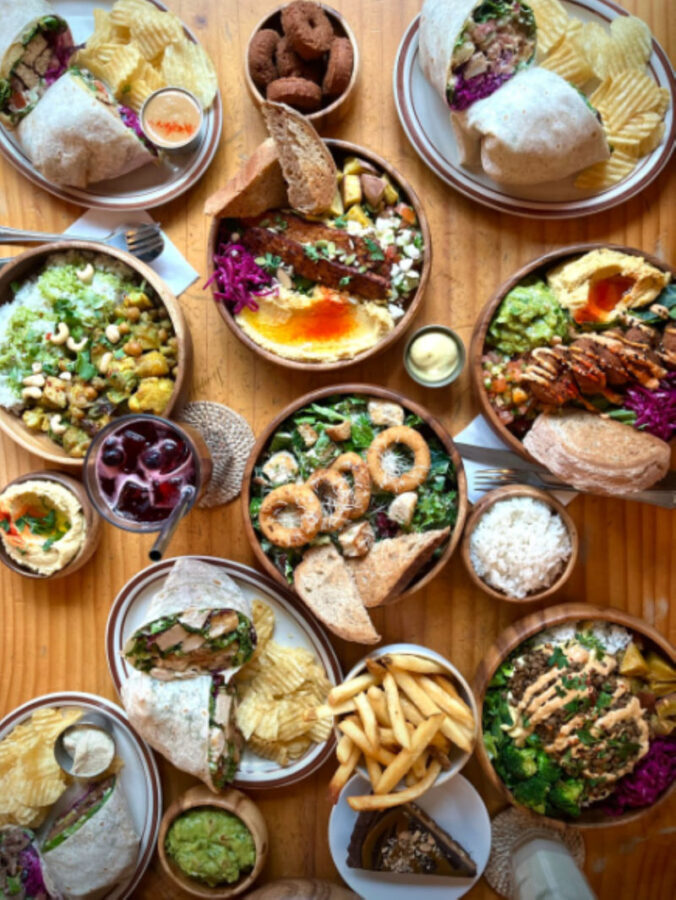
- Sanchon centers on temple food: The restaurant is described as serving fixed-course meals with dozens of seasonal wild mountain herbs.
- Your guide is specific to your chosen restaurant: It can cover ingredients, the restaurant’s philosophy, menu suggestions, local tips, and Korean phrases.
- You order freely and pay on-site: The booking fee is separate from the meal bill.
- You can choose a restaurant or make a request: Options range from temple cuisine to vegan bistros and contemporary plant-based dining.
- The reservation fee varies: Sanchon is listed from US$0.95, while other restaurant options cost more.
- Check the venue details carefully: The meeting-point information names A Flower Blossom on the Rice, while Sanchon has a separate address in Insadong.

👉 See our pick of the 25 Best Guided Tours In Seoul
What Jason K Table actually arranges
Think of this as a practical bridge between you and a Seoul restaurant, not a guided walk or a meal with a tour leader. Jason K Table takes care of the reservation, then provides a personalized digital guide in your language. You arrive, show the confirmation under the reservation name Jason K Table, order directly from the restaurant, and settle the food bill there.
That distinction matters when you compare the small booking fee with the total cost of your evening. The fee buys reservation help and the guide. It does not cover dinner, and it does not appear to include someone dining with you or explaining each course in person.
The service is aimed at healthy and vegan dining, but the choices are not all the same kind of experience. Sanchon is the traditional temple-food option. Other listed restaurants include Balwoo Gongyang, another temple-food choice; Legume, described as contemporary vegan fine dining; PLANT, a vegan bistro and bakery; and Osegyehyang, for traditional Korean vegan food. You can also request a restaurant that is not among the named choices.
For a visitor who eats plant-based, the value is partly logistical. You avoid making a Korean-language phone call, and you have help identifying what is in the dishes before you order. For someone who simply wants to show up and eat without any context, the guide may be more than you need.
You can also read our reviews of more tours and experiences in Seoul


Sanchon’s seasonal temple-food meal
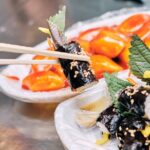
Sanchon is the most culturally focused choice in the package list. It is described as a temple-food restaurant founded by a former monk, serving fixed-course meals that feature dozens of seasonal wild mountain herbs. That gives you a different angle on Korean food from the familiar barbecue-and-stew circuit.
The seasonal herbs are a useful detail to keep in mind. Temple food is not presented here as a plate of generic vegetables or a substitute for meat. The meal has its own philosophy and ingredients, and the guide is meant to help you understand both. It can explain the restaurant’s approach, the ingredients and sauces used, and how to combine flavors as you eat.
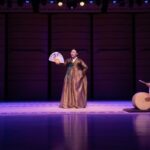
The Sanchon option is labeled as temple food with a traditional performance. The information provided does not specify the performance schedule or exactly what it includes, so treat that label as a feature to confirm when you book if it matters to your plans. The fixed-course format also means this is less like choosing a single dish from a short menu and more like letting the restaurant present a sequence of food.
That can be a good fit if you want an organized introduction to temple cuisine. It may be less appealing if you prefer to choose every dish yourself, or if you are seeking a quick, casual meal. The reservation does not include the meal price, and no fixed menu cost is given here, so check the restaurant’s current prices before you commit.
The digital guide makes the meal easier to read
The personalized guide is the part that turns a restaurant booking into something more useful. It is prepared for your selected restaurant and delivered in your native language after confirmation. Depending on the restaurant, it can explain the food’s background, ingredients and sauces, recommend menu choices, and offer tips on eating the meal in a local way.
I especially like the practical Korean phrase cards. You can show them to staff if you need to communicate a basic request, rather than trying to pronounce a phrase while a server waits. That is helpful even if you already know a few words: food-related conversations can get specific quickly, particularly when you are asking about ingredients.
The guide also aims to explain the philosophy behind the meal. For temple cuisine, that context can change how you approach a fixed course. Instead of seeing a succession of unfamiliar side dishes, you can pay attention to how the ingredients and flavors fit together. You are still eating on your own, but you have more to work with than a menu translation alone.
The guide should not be confused with a live guide or a guaranteed solution to every dietary question. The available details say it includes ingredient transparency, but they do not promise that every possible allergy or cross-contamination concern can be accommodated. If you have a serious allergy or a strict medical dietary need, contact the restaurant directly before relying on a general guide.
Picking from Seoul’s plant-based choices
Sanchon is only one of several ways to use the service. If you want a different mood or style of cooking, the options include Michelin-associated temple or Korean dining, contemporary vegan meals, and casual comfort food. The names and descriptions help you narrow the field, though they do not provide full menus or exact meal prices.
For a more formal meal, the listed choices include Dahlia Dining, described as sophisticated plant-based cuisine, and Legume, described as contemporary vegan fine dining. A Flower Blossom on the Rice is presented as Korean dining with a Michelin Green designation. These options may suit you if the meal itself is a central part of your evening and you are comfortable paying a higher reservation fee.
For a less formal meal, PLANT is described as a vegan bistro and bakery, while Plantude focuses on healthy plant-based comfort food. Vegan Insa is described as a cozy place for hearty Korean plant-based meals. Osegyehyang offers traditional Korean vegan food, and Monks’ Butcher is positioned as premium plant-based dining. Alt-A is described as Asian vegan food.
The price differences are worth noticing. Several restaurant reservations start from US$4.75, while some are listed from US$9.45 or more. Those figures are reservation-service prices, not the cost of your meal. The low entry price for Sanchon, listed from US$0.95, makes the reservation and guide inexpensive relative to a full dining experience, but it tells you nothing about the final restaurant bill.
If you do not see the right fit, the custom restaurant request lets you ask Jason K Table to arrange another healthy or vegan dining option. That is useful when you have a particular neighborhood, cuisine, or style in mind. It is a request rather than a promise that any restaurant can be booked, so give yourself time for confirmation.
Arrival, address, and reservation details
The stated meeting point is A Flower Blossom on the Rice in Insa/Jongno. However, the Sanchon option gives a different restaurant address: 30-13 Insadong-gil, Jongno District, Seoul, with the Korean address 서울특별시 종로구 인사동길 30-13, 산촌. Since the page combines several restaurant choices, check the confirmation for the exact venue and address before setting out. Do not assume the general meeting-point label applies to every package.
Once you reach the correct restaurant, show your booking confirmation with the reservation name Jason K Table. The service says you can order freely and pay on-site. Your voucher is valid only for the date, and time if applicable, specified at booking, so plan around the confirmed reservation rather than treating it as an open-ended dining credit.
Confirmation is expected within 24 hours. If no confirmation email arrives, contact customer support instead of assuming the restaurant has the booking. Infants and children must be included in the passenger headcount, which is a small but important detail for family bookings.
Cancellation is eligible for a full refund if you cancel at least 48 hours before the activity date, using destination local time. If your plans are uncertain, keep that cutoff in mind when choosing a date.
You can also read our reviews of more guided tours in Seoul



Who gets the most from this service
This is a strong fit if you want to eat vegan or vegetarian food in Seoul but do not want to spend your trip researching restaurants and navigating reservations in Korean. It also suits curious diners who like knowing what is on the table and why a dish matters, especially at Sanchon, where the guide can explain temple-food traditions and seasonal ingredients.
You will get the most from the guide if you read it before the meal and use its phrase cards when needed. The service is less suited to someone who expects a tour guide, transportation, a set meal included in the price, or an organized group experience. None of those are part of the details provided.
For families, remember to include every infant and child in the headcount. For anyone with allergies or strict dietary requirements, seek direct confirmation from the restaurant about what it can safely serve. A guide that explains ingredients is valuable, but it is not a substitute for confirming a medical need.
The service has a perfect 5.0 rating from three Sanchon bookings, and its provider has 97 total reviews with a 91 percent good-review rate. That is encouraging, though the Sanchon-specific sample is small. I would treat it as a promising way to remove a real travel hassle, not as proof that every restaurant request or special dietary need will work exactly as hoped.
Is the reservation worth booking?
Book it if the reservation help and restaurant-specific guide solve a problem for you. For Sanchon, the low listed fee buys access to a meal with a clear cultural identity and a guide that can make its ingredients and customs easier to understand. Just budget separately for dinner, confirm the correct address and any performance details, and keep your expectations straight: this is a restaurant reservation with useful context, not a hosted tour.
If you are comfortable finding and booking restaurants yourself, you may not need the service. But if Korean-language calls are a barrier, or you want more than a menu translation when trying temple food, Jason K Table offers practical help at a modest starting price.
Seoul No-Wait Vegan Reservations with Digital Guide in Your Language
“As someone who loves vegetarian food, finding suitable restaurants while traveling is always one of my biggest concerns. I was so happy to find a s…”
FAQ
Is the meal included in the reservation price?
No. You order at the restaurant and pay for your meal on-site. The reservation price is separate.
What does the digital dining guide include?
It is prepared for your selected restaurant and can include ingredient and sauce information, the restaurant’s story and food philosophy, menu recommendations, local dining tips, and Korean phrase cards.
What is included in the Sanchon option?
It is a reservation for Sanchon, described as a temple-food restaurant founded by a former monk and serving fixed-course meals with seasonal wild mountain herbs. The package name also mentions a traditional performance, but further details are not provided.
Where is Sanchon?
The listed address is 30-13 Insadong-gil, Jongno District, Seoul. The Korean address is 서울특별시 종로구 인사동길 30-13, 산촌.
What name should I give the restaurant?
Show your booking confirmation with the reservation name Jason K Table.
How soon will I receive confirmation?
Confirmation is expected within 24 hours. If you do not receive an email, contact customer support.
Can I cancel for a refund?
A full refund is available if you cancel at least 48 hours before the activity date, using destination local time.