The Rodin Museum pairs powerful sculpture with a calm garden setting. You can see The Thinker, The Kiss, and The Gates of Hell in the former Hotel Biron, then meet Rodin’s work again outdoors, where the sculptures have room to breathe.
I especially like the contrast between the house and garden, and the chance to see paintings by Van Gogh, Monet, and Edvard Munch alongside Rodin’s sculpture. One practical caution: the ticket is sold as skip-the-line admission, but it does not guarantee a separate entrance or a queue-free arrival.
- Key points to know
- Why the Rodin Museum works so well
- Start inside the Hotel Biron
- Take the sculpture outdoors
- How much time to set aside
- Is skip-the-line admission worth it?
- A few practical details before you go
- Who will enjoy this visit most?
- Should you book the Rodin Museum ticket?
- FAQ
- Where is the Rodin Museum?
- How long should I plan for a visit?
- What are the museum’s opening hours?
- What time is last admission?
- What does the ticket include?
- Is a tour guide included?
- Can I enter with a mobile voucher?
- Are large bags allowed?
- Is the museum wheelchair-accessible?
- Who is eligible for free admission?
- The Best Of Paris!
- More Museum Experiences in Paris
- More Tours in Paris
- More Tour Reviews in Paris
- Not for you? Here's more nearby things to do in Paris we have reviewed
Key points to know
 1 / 6
 2 / 6
 3 / 6
 4 / 6
 5 / 6
 6 / 6
- Two settings, one visit: Explore the 18th-century Hotel Biron, then walk among sculptures in its garden.
- Rodin’s major works: The collection includes original casts of The Thinker, The Kiss, and The Gates of Hell.
- Art beyond sculpture: Rodin’s personal collection includes paintings by Van Gogh, Monet, and Edvard Munch.
- A self-guided visit: Admission covers the permanent collection, temporary exhibitions, and sculpture garden, but not a tour guide.
- Allow one to two hours: That gives you time for both the indoor rooms and outdoor paths.
- Check the ticket details: The voucher is date-specific, and a skip-the-line label does not promise a dedicated entrance.

👉 See our pick of the 25 Best Shopping Tours In Paris
Why the Rodin Museum works so well
Paris has grand museums that can absorb half a day before you have even found the exit. The Rodin Museum is a more manageable choice. Its compact indoor galleries and broad garden make it easy to shape your visit around your energy, the weather, and your interest in sculpture.
I like that the setting is part of the story. Rodin worked at the Hotel Biron, and the house and garden connect the art to the place where he developed it. Instead of seeing sculpture only against a gallery wall, you can move between rooms and open air, changing your view and distance as you go.
The museum’s main appeal is not simply ticking off famous titles. Rodin’s figures have a physical force that rewards close looking. A hand, a shoulder, or a turned head can carry as much expression as a face. Give yourself time to notice how the same sculptural language feels different inside and outside.
You can also read our reviews of more museum experiences in Paris


Start inside the Hotel Biron
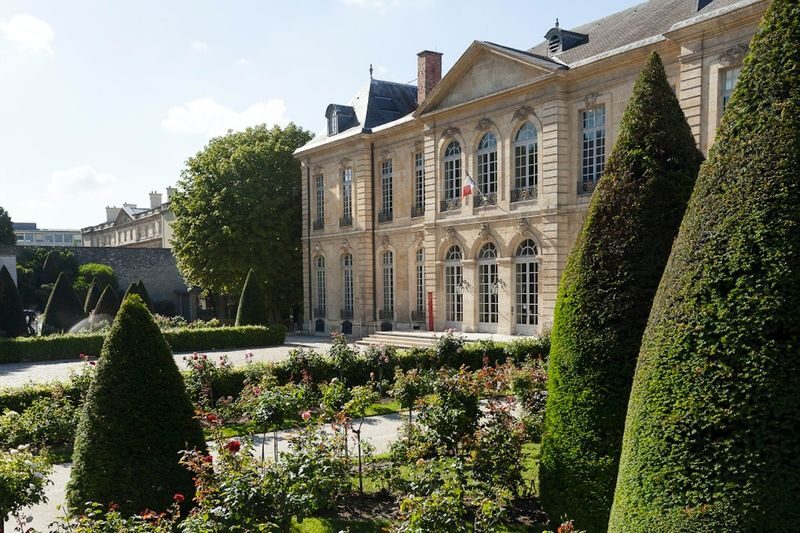
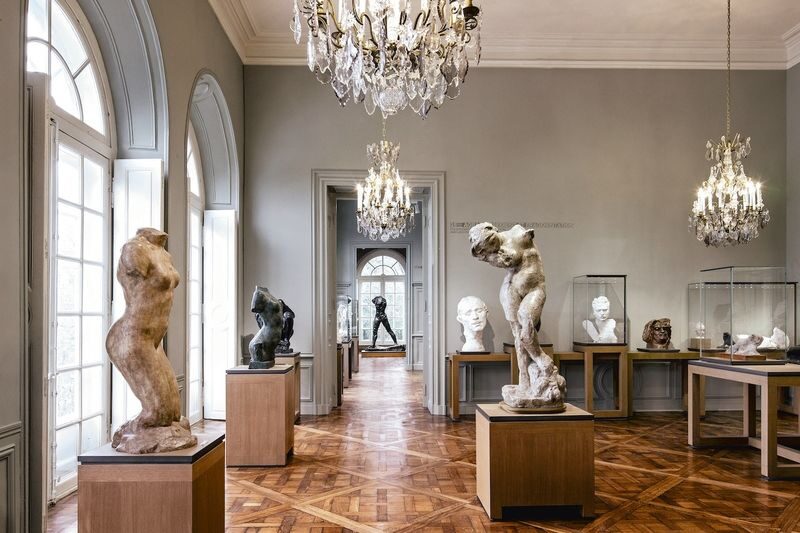
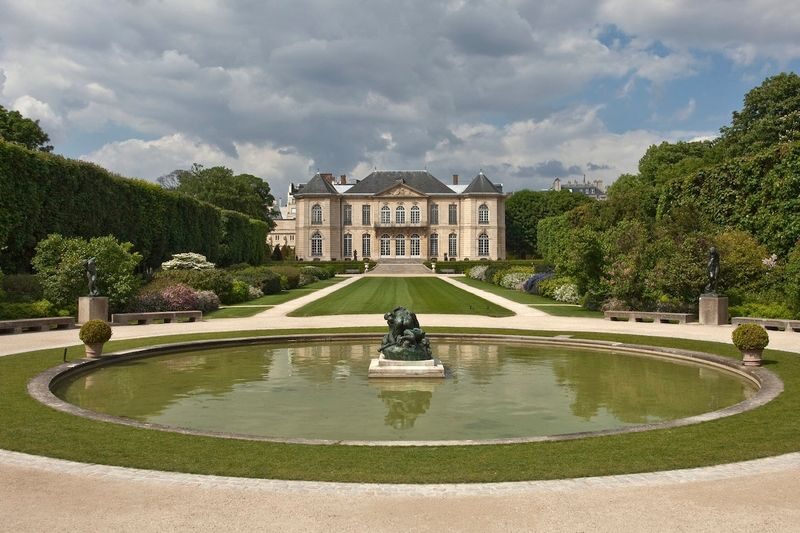
The visit begins at 77 Rue de Varenne in Paris’s 7th arrondissement. Inside, the museum occupies the 18th-century Hotel Biron, a handsome setting that gives the collection a domestic scale. You are not walking through a vast maze of galleries. The indoor display is spread across two floors, making it easier to keep your bearings.
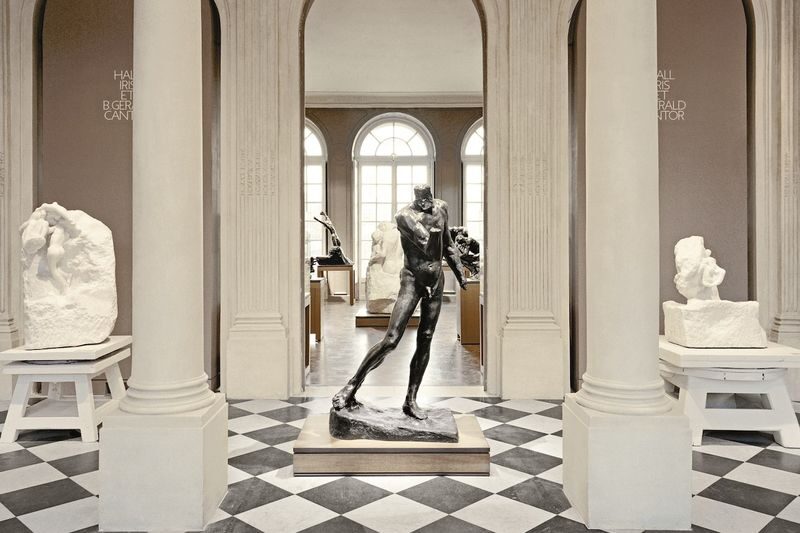
The rooms trace Rodin’s artistic development and working process. You can follow how his ideas changed over time, from early work that failed to meet the academic standards of the day to pieces that later helped define his reputation. That context matters: it makes the collection more than a procession of celebrated sculptures.
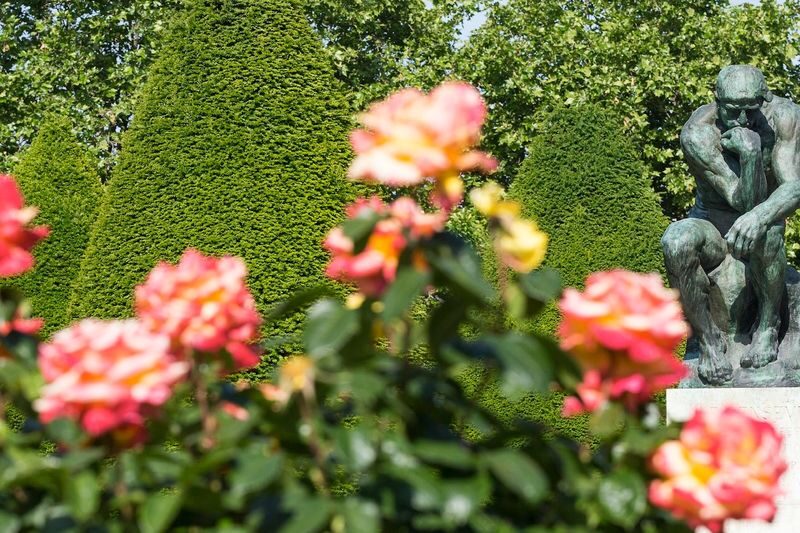
Look for original casts of The Thinker, The Kiss, and The Gates of Hell. These works are famous for good reason, but you do not need to rush from one to the next. Walk around them when the room allows, and notice how a sculpture changes as you shift your angle. In Rodin’s work, posture and movement often carry the emotion.
The museum also includes works from Rodin’s personal collection, among them paintings by Vincent van Gogh, Claude Monet, and Edvard Munch. These are a welcome change of pace from sculpture and offer a glimpse of the art Rodin chose to keep around him. If you are visiting with someone who is less focused on sculpture, this broader mix can help hold their attention.
The rooms are carefully arranged to show chronology, style, and process. Still, this is a self-guided ticket, not a guided tour. You will need to read the displays and set your own pace. If you like to know the story behind each work, consider doing a little preparation before arrival or reading the museum’s wall information as you go.
Take the sculpture outdoors
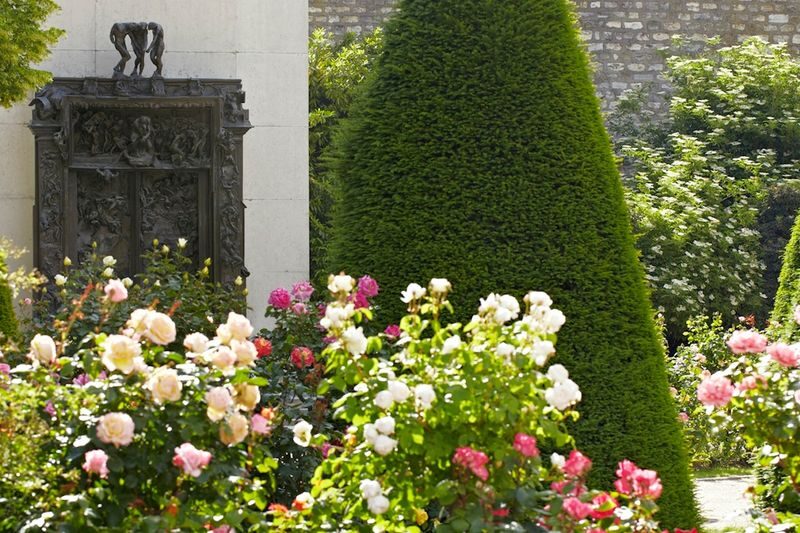
The garden is not an optional extra tacked onto the museum. It is one of the visit’s main attractions, and admission includes it. Rodin’s sculptures stand among lawns and paths, giving you room to pause, circle a figure, and see how outdoor light changes its surface.
I find this setting especially useful for understanding scale and presence. A work that feels contained indoors can take on a different character in open air. The garden also makes the visit feel less formal. You can alternate between looking closely at art and simply taking a walk.
The grounds are large enough to make a pleasant pause, but do not assume that every path offers shade. On a sunny day, bring water and sunscreen, especially if you plan to spend time outside. In hot weather, the indoor rooms may also feel warm; there is no air conditioning, so a very hot afternoon can make close viewing less comfortable.
There is a café in the garden for coffee and light meals, which can be handy if you want to take a break without leaving the museum grounds. The garden is also one reason this visit suits families and mixed-interest groups: children can get a change of scene, while adults can spend longer with the sculpture. The exact facilities and activities available can vary, so treat the garden as a place to walk and rest rather than planning around specific play equipment.
How much time to set aside
Plan on one to two hours. If you mainly want to see the major sculptures and take a short garden walk, the shorter end may be enough. If you like reading the displays, looking closely at the paintings, and wandering through the grounds, allow more time.
The two-floor indoor section is relatively compact compared with Paris’s largest museums. That makes the Rodin Museum a good fit for a day when you want art without committing several hours to a huge institution. It also pairs naturally with other nearby sightseeing, though leave yourself enough time to enjoy the garden rather than treating it as a quick passage between galleries.
Opening hours are Tuesday through Sunday, 10:00 to 18:30. The last admission is 45 minutes before closing, and the museum is closed on Mondays. Arriving late in the day can work for a focused visit, but it leaves little room for a slow garden walk. If you want both the house and grounds, arrive with more time to spare.
Is skip-the-line admission worth it?
The ticket includes entry to the permanent collections, temporary exhibitions, and sculpture garden. At a starting price of $18.49, the value depends on whether you want to see both the collection and the grounds. For a visitor interested in Rodin, this is a compact cultural stop with several layers: major sculptures, works by other artists, an 18th-century building, and outdoor displays.
The convenience is straightforward: present your mobile voucher at the museum. Some ticket holders have been able to scan the barcode and enter directly, without exchanging it for a paper ticket. But the phrase skip-the-line needs a bit of caution. There may not be a separate entrance, and a ticket does not guarantee that you will avoid every queue. If entry speed is the main reason you are buying, check the current instructions and be prepared for possible waiting.
The ticket is valid only on the selected date, and on a selected time if one applies. Booking conditions also matter: free cancellation is available within 24 hours for bookings made more than two days ahead. Same-day and next-day bookings cannot be cancelled, and issuing the voucher in advance makes the booking non-refundable. Check the terms shown for your specific purchase before paying.
You can also read our reviews of more tours and experiences in Paris



A few practical details before you go
Large bags and suitcases of all sizes are prohibited. Small backpacks are permitted but must be stored, and lockers are located near the museum entrance. Pack light, especially if you are arriving with luggage between hotels or after a day of sightseeing.
The museum is wheelchair-accessible. Ramps and a lift provide access in the building, which can make the two-floor collection easier to visit. If you have particular access needs, it is still sensible to confirm current arrangements with the museum before your visit.
Admission is free for children aged 0 to 18. Free entry also applies to EU residents aged 18 to 25, French jobseekers with a certificate less than six months old, and disabled visitors plus one carer with valid identification. If you qualify, check the museum’s requirements before purchasing a ticket.
There is no tour guide included in this admission. You can explore at your own pace, which suits visitors who prefer freedom over a fixed schedule. The trade-off is that you will not have a guide explaining the relationships between Rodin’s works or pointing out details you might otherwise miss.
Who will enjoy this visit most?
I would choose the Rodin Museum if sculpture interests you, but I would also recommend it to anyone who wants a quieter change of pace from larger Paris museums. The garden gives the visit a relaxed rhythm, while the indoor displays supply enough context to make the sculptures more meaningful than a quick photo stop.
It is also a sensible option for families and groups with mixed interests. You can take the indoor rooms at a comfortable pace, then head outside for a walk and a rest. The collection is focused, so it is less demanding than a full day in a huge museum.
If you are not keen on sculpture, or you expect an in-depth guided experience, this may not be the best use of your time. The admission is self-guided, and Rodin’s work is the central draw. Still, the paintings, architecture, and garden offer variety beyond the headline statues.
Should you book the Rodin Museum ticket?
Book if you want to see Rodin’s major works in both a historic house and an inviting garden, and if one to two hours fits your Paris plans. The combination of The Thinker, The Kiss, The Gates of Hell, paintings from Rodin’s collection, and outdoor sculpture makes this a rewarding visit for a moderate commitment.
Go with realistic expectations about skip-the-line entry, and avoid the hottest part of a summer day if you are sensitive to heat. If you want a guided explanation, arrange that separately. For a flexible, self-guided stop that balances art with fresh air, this ticket is a practical choice.
Rodin Museum Skip-the-line Admission in Paris
“The garden alone makes this place worth visiting, and it's also great for families. You can get up close to the master's home and admire works in v…”
FAQ
Where is the Rodin Museum?
It is at 77 Rue de Varenne, 75007 Paris, France.
How long should I plan for a visit?
Plan on one to two hours for the indoor collection and sculpture garden.
What are the museum’s opening hours?
The museum is open Tuesday through Sunday from 10:00 to 18:30. It is closed on Monday.
What time is last admission?
Last admission is 45 minutes before closing.
What does the ticket include?
It includes admission to the permanent collections, temporary exhibitions, and sculpture garden.
Is a tour guide included?
No. The ticket is for self-guided admission, and a tour guide is not included.
Can I enter with a mobile voucher?
Yes. Present your mobile voucher at the museum.
Are large bags allowed?
No. Suitcases and large bags are prohibited. Small backpacks are permitted but must be stored, and lockers are near the entrance.
Is the museum wheelchair-accessible?
Yes. The activity is wheelchair-accessible.
Who is eligible for free admission?
Admission is free for children aged 0 to 18, EU residents aged 18 to 25, French jobseekers with a certificate less than six months old, and disabled visitors plus one carer with valid ID.