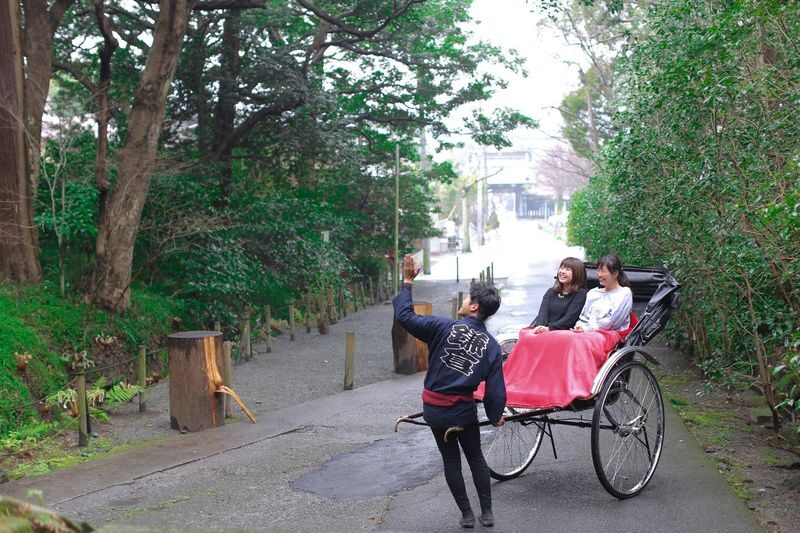
Kamakura’s rickshaws offer a quick way to leave the main streets behind and see the city from a slower, more personal vantage point. Your guide pulls you through neighbourhood lanes and past temples, sharing local history and suggesting places to eat along the way.
I like two things here: the route can be tailored to your available time, and a guide can help you spot side streets and places you might miss on your own. I also like that the ride saves your feet while still letting you feel the ocean breeze and see the seasonal flowers.
The main consideration is time. The 30-minute ride is a sampler, not a full tour of Kamakura, and even the longer options cannot include every stop at leisure. You’ll also need at least two participants to book.
What to know before you book
- Choose your ride length: The 30-minute tour starts at $63.09, the 60-minute option at $107.20, and the 120-minute tour at $201.79.
- Routes include well-known sights and quieter lanes: Stops vary by duration and can be customized within the time available.
- Ask your guide about food and local culture: Guides share history and can point you toward places to eat.
- Go for the photos as well as the ride: Guides such as Satoshi have helped riders take photos with their own phones.
- Plan for a small group: The booking requires at least two participants and allows groups of two to four.
- Treat the listed stops as route possibilities: Your starting and finishing points, as well as the route, can be adjusted to suit your interests and convenience.
👉 See our pick of the 2 Best Historical Tours In Kamakura
- What to know before you book
- A different pace through Kamakura
- What the 30-minute ride can cover
- The 60-minute route adds room to explore
- The two-hour ride reaches the seaside
- Your guide can make the ride
- What the fare includes, and what it doesn’t
- Practical details for a smooth start
- Who should book this ride?
- FAQ
- How long are the rickshaw tours?
- What is the starting price?
- What is included in the fare?
- Where is the meeting point?
- How many people are needed to book?
- Can children join?
- Can I customize the route?
- What happens if bad weather cancels the ride?
- The Best Of Kamakura!
- More Tours in Kamakura
- More Tour Reviews in Kamakura
- Not for you? Here's more nearby things to do in Kamakura we have reviewed
A different pace through Kamakura
 1 / 4
 2 / 4
 3 / 4
 4 / 4
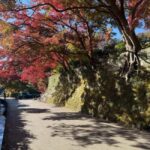
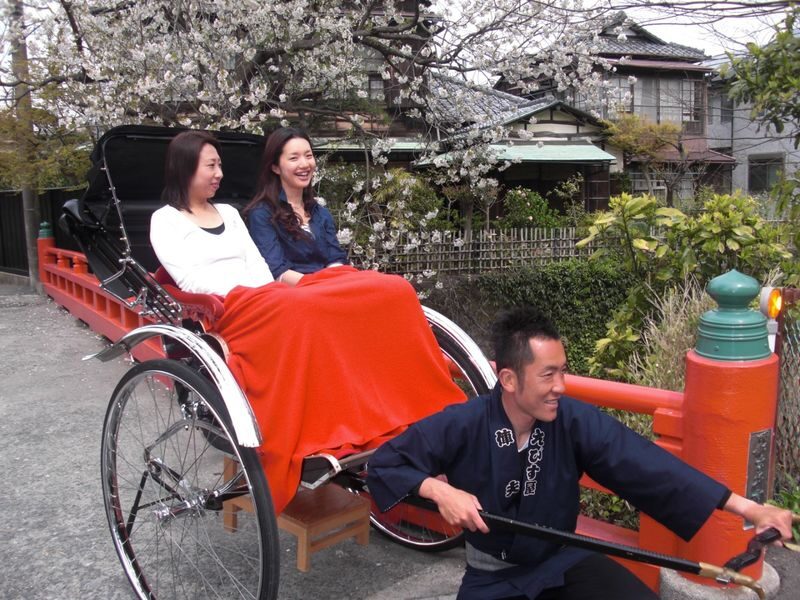
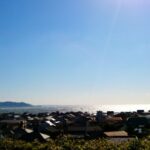
Kamakura is often explored on foot or by train, but a rickshaw changes the scale of the outing. You sit back while your guide handles the route, and the streets pass at a pace that gives you time to notice the neighbourhood rather than just move between sights.
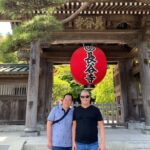
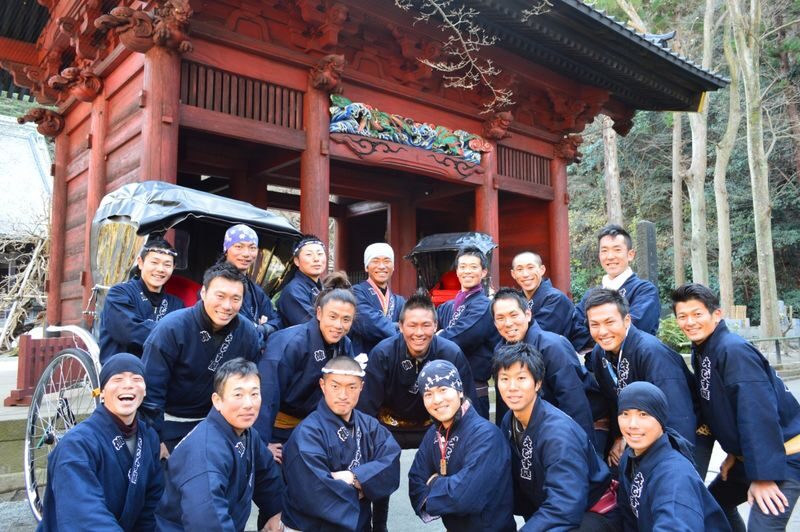
The experience is guided by an English- or Japanese-speaking driver. Guides have included Satoshi, Natsuru, and Akita. Satoshi has been praised for making the ride entertaining and informative, and for helping with phone photography. That personal touch can matter if you want a good picture without turning the trip into a solo camera project.
This is not a substitute for visiting temples or museums at length. Admission fees are not included, and a half-hour ride is designed to show you around, not give you time to explore every stop inside. Think of the rickshaw as a guided introduction, a comfortable way to connect a few sights, or a break from a day of walking.
You can also read our reviews of more tours and experiences in Kamakura.
What the 30-minute ride can cover
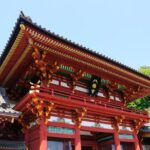
The shortest option is a compact outing with stops and highlights that include Jufukuji Temple, Eishoji Temple, the Kamakura neighbourhood, and Tsurugaoka Hachimangu Shrine. The route can be customized within the time available, including where you start and finish.
Thirty minutes is best for a taste of the experience. It gives you a chance to see some neighbourhood streets and hear your guide’s local perspective, but you’ll need to keep expectations modest. If you want to linger at a temple, add another attraction, or take your time with photos, a longer booking will give you more breathing room.
I’d consider this version if you have a packed schedule, want to try a rickshaw before committing to a longer ride, or need a gentle introduction to Kamakura. It can also work as a short break between other plans. Just decide what matters most before setting off, since customization helps you focus, but the clock still runs.
The 60-minute route adds room to explore
The one-hour option lists the Site of Shogunate, the Tomb of Minamoto Yorimoto, Egara Tenjin Shrine, Sugimoto Shrine, Hokoku-ji Temple, and Tsurugaoka Hachimangu Shrine among its highlights. That gives you a broader selection of historic and religious sites than the short ride, while keeping the outing to a manageable hour.
The names alone suggest why this route suits visitors who want more than a quick circuit. You can ask your guide to explain the places you pass and how they fit into Kamakura’s story. Because the route is customizable, you can share your interests and make sensible choices rather than try to cram every listed stop into one ride.
A practical bonus is the break from walking. One rider described the hour as a good way to explore Kamakura without tiring their feet, and that is a real part of the value. You’re still outdoors and seeing the city, but you’re not spending the whole day on foot. This option is a good middle ground if the 30-minute tour sounds rushed and two hours feels like too much.
The two-hour ride reaches the seaside
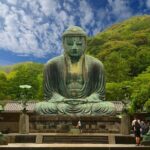
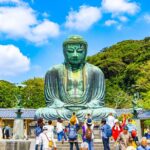
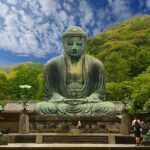
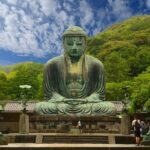
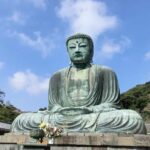
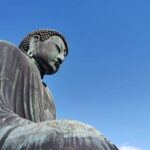
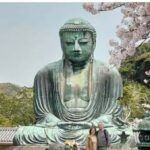
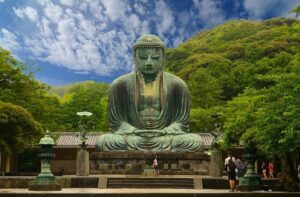
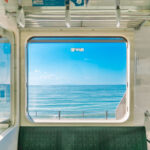
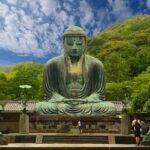
The longest option includes Jufukuji Temple, Eishoji Temple, Kamakura neighbourhood streets, the Kamakura Museum of Literature, Amanawa Shrine, the Great Buddha statue, Goryo Shrine, the seaside and beach, and Hase Station on the Enoden train line. It offers the widest range of sights and the clearest chance to connect the city’s temples, neighbourhoods, and coast in one outing.
The draw is variety. You may pass from quiet lanes and shrines to the Great Buddha and the seaside, with your guide providing context along the way. The ride also ends near Hase Station on the Enoden line, which can be useful if you want to continue your day by train. Check with the operator about the precise end point when customizing the route.
Two hours costs more, but it buys time and range rather than simply a longer ride around the same streets. It makes sense if you want a guided overview and would rather not plan every connection yourself. The trade-off is that it takes a substantial block of your day, and the listed highlights should not be mistaken for guaranteed long visits inside each attraction.
Your guide can make the ride
A rickshaw ride depends heavily on the person pulling it. The guide is your driver, storyteller, and local point of contact, so the experience can feel quite different from a taxi ride. You can ask about the places you pass, the city’s culture and history, and where to eat.
The guides named by riders include Satoshi, Natsuru, and Akita. Satoshi has been singled out for humour, warmth, explanations of local history, and an eye for good photo spots. He has also helped take pictures using riders’ own phones. That can be especially useful if you’re travelling as a couple or family and want a photo with everyone in it. These names are examples of guides who have led rides, not a guarantee of who will be assigned to your booking.
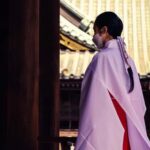
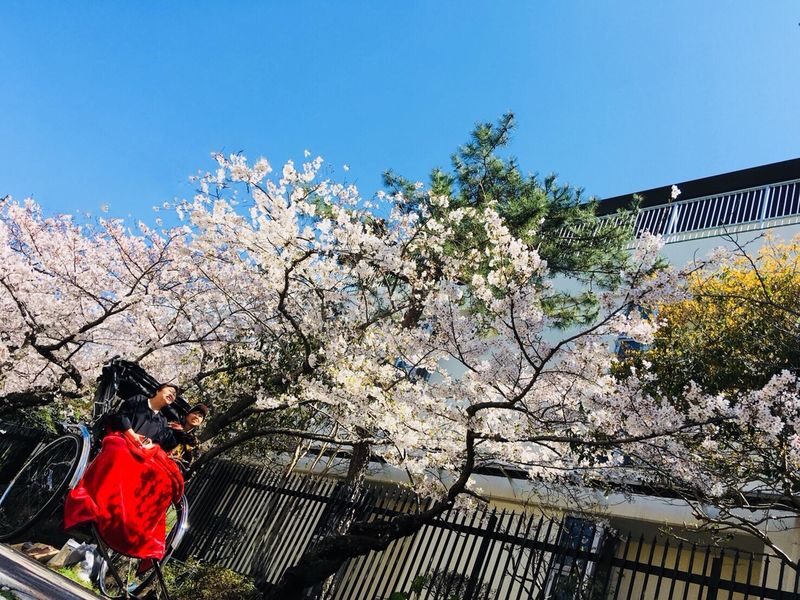
If photos matter to you, bring your phone and ask for help. Selfie sticks are prohibited at the venue. If you plan to wear a kimono, the rickshaw can make a memorable way to see the city in it, and it may add a distinctive touch to your pictures. Kimono rental is separate and not included.
What the fare includes, and what it doesn’t
Prices start at $63.09 for 30 minutes, $107.20 for an hour, and $201.79 for two hours. The English- or Japanese-speaking guide and the rickshaw ride are included. Admission to attractions, personal expenses, and tips are not.
The value depends on what you want from Kamakura. If you mainly need transportation, this is a costly alternative to walking or taking a train. But that misses the point: you’re paying for a guided, open-air ride, flexible routing, and the chance to hear about places as you pass them. The longer tours offer more time to cover a wider area, so they may make better sense if you value the guide’s local knowledge and want to visit several parts of town.
The same price applies across ages, but children aged five and under can ride free if they do not need a separate seat. Children aged six and older are charged the adult rate. The group size is two to four people, with a minimum of two required. If the minimum is not met, you can choose another date or request a full refund.
Practical details for a smooth start
The meeting point is Kamakura, at the Ebisuya Kamakura office, Front-avenue Bld. 1F, 1-12-3 Yukinoshita. The operator sends an email with a map and a photograph of the meeting place. Arrive 10 minutes before your scheduled start, since late arrivals and no-shows are not refundable.
Kamakura Station is served by the Enoden, Shonan-Shinjuku, and Yokosuka lines. There is no luggage storage facility at the venue. Luggage and baby strollers can be attached to the back of the rickshaw or stored at a branch, while light folding wheelchairs can be carried on the back or sent separately to the final destination. The activity is listed as stroller- and wheelchair-accessible.
The operator may cancel in extreme weather or due to unforeseen events. If that happens, you can reschedule or request a refund. You can also cancel for a full refund if you do so at least 24 hours before the activity date. Booking changes are allowed until 24 hours before the start, with some restrictions for bookings made through certain passes, presales, freebies, or vouchers that have not yet been issued. The voucher is valid only on the date and time specified, so check your confirmation carefully.
Who should book this ride?
I’d recommend the rickshaw for first-time visitors who want a friendly introduction to Kamakura, anyone who would appreciate a break from walking, and people who value local commentary more than a rigid sightseeing schedule. It also suits small groups looking for a memorable shared outing, especially if they want help getting photos along the way.
The 30-minute tour is best for a quick taste. Pick an hour if you want a better balance between time and coverage. Choose two hours if you want to link temples, neighbourhood lanes, the Great Buddha, and the coast in one guided ride.
Skip it if your priority is the lowest-cost way to get around, or if you prefer to spend a long time inside each attraction. If you book, arrive early, tell your guide what interests you, and use the route flexibility to make the ride your own.
Rickshaw Experience in Kamakura
“A great way to explore Kamakura without hurting your feet! Shoutout to Natsuru for a very enjoyable experience!”
FAQ
How long are the rickshaw tours?
You can choose a 30-minute, 60-minute, or 120-minute ride.
What is the starting price?
The 30-minute tour starts at $63.09. The 60-minute tour starts at $107.20, and the 120-minute tour starts at $201.79.
What is included in the fare?
The fare includes a rickshaw ride and an English- or Japanese-speaking guide. Attraction admission, personal expenses, and tips are not included.
Where is the meeting point?
Meet at the Ebisuya Kamakura office, Front-avenue Bld. 1F, 1-12-3 Yukinoshita, Kamakura. The operator sends a map and photograph of the meeting place.
How many people are needed to book?
A minimum of two participants is required. Groups can have two to four participants.
Can children join?
Children aged zero to five can join free if they do not occupy a separate seat. Children aged six and older pay the same rate as adults.
Can I customize the route?
Yes. You can customize the route within the time you booked, including the starting and finishing points, according to your interests and convenience.
What happens if bad weather cancels the ride?
The operator may cancel for extreme weather or unforeseen events. You can then reschedule or request a full refund.