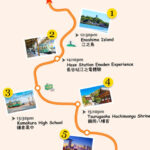
A single day takes you from Kamakura’s samurai-era shrine to Enoshima’s island paths, then on to Yokohama’s harbor lights. The trip’s signature moment may be the short Enoden train ride, where the route threads past homes and the Shonan coast before reaching the famous Kamakura High School crossing.
I like the combination of door-to-door group transport from Shinjuku and time to explore on your own, plus the unusual contrast between island shrines and a modern port city after dark. The trade-off is a full schedule: traffic, crowds, or weather can shorten stops, and Yokohama’s cable car and Ferris wheel cost extra.
- At a glance
- Kamakura and Yokohama in one long day
- Tsurugaoka Hachimangu: Kamakura’s historic center
- The Enoden: a small train ride with a big role
- Kamakura High School and the famous crossing
- Enoshima: shrine paths, sea air, and uphill walking
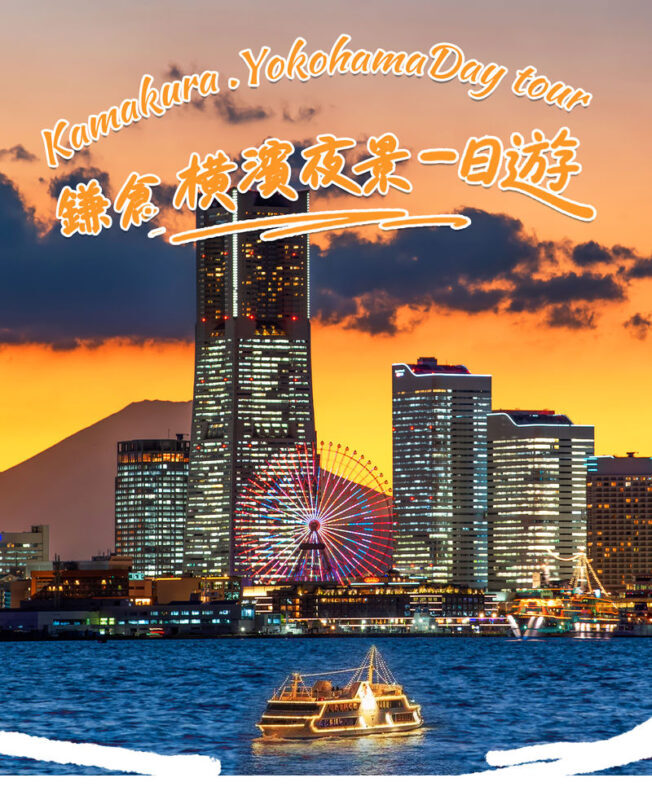
- Yokohama after sunset
- What the price includes, and what it does not
- Guide, pace, and practical preparation
- Should you book this Kamakura and Yokohama tour?
- FAQ
- How long is the tour?
- Where does the tour depart from?
- Is the Enoden train fare included?
- Are the Yokohama Air Cabin and Ferris wheel included?
- Are meals included?
- Which guide languages can I choose?
- Can children join the tour?
- Can I bring luggage?
- Can I get a refund if I cancel?
- The Best Of Kamakura!
- More Tours in Kamakura
- More Tour Reviews in Kamakura
- Not for you? Here's more nearby things to do in Kamakura we have reviewed
At a glance
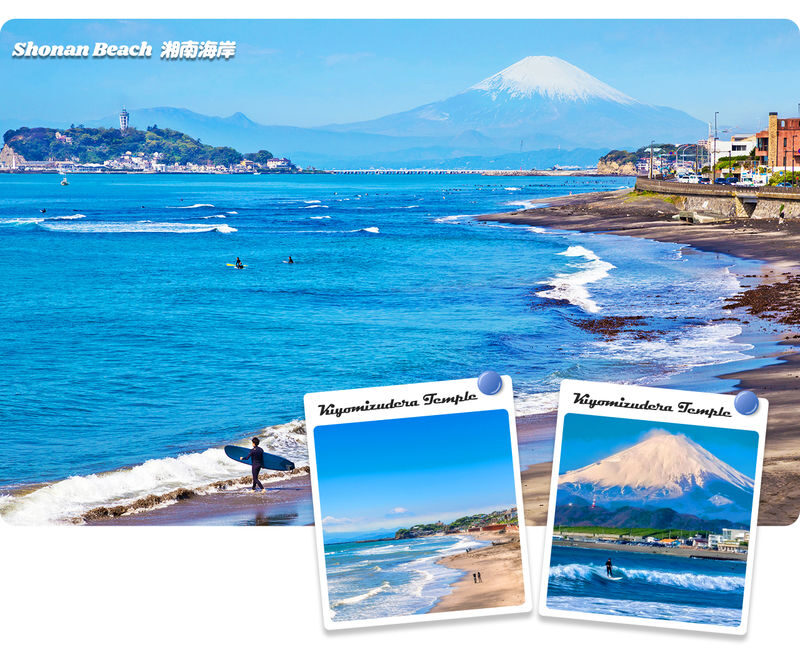
- Enoden ride included: The brief local train journey links Kamakura Station with the Kamakura High School area. Stay with your guide and group when boarding.
- Three distinct settings: Visit a historic shrine, walk through Enoshima, and finish among Yokohama’s waterfront sights.
- A long but late-starting day: The tour is scheduled from 11:00 to about 21:10, a useful option if you would rather not start at dawn.
- Independent time at stops: Most sightseeing is self-guided, so you can choose whether to browse, take photos, or pause for food.
- Optional Yokohama rides: The Air Cabin and Cosmo Clock 21 Ferris wheel are not included in the tour price.
- Guide quality matters: The tour offers English- and Chinese-speaking options. Guides including Jack and Yaya have been praised for clear instructions, friendly help, and keeping the group on schedule.
👉 See our pick of the 2 Best Historical Tours In Kamakura
Kamakura and Yokohama in one long day
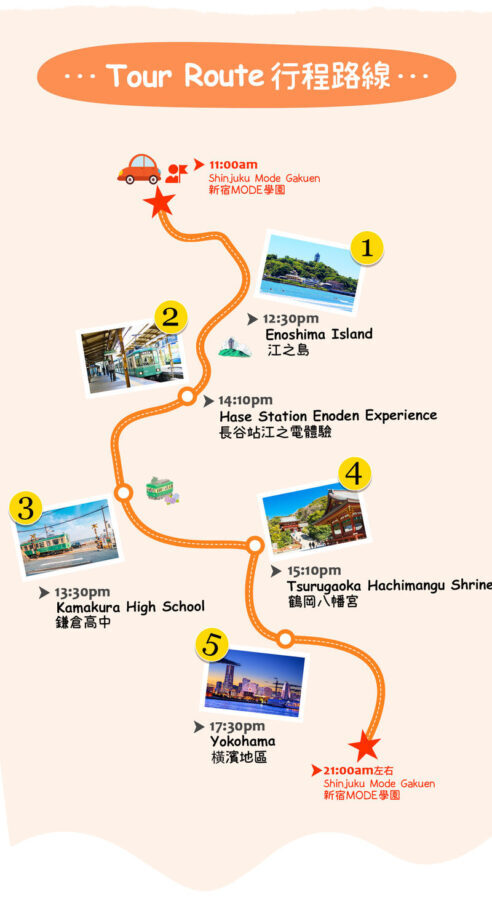
This tour covers ground that can take more planning to connect independently. You start in Shinjuku, travel by vehicle to Kamakura, use the Enoden for one leg of the route, then continue through Enoshima and on to Yokohama. The return to Shinjuku is estimated for 21:10 to 21:40.
That setup is the main value. You do not need to work out each transfer or keep track of separate train tickets for the whole day. The Enoden fare is included, and a guide coordinates meet-up times and explains the day’s stops. If you are new to the area, that can make a busy itinerary feel much more manageable.
The trade-off is limited flexibility. This is a shared group tour for 4 to 48 people, and you cannot leave early and rejoin later. The guide may change the order or shorten time at some places because of traffic, weather, crowding, or the vehicle’s legal time limit. Treat the timetable as a plan, not a promise.
You can also read our reviews of more tours and experiences in Kamakura
Tsurugaoka Hachimangu: Kamakura’s historic center
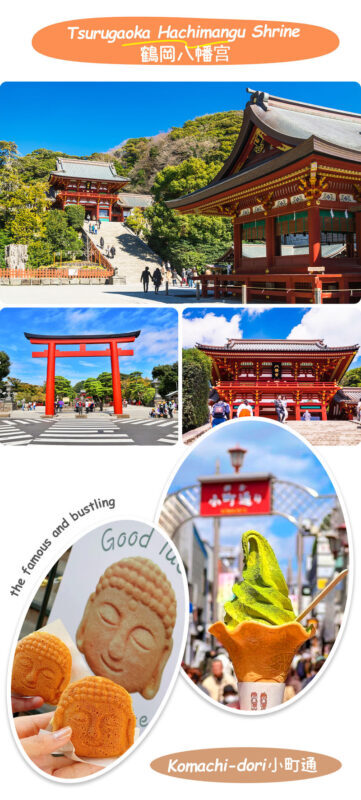
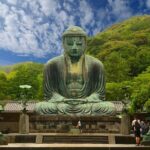
The first major stop is Tsurugaoka Hachimangu, scheduled for about 1 hour and 20 minutes of independent sightseeing. The shrine is closely tied to the Kamakura Shogunate and served as a central place of worship for samurai. That historical role gives the broad approach and shrine grounds more weight than a quick photo stop.
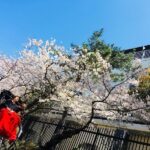
You have enough time to walk the approach, see the main shrine buildings, and take in the setting. Seasonal trees and flowers add interest, though the exact look depends on when you visit. The tour does not include a detailed guided visit at the shrine, so the guide’s introduction and any information available on site will shape how much context you get.
Time can feel tight if you want to explore every corner. One visitor found there was only enough time for a quick look at the shrine’s exterior on a particularly compressed day. If this shrine is a priority, move purposefully once you arrive and keep an eye on your return meeting time.
The Enoden: a small train ride with a big role
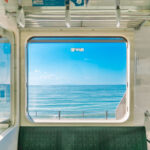
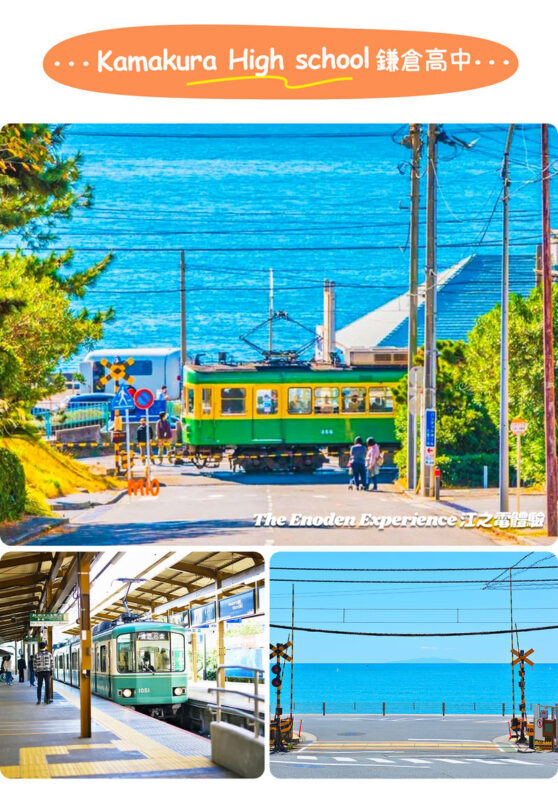
From Kamakura Station, the group takes the Enoden toward Kamakura Koko-mae. The rail journey is short, around 15 minutes in the schedule, but it is one of the day’s most distinctive parts. The train runs through local streets and along the coast, offering a very different view from the road transfer.
The fare is included as part of the tour. Follow your guide closely when approaching the station and boarding. The operator warns that if you fall behind, you may be responsible for missing the train. The ride can also be affected by circumstances beyond the group’s control, and no refund is given if force majeure prevents it.
This is not a long scenic rail excursion, so keep expectations in proportion. It is a memorable local connection, not a guaranteed seat by the window or an extended coastal ride. Crowds can disrupt the plan: during a busy holiday period, one group had to skip the tram. The guide may adjust the route when capacity or conditions require it.
Kamakura High School and the famous crossing
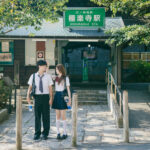
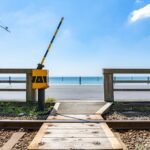
Kamakura Koko-mae Station is a brief stop, scheduled for about 20 minutes. The nearby railway crossing is associated with a well-known scene from the manga Slam Dunk, and the station area draws fans hoping to recreate the view. Even if you do not know the series, the crossing offers a striking meeting of rail line, road, and sea.
Keep the visit simple. Twenty minutes is enough for a look and a few photos if the area is not too crowded, but it is not time for a long wander. The crossing is a working public place, not a private photo set. Be mindful of traffic, railway safety, and other people waiting for their turn.
The stop is more about atmosphere and pop culture than a deep visit to the school itself. The school is the model for Ryonan High School in the manga, while the well-known scene is linked to the crossing near the station. If the series means a lot to you, this may be one of the day’s most personal moments. If not, think of it as a quick coastal photo stop.
Enoshima: shrine paths, sea air, and uphill walking
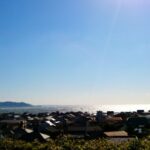
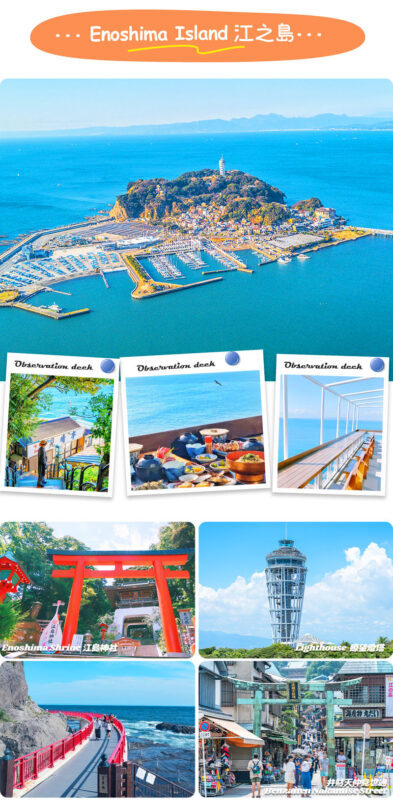
The group reaches Enoshima via the Benzaiten Bridge, with about 20 minutes scheduled for the walk from the station area, followed by roughly 1 hour and 40 minutes on the island. Enoshima’s appeal is its blend of religious sites, local legends, and views over the water. The island is associated with Benzaiten and the story of a five-headed dragon, adding a layer of folklore to the shrine visit.
Enoshima Shrine is the key cultural stop. The route involves slopes and stairs, so this is the most physically demanding part of the day. One useful option noted by a guide is the paid escalator, reported at 300 yen, which can save effort on the uphill stretch. It does not remove all walking, so comfortable shoes are a smart choice.
You can also look for the money-washing Benzaiten site, where visitors wash coins in hopes of good fortune. For a local snack, one guide recommended tako senbei, a crisp octopus cracker that was priced at about 600 yen at the time. Food and personal purchases are not included, and prices may change.
The island stop gives you time to explore, but not to do everything at a leisurely pace. One visitor regretted not reaching Iwaya Cave before the group had to move on. If the cave is important to you, check the day’s timing early and decide what to prioritize. The observatory is another optional attraction, with a reported admission of 800 yen; one visitor felt the sea views from elsewhere on the island were enough. Your own priorities may differ.
Yokohama after sunset
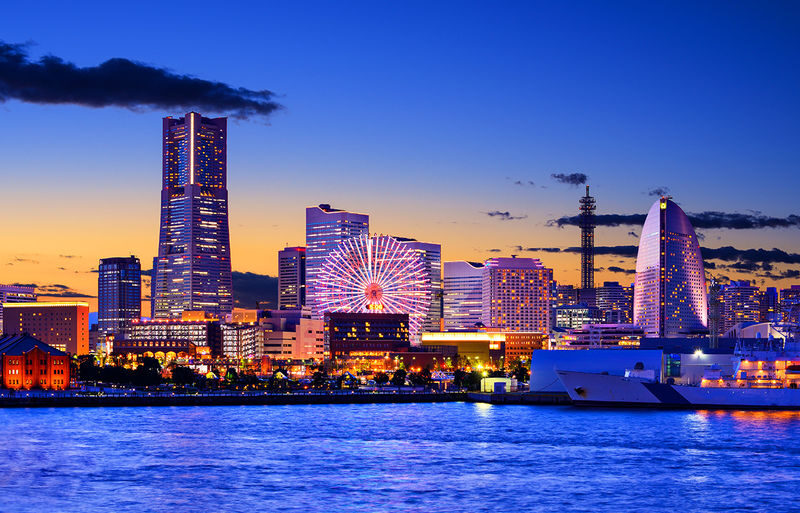
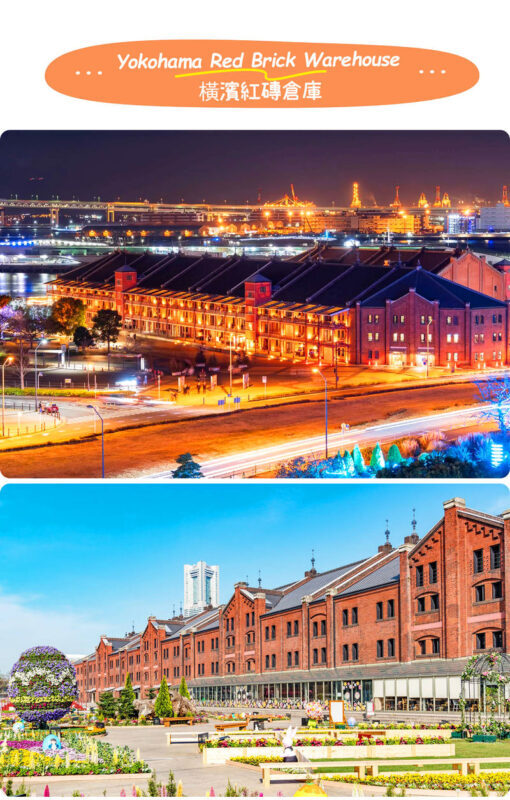
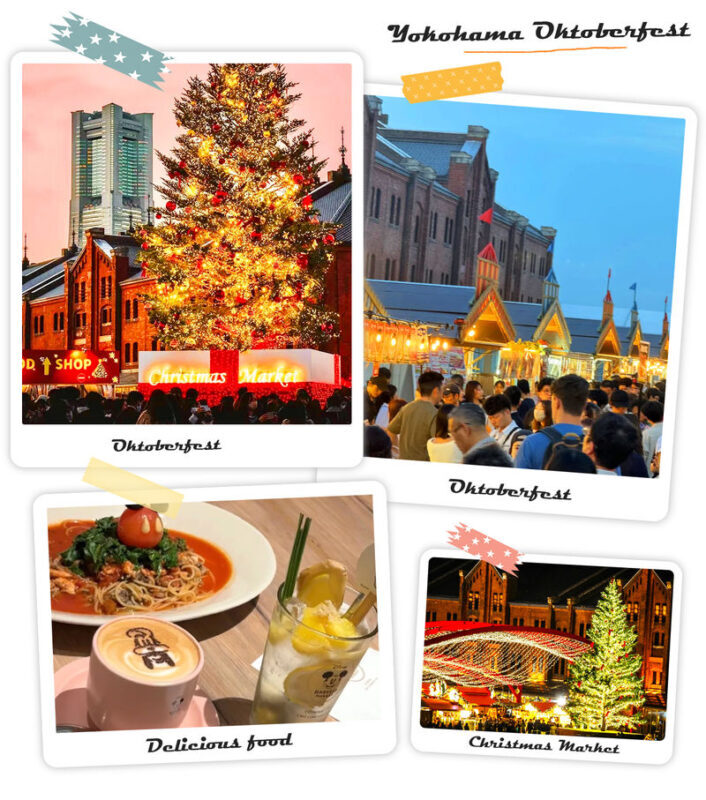
The final major stop is Yokohama, with about 2 hours and 30 minutes set aside for independent exploration. The Red Brick Warehouse is a natural anchor: historic brick buildings by the harbor, with the Yokohama Bay Bridge in view. It is a good place to walk, browse, eat, or simply enjoy the change of pace after Kamakura and Enoshima.
The Yokohama Air Cabin links the station area with the Red Brick Warehouse area, making it a convenient way to see the city from above. It costs extra, with a reference fare of 1,000 yen per person and 500 yen for children from age three through elementary school. The Cosmo Clock 21 Ferris wheel is another option, with an estimated fare of 1,000 yen and a ride lasting about 30 minutes. Neither is included in the tour price.
Choose one paid ride if you want a view from above, or keep your time and budget for the harbor walk. The time window is generous compared with some earlier stops, but traffic on the way to Yokohama can eat into it. One practical approach is to decide before arrival whether the Air Cabin, Ferris wheel, or Red Brick Warehouse matters most to you, then head there first.
The tour’s final return to Shinjuku is only an estimate. Traffic and weather can affect the drive, so do not book a timed activity later that night. The late finish is part of the trip’s appeal, but it leaves little room for a second plan.
What the price includes, and what it does not
At a starting price of $55.25, the tour offers a lot of geographic range for the cost. Round-trip vehicle transfers, a guide, and the Enoden fare are included. You also avoid arranging a sequence of separate connections between Tokyo, Kamakura, Enoshima, and Yokohama.
The base price does not cover meals, drinks, personal purchases, the Yokohama Air Cabin, or the Cosmo Clock 21 Ferris wheel. Island escalators and snacks are also additional expenses. Budget for those extras if you want to reduce uphill walking or add a ride after dark.
For value, this tour makes the most sense if convenience is worth more to you than choosing every stop and setting your own pace. It is less suitable if you want a long shrine visit, an unhurried Enoshima hike, or a deep exploration of Yokohama. You are paying for transport and a broad sampler, not a private guide or an all-inclusive day.
Guide, pace, and practical preparation
The tour offers Chinese-speaking and English-speaking guide options. The group may include people speaking other languages, and seating is generally assigned on a first-come basis, though you can note special needs when booking. The guide’s role is especially useful at transitions: meeting at stations, keeping the group together, and making sure everyone knows when to return.
Several guides, including Jack and Yaya, have been singled out for friendly communication, clear explanations, and careful time management. That is worth valuing on a day with several short stops. Still, the amount of historical explanation can vary with the guide and the day. The stops are largely self-guided, so do not expect a continuous, detailed lecture at every site.
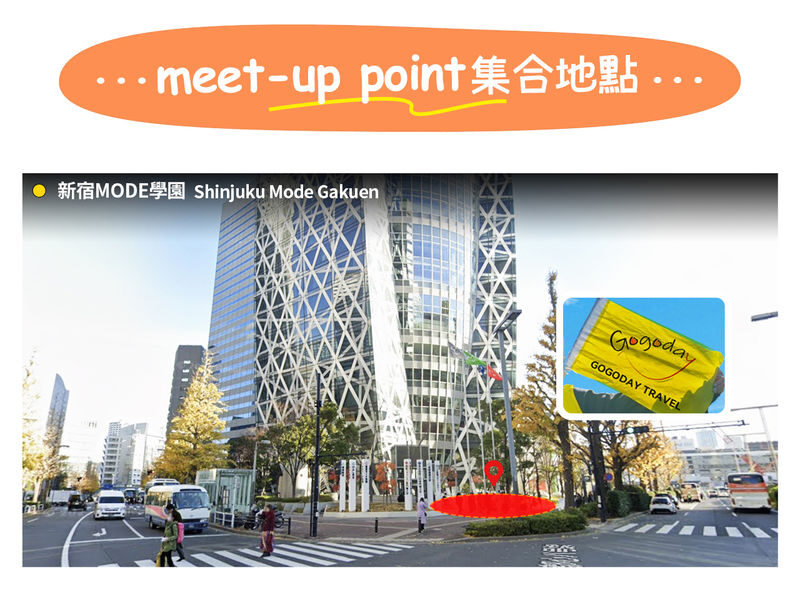
Arrive at the Shinjuku meeting point 10 minutes early. The listed meeting point is Tokyo Mode Gakuen, while the address details also refer to a location in Nishishinjuku. Check the operator’s email the night before for the exact meeting instructions, guide, and vehicle details, and check your spam folder if needed. Do not make a last-minute change to the meeting point.
Bring comfortable walking shoes, water, and money for meals and optional attractions. Each person may bring one piece of luggage at no charge, but you must notify the operator in advance. Child seats are not available. Children aged 0 to 2 can join free if they do not need a separate seat; children aged 3 and older pay the adult rate.
Should you book this Kamakura and Yokohama tour?
Book it if you want a straightforward way to see several sides of the region in one day: samurai-era Kamakura, a short Enoden ride, the Enoshima shrine area, and Yokohama’s evening harbor. It is particularly useful for a first visit, for families who value organized transport, and for anyone who would rather not plan the connections themselves.
Skip it if you prefer slow travel or want to spend most of a day in one place. The schedule is ambitious, and the most attractive stops can be crowded. The tour is best viewed as a well-supported sampler, with enough time to get a feel for each place and decide where you might return for longer.
Kamakura & Yokohama Full-Day Sightseeing Tour
“Mr. Kun guided through well and controlled the time for the group so all stops went on time.”
FAQ
How long is the tour?
The scheduled day runs from 11:00 to about 21:10, with an estimated return window of 21:10 to 21:40. Traffic and weather can change the actual arrival time.
Where does the tour depart from?
The meeting point is given as Tokyo Mode Gakuen in Shinjuku. The detailed address information also refers to 1-chome-7-1 Nishishinjuku, so check the email sent the night before for the exact meeting instructions.
Is the Enoden train fare included?
Yes. The Enoden experience is included in the tour price. If circumstances beyond the operator’s control prevent the group from taking it, the fare is not refunded.
Are the Yokohama Air Cabin and Ferris wheel included?
No. The Air Cabin and Cosmo Clock 21 Ferris wheel are optional and cost extra. The stated reference prices are 1,000 yen per person for the Air Cabin and about 1,000 yen per person for the Ferris wheel.
Are meals included?
No. Meals and drinks are not included, and personal expenses are your responsibility.
Which guide languages can I choose?
The package options include an English-speaking guide and a Chinese-speaking guide. The group vehicle may also carry people who speak other languages.
Can children join the tour?
Yes. Children aged 0 to 2 can join free if they do not occupy a separate seat. Children aged 3 and older pay the adult rate. Child seats are not available.
Can I bring luggage?
Each participant can bring one piece of luggage free of charge. You need to notify the operator in advance in the booking notes; unannounced luggage may be refused.
Can I get a refund if I cancel?
A full refund is available if you cancel at least 24 hours before the activity date, in local time. Late arrivals and no-shows are not refundable, and other changes or refunds depend on the stated conditions and availability.