Ramen is the point here, but the real pleasure is making the bowl yourself: knead and cut the noodles, prepare chicken chashu, choose a broth, and finish with toppings. You get a proper meal at the end, not just a cooking demonstration.
I like two things in particular: you make the noodles from scratch, and the English-speaking instructors fold in small notes about Japanese customs and culture while parts of the meal cook. The studio is also a handy stop after Osaka Castle, roughly a 20-minute walk away.
One consideration is price: the activity starts at $82.09, which is a noticeable spend for a meal. You are paying for a guided, hands-on class and a souvenir as well as the ramen, so it makes most sense if the process matters to you as much as lunch or dinner.
- At a glance
- From flour to a bowl of ramen
- What the class feels like
- A good stop after Osaka Castle
- What the price buys you
- Who will enjoy making ramen here
- A few practical details before booking
- Should you book this ramen class?
- FAQ
- How far is the studio from Osaka Castle?
- What is the studio’s address?
- Which train stations are near the studio?
- What ramen soup bases can I choose?
- Do I make the noodles from scratch?
- Is the class taught in English?
- What is the minimum age?
- Do children pay the adult rate?
- Is a meal included?
- Can I get a refund if I cancel?
- The Best Of Osaka!
- More Tours in Osaka
- More Tour Reviews in Osaka
- Not for you? Here's more nearby things to do in Osaka we have reviewed
At a glance
 1 / 8
 2 / 8
 3 / 8
 4 / 8
 5 / 8
 6 / 8
 7 / 8
 8 / 8
- Make the noodles by hand: Knead Japanese wheat flour dough, roll it out, and cut it into fresh ramen noodles.
- Choose your broth: Pick the studio’s original tonkotsu, shoyu, or miso base.
- Prepare chicken chashu: Make tender chicken chashu simmered in the studio’s broth.
- Learn in English: English-speaking guides and staff help beginners follow each step.
- Finish with a meal and keepsake: Eat the ramen you made and take home an original souvenir.
👉 See our pick of the 24 Best Workshops And Classes In Osaka
From flour to a bowl of ramen
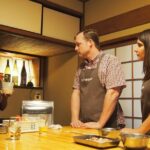
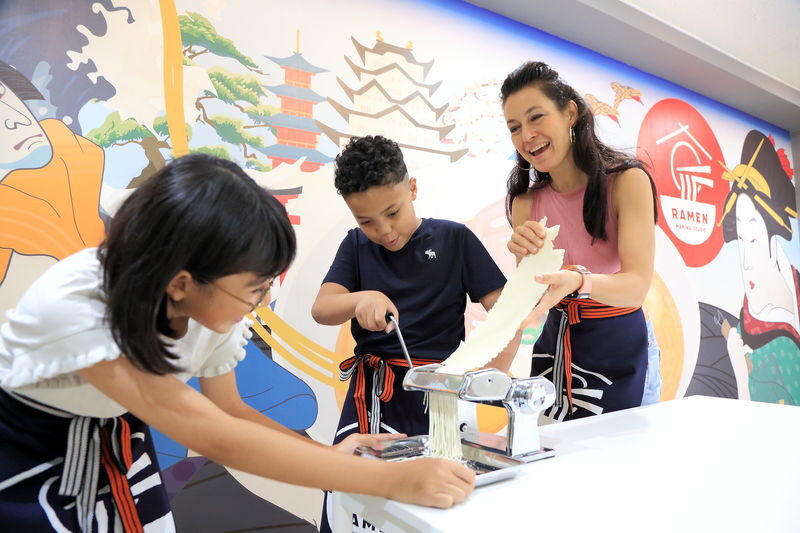
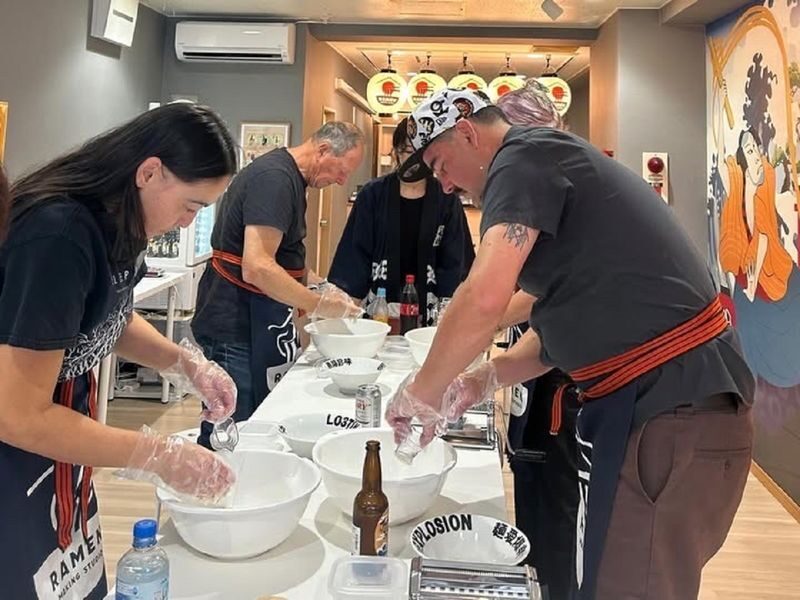
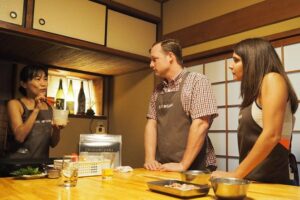
This class gives you a practical look at how several parts of ramen come together. You are not only watching a cook at work: you handle the dough, shape the noodles, prepare the chashu, and put together a bowl with your chosen soup base and toppings.
The hands-on part is a good fit for a first cooking class. Instructions are described as clear and patient, including for children and people who do not cook much. You should expect guidance through the process, not a test of your kitchen skills.
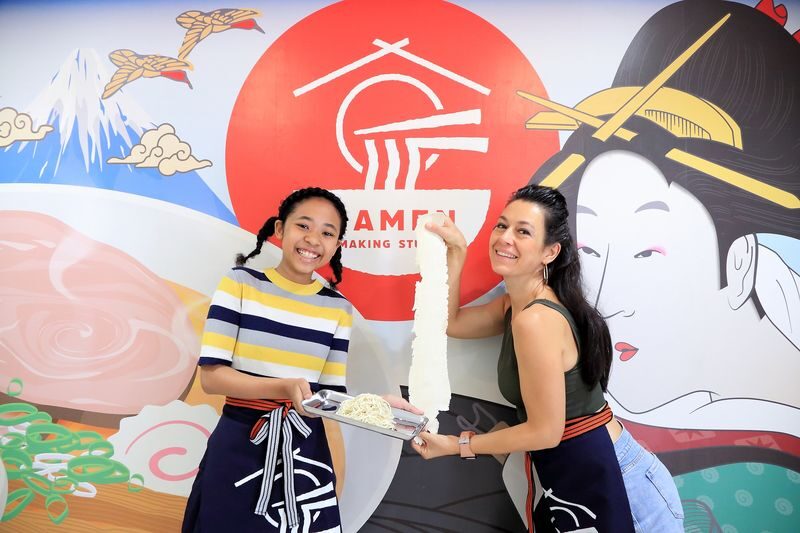
The noodles are the most distinctive part. You knead dough made with Japanese wheat flour, roll it out, then cut it into strands. It is a simple sequence, but doing it yourself gives you a better sense of the work behind a bowl that normally arrives at the table in minutes.
That physical part also makes the class more than a tasting. You can see and feel how a basic ingredient becomes something with a different texture and purpose. The process calls for a little effort, but the hosts are there to keep it manageable.
Next comes chicken chashu, simmered in the studio’s original broth. The class describes the result as tender, and this step offers a chance to understand how a topping can add more than decoration to the bowl. It contributes its own flavor and makes the finished ramen feel like a complete meal.
You then choose from tonkotsu, shoyu, or miso soup. That choice is useful if you already know the style you prefer, but it also gives you a reason to try a flavor you might not order on your own. The soup is the base that ties the noodles and toppings together, so the choice helps make the bowl feel personal.
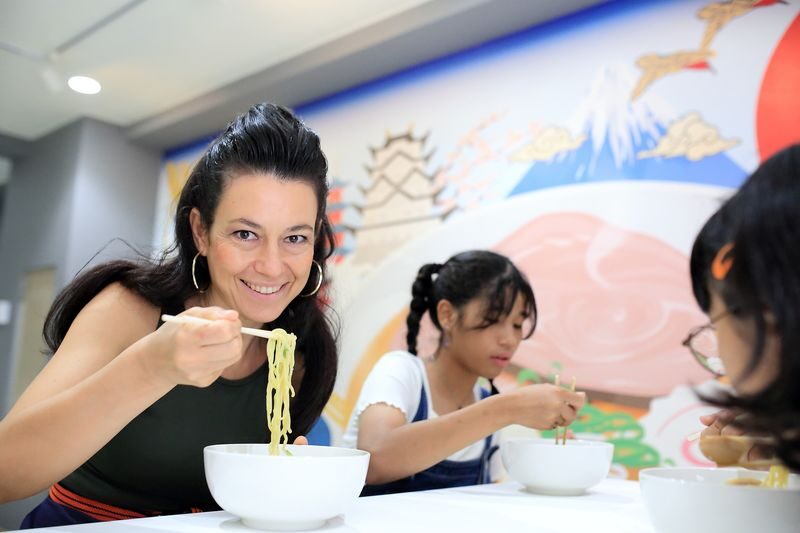
Once the parts are ready, you bring them together with toppings and eat what you have made. The reward is immediate: lunch or dinner, depending on your schedule, and a better idea of how the separate elements work as one dish.
You can also read our reviews of more tours and experiences in Osaka.



What the class feels like
The pace appears designed for learning rather than speed. There are pauses while parts of the food cook, and instructors use that time to explain Japanese culture, traditions, and objects in the studio. That can make the session feel fuller than a recipe lesson, especially if you are curious about everyday customs as well as food.
Instructors have included Shiori, Haruma, Kaito, Kumi, Yuka, Airi, Mahiro, and Tani. The names vary, of course, but the teaching style described across sessions is consistent: friendly, clear, and attentive. The staff help when needed without taking over the hands-on work.
One account puts the class at about two hours, including time to prepare and eat. The supplied activity details do not give a fixed duration, so leave room in your day rather than scheduling a tight connection immediately afterward.
The class can feel personal when few people have booked, and small groups are mentioned. At times, a booking has consisted of only one party or one participant, but you should not assume you will have a private session. If you prefer a group setting, ask the operator what to expect for your date.
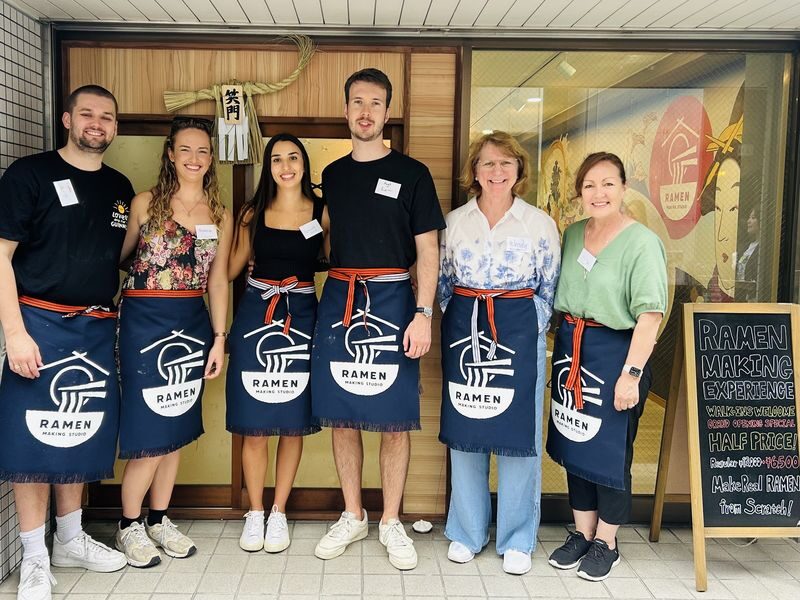
The studio is described as clean, calm, and comfortable, with ramen and Japanese motifs. A rare glass entrance more than 100 years old adds an unusual detail to the setting. Cultural items also give instructors something tangible to talk about between cooking steps.
A good stop after Osaka Castle
The address is 1F Higashitenma Heights, 1-4-2 Higashitenma, Kita-ku, Osaka City. From Osaka Castle, the studio is about a 20-minute walk, which makes it easy to pair the class with a visit to the landmark. You could see the castle first, then arrive hungry for the meal you will make.
Three stations are within roughly five to 10 minutes on foot: Tenmangu Station, exit 7, is about five minutes away; Tenmabashi Station, exit 13, and Minamimorimachi Station, exit 6, are each about 10 minutes away. Check your route and exit before setting off, since the right station exit can save a little backtracking.
Umeda Sky Building and Namba are about 20 to 30 minutes away by train. That puts the class within reach of other Osaka stops, though the studio is not right in the middle of those districts. Build in travel time if you are coming from elsewhere in the city.
The venue’s location is a practical advantage, but it is worth being realistic about the walk. Twenty minutes from Osaka Castle is an easy pairing for many people, but it may feel less appealing after a long day of sightseeing or in poor weather. The nearby stations give you alternatives.
What the price buys you
The listed starting price is $82.09. That is more than you would spend on a simple bowl of ramen, so the value depends on what you want from the outing. You are paying for guided instruction, the chance to make several parts of the dish yourself, English-language support, a meal, and a souvenir.
If you only want a quick, inexpensive meal, this is not the best use of your budget. If you enjoy cooking classes, want a shared activity, or like understanding how a familiar dish is made, the price covers an experience that extends beyond eating.
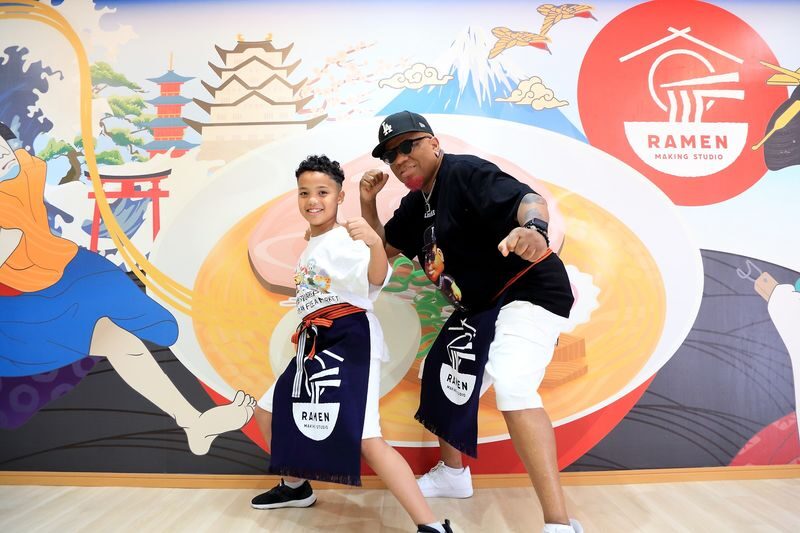
The class is especially appealing for families, couples, and small groups who want to do something together rather than simply sit down to dinner. Adults and children can take part, and the minimum age is five. Children ages five to 11 must come with a paying adult, while those aged 12 and older pay the adult rate.
The souvenir is part of the package, though the exact item may vary. A small pouch and recipe have been given after class, making the take-home element useful rather than purely decorative. The recipe is a nice reminder of the session, although you should not expect to reproduce every detail without the same ingredients and setup.
Who will enjoy making ramen here
This is a strong choice if ramen is one of the foods you want to understand beyond the menu. You will get to work with dough and broth, ask questions in English, and taste the result while the steps are still fresh in your mind.
Families have a lot to gain from the format. Children can take part in the noodle-making and assembly, while the instructors help keep the process clear. The class is suitable from age five, but younger children need a paying adult with them. The activity has been enjoyed by families with school-age children and teenagers.
Couples and friends may like the mix of teamwork and individual choices. You can share the process and still choose your own broth. For solo visitors, the class can still work well: one participant has had a session with plenty of individual attention, though group size depends on the booking.
The experience is beginner-friendly. If you are an experienced cook looking for a technical study of broth development or a professional kitchen session, the class may feel introductory. Its value lies in getting involved and learning the basic stages, with cultural context along the way.
Vegetarians should contact the operator before booking. One vegetarian participant was accommodated, but the standard class includes chicken chashu, and the available details do not promise a particular vegetarian menu. Do not assume that every dietary need can be handled without checking first.




A few practical details before booking
The meeting point is the Ramen Making Studio at the address above. The booking is valid only on the specified date and time, so plan your Osaka Castle visit around the class rather than treating the voucher as flexible.
Confirmation is expected within minutes. If it does not arrive, contact customer support. You can cancel for a full refund at least 24 hours before the activity date, using Osaka local time as the reference.
The activity includes English-speaking staff and a meal. It is commonly described as a roughly two-hour experience, but the exact duration is not stated in the activity details. Leave a comfortable buffer before your next appointment.
Should you book this ramen class?
Book it if you want a hands-on food activity near Osaka Castle and value the process as much as the finished bowl. Making noodles from flour, selecting a broth, preparing chicken chashu, and learning a few cultural details add substance to what could otherwise be an ordinary meal.
Think twice if your priority is the lowest-cost dinner, a highly advanced cooking course, or a guaranteed private session. The price is easier to justify for a family, couple, or group that wants a shared activity, especially if you are already planning to visit the castle. If that sounds like your Osaka day, this class offers a satisfying meal and a skill you can remember after the bowl is gone.
Ramen Making near Osaka Castle with Souvenir
“We had a great ramen-making experience here, guided by Shirori and Haruma. They explained the steps clearly, making it easy to follow even for a 12…”
FAQ
How far is the studio from Osaka Castle?
The studio is about a 20-minute walk from Osaka Castle.
What is the studio’s address?
It is at 1F Higashitenma Heights, 1-4-2 Higashitenma, Kita-ku, Osaka City, Osaka Prefecture.
Which train stations are near the studio?
Tenmangu Station, exit 7, is about five minutes away. Tenmabashi Station, exit 13, and Minamimorimachi Station, exit 6, are each about 10 minutes away.
What ramen soup bases can I choose?
You can choose tonkotsu, shoyu, or miso, using the studio’s original recipes.
Do I make the noodles from scratch?
Yes. You knead Japanese wheat flour dough, roll it out, and cut it into noodles.
Is the class taught in English?
Yes. English-speaking guides and staff provide support during the activity.
What is the minimum age?
Participants must be at least five years old. Children aged five to 11 must be accompanied by a paying adult.
Do children pay the adult rate?
Children aged 12 and older pay the same rate as adults. Children aged five to 11 must be accompanied by a paying adult.
Is a meal included?
Yes. The package includes a meal, and you eat the ramen you prepare.
Can I get a refund if I cancel?
A full refund is available if you cancel at least 24 hours before the activity date, based on local time at the destination.