Uros offers a rare look at islands built from totora reeds, where Aymara families maintain skills in fishing, bird hunting, and reed-raft building. I like that this outing pairs that visit with Taquile’s Quechua textile traditions, so you see two distinct communities rather than just ticking off a lake view.
I also like the fast boat, which makes the long lake crossings more manageable, and the included lunch on Taquile, often served with fresh trout or a vegetarian option. The trade-off is the walking: Taquile has steep sections and a long uphill route to the village center, which can be hard work.
- At a glance
- From Puno’s plaza to the reed islands
- The long crossing to Taquile
- Taquile’s steep walk and generous views
- Lunch with a view
- What the price covers
- Who will enjoy this day most
- Should you book the Uros and Taquile tour?
- FAQ
- How long is the tour?
- Where does the tour start?
- Which languages are available for the guide?
- Are entrance fees included?
- Is lunch included?
- Does the price include a totora raft ride at Uros?
- How much walking is there on Taquile?
- What should I bring?
- Is the tour suitable for someone prone to seasickness?
- The Best Of Puno!
- More Tours in Puno
- More Tour Reviews in Puno
- Not for you? Here's more nearby things to do in Puno we have reviewed
At a glance
 1 / 8
 2 / 8
 3 / 8
 4 / 8
 5 / 8
 6 / 8
 7 / 8
 8 / 8
- Two island communities: Uros is an Aymara-speaking reed-island community; Taquile is known for its Quechua people and fine textiles.
- A full day on the water: Plan for about eight hours, including several boat journeys and time on both islands.
- Taquile means a climb: The walk toward the main plaza is steep, and the island visit includes time on foot.
- Lunch is part of the deal: A meal at a typical Taquile restaurant is included, with trout and vegetarian choices described.
- The raft ride costs extra: A totora raft experience at Uros is not included in the $27 price.
- Guides add important context: Guides including Freddy, Johnny, and Victor have been praised for clear explanations and warm, engaging delivery.
👉 See our pick of the 25 Best Tours In Puno
From Puno’s plaza to the reed islands
The trip begins with hotel pickup in downtown Puno or a meeting at Plaza Mayor by the cathedral, depending on the option selected. A short van ride brings you to the port, then the speedboat heads out across the bay toward Uros, about 8 km from Puno.
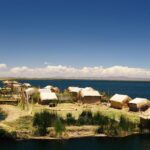
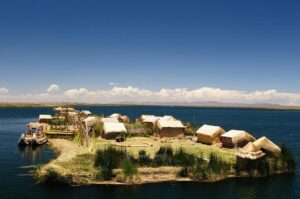
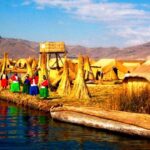
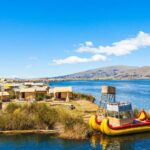
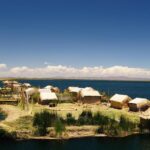
Uros is not a single island but a community living on floating platforms made from totora reeds. The reed is both building material and part of daily life, and local demonstrations explain how the islands are formed and maintained. You can also learn about fishing, gathering bird eggs, and making reed rafts.
The visit lasts about two hours, with a guided explanation, time to look around, take photos, and shop. That blend of teaching and shopping is worth understanding before you go: crafts and demonstrations help sustain local livelihoods, but the stop is also set up for tourism. I’d approach it with curiosity and respect, and buy only what genuinely interests you.
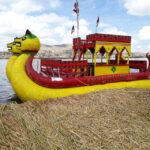
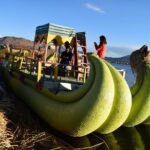
A ride on a totora raft is not included in the tour price. If you want that extra experience, bring cash and confirm the cost on the spot. The tour’s listed inclusions cover island entrance fees, boat transport, a guide, and lunch, but not the raft ride or other unlisted purchases.
You can also read our reviews of more tours and experiences in Puno
The long crossing to Taquile
After Uros, the boat makes a longer crossing to Taquile, listed at about 75 minutes. The return journey from the lake is listed at another 1.5 hours, while the overall schedule includes additional boat time. In practice, set aside a substantial part of your day for sitting on the water. One passenger estimated roughly four hours of boat travel in total.
That is the price of seeing both islands in one outing. A speedboat with comfortable seats, life jackets, and a first-aid kit makes the crossing more practical, and the views are part of the point: open water, distant shorelines, and the scale of Lake Titicaca. Still, if you dislike long rides or are prone to seasickness, this may not be your best day out.
The guide can also adapt the order of the island visits. One morning began in rain, so the guide chose to visit Taquile first and reach Uros after the weather improved. That sort of change can make the day more pleasant, though the exact order is not fixed.
Taquile’s steep walk and generous views
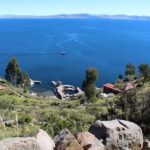
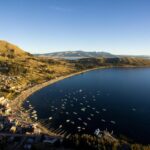
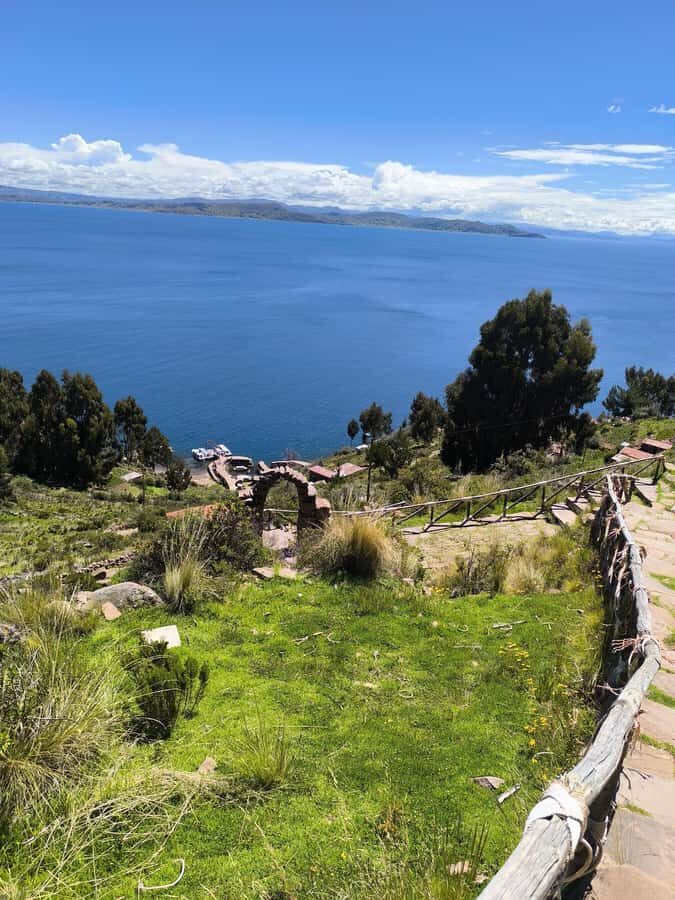
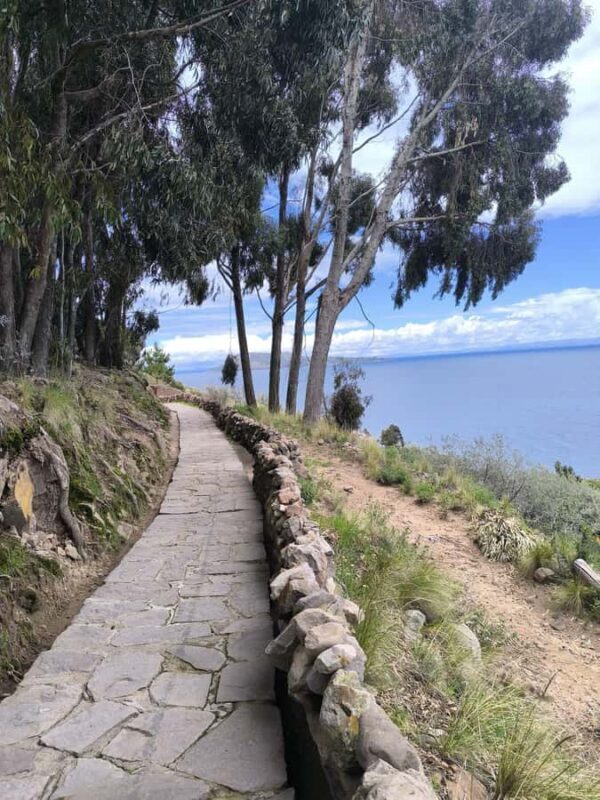
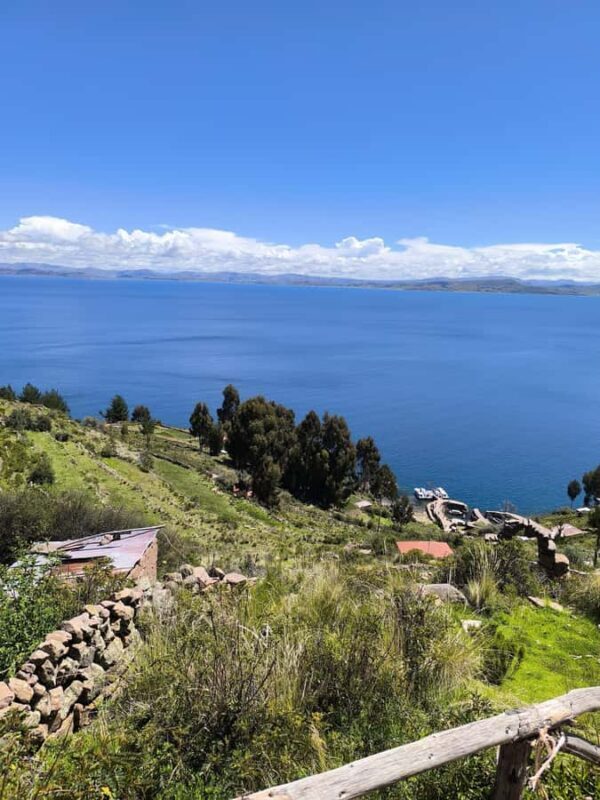
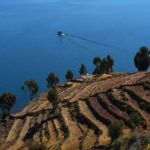
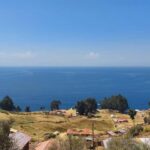
Taquile lies about 35 km from Puno and is the more demanding stop on foot. The route toward the main plaza climbs steeply, and reaching the village center can involve a long walk. The reward is a broad view over the lake, along with a chance to see the island’s farms, gardens, stone paths, and archaeological sites.
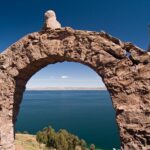
The simple stone archway at the arrival point makes a memorable welcome, but do not mistake it for the end of the walk. If your mobility is limited, or you are unsure about a sustained uphill route, ask the operator about the walking plan before booking. One guide allowed a mother who could not manage the walk to stay on the boat and brought her lunch. That is a useful example of flexibility, not a guarantee that every group or guide can make the same arrangement.
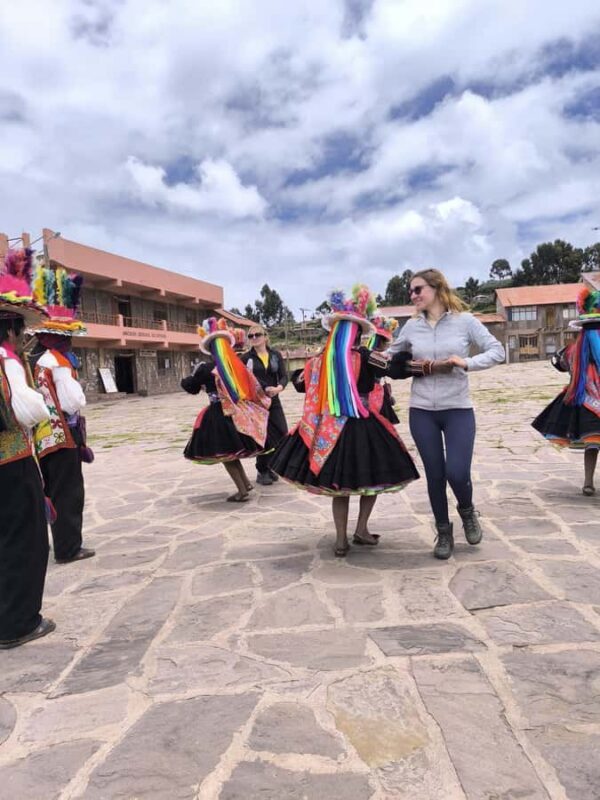
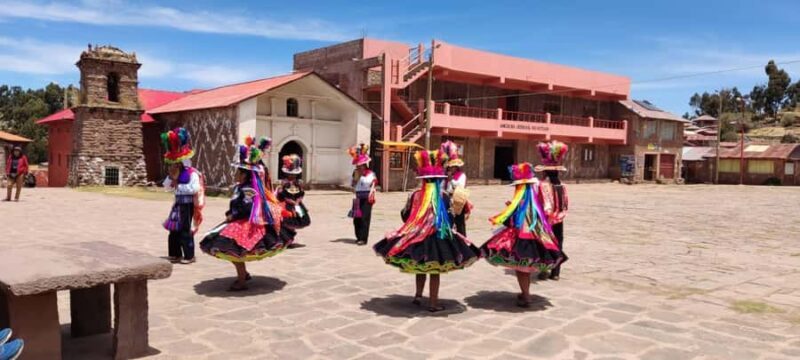
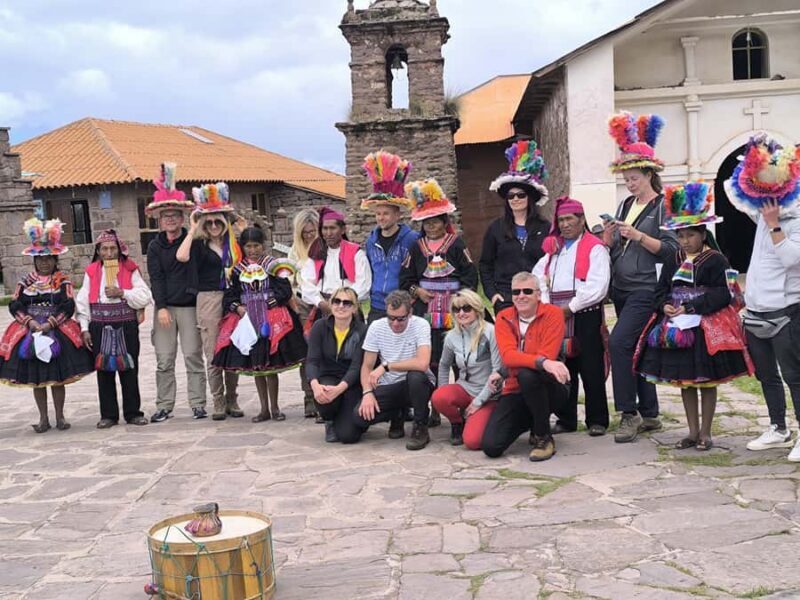
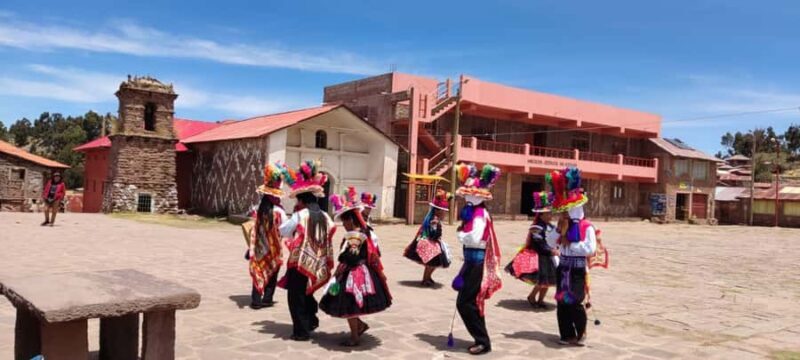
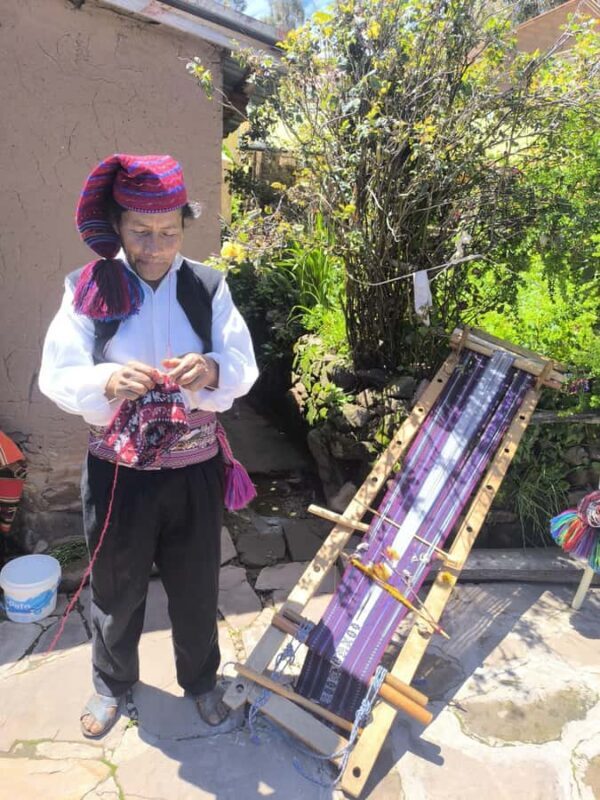
Taquile is especially known for its fine textiles, among Peru’s most admired handicrafts. The tour includes time to see local work and, according to the day’s arrangements, visit a cooperative shop. The textile tradition is more than a souvenir opportunity: it is a visible expression of the island’s identity and skilled handwork.
The Quechua community is also known for welcoming visitors. A good guide can help explain local customs and the way people live, rather than leaving you to interpret the island from scenery alone. Guides such as Freddy, Johnny, and Victor have been praised for clear, engaging explanations, with some guides sharing personal ties to communities around the lake.
Lunch with a view
Lunch is included at a typical restaurant on Taquile, and it is a genuine strength of the tour. Meals described include soup followed by grilled trout or an omelette, with fresh fish from the lake a popular choice. The setting adds to the pleasure: you eat with the lake in view, rather than rushing through a meal between transfers.
The food is often a highlight, but choices and exact dishes may vary. If you have dietary needs, check with the operator before the trip rather than assuming the menu can accommodate them. Bring cash for anything extra, including purchases at the island shops.
After lunch, the three-hour Taquile stop allows time for a guided visit, sightseeing, shopping, and some independent wandering. Use that time with the climb in mind. If you want to browse textiles and take in the views, you may prefer not to spend too long in the restaurant or shops early in the stop.
More Great Tours NearbyWhat the $27 price covers
At $27 per person, this is a strong-value way to combine two islands in one day. The price includes transfers between downtown Puno hotels and the port, entrance fees for Uros and Taquile, speedboat transport, a Spanish- or English-speaking official guide, and lunch. Paying separately for each major element would make the day less simple to arrange.
The value is not just a low fare. You get interpretation across two cultures, time on the islands, and a meal, all within an eight-hour plan. That matters on Lake Titicaca, where the distances between stops make transport a central part of the experience.
The extra costs are easy to overlook. A totora raft ride at Uros is not included, and shopping is optional. Carry cash for those choices, and do not feel obliged to buy anything to make the visit worthwhile.
Who will enjoy this day most
I’d recommend this tour if you want more than a boat ride and a photo stop. Uros and Taquile offer different ways of life, and the guide’s explanations can connect the reed construction, local crafts, and island customs into a more meaningful visit. The tour also suits anyone with only one day to see the lake’s best-known island communities.
It is less suitable if you are prone to seasickness, dislike long boat rides, or find steep walks difficult. Taquile’s climb is the main physical consideration, and the route can catch people off guard if they expect an easy stroll. Comfortable shoes are essential, and it is sensible to bring cash.
The trip is also best approached with an open mind about tourism. At Uros, you will see a living community and traditions presented to visitors. Some time is set aside for shopping, but that does not erase the value of learning how reed islands are made or hearing about how local life is changing.
Should you book the Uros and Taquile tour?
Book it if you want an affordable, guided introduction to two very different Lake Titicaca communities, and you are comfortable spending several hours on a boat. The strongest reasons to go are the cultural explanations, the unusual reed islands, Taquile’s views and textiles, and a lunch that is already included.
Think twice if a steep uphill walk or extended time on the water would make the day unpleasant. Before booking, be clear about the Taquile climb and remember that the Uros raft ride costs extra. If those details suit you, this eight-hour trip offers a lot for $27.
Puno: UROS – TAQUILE SPEEDBOAT TOUR (FULL DAY)
FAQ
How long is the tour?
The tour lasts about eight hours, including transport, visits to both islands, and time for lunch.
Where does the tour start?
The meeting point is Plaza Mayor de Puno, by the cathedral. Pickup is available from hotels located in the city center, depending on the selected option.
Which languages are available for the guide?
The live guide is available in Spanish and English.
Are entrance fees included?
Yes. Entrance fees to both the Uros and Taquile Islands are included.
Is lunch included?
Yes. Lunch at a typical restaurant on Taquile is included. Meals described include trout or an omelette, though the exact choices may vary.
Does the price include a totora raft ride at Uros?
No. The totora raft ride is not included in the tour price.
How much walking is there on Taquile?
The Taquile visit includes a steep walk toward the village center and main plaza. The route can be difficult for people who are not comfortable with uphill walking.
What should I bring?
Bring comfortable shoes and cash. Cash is useful for optional purchases or the extra totora raft ride.
Is the tour suitable for someone prone to seasickness?
No. The tour is listed as unsuitable for people prone to seasickness, and it includes several long speedboat journeys.
You can check availability for your dates here: