Lake Titicaca’s Uros islands are built from totora reeds, and you can feel their springy surface underfoot as you explore a community that lives on the water. This half-day trip pairs a short boat crossing with visits to homes, an explanation of island construction and a small market.
I like two things in particular: you get a direct look at how the islands are made, and the optional 10-sol reed boat ride puts some of your spending into the community. The main drawback is that English translation may be limited. One English-speaking visitor found that most of the explanation was given in Spanish, so ask about language before you set off.
At a glance
- Reed-built islands: See how totora reeds are used to make floating ground and homes.
- Short crossing: Reach the Uros islands by motorboat from Puno in about 25 to 30 minutes.
- Local introductions: Hear from an English- or Spanish-speaking guide and meet residents.
- Home visits: Step inside local homes and learn about daily routines and crafts.
- Optional reed boat: Pay 10 soles per person for a traditional ride to the main island.
- Three-hour outing: The morning trip runs from 9 a.m. to about noon, with hotel transport in central Puno.

👉 See our pick of the 25 Best Tours In Puno
- At a glance
- From Puno’s pier to the reeds
- Understanding how a floating island is made
- Home visits, language and local context
- The reed boat and the main island market
- What the three-hour schedule means
- Is the price fair for a half-day visit?
- Who should book this Uros visit?
- Should you book it?
- FAQ
- How long does the morning tour last?
- How long is the boat ride to the Uros islands?
- Is hotel pickup included?
- Is pickup from the Puno bus terminal included?
- What is the charge for hotels outside central Puno?
- Is the traditional reed boat ride included?
- What languages does the guide speak?
- Are meals and drinks included?
- The Best Of Puno!
- More Half-Day in Puno
- More Tours in Puno
- More Tour Reviews in Puno
- Not for you? Here's more nearby things to do in Puno we have reviewed
From Puno’s pier to the reeds
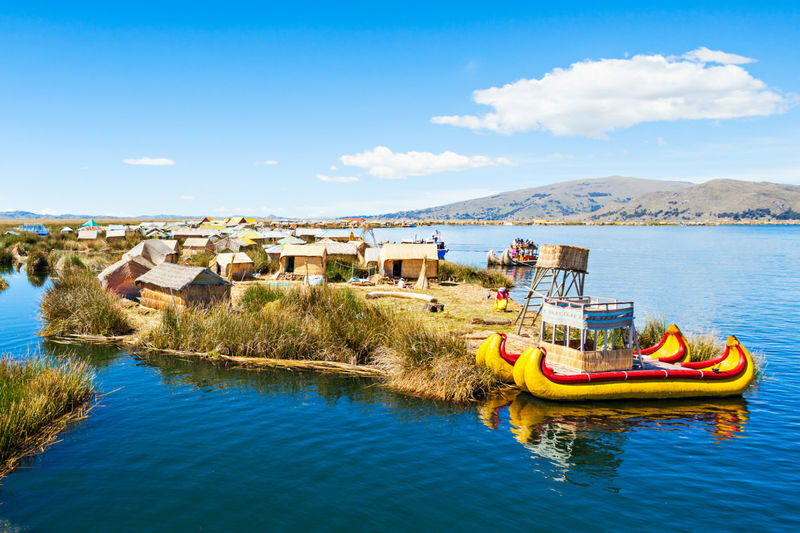



The trip starts at Puerto de Puno, the city’s main boat pier. If you are staying at a hotel in central Puno, pickup and drop-off are included. You can also meet the boat at the pier lighthouse, but plan to arrive 15 minutes before departure and confirm your pickup time in advance.
Once aboard, the motorboat takes you across Lake Titicaca toward the Uros islands. The crossing is described as about 25 minutes, while the itinerary allows around 30 minutes by ferry, so think of it as a short ride rather than an exact timetable. On a clear day, the open-water stretch gives you time to take in the lake before the cultural visit begins.
This is a half-day outing, not a full-day expedition. The morning option is scheduled for 9 a.m. to noon, leaving the rest of your day in Puno free. Noon and 3 p.m. departures are also offered, though the detailed schedule applies to the morning trip.
You can also read our reviews of more tours and experiences in Puno


Understanding how a floating island is made
The first part of the visit focuses on the islands themselves. A local guide explains how residents use totora reeds to construct and maintain floating ground, and an island leader shares more about the process. This is the tour’s most distinctive subject: rather than simply seeing unusual homes from a boat, you get an explanation of the material and methods that make life on the islands possible.
The reeds are more than a visual detail. They are the basis for the islands and the homes built on them, so the construction story gives context to everything you see during the visit. You may also hear about practical measures such as solar panels and sewage treatment. The tour highlights these as part of the community’s sustainable practices, though the available details do not promise a close-up demonstration of every system.
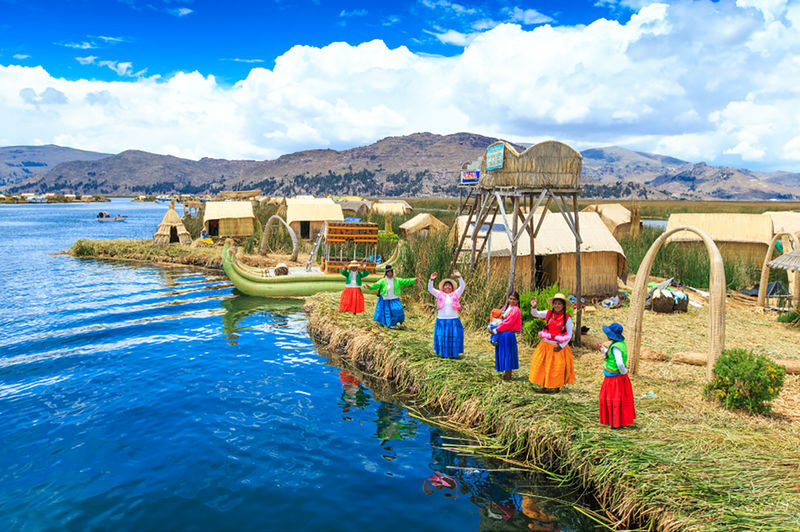
The Uros community is not a museum display. Residents welcome you into their homes and share aspects of everyday life, including traditional crafts and routines. I like that the visit includes direct contact with people who live on the islands, but it is worth approaching the experience as a short introduction rather than a full account of Uros culture.
Home visits, language and local context
An English- or Spanish-speaking guide is included, and the guide introduces Uru traditions and the community’s way of life. The tour also connects these traditions with Aymara culture and language. That makes the guide’s explanation important: without it, you may see the reeds and houses but miss the reasons behind the island’s design and the routines that shape daily life.
There is a practical language concern to keep in mind. One visitor on the morning tour found that much of the itinerary was explained in Spanish, with little time for English translation. That can make a group visit awkward if you are relying on English to follow the details, especially when the group is standing outside under the sun. The tour is advertised with English- and Spanish-speaking guidance, but that does not guarantee equal translation time at every stop.
When the operator confirms your pickup, you can ask which language the guide will use and how the explanation will be handled. Bring a hat, sunscreen and water, since the visit includes time outside and the recorded complaint specifically mentions the hot sun. Those simple preparations can help you focus on the visit rather than the heat.
The reed boat and the main island market
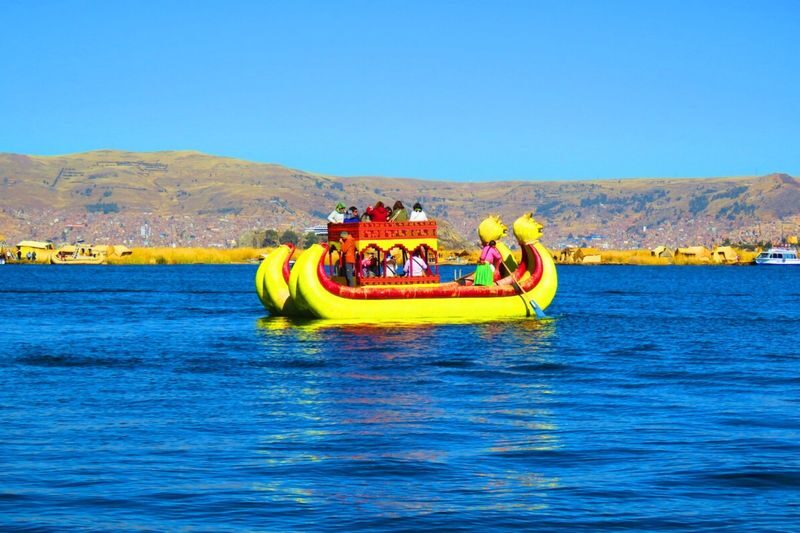
After visiting homes and learning about construction, you can choose to take a short ride in a traditional reed boat to the main island. It costs 10 soles per person and is not included in the tour price. The fare contributes to community welfare, making this a straightforward way to support local residents if the ride appeals to you.
The reed boat is an optional add-on, not a requirement for seeing the islands. If you are watching your budget, you can skip it and still take part in the guided visit. If you want a closer look at a traditional form of transport and are comfortable with the extra cost, it adds a distinct activity to a trip that otherwise centers on walking, listening and looking.
On the main island, you have time to browse a small market selling handmade crafts or take a quiet stroll. Treat the market as a chance to see local handiwork and perhaps pick up a souvenir, not as a large shopping stop. The schedule is compact, and the visit is designed to return you to Puno around noon.
What the three-hour schedule means
The tour’s short duration is a genuine advantage if your time in Puno is limited. Hotel pickup in the city center, the boat crossing, guided visits and the return transfer are bundled into one morning, so you do not have to arrange transport to the pier yourself. After the boat returns, a representative meets you and escorts you back to your hotel or the agreed drop-off point.
The schedule can change with traffic and weather. Keep your plans after noon flexible rather than booking something that begins immediately at the stated return time. The tour description places the return at about 12 p.m., but pickup arrangements and conditions on the lake can affect the exact timing.
Transport details matter if you are staying beyond the central area. Central Puno hotel pickup and drop-off are included. Pickup or drop-off at the Puno bus terminal costs 10 soles one way, while hotels outside the city center cost 25 soles one way. If you prefer, you can make your own way to the lighthouse at the pier, where the operator can collect you.


Is the price fair for a half-day visit?
Prices are shown from US$63.25, while the listed departure options start at US$55. Check the amount for your selected time and package before booking, since the figures differ. The advertised tour includes transport, a professional guide, admission to the Uros islands and round-trip transfers for central Puno hotels.
For a half-day trip, the value comes from having transport and a guided introduction arranged together. You are paying for a manageable outing with home visits and a clear focus on island construction, not for a long list of attractions or a full day on the lake. The optional reed boat ride, meals, drinks, tips and personal purchases are extra.
If you are staying at the bus terminal or outside the center, add the relevant transfer charges when comparing the total cost. The 10-sol reed boat ride is also worth factoring in if you know you want to take it. Infants and children must be included in the passenger count, even if they do not need a separate adult ticket.
Who should book this Uros visit?
This tour suits you if you want a guided, compact introduction to the Uros islands and are interested in how reed construction supports daily life. It also works well if you have only a morning or afternoon to spare in Puno and value having transport from a central hotel included.
It may be a weaker fit if you need a fully English-led experience and cannot comfortably follow Spanish. The guide is described as English- or Spanish-speaking, but the language balance may vary. Ask about the guide’s language before booking, and be prepared to speak up if you need a point repeated.
Families can join, but children and infants must be counted when booking. The outing includes a boat ride, time outdoors and visits to homes, so pack for sun and keep expectations realistic: this is a short cultural visit, not an extended stay with the community. Be respectful when entering homes, follow your guide’s instructions and remember that residents are sharing their real routines, not performing a scripted show.
Should you book it?
Book this trip if you want to see how the Uros floating islands are made, meet residents and fit a guided visit into a half-day in Puno. The included central hotel transfers and short boat crossing make it an easy outing to organize, while the optional reed boat ride adds a local activity for a modest extra fee.
Before you commit, weigh the language issue carefully. If English explanation is essential, confirm it directly with the operator rather than relying only on the tour’s language description. If you are comfortable with some uncertainty, can prepare for the sun and want a focused look at reed-built island life, this is a practical way to visit the Uros community.
Puno Uros Floating Islands Half-Day Small Group Discovery
FAQ
How long does the morning tour last?
The morning departure is scheduled from 9 a.m. to about noon. The schedule may change with traffic and weather.
How long is the boat ride to the Uros islands?
The crossing is described as about 25 minutes, while the itinerary allows around 30 minutes. Expect a short ride across Lake Titicaca.
Is hotel pickup included?
Pickup and drop-off are included for hotels in central Puno. The operator can also collect you at the pier lighthouse.
Is pickup from the Puno bus terminal included?
No. One-way pickup or drop-off at the bus terminal costs 10 soles.
What is the charge for hotels outside central Puno?
One-way pickup or drop-off for hotels outside the city center costs 25 soles.
Is the traditional reed boat ride included?
No. It is optional and costs 10 soles per person. The payment contributes to the community’s welfare.
What languages does the guide speak?
The tour includes an English- or Spanish-speaking guide. Confirm the language arrangements in advance if you need the explanation in English.
Are meals and drinks included?
No. Meals and beverages are not included, and personal expenses and tips are also extra.


