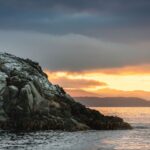
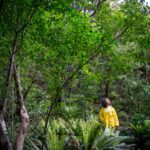
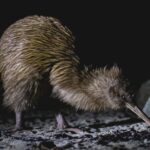
The main event is a quiet walk after dark in search of wild Southern brown kiwi, or tokoeka, on Stewart Island. You cruise out from Oban before sunset, then follow a guide through coastal forest and along a secluded beach with a torch in hand.
I like two things here: the boat ride adds a wildlife search of its own, and the small group, capped at 16, gives the guide room to lead at a careful, quiet pace. The Wild Kiwi & Culture option also brings Maori and European stories into the evening at Oneke, plus a warm drink in a traditional whare.
The trade-off is practical, not mysterious: the tour returns late, after the ferry back to Bluff has left. You’ll need to book a night on Stewart Island, and you should be comfortable walking for about two hours on uneven or muddy ground.
- The night’s key details
- Leaving Oban as daylight fades
- Walking the coast in search of tokoeka
- Choosing the Oneke culture option
- What the price buys
- The late return calls for an overnight stay
- Is this the right night out for you?
- FAQ
- Where does the tour meet?
- Does the tour include the ferry from Bluff?
- Can I return to Bluff after the tour?
- How long is the walk?
- What should I wear and bring?
- How large is the group?
- What age can take part?
- What is the difference between the two packages?
- Are kiwi sightings guaranteed?
- What happens if the operator cancels for extreme weather?
- The Best Of Stewart Island!
- More Tours in Stewart Island
- More Tour Reviews in Stewart Island
- Not for you? Here's more nearby things to do in Stewart Island we have reviewed
The night’s key details
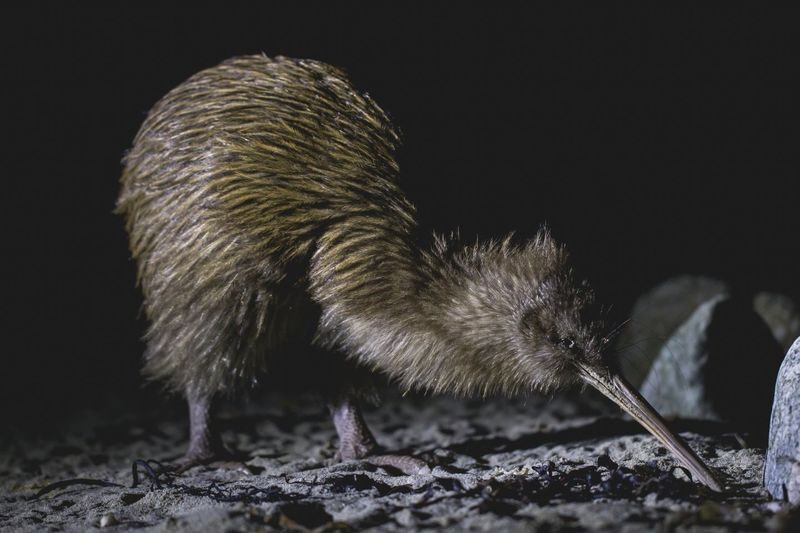
- Two ways to search: The Wild Kiwi Encounter visits Little Glory Cove; the Wild Kiwi & Culture Encounter goes to Oneke, also called The Neck.
- Wildlife begins on the water: The pre-sunset cruise may bring sightings of albatross, penguins, titi, or New Zealand fur seals.
- Kiwi spotting takes patience: The guided walk is quiet and torchlit, with the search focused on Southern brown kiwi in their natural habitat.
- Small group, limited places: The maximum group size is 16 per night.
- Plan for a full island evening: The excursion starts at the Stewart Island Experience terminal in Oban and returns too late for the Bluff ferry.
- Bring weather-ready gear: Sturdy walking shoes, warm layers, and a raincoat or poncho are useful for the roughly two-hour walk.

👉 See our pick of the Best Tours In Stewart Island
Leaving Oban as daylight fades
Meet at the Stewart Island Experience Visitor Terminal on the Main Wharf, Elgin Terrace, in Oban. Arrive 15 minutes before departure. The meeting point is also identified as the Stewart Island Ferry Terminal, so allow time to find the operator’s office rather than rushing down the wharf at the last moment.
Departure times change through the year to match dusk. That makes sense for a kiwi search, but it means you should check the time for your chosen date before planning dinner or other activities. You’ll be out into the evening, not squeezing in a quick sunset cruise.
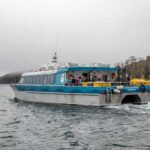
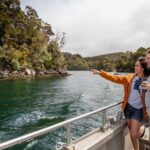
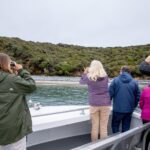
The outing begins with a catamaran trip around nearby islands. As the light changes, you may see seabirds and marine wildlife, including albatross, penguins, titi, and New Zealand fur seals. Sightings depend on conditions, so treat them as a possible bonus rather than a checklist the boat is sure to complete.
Ulva Island, a predator-free sanctuary, is passed en route. The cruise offers a look at the island from the water, but the kiwi tour does not include a landing there. If you want to explore Ulva on foot, that is a separate activity.
On the boat, your guide gives an introduction to kiwi behaviour and conservation, with live commentary during the trip. This context is useful once you reach land: the point is to look and listen carefully, not to rush through the bush hoping for a photo.
You can also read our reviews of more tours and experiences in Stewart Island.
Walking the coast in search of tokoeka
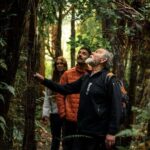
For the Wild Kiwi Encounter, the boat takes you to Little Glory Cove. From there, the guided walk crosses coastal forest and reaches a secluded beach. The combination matters: the evening is not just a short stop to look for a bird. You get time on foot in a remote-feeling setting, with the forest and shoreline forming part of the experience.
The search is conducted after dark with a torch. Your guide leads the group and helps you spot kiwi while keeping the walk quiet and considered. This is a wild animal encounter, so no sighting can be guaranteed. One participant described seeing about five kiwi on the beach, an exceptional payoff, but it is wiser to book for the whole evening experience rather than expecting a particular count.
The reviews repeatedly praise the guides’ care and the quality of the kiwi search. That is especially important here. A guide who understands kiwi behaviour can help you know where to look and how to move without turning the encounter into a noisy scramble.
The walk takes about two hours and can involve uneven or muddy tracks. The information describes moderate fitness as appropriate and says the activity is not recommended for people with impaired physical mobility. If your balance or mobility is limited, ask the operator before booking rather than assuming the route will be easy.
Bring sturdy walking or hiking shoes. A raincoat or poncho and warm layers are sensible, since you’ll be outdoors after sunset and the weather can change. A water bottle, camera, and insect repellent are also on the suggested packing list. Keep your camera ready for the boat ride, too: one traveler called out the photo opportunities from the catamaran, along with a lovely beach walk.
Choosing the Oneke culture option
The Wild Kiwi & Culture Encounter follows a different route, to Oneke, known as The Neck. This option includes an evening cruise, a torchlit forest walk at dusk, and a search for Southern brown kiwi after dark. Along the way, the guide shares Maori and European stories connected with the area.
After the walk, you can warm up with a drink in a traditional Maori whare before the cruise back to Oban. That small indoor pause gives the culture option a gentler finish than simply heading straight back to the boat. It also makes this package a good fit if you want local stories as well as wildlife.
The two packages should not be treated as identical tours with a minor add-on. The standard Wild Kiwi Encounter is described around Little Glory Cove, while the culture package focuses on Oneke and adds the stories and whare stop. Choose based on which setting and emphasis appeal to you, and check the exact package details when booking.
Both involve walking at night and searching for kiwi. Neither is a good choice if you want a guaranteed close-up or a fast, low-effort wildlife stop. The value lies in having time, guidance, and access to a wild setting after dark.
What the price buys
The displayed starting price is from US$134.55. Package prices are also shown as US$152.89 for the Wild Kiwi Encounter and US$169.95 for the Wild Kiwi & Culture Encounter. Because those figures do not align exactly, check the total for your date and selected package before paying.
The fare covers a professional guide, live commentary on board, refreshments, tax, operator-provided insurance, a torch, and the return cruise from Oban to the relevant island location. The package information also describes a two-hour hike. You’ll need to budget separately for transport to the meeting point, accommodation, meals and beverages beyond what is included, and personal expenses.
I see the value in the combination rather than in any single piece: a boat trip, a guided coastal walk, conservation context, and the chance to see a kiwi in the wild. A small maximum group of 16 helps make a quiet search more manageable. The culture package costs more, but it adds the Oneke stories and whare stop, so it may be worth the extra amount if that cultural context is a priority for you.
This is not a cheap substitute for a quick wildlife exhibit. It is an evening activity that uses a boat and a remote walk to look for a native bird in its natural environment. If you are already staying on Stewart Island and value wild encounters, that can make the fare feel fair. If your main aim is a guaranteed kiwi sighting, no price can promise that.
The late return calls for an overnight stay
The most important logistical point is easy to miss: the excursion returns after the last ferry from Stewart Island to Bluff has departed. The tour does not include the Bluff-to-Stewart Island ferry, and you must arrange your own place to stay on the island.
Plan the tour as part of an overnight visit, not as a day trip from the mainland. Book your ferry and accommodation separately, and allow enough time to reach the terminal before the scheduled departure. Missing the activity because you arrive late is not refundable.
The meeting point is the Stewart Island Experience office at the Visitor Terminal on the Main Wharf, Elgin Terrace, in Oban. The voucher can be used to enter directly, and the operator asks you to arrive 15 minutes early.
Age information is not fully consistent: the eligibility details say participants must be at least 16, while another line says the activity is suitable for ages 15 and over. Confirm the minimum age with the operator before booking for a 15-year-old.


Is this the right night out for you?
I’d choose this outing if you want a guided wildlife search that feels connected to Stewart Island’s coast and forests, and you have enough time to stay overnight. The boat ride, changing dusk light, and beach walk make the trip worthwhile even before a kiwi appears. The chance to see a tokoeka in the wild is the clear high point, but it should not be the only reason you book.
Go for the Wild Kiwi Encounter if Little Glory Cove and the straightforward kiwi search are what you want. Pick Wild Kiwi & Culture if Oneke’s Maori and European stories and the whare stop add something you’d value. Either way, bring warm, waterproof clothing and shoes you trust on muddy ground.
I would skip it if you need to catch the last ferry to Bluff, dislike walking after dark, or have difficulty on uneven tracks. For everyone else with an overnight stay planned, it is a memorable way to spend an evening on Rakiura, with wildlife, landscape, and local context all in the same outing.
Wild Kiwi Encounter Experience on Stewart Island
“The team spared no effort in serving everyone and professionally and responsibly led us to see the kiwis. This is my favorite activity I have ever…”
FAQ
Where does the tour meet?
Meet at the Stewart Island Experience Visitor Terminal on the Main Wharf, Elgin Terrace, in Oban. Arrive 15 minutes before the scheduled start.
Does the tour include the ferry from Bluff?
No. The Bluff-to-Stewart Island ferry is not included. You need to arrange that transport separately.
Can I return to Bluff after the tour?
No. The tour returns after the last ferry to Bluff has left, so you need to arrange accommodation on Stewart Island.
How long is the walk?
Allow about two hours of walking. The tracks can be uneven or muddy.
What should I wear and bring?
Wear walking or hiking shoes and bring warm layers and a raincoat or poncho. A water bottle, camera, and insect repellent are also listed as items to bring.
How large is the group?
The maximum group size is 16 per night.
What age can take part?
The information gives two different minimum ages: 16+ in the eligibility details and 15+ elsewhere. Confirm the correct minimum with the operator before booking.
What is the difference between the two packages?
The Wild Kiwi Encounter visits Little Glory Cove. The Wild Kiwi & Culture Encounter visits Oneke, includes Maori and European stories, and finishes with a warm drink in a traditional whare.
Are kiwi sightings guaranteed?
No guarantee is stated. The tour is a guided search for wild Southern brown kiwi, so an encounter depends on finding the birds during the walk.
What happens if the operator cancels for extreme weather?
The operator may cancel in extreme weather or other unforeseen circumstances. You can then reschedule or request a full refund.