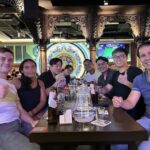
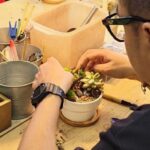
The appeal here is getting beyond a plated meal: you take part in preparing nasi ulam, then sit down to traditional Peranakan food in a setting filled with antiques and decorative details. I like the hands-on cooking, and I like that the meal can introduce you to dishes such as buah keluak and chendol.
One consideration is the pacing. A 45-minute wait has been reported, and the arrangement may involve carrying your cup between locations. If you have dietary needs, ask how a group’s menu choices are handled before booking.
- What to know before you book
- A cooking workshop with Peranakan flavor
- Preparing nasi ulam with Chef Lily
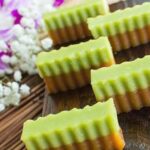
- Apam adds another taste of the cooking
- A traditional lunch, not just a tasting plate
- The room matters, but service matters too
- Is .29 good value?
- Who will enjoy this experience most?
- Should you book the Peranakan Culture Tour?
- FAQ
- Where does the experience take place?
- What is the starting price?
- What activity is included?
- Who teaches the nasi ulam preparation?
- Is food included?
- Is there another cooking activity besides nasi ulam?
- Can I cancel or receive a refund?
- The Best Of Singapore!
- More Historical Tours in Singapore
- More Tours in Singapore
- More Tour Reviews in Singapore
- Not for you? Here's more nearby things to do in Singapore we have reviewed
What to know before you book
 1 / 2
 2 / 2
- You prepare your own nasi ulam: Chef Lily teaches participants to select and cut vegetables as part of the workshop.
- There is an apam cooking experience: It adds another practical food activity alongside the nasi ulam preparation.
- Lunch is part of the appeal: Past menus have included buah keluak, ngor hiang, chap chye, beef rendang, and chendol.
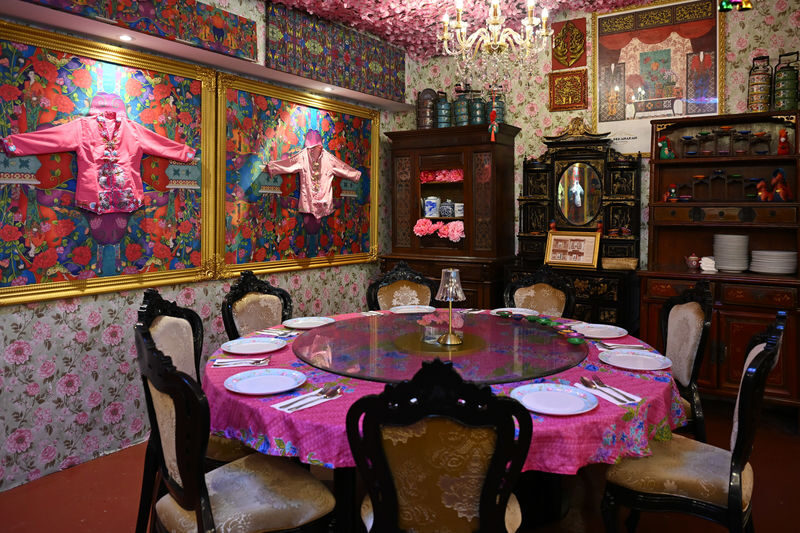
- The setting has character: Antiques and decorative details help give the meal a sense of place.
- Timing and service may vary: Allow some slack in your day, and check whether you will need to carry a cup between locations.
- The starting price is $78.29: The value depends on how much you enjoy the cooking, cultural context, and included meal.

👉 See our pick of the 25 Best Guided Tours In Singapore
A cooking workshop with Peranakan flavor
This experience brings together a Peranakan culture tour, a nasi ulam workshop, and a traditional lunch. Its strongest point is the shift from simply tasting food to learning how to prepare part of it. You select and cut vegetables for your own nasi ulam, with Chef Lily leading the instruction.
That hands-on step is useful even if you are not a keen cook. It gives you a closer look at the choices and care involved in making a heritage dish, rather than leaving you to guess what went into the bowl. The workshop is also a natural fit for families with older children who like making things and trying unfamiliar food. One participant specifically encouraged their children to attend.
The activity also includes an apam cooking experience. The available details do not spell out the method or how much of the cooking each person does, so I would not book expecting a long, technical class. Think of it as a guided introduction with a chance to get involved.
The cultural side of the experience is presented alongside the food. You can expect to learn interesting facts about Peranakan culture, though the exact topics and tour route are not specified. That makes this a better fit for someone who wants an accessible introduction tied to a meal than for someone seeking a detailed museum-style lecture or a long walking tour.
You can also read our reviews of more historical tours in Singapore



Preparing nasi ulam with Chef Lily
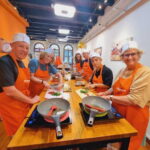
The workshop’s clearest feature is its practical focus. Chef Lily teaches participants how to choose and cut different vegetables, then each person prepares their own nasi ulam. That detail matters: you are not only watching a chef work, and you leave with a better sense of how the dish comes together.
I would approach the class with curiosity rather than a need to master a recipe. No recipe, ingredient list, class length, or take-home cooking guide is specified, so ask about those if you want to recreate the dish at home. The value is in taking part and learning directly from the chef.
The setting adds to the session. The space is described as beautifully decorated, with antiques and detailed decor. That can make the workshop feel more connected to its cultural subject than a standard cooking classroom. It also gives you something to look at between the practical steps, though the setting alone cannot make up for a slow start or unclear organization.
The main caveat is pacing. A 45-minute wait at the beginning has been reported, which is long enough to affect the feel of a class, especially if you have plans afterward. I would avoid scheduling a tight connection or a timed activity straight after this one. The exact duration is not provided, so leave a generous buffer.
Apam adds another taste of the cooking
Alongside nasi ulam, the experience includes an apam cooking activity. That second element broadens the food focus and gives you another way to take part, rather than making the workshop a single-dish demonstration.
The details available do not say what kind of apam is made, how the cooking is organized, or whether each participant prepares a full portion. Treat it as a taste of the process, not a promise of an in-depth pastry lesson. If learning a specific recipe is your main reason for booking, ask what the apam session covers.
Together, the two cooking elements make the activity more engaging than a lunch alone. They also suit people who enjoy learning through doing. If you prefer a relaxed meal with minimal instruction, this may feel more structured than you want.
A traditional lunch, not just a tasting plate
Lunch is one of the main reasons to consider the experience. Dishes served on different occasions have included buah keluak, ngor hiang, chap chye, beef rendang, and chendol. One meal was described as a traditional Peranakan lunch, while another participant particularly enjoyed the beef rendang.
The menu may vary, so do not assume every dish will be served at every session. The range mentioned suggests a proper meal rather than a token tasting, and some food can be packed home if you cannot finish it. That is a welcome practical detail, especially if the portions are generous.
There is a dietary point to clarify in advance. If one person in a group does not eat beef, beef may be removed from the menu for everyone. That could be helpful for keeping a shared meal simple, but it may disappoint other members of the party. If you have a dietary restriction, ask how the kitchen handles it before you book, and check whether alternatives are available.
The food receives especially strong praise for its flavor, with repeat interest in returning for a full meal. That is encouraging if you care as much about lunch as the workshop. Still, tastes vary, and the available menu details do not promise particular dishes. Book for the overall combination of culture, cooking, and dining, not one specific plate.
The room matters, but service matters too
A room filled with antiques and carefully chosen decor can make a meal feel rooted in its subject. Here, the setting is part of the appeal, and it gives you a chance to notice objects and details while you eat. If you like experiences where atmosphere and food work together, this is a point in its favor.
But attractive surroundings do not guarantee smooth organization. The reported long wait and the need to carry cups between locations are useful cautions. Neither detail necessarily defines every session, but both could affect your comfort. If you dislike waiting or want everything handled for you, ask about the day’s flow and cup arrangements before paying.
That question is especially sensible because the activity appears to involve more than one location. The precise route, transfer method, and schedule are not provided, so do not assume you will remain in one room from start to finish. Clarify what moving between locations involves if you have limited time or would rather not carry items around.
You can also read our reviews of more tours and experiences in Singapore



Is $78.29 good value?
At a starting price of $78.29, the value rests on the full package: cultural context, hands-on preparation, the apam activity, and a traditional lunch. If you would otherwise pay separately for a cooking class and a substantial Peranakan meal, combining them in one outing may make sense. You also get the social element of preparing food alongside other participants.
The price will feel less compelling if you mainly want a quick lunch, expect a polished restaurant service, or are not interested in cooking. A reported delay of 45 minutes can also make the day feel less worthwhile, particularly if the schedule is tight. As the starting price is not necessarily the final amount for every date or option, check the total before you commit.
One person described paying $100, which shows that the amount can be higher than the stated starting price. The exact reason for that difference is not specified. Compare the price shown for your chosen option with what it includes, especially the meal and both cooking activities.
Who will enjoy this experience most?
I would recommend it to curious eaters who want some context with their lunch and enjoy taking part in food preparation. It also suits families whose children are interested in cooking and trying dishes beyond familiar favorites. The chance to make your own nasi ulam gives the outing a clear activity, while the meal makes it feel complete.
It may be less suitable if you need a tightly timed schedule, expect a highly polished service operation, or have strict dietary requirements that are difficult to accommodate in a shared menu. The beef policy is worth checking, and anyone who is uncomfortable carrying a cup between locations should clarify that detail beforehand.
There is no stated duration or group size, so I would not assume how long the session lasts or how much individual attention you will receive. If either matters to your plans, ask before booking. The experience is best approached as a food-centered cultural activity with some logistical uncertainty, not as a precisely timed restaurant visit.
Should you book the Peranakan Culture Tour?
Book if you want to learn by cooking, enjoy a traditional lunch, and value a decorated setting with cultural context. The strongest reasons are the participant-led nasi ulam preparation with Chef Lily, the apam activity, and the chance to try dishes such as buah keluak, ngor hiang, chap chye, or chendol.
Pause before booking if waiting would frustrate you, if you need a firm end time, or if your group has dietary needs. Ask about the current menu, cup arrangements, and schedule, then compare the final price with what is included. If those details suit you, this offers a more participatory introduction to Peranakan food than simply choosing a restaurant meal.
Peranakan Culture Tour & Nasi Ulam Heritage Workshop
“I had a wonderful experience today and a very detail preparation of nasi ulam which all participants prepared their own nasi. We had a very fun and…”
FAQ
Where does the experience take place?
It takes place in Singapore, Singapore.
What is the starting price?
The starting price is $78.29. The final price may differ by option or booking details.
What activity is included?
The package combines a Peranakan culture tour with a nasi ulam heritage workshop.
Who teaches the nasi ulam preparation?
Chef Lily teaches participants to select and cut vegetables for their own nasi ulam.
Is food included?
A traditional Peranakan lunch is described as part of the experience. Dishes served have included buah keluak, ngor hiang, chap chye, beef rendang, and chendol, though the menu may vary.
Is there another cooking activity besides nasi ulam?
Yes. The experience also includes an apam cooking activity.
Can I cancel or receive a refund?
No. The activity has a no-cancellation, no-refund policy.