Fresh pasta is the heart of this Palermo class: you mix egg dough, shape it into ravioli and tagliatelle, then sit down to eat what you made. A chef also demonstrates Sicilian-style gelato, so the sweet finish comes with a lesson rather than another round of dough work.
I like two things in particular: you make two pasta shapes yourself, and the meal includes local wine, turning a cooking lesson into a relaxed dinner. The recipe booklet and graduation certificate are useful keepsakes, too.
One point to weigh: gelato is demonstrated, not made hands-on by each participant. The standard class is also not suitable for people with celiac disease or for wheelchair users, so check the fit before booking.
- What makes this class worth considering
- A kitchen lesson in the middle of Palermo
- From flour and eggs to two pasta shapes
- Gelato is a demonstration, not a second cooking station
- Dinner, local wine and a room full of pasta
- Chefs who teach as well as entertain
- The five-hour Capo market and feast option
- Is good value for a Palermo cooking class?
- Who will enjoy it, and what to check first
- Should you book this Palermo cooking class?
- FAQ
- How long does the class last?
- What pasta do I make?
- Do participants make the gelato themselves?
- Is food and wine included?
- Can I request vegetarian food or tell the provider about an allergy?
- Is the class suitable for someone with celiac disease?
- What does the market tour option include?
- The Best Of Palermo!
- More Wine Tours in Palermo
- More Tours in Palermo
- More Tour Reviews in Palermo
- Not for you? Here's more nearby things to do in Palermo we have reviewed
What makes this class worth considering
 1 / 10
 2 / 10
 3 / 10
 4 / 10
 5 / 10
 6 / 10
 7 / 10
 8 / 10
 9 / 10
 10 / 10
- Ravioli and tagliatelle from scratch: You shape two pasta styles, then pair them with seasonal sauces.
- A gelato lesson while the pasta rests: Learn about the dessert and its Sicilian ingredients, and see how a cone is made.
- A meal with Sicilian wine: Eat the dishes prepared in class, with soft drinks for children.
- Chefs who keep the lesson clear and lively: Marcello, Lidia, Salvo, Enza and Marco are among the instructors named by past participants.
- A market-and-feast upgrade: Add a guided walk through Capo market and a longer menu of Sicilian dishes.
- Recipes to take home: A digital booklet gives you a way to try the pasta and gelato again after your trip.
👉 See our pick of the 13 Best Workshops And Classes In Palermo
A kitchen lesson in the middle of Palermo
At $65 per person, the standard class offers more than a quick demonstration. You work with pasta dough, learn how to shape two kinds of pasta, watch a gelato demonstration, and then eat a meal with wine. That mix makes the price easier to justify than a class that ends when the apron comes off.
The experience is centrally located in Palermo, near historic markets and landmarks. The exact meeting point can vary with the option you book, so check your confirmation rather than assuming the class starts at the market or at the cooking studio.
The standard experience lasts about three hours, while the market-and-feast option takes about five. Either way, set aside a good part of your day. You are not simply stopping in to make one dish and leave; the meal and social part are part of the appeal.
You can also read our reviews of more wine tours in Palermo
From flour and eggs to two pasta shapes
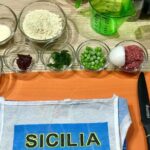
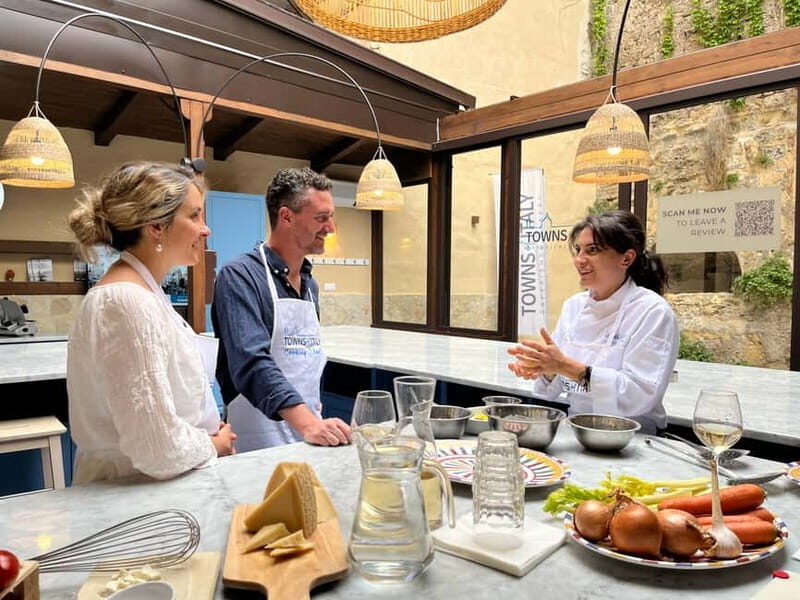
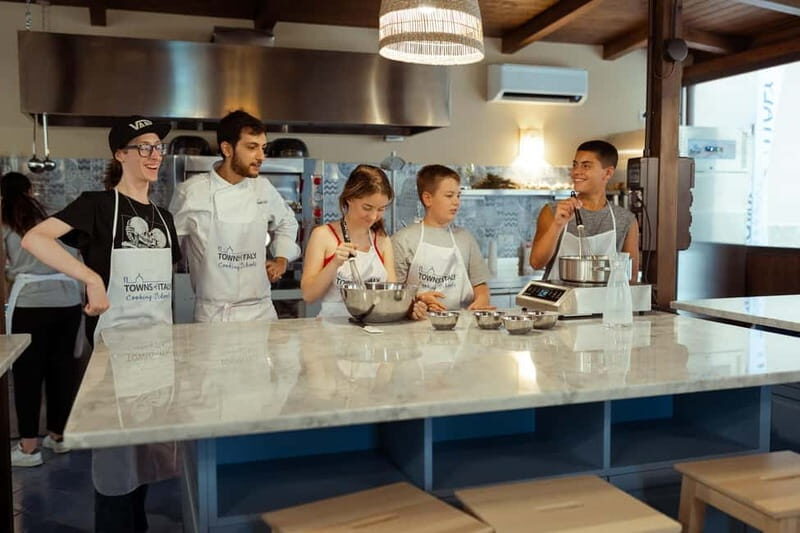
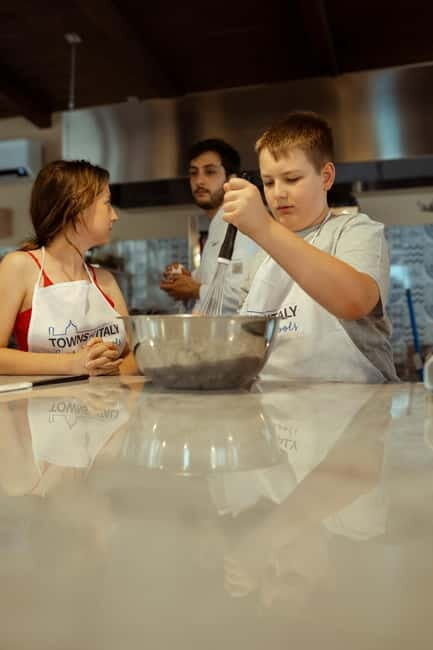
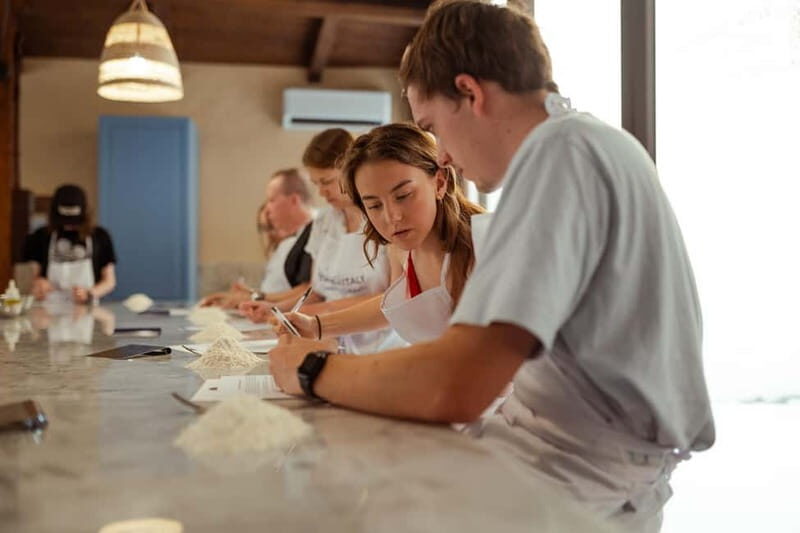
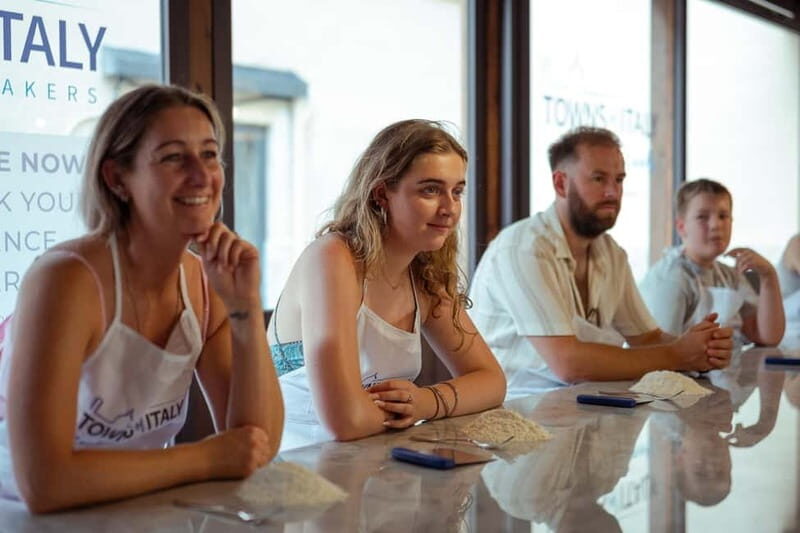
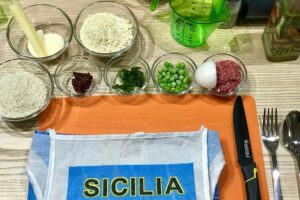
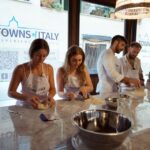
The class begins with fresh egg pasta dough, made from scratch under the chef’s guidance. You learn the steps as you go, with instructors explaining the technique and offering help when you need it. Past participants describe the teaching as clear and patient, including for children and first-time cooks.
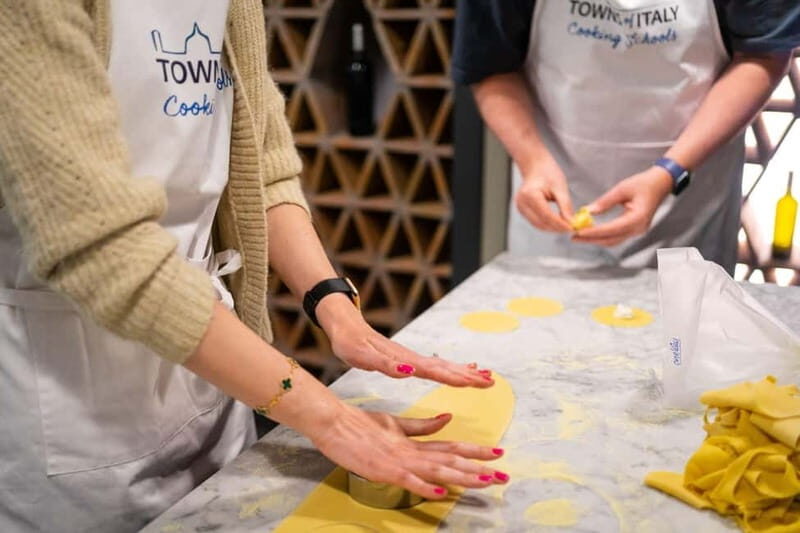
You then turn the dough into ravioli and tagliatelle. The contrast makes the lesson useful: ravioli asks you to fill and seal the pasta, while tagliatelle gives you practice shaping long ribbons. You can feel the difference between the two jobs instead of leaving with only a recipe and a vague memory of watching someone else cook.
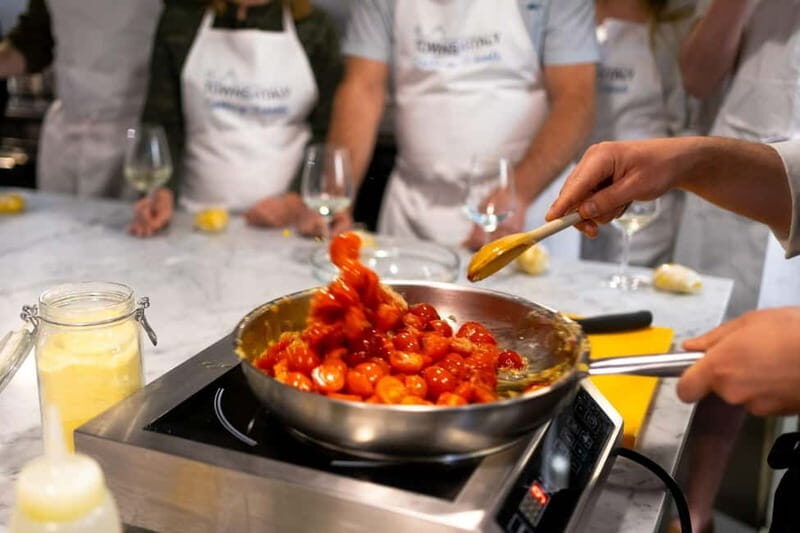
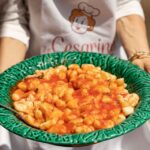
The sauces are seasonal and homemade, with recipes inspired by Sicilian family cooking. Examples mentioned by participants include pesto tagliatelle with walnuts and ravioli served with a traditional-style sauce. The exact sauces can vary, so think of these as a sense of what might appear, not a fixed menu.
One useful detail from the class experience is that some groups pool their finished dishes for the meal. That is a friendly way to share what everyone has made, and it lets you taste more than your own plate. If you would rather keep the pasta you shaped for yourself, ask the provider before booking; the serving arrangement is not specified as a choice.
Gelato is a demonstration, not a second cooking station
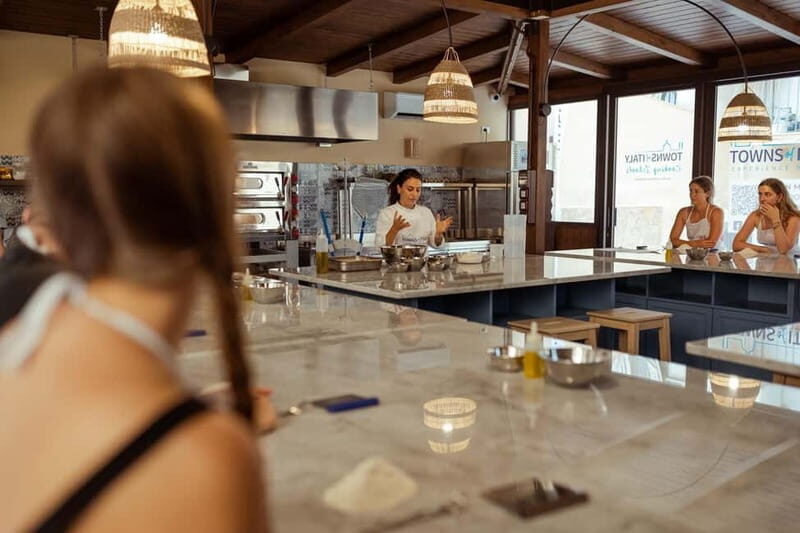
While the pasta dough rests, the chef turns to gelato. You learn about the dessert’s origins and ingredients, with a focus on Sicilian produce, and watch the preparation process. The class also includes a demonstration of how to make a cone.
This is the part to understand clearly before you book. Pasta making is hands-on, but the gelato is presented as a live demonstration, not a task each participant performs from start to finish. That still gives you a useful look at how the dessert comes together, and chocolate, vanilla and other flavors have appeared in classes, but you should not expect to leave having made your own batch.
The pause also gives the class a natural rhythm. Dough needs time to rest, and rather than filling that gap with idle waiting, the chef uses it to explain another Italian staple. You get a second food lesson without the day becoming two full cooking workshops.
Dinner, local wine and a room full of pasta
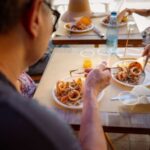
Once the cooking is finished, you sit down to eat the food made during the class. The meal is paired with 0Km Sicilian wine, a local option that suits the setting better than a generic bottle. Children are offered soft drinks instead.
This shared meal is a real part of the value. You have already handled the dough and shaped the pasta, so eating it gives the lesson a satisfying finish. The food is not just a sample on a plate: it is the result of the work you have done, with the chef’s sauces bringing it together.
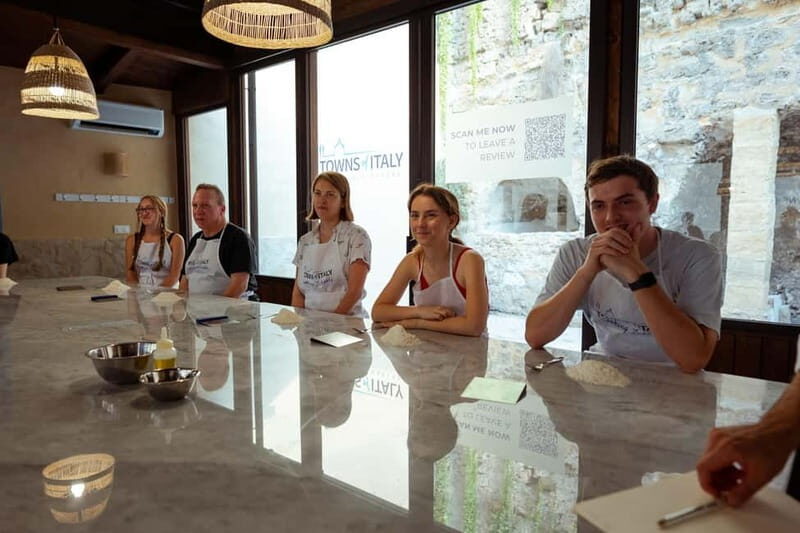
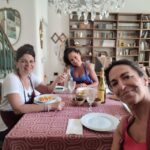
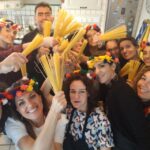
The atmosphere is described as relaxed and social, with music and time to chat with other people. That can be a plus if you are travelling solo or with a partner and want an activity that is not just a private lesson. For families, it can also make the class feel like a shared project rather than a lecture. One family with boys aged 10 and 11 found the instructions easy for them to follow.
Do keep your expectations sensible about the format. You are cooking as part of a group, and the dishes may be served together. If you want a quiet, highly individual lesson or control over every component of your meal, this may not be the best match.
More Great Tours NearbyChefs who teach as well as entertain
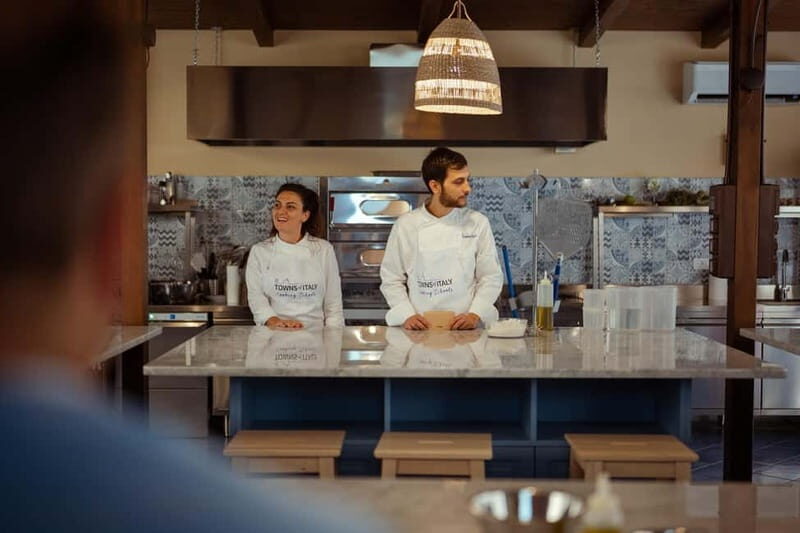
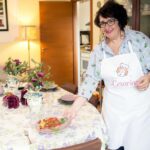
The instructors are one of the experience’s strongest assets. Names associated with the class include Marcello, Lidia, Salvo, Enza and Marco. Individual chefs vary by date, but the teaching style described across the class is warm, lively and practical, with room for questions and extra help.
Marcello is often singled out for his energy and clear explanations. Lidia has also been praised for being patient and helpful, while Salvo is described as kind and engaging. Those details matter because a cooking class depends on more than a good recipe. You want a teacher who can make the steps clear while keeping the room enjoyable.
Some instructors also share food tips and restaurant suggestions for Palermo. That is a useful extra, especially early in a stay, when you are still deciding where to eat. Treat any recommendations as a starting point, then choose what suits your own plans and appetite.
The kitchen has been described as clean and well organized. One summer participant noted that the air conditioning was not working well, which is worth keeping in mind if you are sensitive to heat. Palermo can be hot, and cooking indoors adds warmth. Wear comfortable clothes, bring water, and consider a hat and sunscreen if you are joining the market walk.
You can also read our reviews of more tours and experiences in Palermo
The five-hour Capo market and feast option
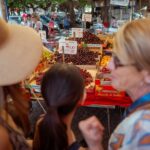
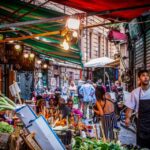
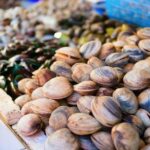
If you want more than pasta and gelato, the upgrade adds a guided walk through Palermo’s Capo market. You stroll with the chef, taste local foods and select ingredients before heading to the kitchen. The walk gives the cooking a stronger connection to the city’s daily food culture: ingredients are not just handed to you, they begin with a market visit.
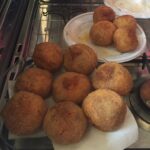
Afterward, the class moves into a fuller Sicilian menu. Dishes listed for this option include arancine, pasta alla Norma and classic cannoli, alongside pasta making. This is a substantially different day from the standard class, not simply a longer version with extra time at the same table.
The market upgrade is the better choice if food is a main reason for your visit and you have five hours to spare. It offers more context and a broader meal, but it also takes up much of the day. If your Palermo schedule is tight, the standard class still gives you hands-on cooking, a dessert lesson and dinner without the longer outing.
The meeting point may differ by option, so confirm where the market version begins. The activity does not include hotel pickup or drop-off. Plan your own way to the meeting location, and leave a little margin rather than arriving at the last minute.
Is $65 good value for a Palermo cooking class?
For the standard class, $65 buys instruction from local chefs, ingredients, apron and utensils, two types of pasta, a gelato demonstration, dinner with wine, a digital recipe booklet and a graduation certificate. The meal matters when judging the cost: this is both a cooking activity and a dinner, not a short lesson with a token tasting.
You are also paying for the chance to learn a repeatable skill. The recipe booklet helps you bring the food home, while the chef’s guidance can make the difference between following measurements and understanding what the dough should feel like. Past participants have described leaving more confident about making the dishes again.
The value is less compelling if you only want to watch a chef cook or if you expect an individual gelato-making session. In that case, much of the class’s appeal is not what you are looking for. If you enjoy taking part, eating your results and meeting other people around a table, the package is well balanced.
The five-hour option costs more than the standard class, though the supplied price of $65 is for the experience in general and does not specify a separate upgrade price. Check the price for your chosen date and option before deciding. Compare the extra cost with the market visit and expanded menu, not just the additional hours.
Who will enjoy it, and what to check first
This class suits couples, friends, solo visitors and families who like food and want to take part rather than simply dine out. Children are welcome, and the meal includes soft drinks for them. The class can work well as an afternoon plan, especially if you want a social activity that gives you a proper meal at the end.
Vegetarian options are available on request. Other dietary needs and allergies should be shared with the provider when booking. A chef has accommodated an allergy during a class, but that does not guarantee every request can be met, so ask clearly before you commit.
The class is not suitable for people with celiac disease. It is also not suitable for wheelchair users or people with mobility impairments. Comfortable clothes and shoes are sensible for the kitchen, and comfortable shoes, water, a hat and sunscreen are especially useful if you choose the Capo market outing. Pets are not allowed.
You can cancel up to 24 hours in advance for a full refund, and the activity offers a reserve-now, pay-later option. These terms provide some flexibility, but check the conditions for your booking when you choose a date.
Should you book this Palermo cooking class?
Book the standard class if you want a hands-on pasta lesson, a taste of Sicilian cooking and a relaxed dinner with local wine. Its best features are the chance to shape both ravioli and tagliatelle and the friendly, step-by-step teaching. Just remember that gelato is a demonstration.
Choose the Capo market upgrade if you want a fuller food day, including market tastings and dishes such as arancine, pasta alla Norma and cannoli. Skip both options if you need a celiac-safe class, wheelchair access, or a quiet, individual cooking session. For everyone else who enjoys rolling up their sleeves and eating the results, this is a practical, sociable way to spend a few hours in Palermo.
Palermo: Pasta and Gelato Making Class with Dinner and Wine
FAQ
How long does the class last?
The experience lasts about three to five hours. The standard pasta and gelato class is the shorter option, while the market tour and fuller cooking class takes five hours.
What pasta do I make?
You make fresh egg pasta from scratch and shape it into ravioli and tagliatelle. The pasta is paired with seasonal homemade sauces.
Do participants make the gelato themselves?
No. Gelato is a live demonstration. The chef explains the dessert and Sicilian ingredients, and shows how to make a cone.
Is food and wine included?
Yes. The class includes a meal made from the dishes prepared during the activity, paired with Sicilian wine. Children receive soft drinks.
Can I request vegetarian food or tell the provider about an allergy?
Vegetarian options are available on request. Tell the provider about dietary needs and allergies when booking so they can discuss what is possible.
Is the class suitable for someone with celiac disease?
No. The class is listed as unsuitable for people with celiac disease.
What does the market tour option include?
The five-hour upgrade includes a guided walk through Capo market, tastings and ingredient selection with the chef, followed by a fuller Sicilian cooking menu that can include arancine, pasta alla Norma and cannoli.
You can check availability for your dates here: