Kuromon Ichiba is a feast for the eyes, but its crowded lanes and many food stalls can make choosing where to stop a puzzle. This guided walk gives you a local to help sort the tempting options from the less worthwhile ones, while adding stories about Osaka along the way.
I like that guides such as Yoshi have taken visitors beyond the market into Doguyasuji kitchen street, with practical help spotting affordable meals and genuine Japanese-made goods. I also like the personal, flexible pace: guides including Daisuke and Yoko have been praised for clear communication and accommodating families.
One point to know before booking: despite the food-tour name, food is not included in the tour price. You may have chances to buy or sample food, but plan to pay separately, and understand that the amount of walking and time at each stop can vary with your guide.
- Key points to know before you go
- Kuromon Market is easier with a local beside you
- What the half-day walk can include
- Doguyasuji adds a different kind of food stop
- Dotonbori, Namba, and route expectations
- The guide can make the difference
- Is .09 a fair starting price?
- Who is likely to enjoy this walk
- Should you book it?
- FAQ
- What is the starting price?
- Is food included in the tour?
- How long does the tour last?
- Which places does the tour visit?
- Can I book for tomorrow?
- Can I cancel and get a refund?
- The Best Of Osaka!
- More Food & Drink Experiences in Osaka
- More Tours in Osaka
- More Tour Reviews in Osaka
- Not for you? Here's more nearby things to do in Osaka we have reviewed
Key points to know before you go
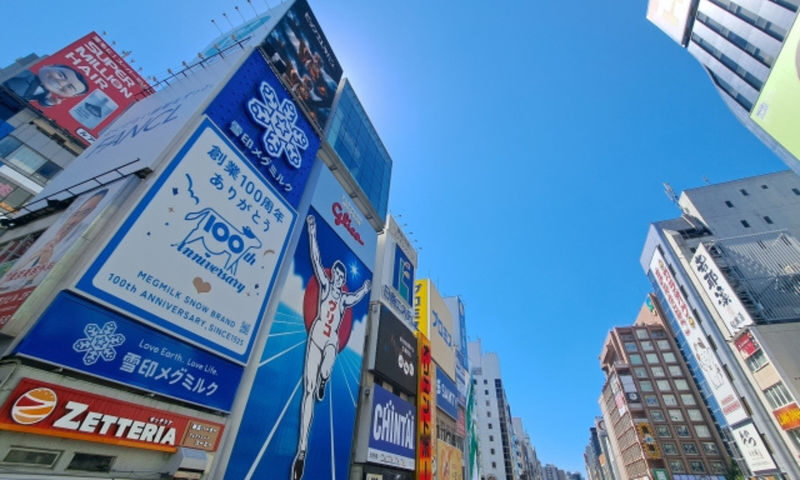 1 / 6
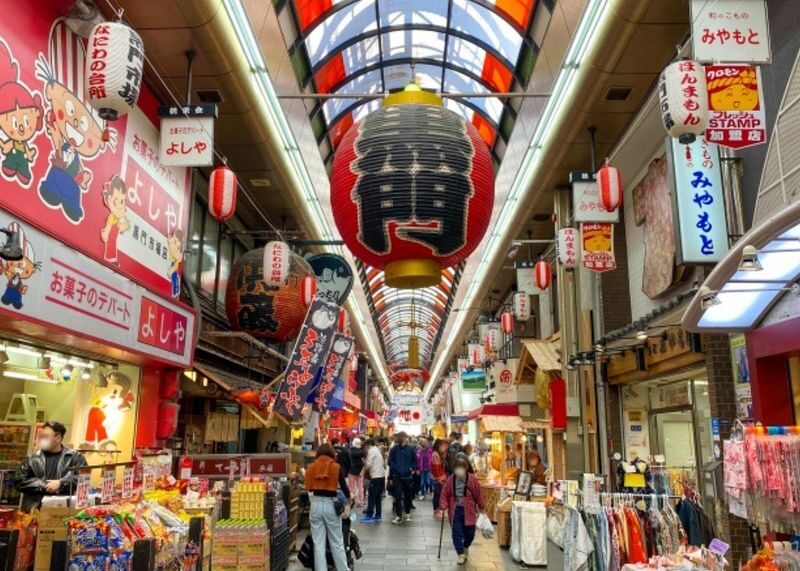 2 / 6
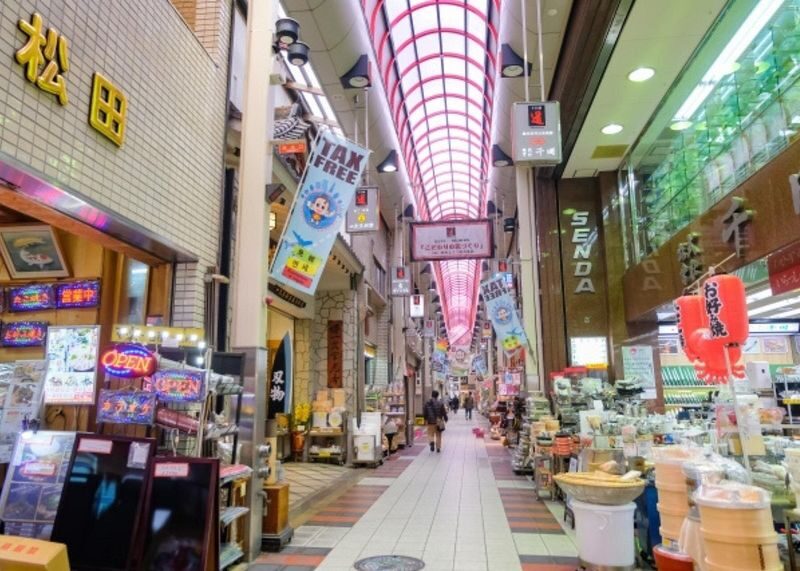 3 / 6
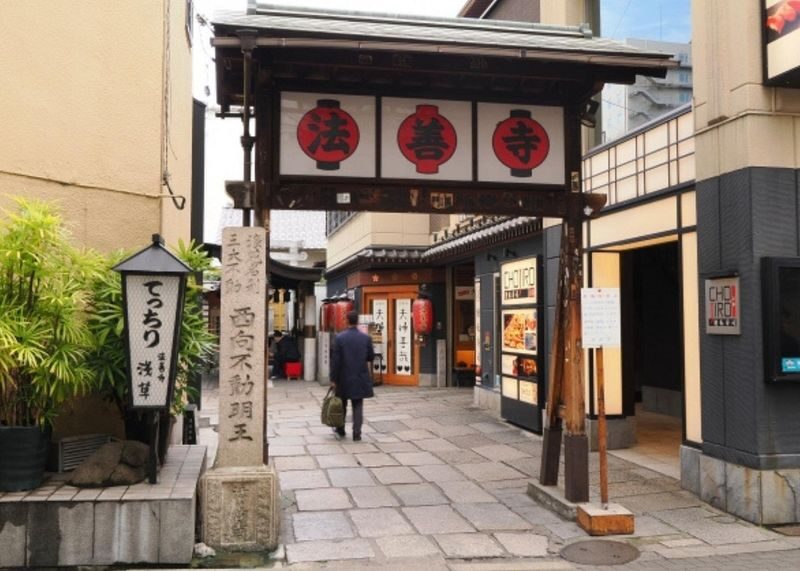 4 / 6
 5 / 6
 6 / 6
- Kuromon Market is the main draw: A guide can help you make sense of the stalls and decide what is worth trying.
- Doguyasuji may be part of the walk: This kitchen-supply street adds a different view of Osaka’s food culture.
- The guide shapes the experience: Past guides include Yoshi, Daisuke, Hiroki, Yoko, Yokko, and others.
- Bring money for food: Tastings and meals are not included in the listed starting price.
- Expect a flexible walk, not a fixed tasting menu: Stops and time spent in each area may vary.
- Language ability can differ: English communication has been clear with some guides, while another visitor found it difficult with theirs.
👉 See our pick of the 24 Best Workshops And Classes In Osaka
Kuromon Market is easier with a local beside you
Kuromon Ichiba is known for its array of ready-to-eat foods and ingredients. It can be fun to wander on your own, but the crowded lanes and sheer number of stalls can also make it hard to know where to pause. A guide gives you someone to ask, someone who can explain what you are seeing, and a second opinion before you spend money on a snack.
That practical help is the strongest reason to book. A visitor with teenage children found the market maze-like and said map apps were not very useful for navigating it or choosing places to try. That is a useful point for families and anyone who gets decision fatigue around dozens of tempting options. A guide can take the pressure off the question of what to eat next.
Still, keep your expectations clear. The tour price starts at $22.09, but that does not buy a set series of bites. Food and drinks may be available to sample or purchase along the way, but you should budget for those separately. If you want a food tour where each stop includes a planned tasting, this format may not be the right match.
You can also read our reviews of more food & drink experiences in Osaka


What the half-day walk can include
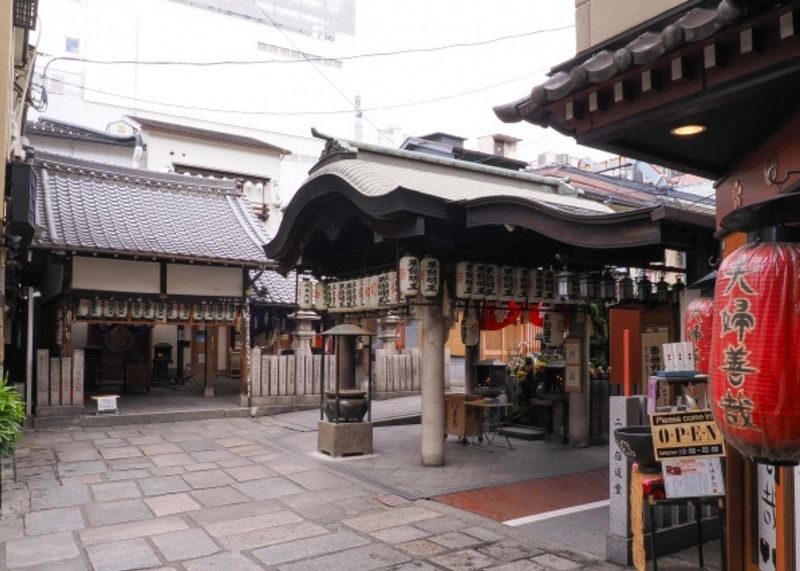
The experience is described as a half-day small-group tour, and the market is its central stop. The exact route and timing are not fully specified. A visitor expected a two-hour walk, but said their tour finished in under an hour and a half and skipped Namba Parks. Another account describes a relaxed visit with time in Kuromon and Doguyasuji. So treat the route as a guided walk with possible stops, not a guaranteed checklist.
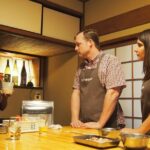
At Kuromon, your guide can help you look past the busy storefronts and consider which foods, shops, or prices make sense for you. One guide, Yoshi, was especially helpful in steering a mother and daughter away from purchases they did not need and toward a local restaurant that was both tasty and affordable. He also gave advice on other places to eat in Osaka. That sort of grounded recommendation can be more useful than a long lecture about every stall.
Some guides have helped visitors sample foods and drinks, while another visitor found that their guide offered little explanation about the food itself. The safest plan is to ask at the start what your guide expects to cover and which stops are possible. If you have a particular interest, such as seafood, takoyaki, or shopping for local products, say so early. The format appears flexible, and that can work in your favour if you make your priorities clear.
Doguyasuji adds a different kind of food stop
When the route includes Doguyasuji kitchen street, the focus shifts from food you can eat to the tools and goods used to prepare and serve it. A local guide can help you understand why a shop or product might be worth a look, rather than leaving you to browse unfamiliar shelves without context.
This section can also suit you if you want to shop for souvenirs beyond the usual snack boxes. Yoshi helped one visitor look for genuine made-in-Japan products and carried a shopping bag. That is a nice example of the practical, personal help a good guide can offer, though you should not assume every guide will provide the same service.
The street also gives the walk a useful counterpoint to Kuromon. A market visit is all about food on display; kitchen shops show the equipment and craft behind the meal. If your main goal is tasting a long list of dishes, this stop may feel less exciting. If you like seeing how local food culture is supported, it adds texture to the outing.
Dotonbori, Namba, and route expectations
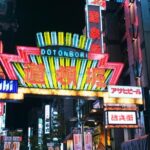
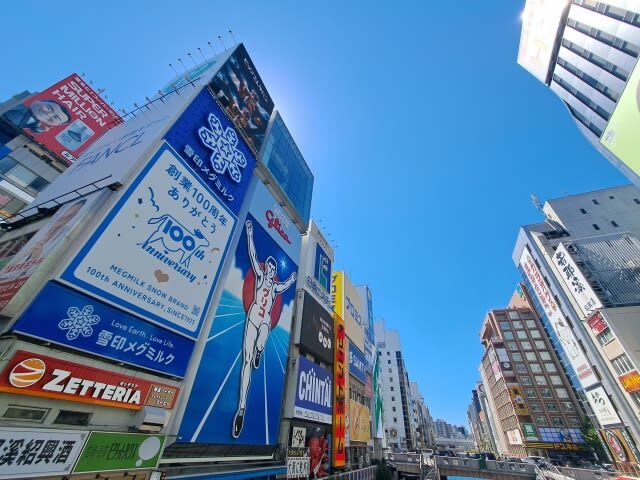
Dotonbori is part of the tour’s name, but the details available do not establish a fixed sequence or guarantee a particular stop there. Some walks have included nearby areas, and one visitor expected Namba Parks as the final stop but did not reach it. Ask your guide at the start which places are planned for your date, especially if you have a must-see stop or a tight schedule afterward.
The broader area can offer a handy introduction to central Osaka, but the value lies less in ticking off landmarks than in getting oriented with someone who can explain the local setting. Guides have shared stories about Japanese history, temples, and shrines, as well as recommendations for other places to eat. How much detail you get depends on the guide and the language in which they can explain it.
This variability matters. One visitor found their guide’s English easy to follow and enjoyed the historical context; another struggled to understand their guide and felt the walk lacked explanation. If English is important to you, ask in advance which language your guide can use comfortably. The experience can feel like a relaxed outing with a local when communication clicks, but the quality of that connection is central to the tour.
The guide can make the difference
The most consistent strength of this experience is the guide’s ability to make a crowded market feel manageable and personal. Daisuke was described as patient and kind, and helped a group who did not speak Japanese. Hiroki was praised for clear English, humour, and historical stories. Yoko was described as accommodating and kept the tour on time. Another guide, who spoke Chinese, helped a family take photos and shared local history.
Those examples point to a tour that is shaped by the person leading it. At its best, you can ask questions, adjust how long you stay in a place, and get recommendations that fit your interests. One family with teenagers liked the feeling of being shown around by a local relative. Another visitor appreciated having time to enjoy a meal privately after the guide introduced the restaurant.
There are also reasons to set a few expectations at the outset. A reported tour ended early, missed a planned stop, and provided little detail. A request to write a review on a different platform before the guide left also made one visitor uncomfortable. These are not reasons to assume every walk will go that way, but they reinforce the value of confirming the route, duration, and priorities before setting off. You should feel free to ask for photos, more explanation, or a slower pace when needed.
You can also read our reviews of more tours and experiences in Osaka


Is $22.09 a fair starting price?
At a starting price of $22.09, the main value is the guide, not a bundle of food. If you are comfortable choosing and paying for your own snacks, a local guide can make the market more rewarding by helping you navigate, offering context, and pointing you toward places that suit your taste and budget.
That can be particularly worthwhile in summer. One family found a guide essential in the heat, since moving through a crowded market and making decisions among so many options can be tiring. The walk is also a reasonable choice if you are travelling with children or teenagers who would enjoy trying foods but need help narrowing down the choices.
The price is less compelling if you expect a structured tasting menu, a guaranteed set of stops, or an exact amount of food. Add your expected food purchases to the cost when comparing this with other tours. If the guide makes a good recommendation for an affordable local restaurant, as happened for one visitor, that advice may itself be useful. But you will need to pay for the meal separately.
Who is likely to enjoy this walk
I would consider this tour if you want a friendly introduction to Kuromon Market and prefer having a local to help you navigate. It looks especially suited to families, first-time visitors to the market, and people who feel overwhelmed by choice. The option to spend extra time in one area may appeal if you want to browse, although lingering there can mean less time elsewhere.
It also suits curious shoppers. Doguyasuji, when included, offers a chance to look for kitchen goods, while a guide may help you distinguish useful Japanese-made products from generic souvenirs. If your main interest is Osaka’s food scene, ask the guide for restaurant recommendations as well as market suggestions.
I would look elsewhere if your top priority is a formal tasting tour with food included, or if you need a strict route and end time. The tour is described as half-day, but the precise duration and stops are not firmly established here. Those details matter if you have a timed reservation or plan to meet someone immediately afterward.
Should you book it?
Book this walk if you value local guidance more than a prearranged lineup of included tastings. Its best version is a relaxed market visit with a helpful guide who can explain the food, make the maze easier, and point you toward worthwhile shops or restaurants. To get the most from it, tell the guide what you want to eat or buy, confirm the planned route and language, and bring extra money for anything you choose to try.
Skip it if you want every bite included or need a guaranteed itinerary. The price is modest, but the experience depends heavily on the guide and the pace of the day. For a market that can be confusing on your own, the right guide may be worth more than a fixed list of snacks.
Osaka Kuromon Market Dotonbori Half-Day Small Group Food Tour
“Daisuke was not only patient with us but he was very kind-hearted. He communicated very well despite my friends and I not knowing Japanese. He show…”
FAQ
What is the starting price?
The listed starting price is $22.09. Food and drinks are not included in the tour price, so allow extra money for anything you choose to buy.
Is food included in the tour?
No. Food is not included in the cost. You may have opportunities to sample or purchase food during the walk, but do not expect a set of included tastings.
How long does the tour last?
It is described as a half-day tour. One visitor expected a two-hour walk, but the exact duration is not specified and one account describes a tour that ended in under an hour and a half.
Which places does the tour visit?
Kuromon Ichiba Market is the main attraction. Doguyasuji kitchen street and nearby areas have also been part of walks, but the route is not guaranteed and Namba Parks was missed on one occasion.
Can I book for tomorrow?
Yes. The activity information says you can book for the next day, with instant confirmation.
Can I cancel and get a refund?
You can receive a full refund if you cancel at least 24 hours before the activity date, using the destination’s local time.