Osaka’s big appeal is how quickly the scenery changes: one moment you’re tracing the moat and stone walls of Osaka Castle, the next you’re in a market lane or under Dotonbori’s towering signs. This full-day tour links those contrasts with a guide to explain what you’re seeing, plus a hands-on ukiyo-e printmaking stop.
I like two things especially: the mix of samurai-era landmarks and everyday food culture, and the way the tour uses trains and the subway rather than keeping you on a bus. The printmaking workshop adds a welcome change of pace, and you leave with a small print you made yourself.
The trade-off is stamina. Expect about 12,000 steps, long visits at the castle and temple, and a full day out from 9:25 to around 17:00. If you want a relaxed, mostly seated tour, this is not the right fit.
- The day at a glance
- Start at Osaka Castle, where the city’s scale comes into focus
- Shitenno-ji trades castle defenses for calm temple grounds
- Kuromon Market is a meal stop, but lunch is on your own
- Make a small ukiyo-e print before the final city walk
- Dotonbori and Shinsaibashi close with Osaka at full volume
- What the price covers, and what it does not
- Who will enjoy this full-day Osaka walk
- Should you book this Osaka tour?
- FAQ
- How long is the tour?
- Where is the meeting point?
- How much walking should I expect?
- Is an English-speaking guide included?
- Does the tour include public transport?
- Are meals and drinks included?
- What happens at the ukiyo-e workshop?
- Are attraction admissions included?
- What should I bring for the weather?
- Can I get a refund if I arrive late or miss the tour?
- The Best Of Osaka!
- More Walking Tours in Osaka
- More Tours in Osaka
- More Tour Reviews in Osaka
- Not for you? Here's more nearby things to do in Osaka we have reviewed
The day at a glance
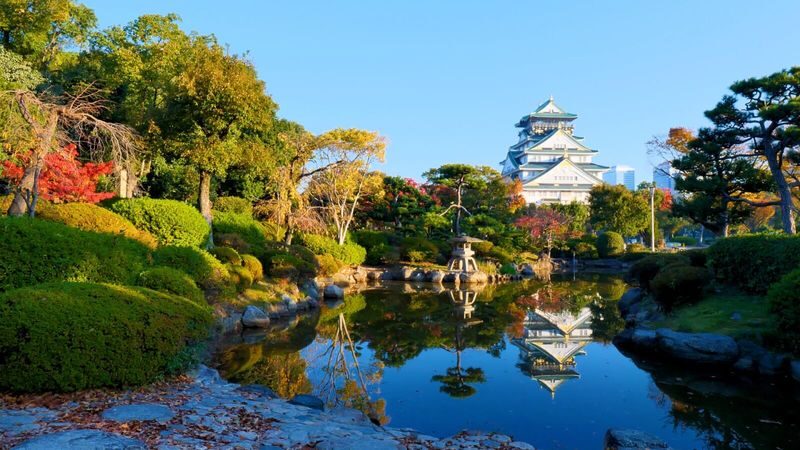
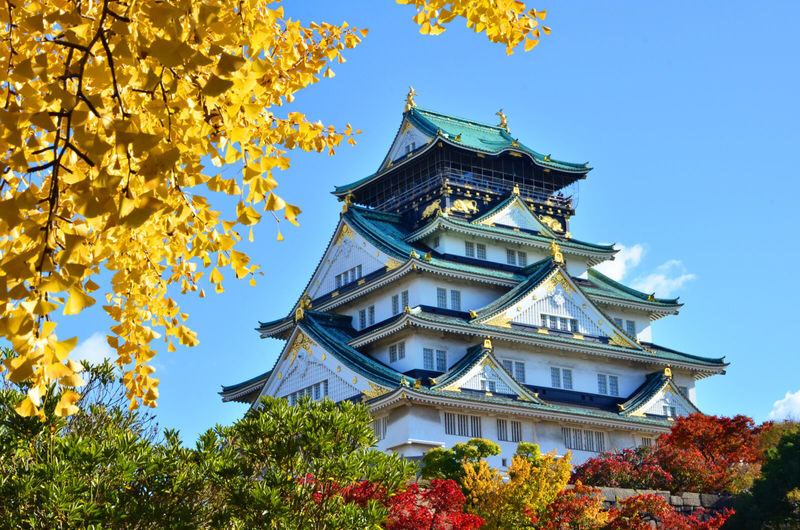
- Osaka Castle brings the city’s past into view: Explore the museum and castle grounds, including the stone walls, moat, restored tower, and gardens.
- Shitenno-ji offers a quieter counterpoint: Walk through the grounds of one of Japan’s oldest state temples and hear about its Buddhist architecture and long history.
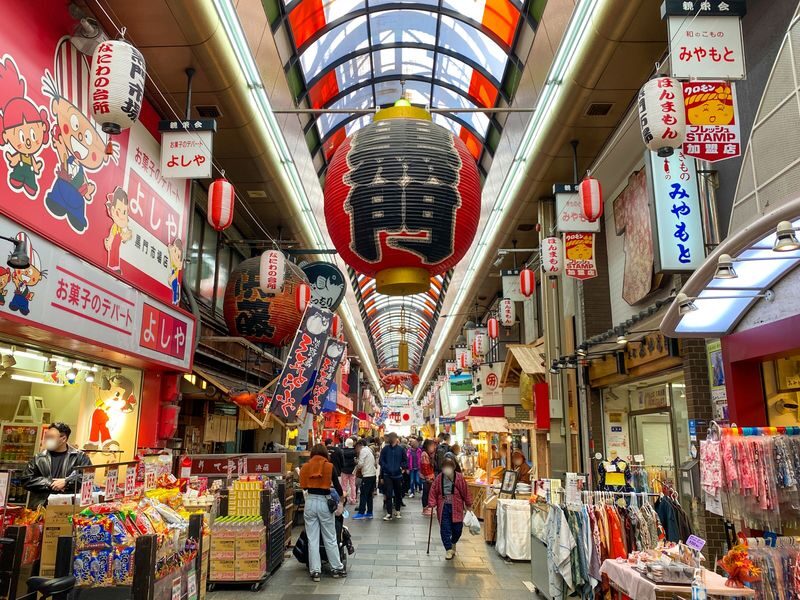
- Kuromon Market is your chance to eat Osaka-style: Browse a traditional food market known for seafood, local specialties, and tempting snacks. Food and drinks are not included.
- Ukiyo-e makes the day hands-on: Handle woodblocks and ink, then take home a small print you create.
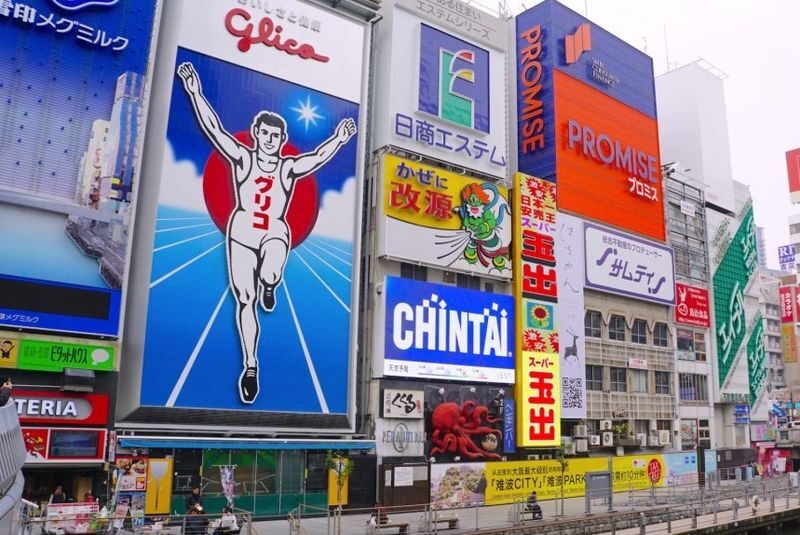
- Dotonbori and Shinsaibashi finish on a lively note: See famous neon signs, including the Glico sign, alongside food stalls, shops, and smaller side streets.
- The route uses public transport and your own two feet: The tour provides a subway pass, but comfortable walking shoes are essential.
👉 See our pick of the 24 Best Workshops And Classes In Osaka
Start at Osaka Castle, where the city’s scale comes into focus
The meeting time is 9:25 at Akatsuki Square, on the first floor of the North Gate Building inside JR Osaka Station. Look north of the Central Exit ticket gates, between two escalators. That precise location matters: a past visitor had trouble finding the guide after waiting at the wrong station, so check that you are going to Osaka Station, not Shin-Osaka Station, and allow a little extra time.
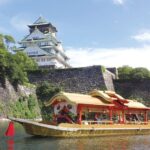
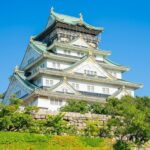
From there, the tour uses the train for a roughly 15-minute trip to Osaka Castle. The castle visit is listed at about two hours, with time at the museum to learn about Osaka and the castle’s past. You’ll also see the impressive stonework, moat, restored tower, and Japanese gardens.
The setting helps make the history legible. A castle is more than a photogenic tower: the walls and moat show how the site was built to defend power, while the museum gives a guide room to connect the place to Osaka’s story. Past guides such as Justin, Warren, Wingki, and Gareth have been praised for telling stories that make historic sites easier to understand, rather than simply naming dates and architectural features. Your guide may be someone else, but an English-speaking guide is included.
There is a practical limit to keep in mind. Two hours at a major site can feel full, especially if you like to read every display or linger in the gardens. The visit is guided, so expect the group’s pace to shape how long you spend at each part of the castle complex.
You can also read our reviews of more walking tours in Osaka



Shitenno-ji trades castle defenses for calm temple grounds
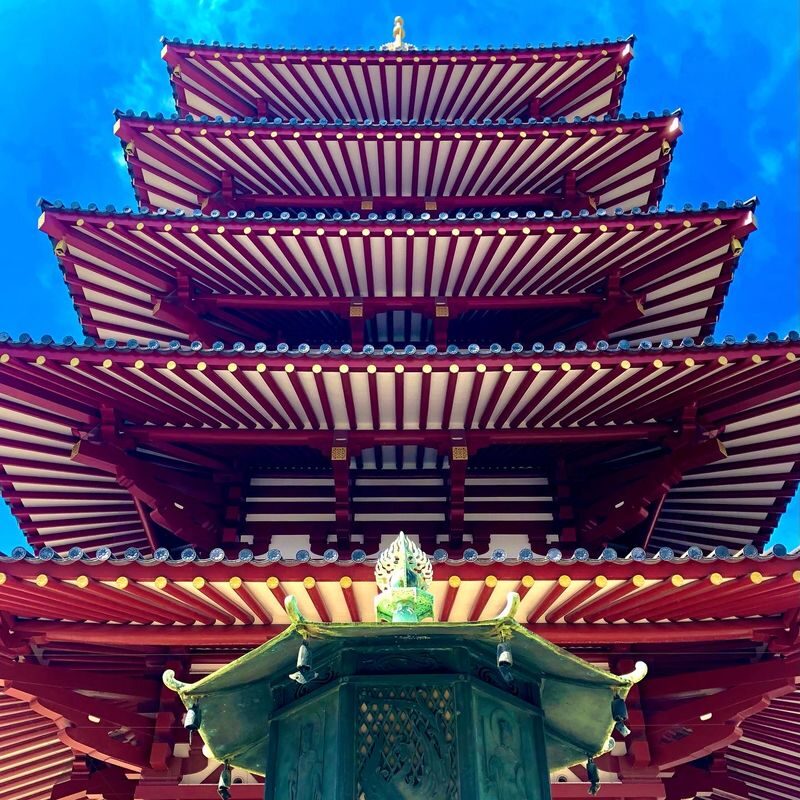
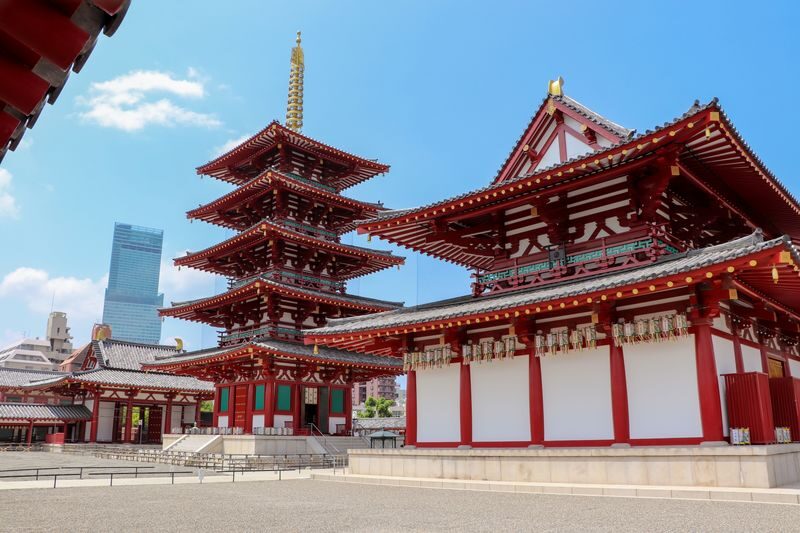
The next stop is Shitenno-ji, reached after the castle visit. The planned temple visit also runs about two hours, giving you time to walk its grounds and see its Buddhist architecture. It is described as one of Japan’s oldest state temples, so this is a useful chance to see a place of worship with a very different feel from a castle museum.
I like this pairing because it gives the day a broader view of Osaka. The castle introduces military and political history; the temple shifts the focus to religious tradition and the way sacred spaces are arranged. A guide can help explain the significance of the courtyards and buildings, which can otherwise look beautiful but be hard to interpret if you are unfamiliar with Buddhist architecture.
The trade-off is another substantial stop on foot. The itinerary allows two hours here, and the day as a whole is estimated at around 12,000 steps. If your energy tends to dip in the afternoon, pace yourself early rather than spending all your strength at the castle.
Kuromon Market is a meal stop, but lunch is on your own
After Shitenno-ji, the tour takes a roughly 15-minute train ride to Kuromon Ichiba Market. This traditional marketplace is known as Osaka’s kitchen, and it is a natural place to sample the city’s food culture. Expect market lanes, food stalls, and the smells of grilled seafood and other local specialties.
Takoyaki, grilled scallops, sea urchin, wagyu skewers, and tamagoyaki are among the foods suggested for the day. The market stop is guided, but meals and beverages are not included. Treat this as a chance to choose what appeals to you, not as a set lunch served by the tour.
Bring small change and arrive hungry. You may want to sample several things rather than commit to one large meal, though the right choice depends on your appetite and what you find available. Food prices are not provided, so keep your spending flexible. The market can be busy, and people who prefer quiet, unhurried meals may find it a little intense.
This stop is one of the tour’s strongest contrasts with the castle and temple. Osaka is often called Japan’s kitchen, and a market visit puts that reputation in everyday terms: you’re looking at ingredients and ready-to-eat food where local shopping and eating happen, not only at a restaurant table.
Make a small ukiyo-e print before the final city walk
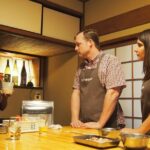
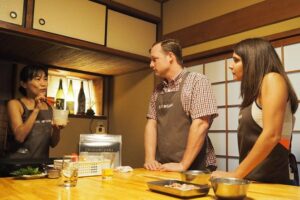
The tour includes a hands-on ukiyo-e printmaking workshop, where you use a woodblock and ink to make a small print to take home. The activity brings traditional Japanese art into the day in a practical way. Instead of only hearing about an art form, you get a short turn at the process yourself.
The workshop is a welcome change from walking and looking. One past visitor singled out the paper-art activity as an unexpected pleasure, and another described the workshop as a highlight. The tour information also warns that it gets inky, so wear clothes you do not mind getting marked or roll up your sleeves.
The timing in the day’s description places the workshop after lunch, as part of the Dotonbori portion, though the route may shift with weather and traffic. The itinerary gives Dotonbori about an hour, so this is not a long art class. Think of it as a compact introduction and a take-home keepsake, not a detailed course in printmaking.
Dotonbori and Shinsaibashi close with Osaka at full volume
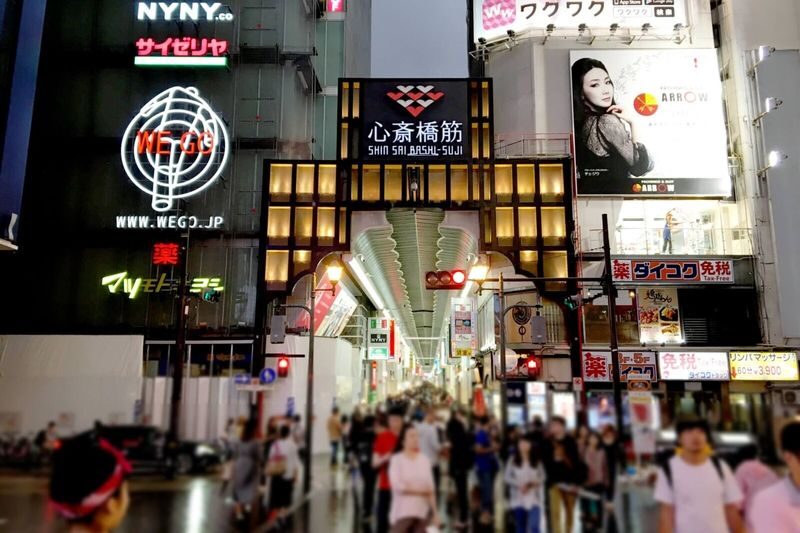
The final walking stretch takes you through Dotonbori and Shinsaibashi. Dotonbori’s neon signs, bars, clubs, restaurants, and food stalls make a sharp change from the temple grounds. The Glico sign is one of the area’s best-known photo stops, and the guide can point out nearby backstreets for a look beyond the most crowded spots.
This is a lively finish, but crowds are part of the deal. The tour’s one-hour Dotonbori visit needs to cover both the area and the printmaking activity, so you should not expect a long, leisurely wander through every shop or a full evening of dining. If you want to return later for dinner or more shopping, the tour gives you an introduction to the area and a sense of where to start.
The route then includes a roughly 20-minute train ride. The scheduled return is around 17:00 at Osaka Station, the same general meeting location. The full day’s route and timing can change with weather and traffic, so treat the schedule as a plan rather than a minute-by-minute guarantee.
You can also read our reviews of more city tours in Osaka


What the price covers, and what it does not
The Osaka Station package starts at US$133.69. It includes an English-speaking guide, admission to attractions, and round-trip transfers to and from the meeting location. The tour also provides a subway pass for its public-transport legs. Meals, drinks, and personal purchases are extra.
For that price, you are paying for more than a series of stops. The guide links the castle, temple, market, and shopping districts into a single day, while public transport helps you move between neighborhoods without having to plan every train connection yourself. The workshop adds an activity beyond sightseeing, and the included admissions reduce the need to sort out entry costs along the way.
Value depends on how you like to travel. If you enjoy a guide’s stories and want a structured first look at several sides of Osaka, the price may make sense. If you prefer to spend hours at one museum, browse a market at your own pace, or choose every meal independently, you may get more from a self-guided day.
Who will enjoy this full-day Osaka walk
This tour suits first-time visitors who want a broad introduction in one day, especially if they value history but also want to eat and see ordinary city life. It works well for people who like walking tours, ask questions, and enjoy moving between neighborhoods by local transport. The guide can also be a useful person to ask about Osaka’s everyday quirks and local expressions.
Families should consider the day’s length and walking load. Children aged 0 to 5 are free, while children aged 13 and older are charged the adult rate. The information does not specify a price for ages 6 to 12, so check that detail before booking. Everyone should be prepared for a long day on their feet.
Wear comfortable walking shoes, and bring a compact umbrella or rain jacket because Osaka weather can shift. In hot months, sunscreen and a small towel are recommended. The voucher is for the specified date and time, and late arrivals or no-shows are not refundable, so take the meeting-point directions seriously.
Should you book this Osaka tour?
Book it if you want one guided day that balances Osaka Castle and Shitenno-ji with market food, a short art activity, and the neon streets of Dotonbori. Its strongest point is the range: you get history, local food culture, public transport, and a hands-on printmaking session without having to stitch the route together yourself.
Skip it if 12,000 steps sounds like too much, or if you would rather linger at one or two places than follow a full-day schedule. At US$133.69 and up, the value is in the guide, admissions, transport support, and variety, not in included meals. Go prepared to walk, buy your own food, and keep a little energy for the city’s final, bright stretch.
Osaka City, Osaka Castle, Kuromon Market, & Dotonbori Walking Tour
“We had an absolutely wonderful time exploring Osaka with Garett! He was extremely knowledgeable, an incredible storyteller, and one of the friendli…”
FAQ
How long is the tour?
The tour starts at 9:25 and is scheduled to return around 17:00, making it a full-day experience.
Where is the meeting point?
Meet at Akatsuki Square on the first floor of the North Gate Building inside JR Osaka Station. It is north of the Central Exit ticket gates, between two escalators.
How much walking should I expect?
The tour information estimates around 12,000 steps over the day. Comfortable walking shoes are recommended.
Is an English-speaking guide included?
Yes. An English-speaking guide is included.
Does the tour include public transport?
Yes. The tour uses trains and the subway, and a subway pass is provided.
Are meals and drinks included?
No. Meals and beverages are not included, so plan to pay for your own food and drinks at Kuromon Market.
What happens at the ukiyo-e workshop?
You use woodblocks and ink to make a small print to take home. The activity can get inky, so wear clothes you do not mind marking.
Are attraction admissions included?
Yes. Admission to attractions is included.
What should I bring for the weather?
A compact umbrella or rain jacket is recommended. In hot weather, sunscreen and a small towel are also suggested.
Can I get a refund if I arrive late or miss the tour?
No. Late arrivals and no-shows are not refundable. Cancellations made at least 24 hours before the activity date, in destination local time, qualify for a full refund.